
Sep 10, 20265 min read
How to Travel to the Caribbean in Hurricane SeasonSep 10, 2026
5 MIN READ

Writer
A storm over the Caribbean Sea, Playa del Carmen, Mexico. m_boldrin/Shutterstock

Writer
Highlights
Hurricane season in the Caribbean stretches from June to November, peaking in September – bringing great deals but also some risks.
If you travel during this period, track the weather before you go, and follow guidance from local authorties while you’re there.
Our guide lists the risks and details destination by destination. Islands in the “hurricane belt” bring a high risk of storms; the ABC islands are mostly hurricane-free.
Lonely Planet may earn a commission from affiliate links on our site. All recommendations and reviews reflect our own independent opinions.
There’s never a bad time to visit the Caribbean.
Yet the summer and early fall months in this splendid part of the world come with a caveat: the arrival of hurricane season, which starts on June 1, peaks in September and doesn’t officially end until November 30. While posing risks, the risk of rainy, windy storms also usually yields deals on everything from flights to hotel rooms. What’s more, wet weather doesn’t dampen the spirit of the region or its people: in fact, many islands, such as St Lucia, St Vincent and Antigua, indulge in the revelry and opulence of carnival (vaval) between June and August.
If you’re considering booking a trip to the Caribbean during the summer and fall, we’ve got answers to your most pressing questions about how to navigate potential storms.
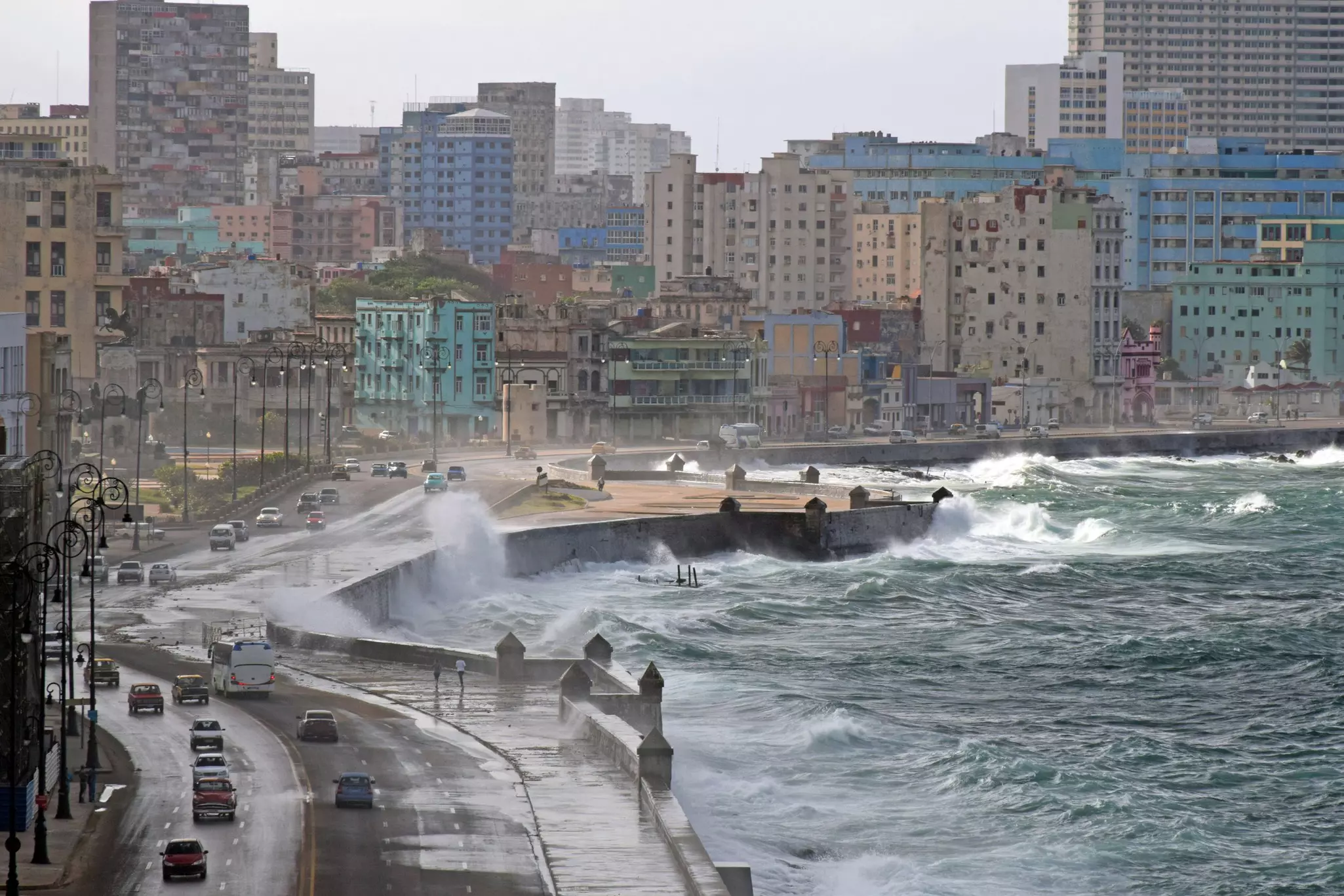
Hurricane season lasts from June through November. The most active months are August, September and October.
Should inclement weather interrupt your trip, travel insurance can help cushion the blow and get you back in the Caribbean again at a later date. A range of companies cover trip interruptions and cancellations – just make sure that there’s a “cancel for any reason” (CFAR) clause that includes weather. You can expect to pay between 5% and 10% of your total nonrefundable trip costs for a supplemental policy – but be sure to check your credit cards to find out if you’re already covered, as this is a common perk. Read more about the ins and outs of travel insurance with our thorough guide.
Thanks to sophisticated tracking systems and the slow-build nature of hurricanes, you will know pretty well in advance if a storm is heading your way. Pay attention to forecasts in the time leading up to your vacation, and avoid completely unplugging while you’re on the road, since you’ll have to act quickly should an emergency arise. If local authorities say to evacuate an area, listen to them.
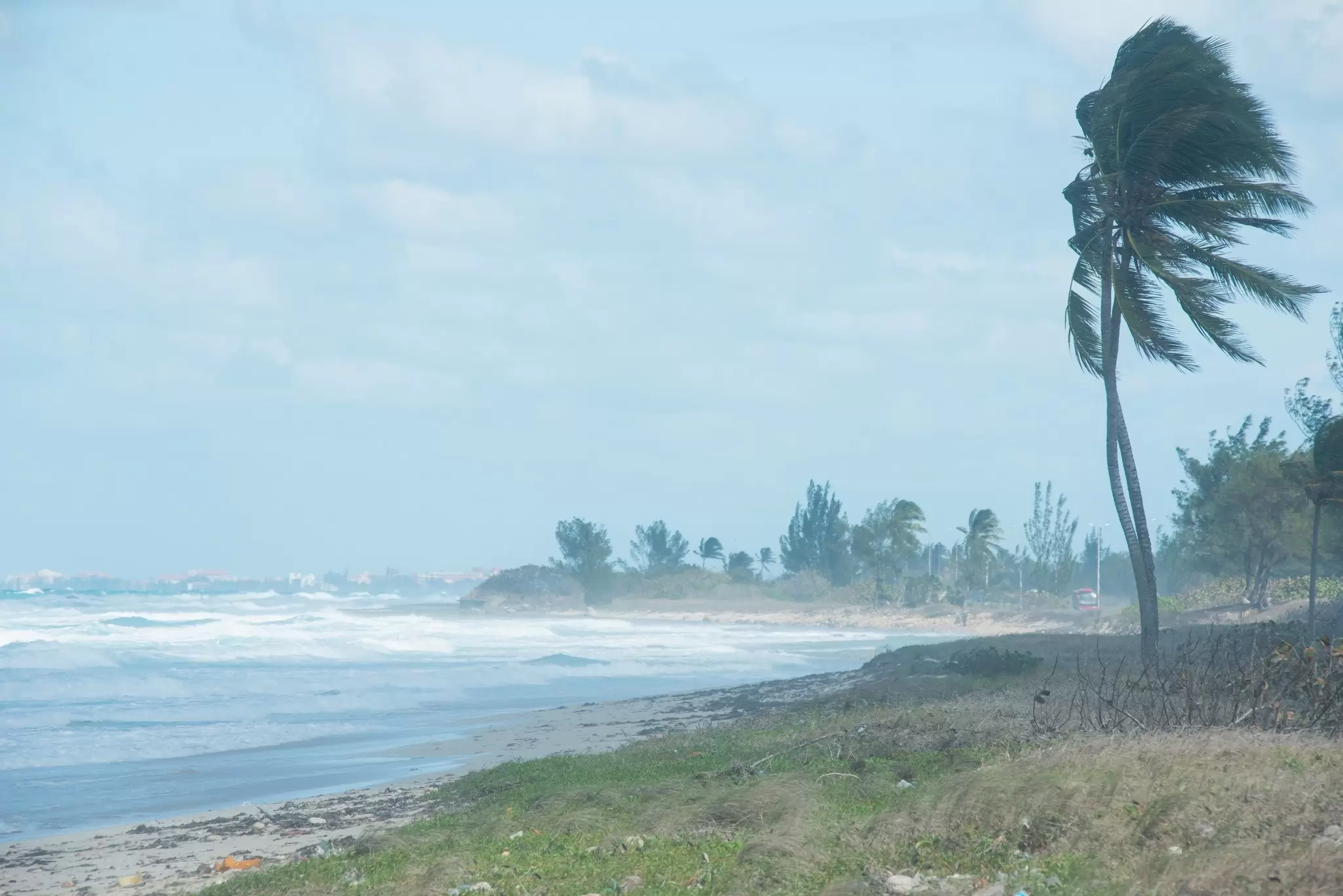
Yes. US Department of Transportation rules require that airlines issue full refunds for any canceled flights, even for reasons out of their control (such as extreme weather), and regardless of fare class. You are not required to accept an automatic rebooking after a cancellation.
If, however, you know a storm is brewing and wish to change your flight before it’s been officially canceled, the airline’s terms – which usually involve fees – do apply. Making changes ahead of the storm may be impossible (or at the least very expensive) for nonrefundable or low-cost tickets.
Familiarize yourself with your destination’s evacuation plans and resources before you go. Once you arrive, check with local authorities or experts to find out how their alerting system works; for example, there might be an emergency text service or other warning system to keep you updated. You’ll want to know where to get to before things turn too dangerous to move. If you’re in the storm’s path and evacuation is not an option, take refuge by putting as much space between you and the outdoors as you can, by sheltering in interior rooms, and steering clear of glass and windows.
US National Oceanic and Atmospheric Administration tracks hurricane activity in the Gulf of Mexico and the Caribbean Sea.
Caribbean Hurricane Network Blog is powered by NASA-powered radar. They also have hurricane correspondents across the islands.
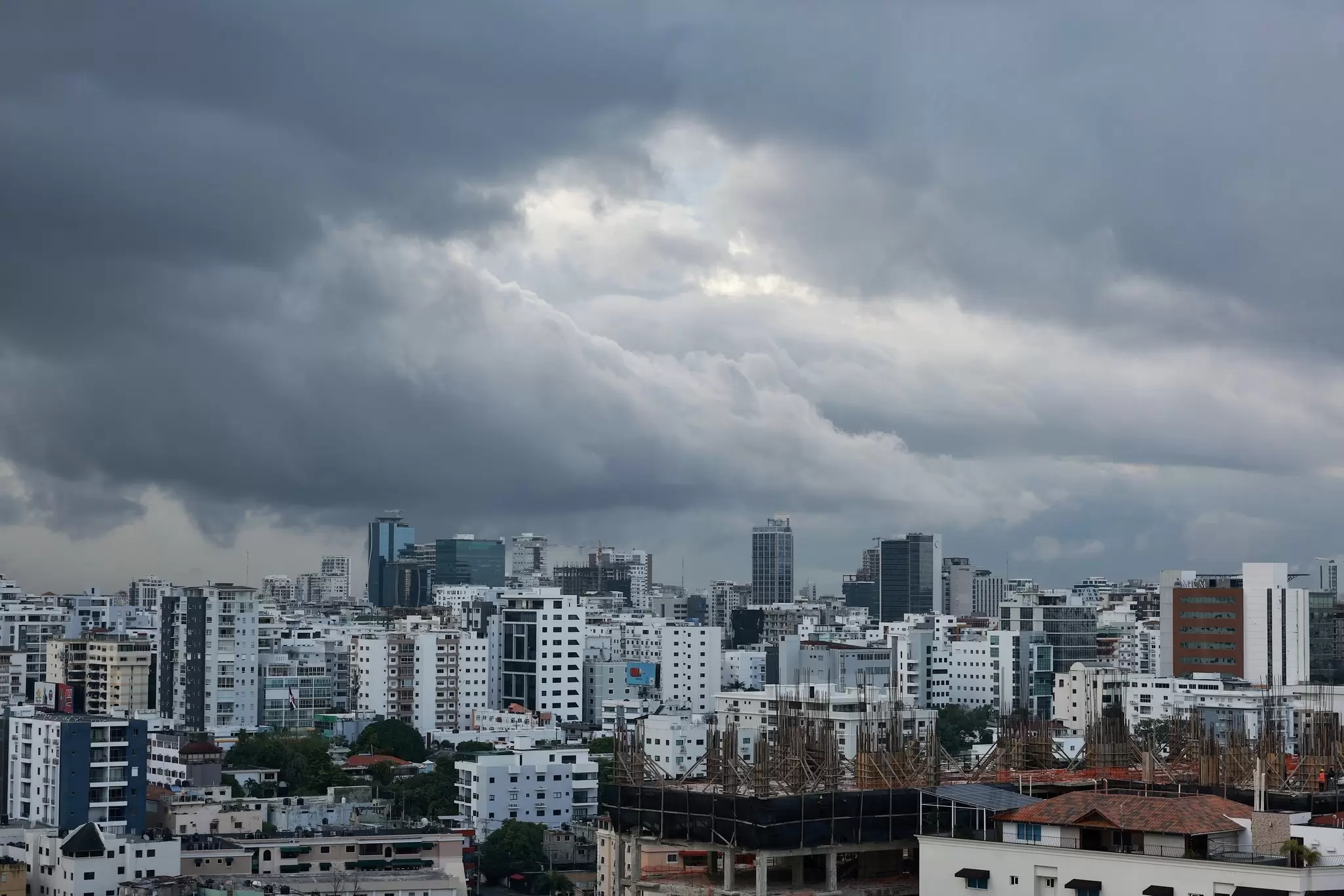
Most islands in the region lie in the Atlantic “hurricane belt” – a northwesterly trajectory propelling storm systems that form in the ocean across the warm waters of the Caribbean Sea, gaining force as they travel. Below, we note the historical frequency of direct hurricane hits for each destination.
Even if an island sits outside a hurricane’s exact trajectory, it’s still possible to feel some effects from passing storms, such as wind, heavy rain and rough seas. Pay attention to the forecast if you know a system is close by, and ask locals about the drivability of routes during and after rain before you set out.
While technically in the Atlantic Ocean, the Bahamas and Turks & Caicos, which make up the Lucayan Archipelago, form the northern band of the Caribbean region.
Hurricane risk level: Medium to high
Peak-risk months: Mid-August through mid-October
Average historical frequency: Every 2–3 years (the Bahamas) and 5–10 years (Turks & Caicos)
Hurricane risk level: High
Peak-risk months: Mid-August through mid-October
Average historical frequency: Every 3 years (with category 3 or higher storms every 10 to 20 years)
Hurricane risk level: Medium. Jamaica lies slightly south of most storm trajectories, generally sparing the island from direct hits.
Peak-risk months: Mid-August through mid-October
Average historical frequency: Every 10 years
Hurricane risk level: Medium. The Dominican Republic’s mountainous interior helps to break high winds and disrupt the most destructive storm systems.
Peak-risk months: Mid-August through mid-October
Historical frequency: Every 10 years
Hurricane risk level: High
Peak-risk months: Mid-August through mid-October
Historical frequency: Every 6–8 years
Hurricane risk level: High to medium
Peak-risk months: Mid-August through October
Historical frequency: Every 10 years
Hurricane risk level: Medium to low
Peak-risk months: Mid-August through October
Historical frequency: Every 10 to 15 years
Hurricane risk level: Low. Since Barbados sits below the hurricane belt, direct hits from storms are rare – though nearby storm systems can cause heavy rain and other intense conditions.
Peak-risk months: Mid-August through mid-October
Historical frequency: Every 25 years or less
Hurricane risk level: Very low. Nestled in the south of the Caribbean Basin, the “ABC islands” lie far to the south of the hurricane belt, and storms reaching them have been exceedingly rare.
Peak-risk months: Mid-August through mid-October
Historical frequency: Every 50 years or less. (The last direct hurricane hit in Curaçao occurred in 1877.)
Adapted in part from Lonely Planet’s latest Caribbean Islands guidebook. Buy it here.
Explore related stories