Oct 24, 20268 min read
Everything You Need to Know About Visiting an Onsen in JapanJan 16, 2026
13 MIN READ
Writer
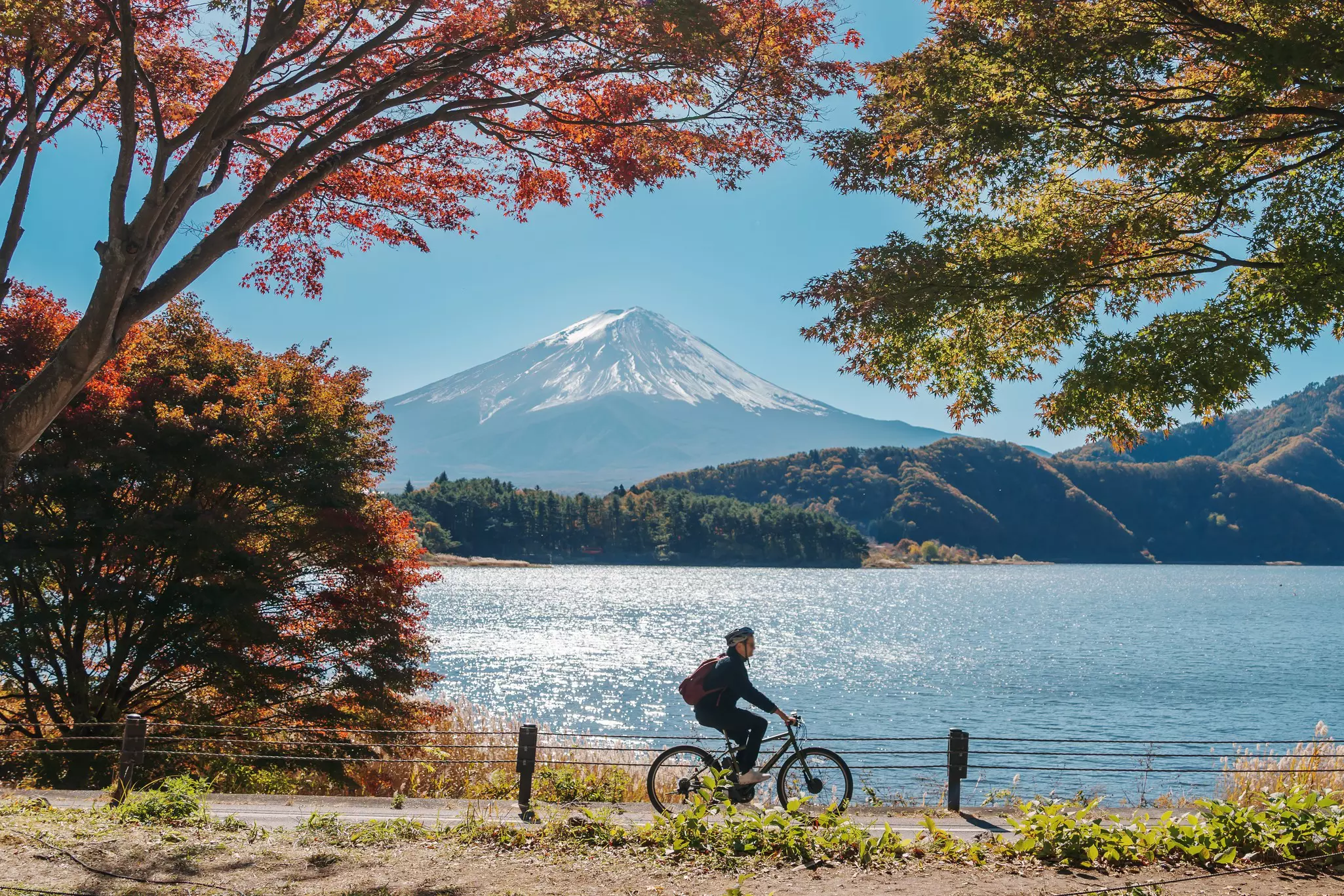
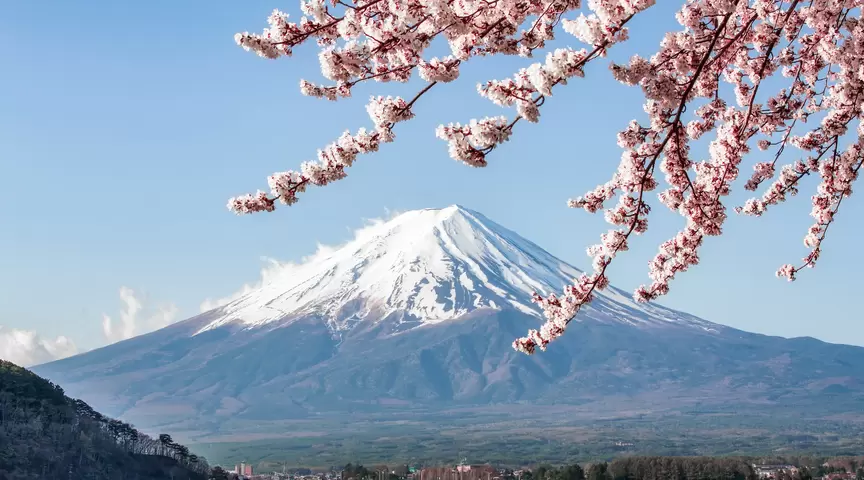
Riding near Lake Kawaguchi in Japan with Mount Fuji in the distance. Panuwat Dangsungnoen/Getty Images
Writer
Lonely Planet may earn a commission from affiliate links on our site. All recommendations and reviews reflect our own independent opinions.
Having spent a third of my life in Japan, I still find this country stunningly beautiful and intriguing. Beyond the neon lights of Tokyo and the quaint streets of Kyoto’s geiko (the local term for “geisha”) district, there’s so much to discover – perhaps even more so as a solo traveler. What’s more, the country offers affordable accommodation and dining options specifically for a party of one.
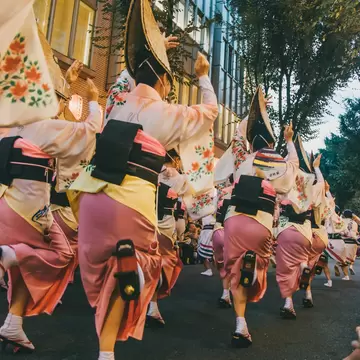
Traveling alone, I’ve taken a 25-hour ferry journey to Ogasawara where I swam with dolphins, joined summer festivals in the far north and south with plenty of dancing in the streets, and hiked across the island of Yakushima to a cedar tree believed to be over 3000 years old. The adventure possibilities are endless.
The absolute best thing about solo travel in Japan is that no-one will bat an eyelid at you being by yourself. While Japanese people have a reputation for being shy and reserved, even looking a little bit lost prompts passersby to stop and check if you’re OK or need directions. Going off-the-beaten track can also inspire surprised but delighted locals to strike up a conversation and even invite you to a local spot.
Many restaurants not only welcome but expect solo diners. It’s firmly entrenched in Japanese culture, with Solitary Gourmet, a Netflix series about a salaryman who dines solo, now spanning nine seasons. For accommodations, there’s a range of business hotels and guesthouses. While ryokan (traditional Japanese inns) are often set up to cater to two guests and may charge a premium for single occupancy, there’s a growing number that now offer special plans to cater specifically to solo travelers.
After years of solo travel, here are my tips for visiting Japan.
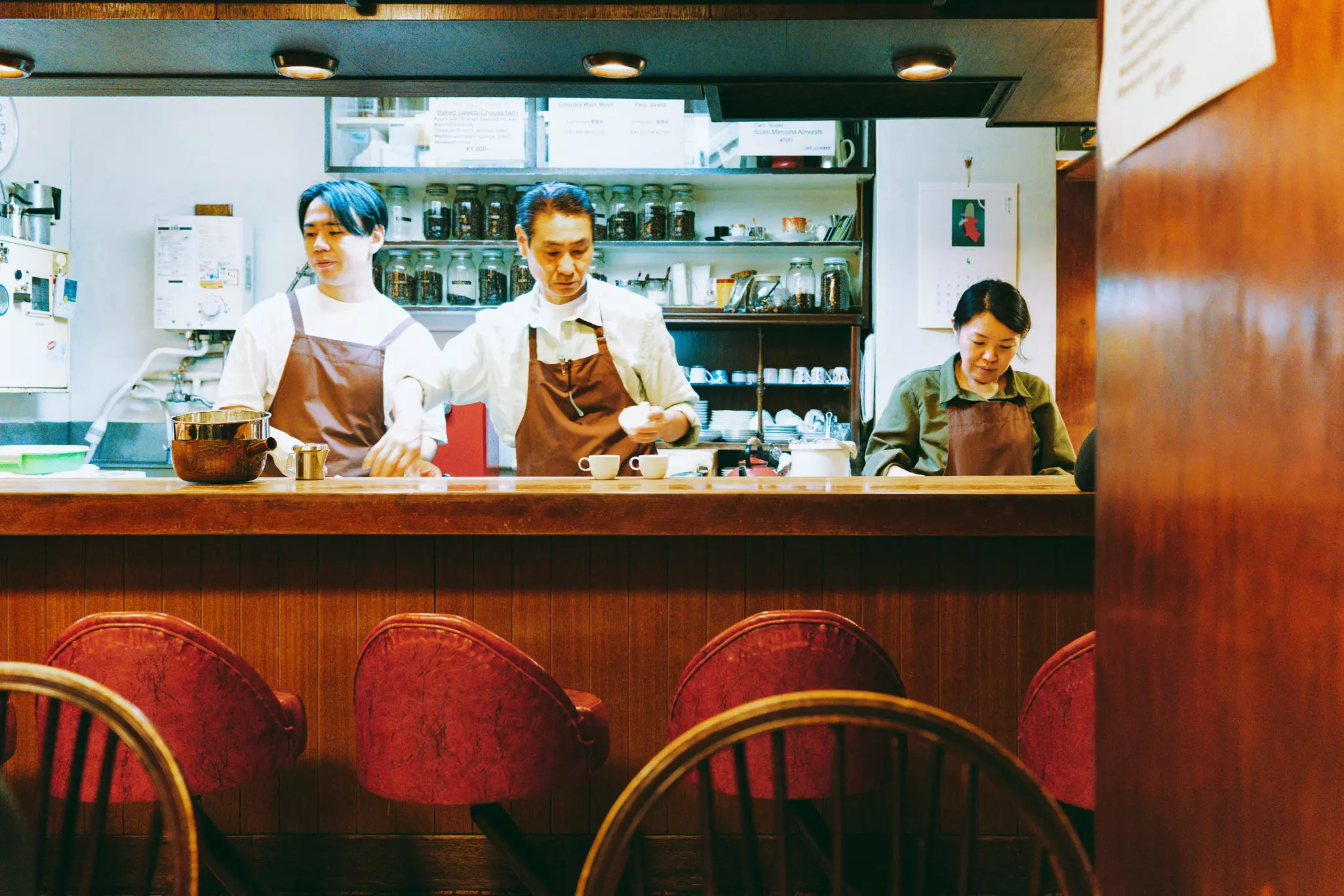
This is my favorite way to get to know people when I’m traveling anywhere in the world. It’s worth trying local kissaten, traditional coffee shops with a retro vibe and delicate ceramic cups. These are often run by kindly obaasan or ojiisan (elderly ladies and gentlemen) who, language-barrier depending, may share local tips and tales. Then, there are third-wave coffee shops filled with young hip baristas. They’ll give you recommendations for their friends’ stores, their mate’s bar, or perhaps their cousin who might run that izakaya (Japanese pub-eatery) next to your hotel. Serious baristas may have traveled overseas for coffee conventions and competitions, and speak some English. It’s an instant opportunity for swapping travel stories and getting a conversation going.
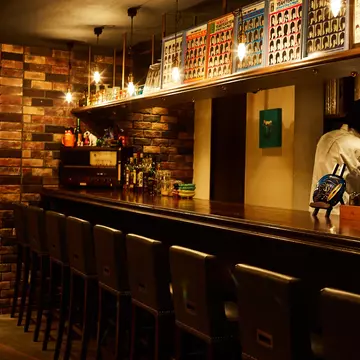
There’s no need to feel the weight of the empty seat at a two-person table; counter dining is common in Japan and perfectly geared up for the solo diner. What’s more, it invites a different kind of interaction between you as the customer and the staff or fellow diners – it’s far easier to strike up a conversation, especially as the food preparation becomes almost a kind of performance. A solo omakase (chef's choice) sushi led to me being seated next to a Japanese woman fluent in English and spurred an instant friendship – we went for sushi again and I even ended up having dinner with her cousins! The staff at an izakaya in Iwate Prefecture on the northeast coast made me half-portions as a special menu so I could try more things, chatted away for hours, and even checked to make sure that I could get back to my accommodation safely.
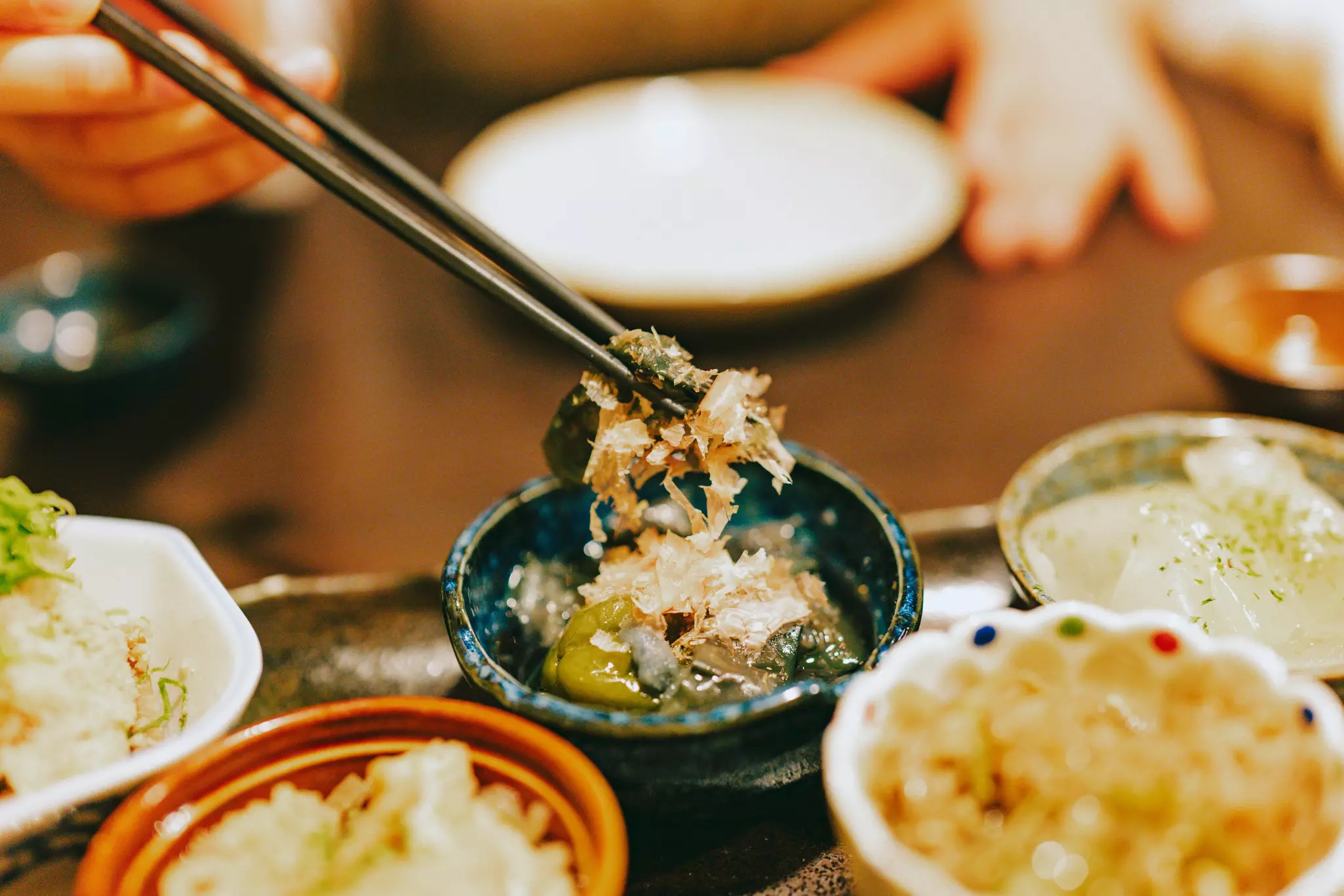
While tourists are a common sight in Tokyo and Kyoto, head anywhere off the main tourist trail and locals are often delighted to see a visitor from overseas, and enthusiastically share their love for their hometown. For example, a solo research trip to Towada led to me having dinner with local cafe owners. Plus there’s always the chance to connect with other solo travelers. In Yakushima, a 4am wake up to see Jōmon-Sugi, the ancient cedar tree, without the crowds, meant I found the perfect hiking buddy in a schoolteacher from Osaka.
Japan is a great destination most of the year, although the summer months of July and August are best avoided due to extreme humidity and heat. Cherry blossom season from late March and early April is the most popular, but attractions and facilities get very crowded, and prices are higher. Autumn is the second busiest time for the beautiful foliage. If you keep plans flexible, you can track the leaves and travel easily north or south for the best views. The biggest kept secret, however, is the winter months. Yes, it’s cold, but there’s almost never snow in Tokyo and major cities further south, the skies are almost always blue, and the dry air gives some of the most beautifully clear views of Mt Fuji.
Note that the rainy season usually arrives around mid-June, but this means more drizzle than torrential downpours, September to October is when most typhoons hit, although these normally just mean one day of bad weather.
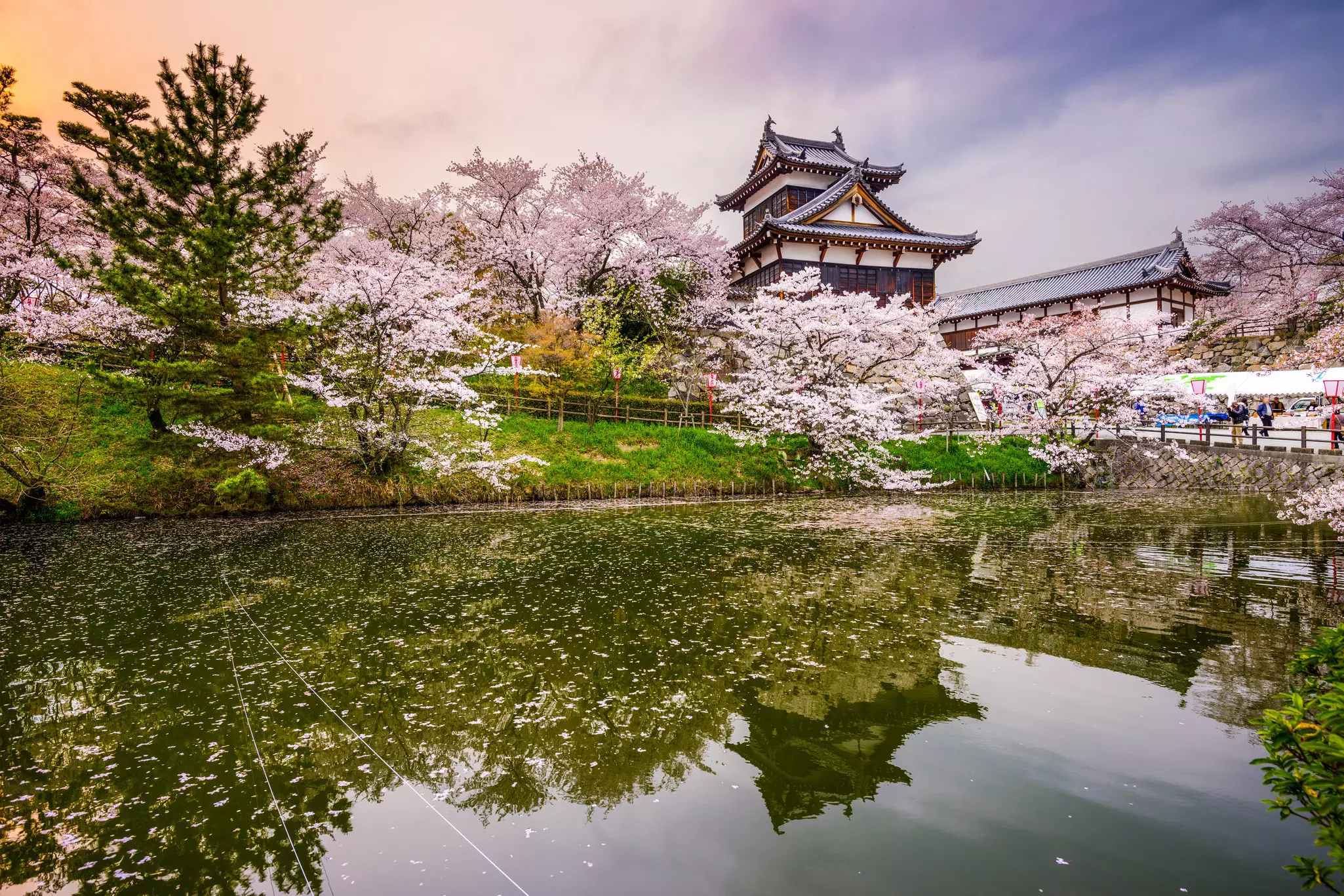
There’s so much to see and do in Japan that I always recommend at least 2 weeks, but life doesn’t always allow such luxuries. If you’ve only got a week to spend, you can easily divide your time between Tokyo and Kyoto with day trips for a taste of the variety Japan offers. Take at least 2 days to get to know the capital and consider day trips to Kamakura and Nikkō. Kyoto is worth at least another 2 days, and it’s close to both Osaka (a night out here is essential) and the ancient capital of Nara.
With 2 weeks, there’s so much open to you: hop down to Hiroshima for some history and enjoy a bit of peace and quiet on the nearby Miyajima famed for its torii (entrance gate to a Shintō shrine) in the sea; immerse yourself in art on the island of Naoshima and its neighbor Teshima; or take a quick flight down to Kyūshū, perhaps starting off at the lively Fukuoka, before heading to the cultural and historically significant Nagasaki, or even stopping by some of the pottery towns or onsens (hot springs).
Tokyo is accessible by two major international airports, and some flights also land at Kansai International Airport near Osaka. Once in Japan, trains and buses are highly reliable. Google Maps is your friend, detailing which entrance/exit to the station you should use and which carriage to ride in for the fastest transfer. Be careful to check whether you’re boarding an express or a local train to get to your destination on time and without stress. Note that you’ll need to catch buses if heading deep into the countryside and these can be infrequent; enquire at the local tourist information center to get the latest schedule and jot down a local taxi number just in case. In major cities, you can use ride-hailing apps like Uber and GO, but drivers aren’t as prolific as in many countries overseas. Depending on your location and time of day, it may be quicker just to flag down a cab on the street.

It’s hard to appreciate just how vast Tokyo is but one of the best ways to gain some perspective is from a viewpoint way up high. My favorite is Shibuya Sky (but book well in advance!). It offers unrivaled 360-degrees panoramas and – if you time your visit on a clear day – a view of the sun setting behind Mt Fuji.
Just 5 minutes away on the train is Shimo-Kitazawa. It’s full of secondhand clothes stores and quirky shops, and a short stroll away from the bustling station takes you into sprawling low-rise neighborhoods with cute cafes, excellent bakeries and meandering paths lined with greenery. You’ll get not only a contrast from the mega-city vibes but also the opportunity to see how many Tokyoites actually live.
Less than 30 minutes apart by train, these neighbors couldn’t be more different. Kyoto is the epitome of refinement, steeped in traditions that have spanned centuries. Osaka, by contrast, is noisy, in your face and a bit of a laugh. In short, it’s a great place to go out as a solo traveler, and a much cheaper accommodation option. Do all your sightseeing in Kyoto during the day and go out in Osaka in the evenings. The area around Tenma Station is a network of tiny alleyways sprawling out from Tenjinbashi-suji Shōtengai shopping street, which is the longest covered arcade in Japan and a fun place for cheap souvenirs. I challenge you to spend an hour at any of the tiny bars and eateries and not make new friends.

Yes, Tokyo, Osaka and Kyoto get all the limelight, but Japan has so much more to see. Head to Matsumoto for its gorgeous black castle, modern art museum, and easy access to nearby mountains. Or perhaps explore Mashiko pottery town, home also to the fantastic Tonoike sake brewery and pick-your-own strawberries farms, stopping by Utsunomiya – a self-styled gyoza (dumpling) town that’s also earned a reputation for cocktails. Sendai, the largest city in the Tohoku northern region (chronically under-appreciated even by Japanese visitors) is laid-back and provides easy access to the stunning northeastern coastline, such as the picturesque bay of Matsushima dotted with pine-covered islets.
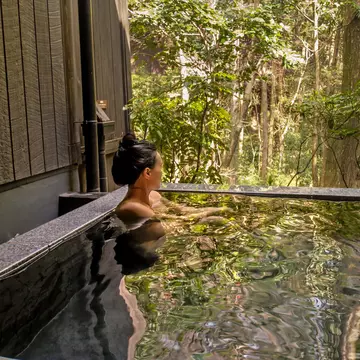
There is an abundance of onsen or hot springs across Japan – some attached to ryokan, others that are local institutions serving the community and visitors for decades. Each region has a different kind of water with different beneficial properties, from easing joint pain to beautifying one’s skin. Wherever you’re visiting, absolutely seek out a rotemburo, an open-air hot spring bath, allowing you to regulate your body temperature while gazing at the night’s sky. Pure bliss.
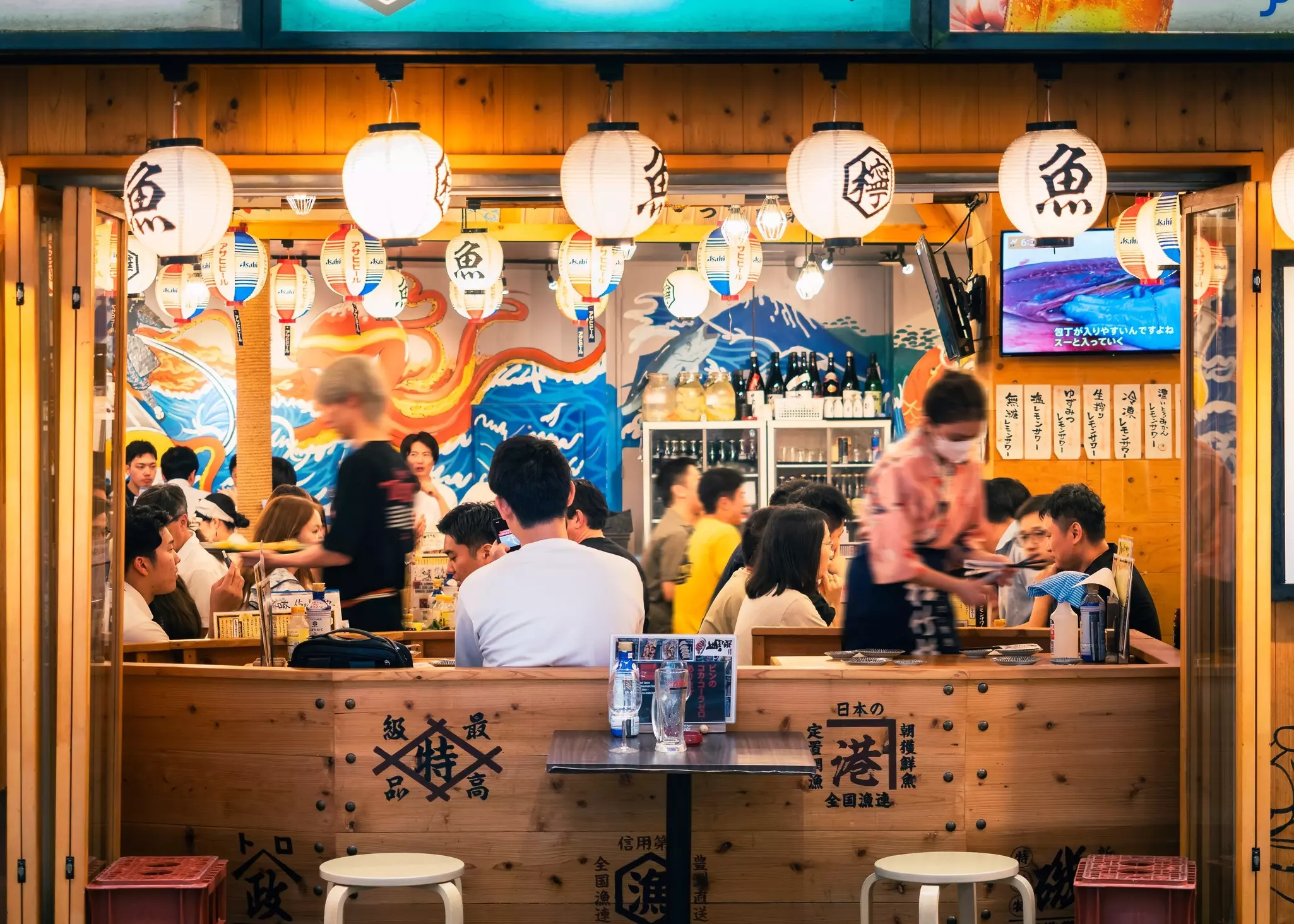
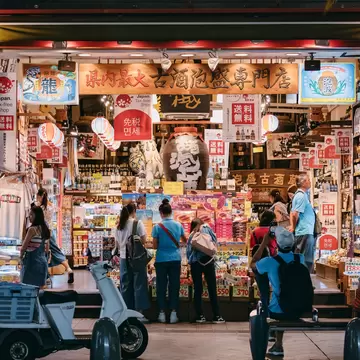
Eat all the hyper-local produce and dishes. Japanese food culture is so varied that each region proudly offers its own special recipes, local specialty or meibutsu (literally “famous item”). In Kanazawa, try jibuni, a kind of duck or chicken vegetable stew; in Nagoya, enjoy hitsumabushi, charcoal-grilled eel served over rice with condiments of your choosing; in Takasaki, snack on yaki-manju, grilled fluffy sweet buns coated in a sweet-salty miso sauce. Each area has its own vegetables and seafood (or river fish for landlocked spots) and you’ll find regional variations in seasonings like soy sauce all across the country. Touring a miso or sake brewery can give great insight not only into the food culture, but also into the local climate, geology, history and economy.
There’s still an image that Japan is an expensive destination, but prices haven't increased much since 1990s. However, inflation has been creeping upwards in recent years, and it's important to note that what’s good value in Japan doesn’t always correspond with costs overseas. While attractions and excellent quality food are generally reasonably priced, travel by bullet train can add up and hotel room prices at establishments aimed at inbound visitors have soared recently.
Budget-conscious travelers should consider business hotels aimed at domestic business travelers, and women should note that many of Japan’s famed capsule hotels are men-only. For ryokans that cater to solo travelers, use websites like Rakuten Travel (English version), Japanican, Booking.com or Agoda to filter by ryokan and number of guests, and if searching in Japanese with the help of Google Translate, the following terms will help you:
おひとりさま歓迎 – solo travelers welcome
一人旅 歓迎 旅館 – ryokan welcoming solo travel
一人泊 プラン – single-guest plan
Another option is to stay at minpaku (guesthouses). There are often family-run establishments that represent a simpler, cheaper ryokan, offering a perfect mix of cost-effective Japanese-style. You can sometimes expect delicious and voluminous home-cooked dinners made with local ingredients.
While credit cards and electronic payments have proliferated since 2020, you will still encounter cash-only establishments. Note that physical IC cards used for train and metro travel can only be charged with cash.

Night at a mid-range hotel in Tokyo: from ¥30,000
Night at a business hotel in Tokyo: from ¥12,000
Night at a business hotel outside Tokyo: from ¥4500
One-way trips across Tokyo metro and railway system: ¥180–650
Bullet train ticket from Tokyo to Kyoto (one-way): ¥14,000
JR pass for unlimited rides on JR train lines within 7 days: ¥50,000
Cup of specialty coffee: ¥600
Teishoku (set meal): from ¥1000
Convenience store rice ball: ¥160–200
Pint of beer at a cheap-and-cheerful tavern chain: ¥400
Half pint of craft beer: ¥1000
Dinner at midrange izakaya: ¥5000
Japan is a very safe country, and travelers of all backgrounds generally do not encounter any issues. Female travelers should follow basic precautions, such as always meeting people in public spaces. The country is increasingly LGBTQ+-friendly, but all travelers should note that overt public displays of affection are generally frowned upon.
You generally won’t find trash cans on the streets in Japan so it’s best to carry a plastic bag. If eating a snack from a hole-in-the-wall place, stand by that store to enjoy your purchase, and then return any waste to the vendor. When visiting a restaurant, make sure to not leave behind plastic drink bottles or any other trash if you didn't purchase the item there.
Most Japanese understand a few words of English, even if they lack the confidence to say a few words back. Google Translate has greatly improved to the point that the camera function can accurately translate handwritten Chinese characters. That said, learning a couple of phrases will go a long way. “Arigato gozaimasu” is the polite way to say "thank you." I also recommend learning “sumimasen.” This handy phrase can be used as “excuse me” to get staff’s attention in a restaurant or an apology for bumping into someone or any other minor trespass.
The rules for having shoes on or off when entering a traditional Japanese establishment can be perplexing. Just try to remember the logic of “outside = dirty” versus “inside = clean”. The idea is to take your shoes off and step directly onto the inside surface, avoiding stepping in your socks on the outside floor. It can be hard to balance so feel free to sit down on the steps (or sometimes, a thoughtfully provided chair) and take your time.
Book your Japan trip with Lonely Planet Journeys
See Japan how it's meant to be seen
Accommodations, activities and ground transportation all taken care of, so you can focus on the fun part. Tell us what your dream trip to Japan looks like, and our local experts will build it from scratch. Or start with one of our itineraries and make it your own.

Explore related stories