Sep 1, 20269 min read
Where to Stay in Tokyo: Best Areas and HotelsJan 26, 2026
9 MIN READ
Contributors
People crossing Shibuya Crossing just around sunset in Tokyo, Japan.

Contributors


Rob Goss, Lonely Planet Editors
Highlights
Tokyo-based writer Rob Goss guides first-time visitors through lively Shibuya, Tokyo.
Walk Shibuya Crossing between 5pm and 8:30pm for surging crowds backed by neon signs.
Shop Shibuya 109 for kawaii fashion, then decompress in Yoyogi-kōen's vast lawns.
For calm amid the chaos, free Meiji-jingū shrine opens a window on Japan's spiritual side.
Lonely Planet may earn a commission from affiliate links on our site. All recommendations and reviews reflect our own independent opinions.
With its youthful vibe and boundless energy, Shibuya is arguably the most vibrant part of Tokyo, which in turn, is arguably the most energetic corner of Japan. West of Ginza and the Imperial Palace, the district has a justified reputation as a focal point for youth trends and fashion – but there's so much more to this lively Tokyo neighborhood.
Beyond the heaving streets around busy Shibuya Station, the wider Shibuya neighborhood is home to the sprawling compound of the Meiji-jingū, Tokyo's grandest Shintō shrine, and Yoyogi-kōen park, a major hub for the quintessentially Japanese ritual of hanami (observing cherry blossom) in springtime.
Then there are Shibuya's sleek shopping centers and cool galleries, its fabulous restaurants, and plenty of other attractions that merit a deep dive. Here’s what you need to know on your first time in Shibuya.
Anytime! Tokyo's Shibuya has something for all seasons and weather conditions, from air-conditioned shops and galleries for a rainy day to green spaces like Yoyogi-kōen park for when it’s warm and sunny. That said, like the rest of central Tokyo, the district tends to get very hot and humid in the summer months – a reason to retreat to indoor spaces such as the Nezu Museum.
The famous crowds at Shibuya’s most popular spots tend to surge on weekends – though Shibuya has a habit of feeling busy no matter when you visit. If this is your first time in Japan, this lively neighborhood will offer a deep immersion into the capital's layered customs and cultures.
An afternoon and evening are more than enough to cover the area around Shibuya Station, where you’ll find the iconic Shibuya Crossing, said to be the busiest intersection in the world, alongside the Hachikō Statue – celebrating Tokyo's most famous dog – and plenty of options for shopping and partying.
If you want to explore other parts of Shibuya, add a second day for a stroll along boutique-lined Omotesando, investigating the colorful fashions of Takeshita-dōri in Harajuku, and paying a respectful visit to the Meiji-jingū shrine.
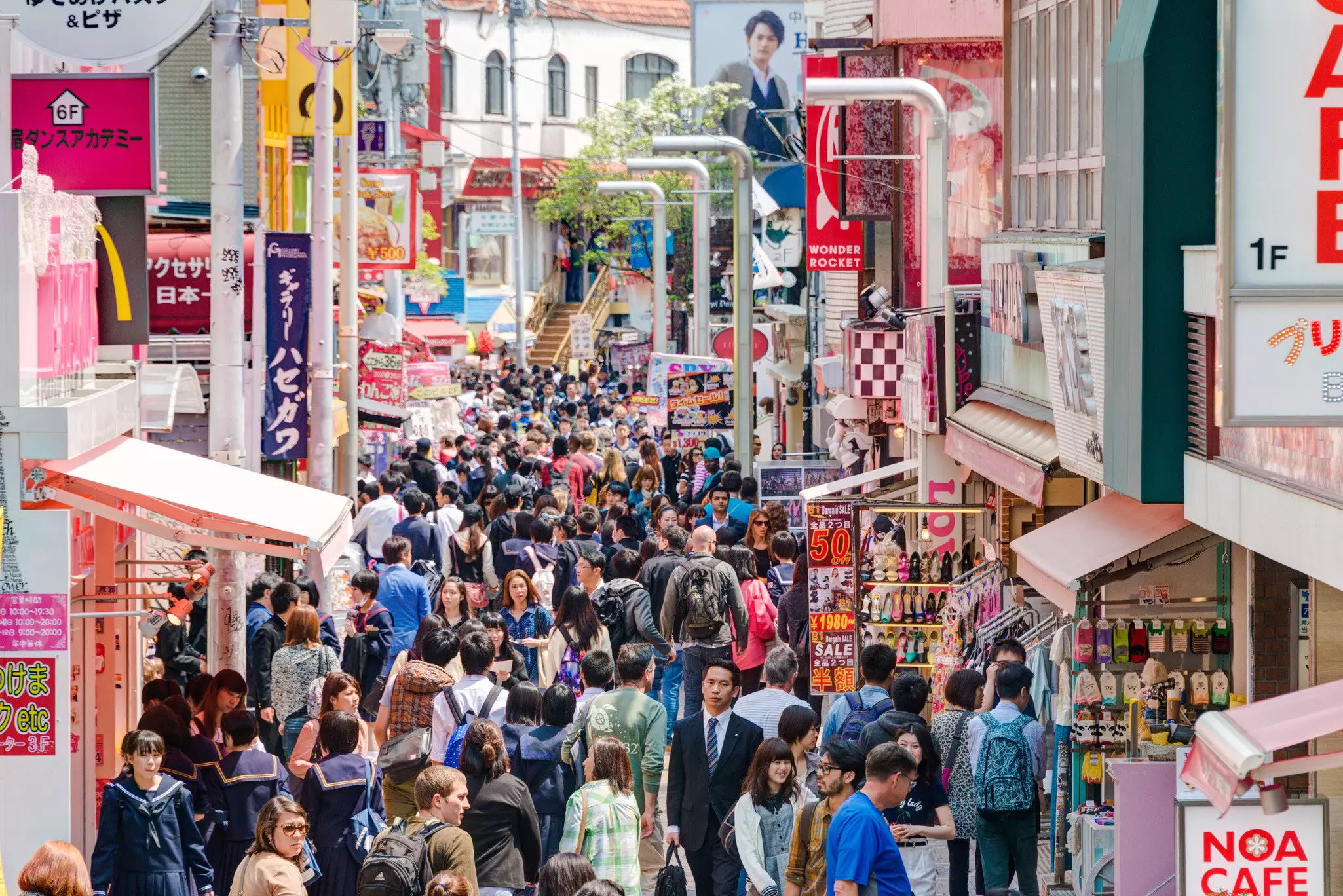
Being right in the middle of Tokyo, Shibuya can be expensive, but you don't need to pay top dollar for everything. If you're traveling to Japan on a budget, seek out low-cost experiences such as temple and park visits and people-watching in the busy shopping streets between Shibuya and Harajuku.
Food prices vary widely in Shibuya. High-end sushi, for example, can easily cost you more than ¥15,000 – while a good dinner at a conveyor-belt sushi chain, such as Kura Sushi or Uobei, could be just ¥2000–3000. Thanks to the area’s youthful focus, there are plenty of deals around. Hotel accommodation can be pricey in Shibuya, but there are hostels such as Wise Owl Hostels and capsule hotels such as The Millennials.
It’s always handy to carry cash in Tokyo, as some restaurants and smaller stores don’t take cards. Still, cashless and contactless payments are increasingly the norm. You can often pay with contactless transport cards (such as Pasmo and Suica), and with smartphone apps like PayPay, Rpay and LinePay. Stores typically display the logos of accepted payment methods at the checkout area.
Here are some typical costs for common items.
Dorm or capsule bed: from ¥5500
Basic hotel room for two: from ¥15,000
One-day Tokyo Metro ticket: ¥900
Cup of coffee: ¥400
Bowl of ramen noodles: ¥1200
Conveyor-belt sushi: from ¥100 per plate
Pint of beer at a bar: ¥600
Mid-range dinner for two (with drinks): from ¥3500
Getting around in Tokyo is easy, and Shibuya is no exception. Shibuya Station is the second-busiest train station in the world (the first is nearby Shinjuku), served by several Japan Railways lines, including the Yamanote Line loop, plus three Tokyo Metro lines, and the private Keio and Tokyu railways.
All this means Shibuya is well connected to the rest of Tokyo and effectively all of Japan. You can also get straight to Shibuya from Tokyo's Haneda and Narita airports – Narita Express has a service that stops at Shibuya. Bus services also connect Shibuya to both airports.
Once in Shibuya, it’s easy to get around the main areas on foot, although you’ll also find plenty of (comparatively expensive) taxis and Uber rideshares.
As with the rest of Tokyo, Shibuya is a comparatively easy place to navigate if you have extra mobility needs. Elevators provide step-free access to Shibuya Station, and staff and ramps are available to assist with boarding trains. At street level, pavements have ramps, buildings have step-free access, and street crossings have accessible features, but the crowds can slow progress, particularly for wheelchair users. The Accessible Japan website has a handy online guide to accessible facilities in Shibuya.
Plan your Shibuya itinerary around rest stops in the area's excellent restaurants and cafes, in between seeing the sights.
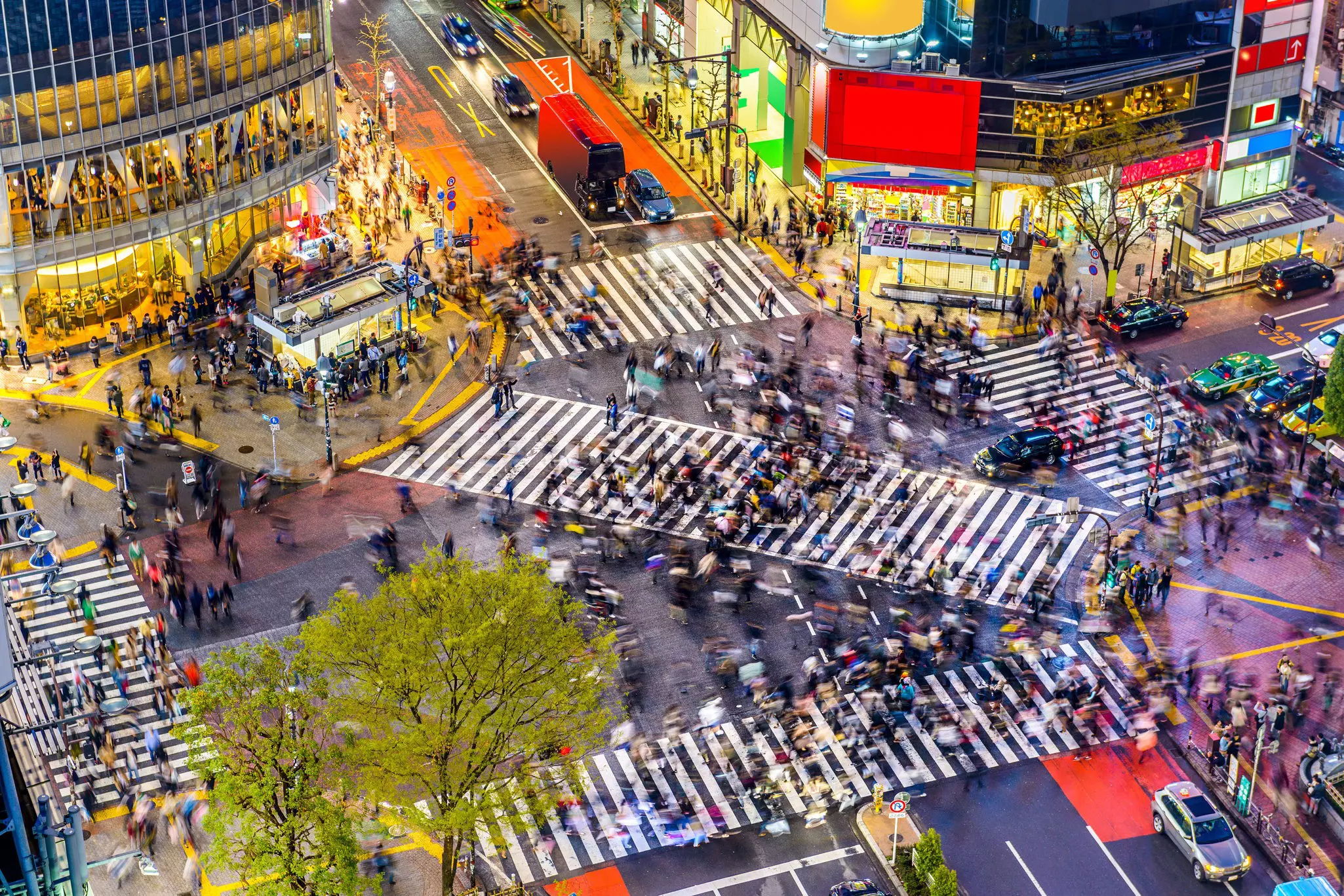
The busy pedestrian road crossing beside the Hachikō exit to Shibuya Station is one of the defining Tokyo sights. It’s said to be the world’s busiest crosswalk, with several thousand people converging from all directions every time the lights turn green.
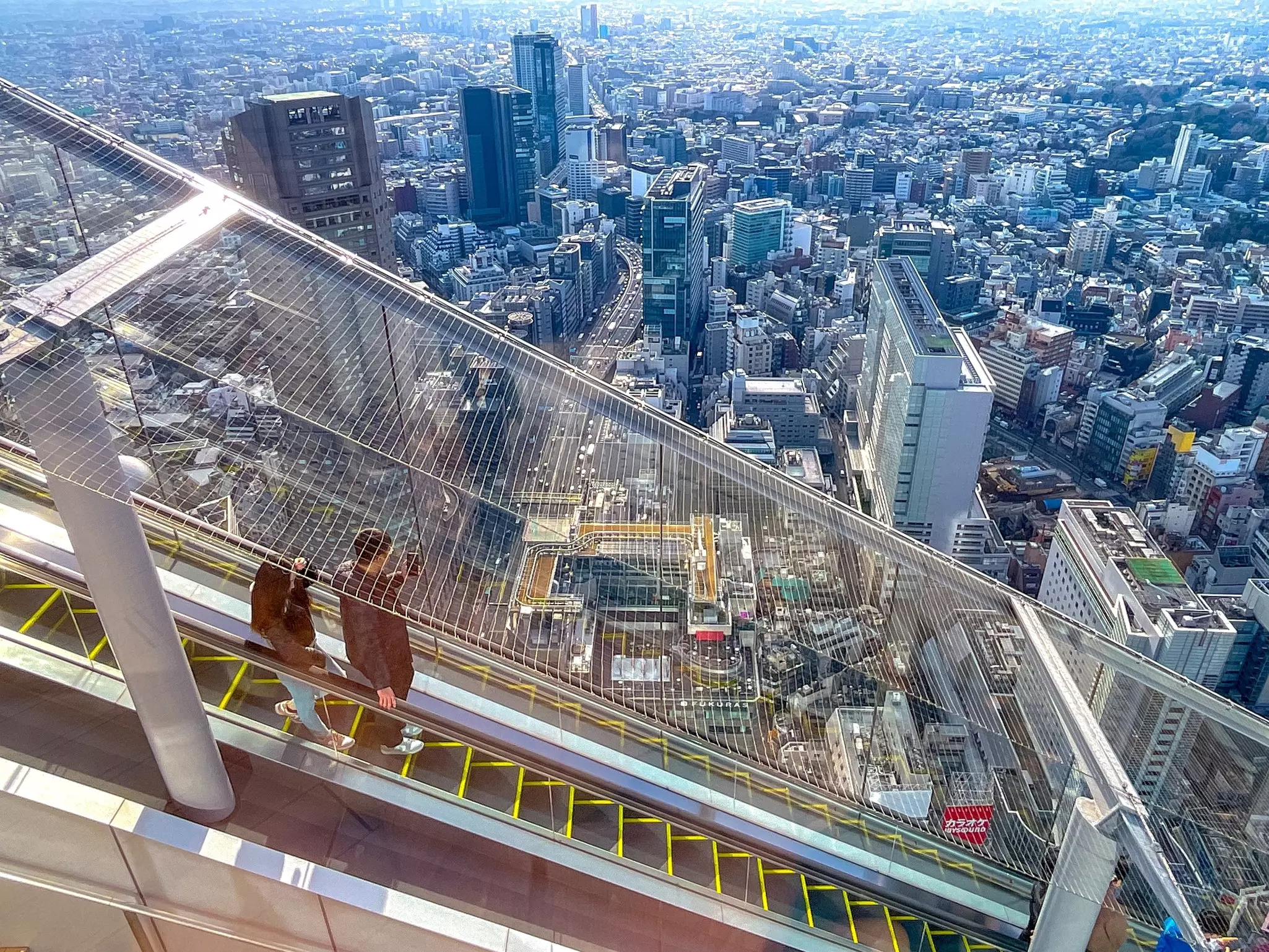
If you want to see the crossing without the throngs, head up to the open-air Shibuya Sky observation deck atop the 46-story Shibuya Scramble tower; there's a 3000 yen (¥) entry fee. At 229m above ground, this lofty viewpoint delivers sweeping views over the city…although it’s not for anyone skittish about heights.
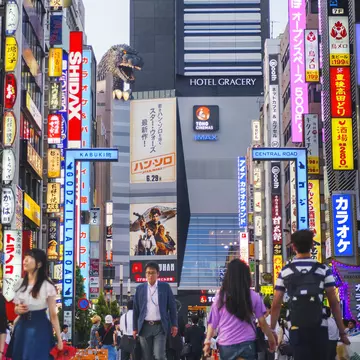
Planning tip: Visit Shibuya between 5pm and 8:30pm for photos of surging crowds backed by neon signs. The morning rush hour is busy, but you'll miss out on the sparkle of the evening light show.

Every day, hordes of shoppers pour out of Shibuya Station, breaking like a wave across the Shibuya Crossing before spreading into an ocean of stores. Some will be headed for the Shibuya 109 building, where the 120 or so small boutiques have every youthful fashion trend covered. This is a great place to shop for kawaii (cute) trinkets if you're traveling to Japan with kids.
Others make a beeline for the pedestrian-only Center-gai street, where high-street fashions rub shoulders with colorful fast food joints. Connecting Shibuya and Harajuku is Cat Street, a proving ground for indie and street-fashion brands.
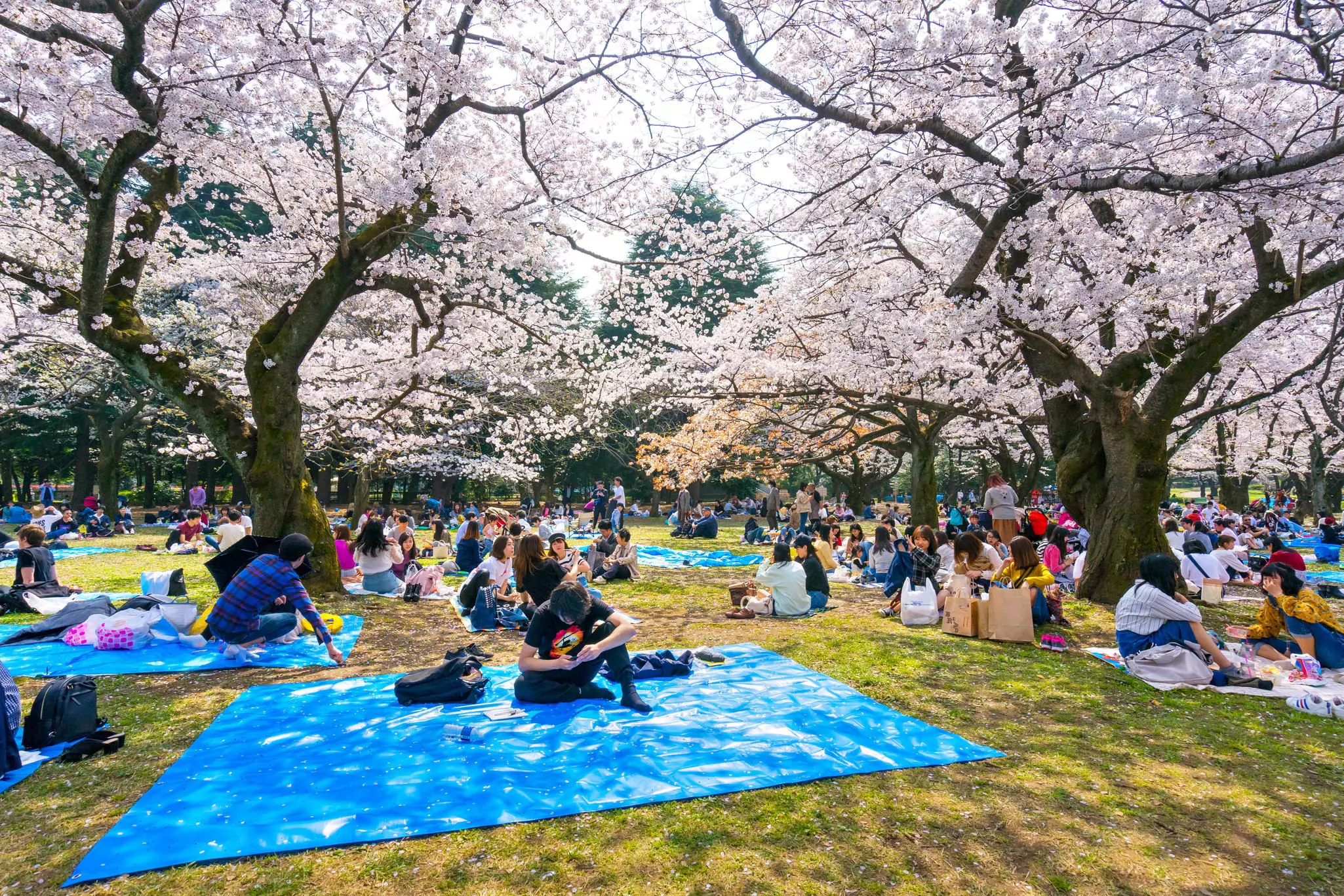
Next door to Meiji-jingū, Yoyogi-kōen park is Tokyo’s most famous green space – a sprawl of vast lawns and shady groves of trees. Perfect for lazy afternoons, this is where people from all walks of life come to unwind and hang out, particularly during the sakura (cherry blossom) season.
In the people-watching department, you can expect to encounter all types of Tokyo residents, from strolling families to cosplayers, dance crews and buskers. The park also hosts all sorts of festivals, from the annual Tokyo Pride in June – Japan’s biggest LGBTIQ+ celebration – to the popular Thai Festival in May.
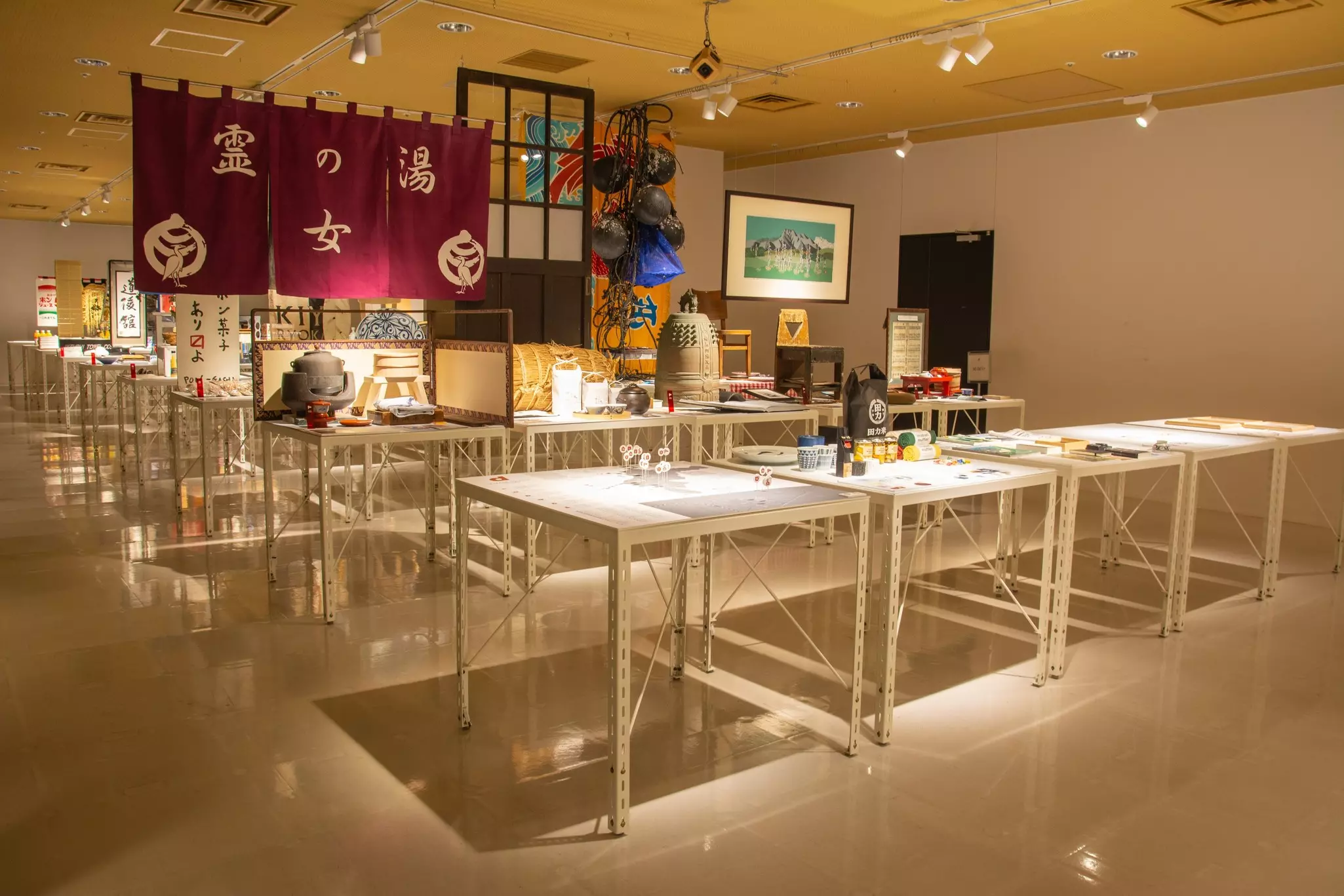
It shouldn’t be a surprise that an area known for its fashion trends should also have a vibrant art scene. In the swanky Hikarie complex by Shibuya Station, the 8th-floor Creative Space includes pop-up contemporary art shows at the Cube 1, 2, 3 gallery, as well as the functional, modern designs of everyday items at d47 Museum.
In the backstreets of next-door Harajuku, a less polished option is the Design Festa gallery – linked to the festival of the same name – which has long been a champion of up-and-coming local artists, with dozens of small gallery rooms that can be rented by the day.
Shibuya is not just about contemporary creations. The Toguri Museum of Art focuses on ceramics from the Edo era (1603–1868), while the Ōta Memorial Museum of Art, not far from Harajuku Crossing, displays a superb collection of woodblock prints that includes work by legends of the ukiyo-e ("floating world") art movement such as Katsushika Hokusai and Utagawa Hiroshige.
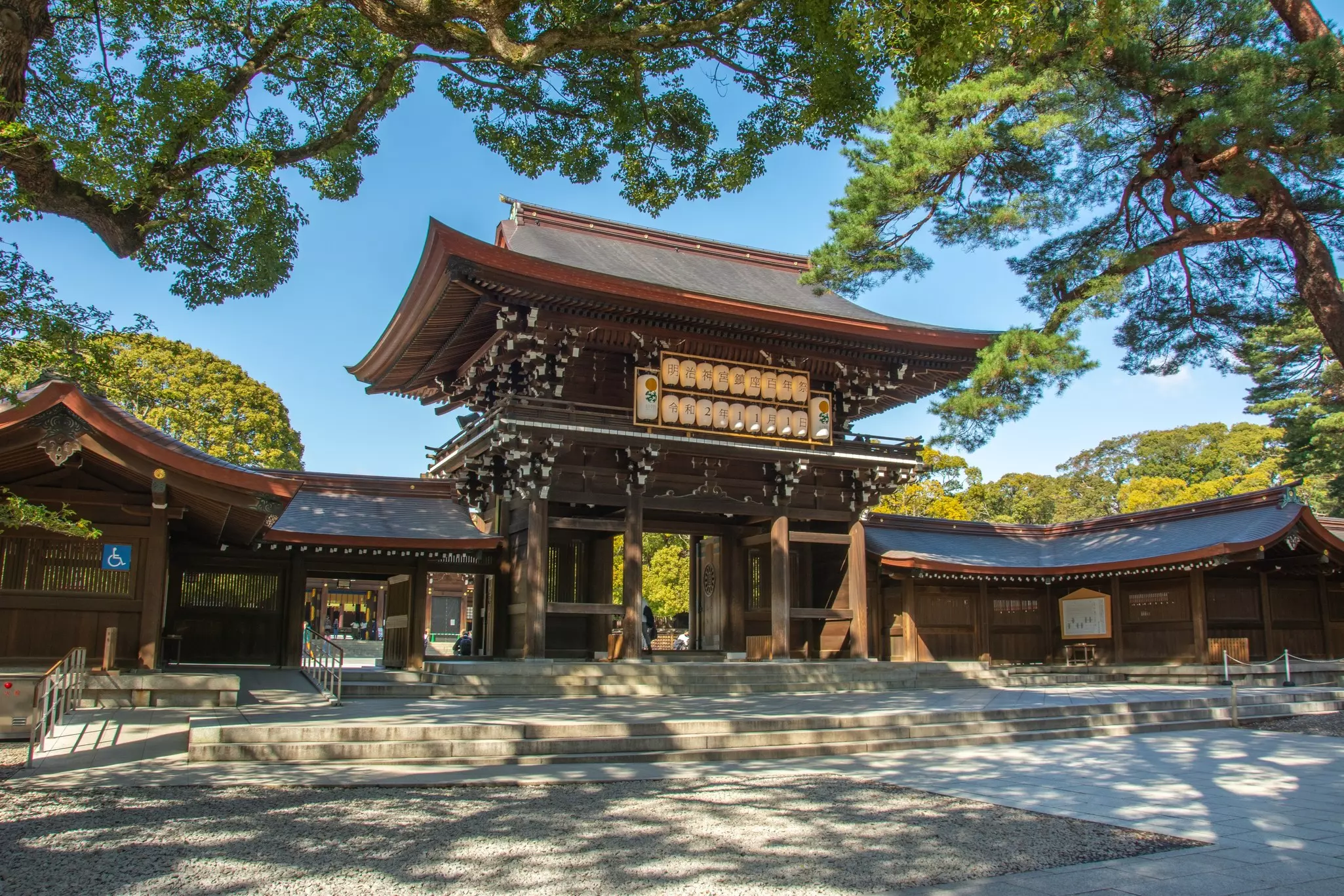
Being in my forties, I’m painfully aware that much of the Shibuya Station area hasn’t been geared to me for at least 20 years…and if I did start hanging out there, my teenage son would be mortified to bump into me. Meiji-jingū, however, is a place I’ll never grow too old for.
While it (justly) attracts lots of visitors, it still retains an air of calm and tranquility that feels deeply removed from nearby Harajuku and the youthful vibrancy of Takeshita-dōri. In the process, the complex opens a window on Japan’s spiritual side and rituals – when, for example, you purify your hands before entering the sacred main compound, or spot a traditional wedding procession.
It’s also free to visit – with the exception of the Inner Garden, which is well worth the small ¥500 admission fee when the irises bloom in June.
Shibuya's fame precedes it, so many travelers have questions about their trip here.
As elsewhere in Tokyo, drivers in Shibuya rarely speak English, so have your destination written down in Japanese, or, better yet, show a business card with an address. Rideshare apps such as Uber operate in Tokyo, charging similar fares to conventional taxis.
We're afraid so. For years, Shibuya was known for its popular Halloween and New Year’s street parties. Unfortunately, they got too raucous for the authorities. After several years of unsuccessfully asking people to tone down their street celebrations, local authorities officially banned Halloween in 2024. At the same time, a year-round ban on public drinking between 6pm and 5am also came into effect in central Shibuya.
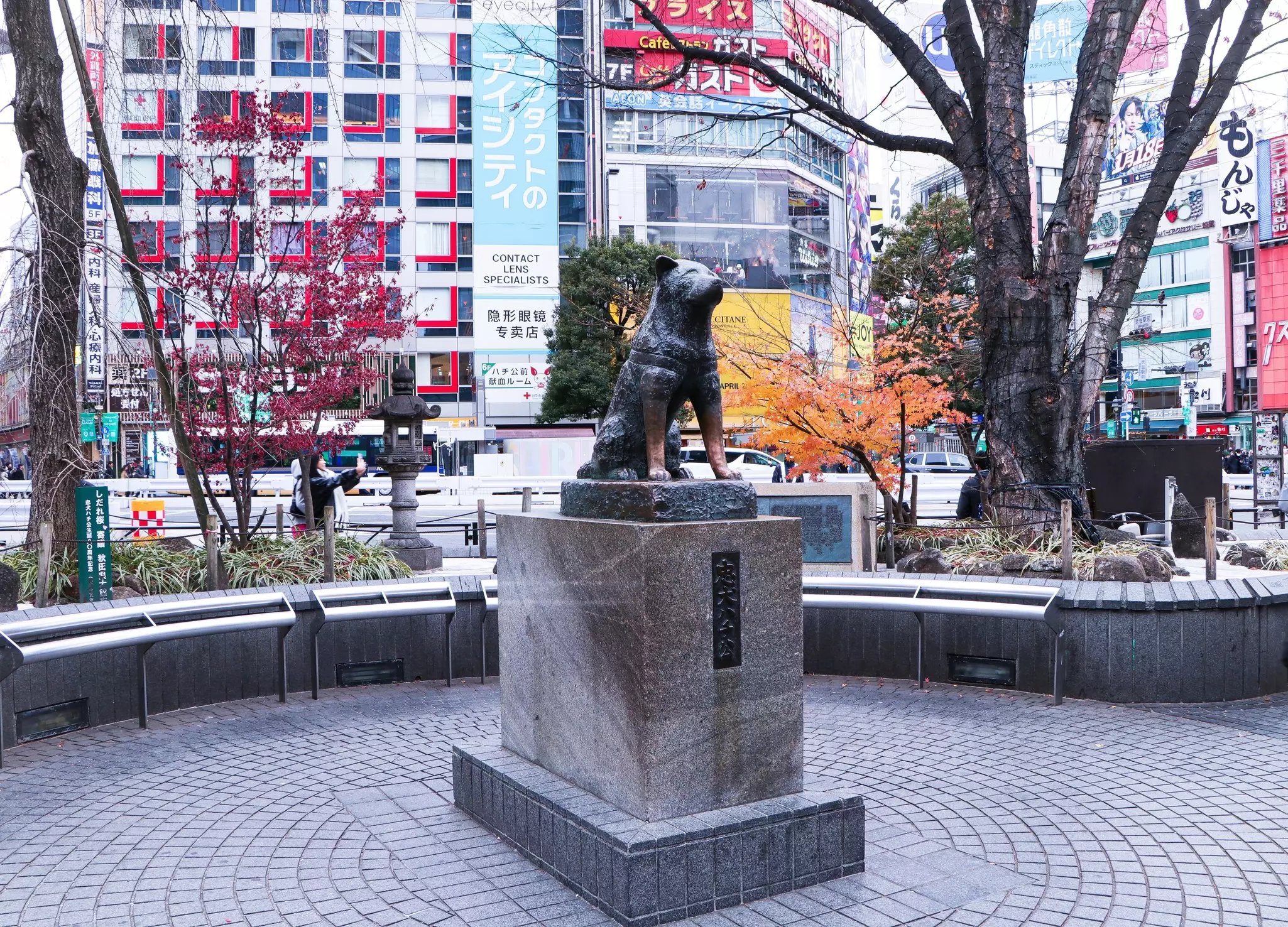
That’s Hachikō, an Akita Inu dog at the center of one of Japan’s most enduring tales of loyalty. Back in the 1920s, Hachikō would come to the station every day to meet his owner, a professor at Tokyo Imperial University, off the commuter train, until the professor passed away. For the following decade, Hachikō continued to visit the station in the hope of seeing his owner, becoming something of a celebrity as his story of unwavering loyalty captured the hearts of the Japanese public.
Explore related stories