Sep 30, 20265 min read
Japan Packing List: What to Pack by SeasonFeb 12, 2026
7 MIN READ
Writer
Yoshidayama dai-chakai tea market in Kyoto. Rintaro Kanemoto for Lonely Planet

Writer
Lonely Planet may earn a commission from affiliate links on our site. All recommendations and reviews reflect our own independent opinions.
In 2024, the quiet town of Fujikawaguchiko in Yamanashi Prefecture put up a giant black screen across the street from the Lawson convenience store to block the view of Mt Fuji beyond the store’s blue and white roof. The flood of foreign tourists trying to capture the famous sight had caused too much disruption in the area, with reported incidents of trespassing, littering and illegal parking.
Even after the screen was installed, the chaos continued. Tourists kept poking holes in the screen to squeeze their cameras and phones through, sometimes verbally abusing the guards. This ongoing battle with foreign tourists’ bad manners prompted other municipalities and business owners to issue similar tourism guidelines and post rules in multiple languages.
However, bad manners aren’t always caused by travelers behaving selfishly. Many tourists face challenges in Japan, such as language barriers and cultural differences, leading to unintentional faux pas due to their lack of knowledge. So if you’re planning to visit Japan, it’s important to get to know basic Japanese customs to avoid offending locals and make the most of your stay.
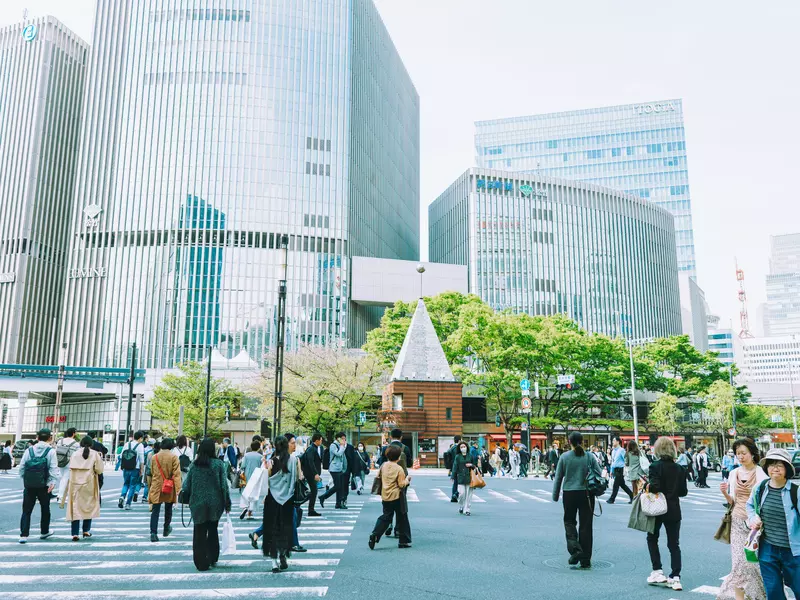
1. Don't block traffic to take photos. Streets in Japan are likely to be narrow, and standing in the middle of the road may cause a serious accident.
2. Do sort your trash. If you litter, you might be fined up to 50,000 Japanese yen (¥). Use a trash can next to a vending machine, where you made the purchase or on the street. Otherwise, keep it with you till you arrive at your hotel. Also, don’t throw everything into the same box. Plastic bottles and cans should be recycled, while combustible trash and incombustible items are usually collected separately.
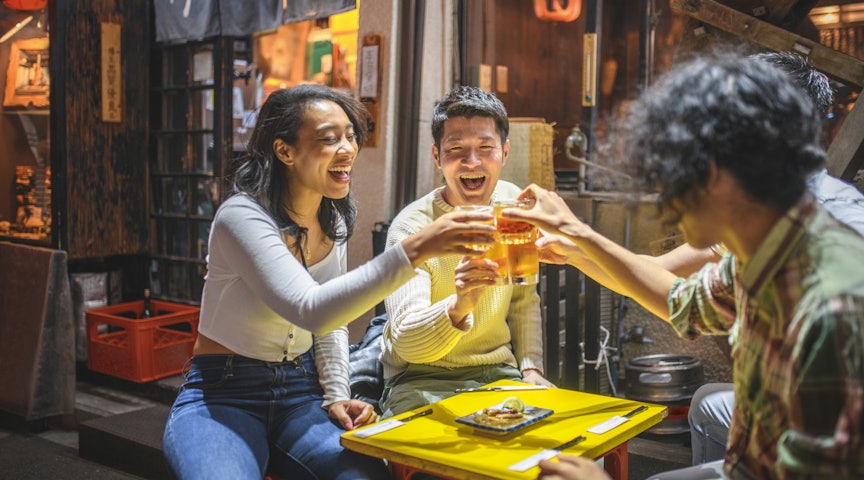
3. Don't drink alcohol on the street or in front of convenience stores. Shibuya Ward in Tokyo prohibits street drinking from 6pm–5am, even though there’s no fine for violations.
4. Do get in line. Carefully check if anyone is already queuing and ask someone if you’re not sure where to wait, so you don't cut the line.
5. Don't walk on railway tracks with no marked crossing. Multiple tourists trying to take photos die after being hit by a train.
6. Don't cough or sneeze too much without wearing a mask. If you’re sick, wear a mask, especially on a crowded train or bus.
7. Do keep to the side of the escalator. While Tokyoites usually line up on the left and keep the right side open, this custom reverses in Osaka and Kyoto. Check where people stand and follow the local pattern.
8. Don't eat while walking. If you buy snacks from food vans, find a bench or head to a nearby park.
9. Don't smoke on the street. Avoid fines from ¥1000–5000 by finding a designated smoking area.
10. Do carry cash. While e-money and credit cards are widely used, some shops and restaurants still accept only cash.
11. Do get a tax exemption when shopping. At specific stores (department stores, electronics stores), when you make a purchase over ¥5,000, you can show your passport at designated counters to save 10%.
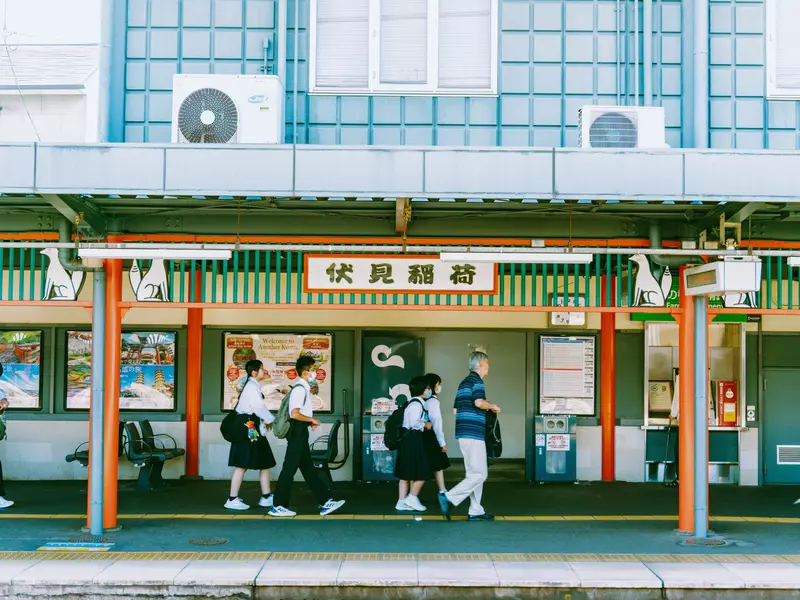
12. Do book a space for your oversized baggage on bullet trains. Many disputes between passengers have occurred due to the use of designated areas without bookings. If you bring baggage without a booking, you'll be charged ¥1000.
13. Don't take pictures of people on a train. Ask passengers or crew members for their permission before snapping a shot.
14. Don't speak loudly on trains. And only make phone calls in emergencies. Don’t use your phone near the priority seats on the train and bus during rush hour.
15. Do store your luggage. Leave your suitcase in a storage locker at the nearest station instead of carrying it to popular sightseeing destinations.
16. Do be prepared to pay bus fare. In Tokyo and other highly populated areas, you’re expected to get on the bus at the front and pay the fee immediately, while other regions’ buses let passengers enter from the central rear door and pay when they get off at their destination. Also, bring some cash if you don’t have a rechargeable IC card.
17. Do become familiar with Japanese traffic rules if you are taking a road trip. In 2024, in Yamanashi Prefecture alone, there were 769 cases of traffic accidents caused by foreign rental car drivers in the foothills of Mt Fuji.
18. Don't use your phone while driving or riding a bike, and don't bike or ride under the influence. Drunk cycling could lead to imprisonment for up to 3 years or a fine of up to ¥500,000, and smartphone use while cycling could lead to imprisonment for up to 1 year or fines of up to ¥300,000. If you need to check maps, fix your phone on the handle, or keep it in your pocket and listen to the audio navigation. Make sure that you’re fully stopped before scrolling the phone.
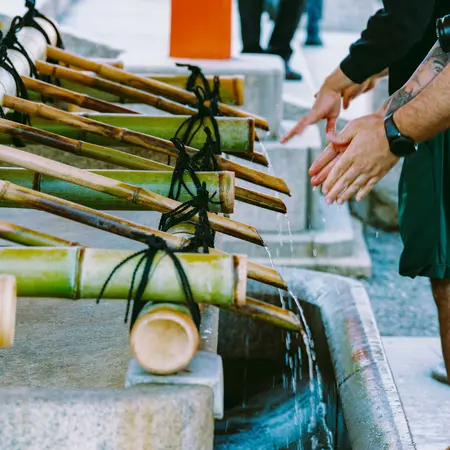
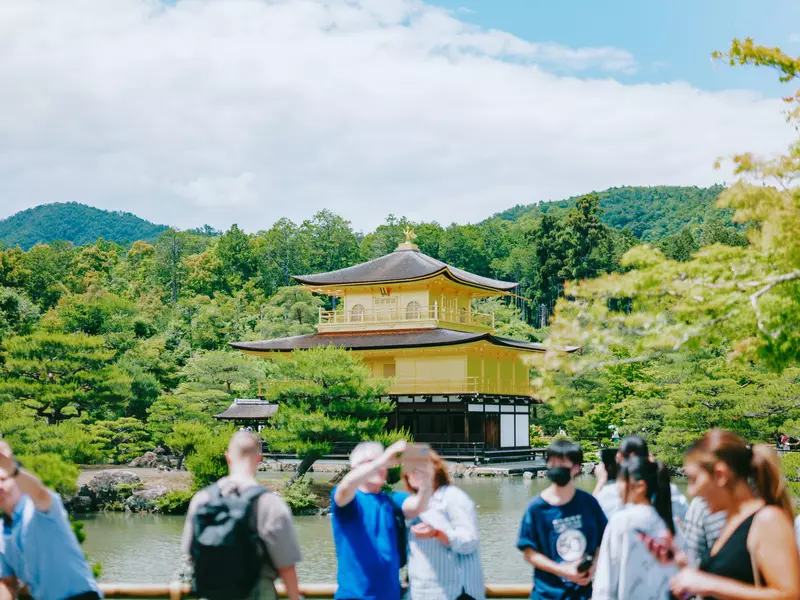
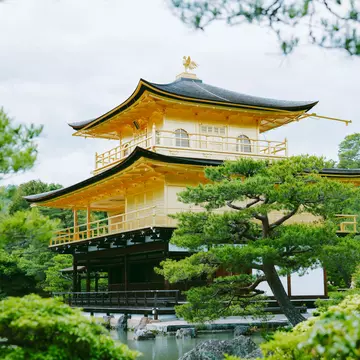
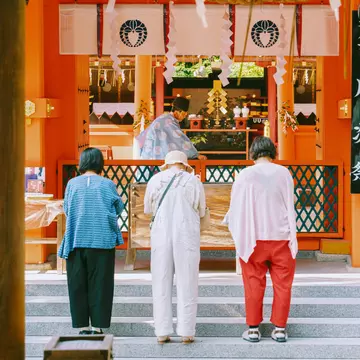
19. Do wash your hands and rinse your mouth before entering a shrine or temple premises. Stop by the basin of purification located at the entrance, pour a little water with a ladle onto your hands, and use your hand to cleanse your mouth. Don’t put your mouth on the ladle directly, spit in the basin or toss coins into the water.
20. Don't enter private premises and restricted areas. Japan has many cultural heritage sites where people carry out their daily lives, such as Shirakawa-go in Gifu Prefecture. Restricted areas at shrines and temples in mountainous areas may be closed because of a risk of avalanches.
21. Do speak softly. Especially at temples and shrines, embrace tranquility and allow other visitors to do the same.
22. Don't damage valuables behind a barrier or public or private property.Artwork is protected because it could be easily damaged. In 2024, an American tourist carved his family's names on a torii (gate) at Meiji-jingū and was arrested for property damage. Also, don’t leave stickers on road signs or anywhere else.
23. Don't stop geiko (geisha). It’s not permitted to take their photos without permission.
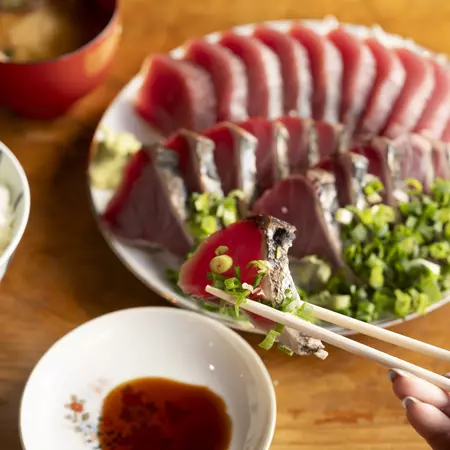
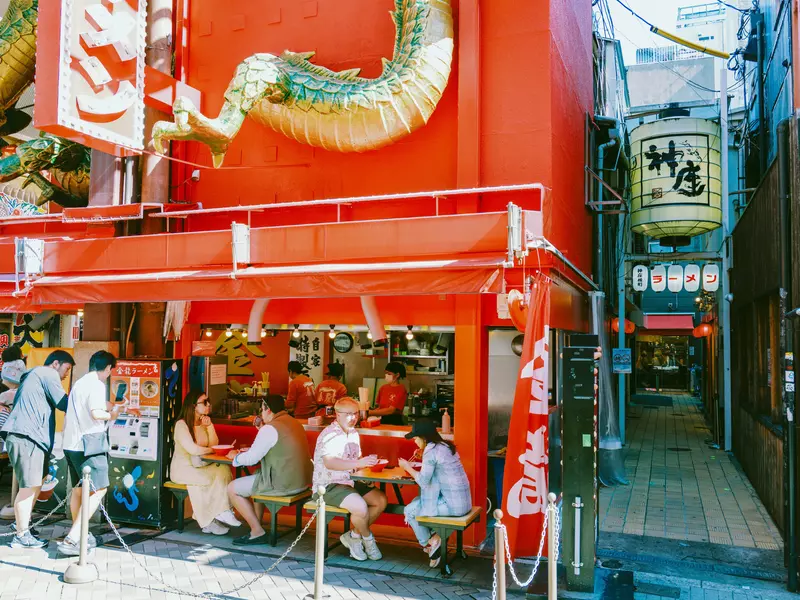
24. Do check that the menu is vegan-friendly. Even if you don’t see any animal-derived ingredients, Japanese cuisine heavily relies on seafood broth, so ask your server before ordering.
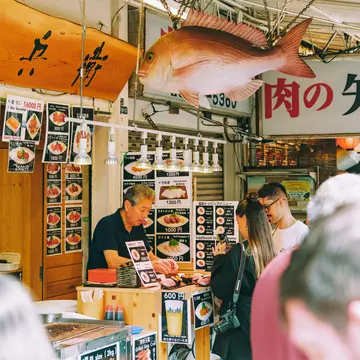
25. Don't be surprised by an unordered appetizer called otoshi. A small appetizer in a cup is a common disguised table charge, costing around ¥500. If you don’t want it, ask if it can be canceled.
26. Don't order one serving when the minimum is two. Japanese dishes, like hot pot, often have a minimum order number. Check whether the photo in the menu shows one or more servings, and make sure that you order the correct number.
27. Do use a hot oshibori towel only for your hands. It isn't for wiping your face or mouth.
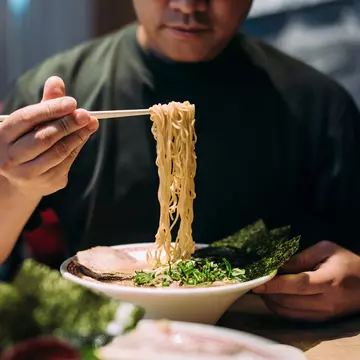
28. Don't stick chopsticks upright in food. And don't pass food from chopsticks to chopsticks. These acts are reminiscent of Buddhist rituals.
29. Don't tip when the server declines. Tipping is unnecessary in Japan, so leave coins in the donation box.
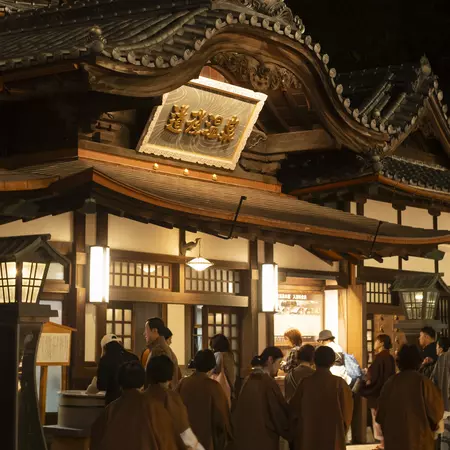
30. Do pay attention to the evacuation route instructions. Know how to evacuate, and if an earthquake strikes, get under a table or cover your head and hold onto something to stay steady until the shaking stops. If you’re at the beach, evacuate to higher ground immediately to avoid tsunamis. Tune in to TV or check NHK (Japan Broadcasting Corporation), Safety Tips (from the Japan Tourism Agency) and Travel Japan for further information.
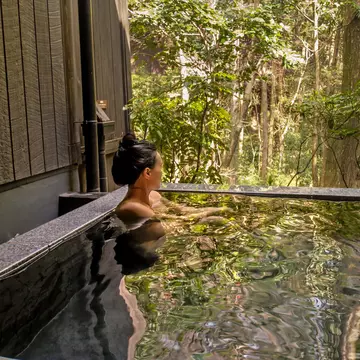
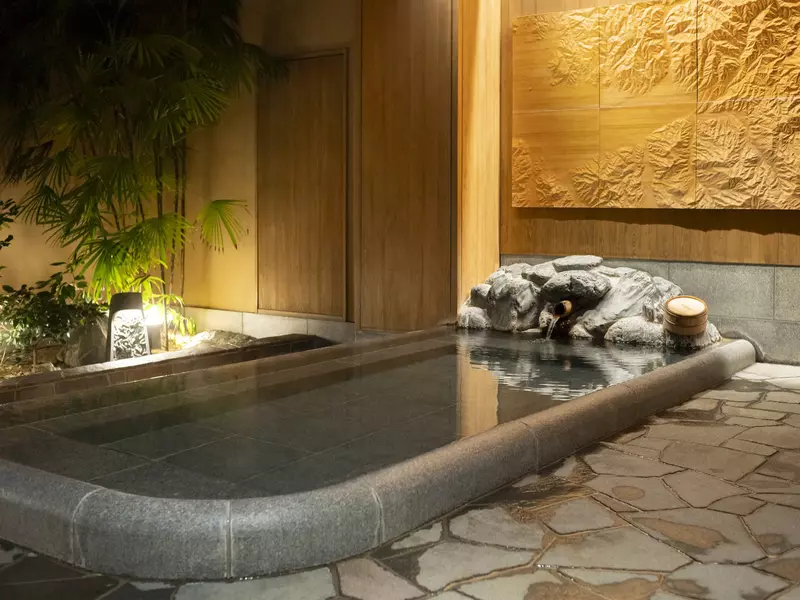
31. Don't assume that all bathhouses are tattoo-friendly. If you have a small tattoo, cover it up with a bandage. Tattoos in Japan tend to be synonymous with gangs and generally aren't welcome in public bathhouses. If you have a big tattoo that can't easily be covered up, seek tattoo-friendly bathhouses like Matsumoto-yu in Tokyo's Nakan district, Konparu-yu in Giza and Gokayu in Kyoto.
32. Do take off your shoes. Take off your shoes or change to offered slippers when you enter shared bathroom areas or tatami dining rooms at hotels and restaurants.
33. Don't enter a shared hot spring bathroom without checking first. Many hotels switch their bathrooms daily to offer men and women different styles of hot springs simply by changing the curtains at the entrance. Blue curtains with the kanji 男 mean it’s for men, while red curtains with 女 mean it’s for women.
34. Do wash your body thoroughly. Use the washing stations before entering the communal bath, but don't place your personal towel in shared bathwater.
35. Do pay the hot spring bathing tax. It costs around ¥150 per day, regardless of the visitor’s nationality, except for children under age 12.
Book your Japan trip with Lonely Planet Journeys
See Japan how it's meant to be seen
Planned by local experts and tailored to you, Lonely Planet Journeys handles the logistics so you can just enjoy the trip. Tell us what you want and we'll build your Japan itinerary from scratch, or browse our bookable trips to get inspired.

Explore related stories