Jun 26, 20266 min read
Best Museums in Kyoto for Contemporary Art, Traditional Sake and Popular MangaFeb 11, 2026
9 MIN READ

Writer
The shaded interior of Hasedera Temple in Nara. freedom-man3/Shutterstock

Writer
Highlights
Writer Phillip Tang maps eight day trips from Kyoto, all under two hours.
Foodies should try Uji's matcha, Osaka's takoyaki stalls and Kōbe's wagyū beef.
Float Kurashiki's willow-lined canals or cycle and swim on the shores of Lake Biwa.
For history, visit Nara-kōen's deer, Himeji-jō's white castle and Hiroshima's Peace Memorial Park.
Lonely Planet may earn a commission from affiliate links on our site. All recommendations and reviews reflect our own independent opinions.
Kyoto offers a tantalizing glimpse of ancient Japan, and its position at the heart of the Kansai region makes it a handy base for hopping on a train to explore fairy-tale castles, go on a matcha tasting tour or float along canals – all of which are less than 2 hours away!
If you plan to make several train trips within a 5-day period, consider a Kansai WIDE Area Pass or a Japan Rail Pass, which will cover all of these routes, except to Hiroshima.
Consider adding some of these rewarding day trips from Kyoto to your itinerary.
Travel time: 35 minutes
How to travel: by train
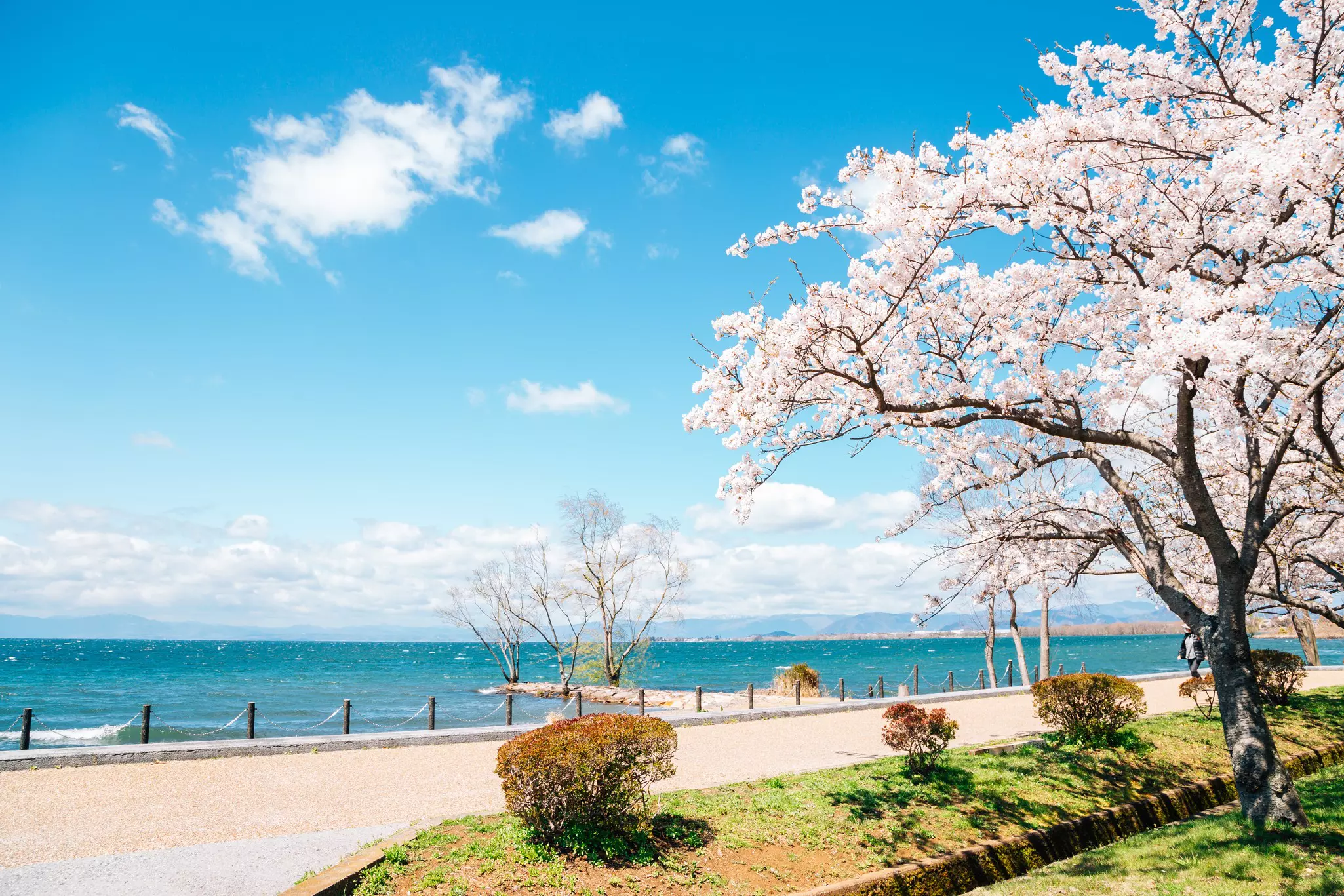
Japan's largest lake is rich with outdoor activities. Along its shores, visitors find an almost overwhelming number of temples, castles and cities spread hours apart. Start in the lake's most wonderfully preserved town, Ōmihachiman, far away from foreign crowds. From here, you can rent a bicycle and follow the color-coded paths for straightforward, self-guided cycling around the lake. Or take it slow with a canal boat ride on the narrow waterways, gliding past the feudal-era merchant houses that once held goods brought across the Sea of Japan.
If you head up the Hachimanyama Ropeway, you'll be rewarded with great views across Lake Biwa, as well as short hiking trails. In summer, listen for the waves pattering the lakefront, inviting you for gentle beach swimming.
With more time, you can chase down the torii (gates) of Shirahige Shrine, which seem to float on the lake, or 17th-century Hikone-jō, shrouded in beautiful autumnal colors from mid- to late November.
How to get to Lake Biwa from Kyoto:
From Kyoto Station, take a Special Rapid train to Omi Hachiman Station.
Travel time: 20 minutes
How to travel: by train
Mmm…matcha. Green-tea-obsessed Uji is just next door to Kyoto yet draws far fewer crowds. Meander along its Omotesando laneway, dipping in and out of charming stores dedicated to selling locally sourced green tea. Start with familiar matcha-flavored treats – ice cream, soba noodles – and move on to dango (soft rice-flour balls). As you hold a skewer to the light, you'll first see the scorch marks, then taste them as you chew, the flavors dancing between chargrilled, bitter tea and sweet rice.
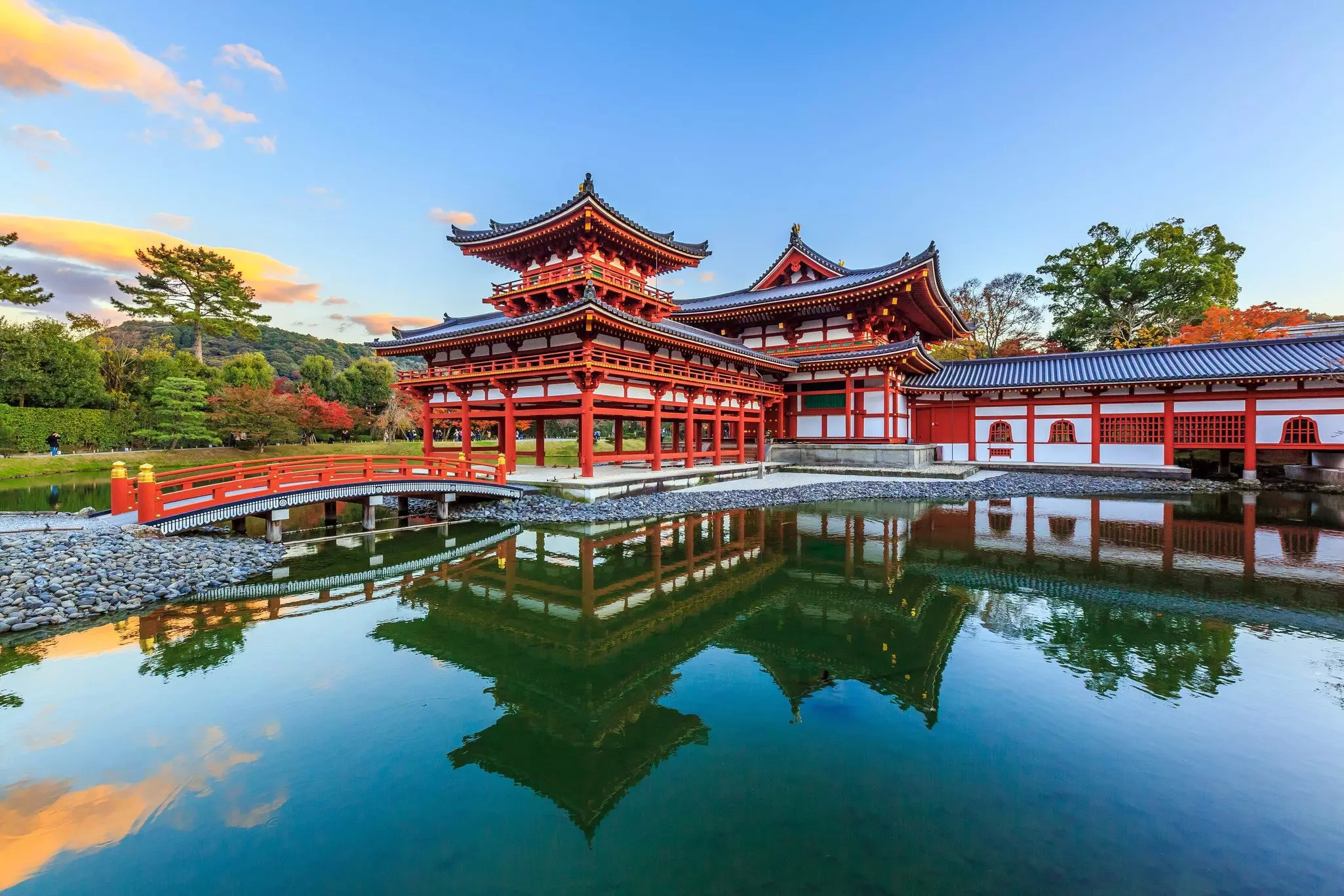
At the laneway's end, the vermilion Byōdō-in seems to spread its wings and levitate above a green pond (a sight immortalized on the 10 yen coin). The temple's Phoenix Hall is an excellent example of architecture from the Heian period. Linger in the gardens or at the delightful tea salon. For more Heian history, explore the on-site Hoshokan Museum, including a temple bell and other Buddhist treasures.
Japanese literature enthusiasts should make a visit to the Tale of Genji Museum, dedicated to Murasaki Shikibu's famous 11th-century work (perhaps the world's first-ever novel). The exhibits provide insights into the portion of the narrative that unfolds in Uji.
Cross the Uji River to visit teahouses where artisans demonstrate how to brew the perfect green tea. In summer, a cruise in a wooden boat on the river is a pleasant finale to the day indeed – cormorant fishing demonstrations optional.
How to get to Uji from Kyoto:
From Kyoto Station, take the JR Nara line to JR Uji Station.
Travel time: 2 hours
How to travel: by train
In Kurashiki, handsome black-and-white Edo period warehouses are tucked away off side lanes. Those buildings – many now converted into denim boutiques, cafes and art workshops – make up the atmospheric Bikan quarter.
Wander the laneways lined with old wooden houses and shops first before popping into the popular Ōhara Museum of Art, which displays works by Picasso, Cézanne and Matisse. Kids will love seeing the exhibits at the Japan Rural Toy Museum or snacking on a denim-blue ice cream or burger in the Kojima district. (Kurashiki has been jeans obsessed since its days as a trading hub.)
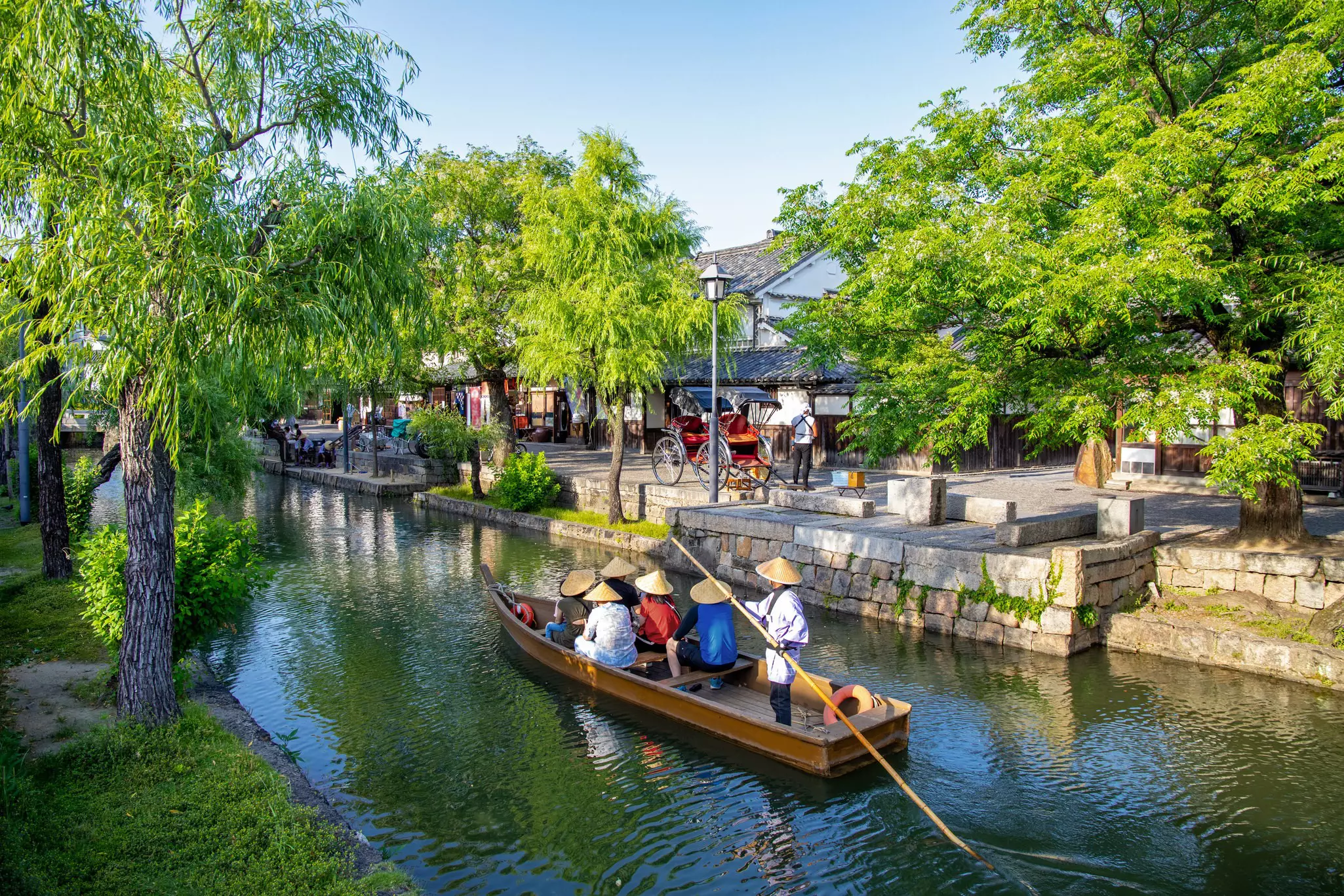
A traditional boat tour under willow trees dipping into the canals is a lovely way to pass the afternoon. On land, Ivy Square is a pretty courtyard that once housed textile factories but now often hosts live entertainment.
How to get to Kurashiki from Kyoto:
Ride the 90-minute Hikari bullet train to Okayama Station, then change to the 15-minute JR Sanyo line train to Kurashiki Station.
Travel time: 1 hour
How to travel: by train
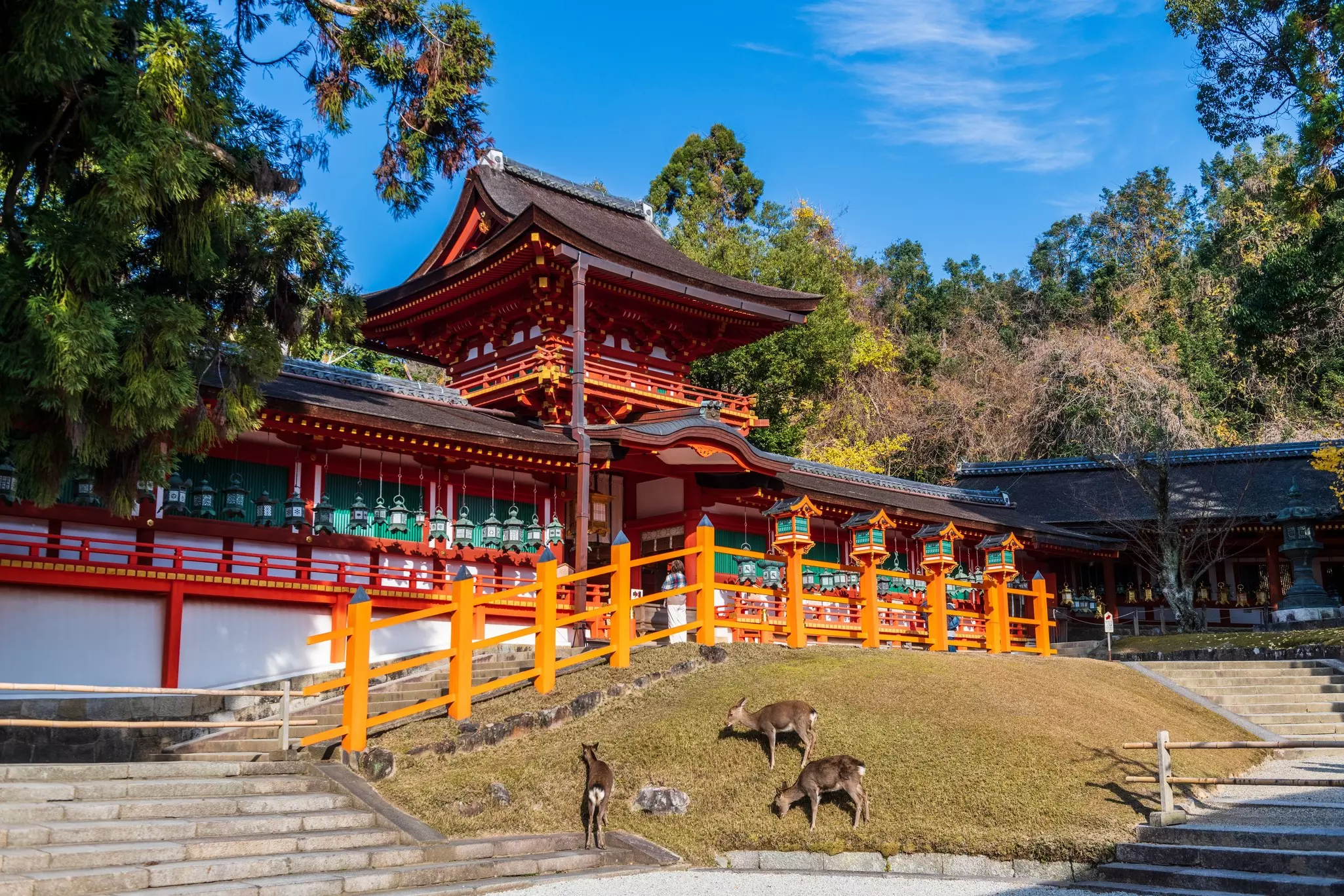
When you come eye to eye with the deer in Nara, you might decide for yourself whether, as legend has it, they are divine messengers from the heavens. The 1000-plus placid deer that roam leafy Nara-kōen are a symbol of Japan's first imperial capital. (Feel free to feed the freely ranging deer with crackers sold on-site.) You can take in plenty of history-rich sights while you're in the park, including the Great Buddha at Tōdai-ji, who is seated with an open hand as tall as a person. Early risers: if you get to Nara by 9am, it's worth observing morning prayers within the splendor of the vermilion and cedar shrine pavilions at Kasuga Taisha.
How to get to Nara from Kyoto:
From Kyoto Station, take a 55-minute Rapid train on the JR Nara line to Nara Station.
Travel time: 2 hours
How to travel: by train and bus
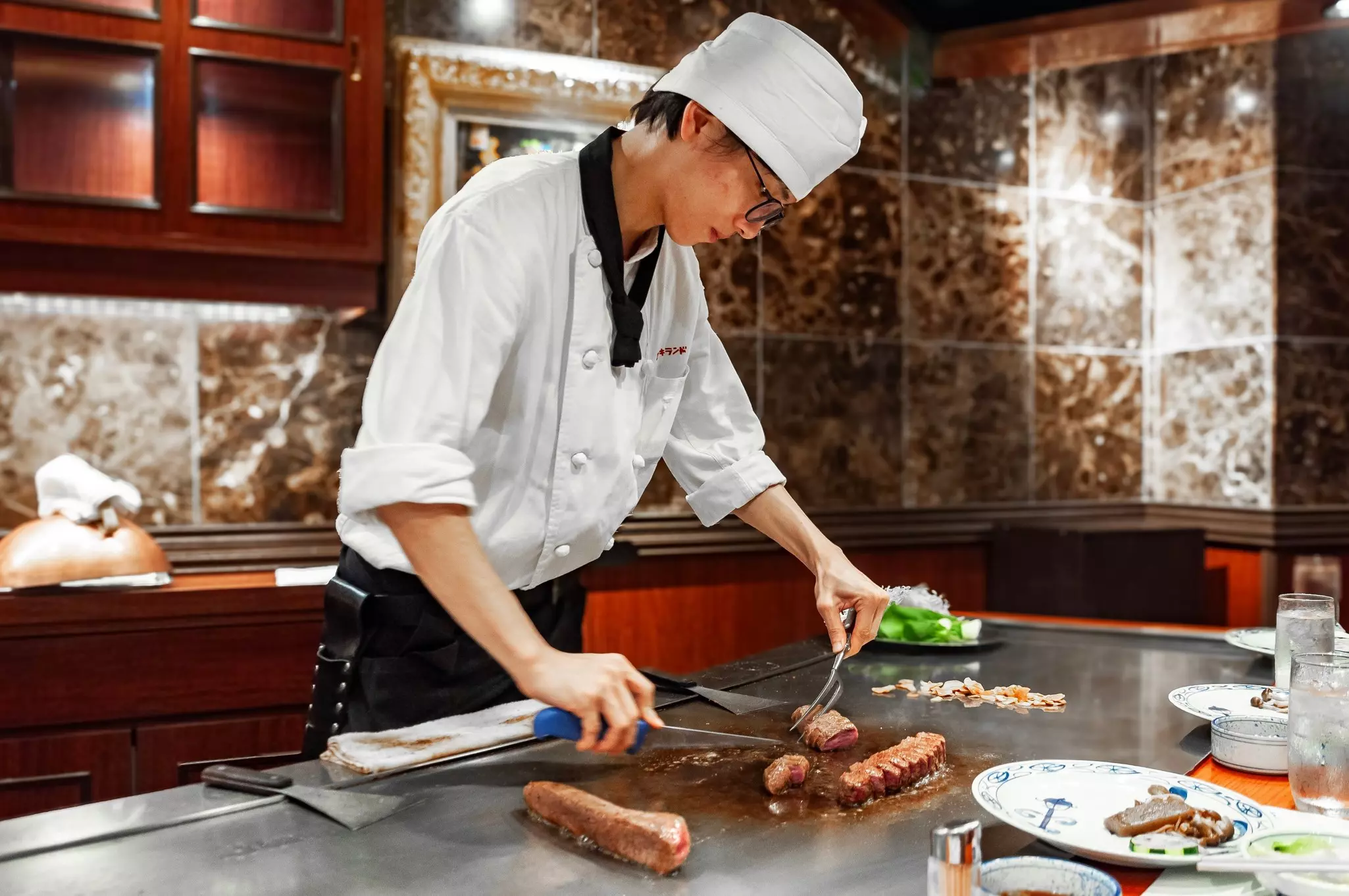
Kōbe is Japan's easy, breezy nature city. Here, the mountains hug the seaport, with great views at every turn that make you stop and smile. Dig into authentic wagyū (Japanese beef) at registered restaurants, identifiable by an indoor plaque written in Japanese; they are the most reliable. A superb place to start is with the good-value set beef menu at Tor Road Steak Aoyama, or go all out with an exquisite teppanyaki experience (watching your chef work a hot plate) at Kobe Beef Genkichi. Head uphill from Sannomiya Station to a district of tree-lined streets with merchant houses, quaint cafes and unique shops.
Even with a population of 1.5 million, Kōbe offers easy access to nature. Mt Rokko, a popular hiking spot (accessible by cable car, too), towers over the city's narrow streets and features the landscaped Nunobiki Herb Gardens. Further up, Nunobiki Falls has been a muse for artists, poets and worshippers for centuries.
How to get to Kōbe from Kyoto:
From Kyoto Station, take a JR Limited Express Super Hakuto train for 50 minutes to Sannomiya Station. Two loop buses ply all the sights of the port and city.
Travel time: 55 minutes
How to travel: by train
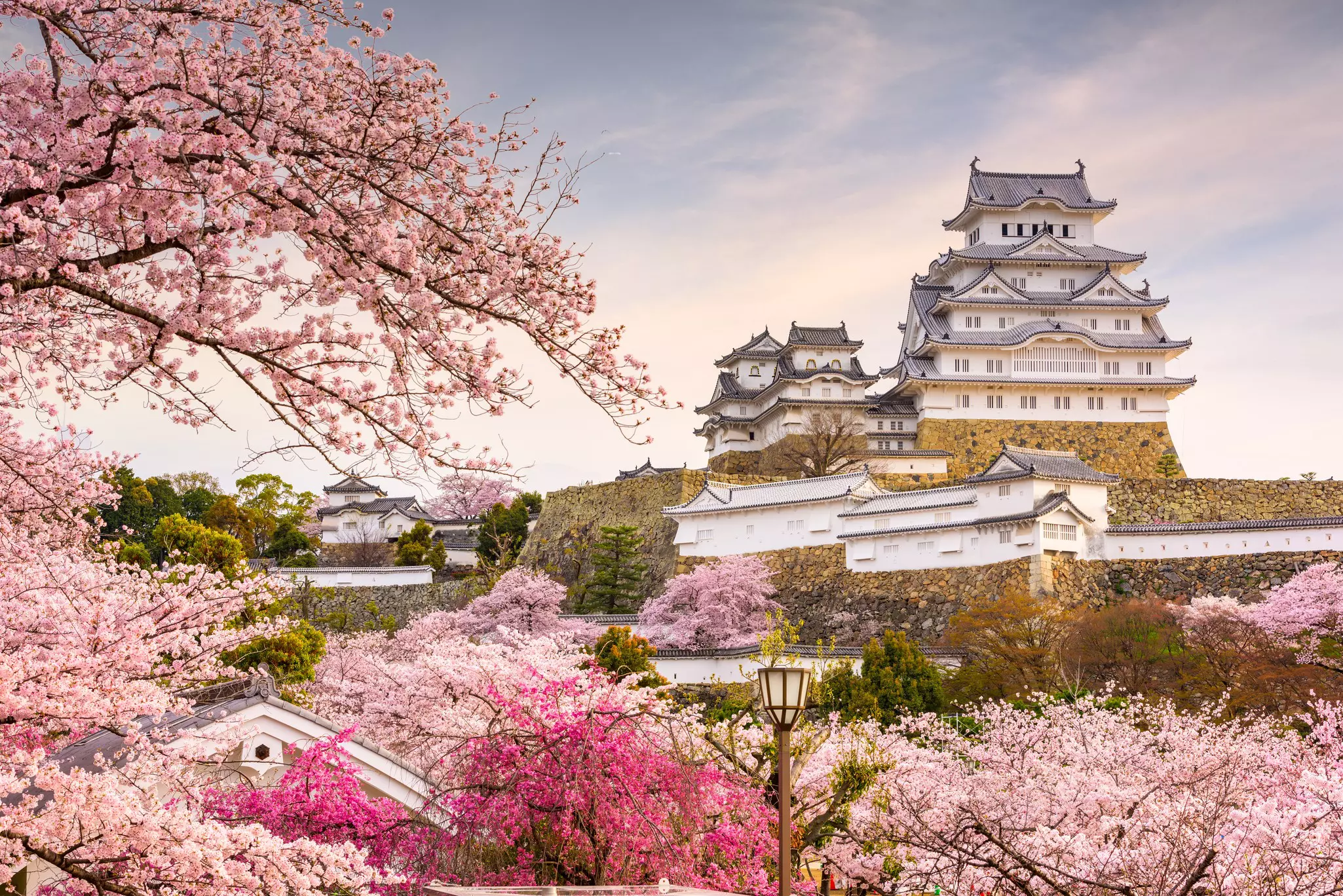
Tilting your head skyward toward the five splendid white stories of Himeji-jō is the stuff of Japanese fairy tales. In fact, the White Heron Castle has been showcased in movies and TV series aplenty – no wonder, given how rare it is to find a truly intact (and not reconstructed) medieval castle in Japan.
Himeji-jō is a stunner, and it's worth visiting early to beat the crowds. Set aside an hour or two to climb to the top for great city views, then to take in the surrounding nine gardens within Kōko-en, designed in Edo period style. A great time to visit is during cherry blossom season, when everything is framed in pink blooms and petals float atop the moats.
How to get to Himeji-jō from Kyoto:
From Kyoto Station, take a JR Hikari train for 55 minutes to Himeji Station.
Travel time: 2 hours
How to travel: by train
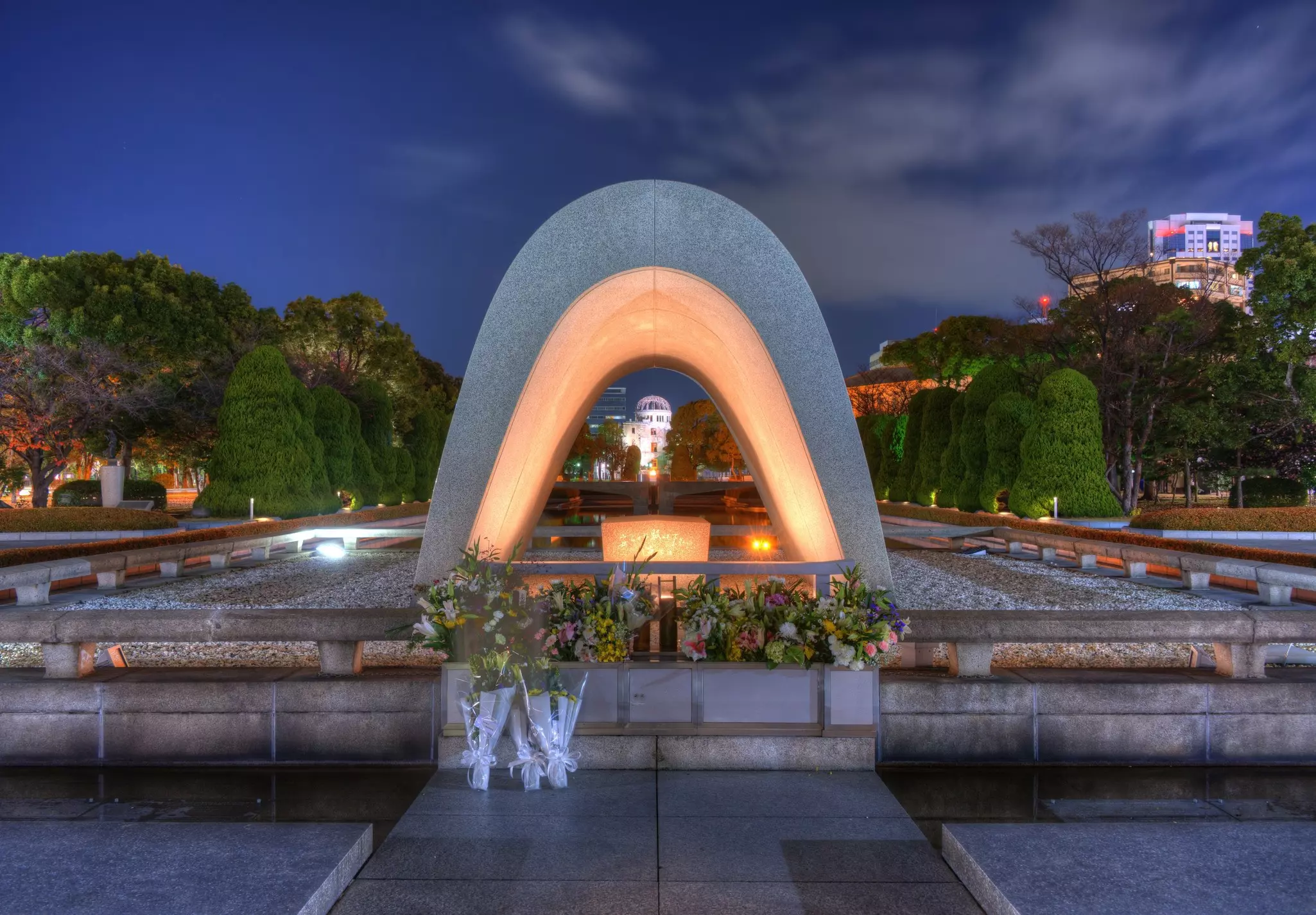
Hiroshima may be synonymous with the devastating atomic bomb attack in 1945 but this leafy, laid-back city has much more to offer visitors than just its past. If you want to reflect on the preciousness of peace in the face of war, definitely start at Peace Memorial Park and take in the haunting Atomic Bomb Dome, one of very few buildings left standing near the epicenter; its shell has been preserved as a memorial alongside the Hiroshima Peace Memorial Museum. Seeing the colorful garlands of origami paper cranes sent from schools across the world to the Children's Peace Monument is joyfully moving.
It's ambitious but possible to tackle Hiroshima as a day trip from Kyoto, though we recommend lingering in the city and staying the night. That way, you can dig into a Hiroshima-style okonomiyaki (savory pancake), which adds a layer of yakisoba noodles for delicious heftiness. A fun place to taste one is at one of the dozens of okonomiyaki restaurants at the multilevel Okonomimura food hall.
Another reason to stay into the late afternoon is the short trip over to the gorgeous island of Miyajima, home to Itsukushima-jinja, a bright red shrine rising out of the ocean – one of Japan's most iconic sights. From here, you can wander through streets lined with machiya (wooden townhouses) and, if you have another spare hour, take a cable car up to the Misen summit for breathtaking views of the Inland Sea.
How to get to Hiroshima from Kyoto:
From Kyoto Station, take the Shinkansen Nozomi bullet train to Hiroshima (1 hour and 40 minutes; this is not covered by a JR Pass alone – an additional fee is required). Tourist loop buses and trams depart regularly from Hiroshima Station to the Peace Park. To reach the ferry port from Hiroshima Station, take the JR Sanyo line for 25 minutes to Miyajimaguchi Station.
Travel time: 30 minutes
How to travel: by train
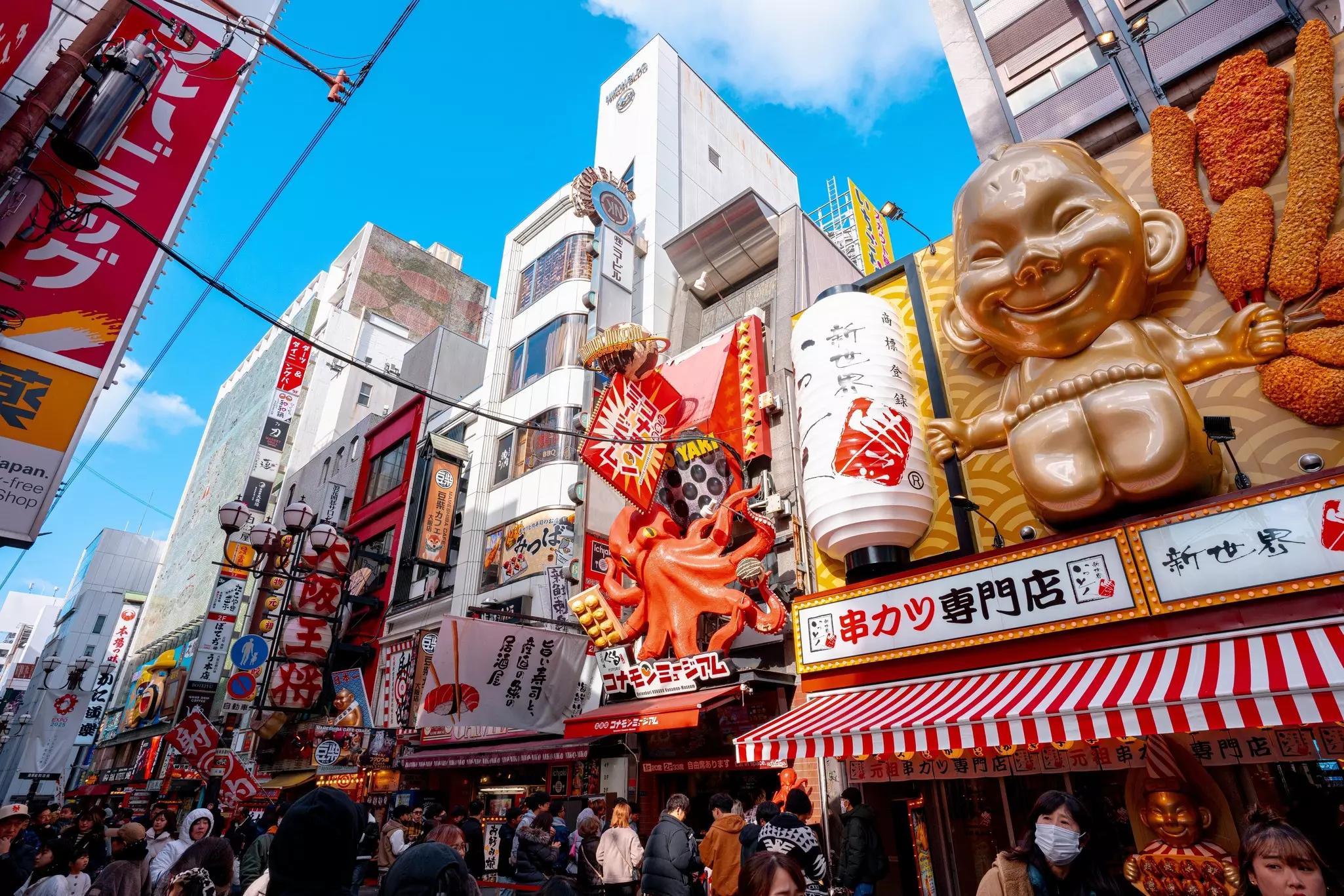
Osaka's street-food stalls are a festival of lanterns, sizzling and delicious smells, enjoyable day or night on a quick jaunt from Kyoto. Since the city is known as Japan's Kitchen, arrive hungry – Osaka's motto of kuidaore literally means "to eat oneself bankrupt."
You can expect to carve up okonomiyaki (savory pancakes) and devour takoyaki (fried octopus balls) along the canal in Dōtombori, peering up to see the Running Man sign, one of Osaka's major sights. Then try kushikatsu (crumbed meat and vegetables on sticks) near the Tsutenkaku Tower in the kitschy, retro neighborhood of Shin-Sekai.
As you wind through the alleyways of Ura-Namba to Torame Yokacho (Tiger Alley), you can try a range of Japan's best dishes under one roof. When full, walk off your excesses in the expansive grounds of Osaka-jō, or browse boutique and vintage clothing shops in the hip neighborhoods of Amerika-Mura, Horie and Nakazakicho.
How to get to Osaka from Kyoto:
From Kyoto Station, take a 28-minute JR Special Rapid train bound for Himeji to Osaka Station. Bullet trains also run between Kyoto and Shin-Osaka Station.
Explore related stories