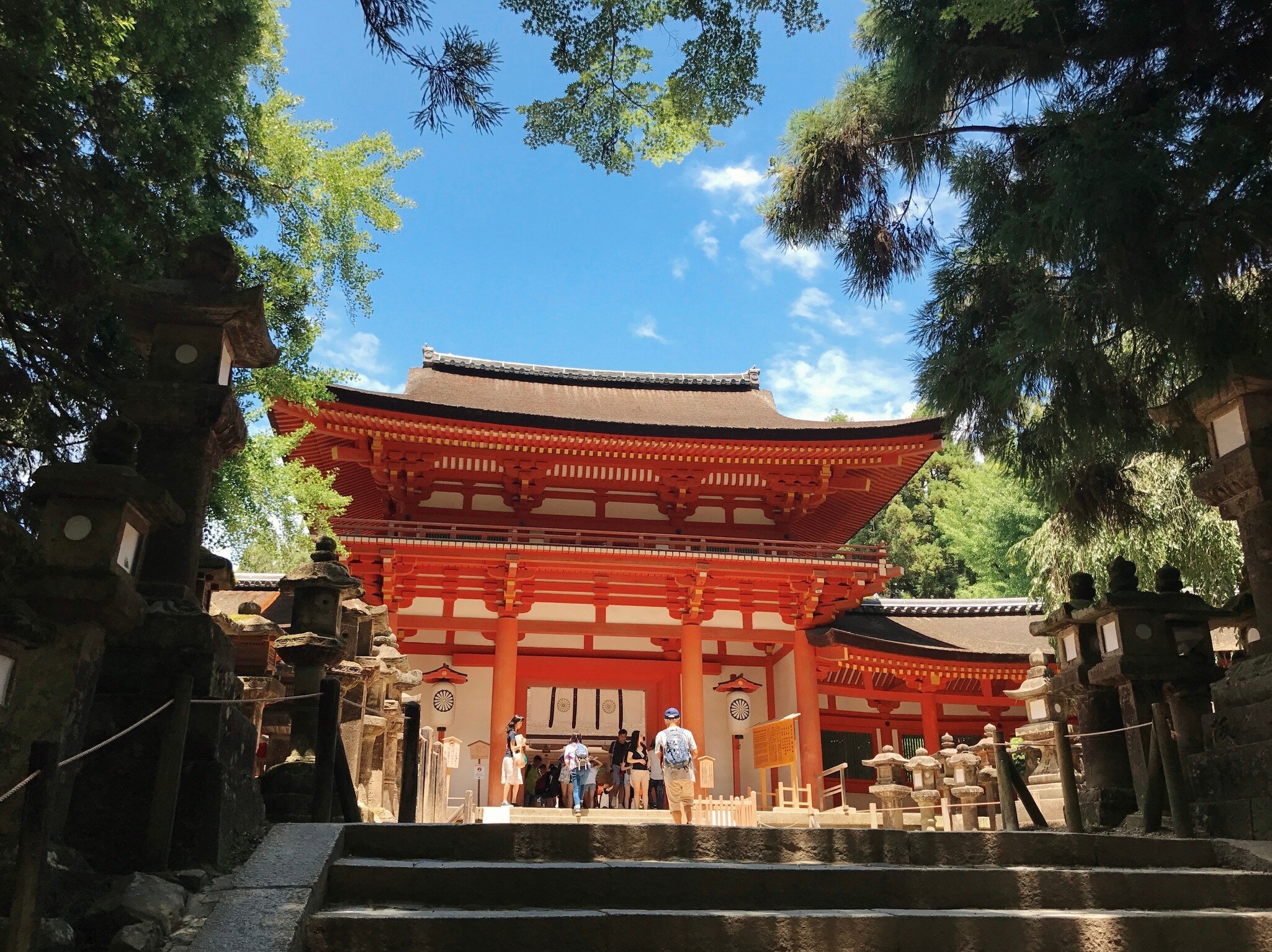
Kasuga Taisha (春日大社; kasugataisha.or.jp/en/about_en) is Nara’s most important shrine and a natural sanctuary on the edge of protected primeval forest. Established in 768 to watch over the new capital, it was also the family shrine of the powerful Fujiwara clan who built Kōfuku-ji. The shrine was ritually rebuilt every 20 years, according to Shintō tradition, until the late 19th century.
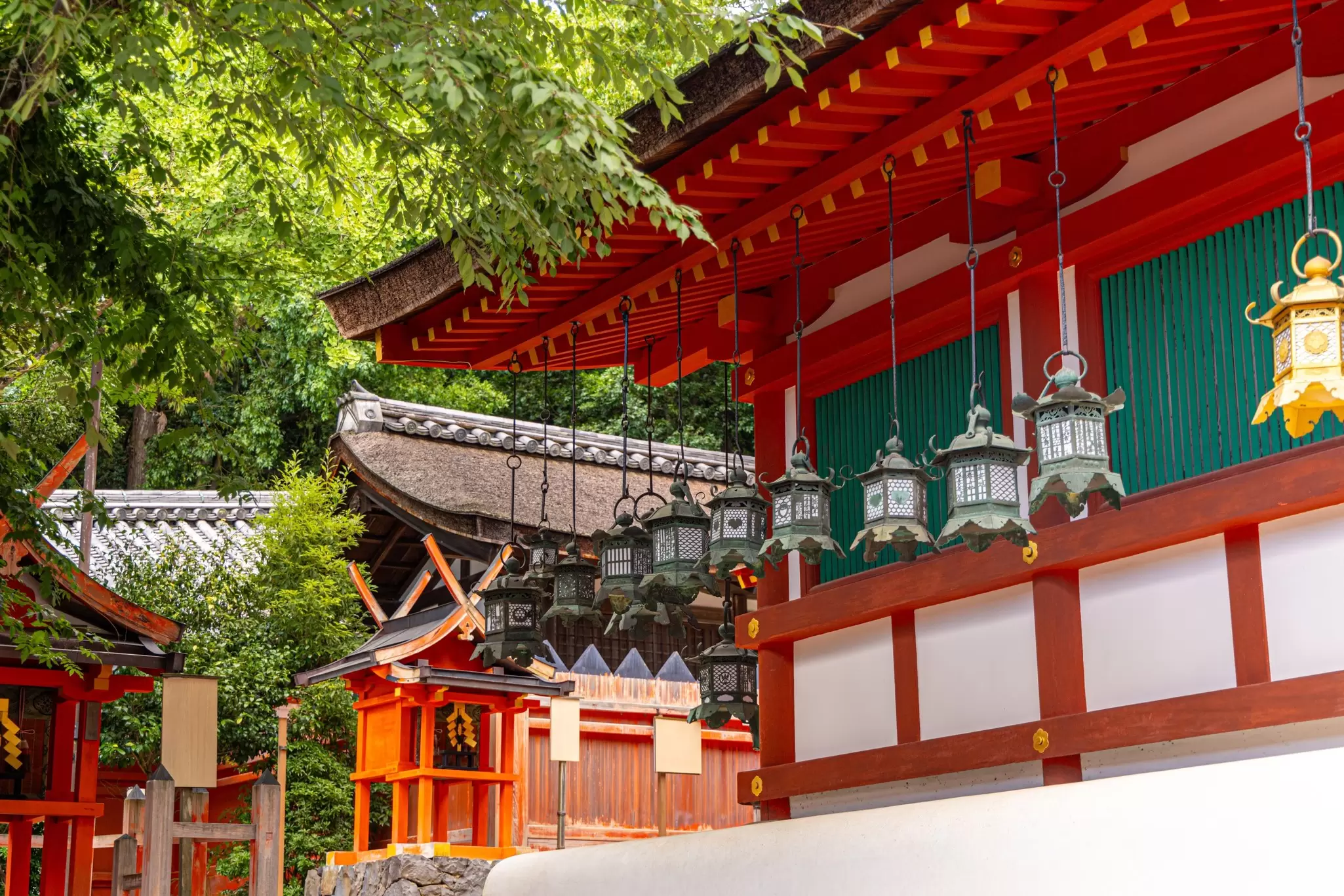
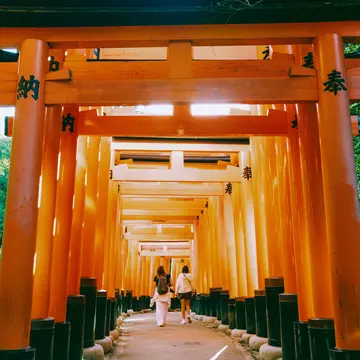
Many of its buildings are painted vermilion, in bold contrast to the cedar roofs and surrounding greenery. An avenue of stone lanterns marks the approach, while hundreds of bronze lanterns dangle from the halls – these are lit twice a year for the Mantōrō lantern festival, in early February and mid-August.
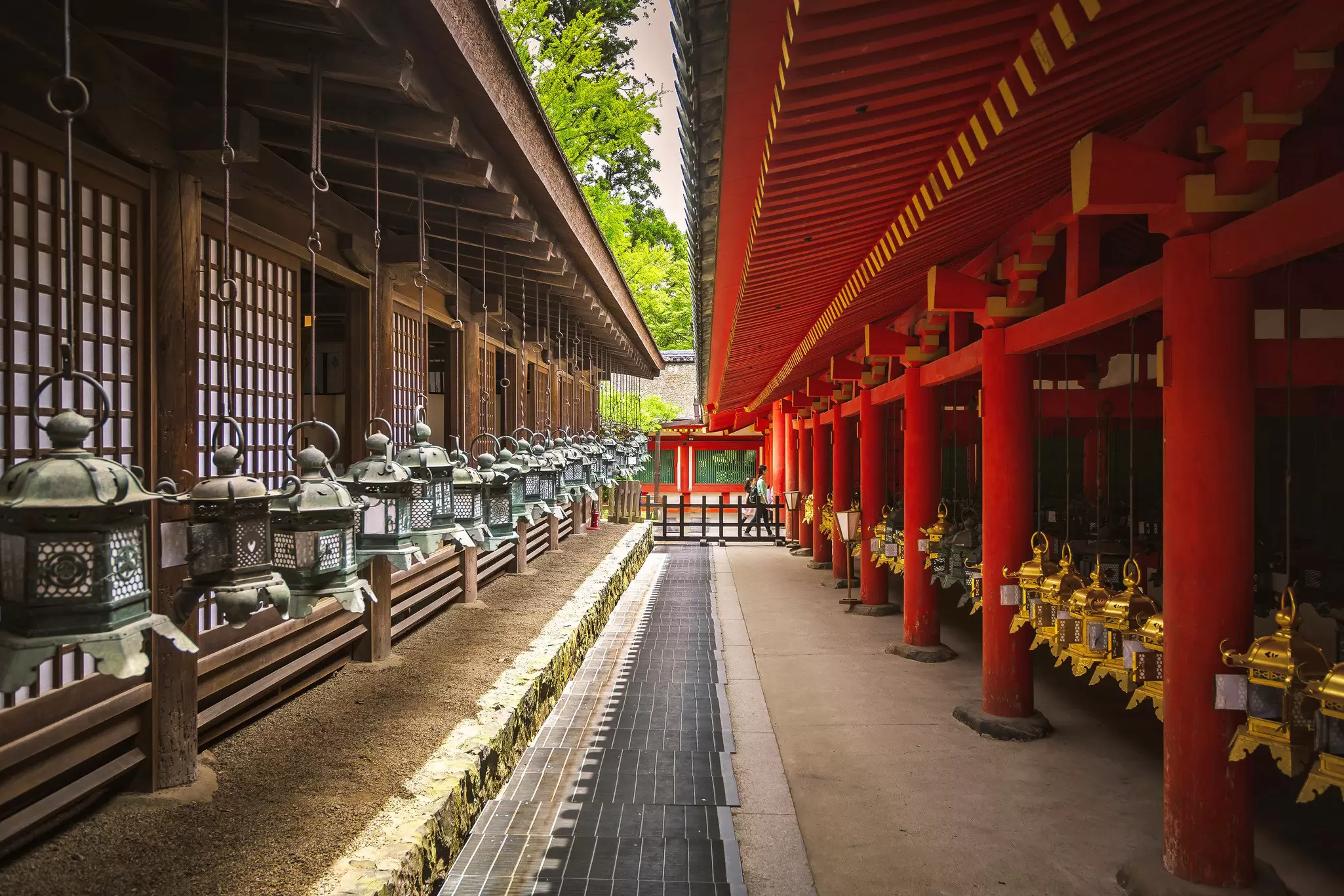
Every morning at 9am you can observe a chōhai (morning prayer service), held in the Naoraiden (Ceremony Hall). There are several subshrines around the main hall. It's worth walking a few minutes south to the nearby subshrine of Wakamiya-jinja.
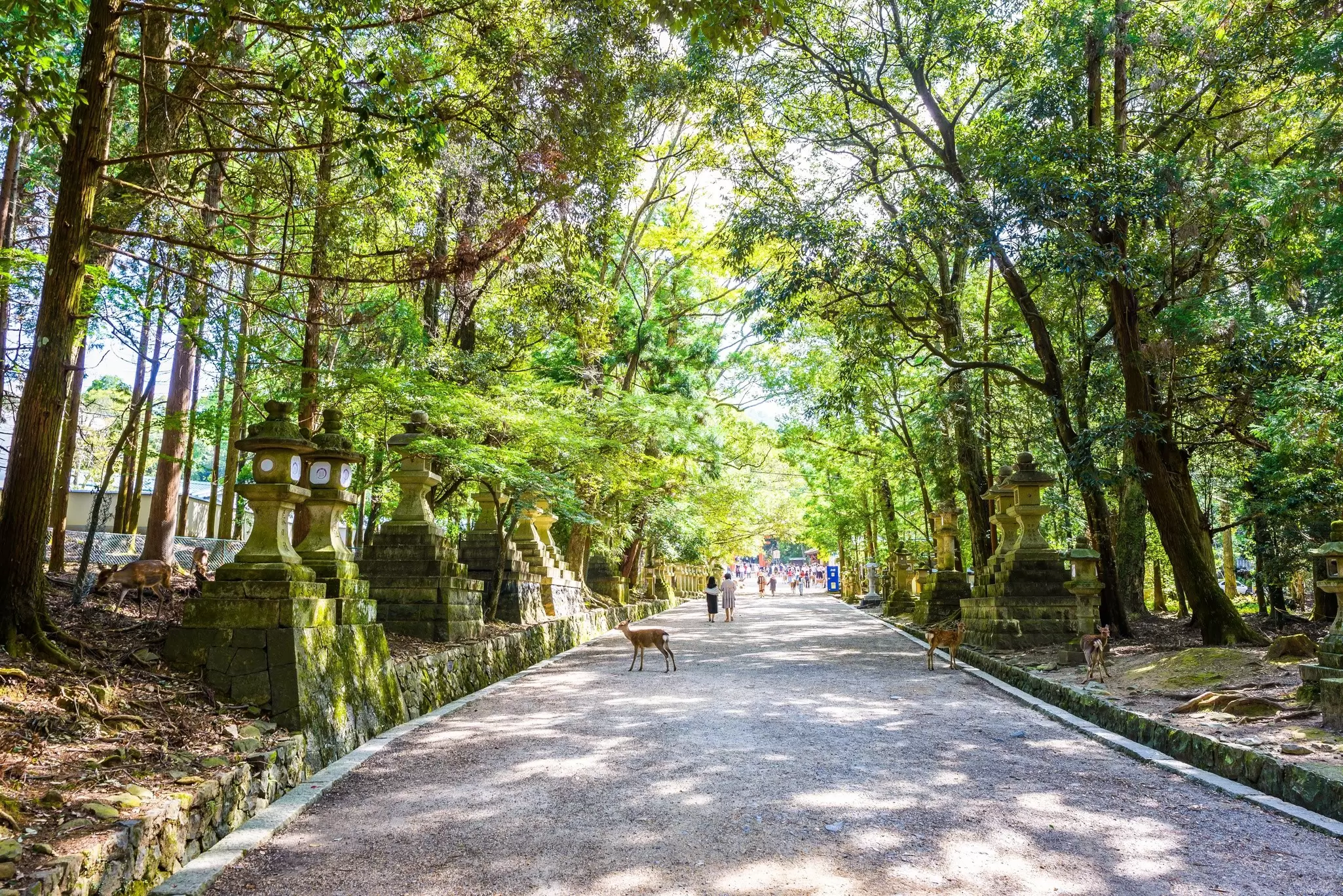
Within the shrine’s precincts you can also find trails into Kasugayama Primeval Forest that lead to waterfalls and caves carved with Buddha niches. A protected sanctuary since the 9th century, the forest was only made accessible to the public in 1956.