Oct 10, 20269 min read
Top 10 Things to Do in Mexico CityMay 4, 2026
8 MIN READ

Writer
Scuba diving in the Maldives. Vladislav Klimin/Shutterstock
Writer
Highlights
Writer Sarah Reid picks 10 beginner dive spots from Indonesia to the Caribbean.
Gili Trawangan's warm waters and Port Vila's accessible wrecks both reward beginners.
Ko Tao suits nervous novices; Utila in Honduras offers phenomenal value near the Mesoamerican reef.
Head to the Maldives for manta rays, or Malapascua in the Philippines for thresher sharks.
Lonely Planet may earn a commission from affiliate links on our site. All recommendations and reviews reflect our own independent opinions.
Few experiences beat observing coral reefs and extraordinary marine life up close on a scuba expedition. Yet before hitting the open water and taking the plunge, anyone with underwater dreams first needs to earn a diver certification.
It’s not hard to find a reputable outfit to teach the basics of diving safely and responsibly, and two umbrella organizations – SSI (Scuba Schools International) and PADI (Professional Association of Diving Instructors) – lend their imprimatur to schools around the world. We’ve used these networks as well as our own knowledge of where the diving is the most rewarding to come up with some of our favorite places to try out diving in the open waters.
From the Caribbean to the Maldives, and every ocean in between, here’s our roundup of the best places to learn to scuba dive all over the world.
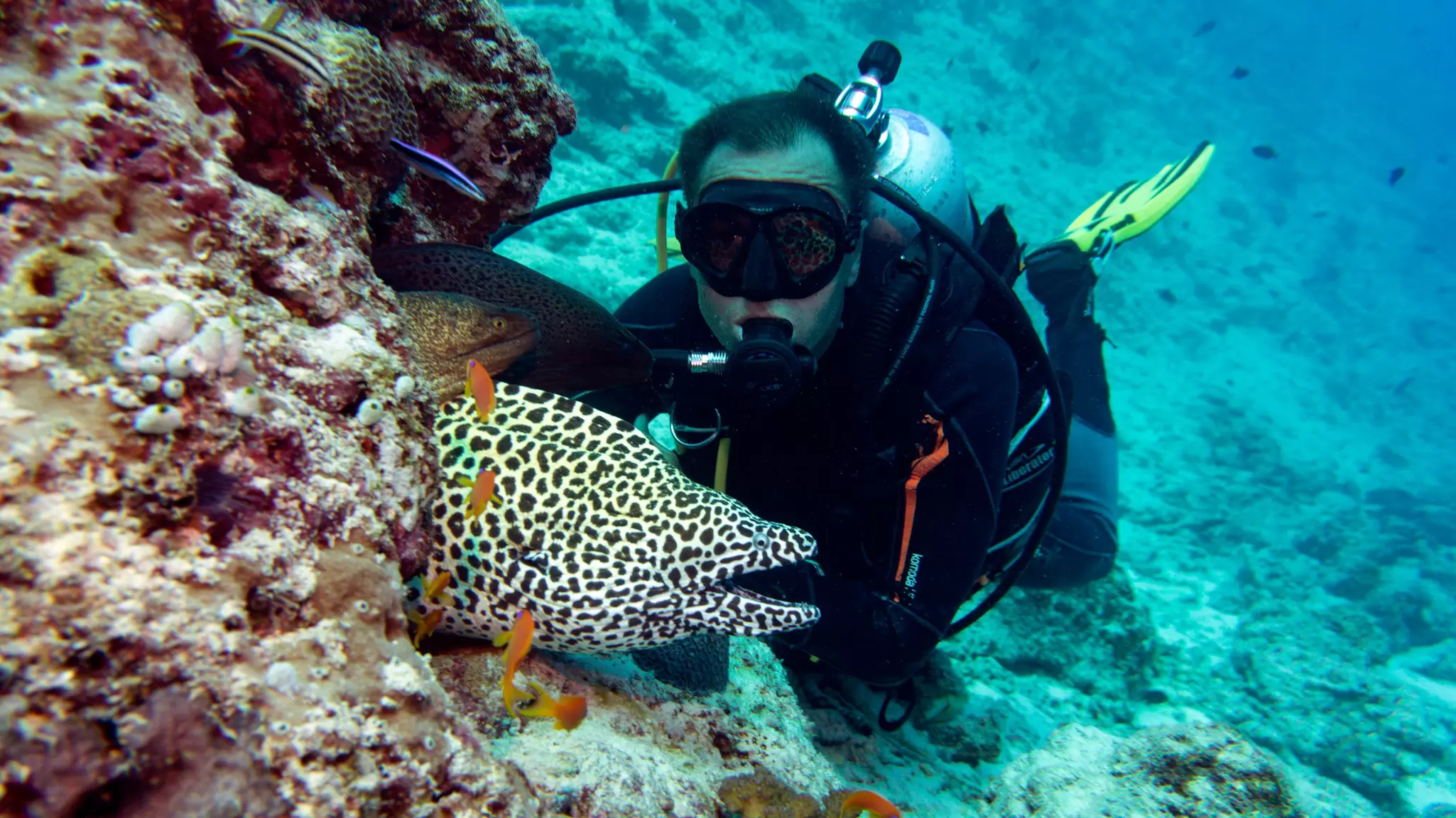
The diving: Indonesia boasts peerless aquatic riches. In particular, the warm, clear waters around Gili Trawangan (part of Lombok) are home to more than 3500 marine species including reef sharks, turtles, pygmy seahorses and colorful corals.
Why learn here: Competition between mostly European-run dive operators (such as Manta Dive and Blue Marlin), keeps course fees in check on this buzzy little island, which is also great for snorkeling.
When to go: Gili Trawangan diving is year-round, though many travelers avoid the November to April rainy season.
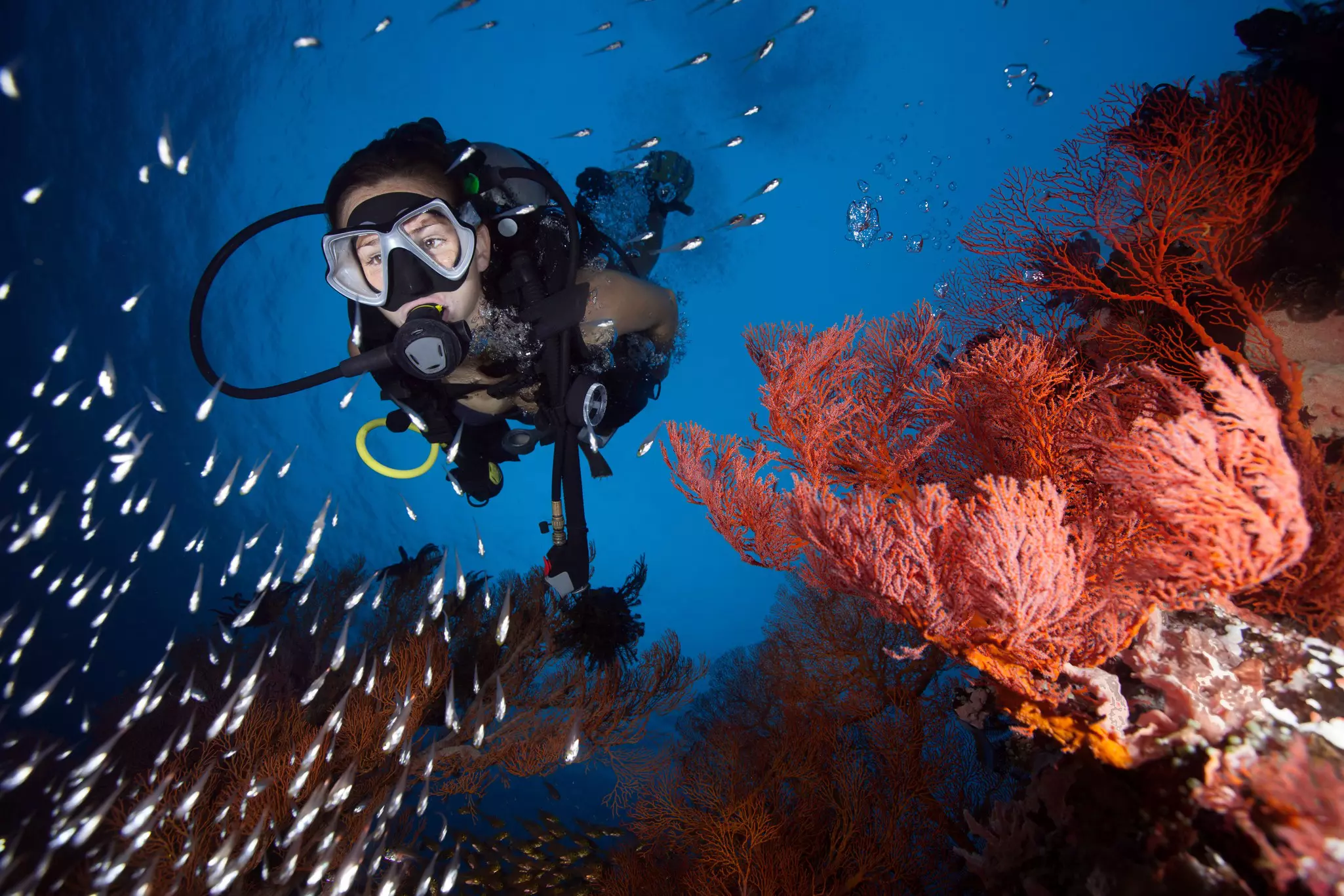
The diving: Thanks to easily accessible wrecks along with brilliant coral reefs, Port Vila provides the perfect warm-up for those hoping to tackle the SS President Coolidge, one of the world’s top wreck dives, over on Espiritu Santo.
Why learn here: Perfect for aspiring divers with time constraints, Vila outfits, including Big Blue, run shorter open-water courses. And resort-style lodgings, most with their own dive outfits, abound.
When to go: Diving is year-round, with visitor numbers increasing from April to October when the water is particularly calm and clear.
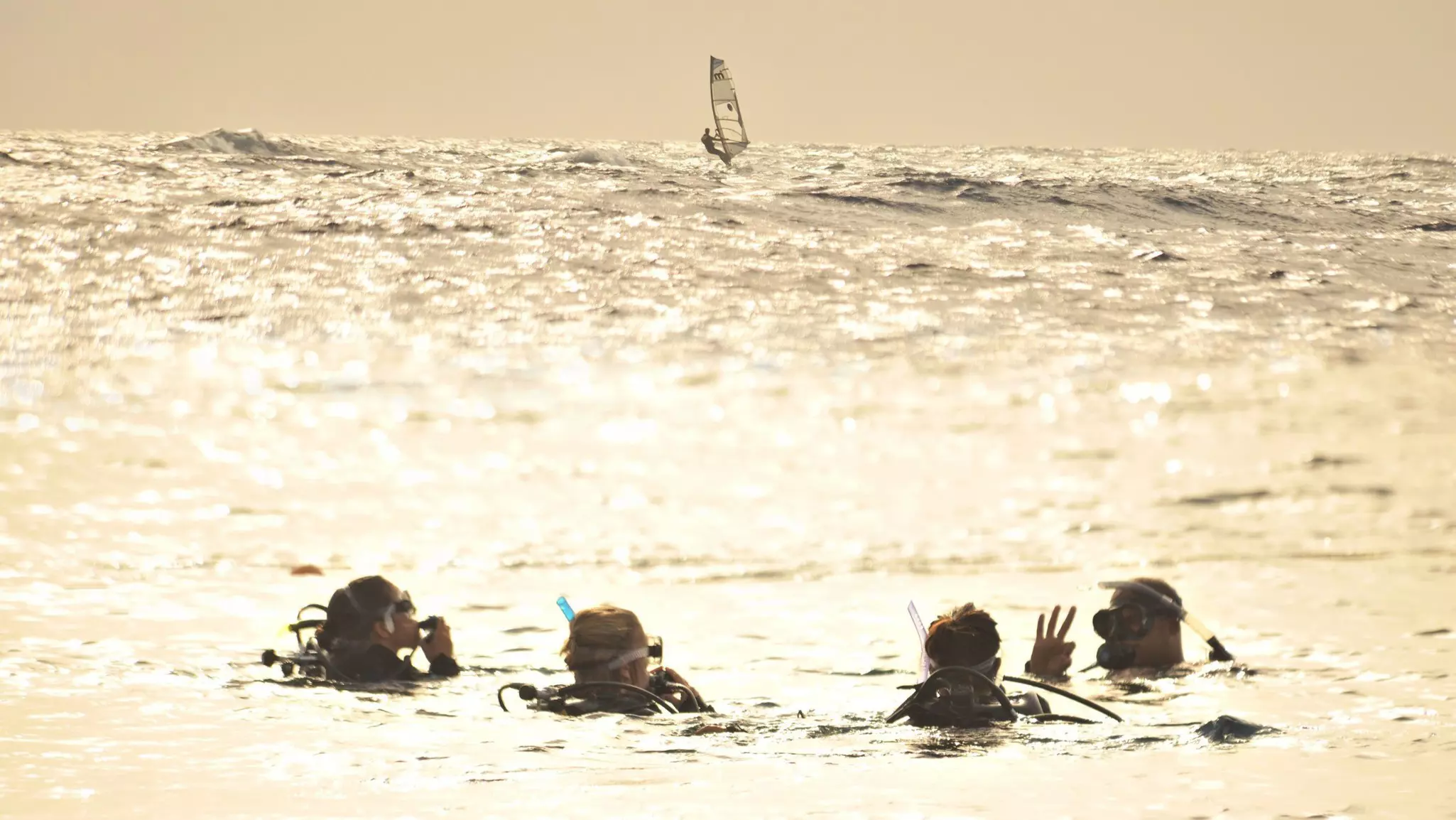
The diving: With stunning coral habitats literally steps from the beach, relaxed Dahab offers some terrific shore diving. Advanced divers will want to descend to the famous Blue Hole.
Why learn here: Off-limits for years due to security risks, this less chaotic alternative to Egypt’s main dive center Sharm el-Sheikh (90km to the south) has made a comeback. Many established dive outfits, including Poseidon, have good reputations. Bolstered by a year-round visibility of 30m, the Red Sea is ideal for beginners.
When to go: Diving is year-round, but most travelers find it more comfortable to avoid the blistering heat from May to September.
The diving: The best-explored region of the Maldives, North Male Atoll is riddled with brilliant dive sites. Coral remains healthy despite widespread bleaching – but it’s the abundant tropical marine life, buoyed by warm water and great visibility, that’s the big ticket here. Popular sites include Banana Reef, Kuda Haa and Manta Point.
Why learn here: As most resorts offer good dive courses, choosing one will likely be determined by your accommodation budget. With the biggest dive center in the region, Kuredu Island Resort is a good choice.
When to go: Year-round diving is possible, but the best conditions prevail from November to April, when seas are calm and ocean currents attract manta rays.
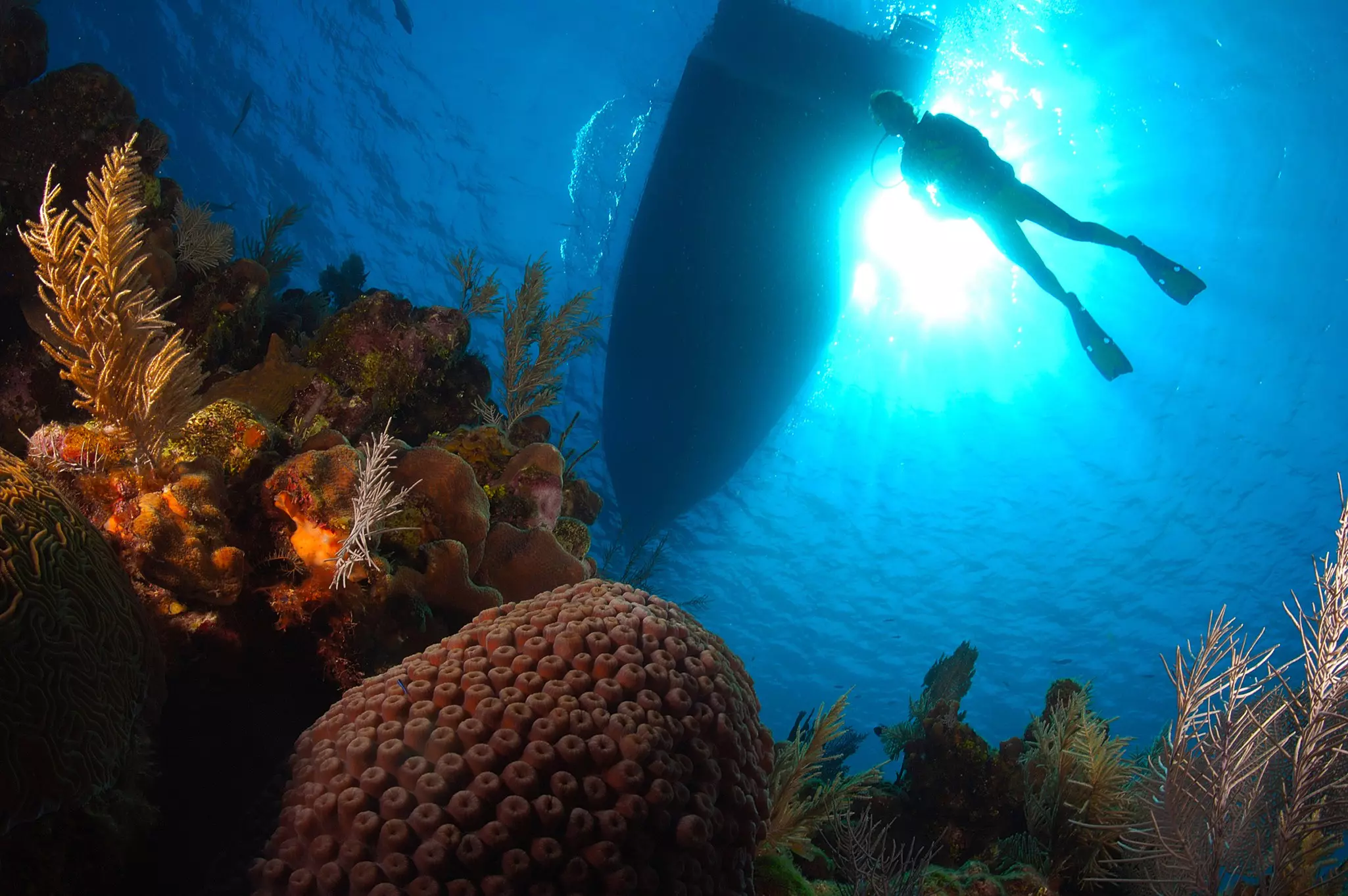
The diving: Backpacker haven Utila enjoys access to the southern tip of the stunning Mesoamerican Barrier Reef System. While overfishing has had an impact on marine life density around Utila, new divers don’t tend to notice.
Why learn here: While the diving is arguably better at neighboring Roatán, Utila courses are phenomenal value. Sign up with Underwater Vision or Utila Dive Center.
When to go: Diving is year-round, but it’s worth visiting between March to April or September to December for a chance to spot whale sharks.
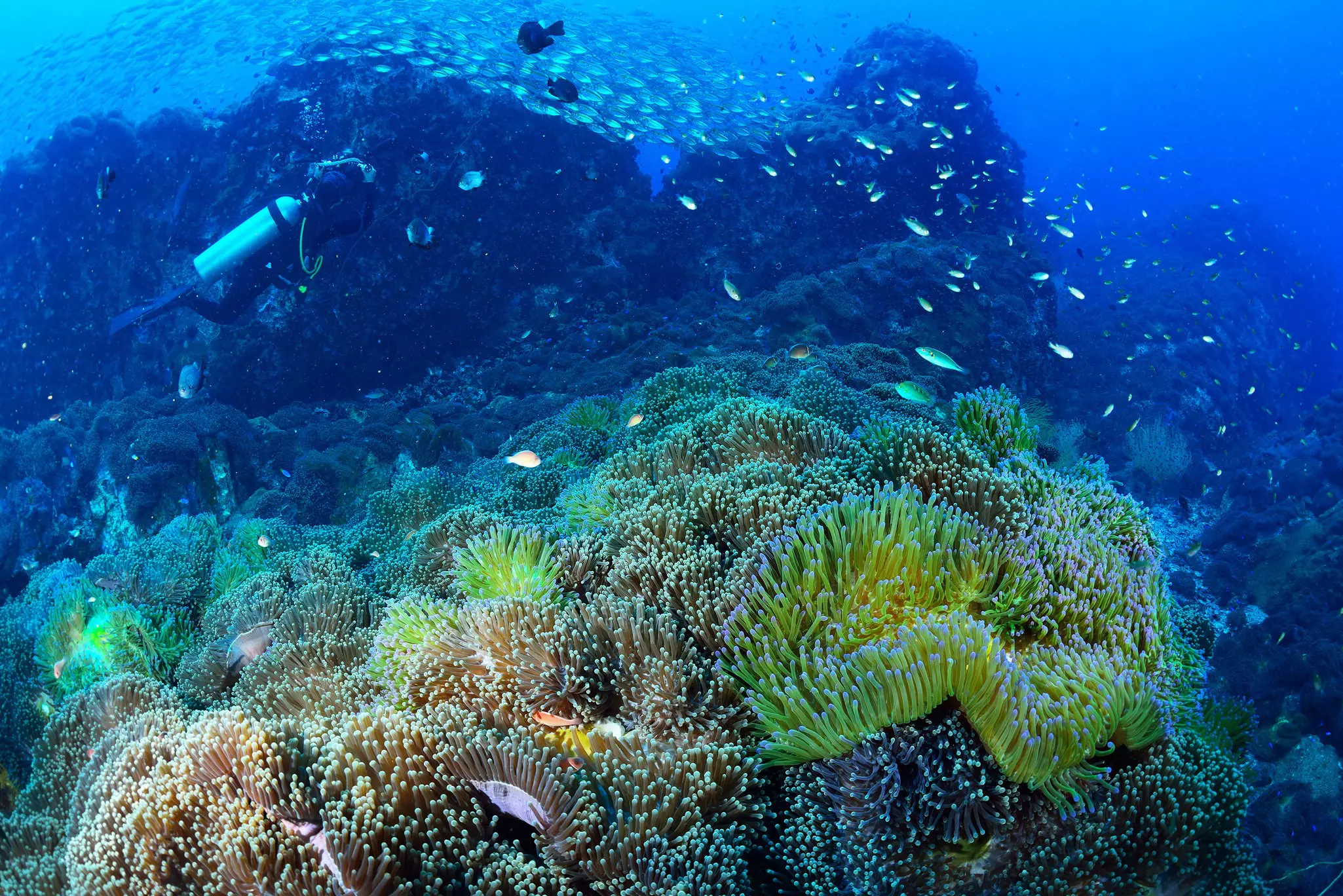
The diving: Thailand’s scuba hub of Ko Tao is also one of the few places on earth where it’s possible to spot whale sharks (March to April) during your dive course, along with tropical fish, reef sharks, rays and barracuda.
Why learn here: While Ko Tao’s party scene has caught up with its diving scene, calm, shallow sites like Japanese Gardens still make it an excellent choice for nervous novices. Popular long-standing operators include Ban’s and Coral Grand.
When to go: Diving is year-round, with July to September offering the best underwater visibility. Some outfits close during the November-to-December rainy season.
The diving: Dwarfed only by Australia’s Great Barrier Reef, the Belize Barrier Reef Reserve System lies less than a mile from Caye Caulker. Its countless dive sites house everything from delicate sea fans to majestic coral gardens. Belize's iconic Great Blue Hole, reached on a day trip from Caye Caulker, is best left to advanced divers.
Why learn here: Course fees at this idyllic, low-key coast are among the highest in Central America – but the diving here is by far the best. Inquire at Frenchie's.
When to go: Diving is year-round, with conditions near perfect around May. During the rainy season from December to April, seas can be choppy.
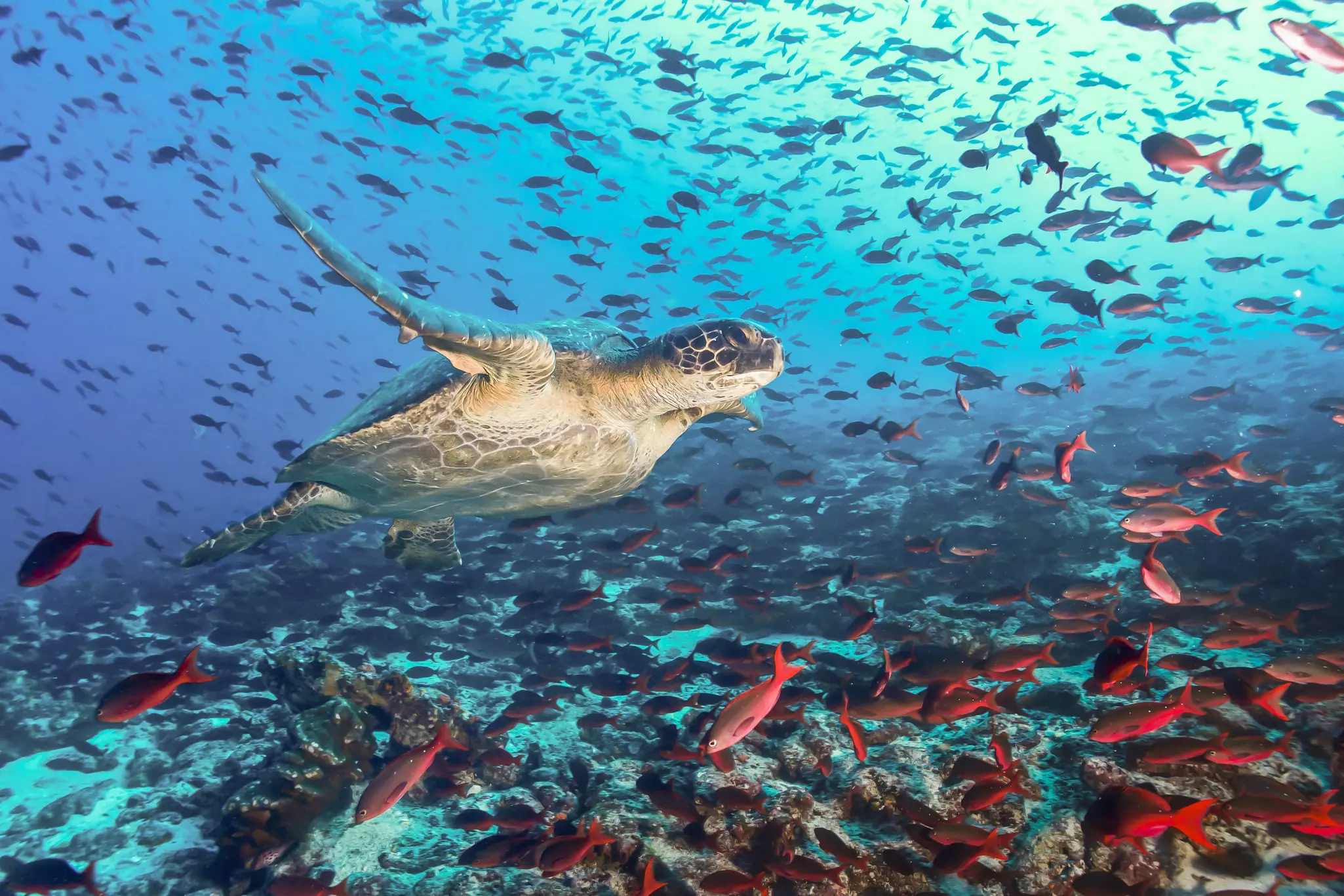
The diving: Located at the convergence of three ocean currents, the otherworldly Galápagos archipelago offers truly superb diving. While there’s not a lot of coral here, the (friendly) hammerhead sharks, sea lions, turtles, marine iguanas, rays and such should keep you plenty entertained.
Why learn here: Thanks to strong currents and chilly water, Galápagos diving can be challenging. But reputable dive outfits – like Scuba Iguana in Puerto Ayora on the main island of Santa Cruz – host their courses in the calmest spots. Freshly certified, you can shark-spot at advanced sites like Gordon Rocks.
When to go: Diving is generally year-round, but January to May offers the best weather for those planning to cruise in the region.
The diving: Lying just 2.5km off the shore of New South Wales, Julian Rocks is one of Australia’s best dive sites. The mixing of tropical currents and cooler waters around this volcanic bluff – conditions not unlike those in Galápagos – attracts a bounty of marine life including turtles, rays, several shark species and over 1000 fish species.
Why learn here: The water just gets colder south of Byron, a hip surf town that’s more accessible to budget travelers than the Great Barrier Reef. Both Byron Bay Dive Center and Sundive offer competitive course rates.
When to go: Diving is year-round, with summer drawing leopard sharks and manta rays. Cooler winter waters lure endangered gray nurse sharks; humpback whales are commonly sighted from May to September.
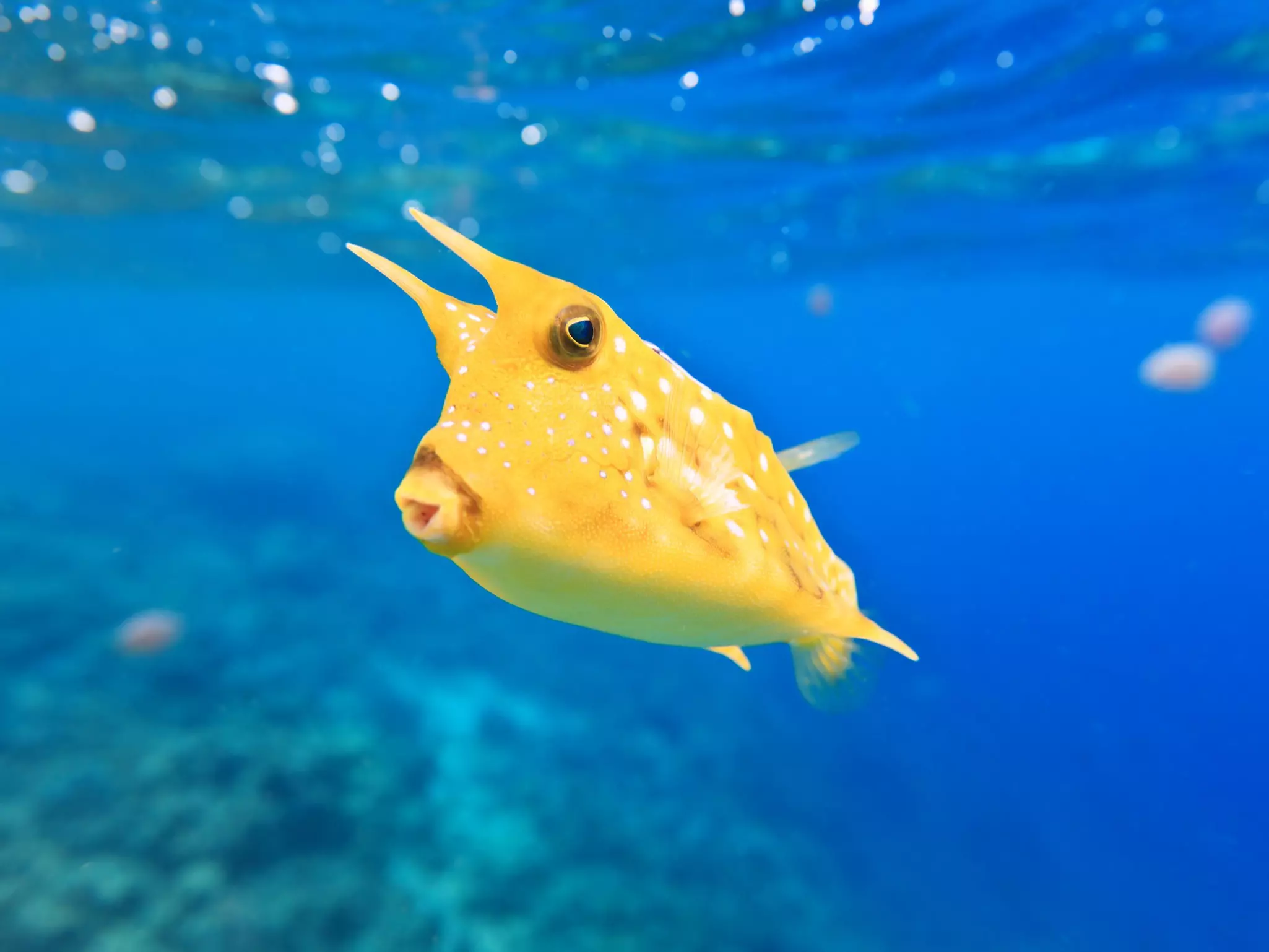
The diving: Located at the center of the world’s “coral triangle,” the Philippines might have the richest concentration of marine life on the planet, with 5000 species of clams, snails and mollusks alone. Most divers head to Malapascua Island, off Cebu, for its famous thresher shark dive – a great incentive for completing the required Advanced Open Water course.
Why learn here: The main attraction to Malapascua is its impressive array of dive sites, which helps to keep you focused on your studies. Among its many dive centers, Evolution and Thresher Shark Divers are standouts.
When to go: Diving is year-round; the November to June dry season offers the warmest water and best visibility.
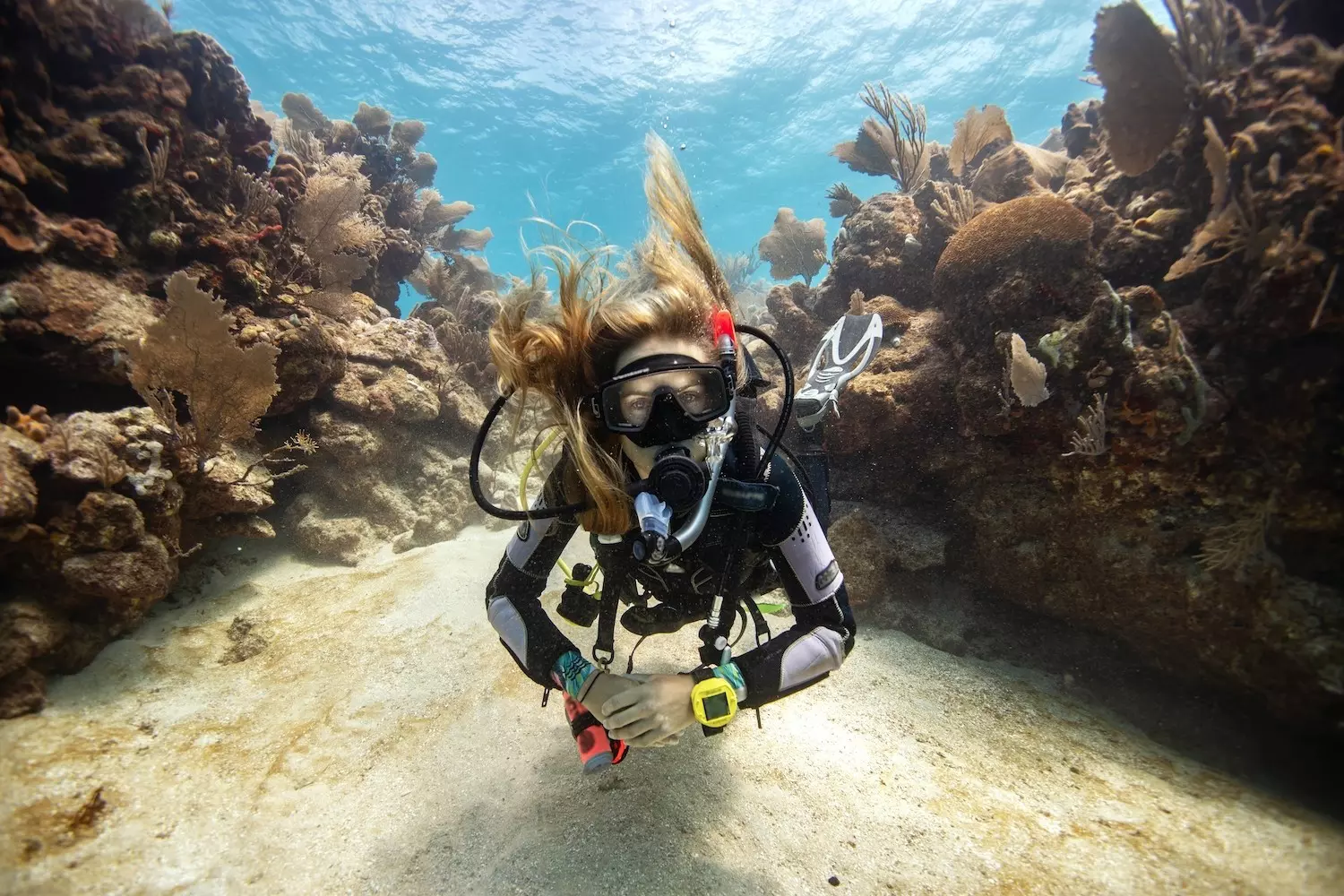
Both globally recognized, PADI and SSI are the world’s two main diving certifiers. For beginners, we recommend getting your Open Water certification to learn the basics.
Do your research. It’s important to ensure your instructor is legally certified and their dive gear is up to scratch. Also, check where the closest decompression chamber is located in case of emergencies.
It’s recommended you don’t fly for at least 24 hours following a dive to prevent decompression sickness.
Check if your preferred dive outfit offers an e-learning component of the course that you can complete before your visit. This will free up more time for diving.
While you can't take a camera with you during your certification course, you may want to bring one for your fun dives. The DJI Osmo Action captures high-quality photos and videos during dives, and it's very user-friendly (even underwater!).
Look into the Divers Alert Network (DAN) for dive accident insurance before your trip. This covers specialized, expensive diving accidents that are often excluded by traditional or travel insurance.
Prepare to bargain: many outfits offer free or discounted accommodations if you dive with them. Many dive centers also offer dorm-style rooms if you are hoping to save even more.
Research responsible and sustainable diving etiquette and practice it wherever you dive. Be sure to use reef-safe sunscreen, avoid single-use plastics and give wildlife plenty of space.
If you have asthma or a similar medical condition, you may still be able to scuba dive; just be sure to speak with a trusted physician before planning your course. They may have to sign off on some waivers or other paperwork.
Explore related stories