Sep 21, 202612 min read
What’s the Best Way to Visit the Galápagos Islands?Sep 21, 2026
13 MIN READ
Writer
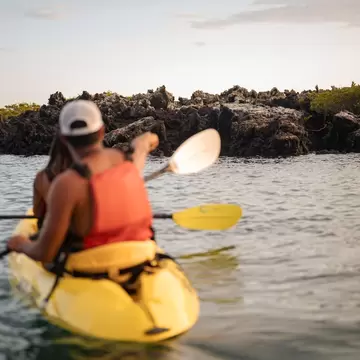
Kayaking at sunset in the Galápagos Islands. Michaela Bockova/Shutterstock

Writer
Highlights
Lonely Planet writer Kristen Pope's guide to the Galápagos Islands, 1000km off Ecuador.
Visit December to May for warm seas or June to November for fewer crowds.
Snorkel with penguins at Bartolomé and meet giant tortoises on Santa Cruz.
Plan cruises, land tours, costs, packing and responsible travel.
Lonely Planet may earn a commission from affiliate links on our site. All recommendations and reviews reflect our own independent opinions.
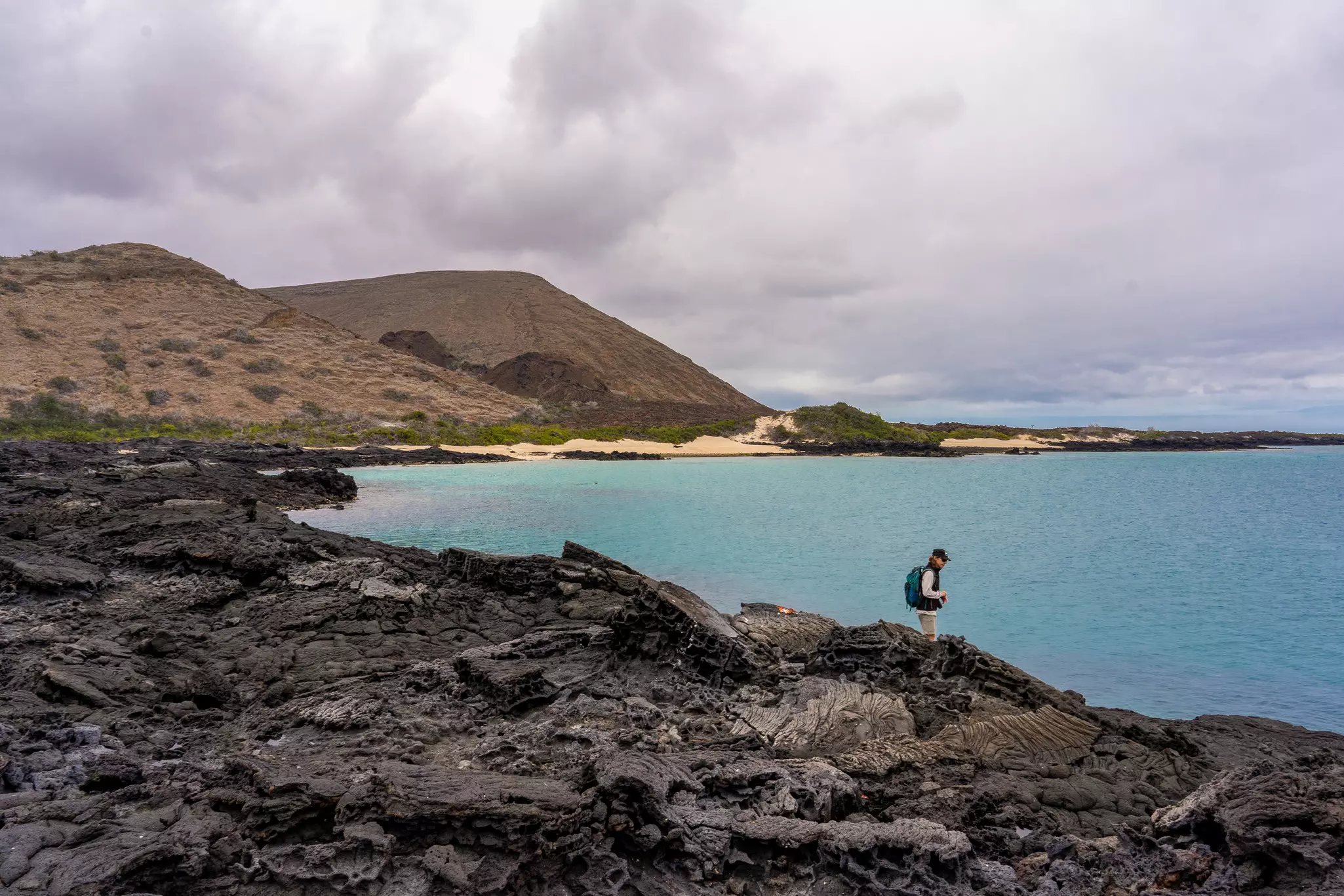
A paradise for anyone who loves wildlife and raw nature, the remote Galápagos Islands showcase wonders you’ll find nowhere else on earth. Rising from the Pacific Ocean, around 1000km west of Ecuador, this cluster of 19 volcanic islands played a pivotal role in human understanding of evolution, and visiting is one of the world's great wildlife adventures.
This Galápagos Islands travel guide will talk you through what there is to see and do, where to stay, and the logistics of getting to these far-flung islands. But first, let's talk about the wildlife – after all, biodiversity is what earned the islands their place on the UNESCO World Heritage list.
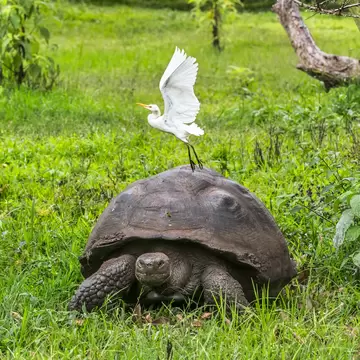
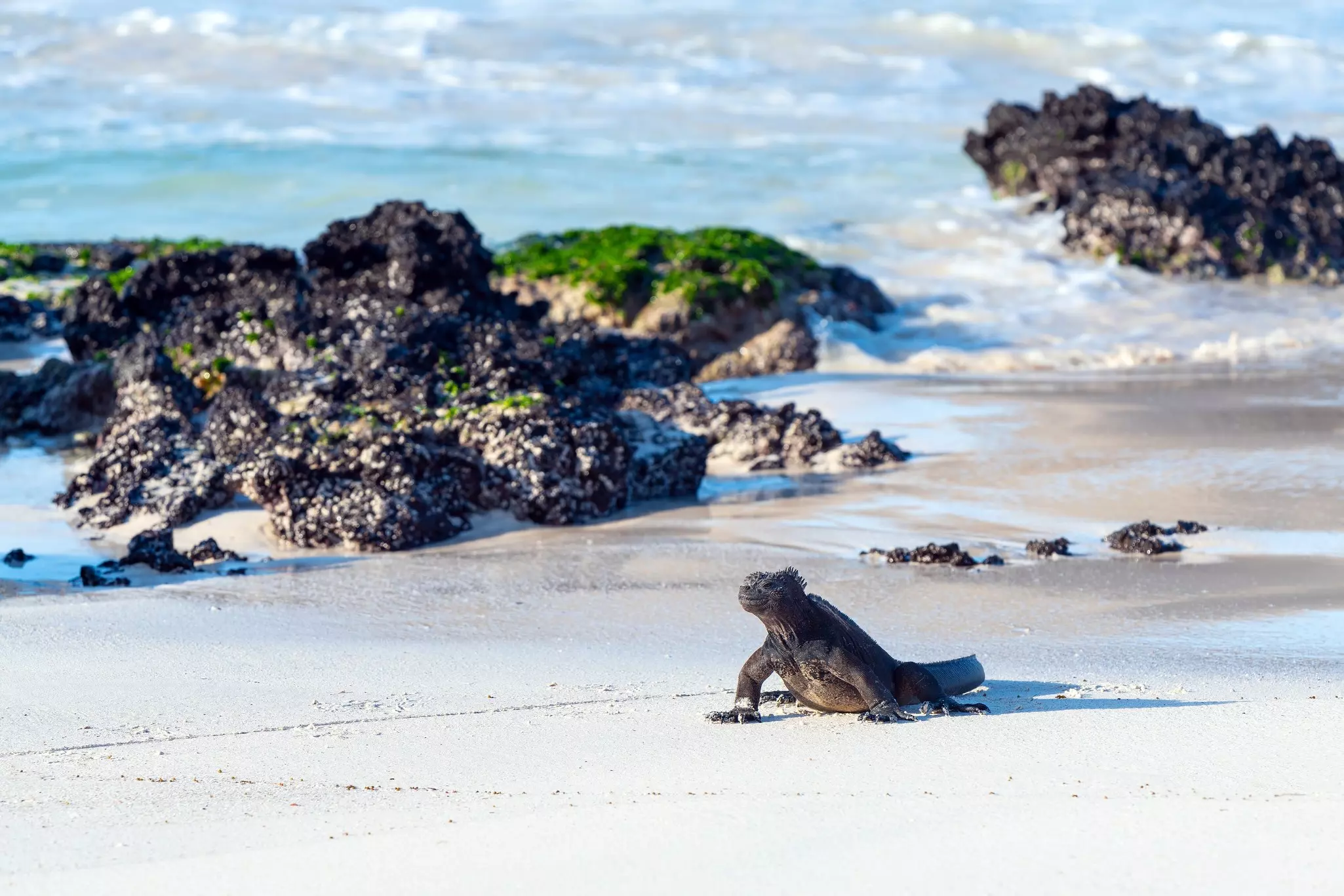
Around the shores of the Galápagos Islands, you'll find marine iguanas that swim and eat seaweed, while the green slopes inland are home to Galápagos giant tortoises that can weigh more than 400kg – that's more than a mountain gorilla. Birdlife ranges from Darwin's finches to blue-footed boobies and Galápagos penguins.
Many visitors roam around the islands on multiday boat cruises, while others explore on land, using local ferries to get between the islands. Either way, you will need to be accompanied by a certified guide to visit sites inside Galápagos National Park, which comprises 97% of the islands’ landmass.
This Galápagos Islands guide contains everything you need to know to plan your first trip to this wondrous archipelago.
The most popular time to visit the Galápagos Islands is during the warm season, from December to May – broadly matching the peak season in mainland Ecuador. This time of year sees only intermittent rainfall, and air temperatures range from 30–34°C (86–93ºF) while sea temperatures reach 28ºC (82ºF) – ideal conditions for swimming and snorkeling.
The cooler season from June to November brings stronger winds and cooler air temperatures, but it’s still a good time to visit, with fewer visitors and lower prices. Since the islands are located near the equator, you can expect around 12 hours of sunlight every day, year-round.
Having traveled all the way to the Galápagos Islands, you’ll want to spend at least a week here, with 4–5 nights being the bare minimum. Two weeks is a good length of time for more in-depth exploration. Many cruise companies split the islands into eastern and western itineraries. Since the islands are remote and fairly spread out, you should research in advance which islands you want to visit.
Keep in mind that you will need to account for the time it takes to travel between the islands; this can be a slow process if you are traveling independently using local ferries. For an independent trip, the easiest option is to fly into Baltra (the main airport) and concentrate on the islands of Santa Cruz, Isabela and San Cristóbal. If you join a multiday cruise, you’ll likely transit between islands at night, allowing you to use the whole of each day for activities.
Reaching the Galápagos Islands is typically a two-step process. First, you'll have to make your way to Quito or Guayaquil in Ecuador. From there, domestic flights run to the Galápagos Islands, a few hours from the mainland.
The primary airport for the Galápagos Islands is Seymour Airport on the island of Baltra, served by Avianca and LATAM flights; the same airlines also fly to San Cristóbal Island Airport in the east of the archipelago. Interisland flights are operated by Emetebe and ESAV; prices are high but flying is a time-efficient way to hop between the islands of Santa Cruz, San Cristóbal, Isabela and Baltra. Note that baggage weight limits are low on interisland flights – typically 11–13kg.
If Baltra is your first stop in the Galápagos Islands, airport buses run to the edge of the Itabaca Channel, where water taxis will carry you over to Santa Cruz island. Once across the channel, taxis and buses can get you to Puerto Ayora, the archipelago's biggest town. To get around on individual islands, take a taxi, rent a bike or just walk.
Local ferries between islands are cheaper but slower – for example, the journey from Santa Cruz to Isabela takes 2–2.5 hours by boat, compared to 30 minutes by plane. Ferry operators use small speedboats, so crossings can be bumpy; bring anti-seasickness medication. Puerto Ayora on Santa Cruz is the archipelago's main ferry hub, with services to San Cristóbal, Isabela and Floreana. Many travelers book in advance, but trips can also be arranged on arrival (ideally a day or two ahead).
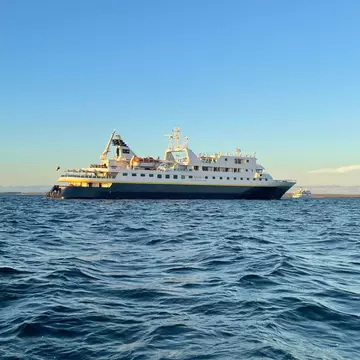
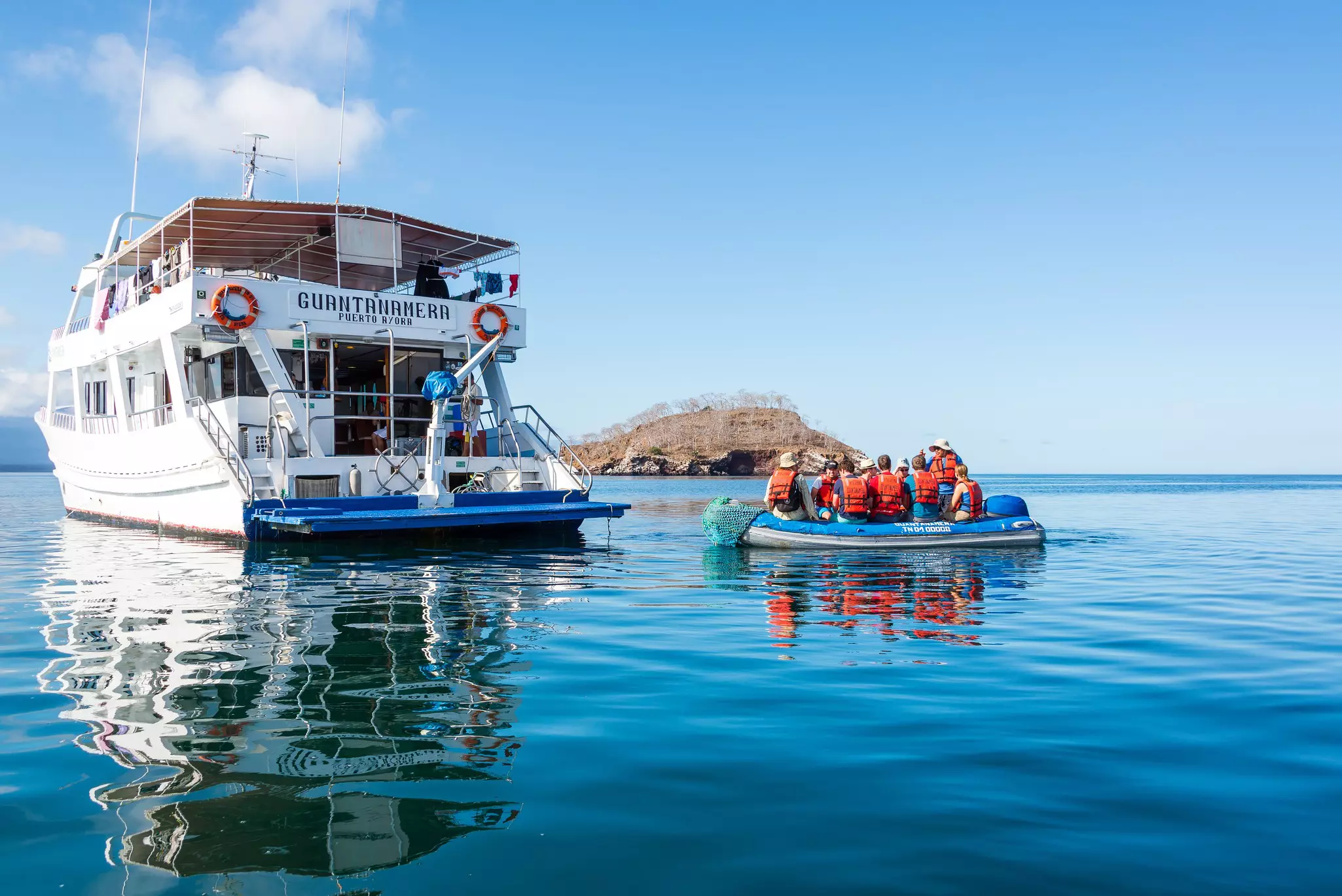
This will depend on how you plan to see the islands. Multiday cruises are very popular and typically visit several islands; you'll sleep in cabins on board, traveling between islands at night to make the best use of daylight hours for sightseeing and activities. Options range from simple budget boats to luxury cruisers; most operators offer activities like snorkeling, hiking, kayaking or scuba diving as part of the package or for an extra charge.
Independent travelers can find places to stay on land on a few islands, including Santa Cruz, San Cristóbal and Isabela. There are inexpensive hostels, budget and midrange hotels, plus a few premium resorts such as the Finch Bay Hotel on Santa Cruz.
Ecuador uses the US dollar as its currency, but there are a limited number of ATMs on the Galápagos Islands, so you should bring enough cash with you, especially bills in smaller denominations. Tipping is customary for guides and boat staff, and breaking down large bills can be tricky.
The cost of a visit to the Galápagos Islands can vary widely, with a variety of cruise packages and accommodations available, from basic rooms to luxurious ecolodges. If you book a cruise, be sure to find out what is and isn’t included – the costs of meals, guides and activities are not insignificant if you have to pay for these separately.
As a rough guide, on a budget trip to the Galápagos Islands, using interisland ferries and basing yourself at onshore hotels and guesthouses, expect to spend from US$200 a day, plus the cost of getting to the islands. The majority of visitors to the Galápagos Islands come on a cruise, which will cost somewhere between US$400 and $1000 per person per day – cruise packages may include flights to the islands from Ecuador, but international flights are usually extra.
When working out your budget, remember to allow for the cost of the mandatory national park entrance fee and Transit Control Card – an administrative form required by the Ecuadorian government. This may be included in the cost of cruises. Here are some of the key costs to factor into your calculations.
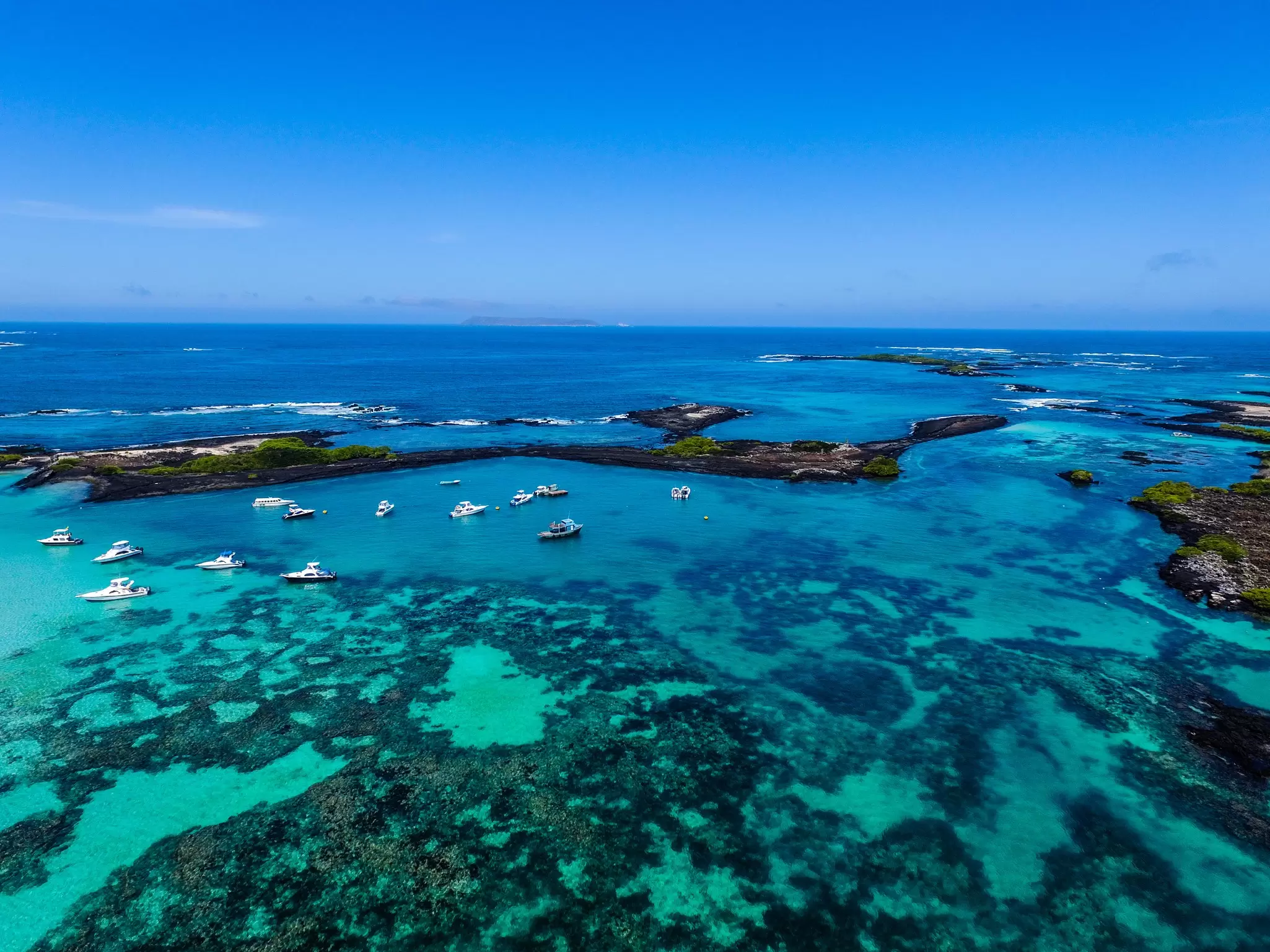
Flight from the US to Quito or Guayaquil: from US$600
Flight from Ecuador to the Galápagos Islands: US$350–500
Week-long liveaboard cruise (including meals and cabin accommodation): US$2000–20,000
Transit Control Card: US$20
National park entrance fee: US$200 (for adults from outside Ecuador, payable in cash)
Budget accommodation: US$50–100 per night
Luxury hotels: US$500–1000 per night
Meals: US$25–40 per day
Interisland ferries: US$30–60 one way
Island tours per day: US$60–250
A guide is mandatory if you want to visit sites inside Galápagos National Park. If you come on an organized cruise, guides are usually included as part of any island hikes or excursions. Independent travelers can arrange guided tours through operators in Puerto Ayora on Santa Cruz or Puerto Baquerizo Moreno on San Cristóbal.
While trips can be booked on arrival with a few days' notice, it's easier to make arrangements ahead so you can pay by card or bank transfer. Expect to pay from US$100–200 for a guided day tour. Note that the inhabited islands of Santa Cruz, San Cristóbal, Isabela and Floreana have some sights that can be visited for free without a guide, such as Tortuga Bay, reached via a 2.5km trail from Puerto Ayora.
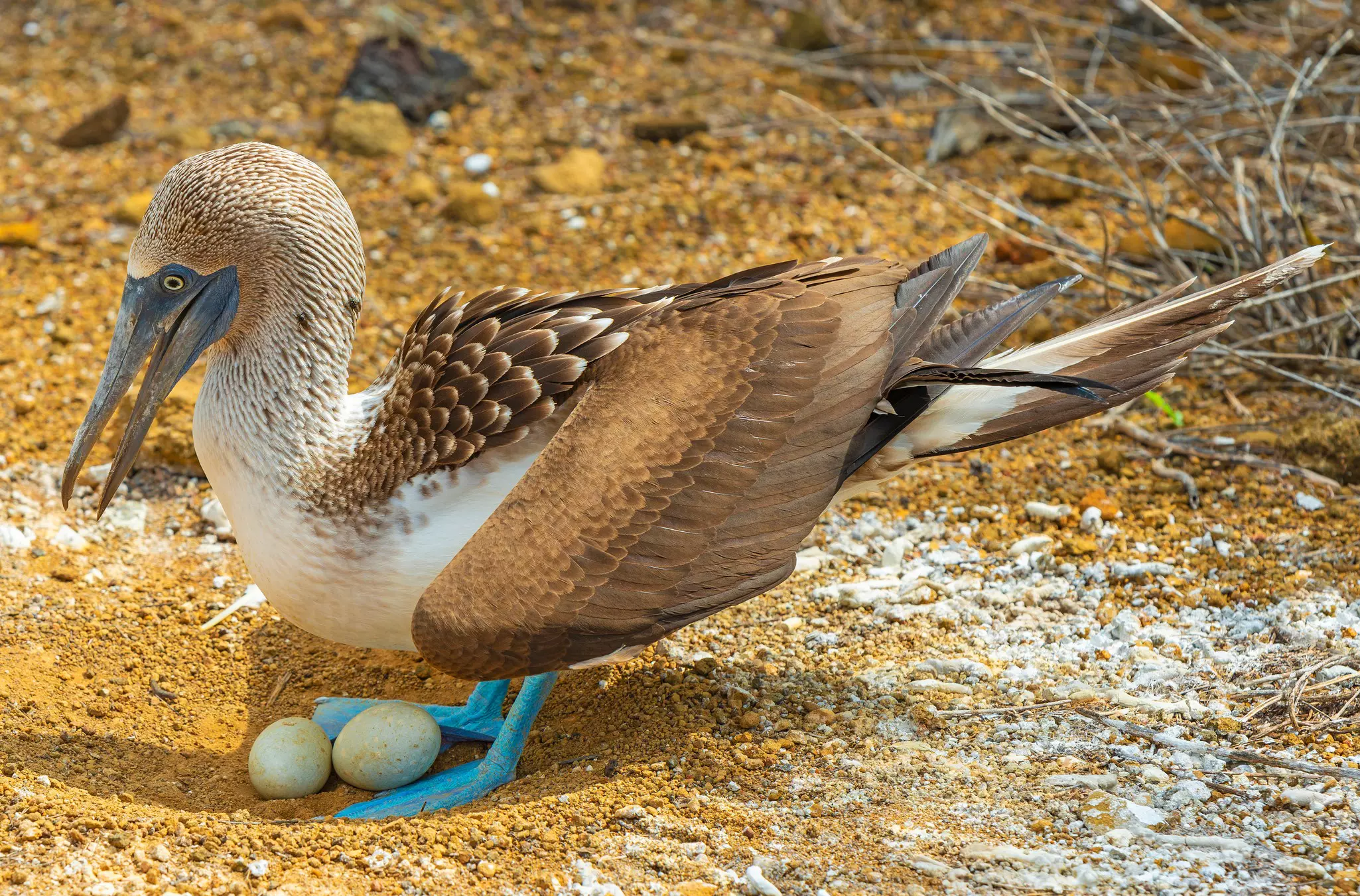
The main activities on the Galápagos Islands involve encountering the islands' fabulous wildlife – on land, by boat or under the water with scuba tanks or a mask and snorkel. Remember that you'll need a guide for most excursions inside the national park.
One of the best ways to get a feel for the islands' remarkable biodiversity is to join a guide to explore on foot. All the islands have wildlife hot spots, and careful management of tourism means that you can view wildlife easily, even on inhabited islands such as Santa Cruz.
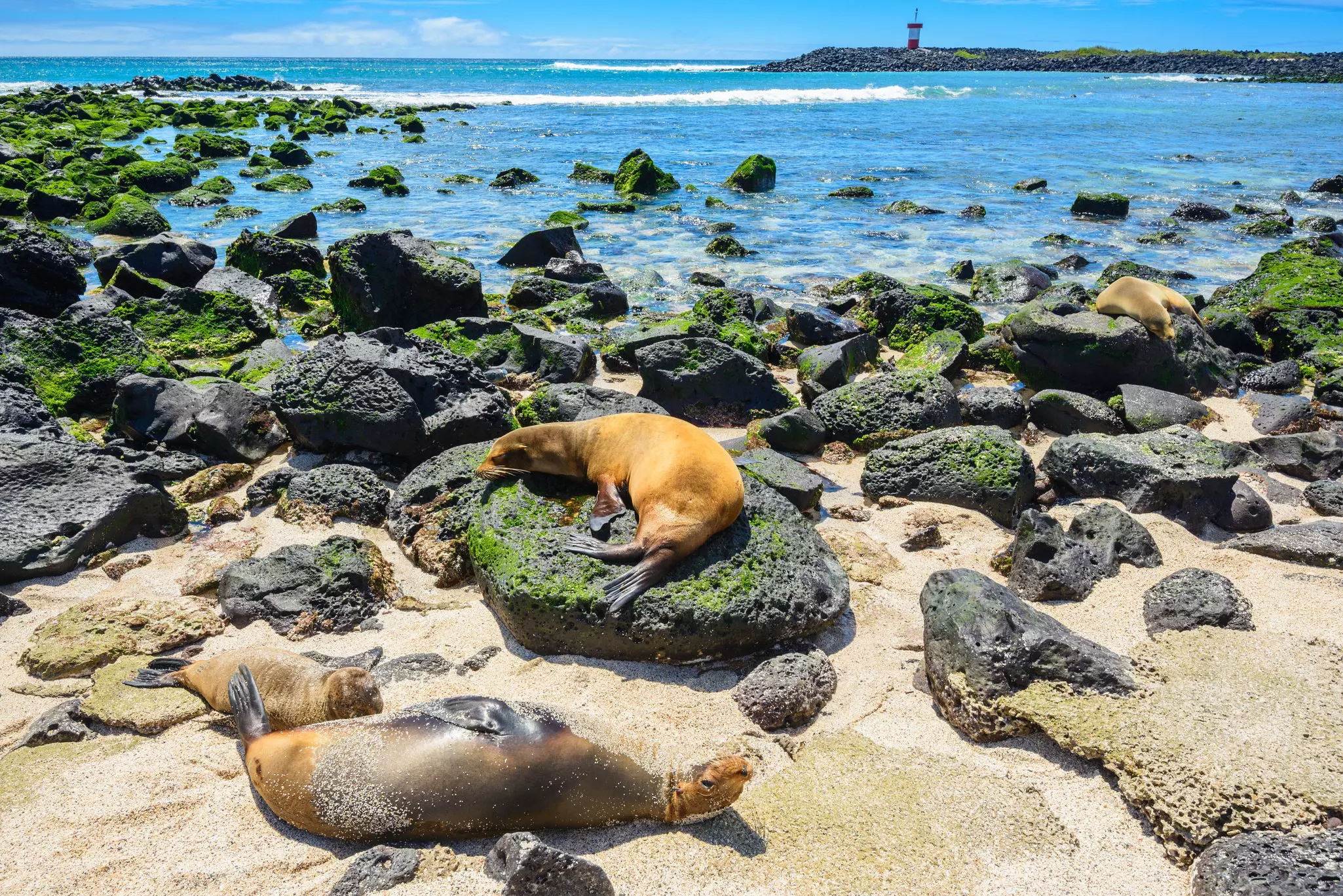
North Seymour Island is just one of many locations with great places to walk, including a popular trail where a stroll among prickly pear cactus and palo santo trees will let you see species like blue-footed boobies, great frigate birds, Galápagos sea lions and marine iguanas.
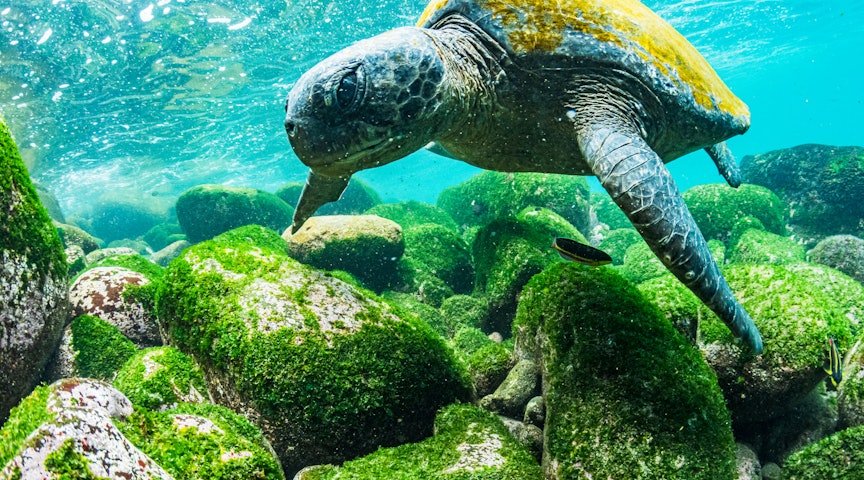
While many species stick to land, some of the Galápagos' most impressive animals live in the sea, and snorkeling is an excellent way to meet them. Join a tour to go for a snorkel in locations such as Bartolomé Island – a great place to see the islands' resident penguins. Other species to look out for while snorkeling include sea lions, small sharks and green sea turtles. You may want to bring your own mask from home for a tight fit; reef shoes or diving booties will keep your feet protected from sharp rocks and coral.
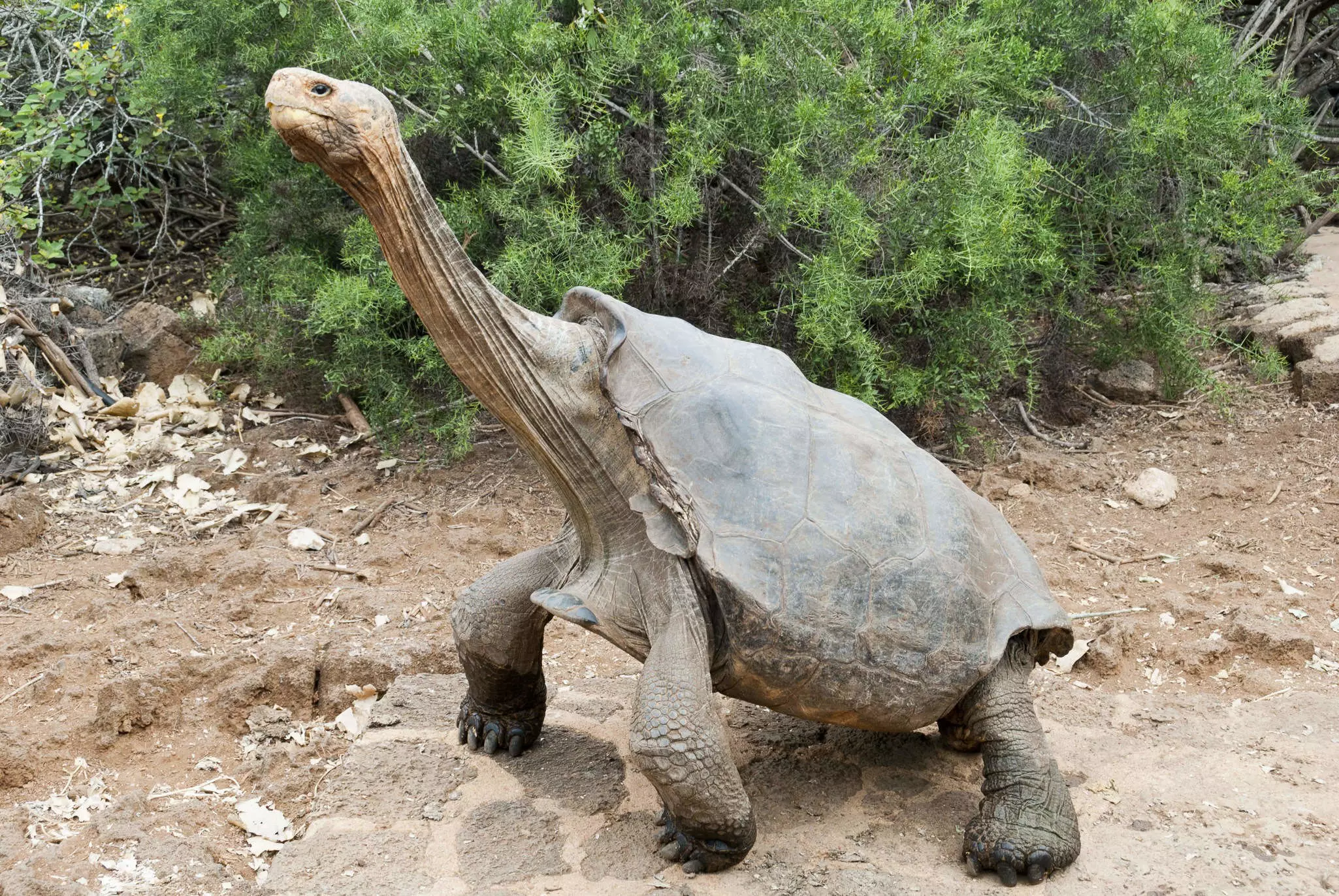
The giant tortoises of the Galápagos Islands are the largest tortoises in the world – even larger than their Seychelles cousins – and also the largest land-based, cold-blooded reptiles. They're found across the archipelago, but are easily spotted in the Rancho El Chato Reserve in the highlands of Santa Cruz, and on Isabela near the Alcedo Volcano and the Wall of Tears, a structure built by penal colony prisoners near Puerto Villamil.
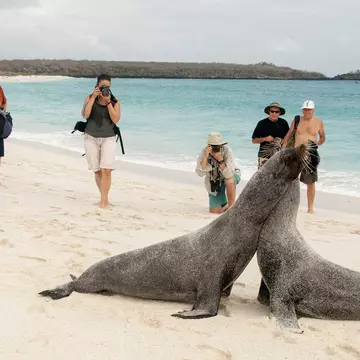
While better known for sealife than sunbathing, the Galápagos Islands have some stunning beaches where you have a good chance of spotting wildlife while you swim (use reef-safe sunscreen). The best time to hit the beach is from December to May. Particularly beautiful beaches include Tortuga Bay on Santa Cruz (good for marine iguana sightings), Gardner Bay on Española (good for sea lions) and Cerro Brujo on San Cristóbal (for white sand).
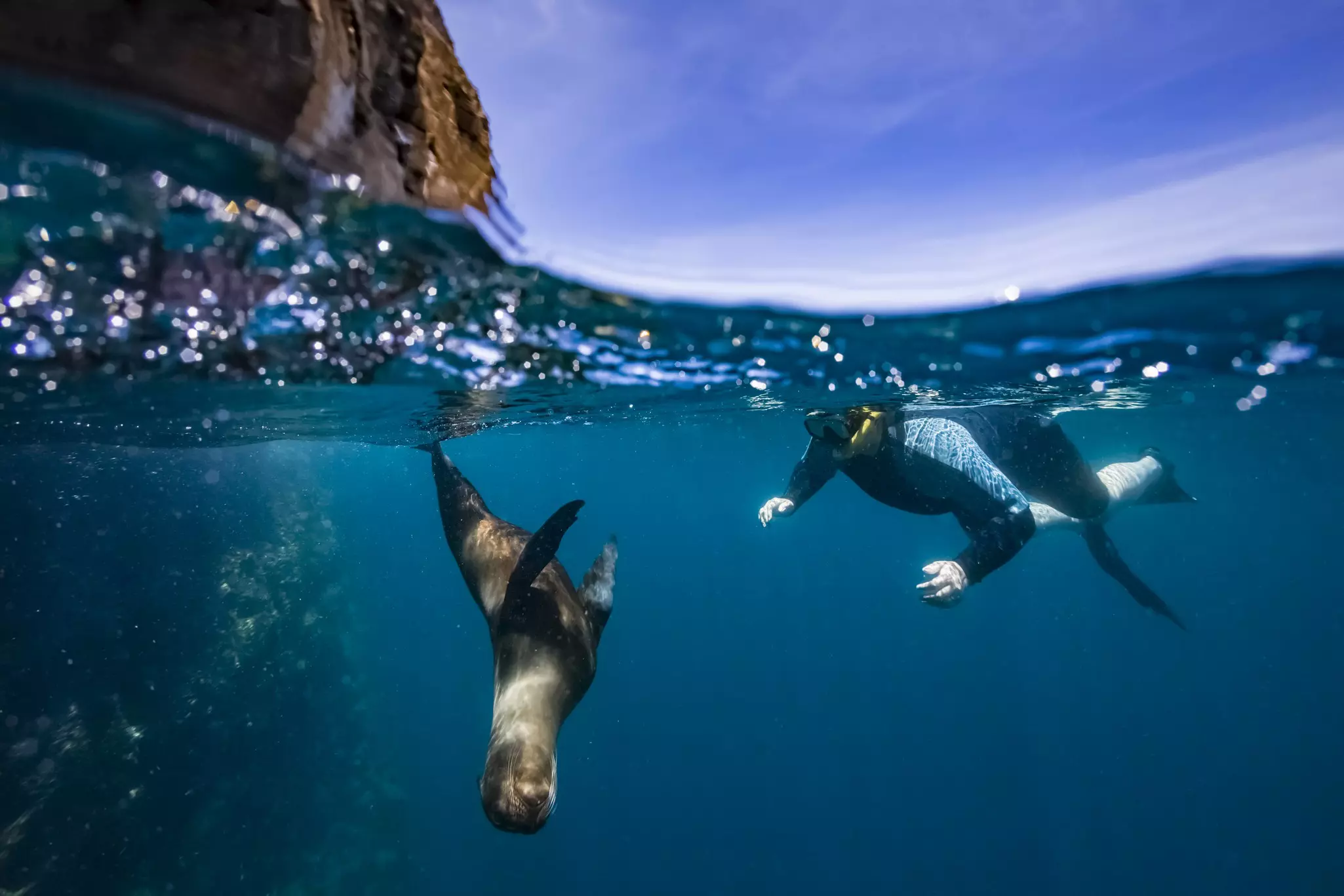
Experienced scuba divers place the Galápagos Islands on their bucket lists for good reason – the Galápagos Marine Reserve teems with underwater wonders. Cruise operators and local dive companies offer scuba trips to view spotted eagle rays, manta rays, Galápagos garden eels, bonitos, hammerhead sharks, Galápagos sharks, Pacific seahorses, sea turtles and much more. Keep in mind that strong currents and swells make this a destination best suited to experienced divers.
Lucky divers may spot whales and whale sharks. Whales visit the islands year-round but the food-rich Humboldt Current draws large numbers of humpback whales from July to November, particularly in the channel between Isabela and Fernandina islands. Whales can also be spotted from above the water on interisland cruises, and even from viewpoints on land. Whale sharks are often spotted by divers around northern islands such as Darwin Islands and Wolf Island from June to November.
In Puerto Ayora, stop by the Charles Darwin Exhibition Hall at the Charles Darwin Research Station to take in exhibits about scientific research on the islands and see interesting displays on the archipelago's natural history, including whale skeletons. Be sure to spend some time strolling around the gardens of native plants, and grab a ticket to walk the Ruta de la Tortuga (“Tortoise Route”), along which you’ll spot Galápagos giant tortoises.
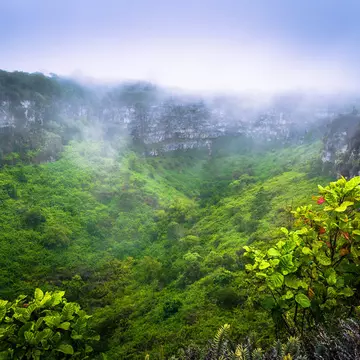
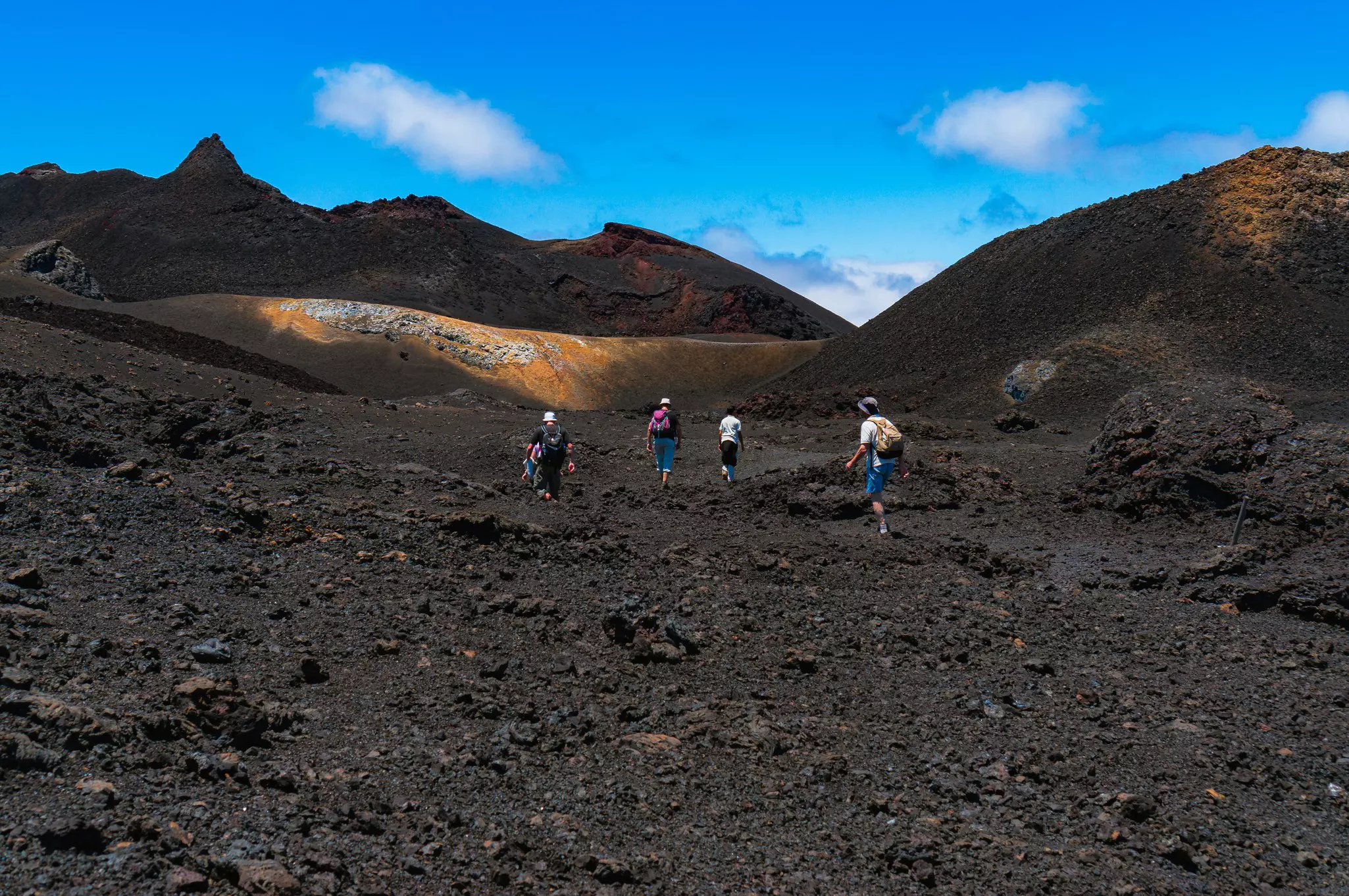
The Galápagos Islands are volcanic in origin, and Charles Darwin drew some of his conclusions about the way life evolves from species adapting to new environments created by volcanic eruptions. The Sierra Negra volcano hike on Isabela crosses scorched lava cinders on its 16km journey to the viewpoint atop Volcán Chico. For a less ambitious hike, so-called "sulfur mines" tours visit sulfurous fumaroles on the volcano's flanks.
Some places have their “Big 5” – the Galápagos Islands are so wildlife-rich that they have a "Big 15." Every time I visit, I love to check off as many species as possible – penguins, iguanas, tortoises and blue-footed boobies, of course, as well as flightless cormorants, red-footed boobies, Galápagos hawks, Santa Fe iguanas, Nazca boobies, Galápagos flamingos, Galápagos albatrosses, Galápagos fur seals, land iguanas…have we gotten to 15 yet?
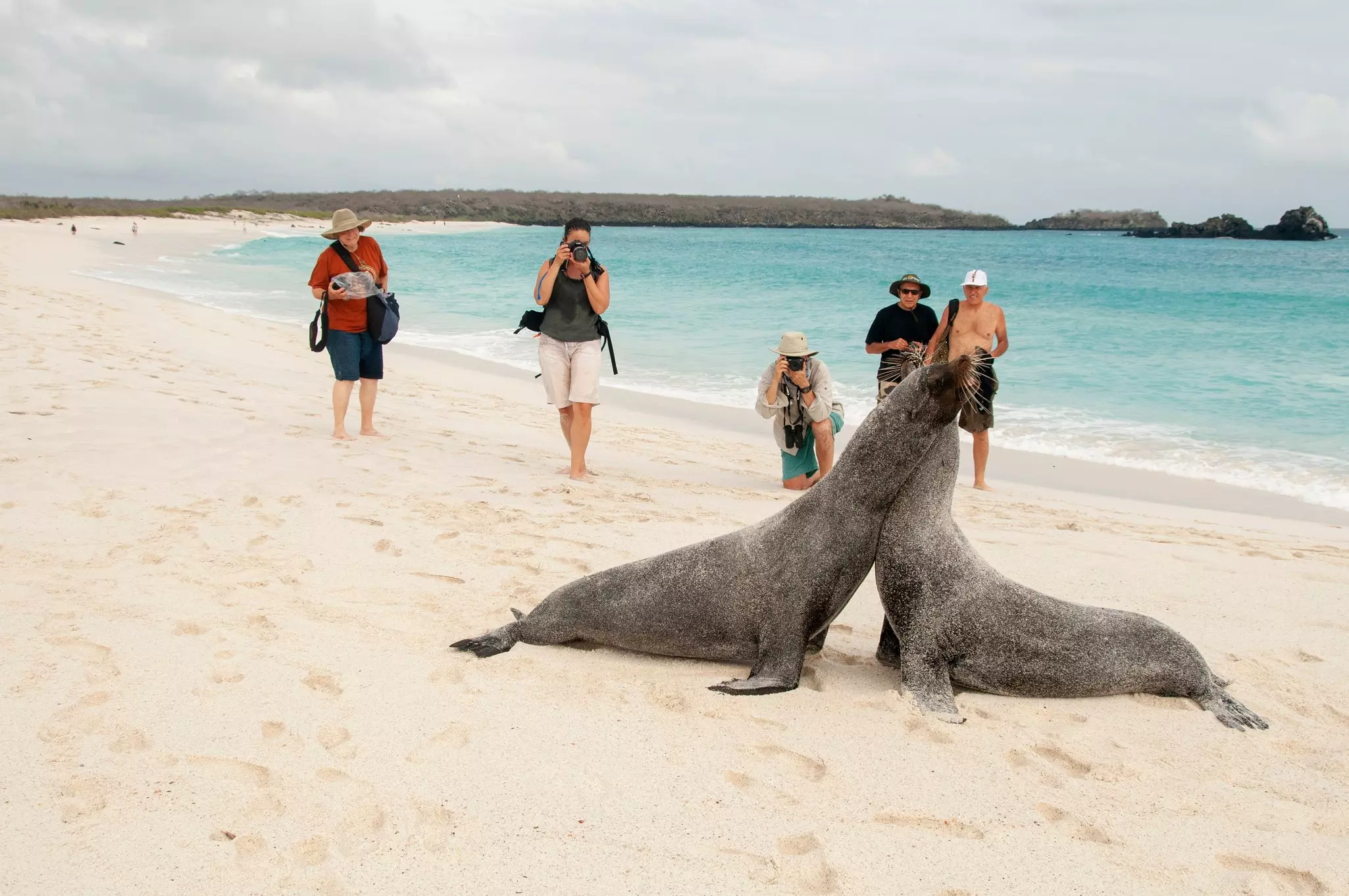
Be sure to follow all the rules in Galápagos National Park, including sticking to walking trails and staying inside permitted areas, and giving wildlife plenty of distance. Never disturb, touch or feed any animals, and be sure not to use a flash when taking pictures.
Take care not to damage plants, and do not to transport anything – even sand – between the islands. The unique biodiversity of the Galápagos relies on isolation, and many species are vulnerable to introduced pests and microbes.
Before you arrive, read up on all the biosecurity rules of this unique ecosystem, and be sure not to bring any plants, seeds or other agricultural products to the islands. You’ll need to complete a declaration before you travel, and bags are inspected before you fly to the islands at special counters at the airports in Quito and Guayaquil.
Since the equatorial sun is always strong, bring sunglasses, reef-friendly sunscreen, SPF lip balm, a wide-brimmed hat and clothing that will protect you from the sun's rays. Insect repellent and a water bottle to stay hydrated are also musts.
For clothing, you’ll want to bring a water-resistant day pack, rain jacket and rain pants, a swimsuit and rash vest, and a dry bag or plastic bags to keep out the moisture. Remember that even during the warm season, there's a chance of rain.
You won’t need to dress up, but you’ll want comfortable walking shoes and suitable footwear for landing on islands by boat. Pack sturdy sandals or watershoes rather than flip-flops for this, since you don’t want to risk walking barefoot on sharp corals.
Most importantly, pack binoculars and a decent camera with a long lens to see and photograph the incredible scenery and wildlife you'll see on the islands. Bring plenty of camera storage cards, too – goods imported to the islands are expensive.
Book your Galapagos Islands trip with Lonely Planet Journeys
See Galapagos Islands how it's meant to be seen
Planned by local experts and tailored to you, Lonely Planet Journeys handles the logistics so you can just enjoy the trip. Tell us what you want and we'll build your Galapagos Islands itinerary from scratch, or browse our bookable trips to get inspired.

Explore related stories