Aug 11, 20267 min read
What to Know Before Visiting BelizeDec 12, 2025
11 MIN READ
Contributors
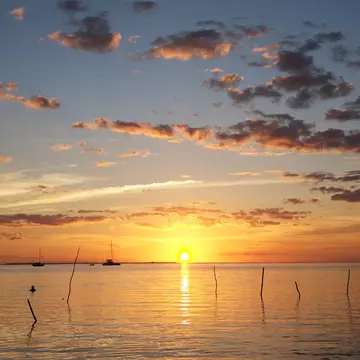
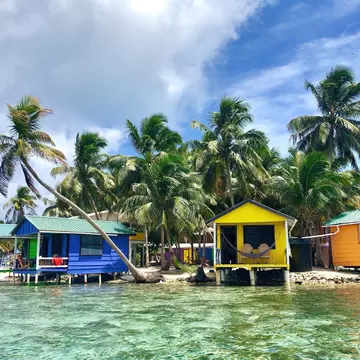
After celebrating Christmas with traditional Belizean food and dancing, retreat to a bungalow on Tobacco Caye. Paul Harding/Shutterstock

Contributors


Carolee Chanona, Lonely Planet Editors
Lonely Planet may earn a commission from affiliate links on our site. All recommendations and reviews reflect our own independent opinions.
Anyone who dips a toe in Belize’s azure waters can’t help but be captivated by the country’s eclectic mix of jungle, reef, culture and history. Part Caribbean, part Latin American, Belize carries the legacy of British colonization in its language and government – but contemporary Belizeans are a proud mix of Creole, Mestizo, Garifuna, Maya, Mennonites and long-term foreign residents. Such diversity extends from the country’s culture to its extraordinary natural landscapes.
Most of Belize’s mainland is unpretentious and untouristed. At the markets in the towns of Orange Walk and San Ignacio; among the birds of Crooked Tree; on the beaches of Placencia; among the Garifuna drummers at Hopkins; and at Maya sites all over the country, look forward to traditions and customs that aren’t designed to suit foreign visitors’ tastes. And even though it’s a small country with a comfortingly low population density, Belize’s greatest hits are but a mere fraction of the number of experiences contained within its astonishing barrier reef and rainforests.
Traverse the country from one end to the other on a long-haul day trip by road, with plenty to see along the way. Divert to some of the longest cave systems in the region by inner tube, Maya temples that still remain the tallest human-made structures in the country, the sugar-like sands of its southern coastline beaches, or roadside food stalls that serve the best of Belizean hospitality.
Here, a guide for the newly curious about what sets the Central American star apart.
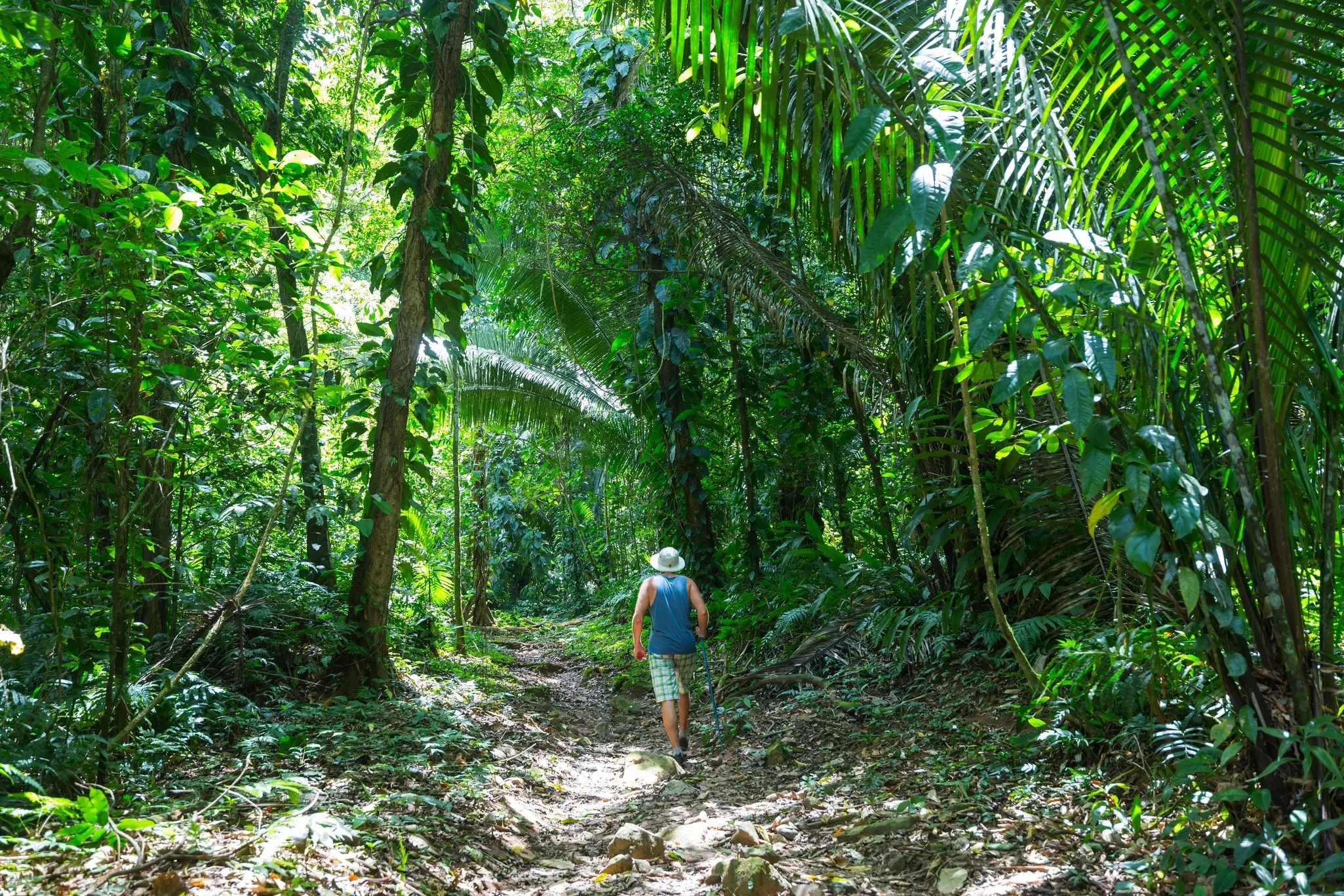
Many visitors swear by the shoulder season, in November and May, when there’s still plenty of sunshine and many dry days. What’s more, you won’t have to share the temples, beaches and jungles with the crowds.
Some activities, though, are definitely better in the peak dry season (December to April), as rain can put a real damper on many of Belize’s top activities. It is also the best time to explore the Maya wonders at Caracol, Altun Ha, Lamanai and Xunantunich, and for explorations deep underground at sacred caves such as Actun Tunichil Muknal and Nohoch Che’en Caves Branch Archaeological Reserve.
Prime weather brings peak birding, sunbathing, swimming and diving on the beaches of Caye Caulker, Ambergris Caye and hundreds of other islands along the Belize Barrier Reef. Accordingly, hotels and transport operators bump up their prices by 30% to 50%.
By contrast, the low season (June to mid-November) means low prices – but this is the offseason for a reason. Heavy rainfall and high temperatures sweep across the country from June to mid-November. Nights are especially rainy, when thunder and lightning put on quite a show.
Some hotels and tourist-oriented attractions close down for the wet season, especially in September and October, while trips into the rainforest and to Maya ruins are marred by muddy tracks and abundant mosquitos. Still, resorts often slash their prices in the offseason, making for some real bargains for travelers who don’t need constant sunshine. Play it safe and bring waterproofs, a rain-proof cover for your backpack and a dry bag for your electronics.
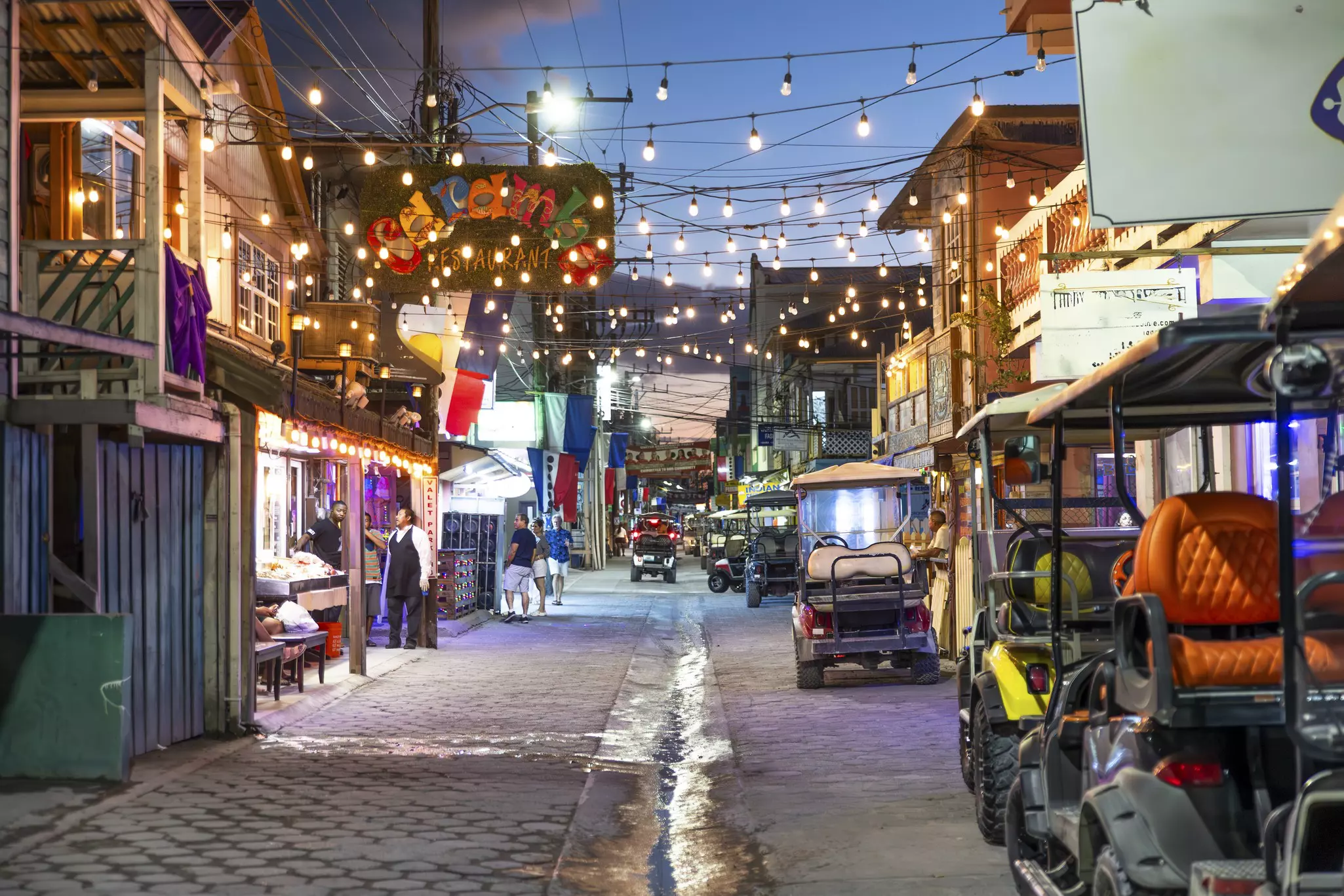
Belize’s relative proximity to the USA’s East Coast puts a quick 3-to-4 day trip within reach. Any stay so short should focus on Ambergris Caye – Belize’s tourism hub that’s also known as La Isla Bonita – which balances large-scale tourism development with a fun, laid-back atmosphere. In between golf-cart jaunts and bar hops in bustling San Pedro, find time to snorkel or dive around the 200 coral cays that lie off Belize’s northern coast.
Still, it’s hard to do justice to the country in such a short timeframe. A week or 10 days in Belize lets you get beyond its famous barrier reef (the world’s second-longest). Spend a day or two in Belize City, where the colonial past is on full display, the cays are an easy boat trip away, and wildlife at nearby wetlands and sanctuaries lies within reach.
In the north, Orange Walk Town and Corozal Town are uncroweded, serving up coastal ruins, Yucatán-endemic birdlife and uninterrupted tracts of lagoon-dotted land. And in the southwest, dip into Cayo’s hilly towns and the remote countryside for ancient Maya ruins, riverside horseback riding, luxe ecolodges, zip-lining and much more.
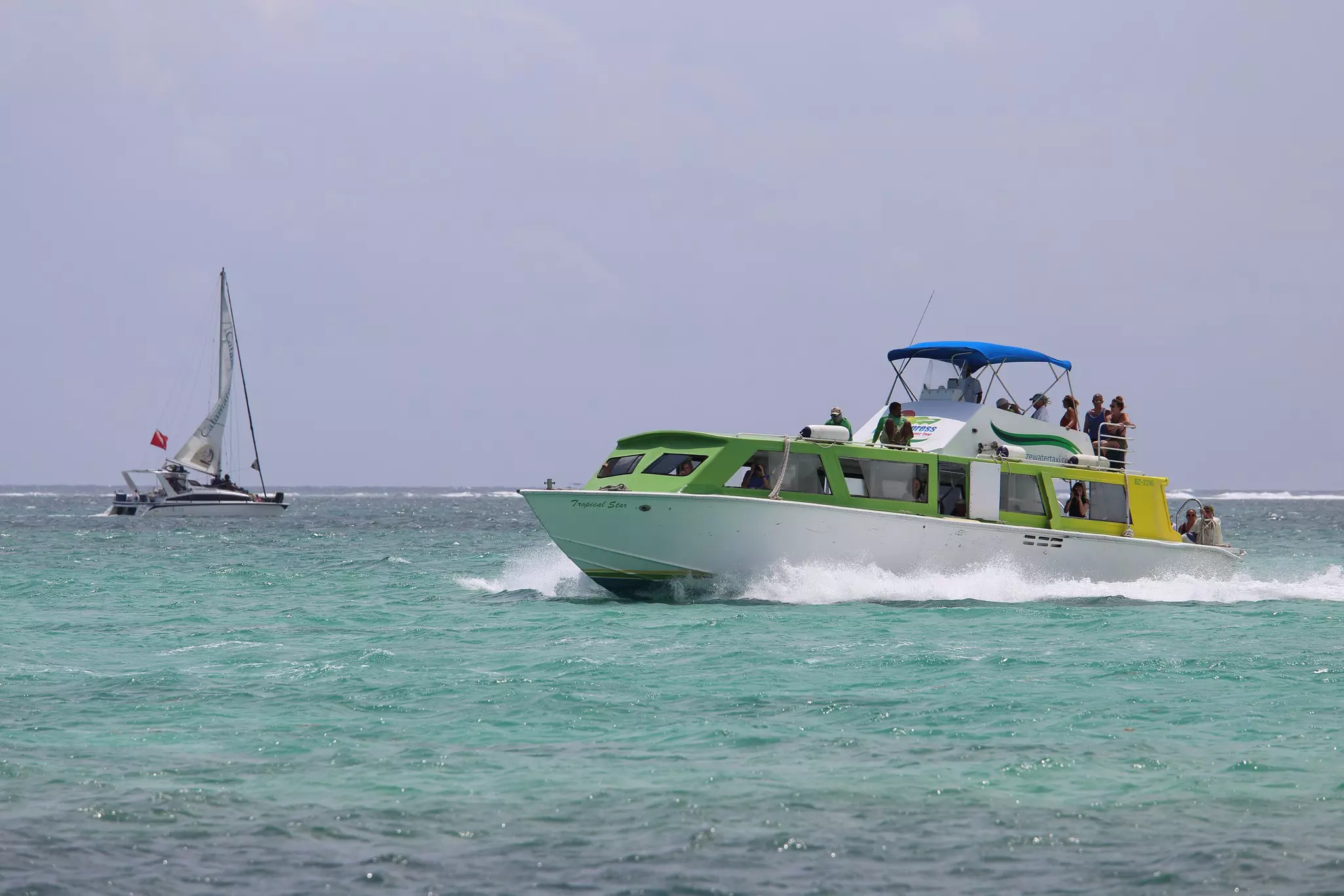
Yes. Belize’s popularity with visitors means it’s easy to get between major sites on the mainland by road, and from Belize City to the cays by boat or plane.
Many visitors depart from Belize City (home to the country’s international airport) to islands of San Pedro and Caye Caulker via water taxi. The San Pedro Belize Express station is located at a terminal in Belize City near the tourism village, about a 25-minute drive from the international airport. The boat service shuttles guests on a regular schedule from Belize City to Caye Caulker (which takes 45 minutes), then on to San Pedro (a further half hour). It returns to Belize City along the same route.
Whether you rent a car on the mainland or a golf cart on those cays that have roads, having your own vehicle maximizes flexibility. Note that Belizean roads are riddled with speed bumps, have little to no shoulder, display faded road lines and may change after rain. Drive with care.
A splurge-y if fast way to get from point to point within Belize is by air. Domestic carriers Tropic Air and Maya Island Air both operate small propeller planes between Belize City, San Pedro and Caye Caulker, as well as to Corozal, Punta Gorda and other towns on the mainland.
To travel like a local on the mainland, consider taking an inter-city bus. The country’s fleet is made up of retired Blue Bird school buses, painted in vibrant Caribbean colors. Various private operators traverse the major highways of mainland Belize; the longest route connects Belize City with Punta Gorda, a 7-hour trip that costs about 28 Belize dollars.
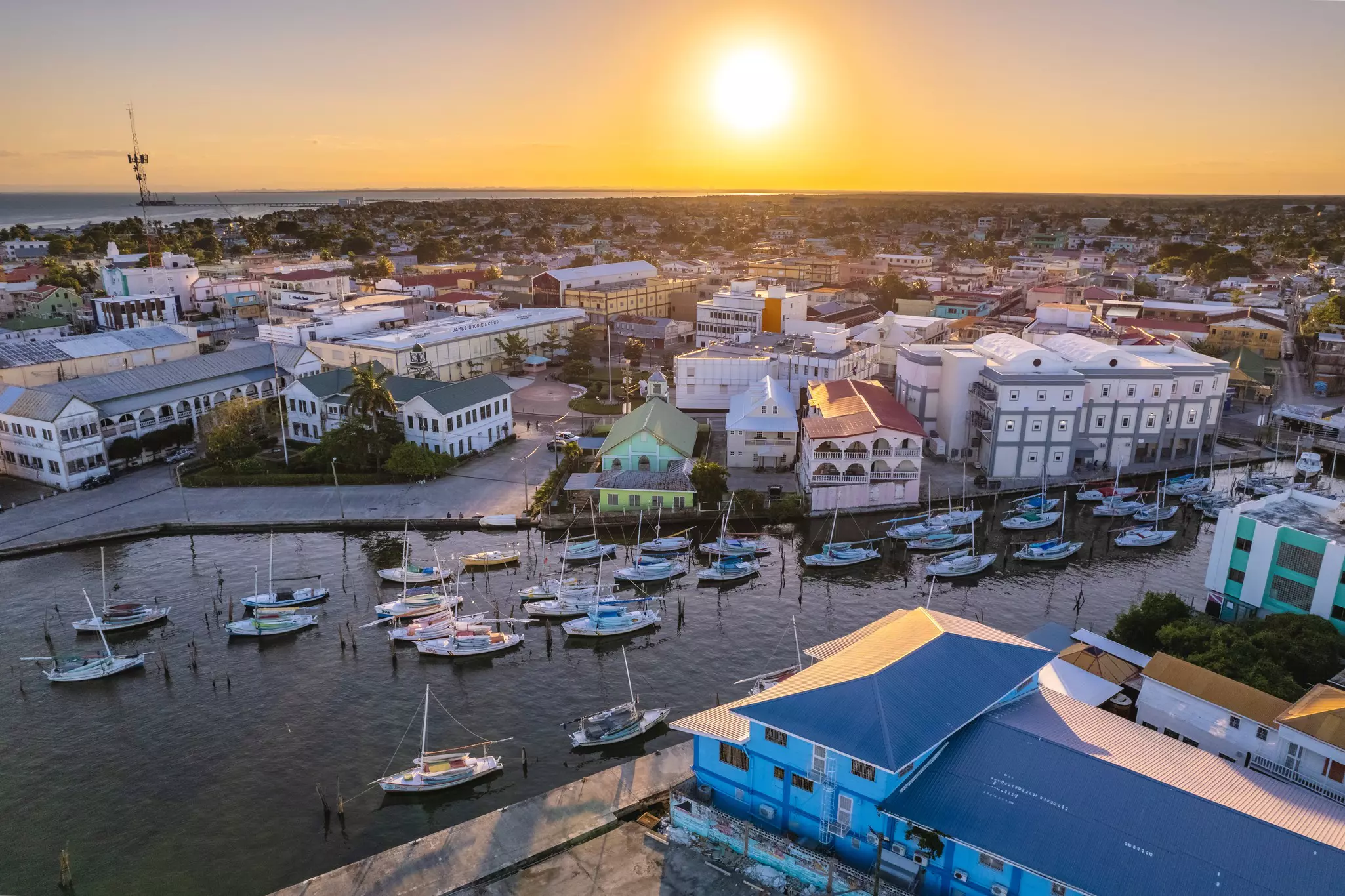
As the original British settlement and former capital, Belize City has a colonial history dating back to the 17th century, with remnants and museums offering insight into the country’s past. The modern Museum of Belize in the Fort George District presents objects, historical photos and documents that contextualize the colonial and independence eras, along with an exhibit on the history of enslaved people and a contemporary-art gallery.
Fronting the sea at the end of Regent St, Government House is a handsome white two-story colonial mansion that served as the residence of Britain’s superintendents and governors of Belize from the building’s construction in 1814 until 1996; it was here, at midnight on September 21, 1981, that the Union Jack was ceremonially replaced with the Belizean flag to mark the birth of the independent nation. Opposite Government House is St John’s Cathedral (1820), the oldest Anglican church in Central America.
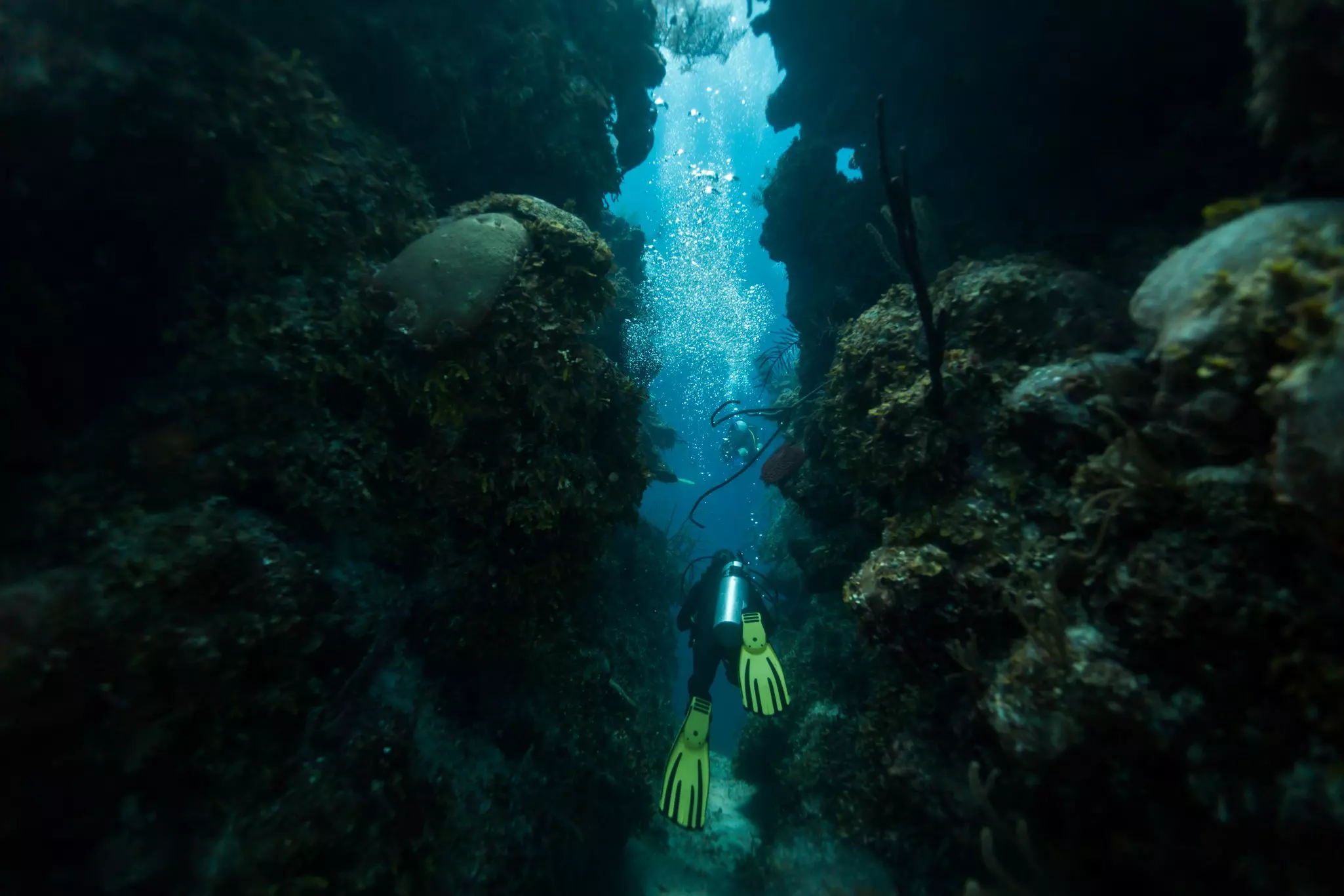
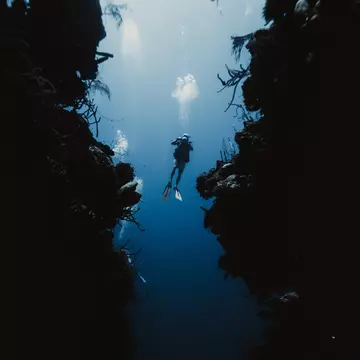
At 81km offshore, spectacular Lighthouse Reef is the furthest from the coast among Belize’s three atolls – but it’s the most famous and most visited, thanks to the allure of the mysterious Blue Hole Natural Monument. Stunning wall dives, with majestic swim-throughs and clear blue water, make the reef a diving bucket-list favorite. Made famous by underwater pioneer Jacques Cousteau, the Blue Hole – when seen from above, a perfectly round, deep-azure pupil with an aquamarine border surrounded by the lighter shades of the reef – has become an icon of Belize.
While divers shouldn’t expect to see much visible undersea wildlife at the Blue Hole, it remains a recreational diver’s best opportunity for a heart-pounding descent into a majestic submarine sinkhole. The chance of spotting circling reef sharks and the occasional hammerhead further sweeten the deal.
Once in the water, divers drop quickly to 130ft, from where they swim beneath an overhang, observing stalactites above and the odd reef shark. Although the water is clear, light levels are low, so a good dive light will enable further appreciation of the rock formations. Because of the depth, ascent begins after 8 minutes (the brevity of the dive may disappoint some divers). The trip is usually combined with other dives at Lighthouse Reef, which some divers consider the real highlight. Note that due to the Blue Hole’s depth, you must have advanced open-water certification.
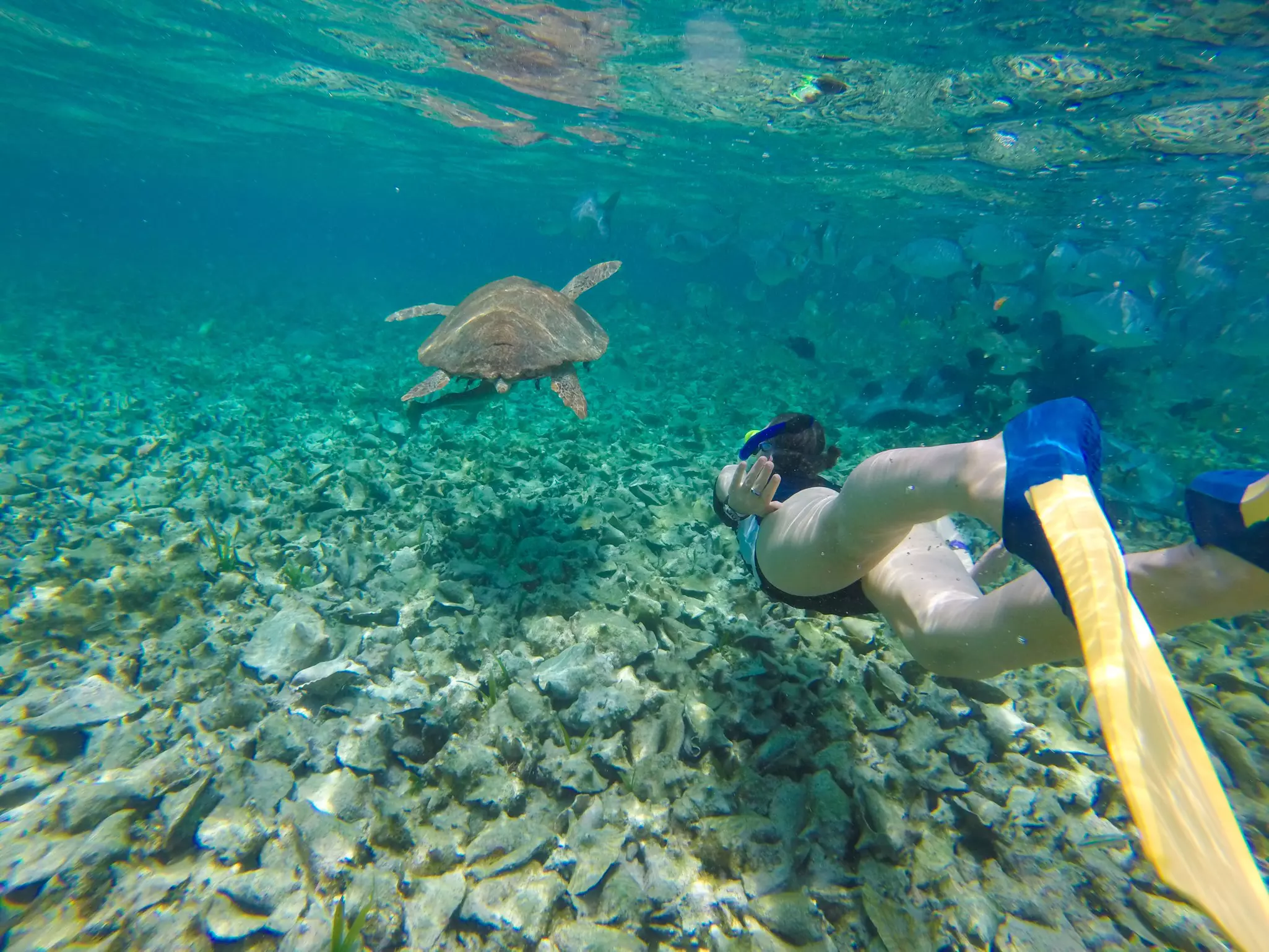
At the northern tip of Ambergris Caye, Bacalar Chico National Park & Marine Reserve consists of 41 sq miles of protected land and sea, accessible only via an hour-long boat ride from San Pedro. A day-long excursion to this part of Belize’s UNESCO-listed barrier reef ecosystem is a highlight of any visit to the country.
Tour boats make snorkeling stops and motor through the ancient channel that was dug by seafaring Maya about 1500 years ago and now separates Ambergris Caye from the mainland of Mexico. The coral is extra colorful around the reserve, as there’s less damage from boats and tourists. Besides the bountiful fish, you might see manatees, as well as green and loggerhead turtles. If waters are calm, some tour boats go to Rocky Point, notable as one of the only places in the world where land meets reef. On the return trip, some boats make a final snorkeling stop at Mexico Rocks.
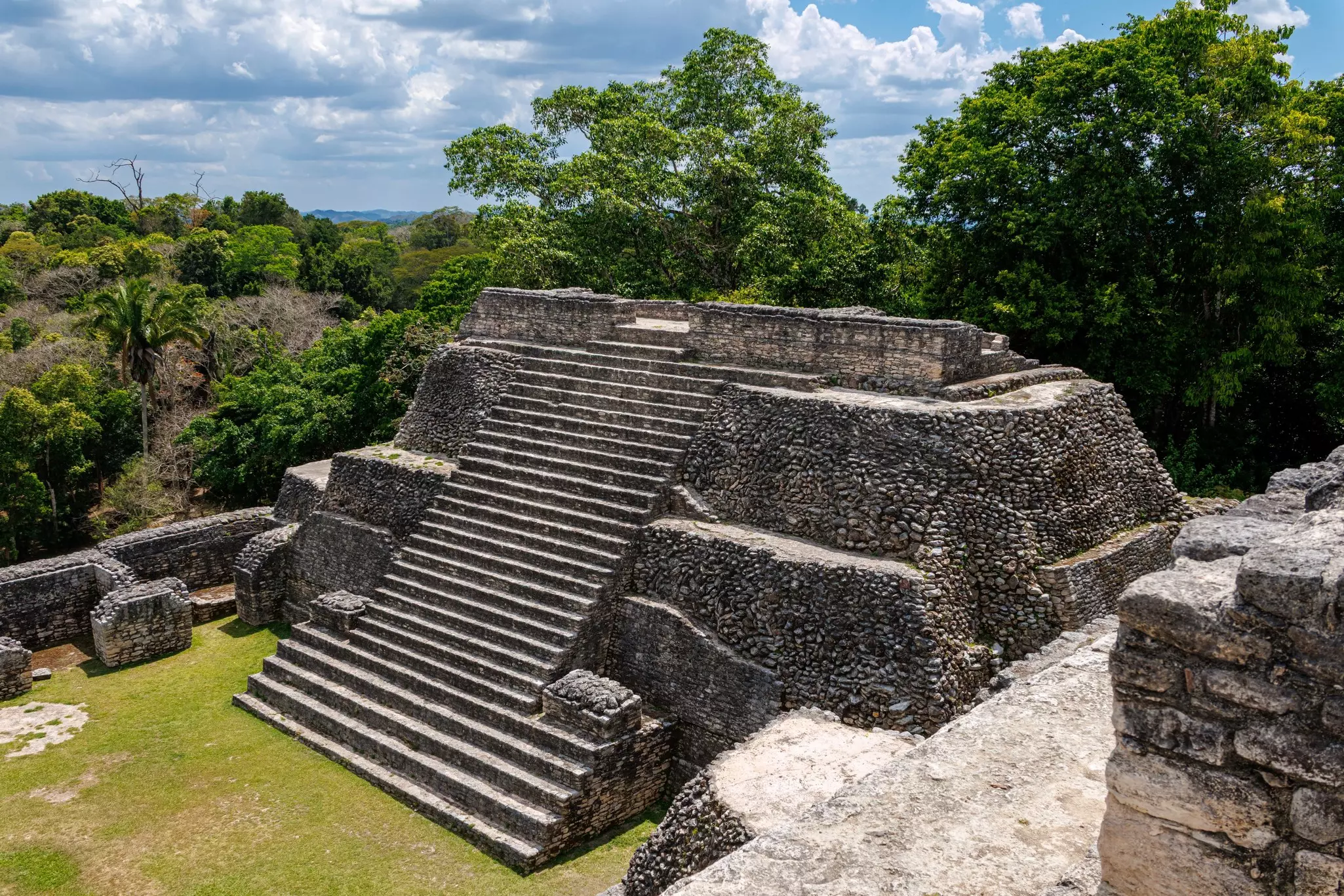
With its immaculate central plaza, Altun Ha, 31 miles from Belize City, is a modestly sized but nonetheless spectacular site. The prosperous Maya trading and agricultural town once extended to 1500 acres; what visitors today see is the central ceremonial precinct of two plazas surrounded by temples. Two grand structures – the Temple of the Green Tomb and the Temple of the Masonry Altars, both dating to the 7th century CE – stand tall on the plaza; both structures once contained treasure-laden tombs of local notables. A priceless 6in-tall carved head of Kinich Ahau, the Maya sun god, was excavated from the latter temple, and today resides in the vault of the Central Bank of Belize (a replica is on display at the Museum of Belize). Its likeness can also be seen on the top-left corner of Belizean banknotes.
Nestled in the Chiquibul forest, Caracol remains the tallest human-made structure in Belize. Getting here requires a bumpy drive – and one worth the journey. This is the largest Maya site in the country; it once supported a population of 150,000. Exploring Caracol takes a full day, which will reveal detailed history about the Maya and modern archeological endeavors, as well as a fair amount of wildlife spotting. Access is through the Mountain Pine Ridge, whose road was recently paved just past San Miguel Campgrounds (one of the only places in Belize where outdoor camping is possible).
Admission to the Museum of Belize: 10 Belize dollars
Hostel room for one in San Pedro: from BZ$65
Full-day trip (including lunch) from San Pedro to Bacalar Chico National Park with Seaduced by Belize: BZ$350
Entrance to Caracol: BZ$25
Day-long diving trip to Lighthouse Reef and the Blue Hole: from BZ$600 per person
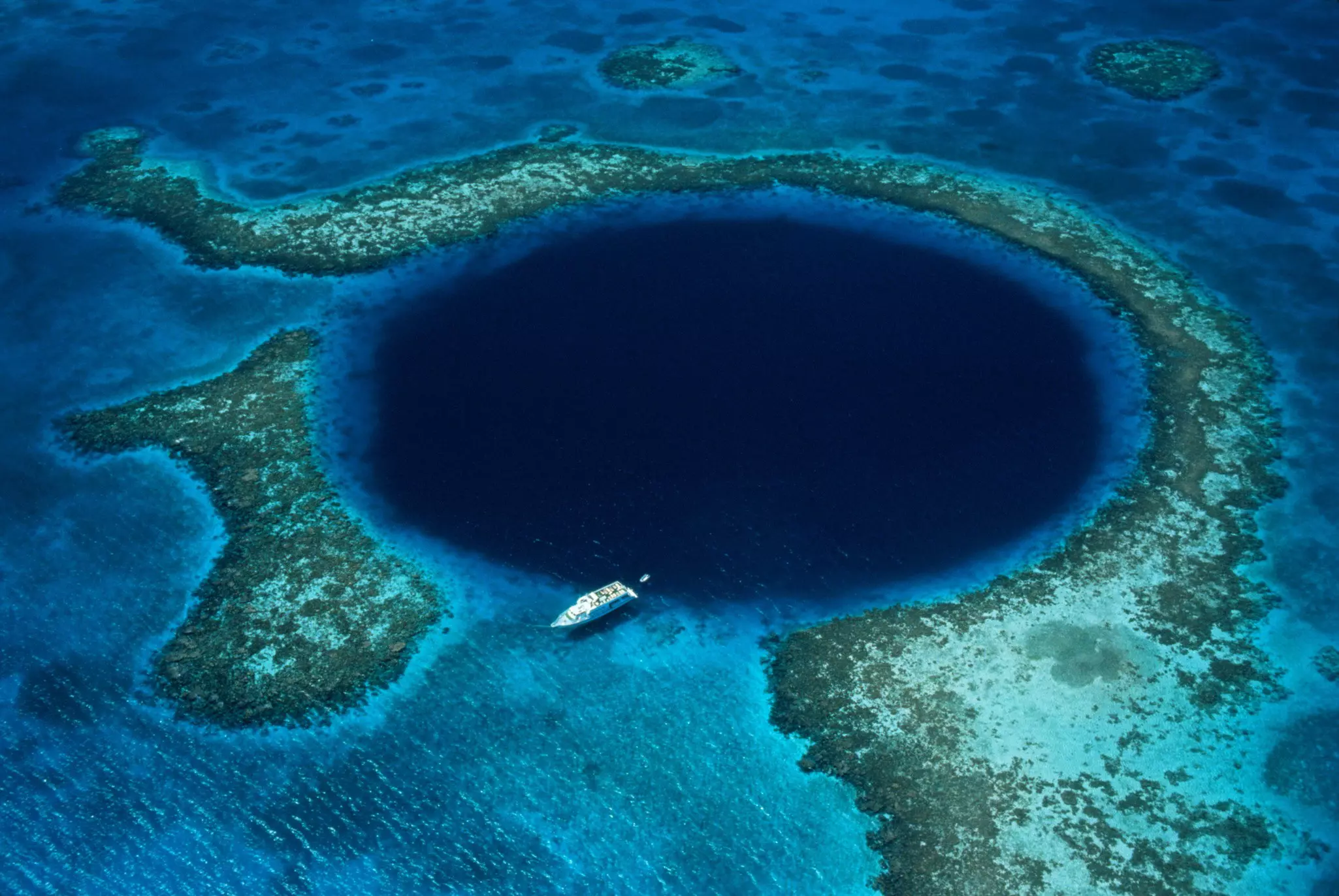
On Lighthouse Reef day trips, the Blue Hole will be your first dive – which can be nerve-racking if you’re unfamiliar with the dive master and your fellow divers. Most outfits require you to have logged a dive to at least 80ft within the last six months, or to have done some local dives with your dive masters before setting out cold on a Blue Hole trip. Due to the depth, you must have advanced open-water certification.
The trip takes a bit over 2 hours each way by boat in sometimes rough, open waters. Prepare accordingly if you suffer seasickness. Avoid partying too hard in San Pedro the night before diving the Blue Hole.
Note that the national-park fees for the Blue Hole Natural Monument (BZ$60) and Half Moon Caye Natural Monument (BZ$20) are usually paid separately to the cost of your dive.
If you don’t want to dive the Blue Hole, hop on a plane in San Pedro and fly over it.
This article was adapted from Lonely Planet’s Central America guidebook, published in October 2025.
Explore related stories