Aug 5, 20264 min read
Aruba, Bonaire or Curaçao: Which of the ABC Islands Is Best for You?Aug 5, 2026
4 MIN READ

Writer
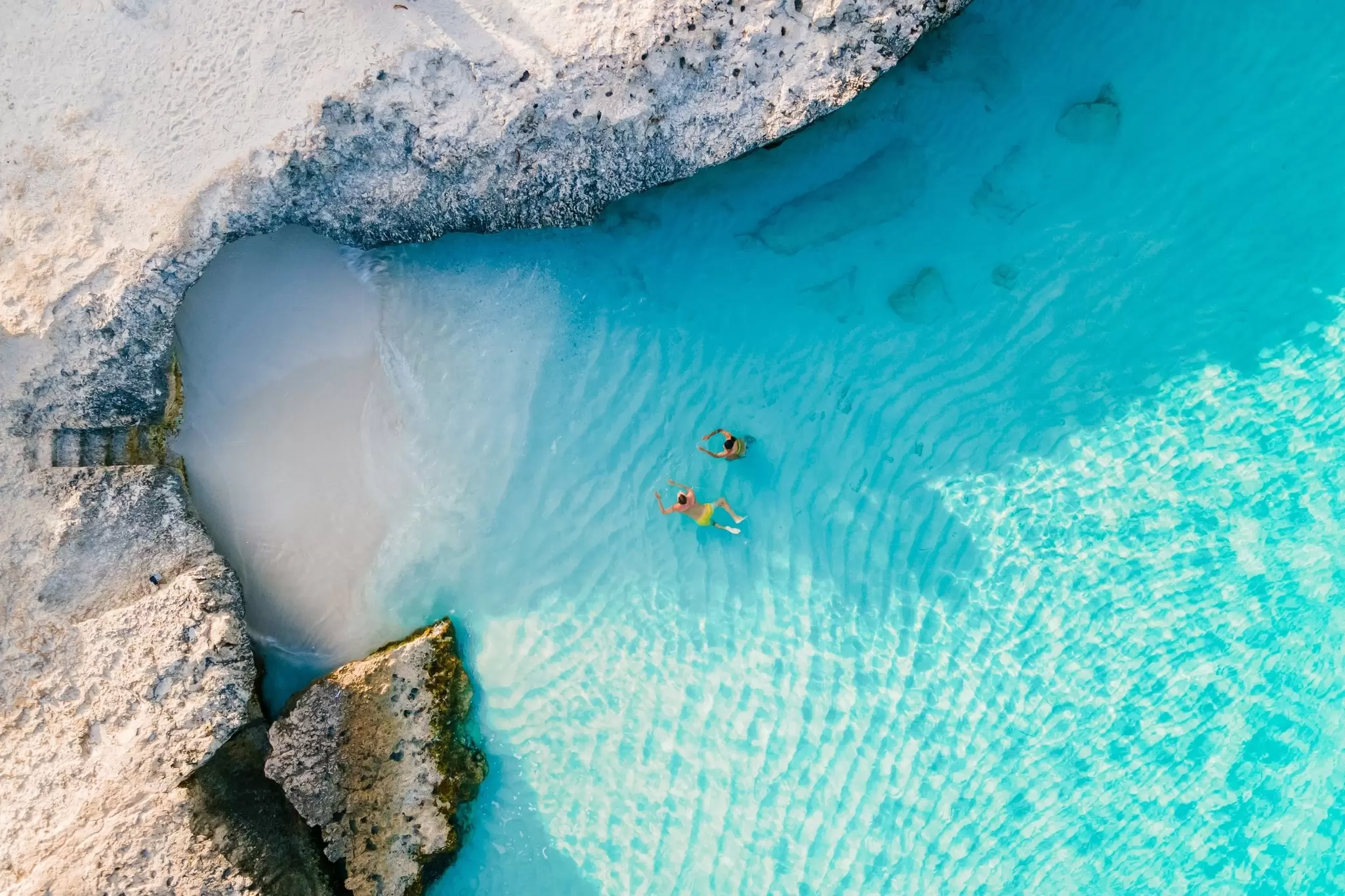
Tres Trapi Beach in Aruba. fokke baarssen/Shutterstock
Writer
Highlights
Writer Bailey Freeman helps you choose between Aruba, Bonaire and Curaçao.
For nightlife, head to Aruba, where trade winds cool the clubs and casinos.
Bonaire suits divers and windsurfers, with world-class reefs.
In Curaçao, families like Grote Knip and culture lovers appreciate Museum Kurá Hulanda.
Lonely Planet may earn a commission from affiliate links on our site. All recommendations and reviews reflect our own independent opinions.
A delightful trio just off the coast of South America, Aruba, Bonaire and Curaçao (affectionately known as the ABC islands) appeal to sun-seeking travelers the world over. At first, visitors might not differentiate these three Dutch-affiliated islands. While the ABCs share some elements of culture and geography, each one has its own personality and distinct opportunities for travelers.
Find out which of the ABC islands is the best match for you – or hop on an interisland regional flight and check out them all.
To start planning your trip, download the Lonely Planet app or get our Caribbean Islands guidebook for local tips, maps and more.
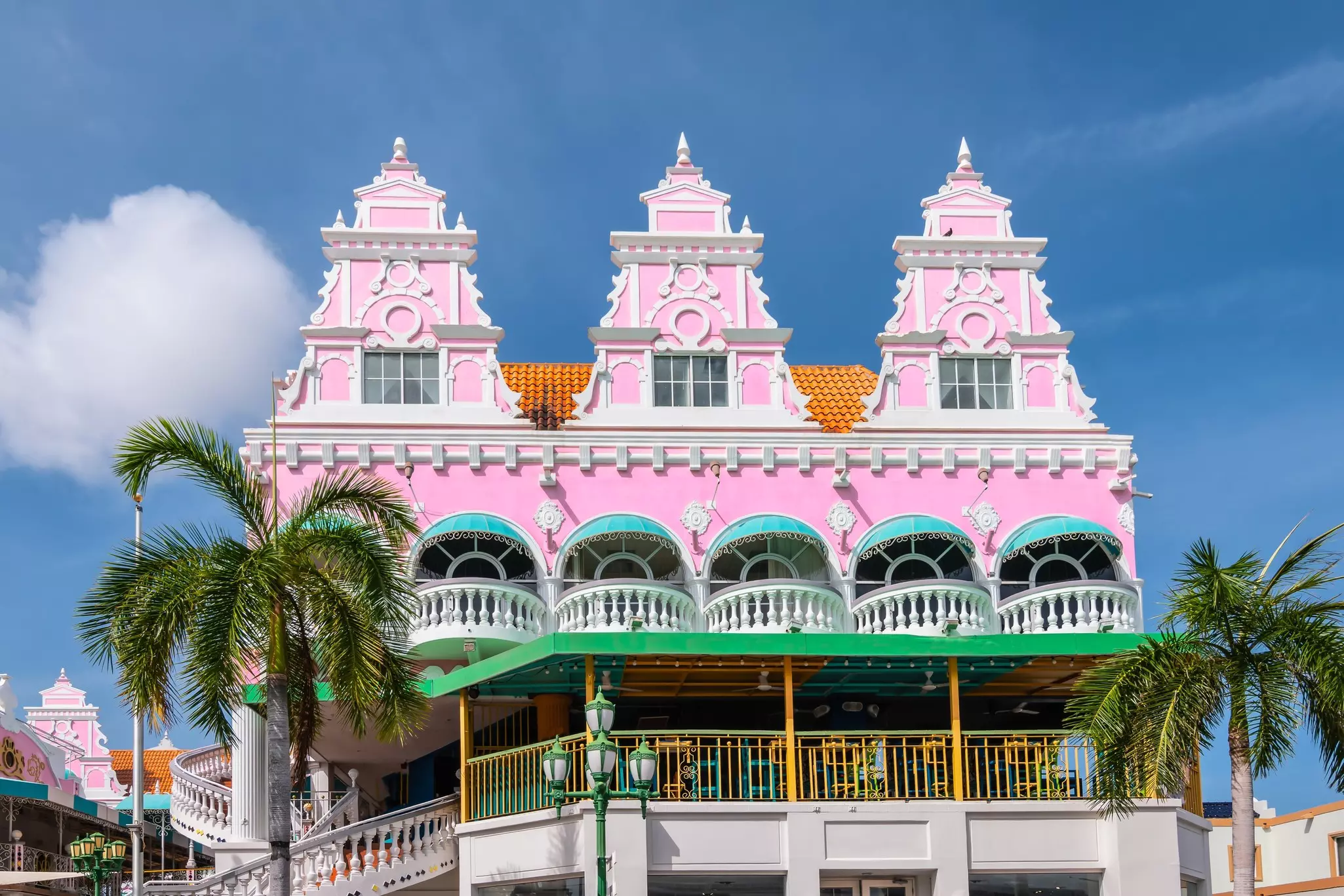
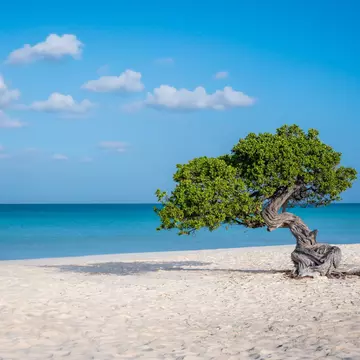
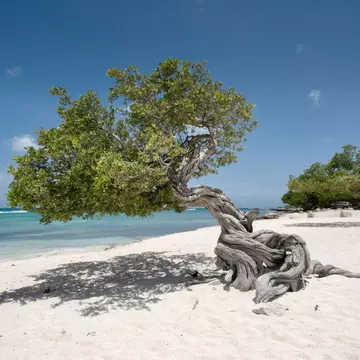
All of the ABC islands are sunny places largely out of the path of Caribbean hurricanes, but Aruba wins the title for best weather, thanks to the balmy trade winds that constantly sweep through. These winds have shaped the island’s geology and even its flora – just look at those wind-bent Fofoti trees – and have a lovely cooling effect, relieving you from the hot sun that beats down the vast majority of the year. That said, the sun's rays are still intense, so always layer on the SPF. Yet as the sun starts to set and the breeze flutters across the island, you really do see why it’s called paradise.
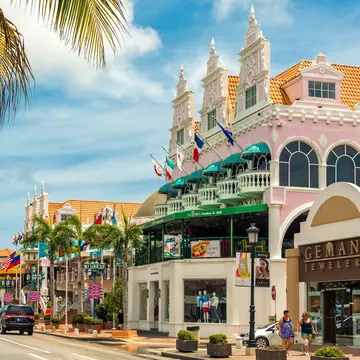
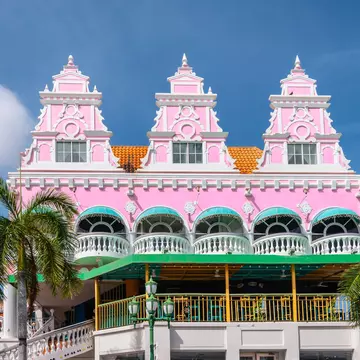
After dark, Aruba’s lively resort area offers option after option for beachside revelry – stylish lounges, energetic clubs, piano bars, casinos. Most venues can be found along the coastline in Oranjestad or slightly further north in Palm Beach. This whole area buzzes throughout the day, but come nightfall it takes on a festival vibe.
An honorable mention goes out to the nightlife options in Willemstad, in Curaçao, which have a local feel and are plenty of fun.
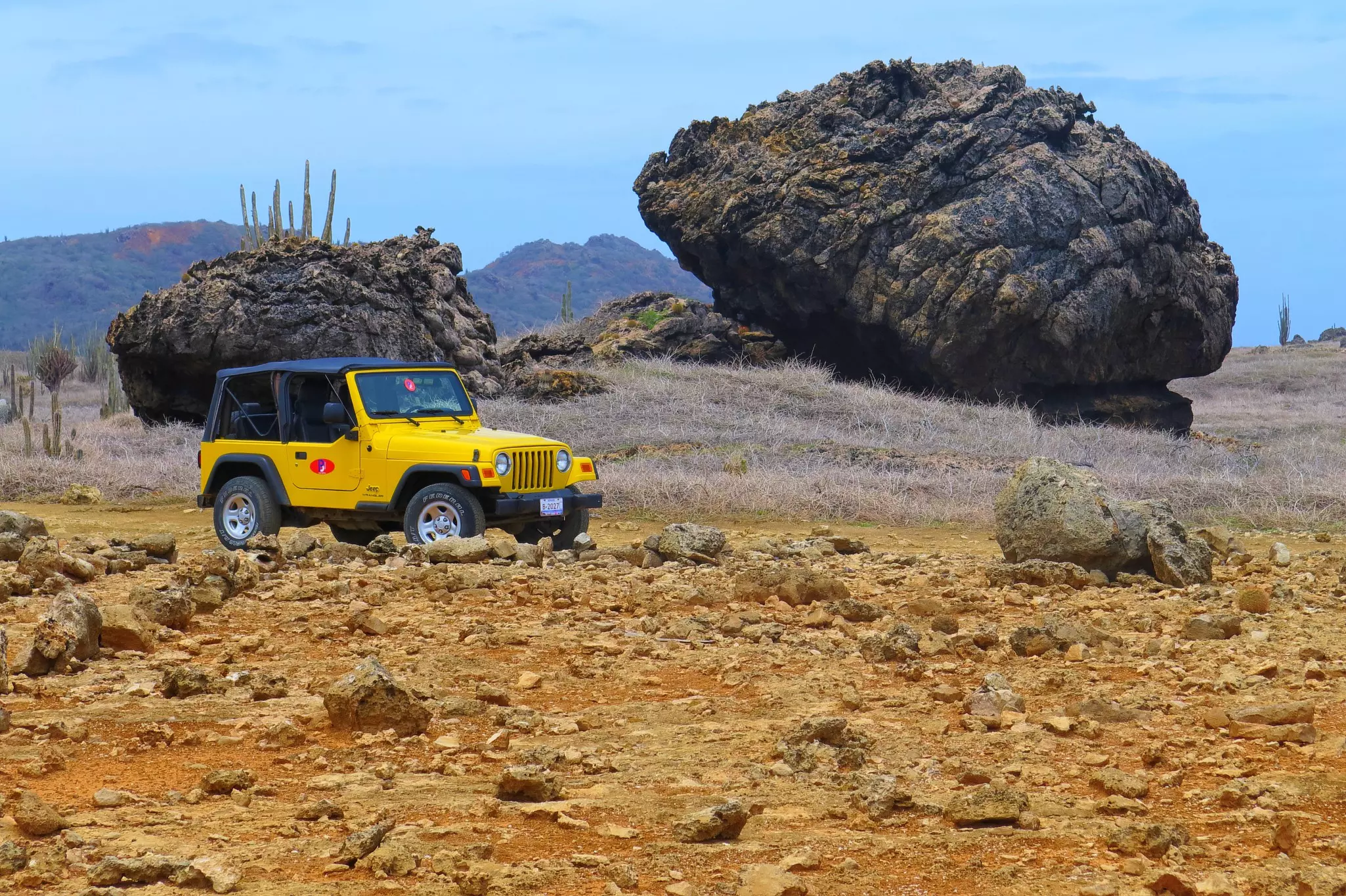
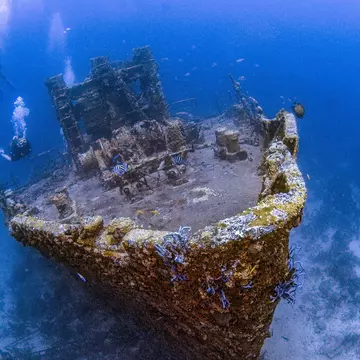
While both Aruba and Curaçao have stellar diving and snorkeling, the tiny island of Bonaire is well known throughout the global diving community for its world-class reef system, considered one of the healthiest in the Caribbean. That superlative is enough to justify booking a trip, but there’s another bonus: the diving here is also some of the most accessible, with spectacular sites only a few meters offshore.
Bonaire is ringed by its National Marine Park, 6700 hectares of protected waters with 85 dive sites, and you can get to many of them simply by walking into the water. These sites are marked by yellow stones placed along the main roads that trace the circumference of the island.
Above the waterline, Bonaire has a huge windsurfing scene at Sorobon on Lac Bay and kitesurfing on its southwestern shore. Aruba is equally acclaimed for board sports: it hosts Hi-Winds, an annual competition for kitesurfing, windsurfing, paddleboarding and kitefoiling.
Bonaire is a bit of an outlier when it comes to Caribbean tourist traffic. Although it is no secret in these sporting circles, it remains a quiet, friendly place to visit, and big resorts and mass tourism have yet to take over any part of the island. Kralendijk and Rincón have small-town vibes. And don’t be surprised if you get whisked into an impromptu sightseeing tour with a local: Bonarians are proud of their nature and culture, and it shows in their hospitality and their collective land stewardship.
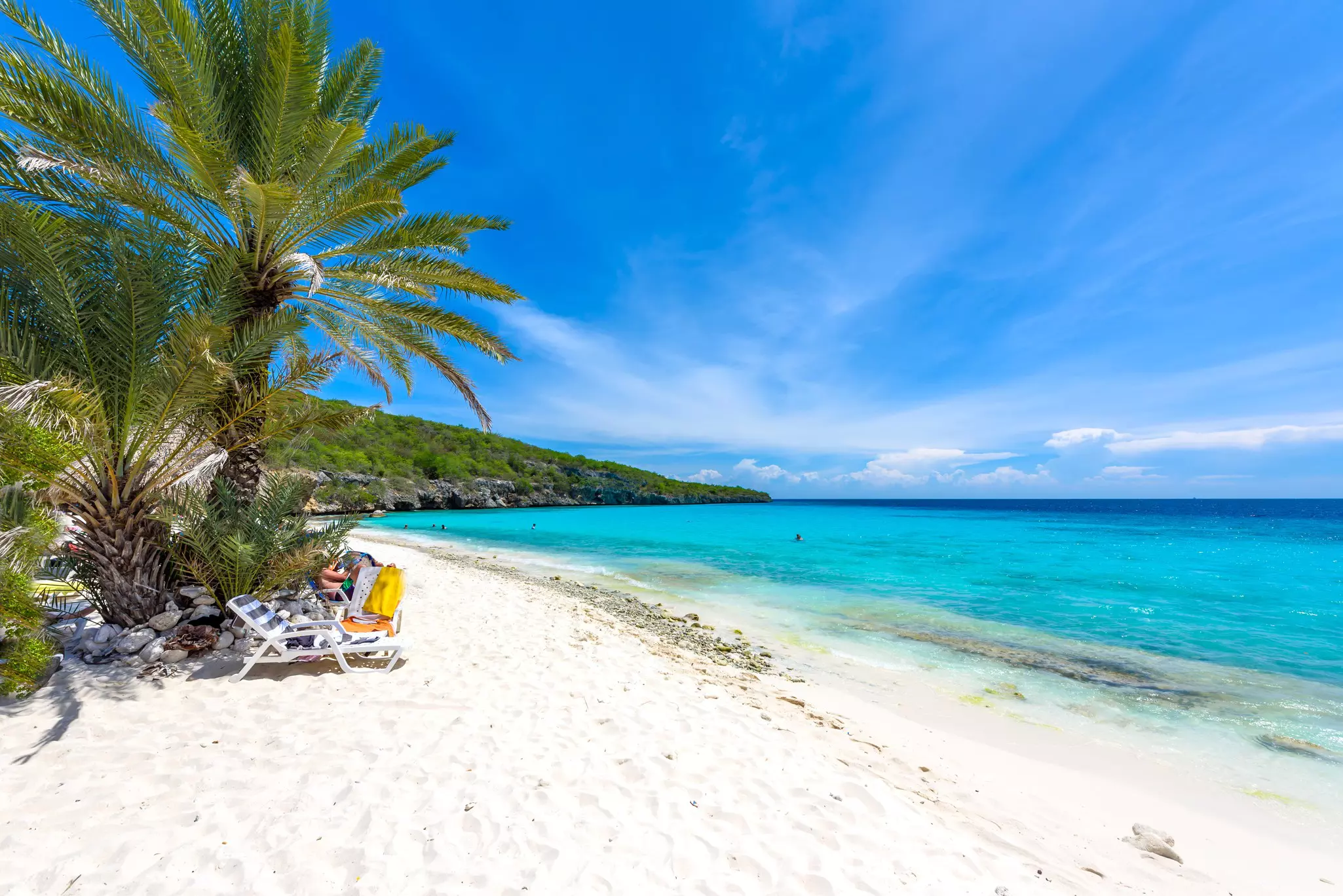
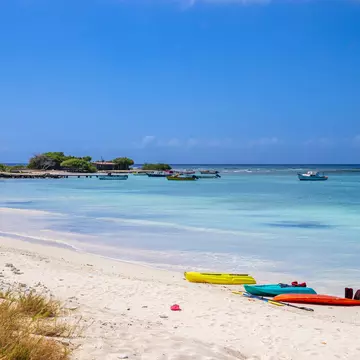
If you primarily want a plethora of picturesque sandy beaches to choose from, Curaçao is your destination. While all of the ABC islands are great destinations for anyone in need of a dose of vitamin D, both Aruba's and Bonaire’s coastlines are largely rocky, whereas Curaçao has a series of pristine beaches hemmed in by dramatic limestone and coral stone cliffs.
Families will love the gorgeous crescent at Grote Knip and won’t be left wanting for amenities, and those looking for a little more peace and quiet will love Kleine Knip and Playa Lagun. Adrenaline seekers will enjoy the cliff jumping at Playa Forti. Those of a mind for luxury will be right at home at the beach clubs of Jan Thiel and Papagayo.
However, Curaçao is much more than the beach. The largest of the ABCs and the only one that has major industries besides tourism, Curaçao is the de facto artistic and cultural center. Here, you’ll find art and history museums, galleries, music venues and a bustling capital city that doubles as a UNESCO World Heritage Site.
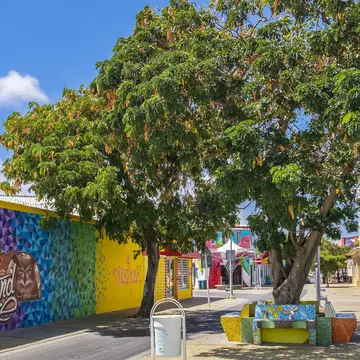
The Museum Kurá Hulanda tells the important history of enslaved people in Curaçao and the Caribbean – a must-see to understand the island’s past and present. Art lovers can spend a whole afternoon at Landhuis Bloemhof, a contemporary-art museum featuring an entire gallery made out of thorns. Those interested in culture outside of museums shouldn’t miss the restaurants and bars of Pietermaai, or the expansive street art in Otrobanda.
Explore related stories