Jul 28, 202610 min read
A Guide to the Grand Egyptian Museum, GizaDec 22, 2025
11 MIN READ
Contributors
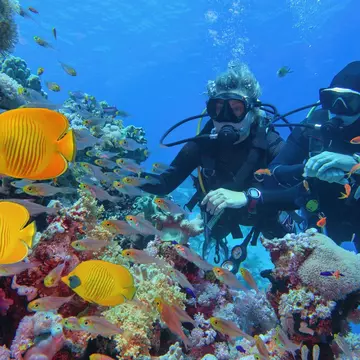
Prime season for underwater visibility with calm warm seas © Tunatura / iStockphoto / Getty Images

Contributors


Lonely Planet Editors, Sanad Tabbaa
Highlights
Writer Sanad Tabbaa picks nine dive and snorkel sites across Egypt's Red Sea.
Dive the legendary Blue Hole near Dahab and the WWII wreck SS Thistlegorm off Sinai.
For stunning coral, try Ras Mohammed National Park in Sinai or the Straits of Tiran.
Dive with sharks at Elphinstone Reef near Marsa Alam, or snorkel with dolphins at Sataya.
Lonely Planet may earn a commission from affiliate links on our site. All recommendations and reviews reflect our own independent opinions.
The deserts of Egypt may seem barren – yet below the water, it’s a different story. The reef systems of the Red Sea and the Gulf of Aqaba are home to some of the most remarkable marine biodiversity on the planet.
If you come to Egypt to go snorkeling or diving in the Red Sea, prepare to enter an ethereal realm of shipwrecks, reefs studded with coral pinnacles, and swarms of colorful, flitting fish. There are shallow dives for beginners and submerged caverns for advanced divers, plus plenty of spots you can enjoy with just a mask and snorkel.
Some Egyptian sites have almost legendary status – the Blue Hole near Dahab is a vast marine sinkhole, dropping to 130m and linked to the open sea by an underwater channel, while the SS Thistlegorm off the coast of Sinai is one of the Red Sea’s most spectacular wreck dives.
Diving is a big industry in Egypt, and coastal resorts such as Sharm El Sheikh, Hurghada, Dahab and Marsa Alam are packed with dive centers, dive resorts and liveaboard dive operators. If you are diving for the first time, Sharm and Hurghada offer the best range of dive-certification courses.
To kick off your dive list, here are the top spots for diving and snorkeling in Egypt’s Red Sea.
The summer is not the best time for sightseeing on dry land. Still, many divers are willing to brave summer’s scorching heat to enjoy the superior underwater visibility and calm seas from July to September. This is also the best time to catch sightings of scalloped hammerhead sharks, particularly at remote sites accessible on liveaboard dive safaris.
But diving in Egypt is possible year-round. Water temperatures stay above 21ºC (70ºF) even in winter, and the popular spring and fall seasons see agreeable temperatures on land and good visibility for diving. Lured by plankton blooms, whale sharks and manta rays are often spotted from May to August, and other shark and ray species can be seen at any time of year.
Best wreck dive
With an average depth of just 80m, the Gulf of Suez (off the northwest edge of the Red Sea) is surprisingly shallow, and its hidden reefs and sandbanks have brought disaster to many cargo ships over the centuries. Indeed, the Red Sea’s floor is something of a freighter graveyard, and the region's shipwrecks call out to divers seeking adventure.
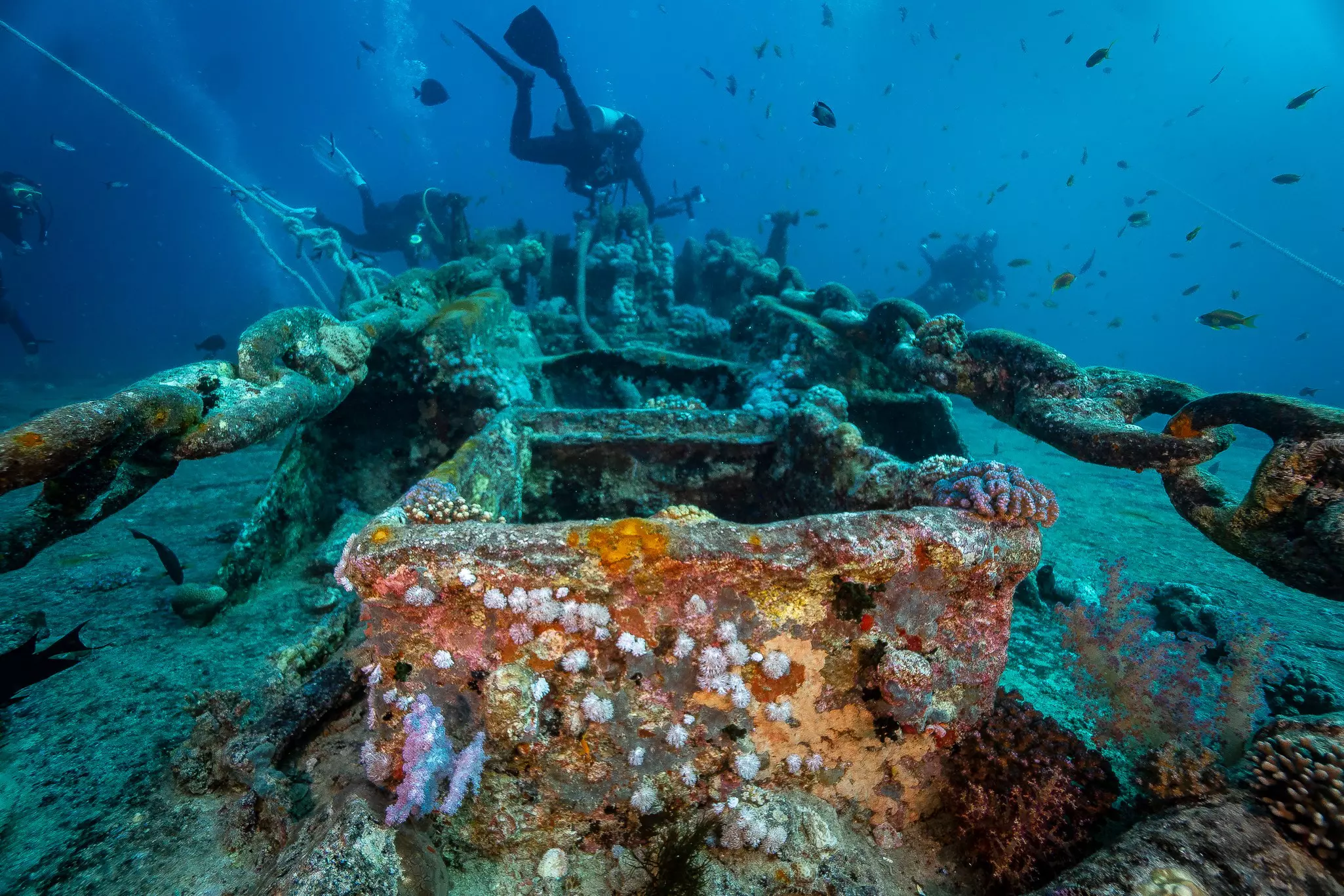
Topping the must-dive list is the wreck of the SS Thistlegorm, a 126m-long British vessel that was bombed by German aircraft in WWII. The wreck lies between 18m and 32m, and experienced divers can explore the freighter’s remarkable cargo of armaments and military vehicles, including Bren Gun Carriers, motorbikes, Bedford trucks and jeeps.
While the wreck is often dived from Sharm El Sheikh, it sits off the west coast of the Sinai Peninsula, on the fringes of Ras Mohammed National Park, and can also be reached from Hurghada on multiday liveaboard dive safaris.
Planning tip: Diving on a day trip will involve a long journey by sea in each direction. It’s more rewarding to dive on a liveaboard trip, which will give you more time on the wreck.
Best for atmosphere
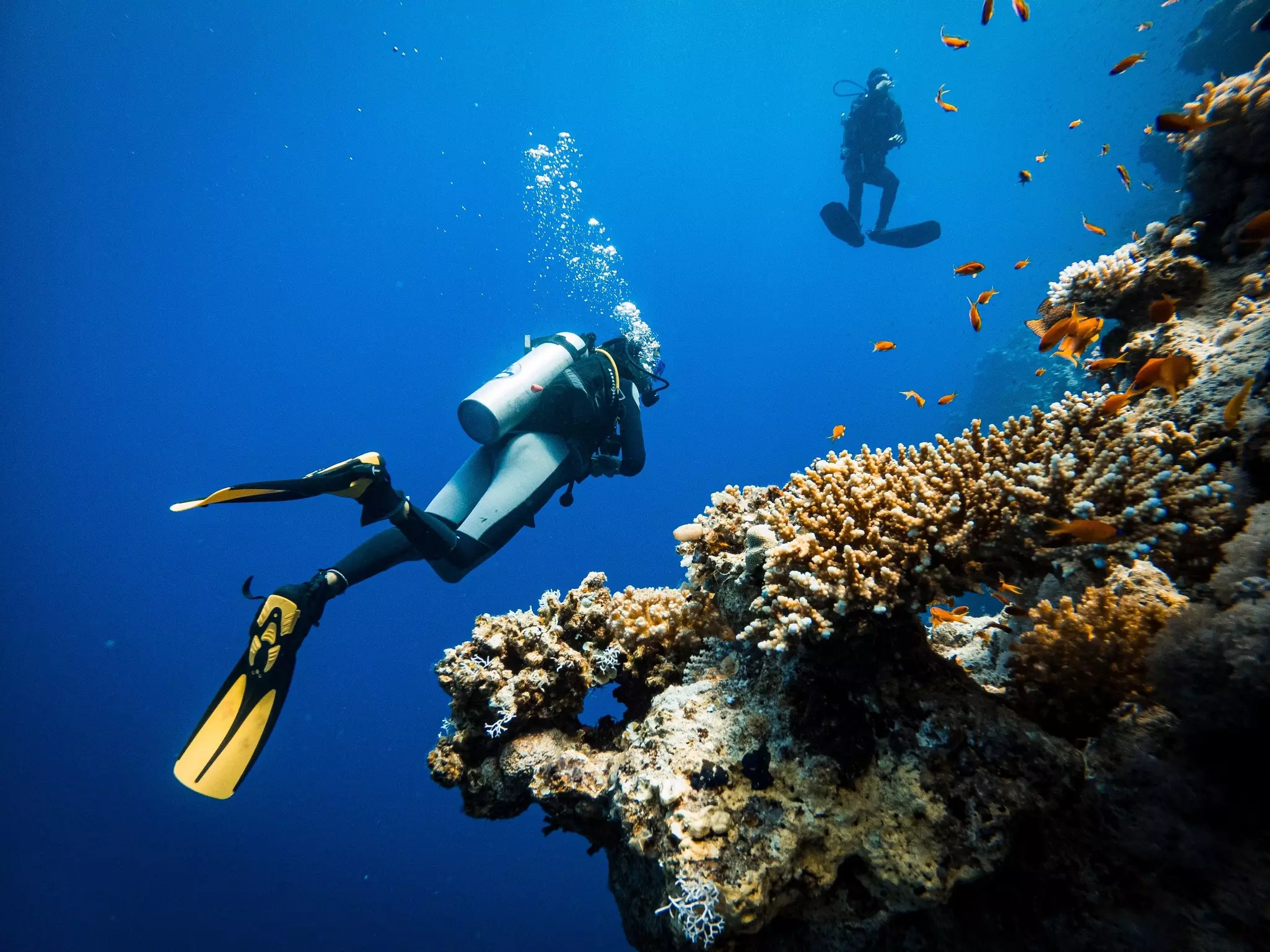
On the Gulf of Aqaba coast, Dahab was Egypt’s original backpacker hangout, luring footloose travelers with cheap accommodation, Bedouin encounters and quality diving and snorkeling. The legendary Blue Hole is famous for its surreal atmosphere and spooky depths – and infamous for the number of divers who have perished here attempting to dive beyond their abilities.
Opening off a rocky stretch of coast, this gaping sinkhole drops 130m to the seabed, linked to the open sea via a 26m-long tunnel. Sadly, this passage has seen a number of fatal accidents, and a sobering wall of memorial plaques at the entrance to the site commemorates divers who have lost their lives here.
The good news is that the Blue Hole can be dived safely if you don’t push your limits and stick to the sinkhole’s steep walls. It’s a common training spot for technical divers and is popular with snorkelers, as much for the sensation of swimming out over the abyss as for the marine life.
The big draw for divers is approaching the Blue Hole via the Bells, a narrow breach in the reef table. You’ll descend through a semi-enclosed chimney, then drift by coral-covered walls, anemones and sponges before arriving at a saddle with a coral garden that leads to the Blue Hole.
Just south of Blue Hole is Tiger House, owing its name to the tiger sharks that once populated the reef. Today, you’re more likely to find schools of parrotfish, triggerfish, bannerfish and damselfish circling the coral gardens.
Planning tip: The Blue Hole is often combined with a dive at the Canyon, a gorgeous and popular site that contains a narrow, 30m-deep trench that runs perpendicular to the reef shelf. It’s home to prolific hard and soft corals and schools of glassfish.
Best for stunning coral
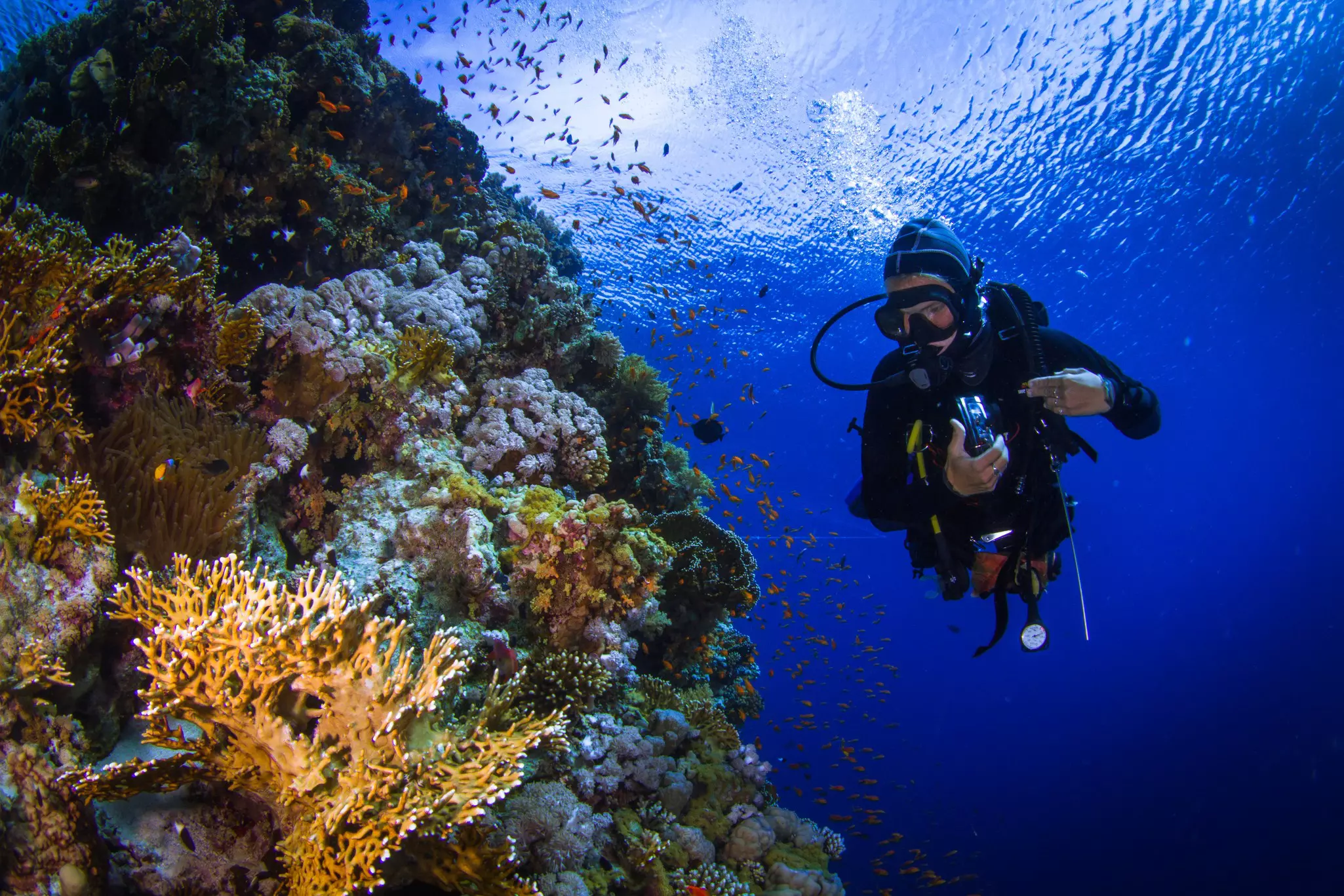
Surrounding the southern tip of the Sinai peninsula, Ras Mohammed National Park is home to one of the world’s most stunning coral-reef ecosystems. Usually visited from Sharm, Shark & Yolanda Reef is the park’s most famous dive. You’ll first descend along a massive coral wall at Shark Reef, before drifting towards Yolanda Reef, where a cargo of porcelain bathroom fittings lies scattered over the sea floor from the 1980 wreck of the Cypriot merchant ship Yolanda.
Other top dives here include Anemone City, where hundreds of clown fish guard a jelly-like jungle of anemones from predatory fish. At the northern end of Marsa Bareika Bay is Ras Ghozlani, where beginners can float over a sandy plateau of golden brain coral. At the bay’s southern tip lies Ras Za’atar, known for caverns lit by shafts of sunlight.
Further south, Jackfish Alley has more caves and healthy populations of jackfish and shoaling glassfish, plus larger species such as whitetip reef sharks. Accessible by boat or from shore, Eel Garden is alive with garden eels, while Shark Observatory lures hawksbill turtles and pelagic predators.
Planning tip: While Ras Mohammed is mainly visited on day trips, the eco-camp operated by Bedawi is an option for travelers who want to stay the night. Accommodation is in canvas tents on a prime slice of Ras Mohammed shoreline, meaning you can reach the snorkeling sites before the crowds arrive.
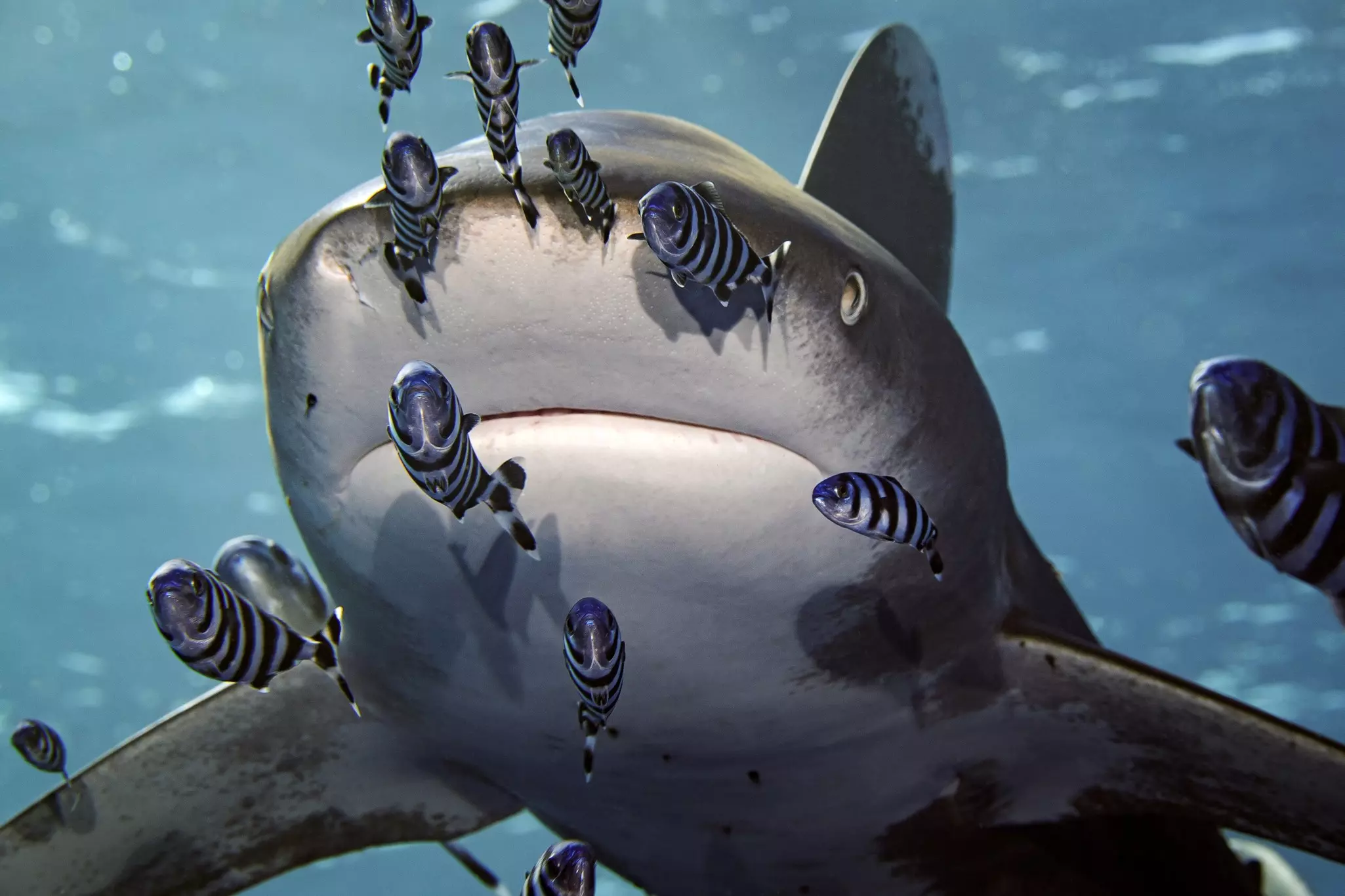
Best for shark spotters
Though it takes a bit of effort to reach Egypt’s Deep South, this stretch of the Red Sea coast has some of the most rewarding dive sites in Egypt. The low-key coastal hub of Marsa Alam has some memorable places to stay and dive, including Marsa Shagra Village, which has accommodation in stylish chalets or safari tents by the beach.
Some 30km from the shore, the sea floor drops to 100m around Elphinstone Reef, luring many larger fish, including seven species of sharks. Vibrant soft corals flourish on the reef walls; oceanic whitetip sharks can be spotted from September to November, while scalloped hammerheads and mantas gather from June to August.
Best for hammerhead shark sightings
About 90km offshore from Marsa Alam, the isolated coral outcrop known as Daedalus Reef can only be visited on multiday liveaboard dive trips. Yet making the effort to stay out on the reef provides a chance to dive with one of Egypt’s most impressive pelagic predators. What’s more, a lighthouse on an artificial island provides an atmospheric light show at night.
Off the edge of the reef, the sea floor plunges to 500m, and the reef fringes draw many large pelagic species, including scalloped hammerhead sharks, which gather in large schools. June to September are the best months for hammerhead sightings. Other species seen here include oceanic whitetip sharks, thresher sharks, gray reef sharks and manta rays.
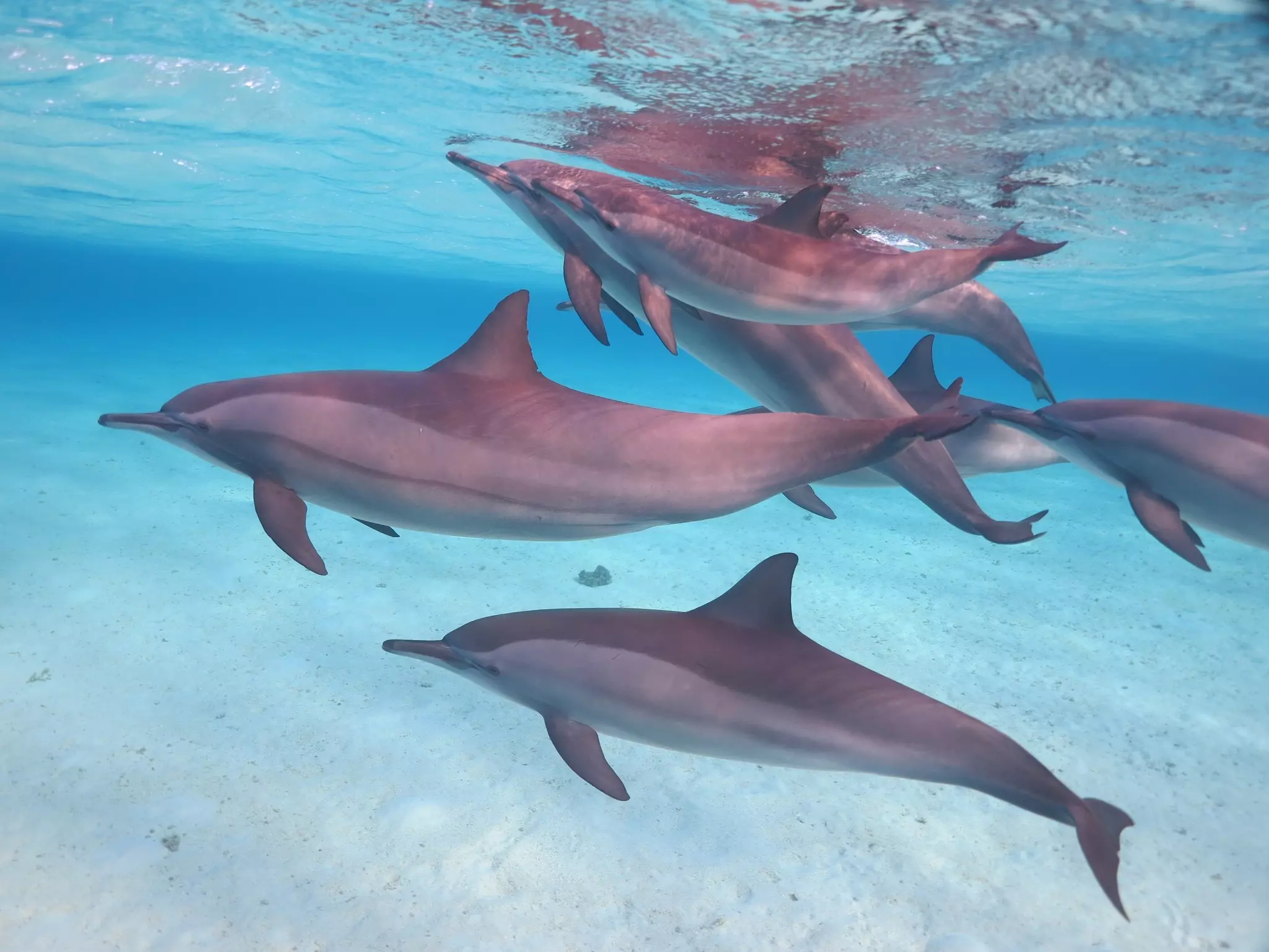
Best for snorkelers
A few hours offshore from Marsa Alam, Sataya Reef is home to abundant pods of spinner dolphins. Visitors can book a snorkeling or diving trip to see them up close – but not too close, so as not to disturb these amazing marine mammals. To reduce the impact on the dolphins, access is carefully controlled, so you’ll need to plan ahead and book through your accommodation or local tour agencies.
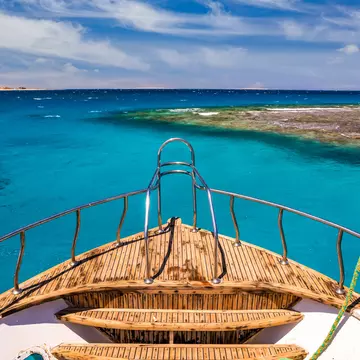
From Hamata harbor, it takes several hours to reach the reef by boat; head to the bow to watch dolphins jump in and out of the water along the way. As you near the reef, you’ll transfer to a smaller speedboat, then enter the water to swim near the frolicking pods – with a guide on hand to ensure the welfare of the dolphins.
Most operators also stop to snorkel on colorful coral reefs that teem with fish; you can often spot clown fish, parrotfish, blue-spotted stingrays, groupers and turtles. In between these snorkeling stops, you can relax on the boat and have lunch and refreshments.
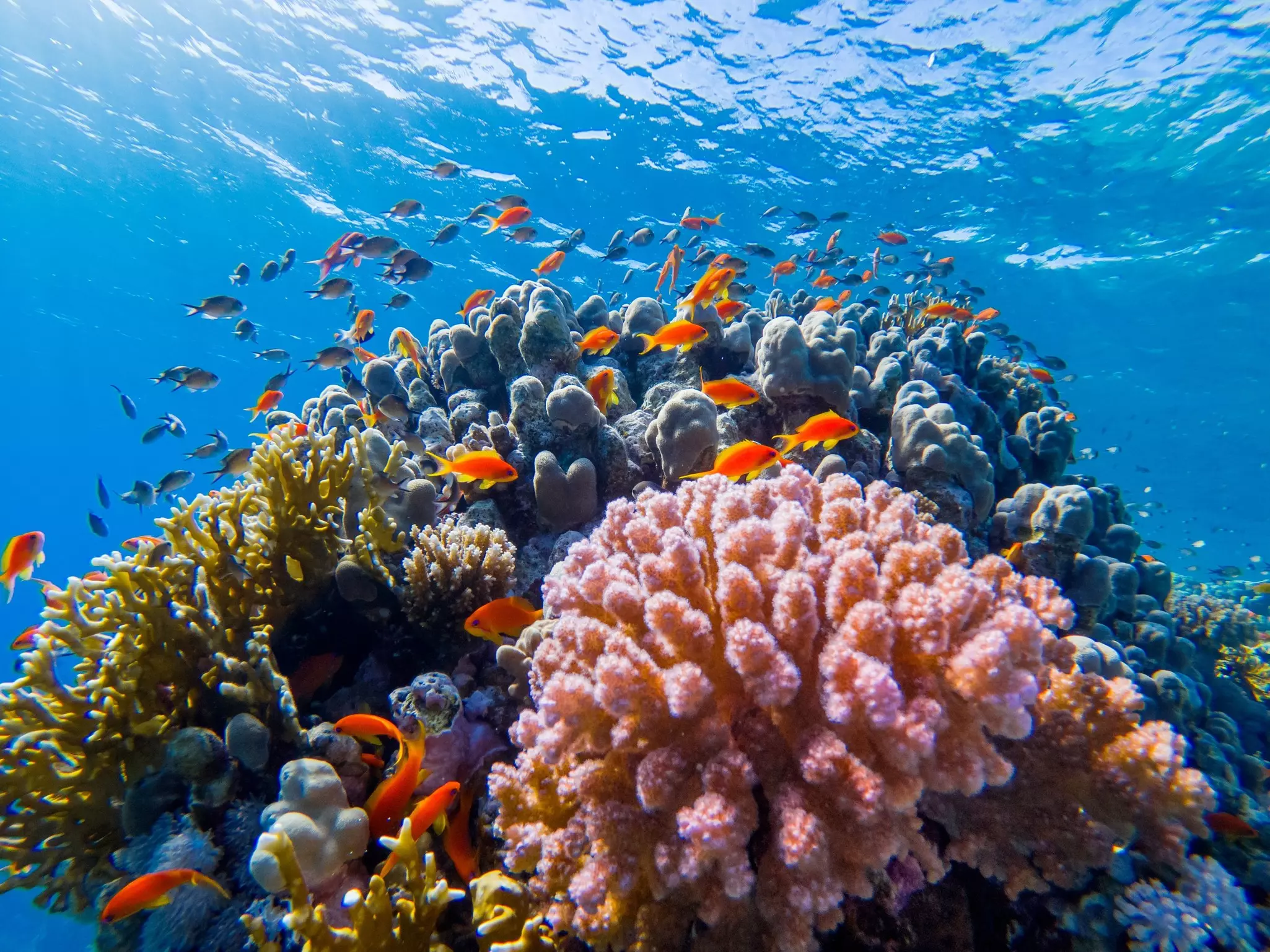
Best dive for soft corals
Head out from Sharm El Sheikh to dive the Straits of Tiran and experience a kaleidoscope of soft corals on the reefs offshore from Saudi-administered Tiran Island. Four impressive reef systems – Jackson Reef, Gordon Reef, Thomas Reef and Woodhouse Reef – feature a wide range of hard and soft corals and gorgonians.
While the seabed near Tiran Island is fairly shallow, there can be strong currents. This means some dive centers will only allow beginners to visit with a personal guide, increasing the cost of diving here. As well as colorful reef fish, larger fish such as tuna, barracuda, reef sharks and morays are often spotted. Keep your eyes open for pelagic species such as scalloped hammerhead sharks and passing whale sharks and manta rays.
More than 1km long, Woodhouse Reef offers a 30m-deep wall and a coral-lined canyon housing giant morays, groupers and pufferfish. This site is also an excellent spot to see eagle rays, sea turtles and many species of shark. A dangerous whirling current that often churns at the northern end of the reef is nicknamed “the washing machine” and should be crossed only in good conditions.
Thomas Reef is another difficult but spectacular drift dive. Colorful soft coral clings to the steeply plunging walls as schools of fish and sharks cruise by. With good air consumption and suitable water conditions, you can circumnavigate the entire reef.
Planning tip: Full-day dive trips typically dive on the strait and then move on in the afternoon to Ras Ghamila. Arabic for “Beautiful Cape,” it lives up to its name, with diverse coral colonies, parrotfish and groupers.
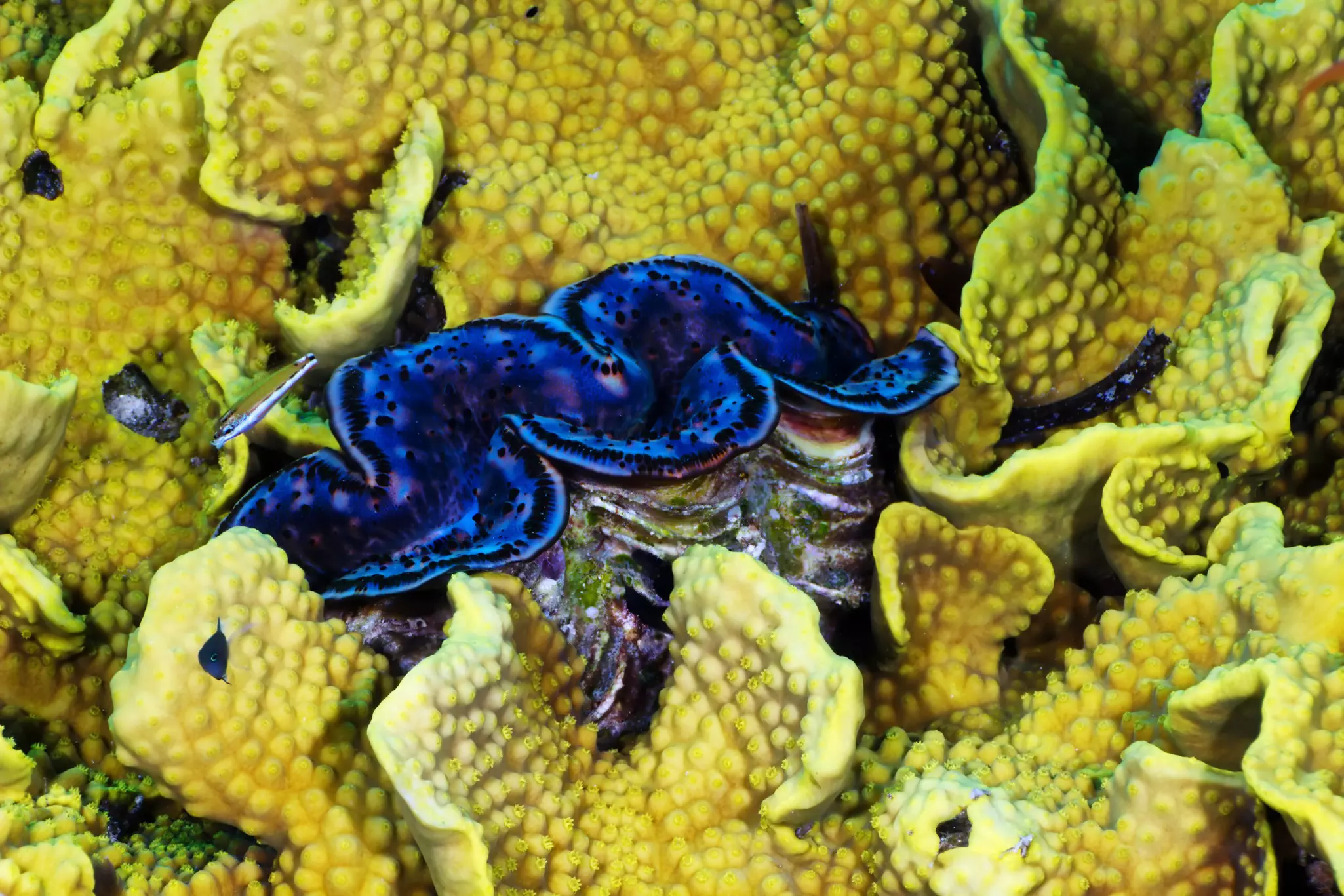
Best for giant clams
The calm waters of Sharks Bay make it a popular spot for training dives from Sharm El Sheikh, while a large canyon on the southern flank attracts technical divers to its depths. To the north, the well-sheltered White Knight dive site has a series of crevices, canyons, tunnels and caves, as well as a community of garden eels near the boat mooring point.
If you choose to tackle the strong currents around Ras Nasrani, this is a great spot to see the world’s largest mollusk. Look carefully in the large area of porites hard corals to spot the distinctive squiggle-shaped openings of giant clams: this headland has the highest population density in the entire Red Sea.
Though not always labelled as such on maps, the southern part of Ras Nasrani is called Ras Bob, named after an underwater photographer who worked in the area. Weaker currents here cater to beginner divers, and crocodile fish and blue-spotted stingrays rest on the sandy bottom outside small caves.
Best for accessible diving
The reefs of the Red Sea welcome divers with disabilities. Camel Dive Club in Sharm El Sheikh offers fully accessible dive holidays, and their boats and all areas of the resort are accessible for wheelchair users. The location in the heart of Naama Bay puts you close to the action in Sharm, within easy striking distance of the most popular dive sites.
Specially modified boats can take divers with disabilities to sites close to Sharm, as well as famous dive destinations around Ras Mohammed National Park and the Straits of Tiran. Depending on your level of experience and specific needs, you can dive with mixed groups or with a dedicated guide.
Planning tip: The center has instructors who are members of the Handicapped Scuba Association (HSA) and certified to teach the SSI Classified Diver Open Water and Classified Diver Buddy courses.
This article was adapted from Lonely Planet’s Egypt guidebook, published in November 2025.
Book your Egypt trip with Lonely Planet Journeys
See Egypt how it's meant to be seen
Planned by local experts and tailored to you, Lonely Planet Journeys handles the logistics so you can just enjoy the trip. Tell us what you want and we'll build your Egypt itinerary from scratch, or browse our bookable trips to get inspired.

Explore related stories