Dec 23, 20258 min read
The Best Time to Visit TunisiaDec 15, 2025
12 MIN READ
Contributors
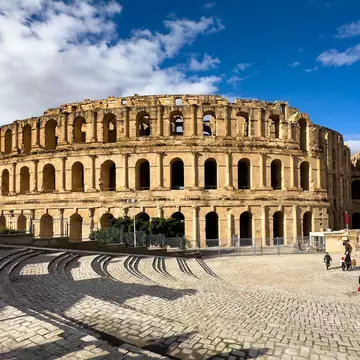
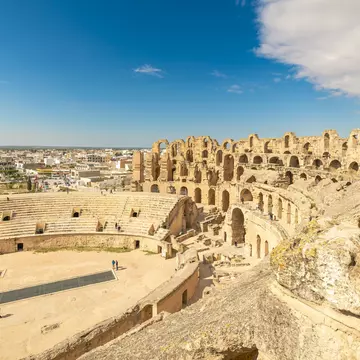
Roman amphitheater in El Jem. Andy Soloman/Shutterstock

Contributors

Paula Hardy, Lonely Planet Editors
Highlights
Writer Paula Hardy rounds up nine destinations across Tunisia, from coast to Sahara.
Base yourself in Tunis for Carthage's ruins and the legendary Bardo museum.
For beaches, try Hammamet on the Cap Bon coast or the picture-postcard island of Djerba.
Desert fans should head to Tozeur or Douz; history buffs will love UNESCO-listed Dougga.
Lonely Planet may earn a commission from affiliate links on our site. All recommendations and reviews reflect our own independent opinions.
Good things come in small packages. Tunisia may be the smallest country in North Africa – indeed, you could fit six Tunisias into Egypt and 14 Tunisias into Algeria – but it crams an astonishing variety of riches into a compact territory.
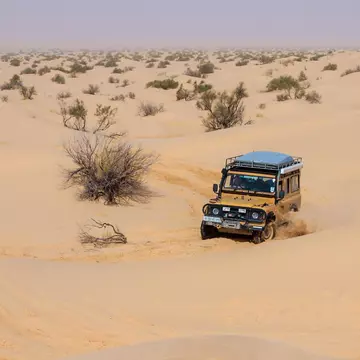
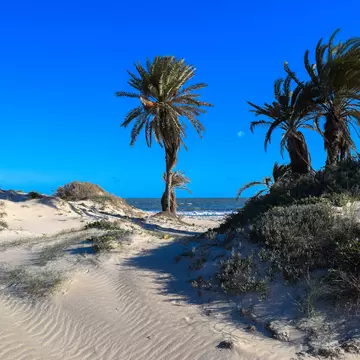
Tunisia’s Mediterranean shoreline is beaded with beaches, which reach their peak around the island of Djerba and along the Gulf of Hammamet. In the southwest, the rolling ergs (dune fields) of Jebil National Park melt into the endless sands of the Sahara Desert.
Close to the coast, cities overflow with timeless souqs (markets), while the ruins of mighty Greco-Roman settlements such as Carthage, Thysdrus and Dougga spill across the countryside. Far inland, oasis towns such as Douz and Tozeur serve up desert adventures by camel or 4WD in the company of Bedouin guides.
Time your trip to coincide with the best weather – summer for the beaches, spring and fall for outdoor activities and exploring inland – and you’ll enjoy a sampling platter of North African experiences, wrapped up in a small, easily navigable package. Here are the best places to visit in Tunisia.
Best for big city energy
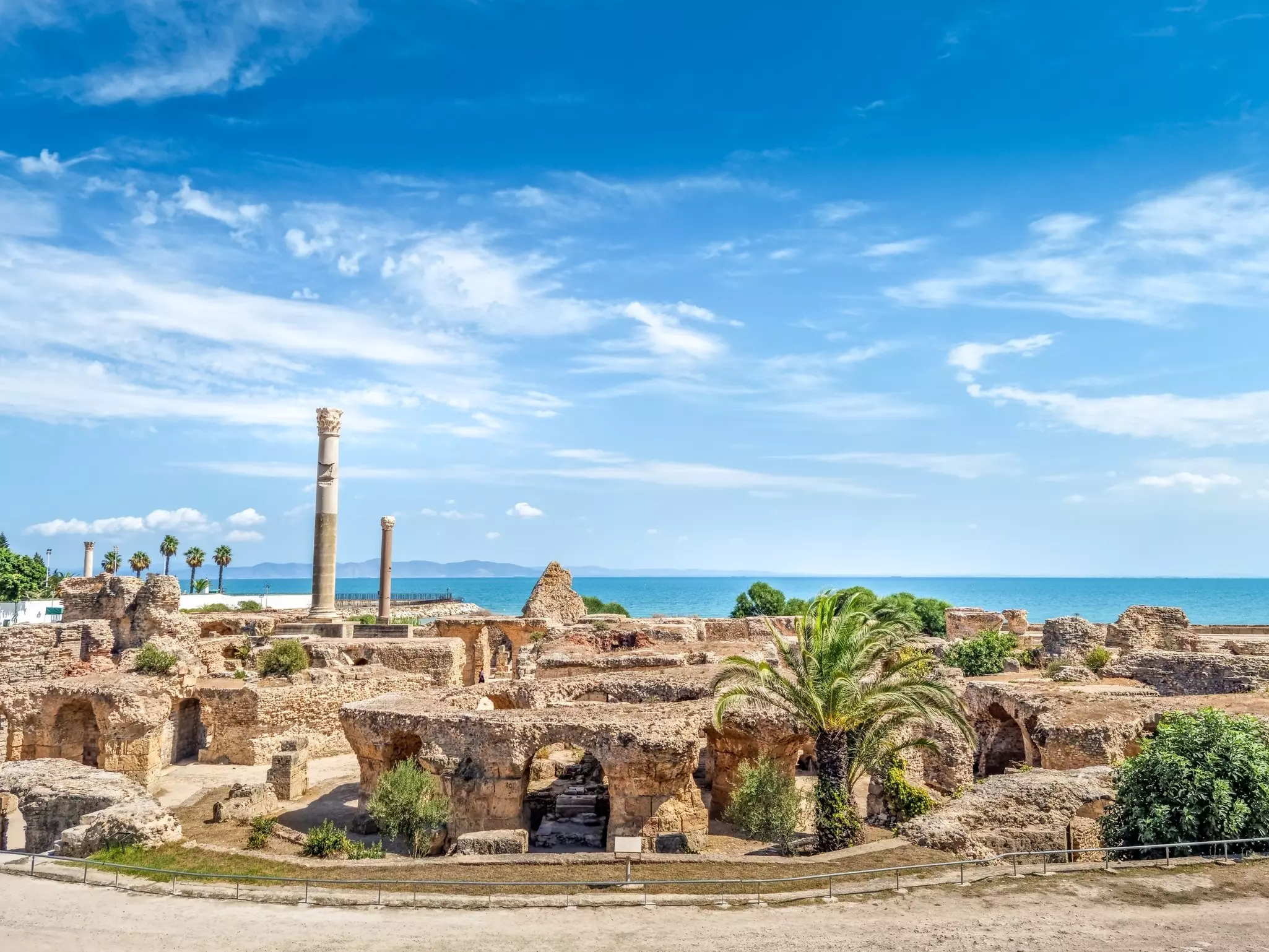
Mixing Maghrebi, Mediterranean and European flavors, Tunis offers everything you could ask for from a North African capital city. In this historic metropolis – founded by Arab rulers after the fall of Carthage in 698 CE – the term “living history” really does apply. Take the magnificent medieval medina (walled old city), sidelined by the French in colonial times but now re-emerging as a vibrant hub for commerce and culture.
Indeed, you’ll feel a buzz of rejuvenation across the city. The food scene is dynamic and full-flavored, while boutique guesthouses known as dars have taken over formerly crumbling mansions. And grand museums such as the legendary Bardo bring the city’s story to life in galleries presenting nearly 3000 years of Mediterranean culture.
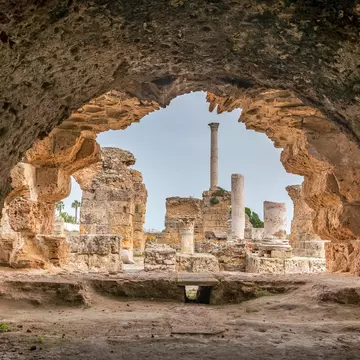
To dive deep into Tunis’ storied past, visit the ruins of Carthage – founded by the Phoenicians, destroyed and then repopulated by the Romans, razed in the Punic Wars, then rebuilt by Julius Caesar. Carthage grew to become the third-largest Roman city, before Arab dynasties reduced it to ruin in the 7th century.
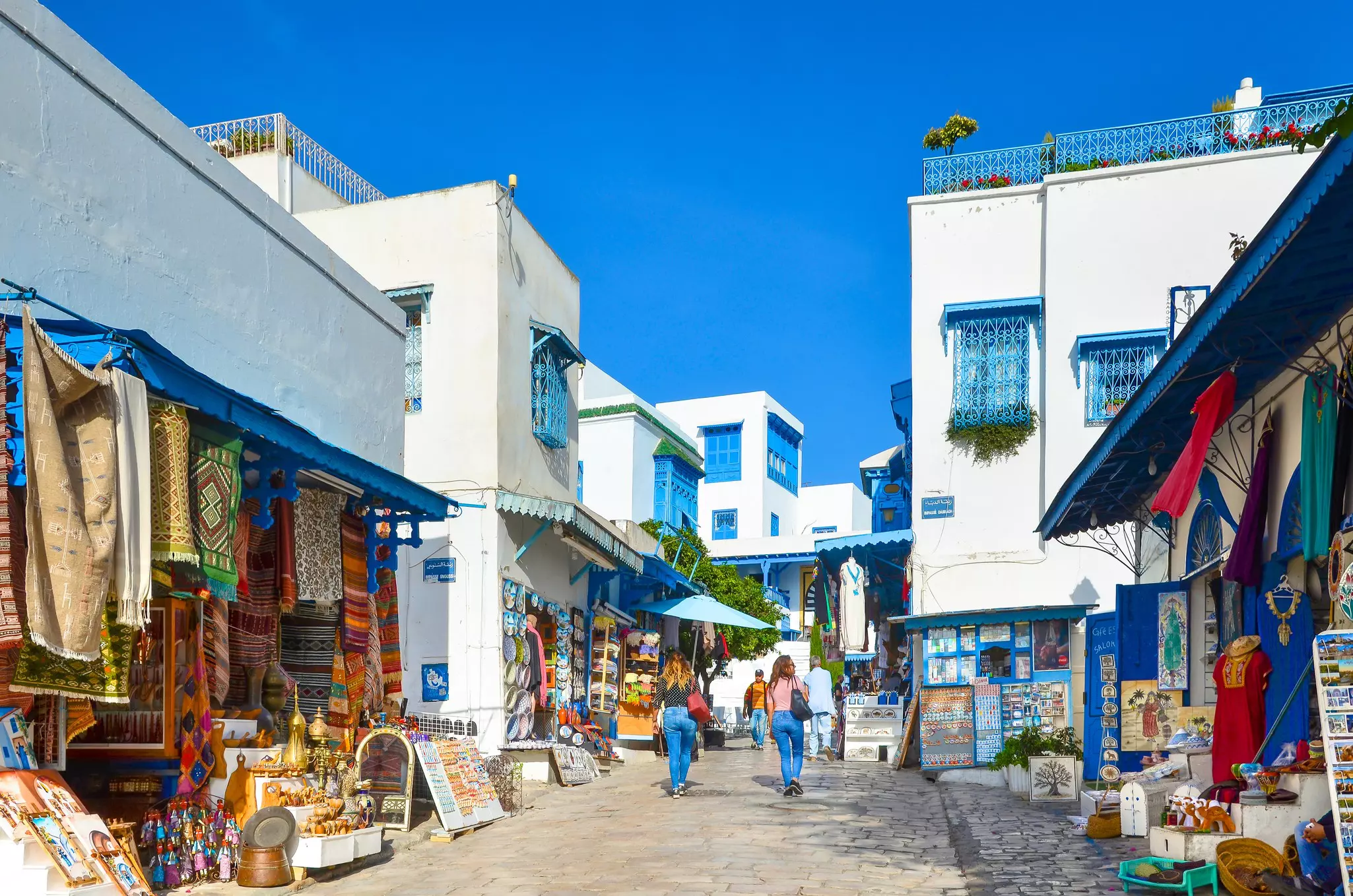
The winds of history still blow through Carthage’s ruined streets, dominated by an imposing circus and amphitheater. Be sure to visit the enormous Baths of Antoninus and take in the views of crumbling masonry backed by the blue waters of the Med from the top of Byrsa Hill.
Other rewarding activities in Tunis include wandering the atmospheric souqs surrounding the Zitouna Mosque (look for sections specializing in perfumes, fabric, felt caps and gold jewelry), and chilling in the city’s cozy cafes – Cafe Panorama and M’Rabet are recommended stops.
Planning tip: Set aside an evening to explore the blue-and-white seaside village of Sidi Bou Said, just north of the ruins of Carthage. Admire the Ennejma Ezzahra palace, built by a French baron, then dine with a sea view at La Villa Bleue.
Best for coastal scenery
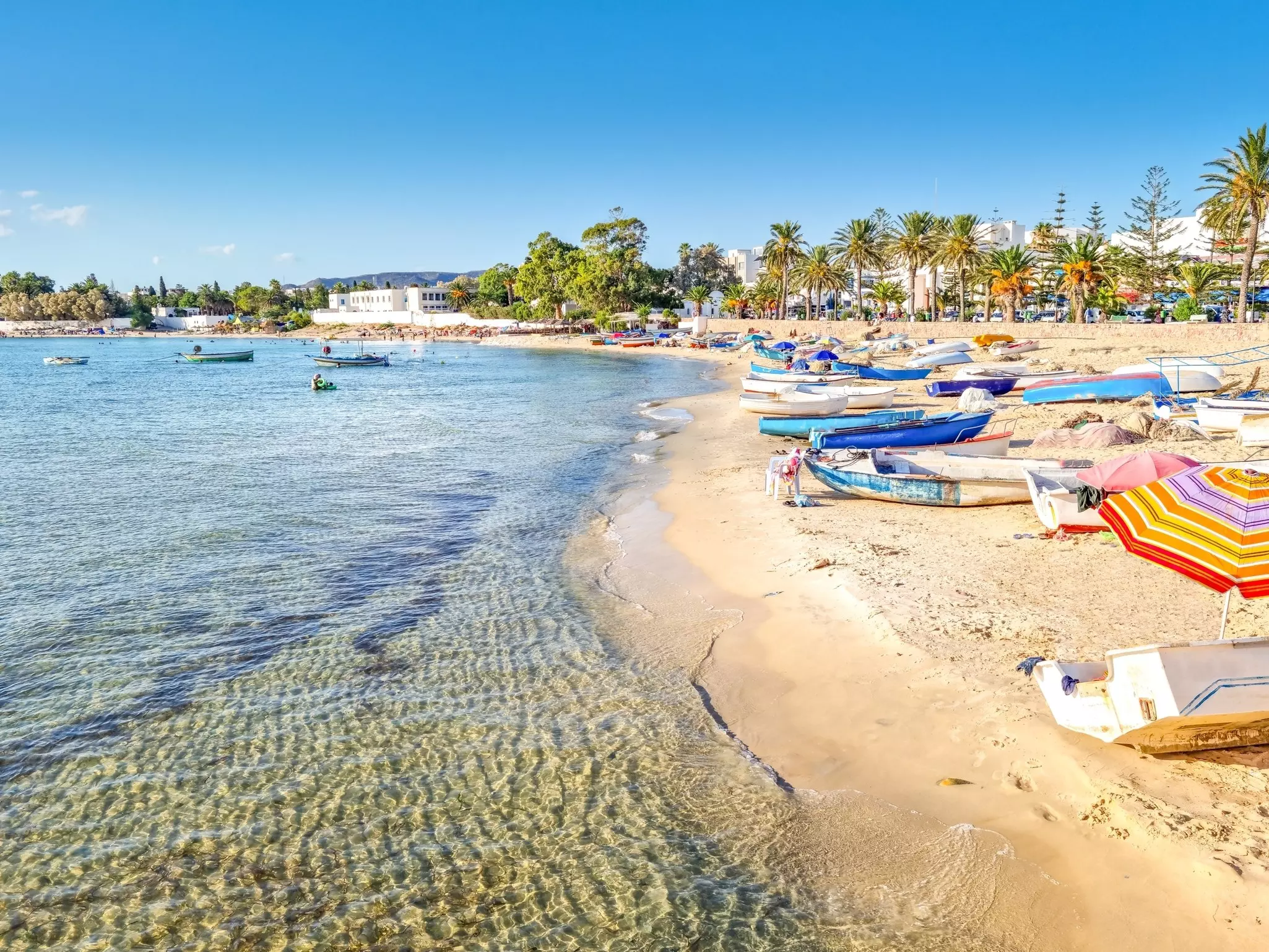
Beautiful beaches trace the east coast of the Cap Bon peninsula, southeast of Tunis, but this is just the starter course for a buffet of coastal experiences. The foodie metaphor is deliberate. The peninsula is hemmed by small fishing ports, and inland lie groves of olive and citrus trees, vineyards that produce 80% of the country’s wine, and fields of chilis used to make Tunisia’s famous harissa chili paste.
Most visitors gravitate to the sandy beaches on the coast around Hammamet, Tunisia's busiest beach hub, but there are sublime sweeps of sand extending all the way up the coastline. Cap Bon’s rocky northwest shoreline is just as scenic, especially near the jagged cliffs of Korbous, where hot springs spill into the sea.
Relics from Punic and Roman times are scattered across the peninsula, including the impressively intact remains of the Punic city of Kerkouane. Marking the site of the Roman city of Neapolis, Nabeul is an important center for glazed pottery and handicrafts, while the northernmost tip of Cap Bon is upliftingly rugged and remote.
Planning tip: Prices in the resorts of Hammamet peak from June to September; come in spring or fall for lower prices and more space to lay out your beach towel.
Best for authentic Tunisian atmosphere
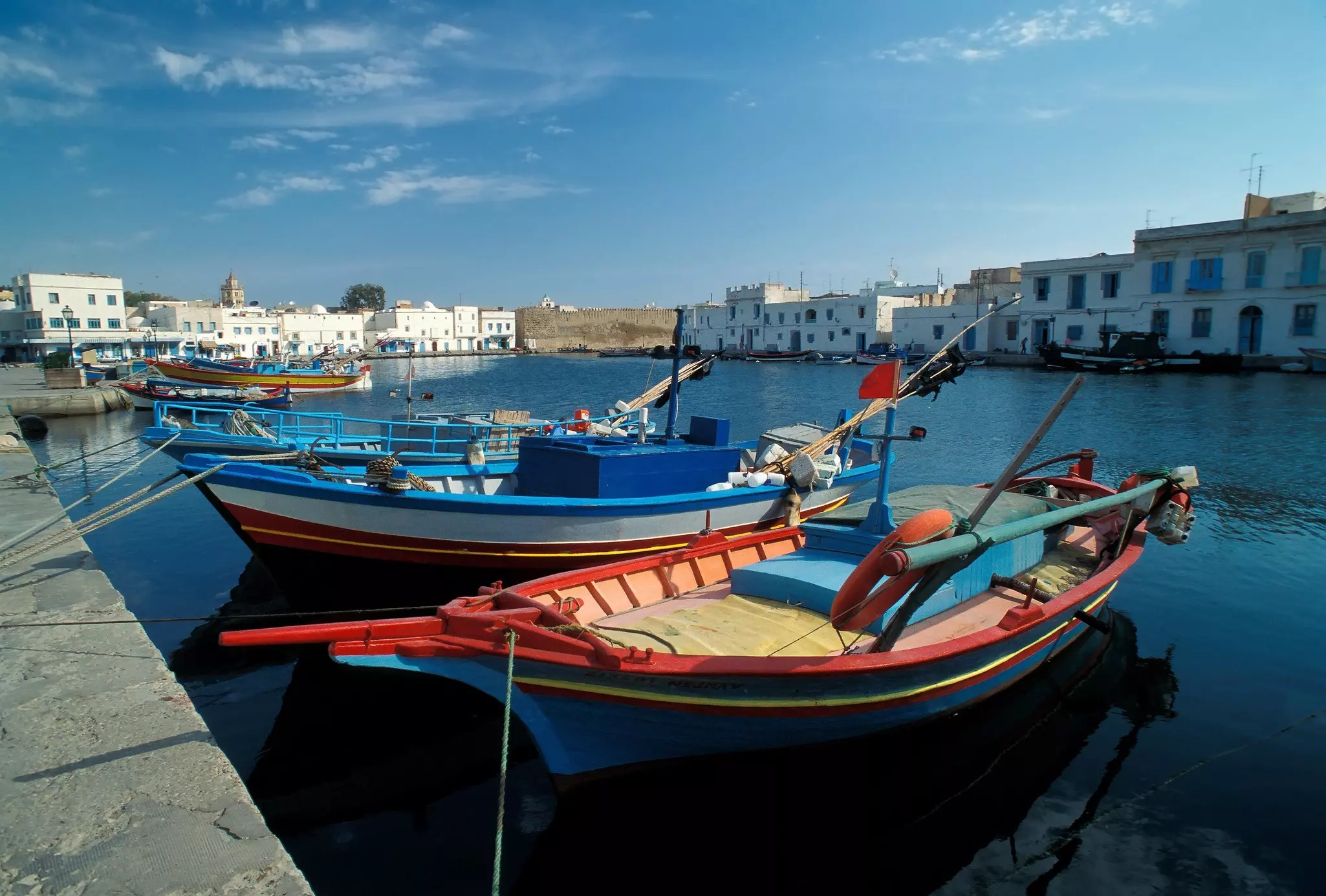
Africa’s northernmost city, Bizerte has a vibe that’s different from other coastal settlements in Tunisia. Despite the pressures of tourism and modern development, the city’s historic core retains much of its original character. Spend time around the medina and Vieux Port (Old Port) and you’ll leave feeling as though you’ve experienced a slice of the real Tunisia.
Explore the white-and-blue lanes of the medina, with its historic mosques, and the Spanish Fort – recalling the brief years when Spain held this strip of coast as part of the struggle between the Habsburg and Ottoman Empires. Go kayaking from the Vieux Port to view Bizerte from the water, and drop into the fascinating Museum of the Marine, with exhibits on seafaring history back to Roman times.
Many domestic visitors come for the beaches fanning out north and south of the historic center. But the coastline beyond is wild and remote, rewarding those who make the effort with unspoiled scenery. Visit the rocky coves around Cap Angela, Africa’s northernmost point, and you’ll feel like you’ve stepped to the edge of the map.
Detour: There’s more to see in the area around Bizerte. Go hiking on the forested headland of Cap Farina, explore the Phoenician and Roman ruins of Utica, or go birding in the marshlands of UNESCO-listed Ichkeul Lake – home to greylag geese, white storks, greater flamingos, Eurasian hoopoes, redstarts, great crested grebes and Bonelli’s eagles.
Best for ancient history
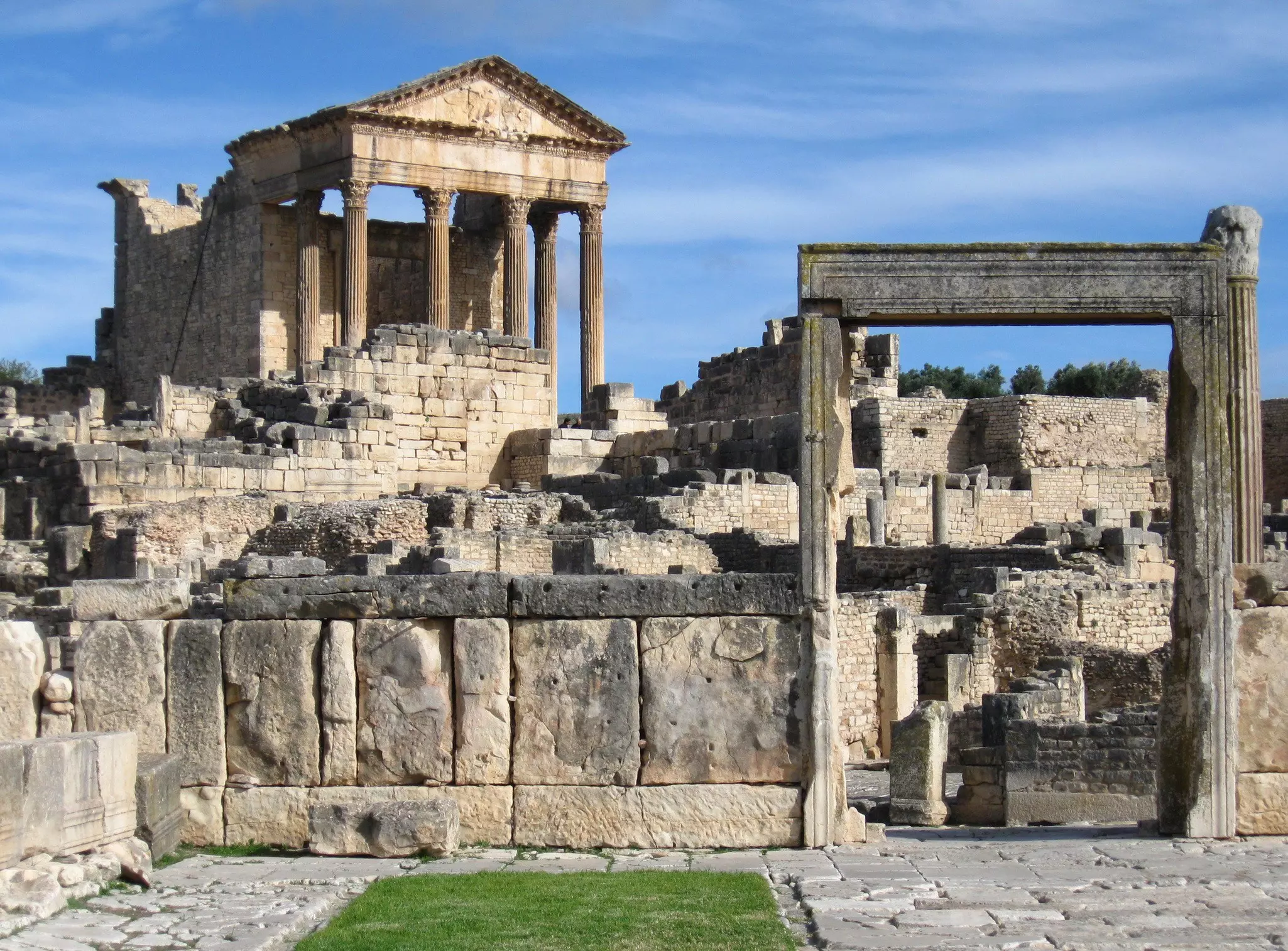
The highland city of El Kef is rich in history and dotted with appealing boutique hotels, but it’s the Roman ruins beyond the city limits that are the main attraction. An hour northeast of El Kef lies UNESCO-listed Dougga, one of the best-preserved Roman towns in North Africa.
The site’s 2nd-century theater has space for 3500 spectators, and a road leads on past the forum to the splendid Capitol, a magnificent temple dedicated to Jupiter, Juno and Minerva. Beyond, a paved path weaves through ruins and neighboring fields to the towering Libyco-Punic Mausoleum, restored in the early 20th century.
Planning tip: For memorable photos of Dougga, head to the doorway of the temple known as Dar Lachhab, which faces back toward the Capitol.
Best for a snapshot of Tunisia’s rich past
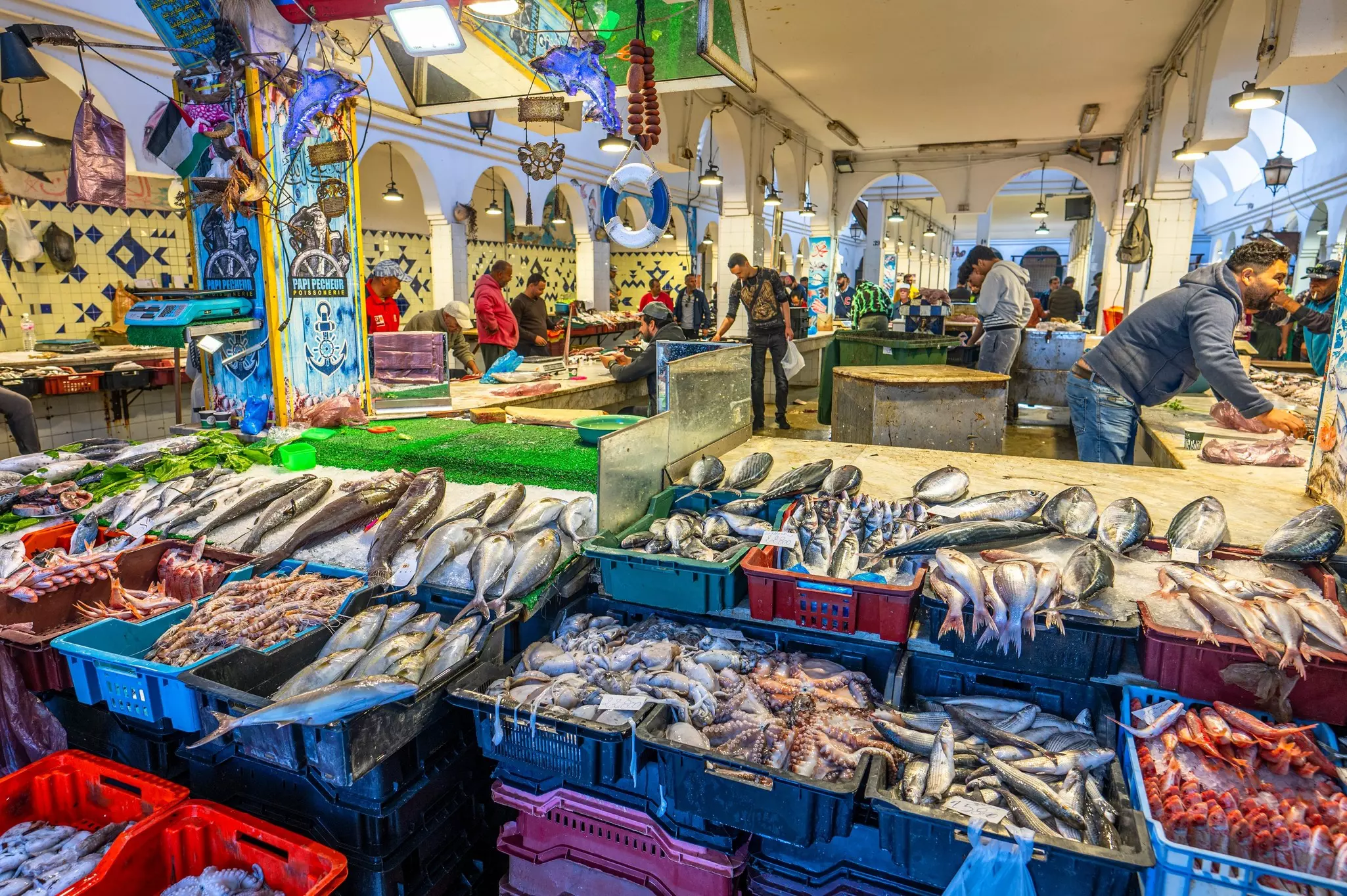
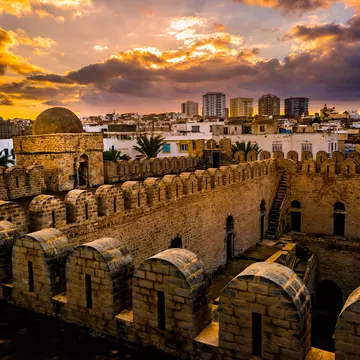
Tunisia’s third-largest city, Sousse is home to around 170,000 people and a healthy portion of Tunisia’s top tourist attractions. Chief among these are the city’s remarkably intact medieval medina, a long tranche of sandy beachfront, and an impressive archaeological museum displaying treasures from ancient Hadrumetum.
Start exploring in the Sousse medina, built in the 9th century by the Aghlabid dynasty. The Sousse Archaeological Museum is a treasure trove of Roman mosaics, displayed inside a section of the city’s ancient kasbah. Nearby, the Bab El Jedid market is piled high with produce and fresh fish, while the prayer cells for warriors in the Ribat fort and the imposing Great Mosque hint at the city’s long religious heritage.
Planning tip: Set aside time to detour inland to Kairouan, one of the holiest pilgrimage destinations in the Islamic world. The Great Mosque of Kairouan was founded in 670 CE, making this one of the oldest mosques in Africa. The site lies about an hour from Sousse via bus or louage (shared taxi).
Best for ancient mosaics
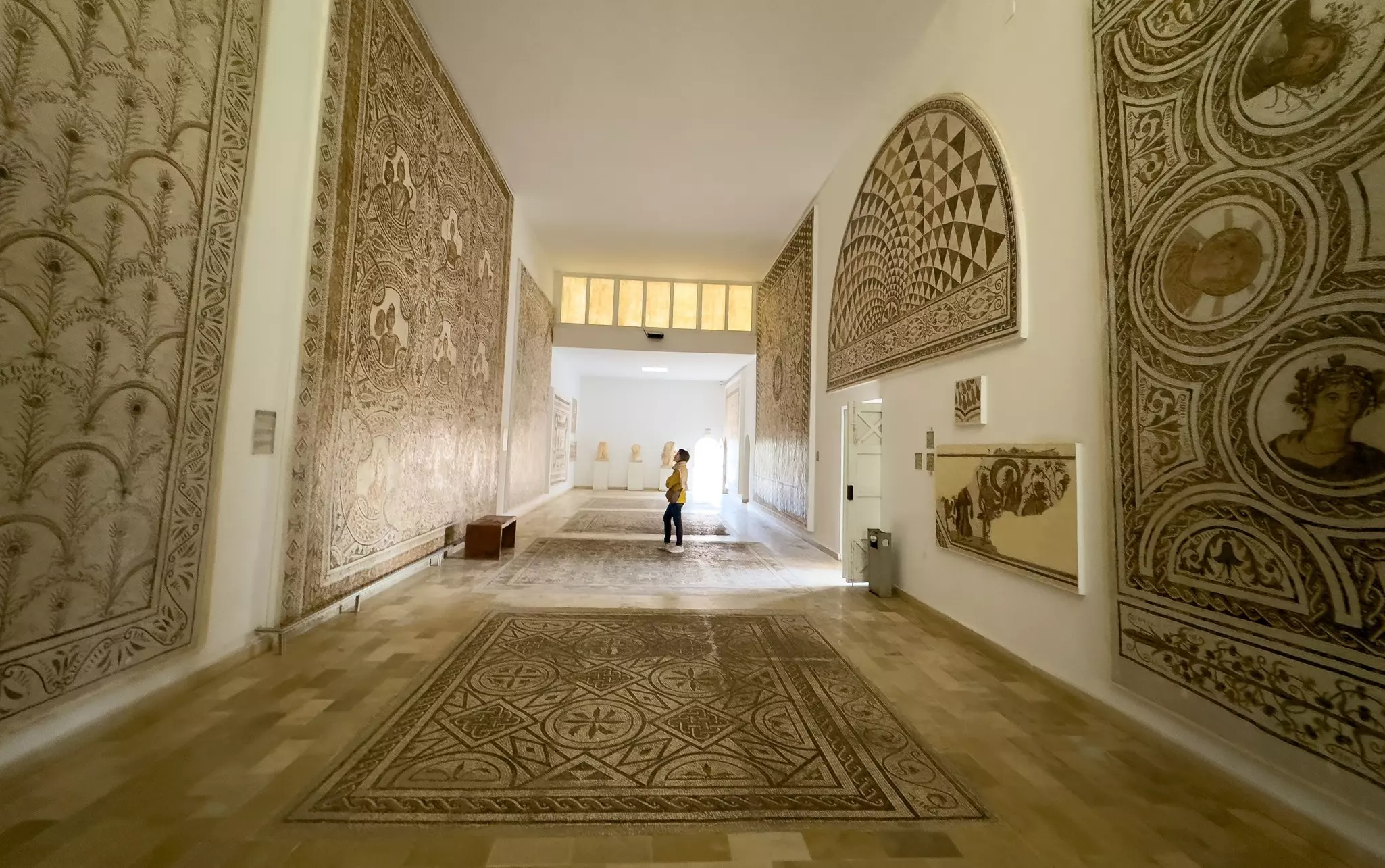
Built on a low plateau between Sousse and Sfax, the town of El Jem was known as Thysdrus in Roman times, when it was a thriving market town on one of the Mediterranean’s most lucrative trade routes. By the 3rd century CE, this was one of North Africa’s most important settlements, only superseded by Carthage and Hadrumetum.
A single ticket covers entry to the ruins and the excellent El Jem Archaeological Museum, built on the site of an excavated Roman villa. It showcases an exceptional collection of Roman-era mosaics in remarkable condition, including a fine depiction of Dionysus, the Greek god of wine, riding a lion.
The undisputed highlight of the site is its UNESCO-listed Amphitheater of Thysdrus, the fourth-largest theater in the Roman world. Built in the 3rd century CE, it once had room for some 30,000 spectators – considerably more than the population of the Roman city – and hosted gladiatorial games. It also served as a fortress in the 7th century.
Planning tip: Combine a visit to El Jem with a stop on the coast at Mahdia. Set on a narrow peninsula jutting out into the Mediterranean, the town offers sandy beaches, a historic medina and glimpses of Phoenician, Arab, Ottoman and Spanish history around lighthouse-topped Cap Afrique.
Best for beach lovers
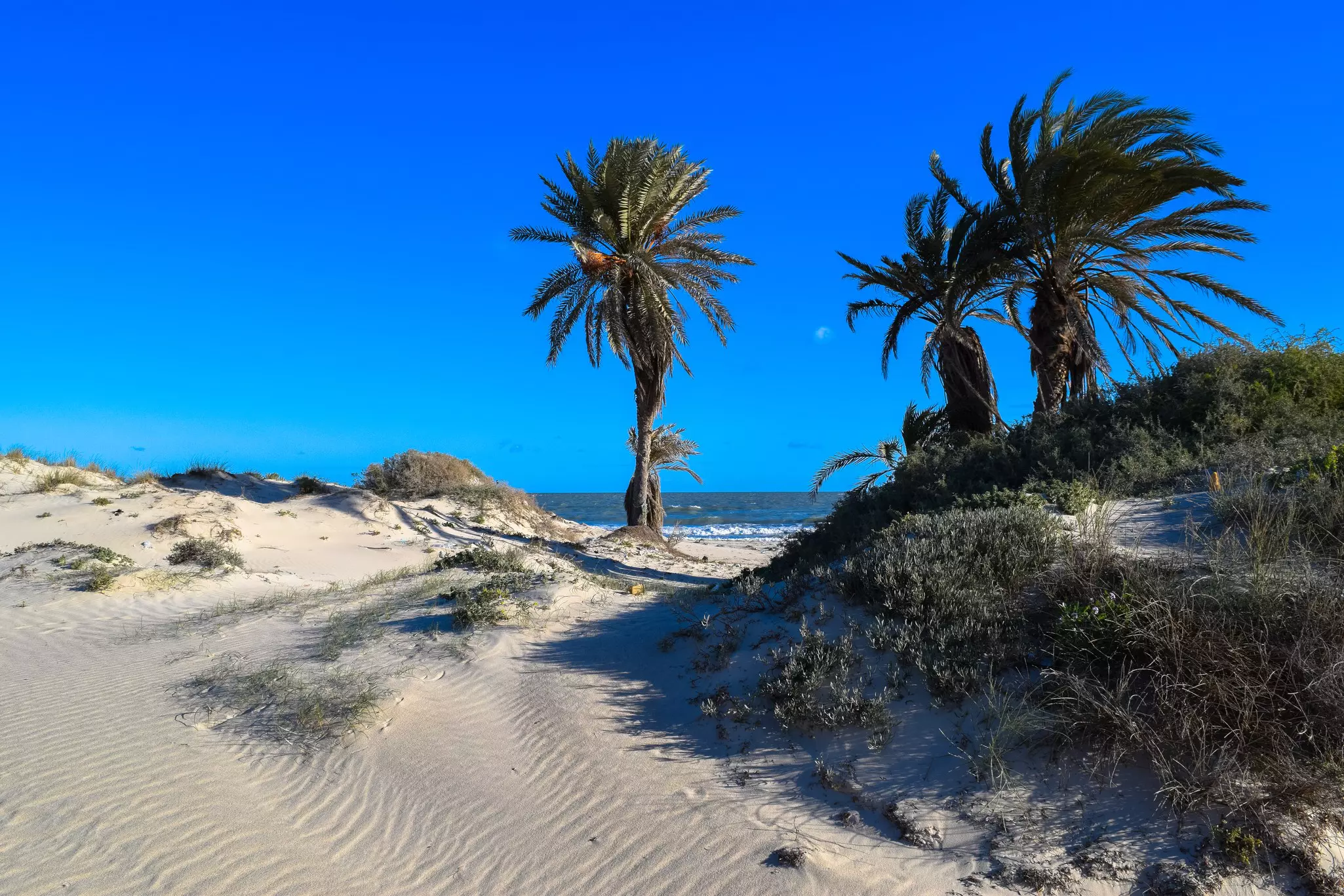
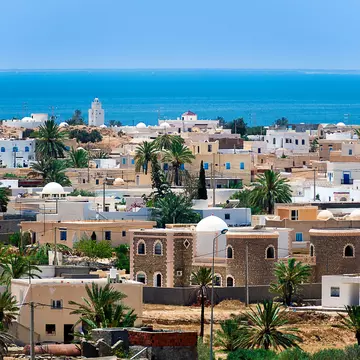
In the south of Tunisia, the picture-postcard island of Djerba conjures up visions of sandy beaches dotted with palms, and it has long been a popular beach holiday hub. But get away from the beach resorts, and you’ll find another Djerba, noteworthy for its distinctive architecture, exquisite handicrafts and unique cuisine.
Settled at various times by Amazigh fishers, Jewish people fleeing persecution, Maltese Christians and Greek sponge divers, the island is dotted with Ibadi mosques, historic synagogues, and Catholic and Orthodox churches. Away from the coast, groves of centuries-old olive trees, orchards of fig and citrus trees, and towering palms punctuate the landscape.
For a deep immersion into island culture, stay in a funduq (traditional inn) or a rural hũch (fort-like family home) as an alternative to hiding away in an international-style beach resort. Start exploring in the main city, Houmt Souk, wandering streets lined with handsome old buildings and dropping into the Djerba Traditional Heritage Museum to learn more about island traditions.
Planning tip: Many visitors fly directly to Djerba, but you can also get here from the mainland via a Roman-built causeway or the car ferry between El Jorf and the Djerban port of Ajim – handy if you plan to rent a car to explore the south of Tunisia.
Best for desert explorers
Inland from Gabès and spilling across an empty sweep of desert, the Chott El Jerid salt lake is ringed by barren salt flats – but its waters nonetheless feed oasis towns and the country’s largest date palm plantations. You might already know the region from its big-screen cameos in Star Wars and The English Patient.
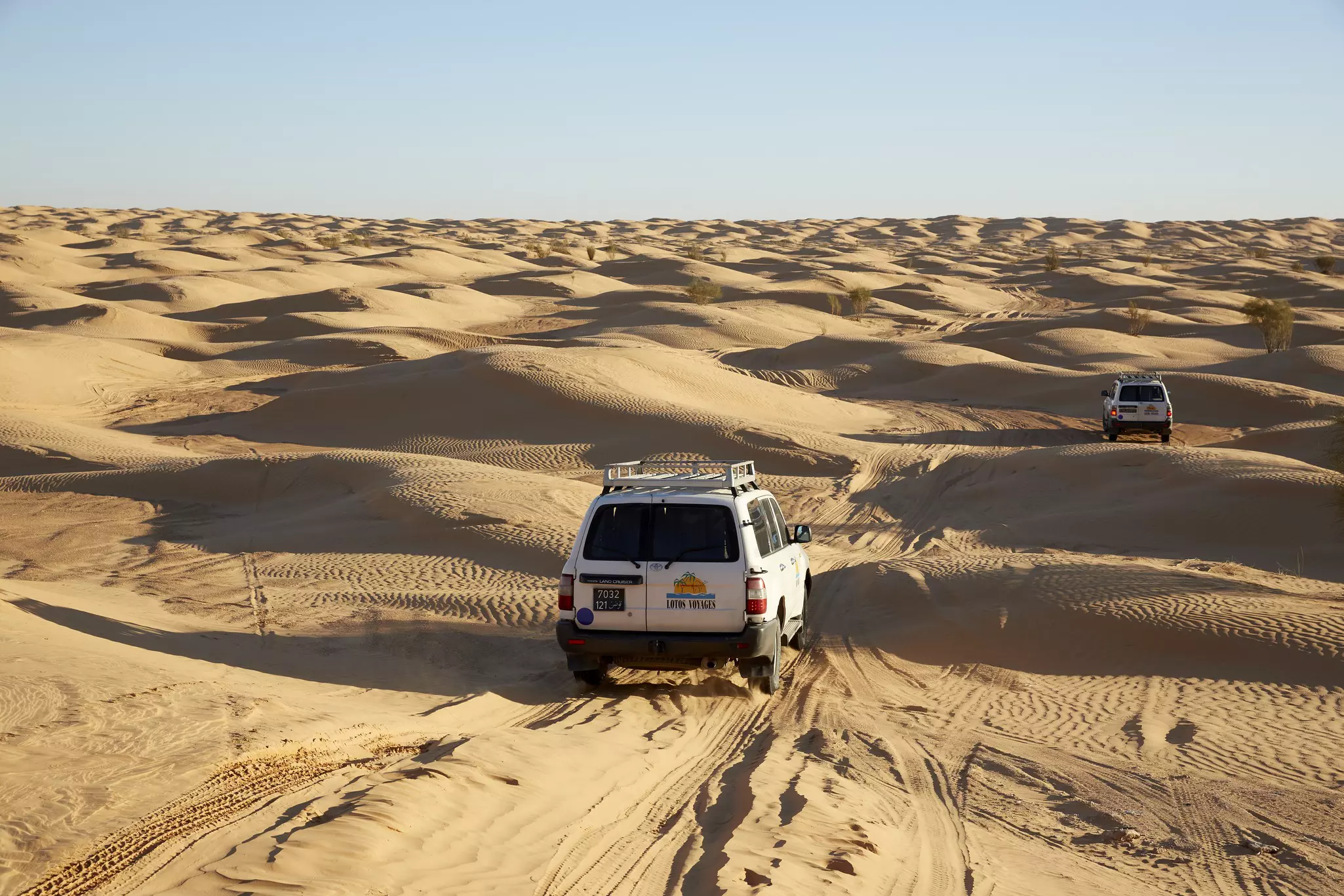
Visitors are drawn here by the chance to roam deep into the desert on camel or 4WD safaris from the oasis towns of Tozeur (accessible from Tunis or the central coast by air, rental car, bus or train and taxi) and Douz (best reached by rental car from Djerba).
Tozeur is defined by the velvety-green date and citrus plantations above which it sits, and by its old quarter, Ouled El Hadef, famed for its elaborate brickwork. Tours roam around the plantations and head out into the Sahara by 4WD and quad bike, while museums in town explore the region’s rich history.
Most visitors to Douz have their hearts set on exploring the rolling dunes of Jebil National Park, setting out by camel for overnight safaris or heading deeper into the desert by 4WD to view the dramatic dune landscapes of the Grand Erg Oriental. Either way, sleeping in a desert camp under a light-pollution-free canopy of stars is sure to be a memory that lingers.
Planning tip: On any desert tour, confirm how far you are traveling into the desert – some trips only visit the fringes of Jebil National Park, rather than traveling on to the Grand Erg Oriental.
Best for movie fans
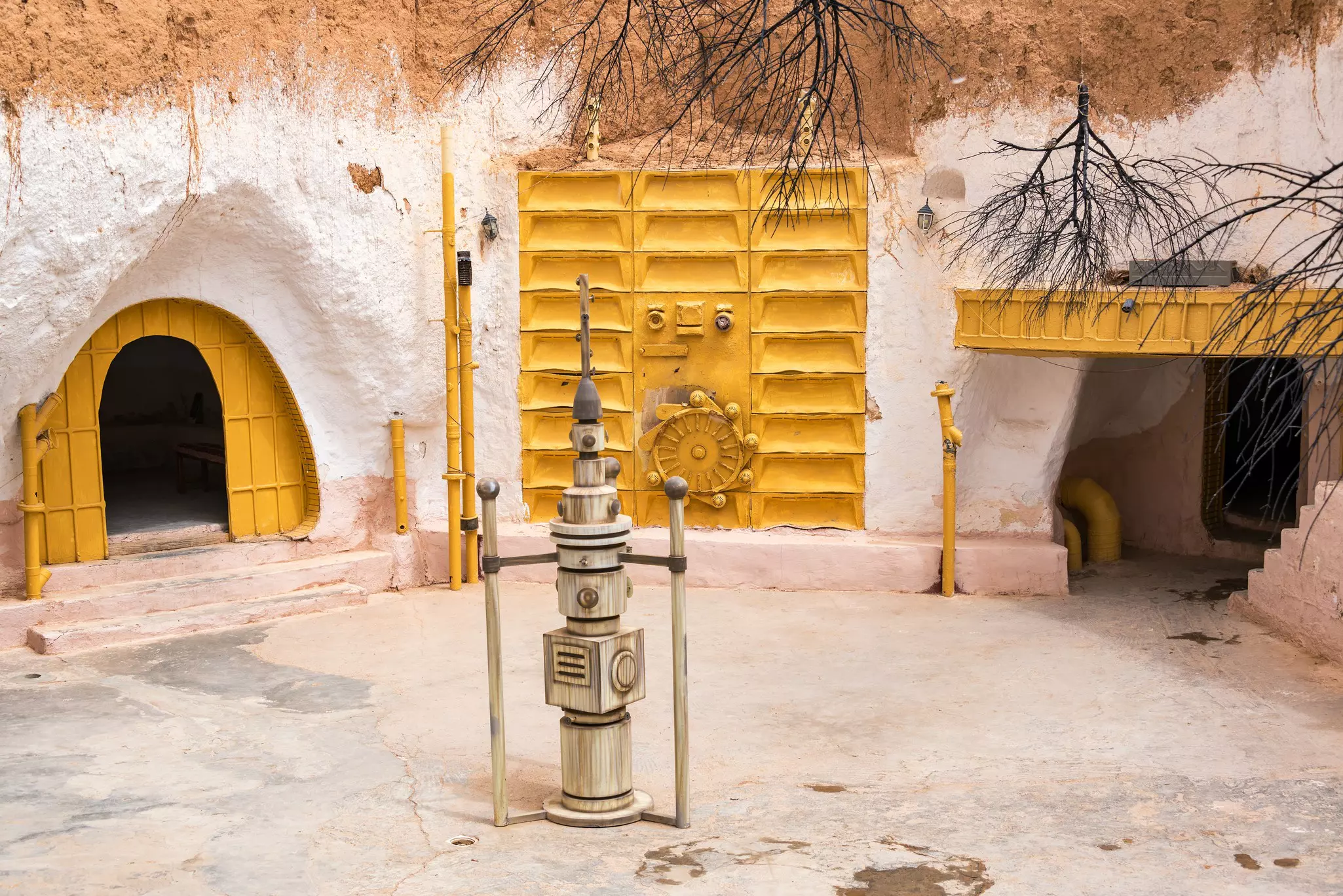
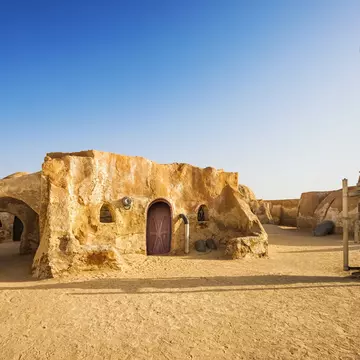
The landscapes of southern Tunisia are undeniably cinematic, and the makers of the Star Wars films made full use of them, along with the traditional homes of the area’s Amazigh villagers. Mos Espa near Tozeur stood in for the planet Tatooine in The Phantom Menace and Attack of the Clones, but it was the troglodyte homes of Matmata that moviegoers remember most fondly.
The subterranean Hotel Sidi Driss in Matmata played a key role in Star Wars: Episode IV – A New Hope as the childhood home of Luke Skywalker, with its cave-set rooms radiating out from a central pit. Matmata is close enough to Djerba for a day trip, but it’s more rewarding to stay overnight.
More cave dwellings can be found 130km southeast in Tataouine, a popular base for trips to Amazigh villages on the edge of the Sahara (though Star Wars director George Lucas borrowed the name, he never filmed here). Buses and louages run from Djerba to Tataouine but a rental car will give you more freedom to explore.
Only a hint of the exquisite hilltop village of Chenini can be seen as you approach via a dry wadi – but at the last minute, a magnificent amphitheater of troglodyte dwellings comes into view. Topped by a hilltop fort, this is one of the most atmospheric settlements in Tunisia, and you can shop for locally made kilims and admire centuries-old courtyard-fronted cave houses.
This article was adapted from Lonely Planet’s Tunisia guidebook.
Explore related stories