Dec 23, 20258 min read
The Best Time to Visit TunisiaDec 23, 2025
8 MIN READ

Writer
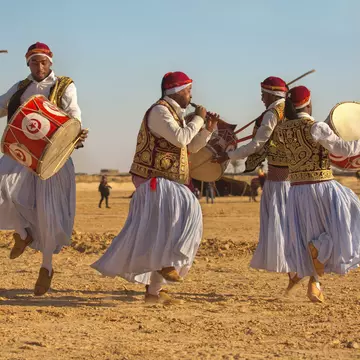
Musicians perform at the Festival of the Sahara in Douz, Tunisia. Podolnaya Elena/Shutterstock

Writer
Highlights
Editors break down Tunisia's four seasons for beaches, the Sahara and Roman ruins.
Summer suits the coast; festivals at Hammamet, Sousse and Carthage run through August.
Spring favors cities and Tunisia's lush north; fall opens Tozeur and Douz.
Winter (December–February) is best for the Sahara and Roman ruins at their emptiest.
Lonely Planet may earn a commission from affiliate links on our site. All recommendations and reviews reflect our own independent opinions.
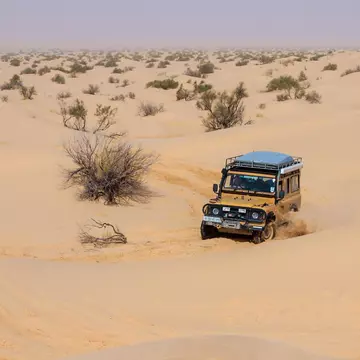
Hemmed in by huge neighbors, Tunisia is North Africa in miniature. Inside its compact borders, you’ll find everything you could ask for from the southern Mediterranean – rich history, vibrant souqs (markets), maze-like medinas (walled old towns), gorgeous beaches, delectable cuisine and even a taste of the open Sahara Desert on camel and 4WD safaris around the Chott el Jerid salt flats and Jebil National Park.
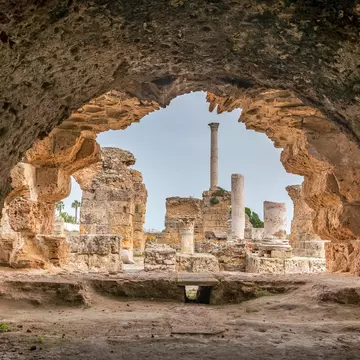
Home to the third-largest city in the Roman world – mighty Carthage, on the fringes of modern-day Tunis – Tunisia has ancient ruins to rival anything in Italy, Türkiye or Greece, and its beaches compete with the best resorts on the Med’s northern shores. Combined with desert scenery that inspired the world’s most successful movie franchise, it’s one enticing package indeed.
But don’t underestimate the Tunisian climate. Since the summer beach season is baking hot, you won’t want to venture too far from the coast. For exploring inland, the milder spring and fall seasons offer warm but not overpowering temperatures and lower prices for flights and accommodation. Then there’s the mild winter, ideal for wandering through desert villages and enjoying the scenery.
With the country’s manageable size and easy transport options, you can start with timeless medinas and ancient ruins in the north and finish with the dunescapes of the Sahara Desert and the beaches of Djerba in the south, even on a short trip. Whatever you plan to see and do in Tunisia, here are the best times to visit.
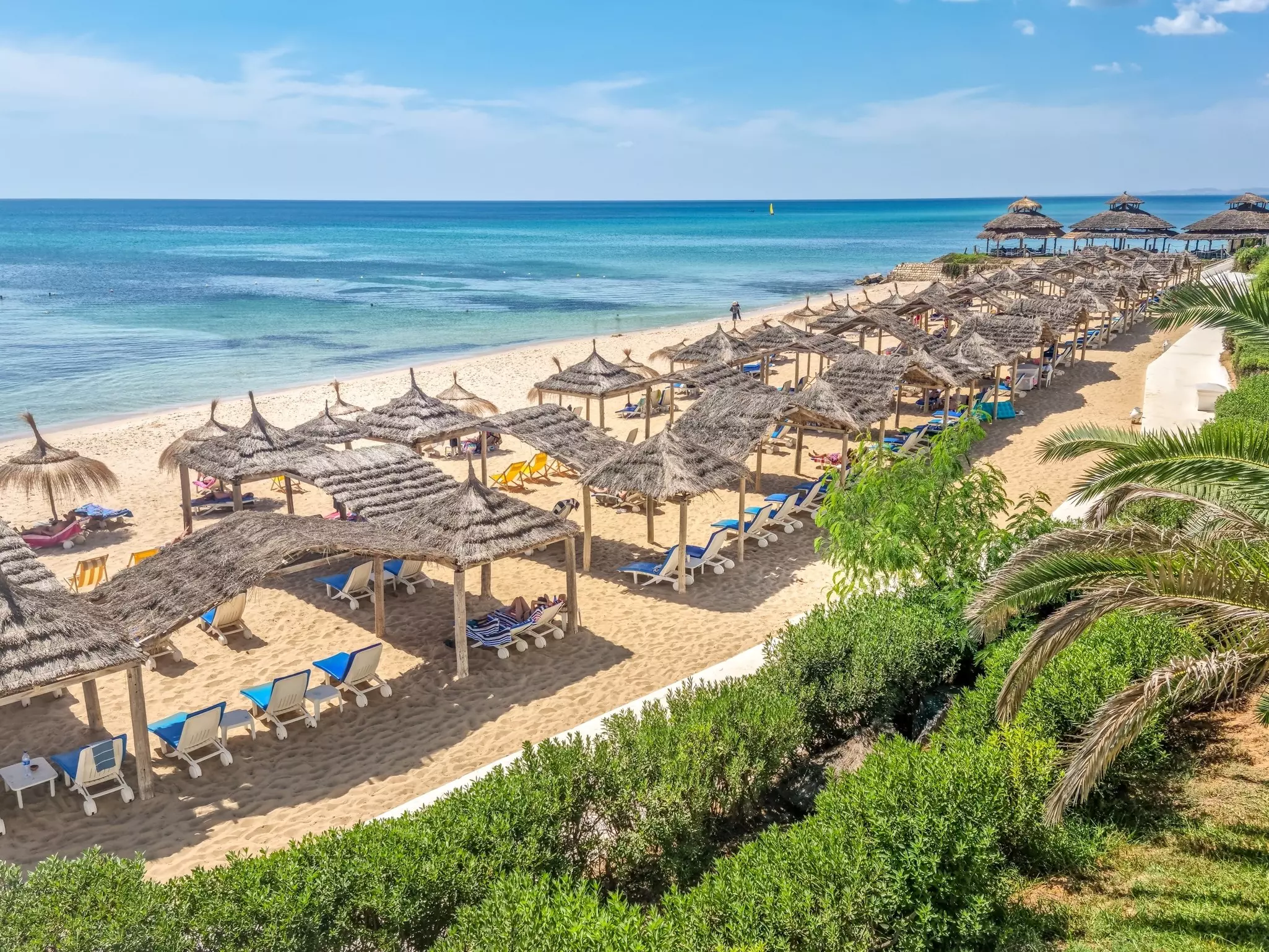
Weather in Tunisia in summer: The Tunisian summer is hot and sunny. Temperatures can climb above 30°C (86°F), and soar even higher during heatwaves, which can bring a risk of wildfires and severe temperature spikes. Stay hydrated, keep cool and help conserve water by taking shorter showers, turning off taps while brushing your teeth, washing clothes less often and reusing hotel towels.
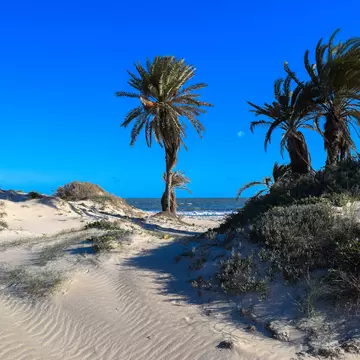
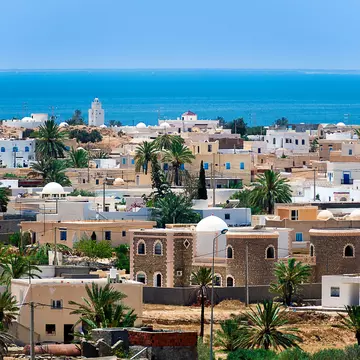
From June to August, the coast is the place to be, whether that means basking under a beach umbrella in a luxury resort or joining locals on the calmer beaches around coastal towns such as Bizerte and Mahdia. Prices peak in fly-and-flop destinations such as Djerba and Hammamet, but visiting on an all-inclusive package can reduce costs.
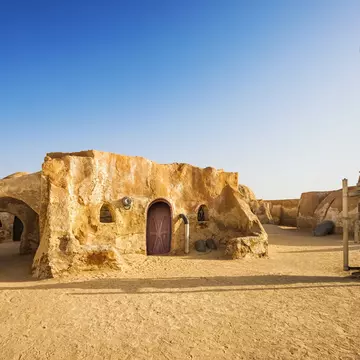
This is not the best time to explore the Sahara Desert, for temperatures in Jebil National Park can hit 35ºC (95ºF) or higher and outdoor activity operators run fewer trips. This is also an uncomfortably hot time to visit Tozeur and Douz, and the Star Wars movie sets at Mos Espa and Matmata (even though the cave dwellings of southern Tunisia were created specifically to keep people cool during the summer months).
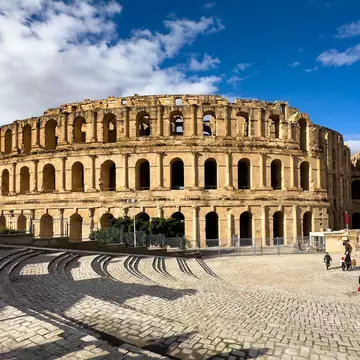
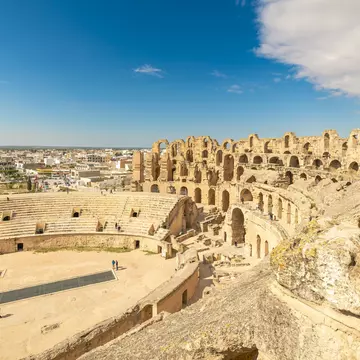
There’s action on the festival calendar, even in summer. From July to August, Tunisia’s biggest cultural event, the International Festival of Hammamet, features all manner of music, theater, dance and art events in an amphitheater facing the sea. At El Jem, the ruins of Thysdus burst into life as the El-Jem International Symphonic Music Festival fills the city’s enormous Roman amphitheater with classical music.
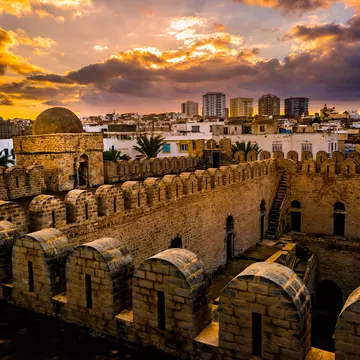
On the central coast, the International Festival of Sousse brings a party mood to Sousse in July and August, with shows by famous local singers and bands as well as the occasional international guest star. In August, the International Festival of Carthage brings diverse musical genres together in the ruins of ancient Carthage near Tunis. Look out for concerts as part of Jazz à Carthage in the same month.
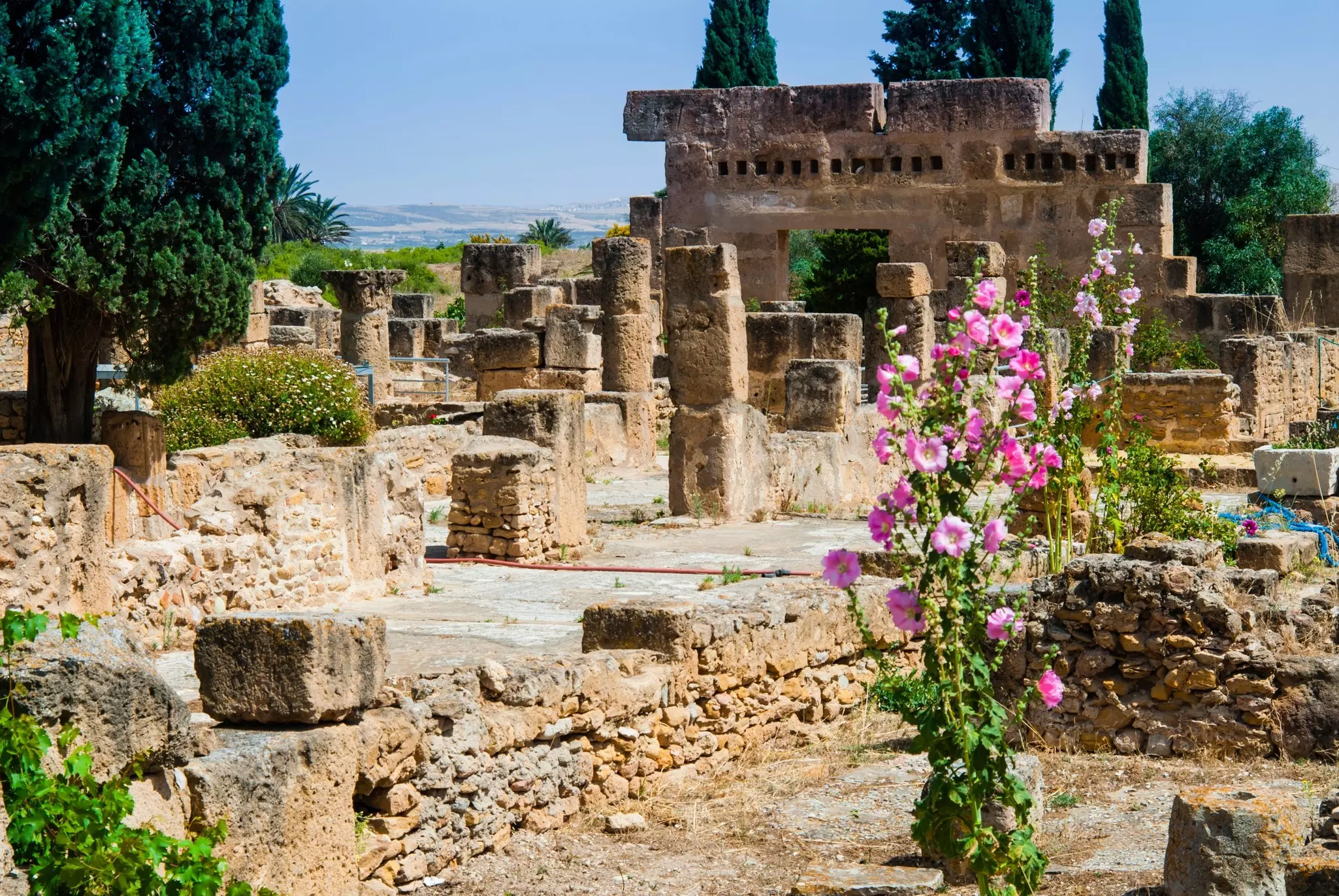
Weather in Tunisia in spring: In summer, the Tunisian landscape is crisped to a golden yellow by the Mediterranean sun, but the spring brings occasional rain showers and a fresh, green hue to the countryside.
Temperatures are warm rather than hot, so the Tunisian spring is a great time for hiking and getting outdoors. The forests of the north are lush and green, apricot and citrus trees blossom, and wildflowers bloom between the stones at the country’s many Roman ruins.
This is also a great time to enjoy Tunisia’s bigger cities, with agreeable temperatures for sightseeing and a pleasing freshness in the air. Evenings can be cool, however, so bring some warmer layers. Point your compass toward Tunis or Sousse for a taste of Tunisian city life.
In April, Nabeul holds its annual Orange Blossom (Zhar) Festival, marking the season when the orange flowers that bloom on the Cap Bon peninsula are distilled to create fragrant orange blossom water and essential oils.
Djerba marks its long Jewish heritage in May or early June with the La Ghriba Festival, starting 33 days after the beginning of Passover. Jewish pilgrims from around the world gather at Djerba’s historic synagogue for 2 days of religious festivities.
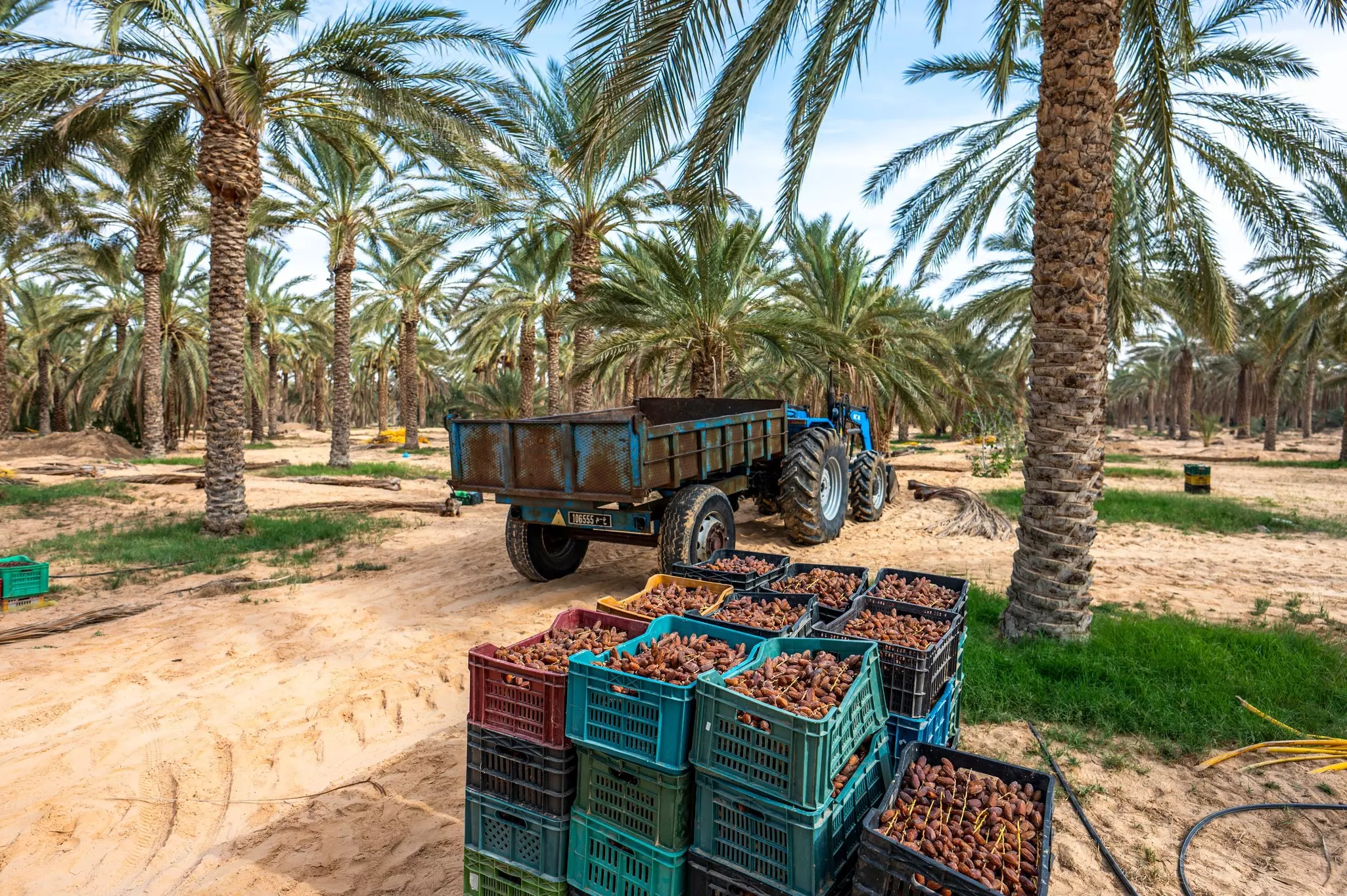
Weather in Tunisia in fall: Temperatures start to cool from September, but daytime highs can still reach 25°C (77°F) – ideal for exploring outdoors. The weather stays mostly sunny, though there can be some rainy days in October and November.
If you want to enjoy balmy temperatures without the crowds, arrive after the summer rush dies down on the coast. Set your sights on desert destinations such as Tozeur and Douz, or the Amazigh villages around Tataouine, inland from Djerba. The historic village of Chenini is particularly enjoyable to explore at this time of year.
Fall also sees the annual date harvest in the palm plantations of Douz and Tozeur. During this period, you can sample dates fresh from the trees – they have a noticeably different texture and flavor to the dried version. This isn’t a bad time to enjoy the coast, either: prices fall at resorts and the sea remains warm enough for swimming into early October.
In October, all eyes are on Nabeul for the annual Harissa Festival, where locals celebrate the region’s famous chili paste with 3 days of tastings, cooking workshops and competitions. In late October or early November, the Rouhaniyet Sufi Music Festival brings hauntingly beautiful Sufi music to the desert town of Nefta near Tozeur.
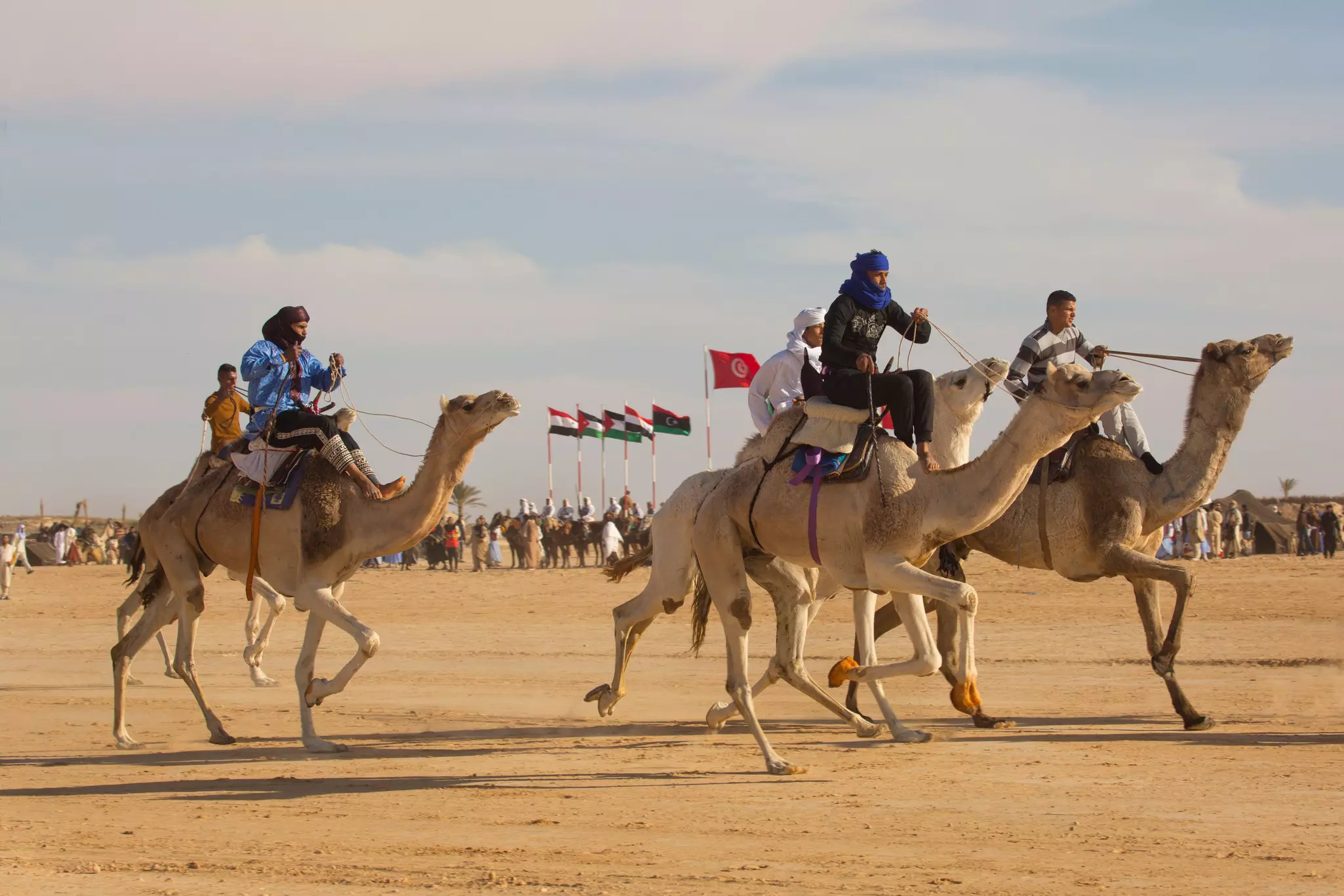
Weather in Tunisia in fall: The mild winter sees daytime temperatures dip, making this a good time to explore hot desert regions in the south of the country such as Jebil National Park and Chott el Jerid. However, nighttime temperatures can feel quite cold, so you’ll need a warm coat and more bedding for overnight stops in desert camps such as Camp Mars near Douz.
The quiet winter is also a good time to explore Tunisia’s many Roman ruins. While there’s a chance of rain, you can enjoy sites such as Carthage, Dougga and El Jem at their emptiest and most photogenic. At less-visited sites such as Bulla Regia, Sufetula, Uthina and Thuburbo Majus, you may have the ruins all to yourself.
In December, the International Festival of the Sahara draws crowds to Douz, with camel pageants, Saluki dog races, horse-riding displays and performances of poetry and music. Check the timing locally as dates vary. December is also the month for the Tozeur International Oasis Festival, a lively celebration of desert culture, featuring storytelling, traditional music and camel and horse races.
The dates of Ramadan, the Islamic month of fasting, follow the Muslim lunar calendar, advancing forward every year relative to the Gregorian calendar. Ramadan is set to run from February 17 to March 18 in 2026, and from February 7 to March 8 in 2027, though the exact dates will depend on sightings of the moon.
Ramadan marks the month in which the Quran was revealed to Muhammad, and Tunisian Muslims refrain from eating, drinking and smoking between dawn and dusk. (Children, menstruating and pregnant women, travelers and non-Muslims are not obliged to fast.) People adjust their schedules to fit around Ramadan mealtimes, which can impact travel significantly.
Even in the most touristy areas, shops, restaurants, businesses and visitor sites reduce their hours or close, though restaurants catering to tourists and fast food options often stay open. Eating in public during Ramadan is frowned upon, so avoid casual snacking during daylight hours.
If you intend to travel to Tunisia during Ramadan, it pays to adopt a local schedule. Start the day with a filling breakfast, keep your schedule light during daylight hours, then go out in the evening, when restaurants and coffee shops stay open till late. If you do head out in the daytime, consider carrying a packed lunch (hotels can help) to eat indoors.
The nightly breaking of the fast for the iftar evening meal can provide a good opportunity to sample local cuisine. The typical Tunisian iftar is light and healthy, and includes dates and chorba, a nourishing soup of crushed wheat and beef or chicken, served with kesra (bread).
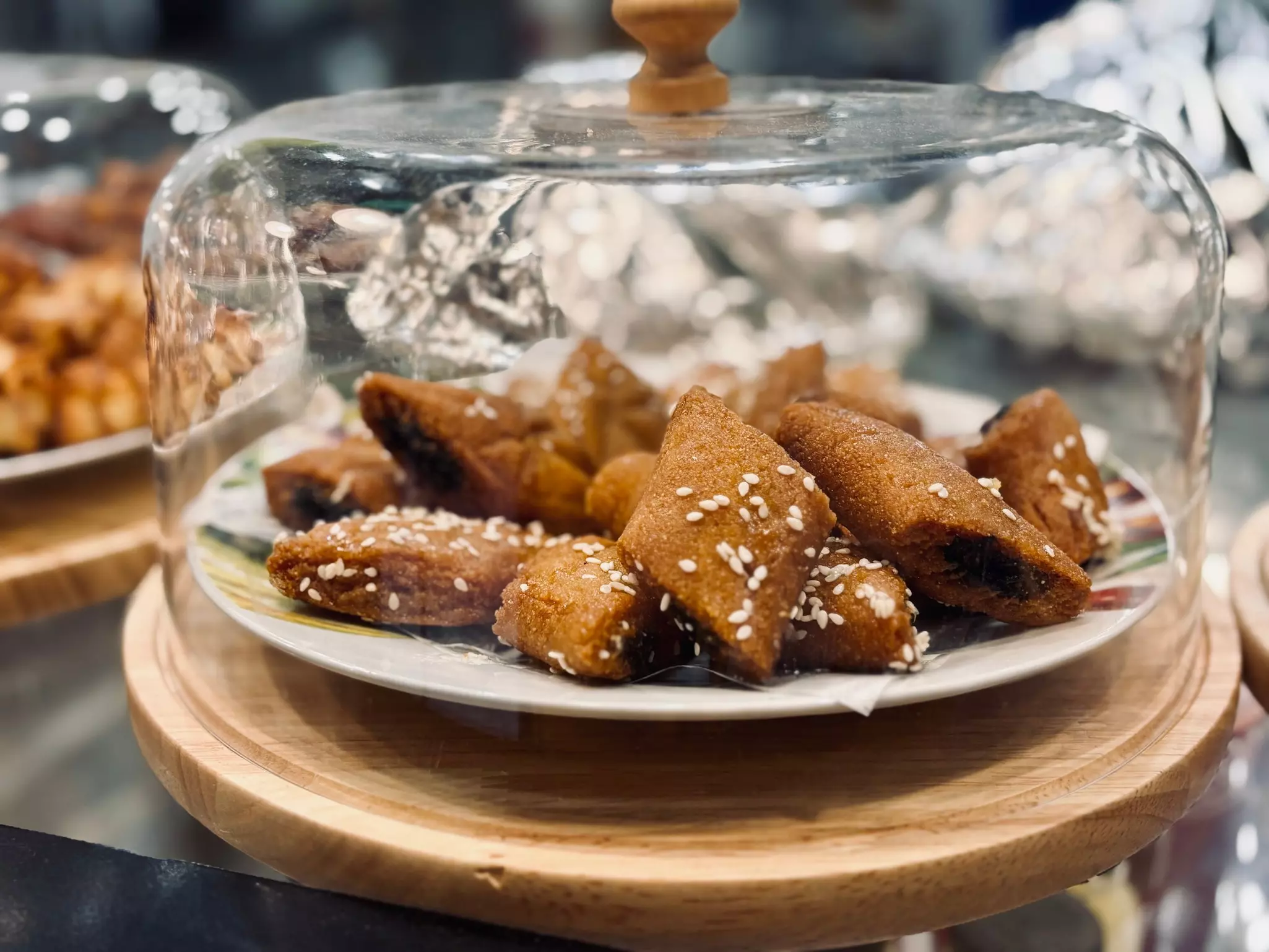
The end of Ramadan is marked by Eid El Fitr, a 3-day celebration where people dress in their best clothes and go out to catch up on all the delectable meals they missed out on during the fast. Look out for special Eid treats such as makroudh (pastries filled with almond or date paste, soaked in syrup).
This article was adapted from Lonely Planet’s Tunisia guidebook, published in December 2025.
Explore related stories