Jul 17, 202615 min read
The Ultimate Road Trip Through TuscanyJun 29, 2026
8 MIN READ

Writer
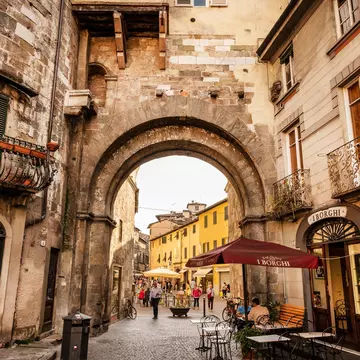
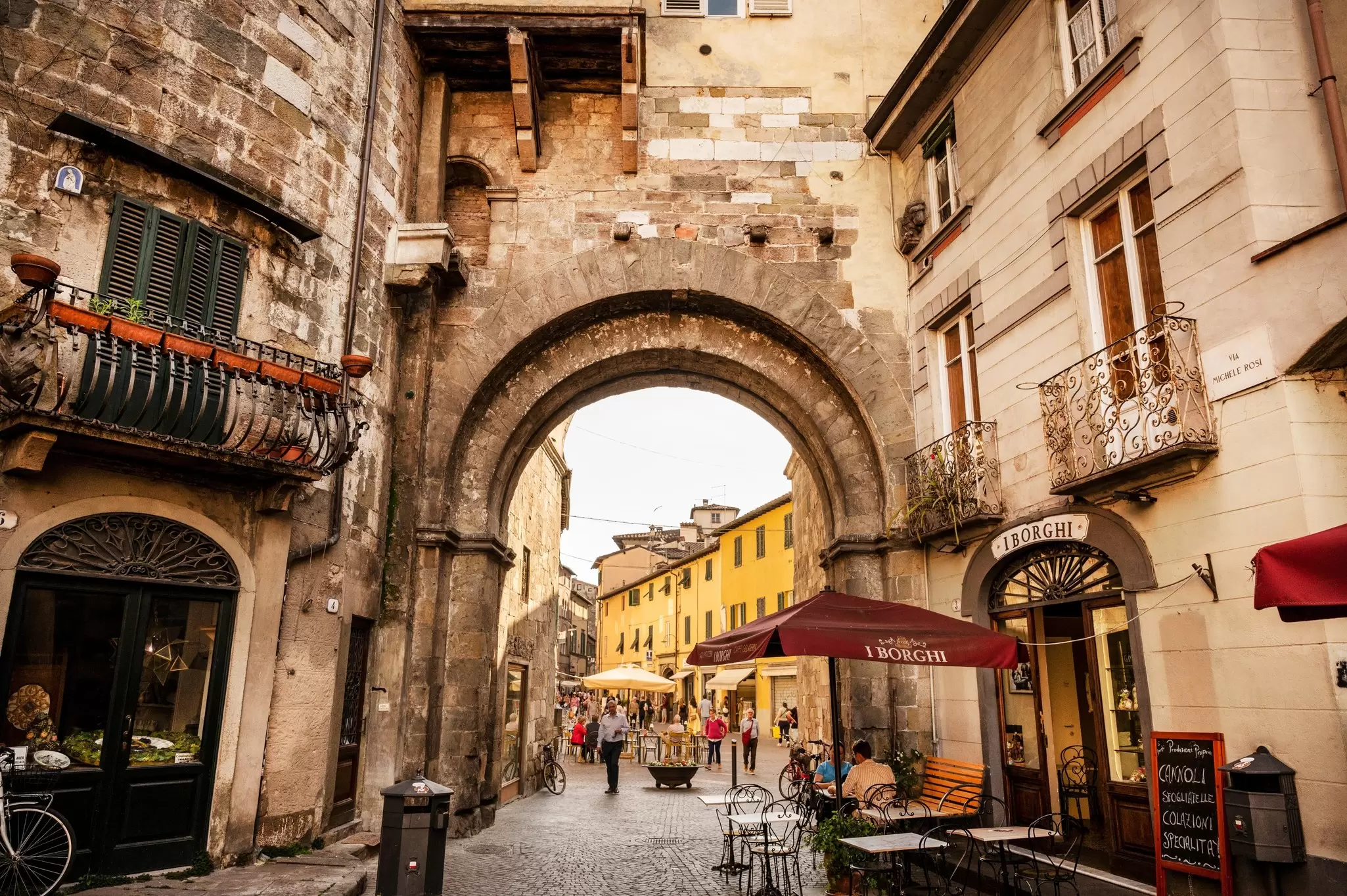
The historic center of Lucca, Tuscany. Giannis Papanikos/Shutterstock
Writer
Lonely Planet may earn a commission from affiliate links on our site. All recommendations and reviews reflect our own independent opinions.
Think of Tuscany, and you’ll likely picture grassy hills, endless sunflower fields and neatly planted vineyards. The landscapes under the Tuscan sun are gorgeous, it’s true, and the region is one of the best places around to savor nature and slow down, perhaps with a glass of red wine in hand.
Yet there's more to Tuscany than its beautiful countryside. You can linger enchanting medieval hamlets (borghi), then discover unique flavors and get to know ancient local customs. Throughout the region, you’ll find cities – many of which escape international fame – bursting at the seams with art and culture.
Here are some ideas for getting a bit beyond the mainstream destinations – our list of the best things to do in Tuscany.
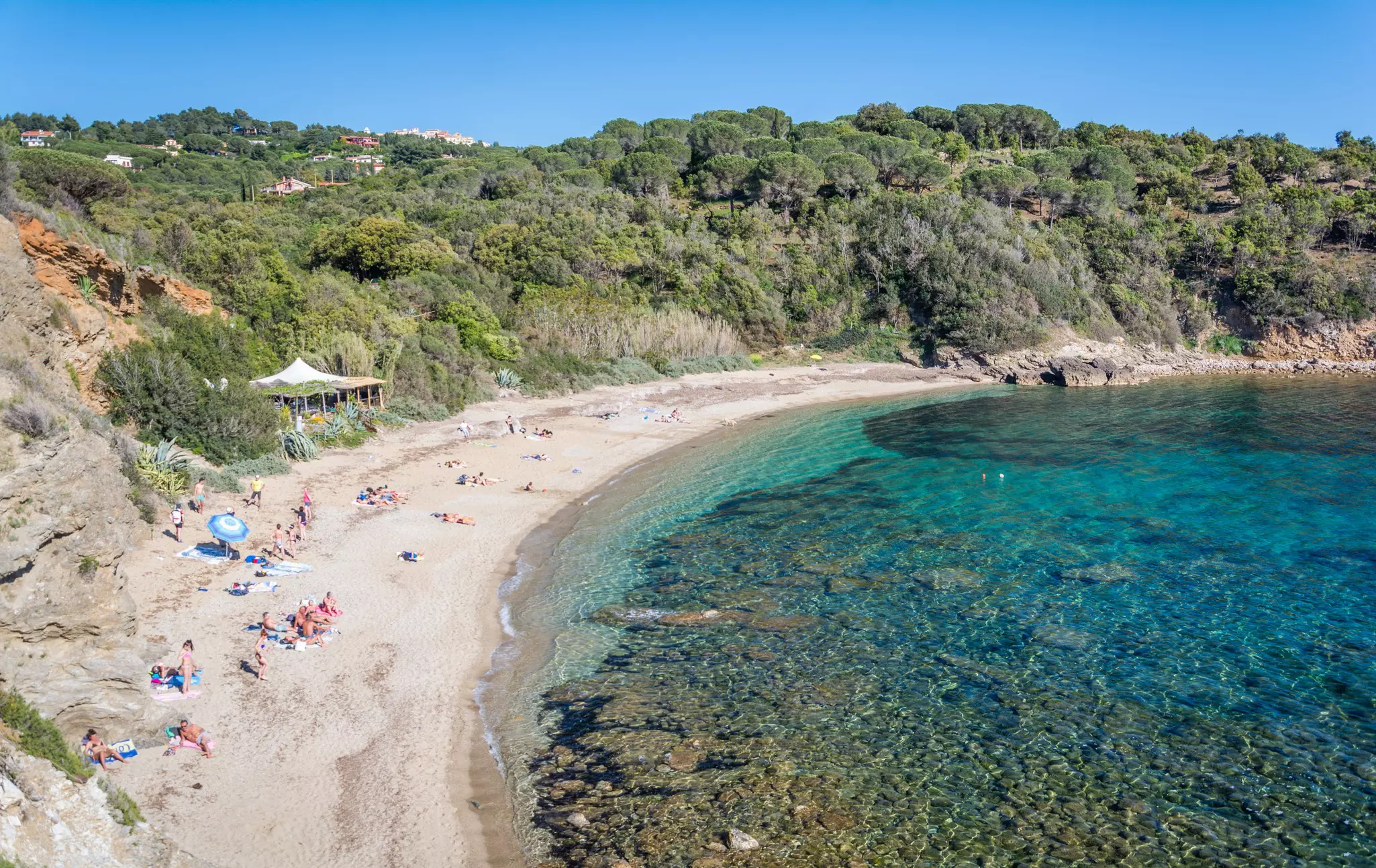
The island of Elba is large enough to deliver two distinct experiences for visitors: one of countless hospitality services, the other where wild nature still reigns supreme. During your time on Elba, you can enjoy a splendid seaside vacation, snorkeling in aquamarine waters then eating fresh seafood on the beach. You can also set off on nature treks inland, ascending to peaks with beautiful views of the sea.
Planning tip: If you are looking to unwind and unplug, rent an apartment in a remote hamlet such as Poggio, or a seafront view room at Hotel Antares on the beach at Capoliveri. Elba is reachable year-round by ferry from Piombino.
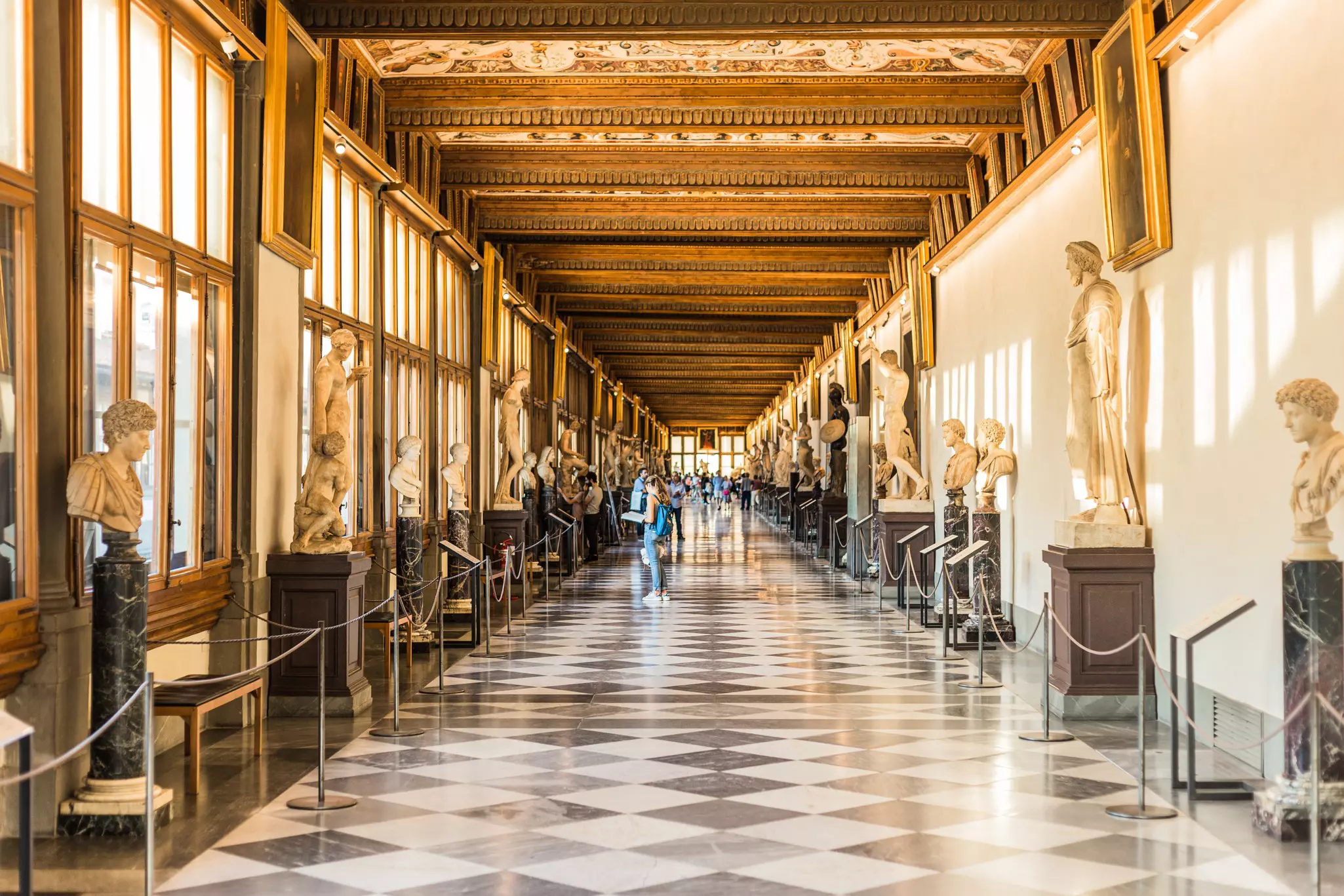
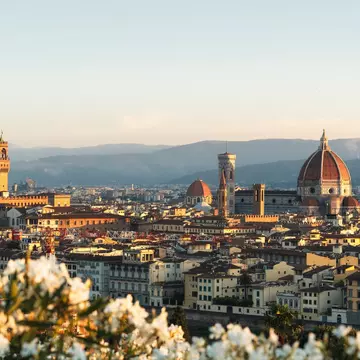
A staple of the European Grand Tour for centuries, Florence remains an essential place to visit, thanks to its stunning Renaissance churches, bridges, palazzi (mansions) and public statues. Start at the Duomo, with its enormous dome designed by Brunelleschi, along with the adjacent Baptistery, to get a taste of the riches the city contains.
Then it’s onto the museums. Immerse yourself in the masterpieces of the Galleria degli Uffizi, where Botticelli’s The Birth of Venus is a star among among hundreds of other artworks. Michelangelo’s towering David awaits you at the Galleria dell’Accademia.
Planning tip: Consider visiting in the low season to avoid waiting in line at every turn. Plan to stay for at least a full weekend to get to several of the main sites.
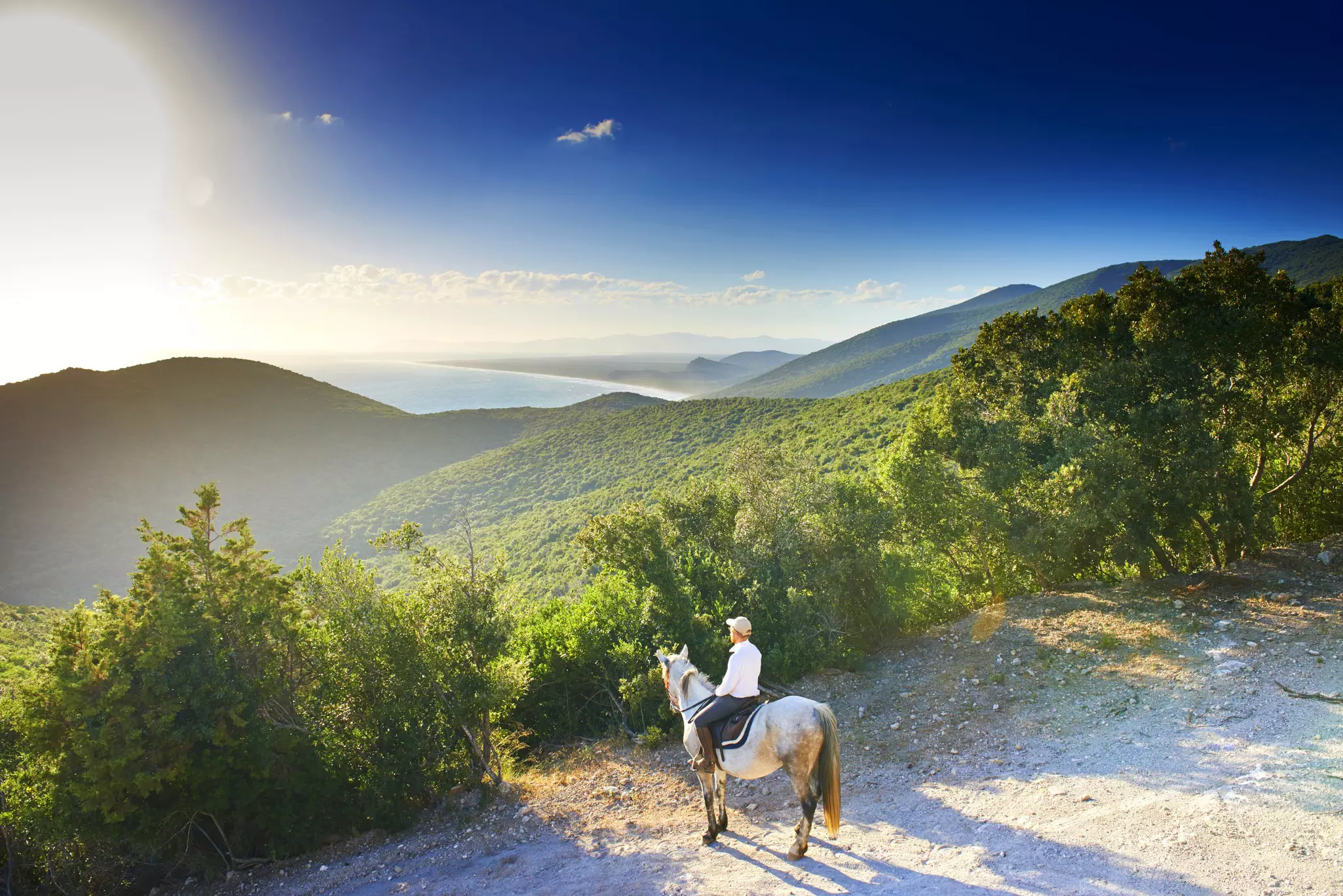
In Tuscany, there is an ancient tradition of camaraderie between horses and humans in the plains of the Parco Regionale della Maremma: for millennia, horseback-riding shepherds called butteri maremmani would herd their ox here. (In 1890, Buffalo Bill brought his circus to Italy and his legendary cowboys lost a horse-taming competition to the local butteri.)
Modern butteri put on elaborate performances to show their prowess on horseback, and they also organize riding lessons and excursions that you can book through Parco della Maremma or Corte degli Ulivi.
Detour: Filled with colorful sculptures by Niki de Saint Phalle, Il Giardino dei Tarocchi (Park of the Tarots) is open between April 1 and October 15. Also nearby is the medieval city of Grosseto, and the lagoon and beaches of Orbetello.
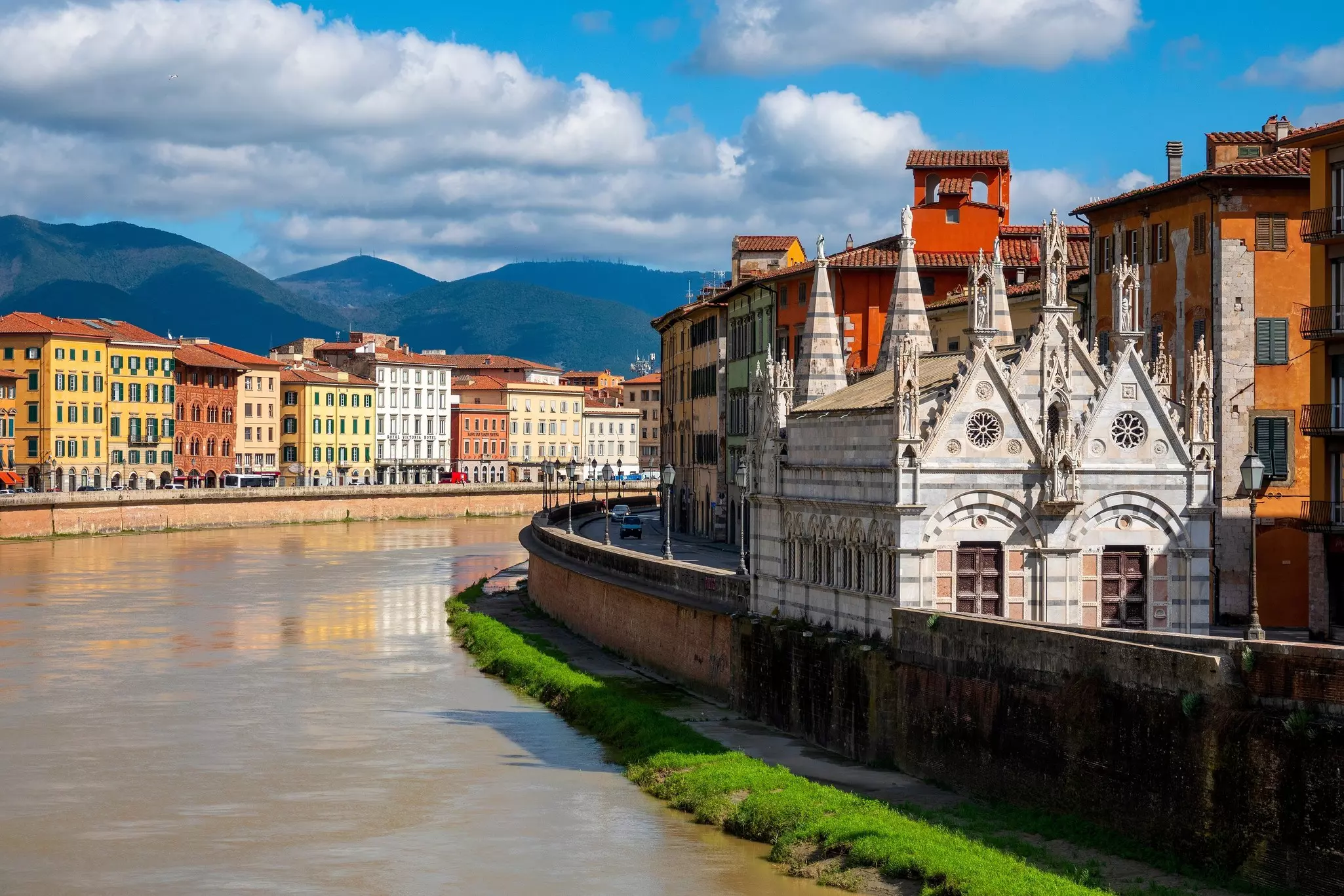
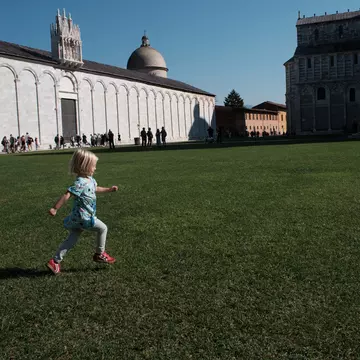
If you make it to Pisa, you’ll almost certainly want to climb the Leaning Tower. Your ticket will also get you in to admire the Piazza dei Miracoli, the splendid Duomo and its Battistero, the biggest in Italy. And don’t miss the monumental cemetery, Camposanto– a highlight of the cathedral complex.
Beyond the central square, Pisa has much to offer. Enjoy the lively scene on the riverside Lungarni, where Pisa’s many university students and locals meet for an aperitivo (a pre-dinner drink) in front of medieval and renaissance-style palazzi. Don’t miss the small but impressive Chiesa di Santa Maria della Spina, and Piazza dei Cavalieri.
Detour: Head to the nearby coastal city of Livorno for a complete change of scenery. This is one of Italy’s “youngest” cities, having “only” been founded in the 16th century.
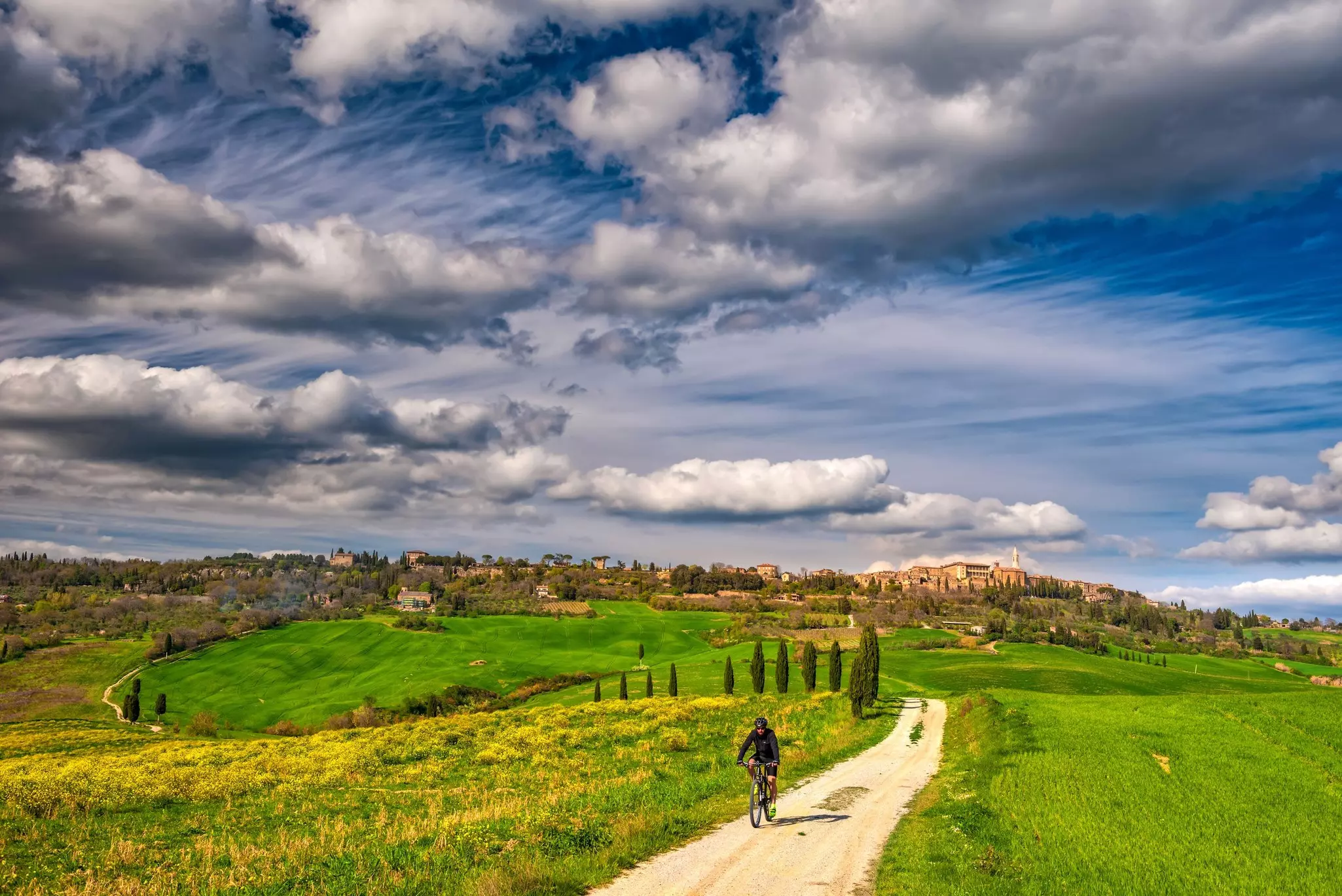
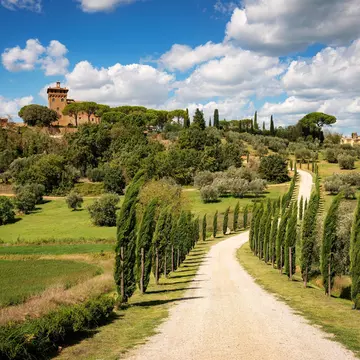
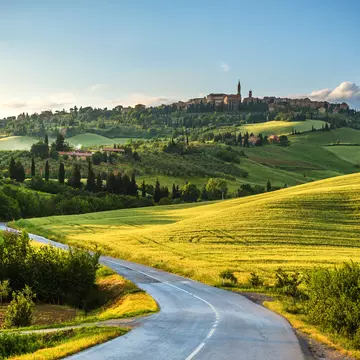
What better way to experience slow, low-impact travel than by riding a bike? The splendid, UNESCO-listed Val d'Orcia is a highlight of any visit to Tuscany, with landscapes that blend nature and ancient architecture. Make the experience more authentic (and mindful!) by cycling instead of driving through the valley, admiring the hills, vineyards and hamlets from a closer perspective.
Take your time to enjoy it fully, and stop whenever you want. Most hotels and agriturismi (farm-stay accommodations) in the area have bikes that you can rent as part of your stay; other organizations, such as Val d’Orcia E-Bike, also offer rentals. When renting, ask the locals for recommendations on the best paths to follow.
Detour: If the season allows, dip into the sulfurous white waters of the natural thermal baths at Bagni San Filippo (near the village of Bagno Vignoni) or Bagni di Petriolo (near Monticiano). They are completely free to visit, but lack any infrastructure in their immediate surroundings. Both spa towns are well off the tourist trail.
The superb characteristics of Tuscany’s many DOC and DOCG wine are enhanced when consumed in their original habitat and paired with local cuisine. If you enjoy wine, plan to stop by a cantina (winery or wine cellar) for an afternoon that will take you from the vineyards to the barrel to the lunch table.
Hundreds of wineries offer hospitality services and activities centered around wine tasting. The zero-emission Carpineto winery, which produces such famous Tuscan varietals as Chianti, Montepulciano and Montalcino, also organizes experiences that extend beyond wine, such as lakeside picnics and truffle hunts (season permitting). Such excursions are lovely options of you have non-drinking traveling companions.
Planning tip: If wine-related activities are up your alley, consider planning your trip between September and October for the vendemmia (grape harvest). In this window, you can participate in and learn more about wine-making traditions and processes.
The 87m-tall Torre del Mangia looms over Siena’s iconic Piazza del Campo. Those who can and dare to climb its 400 steps are rewarded with scenes of the entire city. (Given its narrow size and age – it was built in 1348– the tower is not accessible to those with mobility issues.) Another memorable viewpoint is from the Facciatone, the still-standing unfinished structure by the Duomo, the legacy of an abandoned project to extend the cathedral. You can climb the wall and face the Duomo in a way that you couldn’t from anywhere else.
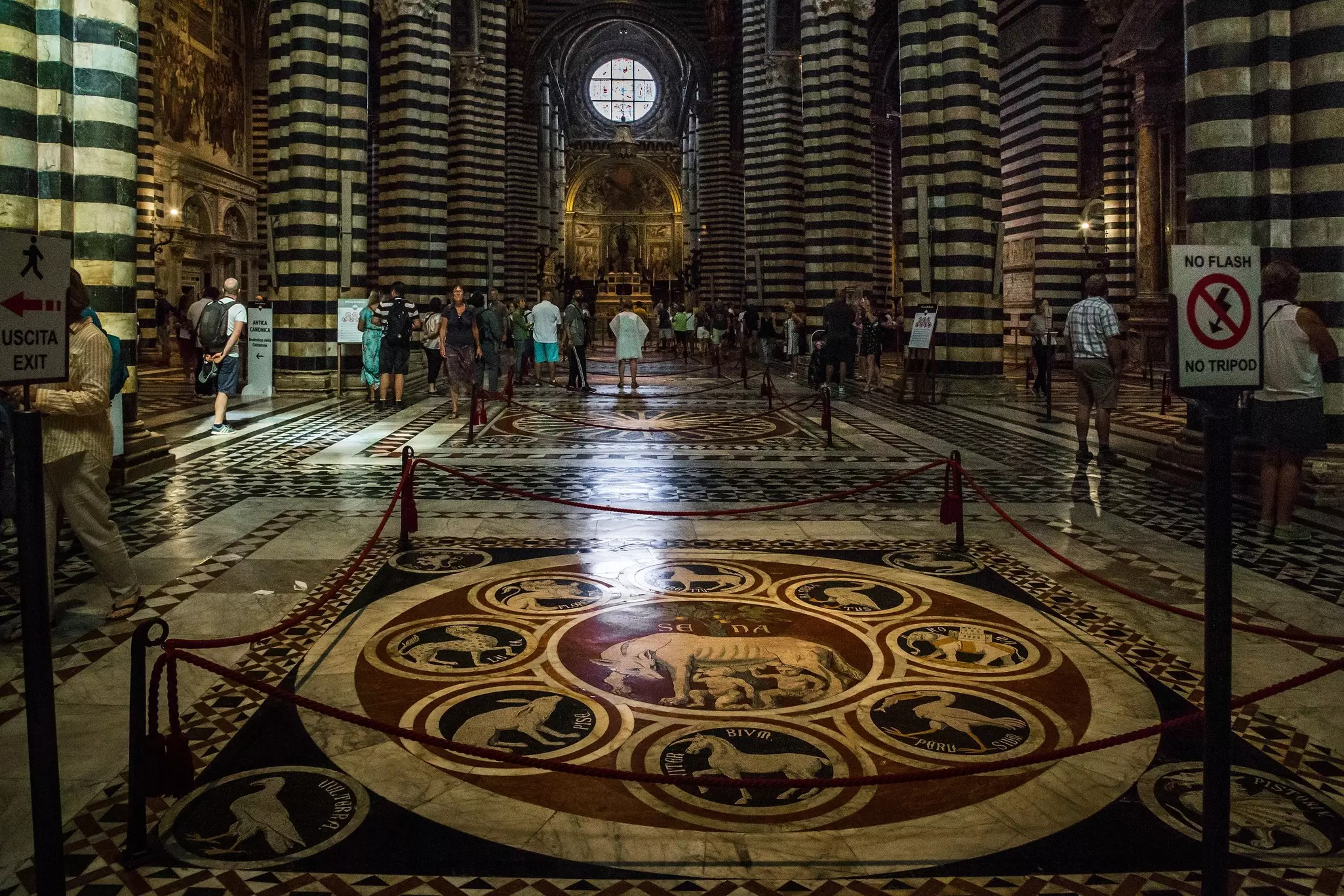
In the cathedral itself, you can marvel at the beauty of the mosaics inlaid in the floor. If, that is, you are lucky enough to find them uncovered: they’re only unveiled for the month of July, and between August 18 and November 15.
Detour: Southwest of Siena, the Abbazia di San Galgano is a ruined abbey that looks like something out of a gothic novel. At a nearby hermitage, a stone contains a sword planted there by the saint in 1180.
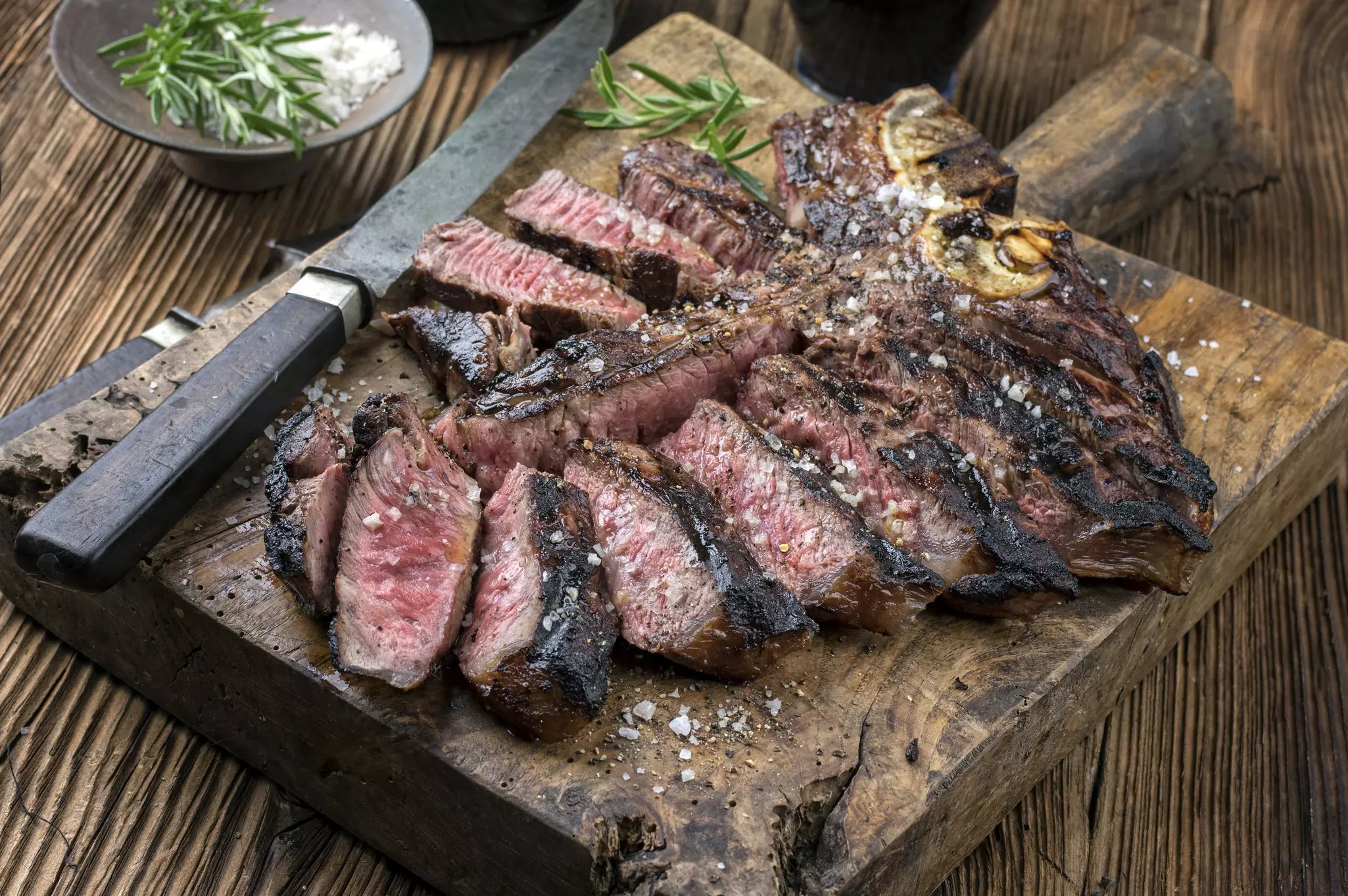
It’s nearly impossible to have a bad meal in Tuscany. From T-bone steak alla fiorentina to the variety of ways to cure and cook wild boar, there is no shortage of meat-based dishes. The more daring may find it in them to try the local offal recipes like juicy trippa or lampredotto. Vegetarians can enjoy local cheeses like intense Pecorino di Pienza and pungent pasta such as pici all’aglione and creamy cacio e pepe. Vegans may not see many options for them on the menu, though a plate of fresh local vegetables can usually be arranged and always tastes great. If they’re in season, ask for porcini mushrooms.
Local tip: Unless you have allergies or dietary restrictions, avoid asking for things that are not on the menu or for preference-based variations. Trying the food as the chef prepares it is part of the culinary culture in Tuscany.
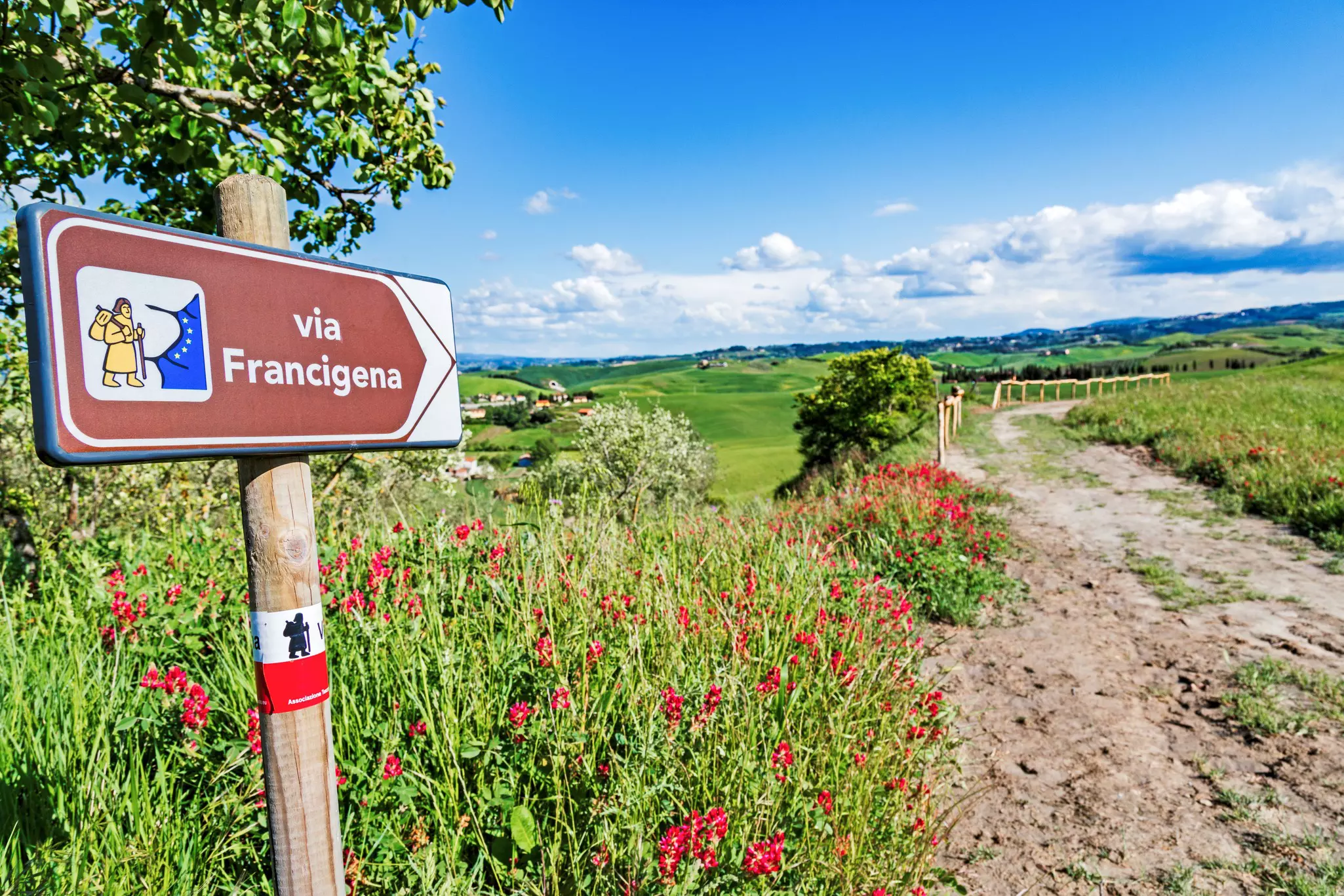
Back in the Middle Ages, it would take about 80 days for pilgrims to make the trip from Canterbury, England, to Rome on the Via Francigena. The Tuscan leg of this very long trail is well preserved to this day, and still trod by tourists. And while the goal may no longer be to reach the Eternal City, a walk along white roads connecting one Tuscan town to the next lets you take in the sounds, smells, and colors coming from the fields.
Set your own pace and terms on this wonderful example of slow and sustainable tourism. Visit Tuscany can help you pick which parts of Via Francigena to cover, suggesting various itineraries of about 30km per day. The best months to set out are April to May and September to October, when temperatures are pleasant and the roads are less crowded.
Detour: Linger for a bit in the Renaissance town of Pienza, which was designed by Pope Pius II in 1462 to be “the ideal city.”
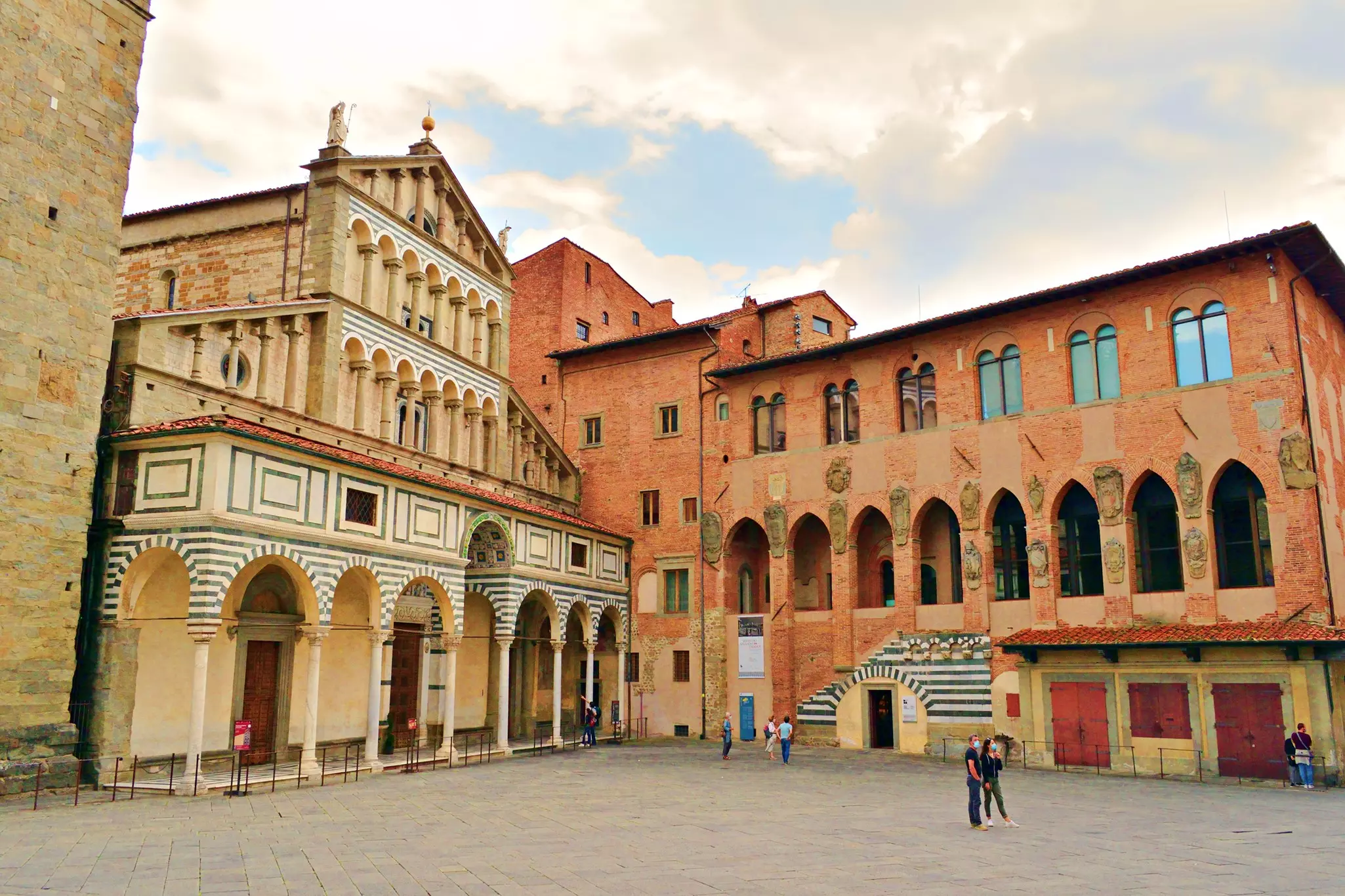
By visiting a less-traveled-to Tuscan city, you can look forward to a calmer experience, one free of tourist traps. At first glance, the neighboring cities of Lucca and Pistoia in the north of the region appear very similar in style, thanks to the medieval architecture in their centers. Yet each has its own surprises and quirks. The smells and sounds of these towns will give you a real taste of contemporary Tuscan life, far from the tourist-centric vibe of central Florence or Siena.
Book your Italy trip with Lonely Planet Journeys
See Italy how it's meant to be seen
Accommodations, activities and ground transportation all taken care of, so you can focus on the fun part. Tell us what your dream trip to Italy looks like, and our local experts will build it from scratch. Or start with one of our itineraries and make it your own.

Explore related stories