Jan 29, 202612 min read
The best things to do in Rome with kidsJan 11, 2026
7 MIN READ

Writer
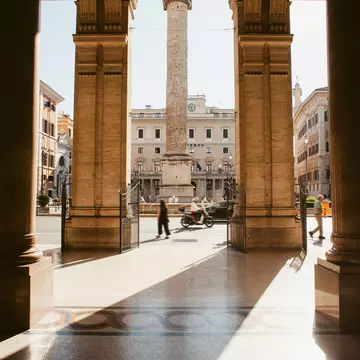
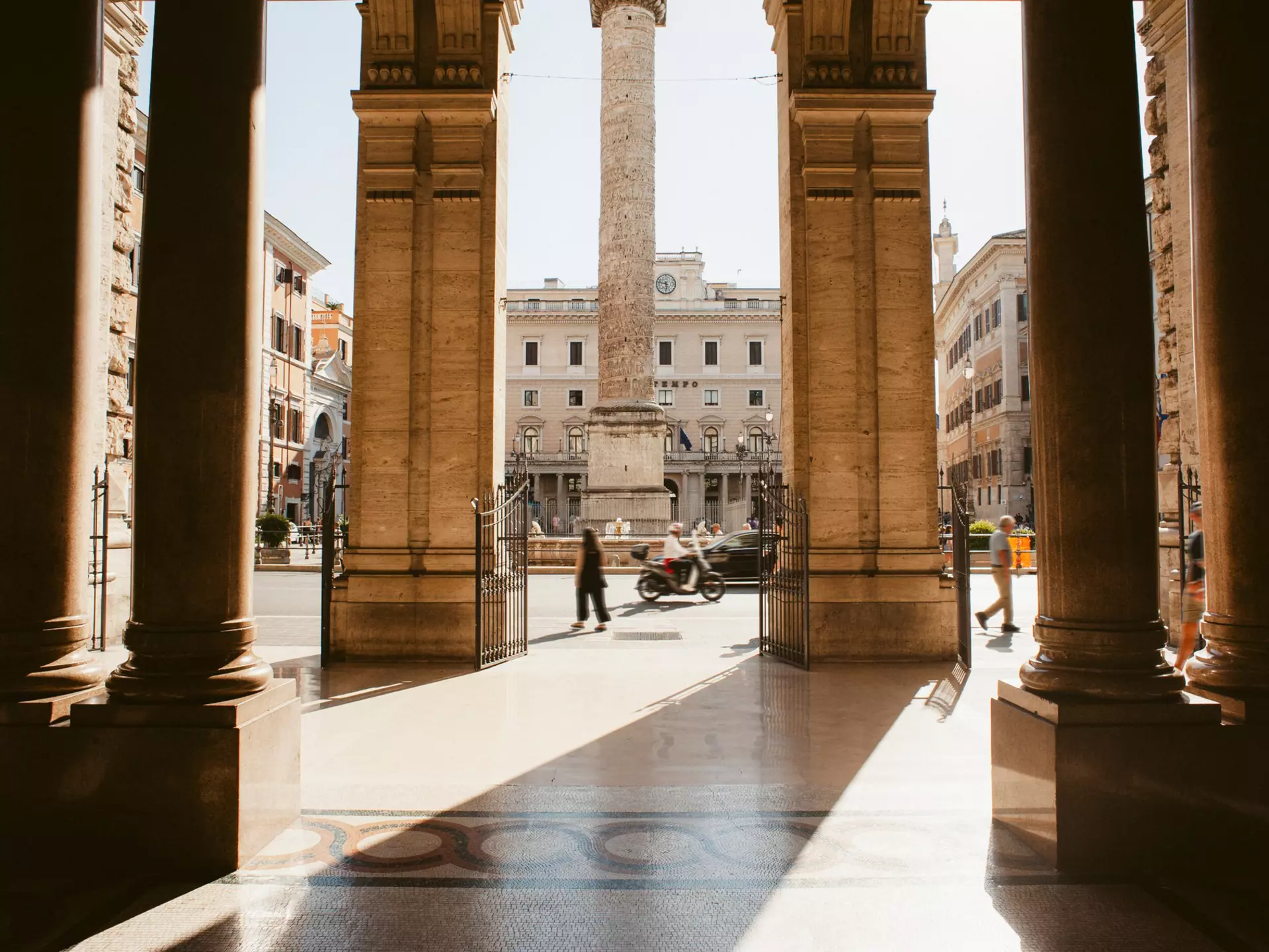
The monument of Trajan's Column seen through architectural columns. Gary Yeowell/Getty Images
Writer
You’ve already been to Rome, or maybe you visit often. You’ve checked all the boxes for the major tourist attractions like the Colosseum, the Pantheon, Piazza Navona, the Trevi Fountain, the Vatican…but Rome has so much to offer beyond its most famous monuments. For every one of those, there are probably 20 more that you didn’t have time to discover the first time around.
Beyond the major landmarks lie countless hidden experiences: ancient roads lined with ruins, eccentric Art Nouveau districts and local pasta restaurants that have fed the city for decades. This guide will help you plan a deeper, more meaningful return to the Eternal City.
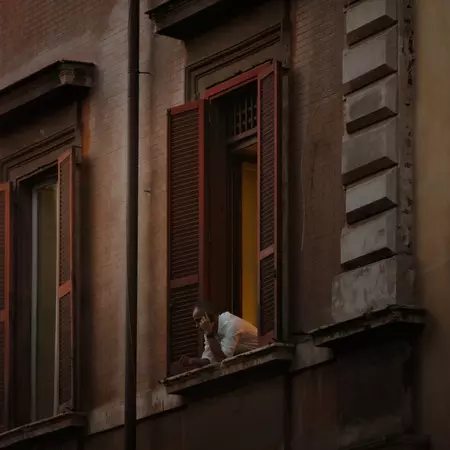
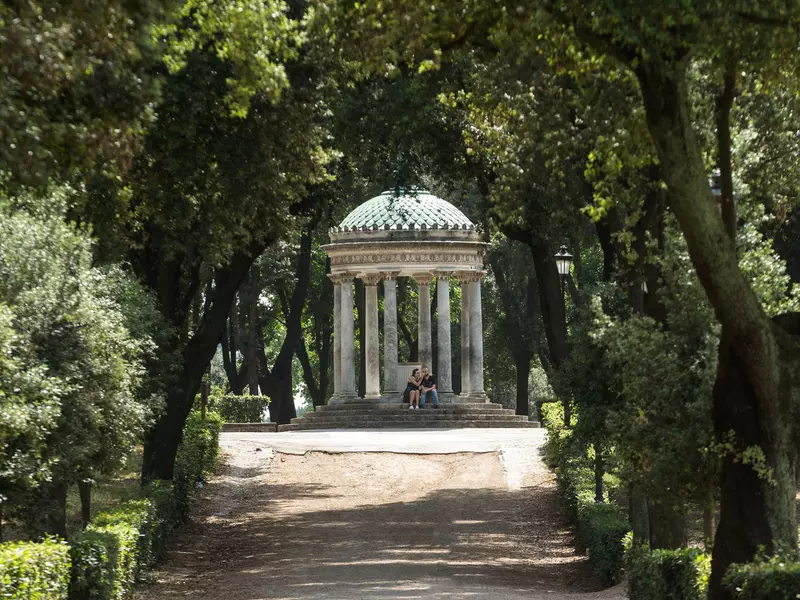
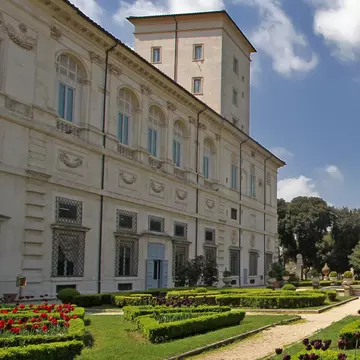
Avoid the most popular neighborhoods like Trastevere and the historical center. Choose an area that is removed from the chaos of the main monuments but better connected in terms of public transportation, with a metro stop and various bus lines at your disposal. Consider the quiet elegance of the Flaminio quarter, where you could walk the immense grounds of Villa Borghese, enjoy a concert at the Parco della Musica Auditorium, and visit various lesser-known museums: MAXXI for contemporary arts, the National Gallery of Modern Art and the Etruscan Museum of Villa Giulia.
For a stay steeped in history, you’ll find luxury at Palazzo Ripetta, a five-star hotel close to the lively Piazza del Popolo. It's located within a 1600 building containing its own former church (with a bust by Gian Lorenzo Bernini!). Another historic stay is Hotel Locarno, a centuries-old hotel that has hosted writers, filmmakers and artists. Romans today frequent Hotel Locarno for its Bloody Brunch, a Sunday meal with all you can drink Bloody Mary.
Another great location to lodge, especially if you plan on traveling, is walking distance from Termini, Rome’s main train station, which also grants two metro lines and dozens of buses. The area immediately surrounding the station can be somewhat unsafe at night, but the vibe changes completely a mere few blocks away, like in Piazza della Repubblica; here, across from the 3rd century AD Baths of Diocletian and the Basilica of Angels and Martyrs, stands the five-star hotel Anantara Palazzo Naiadi, with its neoclassic-meets-modern style and its fine dining restaurant INEO. Even if on a budget, you won’t have to forgo history and art at Jo & Joe, a boutique hostel housed in a former convent that has been modernized with contemporary design (and brunch) while maintaining the building’s original 1600s architecture. A recent opening, art’otel in Piazza Sallustio, is a hotel de charme offering a colorful stay amid contemporary art and a fusion gastronomic experience at their restaurant, Yezi.
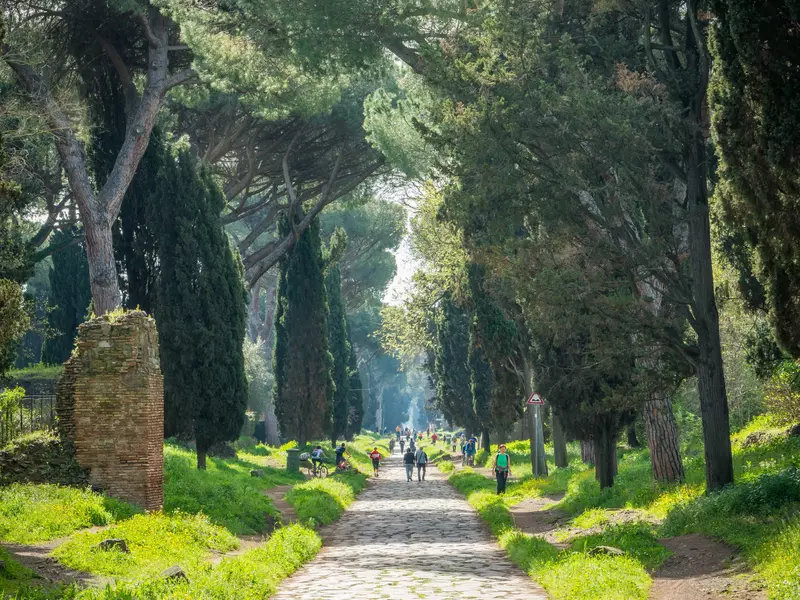
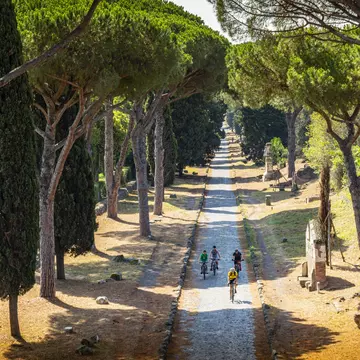
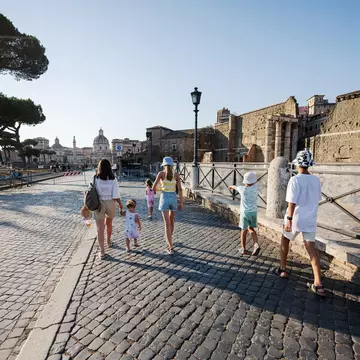
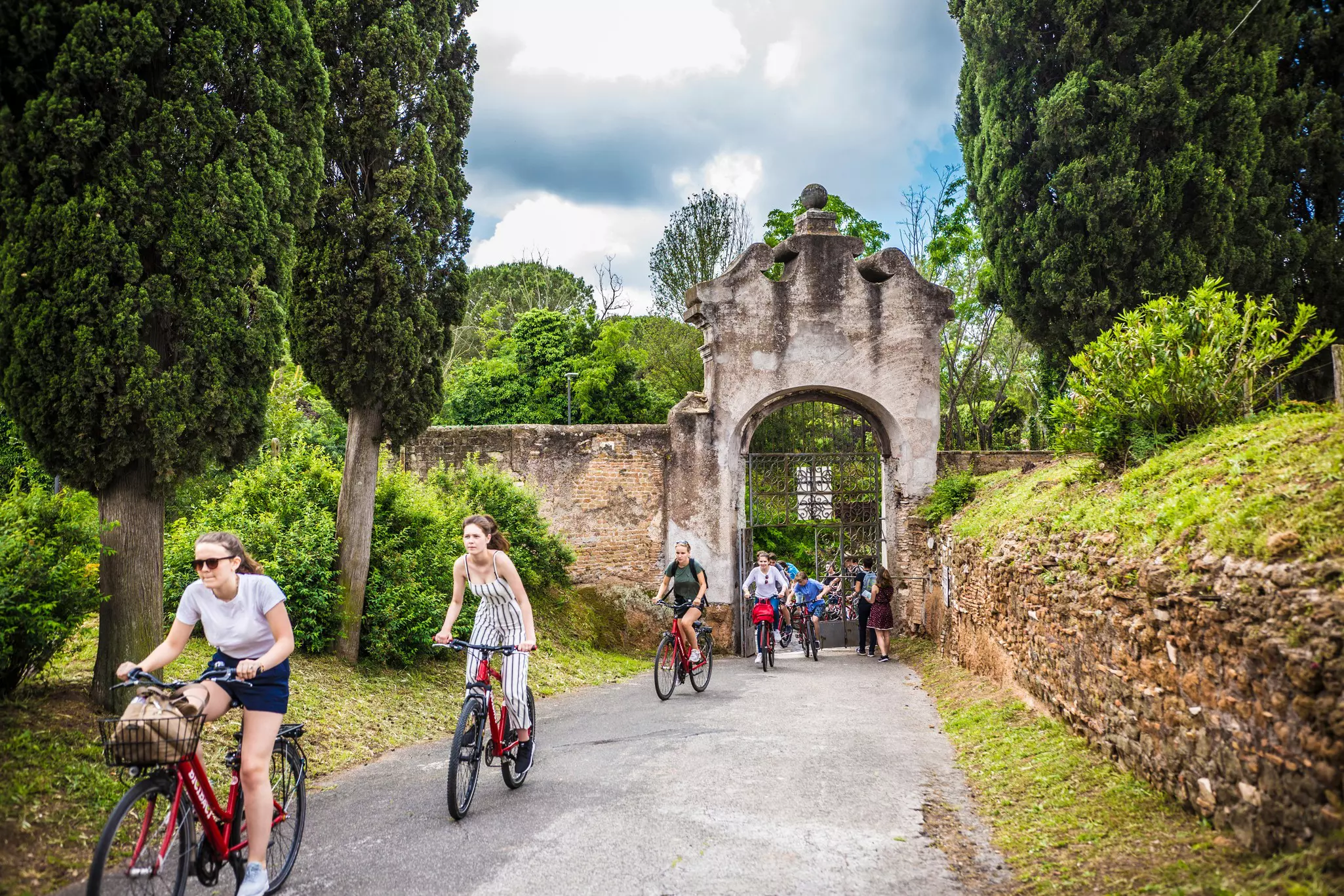
Ready to venture out beyond the center? Get away from the chaos and step back in time and into nature as you visit Via Appia Antica, nicknamed “Regina Viarum” (queen of roads), the Ancient Roman version of the world’s first highway, once connecting Rome to its vast empire. Embark on an e-bike guided tour as you ride along Via Appia with frequent stops to marvel at ancient buildings like the Villa of Massentius and the Claudian Aqueduct. You can rent e-bikes and book guided tours on the official Ecobike Roma website.
You’ve been to St. Peter’s Square and visited the Vatican Museums, but I bet you’ve never seen it from the unique perspective you get on Via Piccolomini. On this panoramic street just southwest of the Vatican, an optical illusion will cause you to perceive St. Peter’s dome to be bigger and bigger as you move farther away, and to instead see it shrink as you progress towards it.
If you visit Rome during summer and it is simply too hot to be outside during the long daylight hours, consider exploring Rome’s catacombs and other underground sites, like the Domus Aurea, Emperor Nero’s once-resplendent palace in gold. The temperature will drop exponentially, and you will still be seeing something new. There are over 60 catacombs in Rome, although not all of them are accessible to the public; visit the Catacombs of San Sebastiano and those of San Callisto, both on Via Appia, or the Catacomb of Priscilla (Via Salaria), or that of Domitilla (Via delle Sette Chiese). If you cannot stray too far from the city center, opt to descend in the impressive crypts of many churches like Basilica di San Clemente (Esquilino), Basilica di Santa Cecilia (Trastevere), Basilica di San Paolo Fuori Le Mura (Ostiense) among others.
If you prefer outdoor ruins, ride the Metro Mare overground train all the way to Ostia Antica, located by Rome’s outer district on the Tyrrhenian Sea. Here you will enjoy the Archaeological Park of Ancient Ostia, and walk the entire layout of the town that once served as Rome’s formidable port. While today Ostia is technically part of the city of Rome, it won’t feel like it, and that might inspire you to pursue other destinations. A day trip outside of Rome is certainly never a bad idea, with so many splendid and underrated towns in the region of Latium.
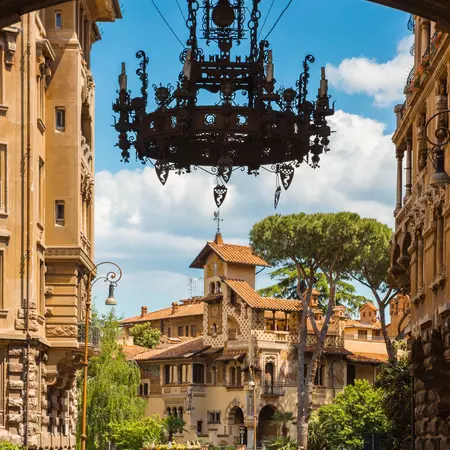
The Eternal City earned this nickname for the way it wears its millennia-long history like skin. You are likely to walk by monuments originating in Ancient Roman, Medieval, Renaissance, Baroque and contemporary times next to one another, a feat impossible for most other places in the world. Yet, Rome also has a more modern history displayed through its architecture. Quartiere Coppedè, an area – too small to be considered a neighborhood – built just over a century ago in the north of Rome. Here, 47 eclectic buildings stand tall, proud in their peculiarity, in a pastiche of styles meeting somewhere between Art Nouveau and Art Deco, with nods to faux Classical, Gothic and Baroque art. Walking around Quartiere Coppedè might make you temporarily forget you are in Rome.
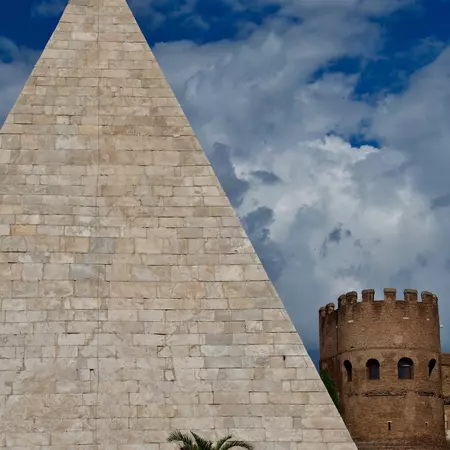

Testaccio is arguably the only neighborhood within the Aurelian Walls to have kept its authentic Roman soul and not molded itself to a service-oriented tourist destination. Here you can walk through scattered monuments on a self-paced tour and read their history through widespread explanatory panels and QR codes on the street. Rome’s only pyramid is here, and and the artificial hill made of Ancient Roman terracotta shards, Monte Testaccio or dei Cocci.
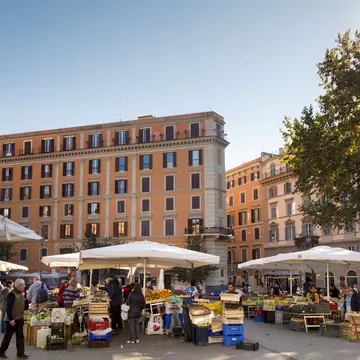
Testaccio is home to some of Rome’s best traditional trattorias serving the city’s four classic pasta dishes: carbonara, amatriciana, cacio e pepe and gricia. Felice a Testaccio has been perfecting these recipes since 1936, while Flavio Al Ve L’Avevo Detto is known for its generous portions and local atmosphere. For a more contemporary take on Roman classics, try Angelina a Testaccio. Or head to its famous market and make your own.
After dinner, head to Tram Depot an outdoor kiosk that’s become a local institution for aperitivo, or L’Oasi della Birra, a beer bar and wine shop with an impressive selection and a relaxed neighborhood vibe.
Testaccio has evolved into one of Rome’s most vibrant cultural districts. Mattatoio, a former slaughterhouse, now hosts contemporary art exhibitions, performances and cultural events. Nearby, Città dell’Altra Economia focuses on sustainable food and wine events, farmers markets and eco-conscious programming. The neighborhood is also home to two of Rome’s major LGBTQ+ organizations, Gay Center and Arcigay Roma, which host community events throughout the year.
Don’t miss the adjacent industrial neighborhood of Ostiense, where massive street art murals — some painted with smog-eating paint — transform building facades into open-air galleries.
Romans love their open-air spaces, and the city offers parks of varying sizes perfect for picnics, sports or simply relaxing. On the city’s western side, Villa Pamphili is a favorite of locals, with its expansive grounds, Renaissance architecture and manicured gardens that rival the more famous Villa Borghese. To the south, you’ll find the wilder Parco della Caffarella and the scenic Parco degli Acquedotti, where ancient Roman aqueducts create a dramatic backdrop for sunset walks.
Rome rewards repeat visitors, with so many neighborhoods, hidden sites and local experiences, there's always something new to discover, even for Romans who've been here their entire lives.