Aug 26, 202616 min read
The 12 Best Day Trips from VeniceAug 2, 2026
18 MIN READ

Writer
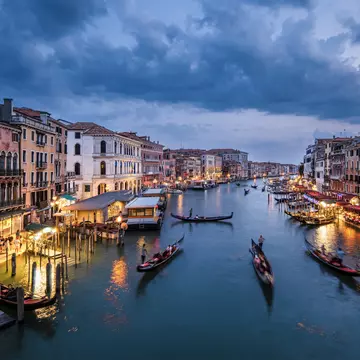
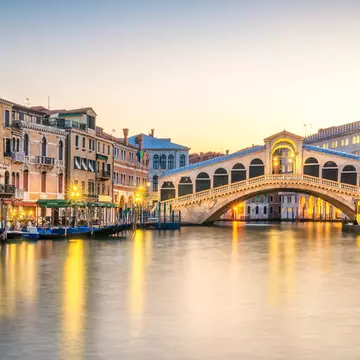
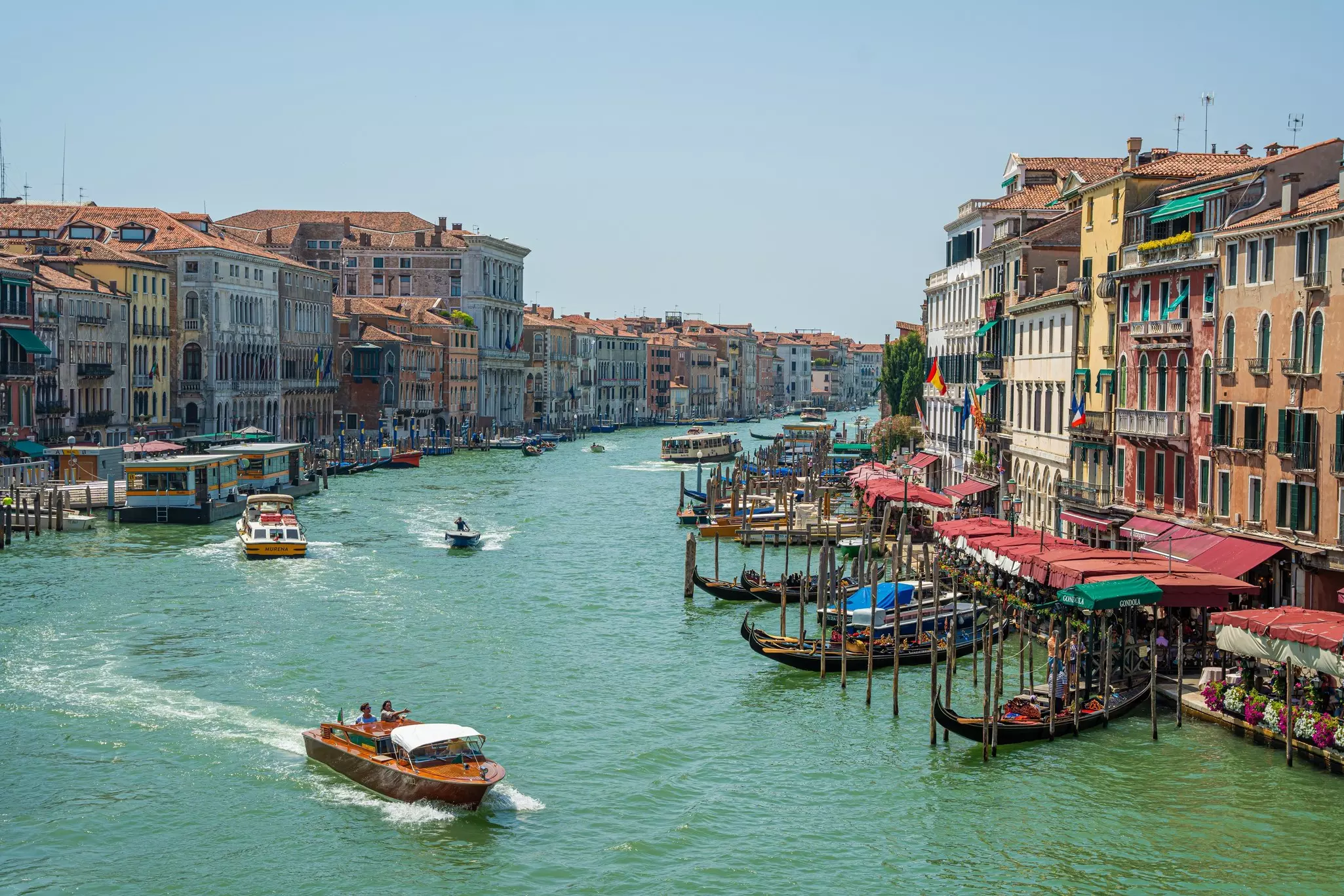
The Grand Canal in Venice. Gary Yeowell/Getty Images

Writer
Highlights
Writer Julia Buckley shares 27 tips on transportation, fines and eating inexpensively in Venice.
Check whether you are visiting on a date when Venice's Access Fee will be in effect – and book ahead to save.
For authentic drinking, order ombra wine (€1–3), not a spritz, then graze on cicchetti.
Sit on the pavement or picnic in Venice, and you'll face a triple-figure fine.
Lonely Planet may earn a commission from affiliate links on our site. All recommendations and reviews reflect our own independent opinions.
Venice is a constant conundrum: how do I see the best of it? How do I avoid being a damaging influence? Is it possible to have a local experience? What else do I need to know before traveling to Venice?
I’ve lived in Venice since 2020, and these are questions I still ask myself. This is a fiercely fragile city facing unique challenges, a place where tourism is largely destructive, and Venetians respond by getting ever more insular. Traveling here is a delicate balance between sightseeing and preserving, enjoying and respecting, spending your money responsibly, but not feeling like your wallet has been emptied.
It also means sacrificing some things you might do without a thought in other places, like impromptu picnics or dawdling in the street to take photos. Some challenges are more major. This is intrinsically not an accessible city, and anyone with mobility issues will struggle.
The good news: the rewards are huge. Spend enough time here to really scratch the surface, and you’ll get privileged access to an off-the-radar world that few people have visited, despite this being one of the world’s most visited cities. Here are my dos and don’ts when visiting Venice.
Looking for help planning your trip? Lonely Planet Journeys pairs you with a local expert who plans every detail - you just book the flights. Get started by messaging us here.
Plenty of people don’t like Venice, and they tend to have something in common: they didn’t stay long. Pop in on a day trip, and it’s easy to feel overwhelmed by the crowds ticking off the main sights and neighborhoods, as well as the heat and the myriad alleyways. Stay longer, and a different side of the city will open up.
That’s the same for any destination, of course, but it’s more extreme in Venice, partly because of the overcrowding and partly because there are just two main sights that a lot of people come for: Piazza San Marco and the Ponte di Rialto. I always say that a weeklong visit to Venice is the best plan, possibly adding a day trip further afield; but if time is tight, 5 days should be enough to get a good idea of the city and its islands. In 3 days, you can get a taster of the main sights and islands, though it’s unlikely that you’ll absorb Venice as a whole place or an atmosphere.
March and April are the best time to visit Venice for sunshine without the intense heat of summer and crushing peak season crowds (June through August). September is one of the best months to visit, too: the heat dwindles, but it is still warm, and it is an excellent moment to enjoy the last gasps of summer and the beginning of autumn.
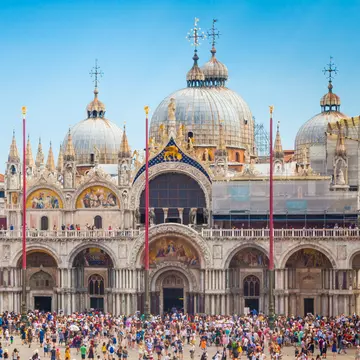
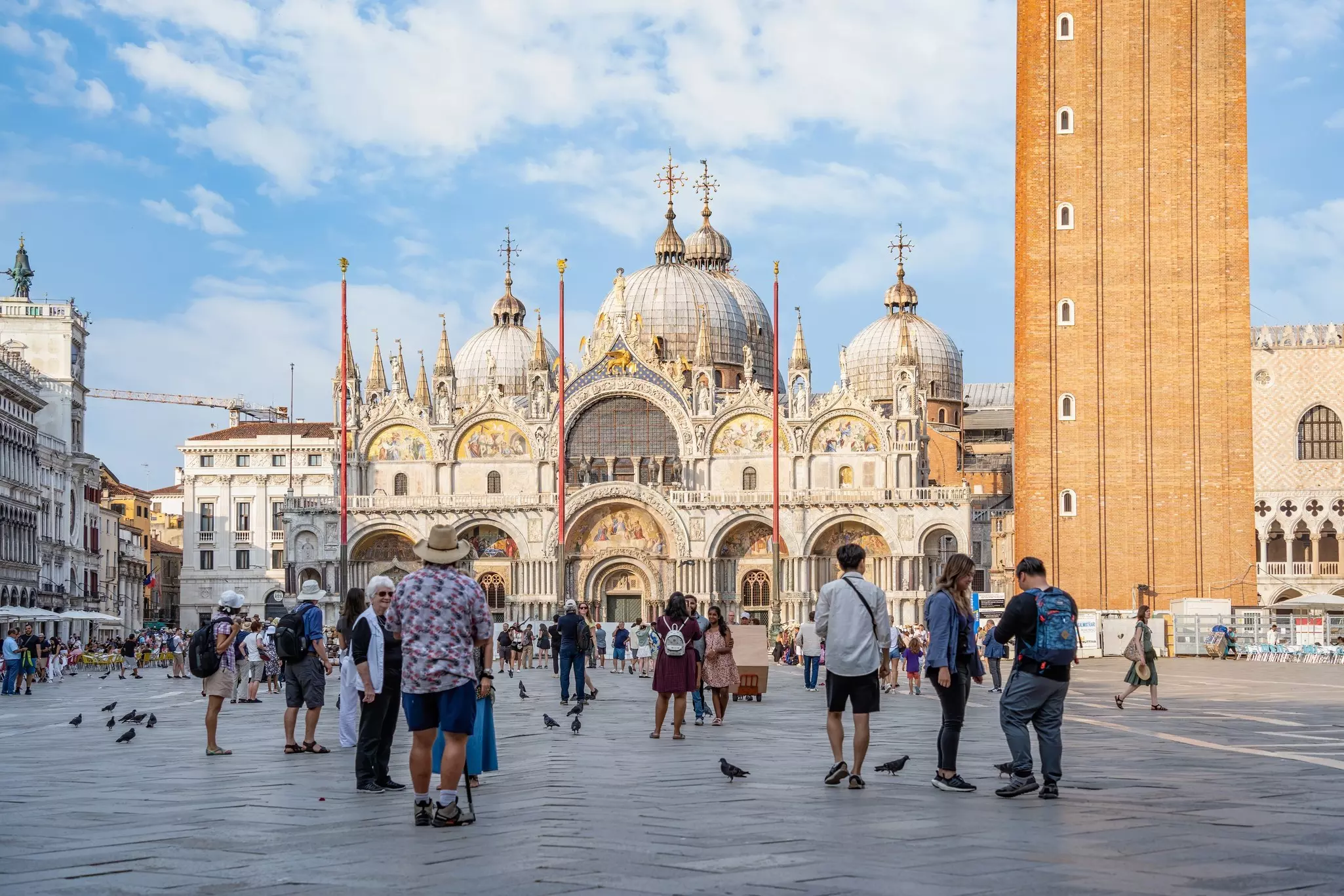
San Marco is where you can find the picture book Venice. The basilica and its Campanile, as well as the Palazzo Ducale, are just a short walk away. It is the place to be if you like to be surrounded by centuries-old buildings and luxury. It’s also an excellent choice if you want to avoid public transportation and use your legs as much as you can, as all the major sights are within walking distance.
You’re on vacation, as are 90% of the people around you, so I’m not going to tell you to try to pass as a local. Do you need to dress up in Venice? No – Venetians are actually pretty dressed down unless they’re going to a fancy restaurant. However, there are practical clothing rules to know about.
Avoid flip-flops – you’re going to do a lot of walking in this city, and the paving stones are hard on the feet and can also get slippery. If you’ll be going into churches, you’ll need to cover your shoulders and knees, so keep a wrap or shirt in your bag to sling on. Bring a swimsuit in summer, but don’t wear swimming gear in the city – you can be fined for doing so. The most important accessory of all? Insect repellent.
Is it summer? Your dreamy trip to the floating city is going to feel like you're in a furnace. From roughly June to September, Venice is a hot, sticky, humid mess. Combine that with crowds pushing their way into the same place, and it becomes one big outdoor steam room. Whenever it gets too much, hop on a vaporetto to the Lido, where you’ll find mile upon mile of soft, clean, sandy beach. Pay for a sun lounger at a beach club, or head to the free public beach at the northern end.
If you really can only visit on a day trip, check whether your visit falls on a peak travel date when there is a charge to enter the city. In 2026, the Venice Access Fee was applicable for 60 days between April and July. It cost €5 for visitors who booked at least 3 days before their intended arrival, and €10 for those who booked at the last minute. Dates and fees for 2027 have not yet been released.
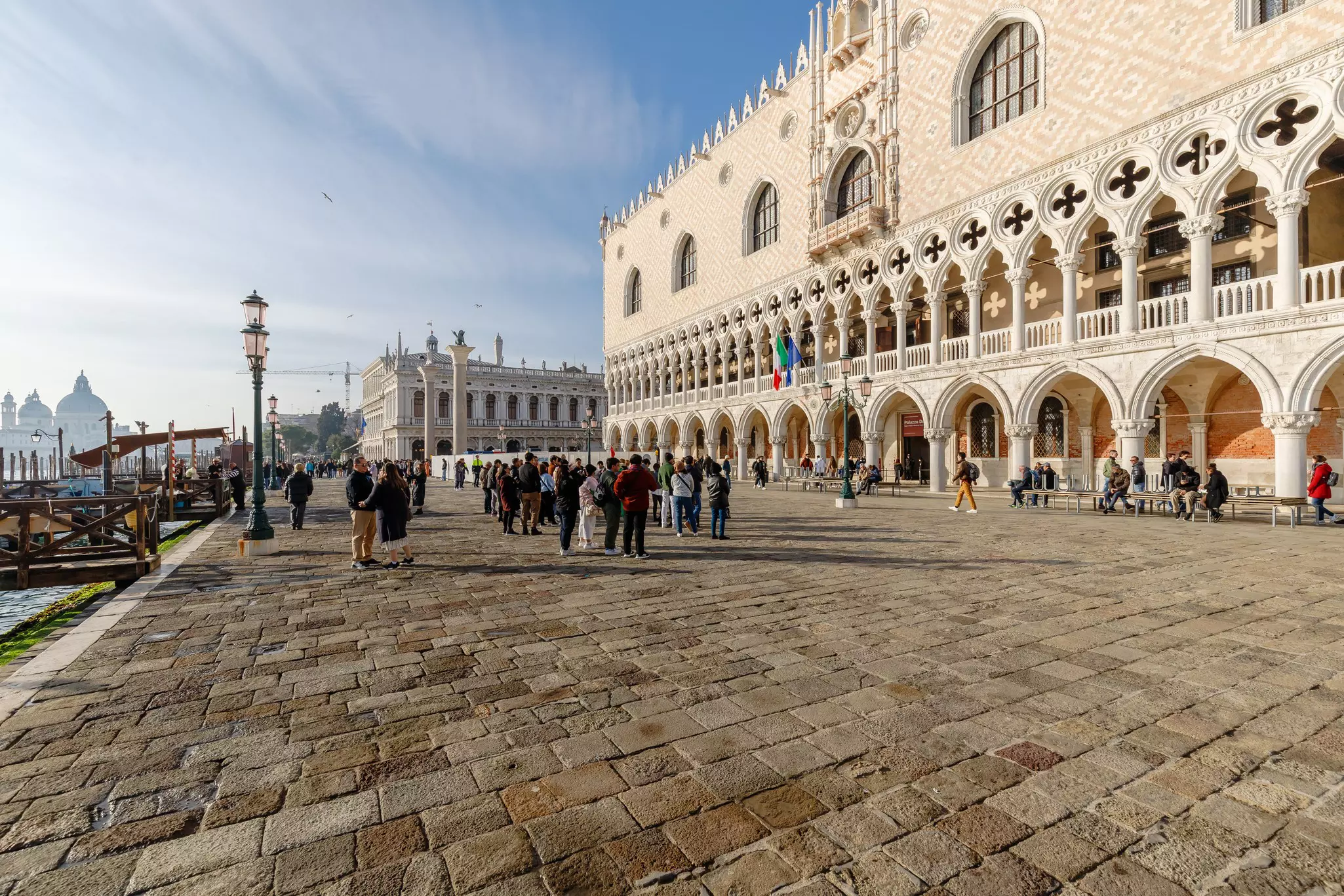
Want to visit the Palazzo Ducale? The Peggy Guggenheim Collection? That restaurant George Clooney goes to? If you’re ticking off the main sights, be aware that potentially hundreds of thousands of others will be doing the same – on the same day. So don’t spend hours of your vacation lining up for tickets outside Basilica di San Marco or hoping the restaurant has a no-show – book in advance.
For obvious reasons, Venice isn’t the most accessible city, but don’t assume that it’s a no-go if you have mobility issues. The bridges along the Riva degli Schiavoni – the main waterfront leading off from Piazza San Marco – have ramps, and the same goes for the Zattere waterfront, which also enjoys spectacular views.
You can reach many, if not most, of the main sights on a vaporetto – wheelchair users pay the same as locals for a ticket, just €1.50, with their companion traveling for free. The city authorities have a list of suggested itineraries for wheelchair users. None of this is easy, but it’s worth it.
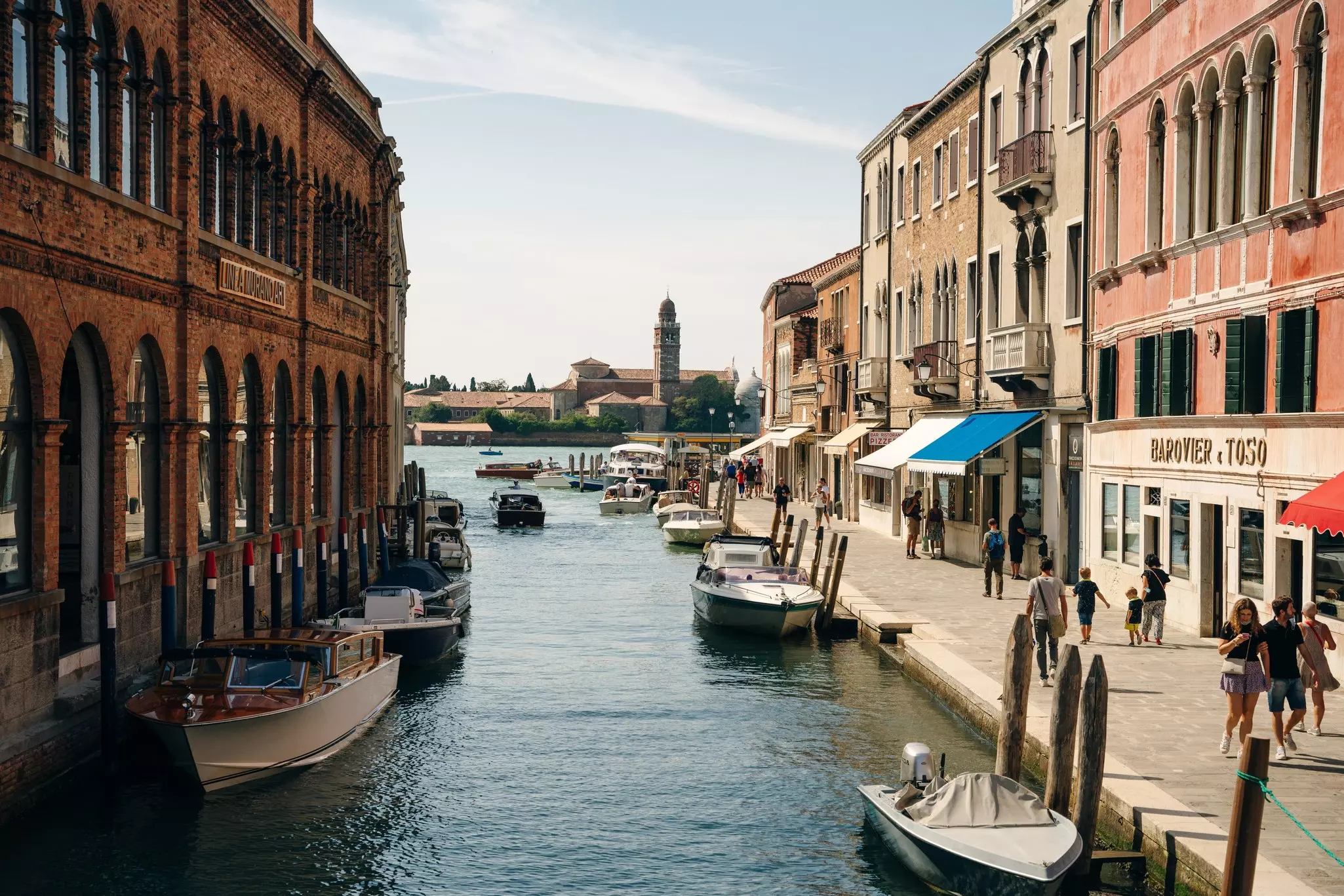

Lonely planet’s trusted travel insurance provider
Travel with confidence. Protect your trip and your wallet.
We don’t represent World Nomads, we receive a fee from quotes using this link. This is not a recommendation to buy travel insurance.
You want to buy something locally made to take home with you, and you’re confronted by shop after shop with wonderful masks, stationery and what looks like Murano glass – how do you know what’s real and what’s fake? The first clue is the price; if it’s on the less expensive side of what you’ve seen, it’s likely made in a factory.
The next is what’s in the shop around it. Real artisans specialize in just one thing – that could be a material (a leather worker might have bags and books) or an item (like masks) – so there will be a congruence to every item in the store. Finally, ask: almost always, artisans run their own shops, and the stores usually double as their workshops. Most will be delighted to tell you about their craft, and even show you where the magic happens.
This may be a pedestrianized city, but Venice has more foot traffic than most places have cars, so there are unwritten rules. Walk on the right, overtake on the left, try not to grind to a halt in the middle of the narrow streets, and never – never – sit down on the pavement (not least because you can be fined). Think of these as real roads.
Like other major Italian cities, Venice has fines for bad behavior, but here, things that might be acceptable anywhere else could land you with a hefty bill. Swimming in the canals and sitting on the sidewalk to have an impromptu picnic can land you triple-figure fines, for example. Walking around in swimwear, feeding the birds and even pushing a bicycle (not even riding it) also bring penalties.
Check out the list of forbidden behavior on the city council's website, and remember, some of the actions may seem silly or petty, but this incredibly fragile city can have up to 25,000 visitors a day, and if they all sat down for a picnic, it would have serious consequences. Don’t be part of the problem.
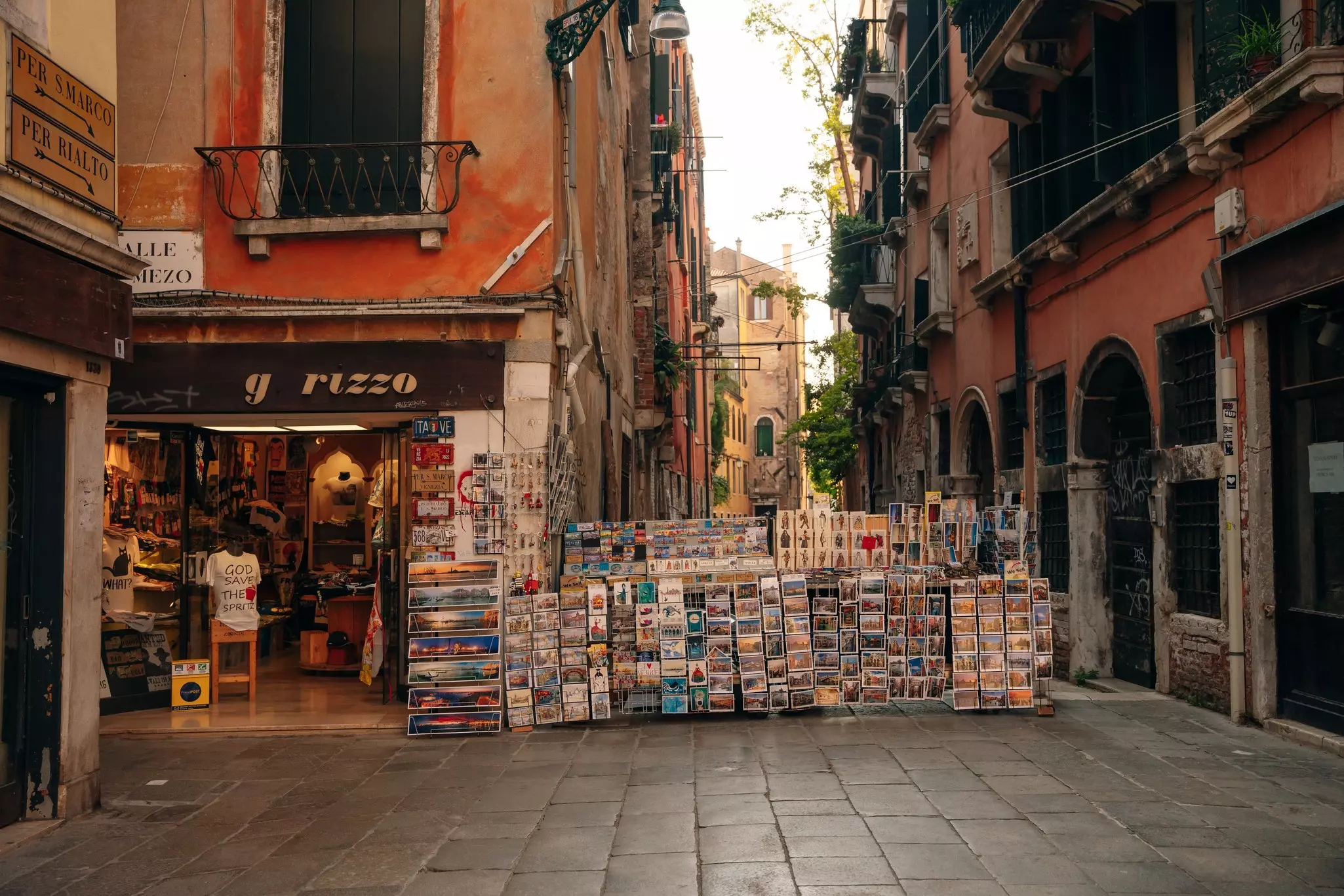
"Tourist prices" are definitely a thing in Venice – often someone speaking the local dialect will not be paying the same as you for that coffee or won’t get charged a seating fee – but think of it as a locals’ discount off the official prices rather than inflated amounts for tourists.
That’s not worth getting bothered about; what is crucial, though, is not to get ripped off. Always check the menu before ordering, ask the price of daily specials, and watch out for items priced by weight, like fish (these are often given very low prices per 100g (all’etto on the menu). If the price looks too good to be true, it is.
If you’re at a bar or cafe, ask to see the menu for prices at the table, rather than at the bar. And remember that although the odd horror story does go viral, they do so because they are extremely rare. If something’s up with the bill, query it with the staff – and if they’re not playing ball, ask them to call the polizia (police), or call them yourself at 112.
Venice has always been, and still is, incredibly safe compared to other tourist cities, but incidents have been on the rise for the past few years. Beware of pickpockets at the main sights; on the main route between the train station, Rialto and Piazza San Marco; on the vaporetto pontoons (especially at the station); and on the boats themselves. If you’ve parked to visit the city, don’t leave anything in the car.
Avoid any interaction with anyone inviting you to play a game – you might see people asking you to bet money on a game of (empty) boxes on the major bridges, or offering you something for free. And pay special attention to the biggest criminals of all: seagulls, which will swoop in and nick any food you’re carrying unsealed. They can even dive in for it when you’re eating outside, so be on permanent alert.
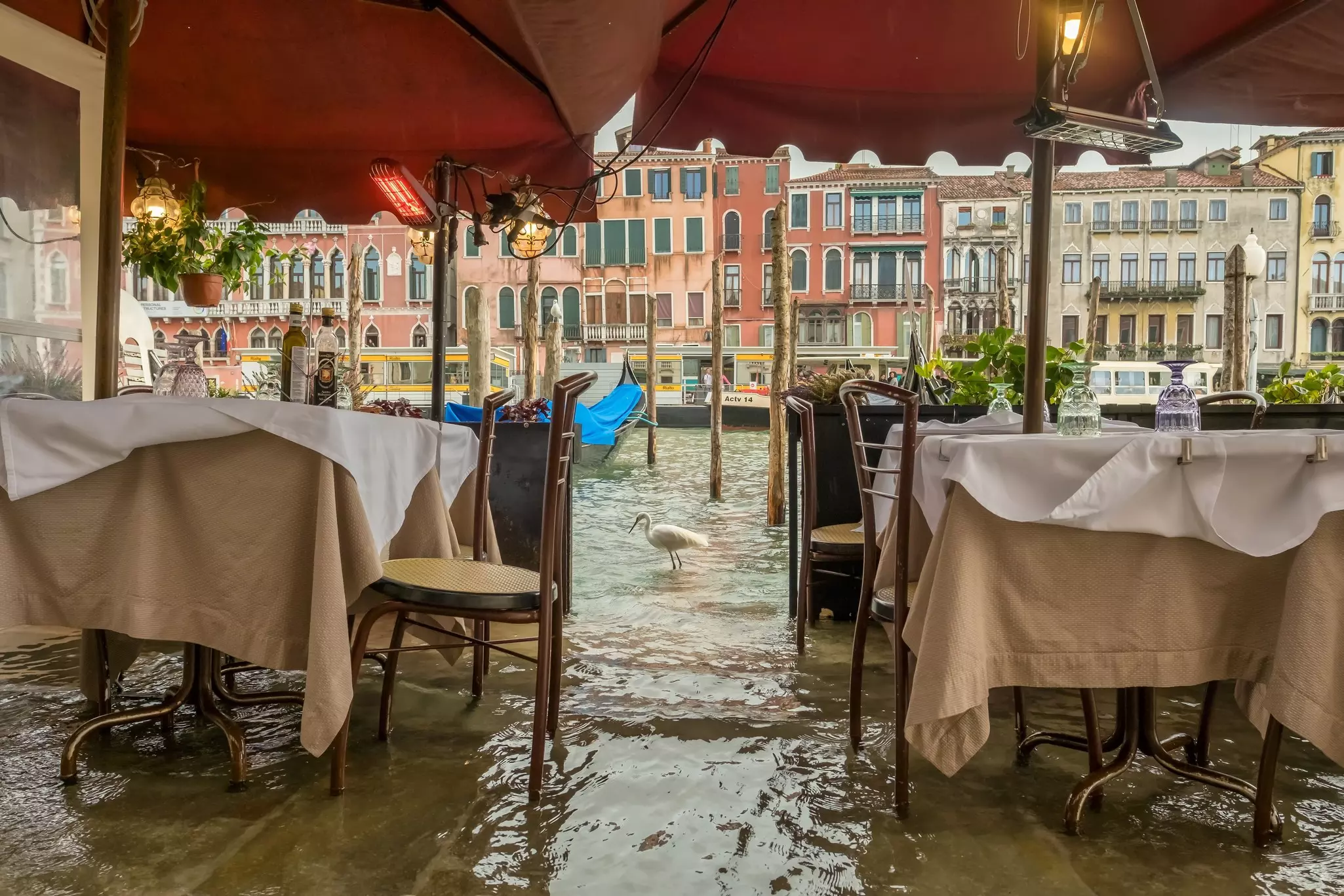
Until 2020, having an app on your phone that checked the tide level was an essential Venice download, but since the MOSE flood barriers came into action during the pandemic, it’s unlikely the city will see regular flooding as it once did. However, some parts of Venice – Piazza San Marco and the area around the Rialto market, for starters – sit below the level of the barriers and can still get wet during higher-than-normal tides.
It’s not a big deal – you can always get around, it lasts under an hour, and for tourists, it’s more beautiful than annoying. But if you want to check levels before heading over to those areas, download the hi!tide Venice app. If you’re traveling in January or February, low tides might be more of an issue – those photos that get published of muddy canals at the start of the year are a regular event, but again, it’s more of a bummer for your photos than a real problem.
Sprained an ankle as you sprinted across a bridge? Feeling faint and overwhelmed by all the art? Venice has one hospital, helpfully at the vaporetto stop called Ospedale, but you don’t have to go to the ER for help. Visit the first aid center (Punto di Primo Intervento) in Piazza San Marco. It's staffed by doctors who can tell you if you need to go to the hospital, but who can also save you the wait if they can deal with it themselves. In a medical emergency, call 118.
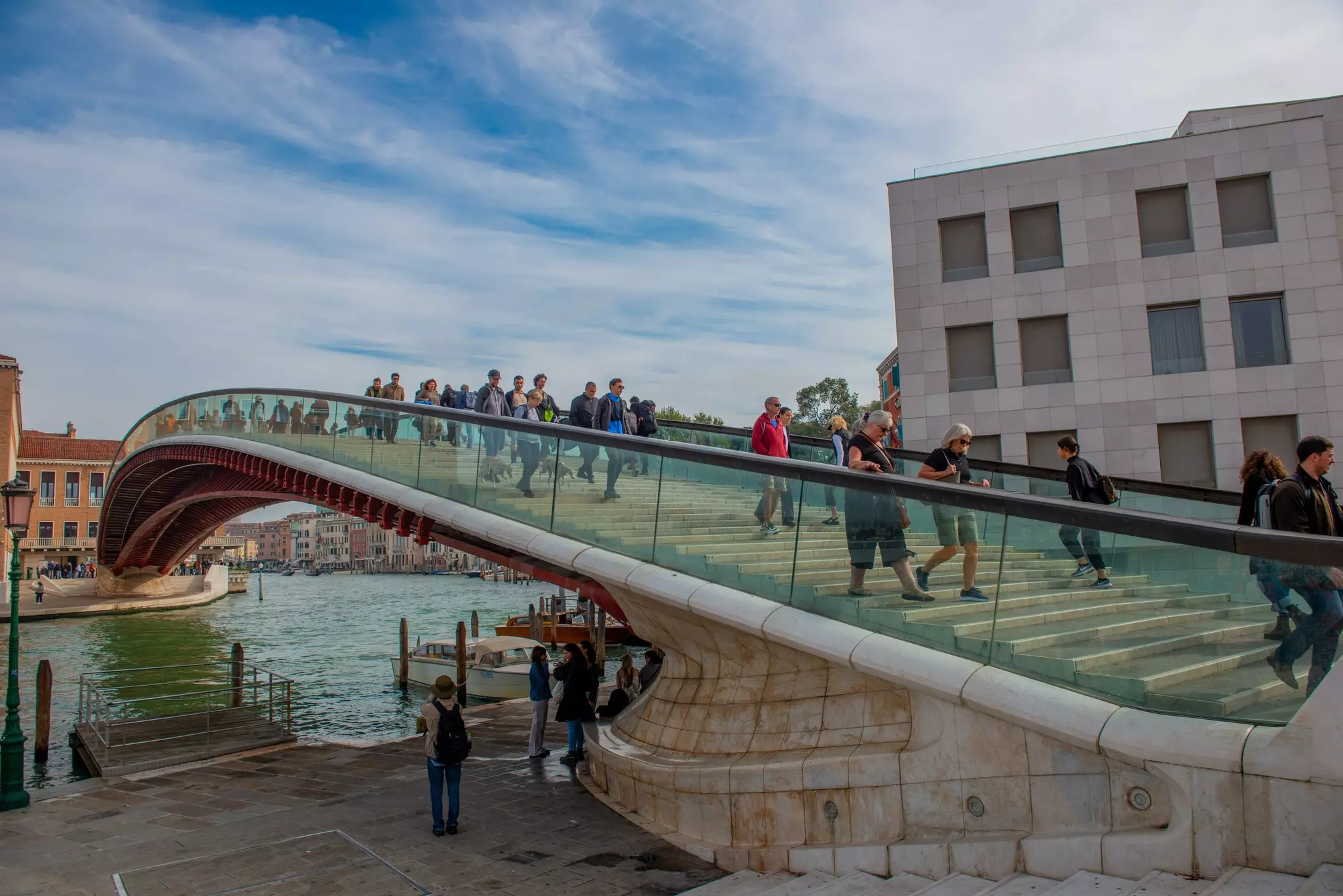
You know, of course, that there are no cars in Venice. But there is a popular parking lot at Piazzale Roma, the road terminus for the city, located on the outskirts of Santa Croce. Don’t bother trying to get there – it’ll likely be full, and at peak times you could spend upward of an hour navigating the one-way system to turn back. If you really want to park near the city center, fork off right to Tronchetto before Piazzale Roma, where there’s a vast parking lot.
Better still, park near the train station at Mestre, on the mainland, and take a 10-minute train to Venice, or drop off your rental car at Marco Polo Airport and take the Alilaguna ferry into town. Wherever you park, don’t leave valuables in your car, and certainly leave nothing visible inside.
One floating city, three ways to get in from the airport. The chi-chiest way is by water taxi, which will whisk you from the airport’s pontoon area straight to your hotel (or as near as it can get, depending on the canals). However, it’s pricey – think €140 and up.
Then there’s the Alilaguna ferry, which has various routes and stops around the city center; at €18, it’s much cheaper, and the views are the same. Finally, you can get a coach or bus to Piazzale Roma, the road terminus on the edge of the city (€10). From there, walk or take a vaporetto (€9.50).
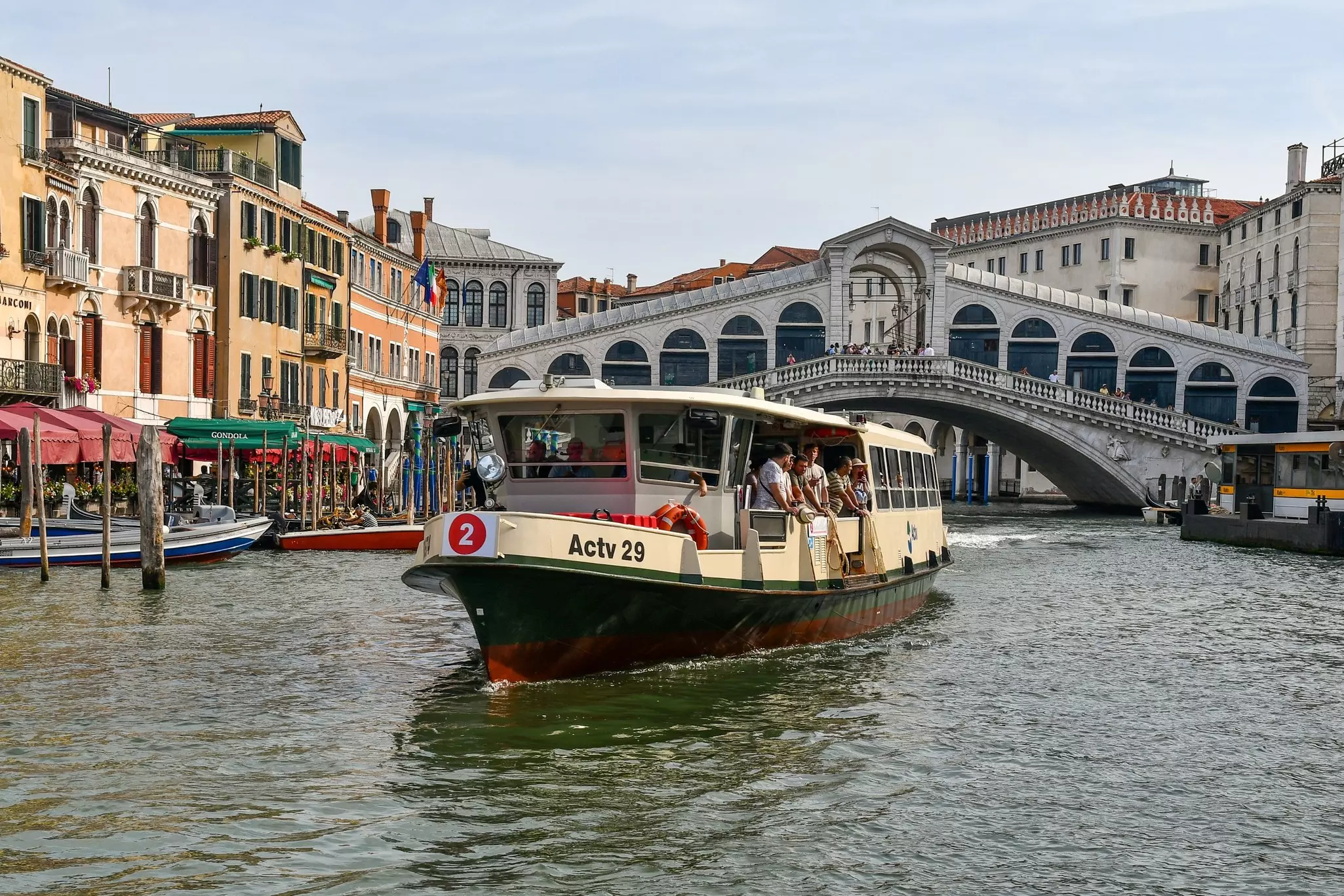
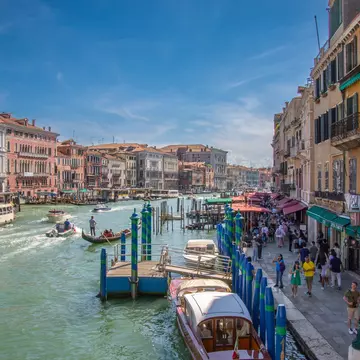
You’re going to be taking a lot of boats in Venice. Your main routes will be with the public transportation company ACTV. This runs the vaporetti (water-buses) in and around town. If you’ll be using them a lot, it’s worth getting a timed pass rather than paying by the ride.
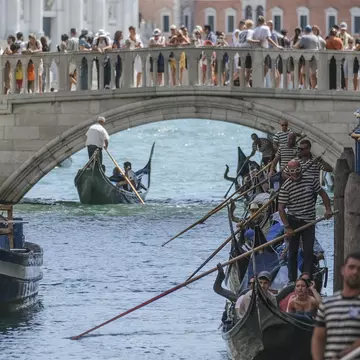
There are also water taxis – slinky private rides that whisk you around like any other taxi, only for about 10 times the price of a car. And of course, there are gondolas, for those romantic rides along the water. If a gondola doesn’t feel right, you can get a similar experience in a traghetto – an oversized gondola that’s used as a public transportation option to cross the Grand Canal at regular points. This costs just €2, as opposed to €90 for a 30-minute gondola trip.
A prime mistake that visitors make (and I should know – I did this when I first moved here) is seeing Venice through its vaporetto map and calculating the nearest stop to places you’re going. It’s understandable – this is famously a city to get lost in – but unnecessary.
It’s often quicker and cheaper to walk, since the vaporetti are so expensive. For instance, you can walk to most parts of San Polo or the Zattere in 15 minutes from the station – about half the time it’d take in a vaporetto – and Piazza San Marco to Rialto is under 10 minutes on foot. Walking more is the easiest (and cheapest) way to explore like a local.
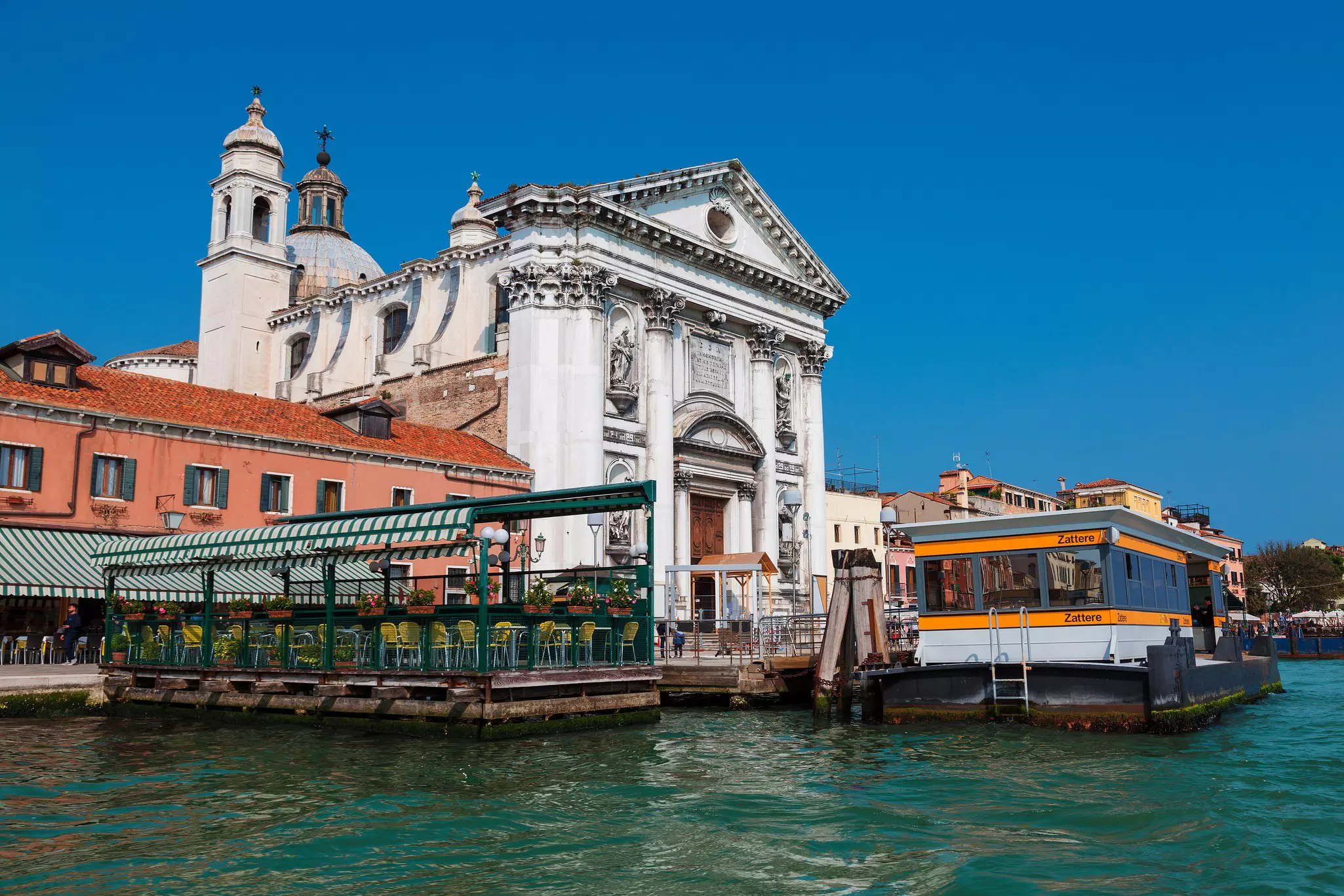
Several vaporetto stops – including at Piazzale Roma, Ferrovia (the train station) and Rialto – have separate turnstiles marked in pink as priorità (priority) and Venezia Unica (for residents). Don’t bother trying your ticket at them – it won’t work. Once you’re on the pontoon, don’t try to dodge over to their side, either. Most of those major stops have staff positioned or chains on the residents’ side. If you end up too close to the water, it can be dangerous, and it’s plain disrespectful to those who live here and deal with the crowds on a daily basis. Let them at least board the boat first.
There are strict unwritten rules on a vaporetto, and unfortunately, many tourists aren’t aware of them, provoking residents’ wrath. Here’s how to avoid getting huffed at: first, let people off before you get on. Once you’re on, stash your luggage – on the larger ferries, like 1 and 2, you should leave it up front behind the captain’s cabin, whereas on the smaller ones, you should leave it at the bottom of the stairs that lead to the seating area. (Speaking of which, many people sit in this spot, but if you do, you’re liable to be kicked out when those with luggage board.)
Venice is no ordinary city, and that goes for public transportation, too. If you’re used to round-the-clock services, be aware that some vaporetto lines (including those to the hospital) shut down entirely before 9pm, and others run a restricted service. If you’re going out for dinner and need to get the vaporetto back, make sure you time it right, or you may have a long wait. Download the CheBateo? app for timetables and journey planning so you know whether to make a run for it or stay for another drink.
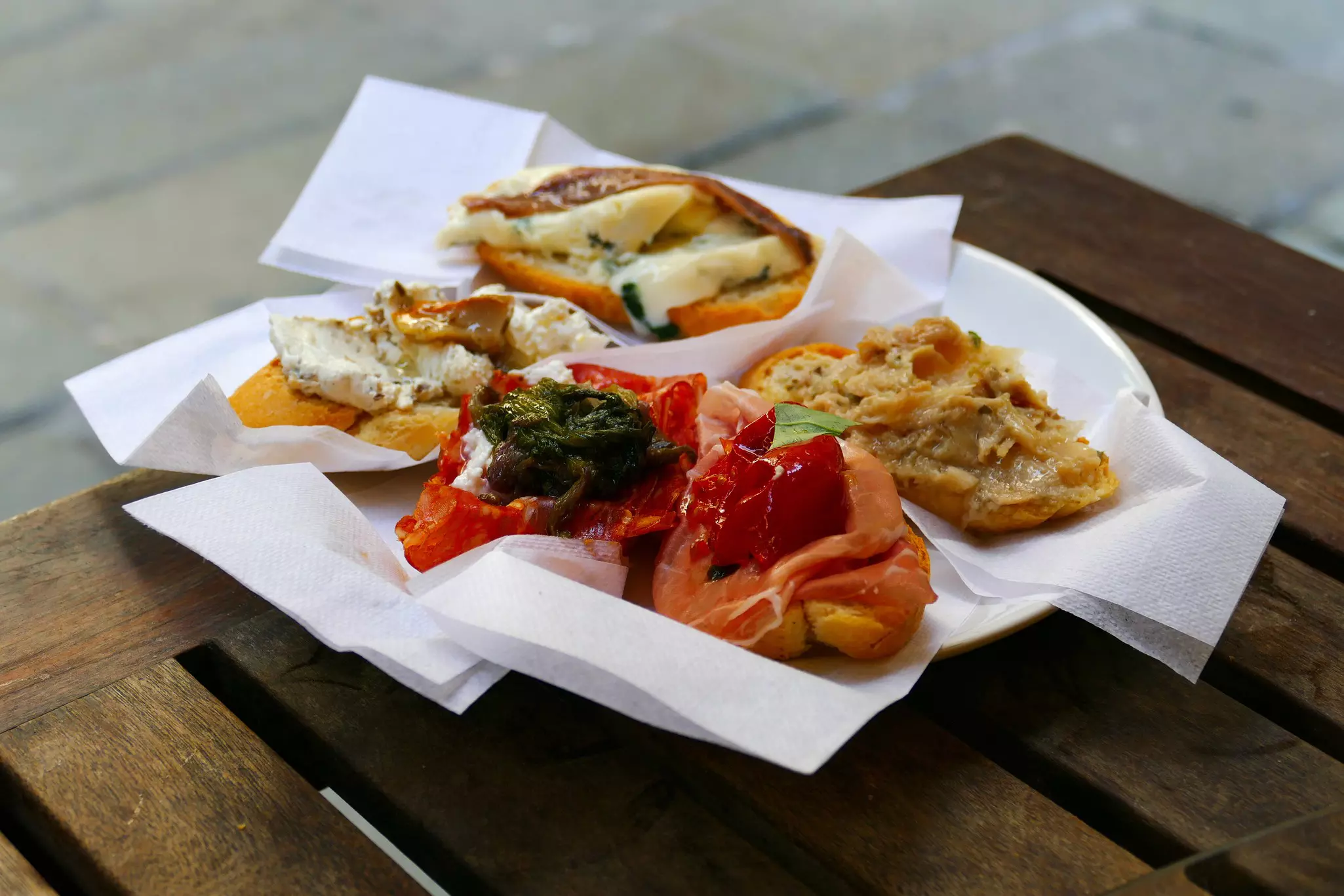
Venice is notoriously expensive, so it’s excellent news that this is the home of inexpensive bar snacks: cicchetti, designed as grab-and-go eats for on-the-job gondoliers and other workers but varied enough to make up a full meal at a reasonable price. Swill them down with a glass of wine, and take a reusable water bottle to fill up at the many drinking fountains around the city. That's one way to dodge the fines for having an illegal picnic.
This being Italy, there are strict rules when it comes to food and drink. First, there are the national ones: no cappuccino after 11am and certainly not at the end of a meal; expect your side to come after your main; don’t put cheese on fish pasta. But then there are Venice-specific ones. This isn’t traditionally a pizza or pasta place – polenta is a more traditional food base, followed by rice.
Of course, everywhere does pasta now, so there’s nothing to stop you from trying it, but the more traditional the dish you pick, the better it’ll be. Another trope with some truth to it is to never order a pizza in Venice – it’s true, they’re not exactly Naples or Rome quality, but there are some good pizzerias these days, like Oke Zattere and the two Muro outlets in San Polo.
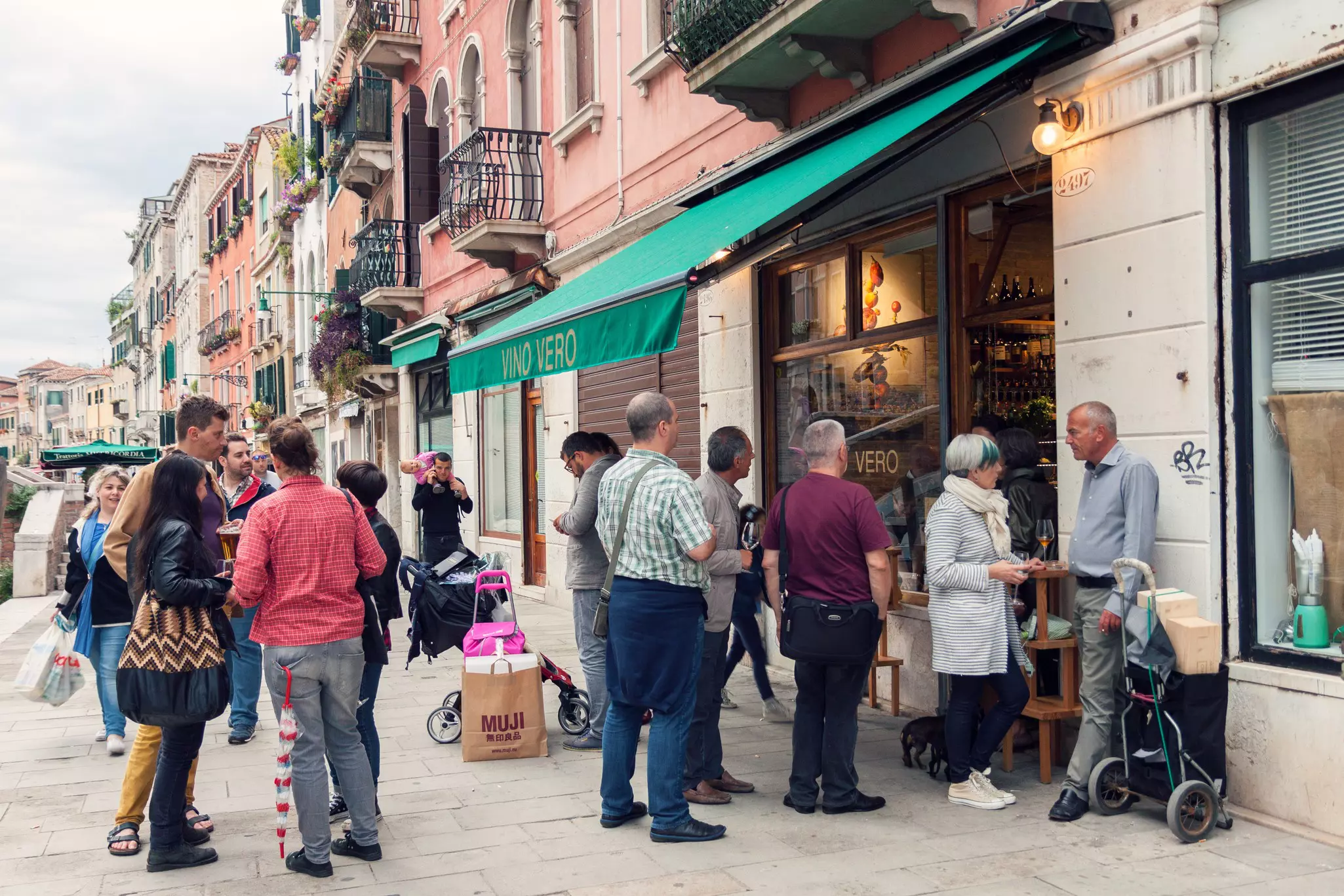
This is another Italy-wide rule, but it comes into sharper relief in Venice: drink your coffee or eat your croissant at the bar to avoid paying a seating supplement. If you’re happy to stand, you can get a drink at fancy Piazza San Marco cafes like Florian or Quadri for a few euros while those sitting outside are paying double figures — and that’s before the additional fee if an orchestra is playing in the square.
Everyone drinks a spritz (usually an Aperol spritz) when they come to Venice, but the real drink here is an ombra: a small glass of wine, perfectly proportioned to go with cicchetti and named after the Italian for “shadow” – because wine sellers used to stand in the shade beneath Piazza San Marco’s Campanile. An ombra is much cheaper than a spritz – if you’re lucky, you can find them for €1–3. If you must have a spritz, get one made with Select, which is made locally, rather than Aperol.
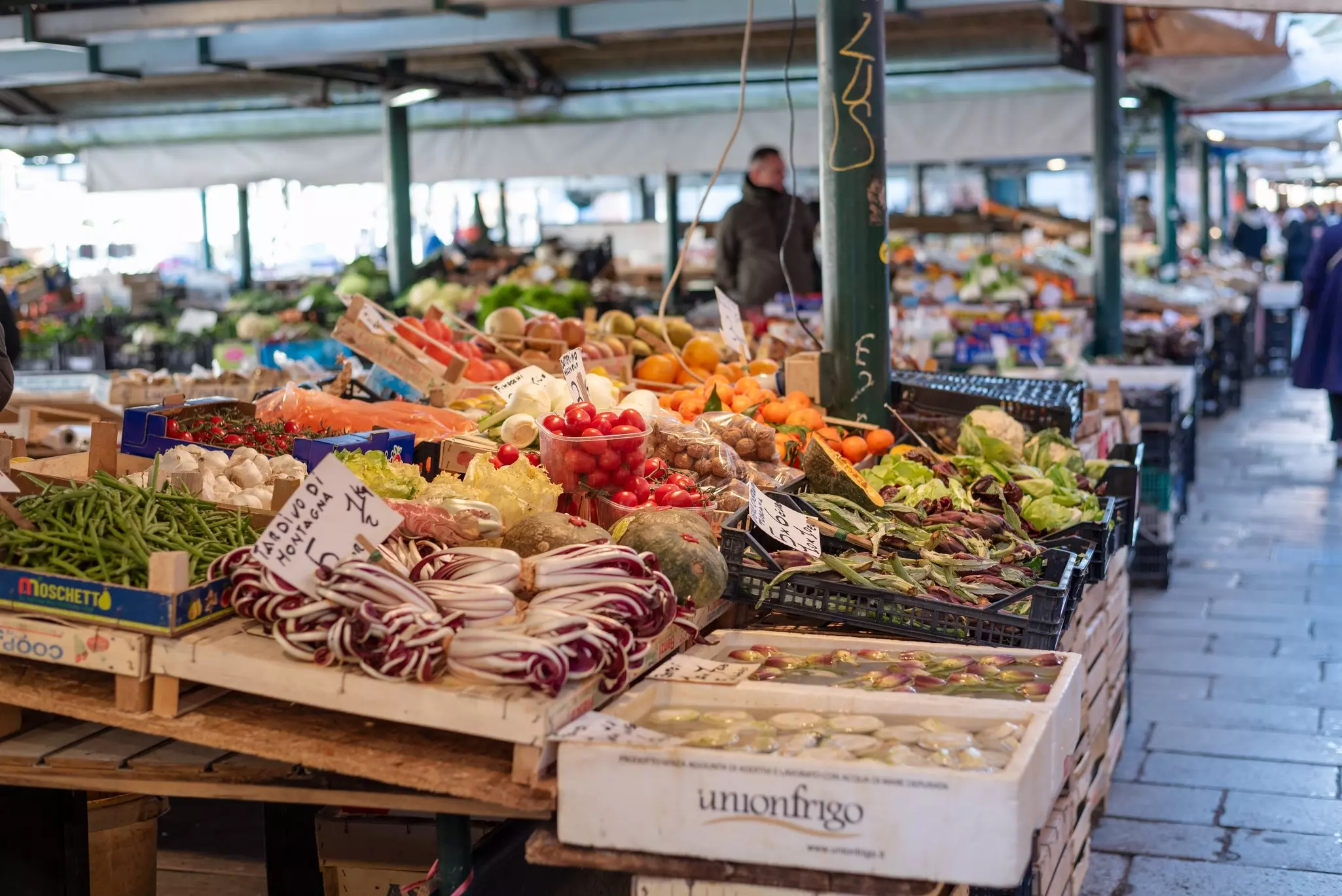
What’s better than picking your own fruit and vegetables in the supermarket? Going to a fruttivendolo, an independent greengrocer. These stock not only your generic bananas and potatoes but also plenty of locally grown fruit and vegetables – much of it grown on Sant’Erasmo island in the lagoon, and some of which you’ll never have seen before. Even better, it means you’re supporting a local business. There’s one on a boat at Campo San Barnaba and another at the end of Via Garibaldi if you want a fruity photo.
This rule goes for all of Italy, not just Venice – when you’re in the fruit and vegetable section of the supermarket, make sure you wear one of the disposable gloves on offer before you touch any fruit. And don’t forget to weigh it yourself; every item has a number that you should enter on the scales.
Explore related stories