Sep 27, 202627 min read
The Best Budget Destinations in Europe Feb 24, 2026
10 MIN READ

Writer
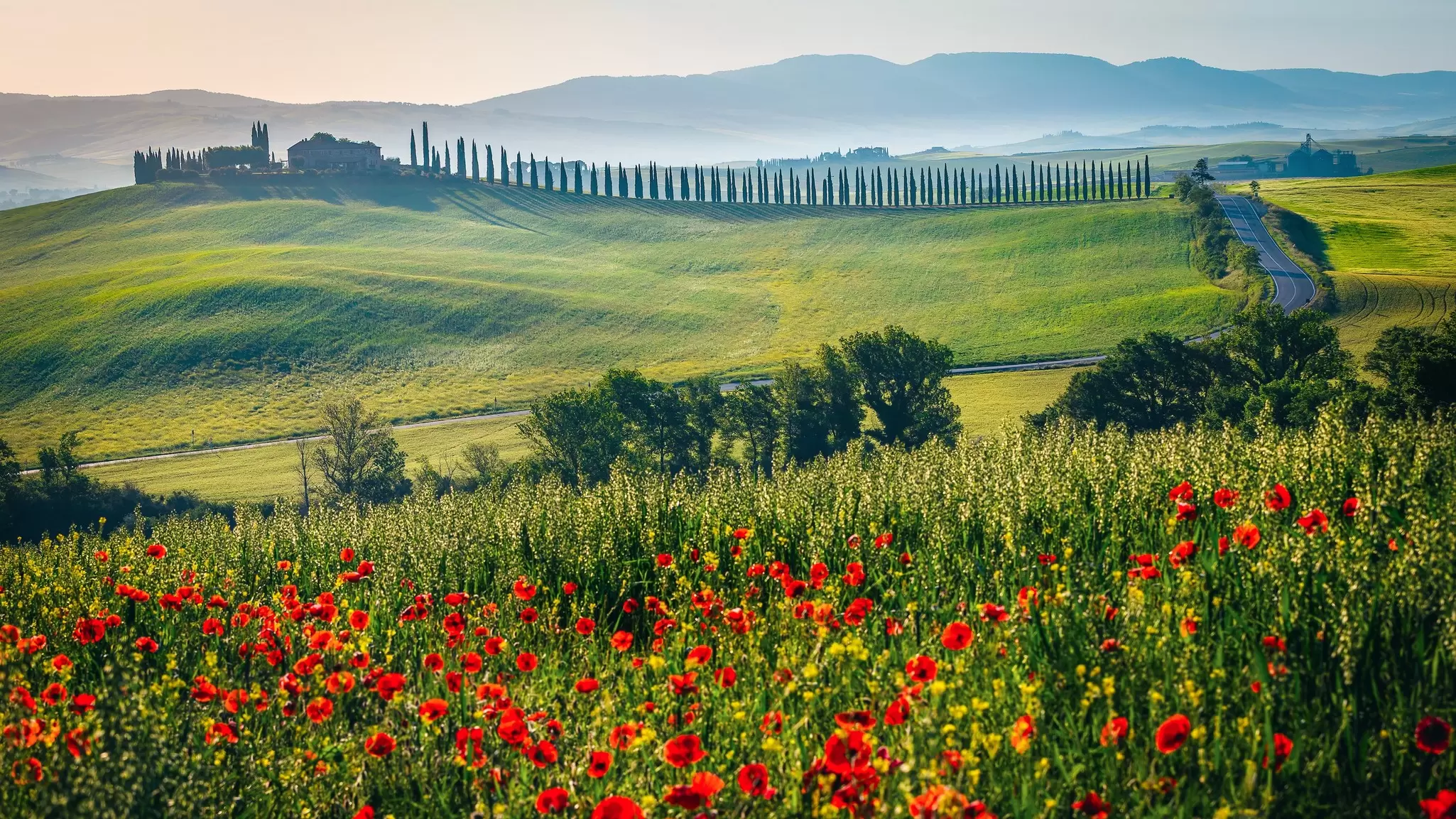
Poppies bloom on a hillside in Tuscany, Italy. Gaspar Janos/Shutterstock
Writer
Lonely Planet may earn a commission from affiliate links on our site. All recommendations and reviews reflect our own independent opinions.
Europe’s staggering displays of flowers mark the seasons in the most brilliant way imaginable. Sunflowers nod their golden heads under flawless blue skies in Tuscany in summer. Lavender fields ripple for fragrant miles between the honey-colored stone villages of Provence. Roses fill the air with the sweetest perfume in Bulgaria. Bluebells paint Britain’s ancient woodlands purple as cuckoos begin to call in May. Tulips usher in the spring with a rainbow riot of blooms in the Netherlands.
Whether you are up for exploring on foot, by bike or on a road trip, here are eight of the best places to see flowers in Europe. Read on for sweet-scented inspiration!
Best for fragrant fields of lavender
When to go: mid-June to mid-July
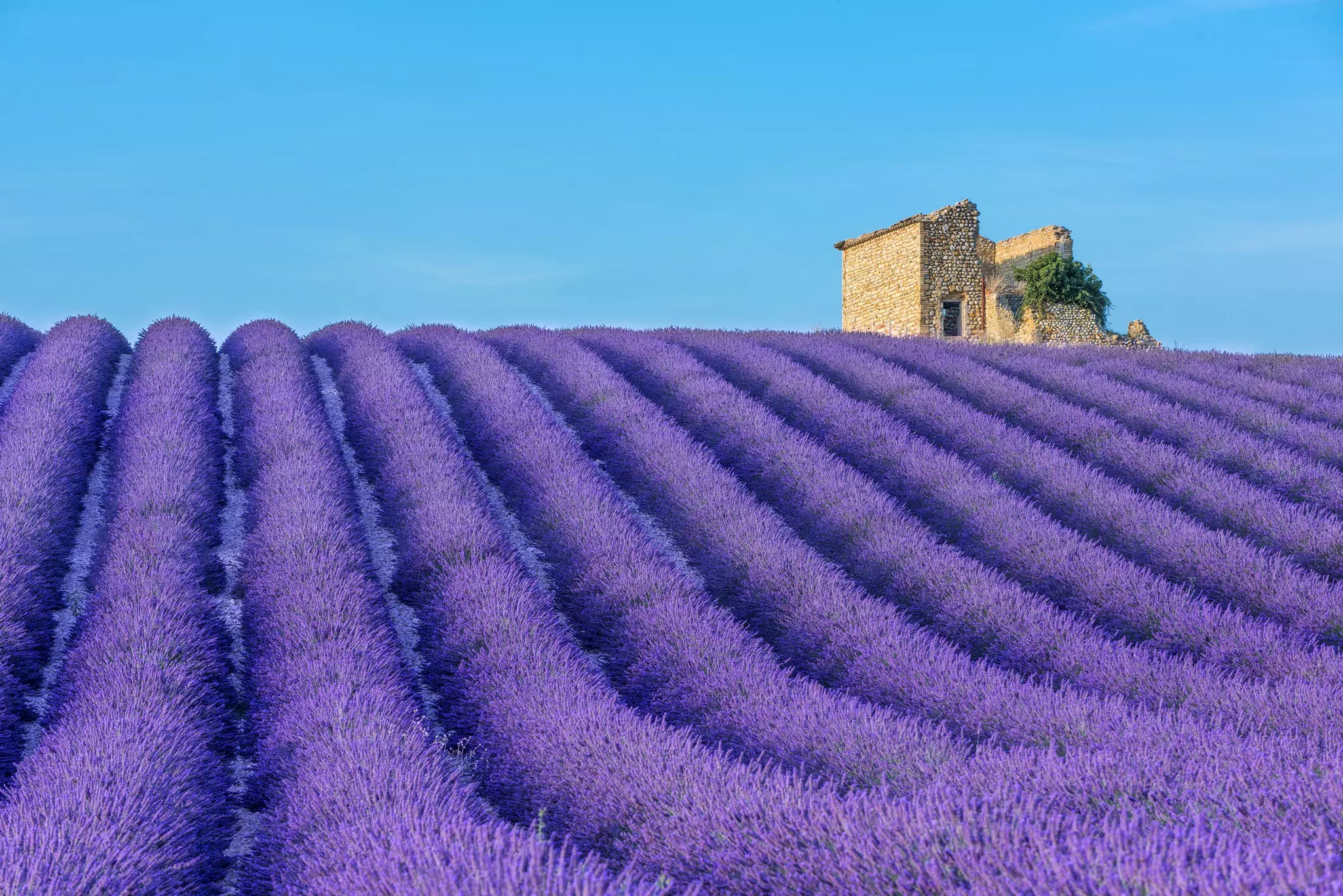
A setting plucked straight from a French rom-com, the Plateau de Valensole is a carpet of lavender, embroidered in purples, violets and deepest blues, spreading across rolling fields as far as the eye can see. High on a hillside sits an ochre-stone village; the sunshine is warm, the air perfumed, and the lazy hum of bees floats on the breeze. Bienvenue to France’s Plateau de Valensole.
Loveliest in the hazy golden light of midsummer, this is the Provence of your wildest dreams. July is peak lavender month in the cute medieval village of Valensole, which goes all out to celebrate its most famous bloom. To take a little Provence home with you, distillery visits offer a chance to buy lavender at the source.
Head for Lavande Bio Berenger for organic lavender oils, soaps and dried bouquets, prepared from hand-grown and harvested flowers, to keep the summer vibes going back at home. Walks, bike rides and picnics with views of lavender fields will immerse you in the area's floral beauty. Valensole is also a great foodie stop; fill your pannier (basket) with local lavender honey, olive oil, almonds and goat's cheese.
Getting there: Valensole is just over an hour’s drive north of Marseille, where you’ll find the nearest airport. Or reach it in just over 2 hours by train and bus.
Best for fields of gold
When to go: April–May for poppies; July–August for sunflowers
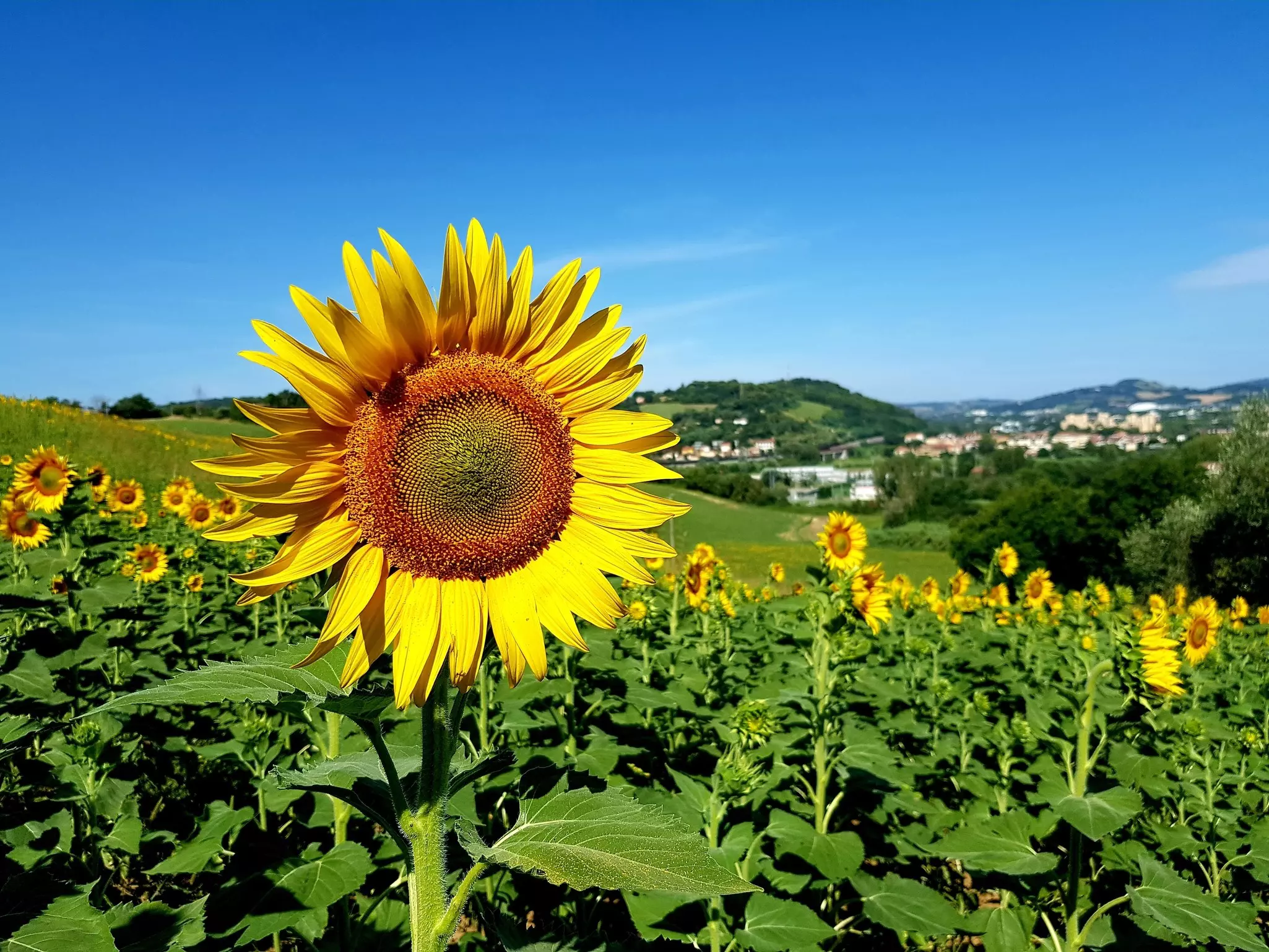
If you had to pick just one region of Italy for its landscapes, Tuscany would be right up there. Few places floor you with natural beauty quite like the UNESCO World Heritage-listed Val d'Orcia, south of Siena. Get your timing right, and you are in for a floral treat when the fields explode first with blood-red poppies in spring, then with the intense golds of mile after brilliant mile of girasole (sunflowers) in summer.
On a flower-focused trip to Tuscany, you can swing along country lanes lined with cypress trees and vines, ticking off medieval walled towns such as Pienza, Monticchiello and San Quirico d'Orcia like rosary beads. En route, you’ll be dazzled by fields of crimson and gold unfurling at the foot of conical hills.
Another terrific spot for sunflower lovers is the Mugello Valley north of Florence, where the Sieve River flows through scenic farmland. The Apennine Mountains pucker up above this fertile valley, easily explored on trails that weave through the fields.
Planning tip: Slow touring is the way to go. If you fancy exploring by bike or e-bike, you can rent wheels at Bike Store Mugello in Borgo San Lorenzo. The golden hour before sunset is best for photo ops.
Best for woodland fantasies
When to go: mid-April to late-May
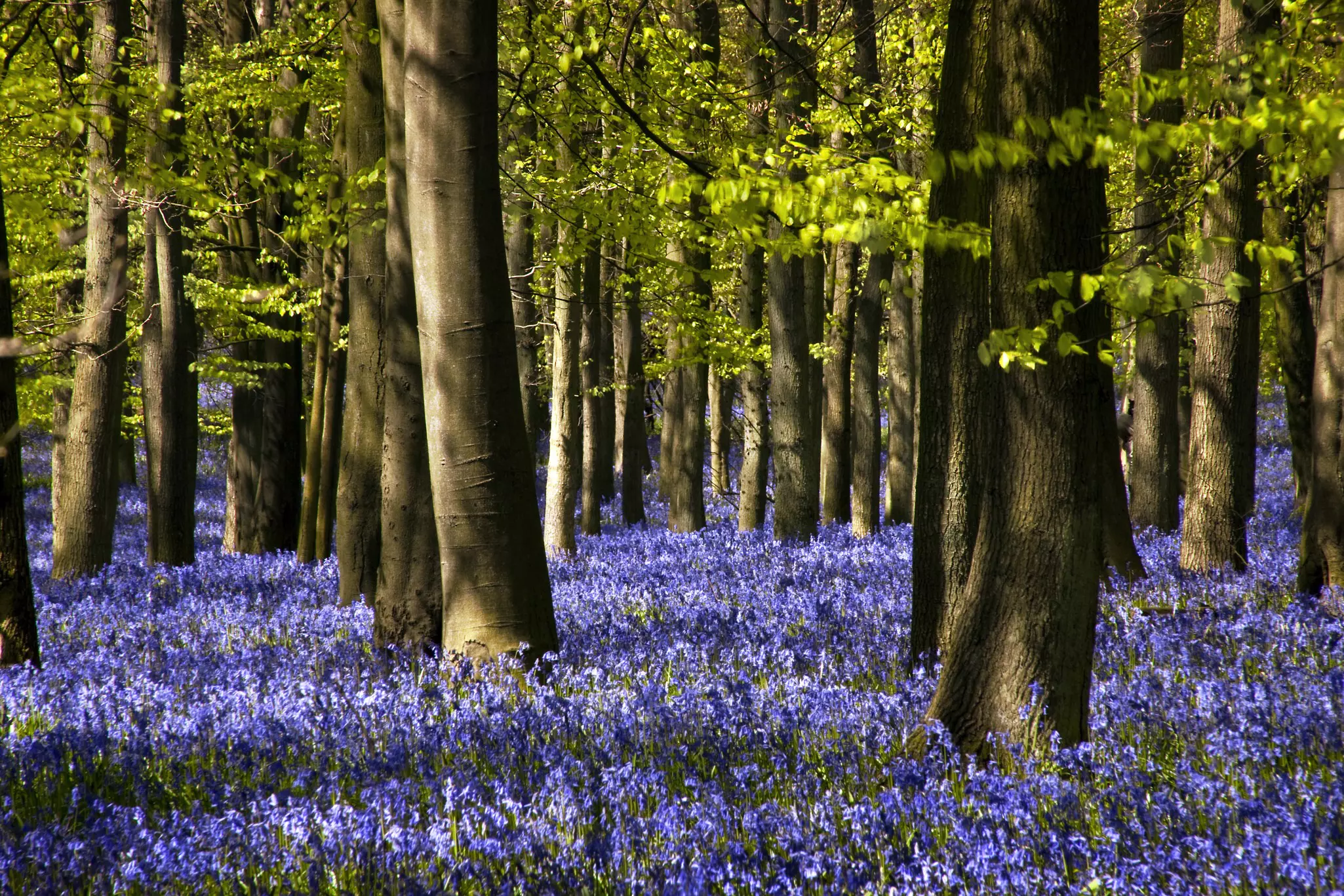
Swirling in myth and legend, and blooming in the half-light of woodlands across Great Britain, native bluebells are a sure sign of spring. These are the flowers of fairy folk, who were said to curse anyone who dared to pick them. Indeed, there is something near-magical about stumbling across these delicate, bell-shaped blooms as you tiptoe in silent wonder through fern-flecked woods of oak, ash, beech and sweet chestnut.
Begin your bluebell hunt in the woods of the southeast. Here, enchanting spots include National Trust Blakes Wood in Essex, where a 2.5-mile ramble through ancient oaks leads to Danbury Common. Listen out for nightingales while admiring bluebells, wood anemones, dog violets and orchids.
Just as lovely are the carpets of bluebells at Hertfordshire’s Ashridge Estate, 20 sq km of National Trust-protected woodlands, chalk downs and meadows in the Chiltern Hills. Walks get you out amongst all the floral beauty on 80 miles of trails, with top billing going to the 1.6-mile route to Dockey Wood.
More, you say? Once beloved of old Romantics like Turner and Wordsworth, the Wye Valley, straddling the Welsh-English border, wows with bluebells. If I had to pick one walk, it would be the heart-thumping, 1.25-mile trudge up to Eagle’s Nest viewpoint in Wyndcliff, which dips into beech and yew woods carpeted with bluebells. On clear days, views reach all the way to the Cotswolds and Mendip Hills.
Detour: Bluebells fill woodlands all over the country. Scotland’s finest bluebells freckle Kinclaven woods, on a bend in the River Tay in Perthshire. Walk the Oakwood Loop and keep your eyes peeled for great spotted woodpeckers, flycatchers, red squirrels and deer.
Best for cherry blossoms
When to go: mid-March to early April
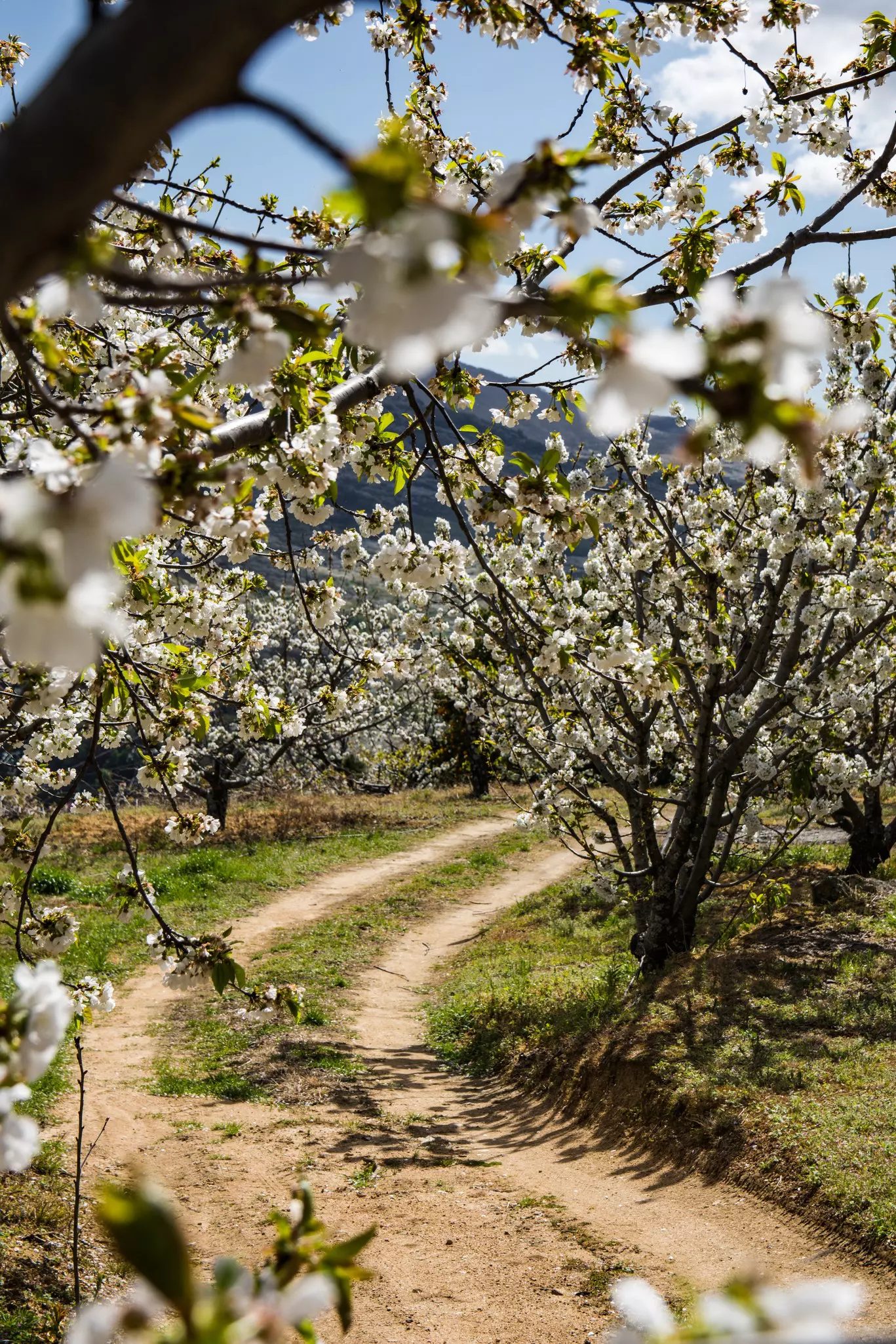
The Japanese rave about the fleeting beauty of sakura (cherry blossom), marking the season with hanami (flower viewing), parties and picnics. But you’ll also find sensational displays of cherry blossom across Europe, heralding the arrival of spring with a scattering of pink and white confetti.
One of the most entrancing cherry blossom experiences is seeing 2 million snow-white cherry trees in fragrant bloom in the rugged reaches of the Jerte Valley in Extremadura, Spain. However, their beauty is transient – the trees bloom during an all-too-brief 10–day period, sometime between mid-March and early April. The UNESCO-stamped city of Cáceres, a medieval stunner of twisting alleys and Moorish towers, is a great base for striking out to explore the valley’s villages.
During the cherry blossom season, the valley hosts the Fiesta del Cerezo en Flor, which celebrates the flowering of cherry trees with cultural events, guided walks, music and food. To get in on the act, road-trip along the valley’s 30-mile circular driving route.
Planning tip: The small, sweet Picota cherries (PDO) that grow from this magnificent blossom are harvested in May and June, but you can get a year-round taste of them in locally produced jams, liqueurs and wines.
Best for water lilies
When to go: June to August
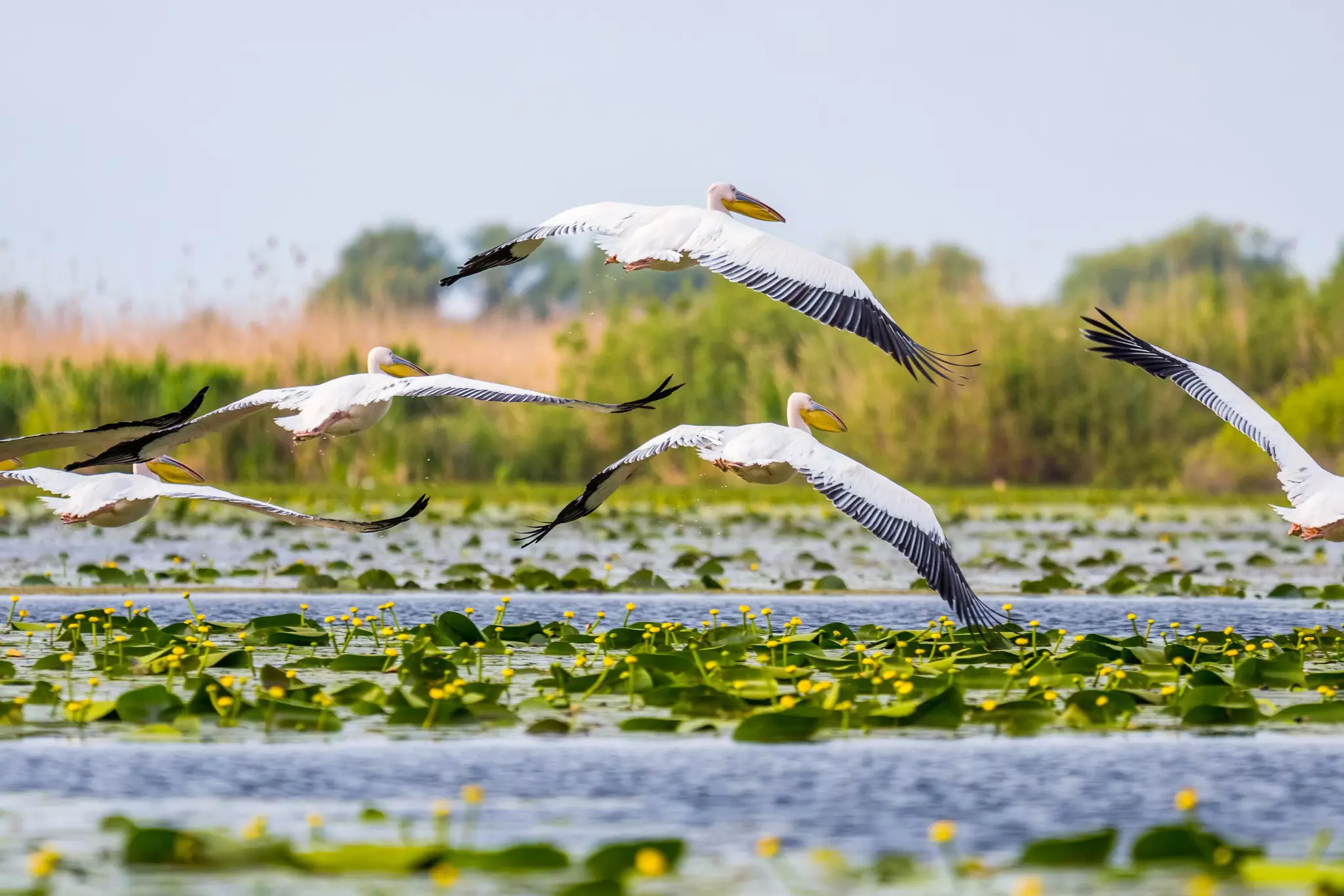
Monet’s gardens in Giverny get all the fuss when it comes to the famous water lilies that inspired the French Impressionist’s brush. But for a far wilder experience with these floating flowers, make for Romania’s World Heritage-listed Danube Delta, a watery wonderland of reed beds, canals, marshes and islands, where the mighty river takes a farewell bow before emptying into the Black Sea.
Dubbed the "Amazon of Europe," it's a place where nature runs riot – as do the white and yellow water lilies patterning its channels and lakes. Tulcea is the springboard for delta cruises, hiking and birdwatching tours. Ibis is a reliable operator, with expert guides leading multi-day tours with impeccable eco credentials.
A particular highlight is the Magearu Channel, with floating islands known as plauri and photogenic displays of water lilies. You can also glimpse them on a half- or full-day boat tour with local operator Danube Delta. Pretty blooms aside, you’ll want to pack binoculars to spot birdlife from ibises to kingfishers, purple herons and Dalmatian pelicans.
Getting there: Tulcea is roughly a 4-hour drive from Bucharest (or 5 hours by train), or it's a drive of 1 hour and 30 minutes from the nearest airport in Constanța.
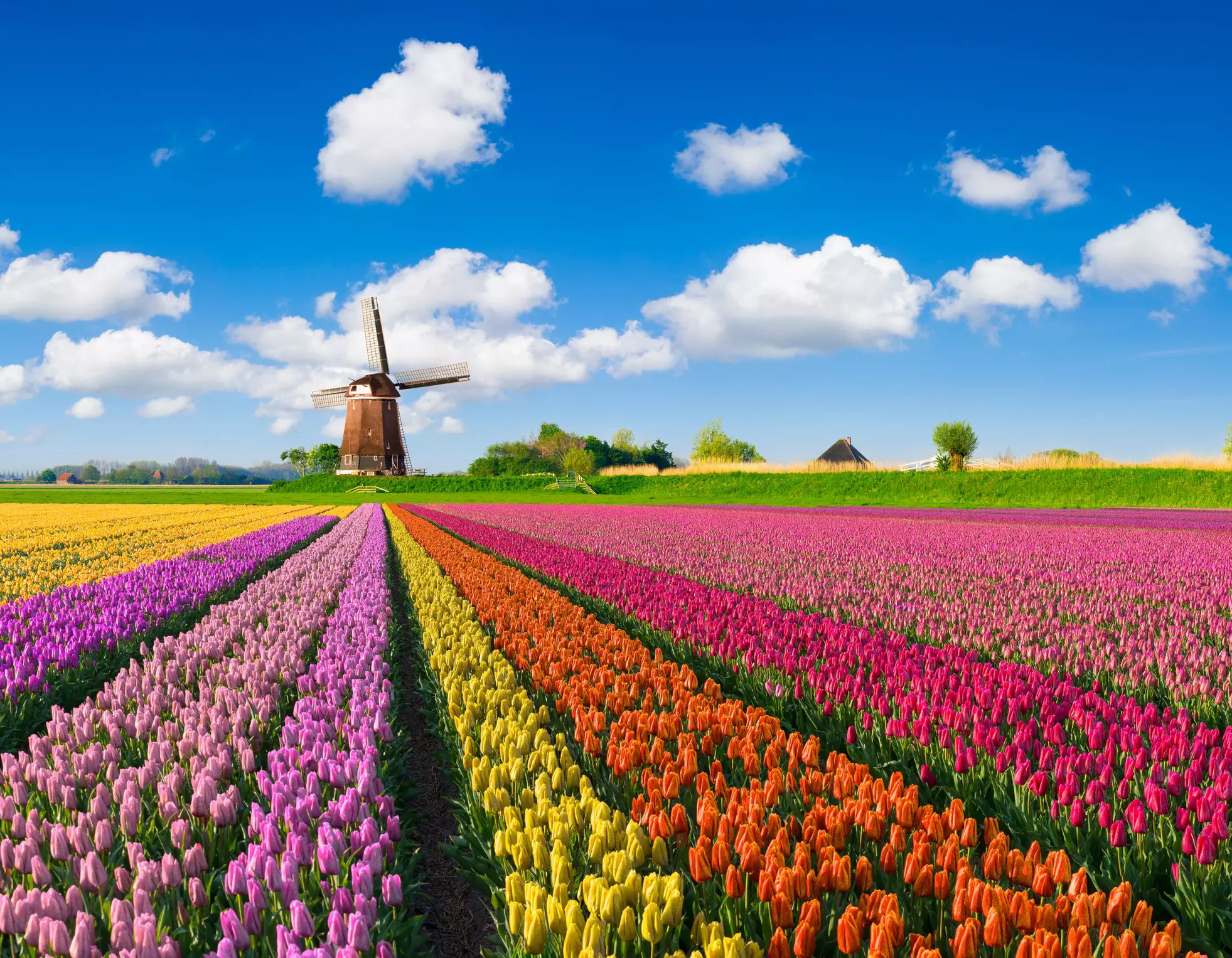
Best for technicolor tulips
When to go: mid-March to mid-May
Tulips on market stands in Amsterdam in January are a first, tantalizing glimpse of the warmer months to come. Because – let’s face it – nothing brightens up drab winter days and says spring like a bouquet of these rainbow blooms. And don’t the Dutch know it. On the third Saturday in January, the Netherlands' capital goes all out for its iconic bulb at National Tulip Day, with free tulip picking on Museumplein to the jaunty beat of brass bands.
Return in spring for a deep dive into the Bollenstreek (Bulb Region), reaching from canal-woven Haarlem to Leiden on the North Sea. Unmissable is the 32-hectare Keukenhof, the world’s largest flower bulb garden, ablaze with daffodils, hyacinths and 7 million tulips in every variety and shade under the sun.
View the floral magic on a short cruise from the windmill, or rent a bike near the entrance to pedal through kaleidoscopic tulip fields on Keukenhof’s fringes. For the kind of photos that vacuum up Instagram likes, swing over to the Tulip Experience in nearby Noordwijkerhout, where you walk in a garden of four million blooms and pick your own.
Planning tip: Book your Keukenhof tickets in advance online to secure a time slot. For smaller crowds, arrive as the gardens open at 8am or after 4pm (the gardens are open until 7pm). Midweek visits are quieter.
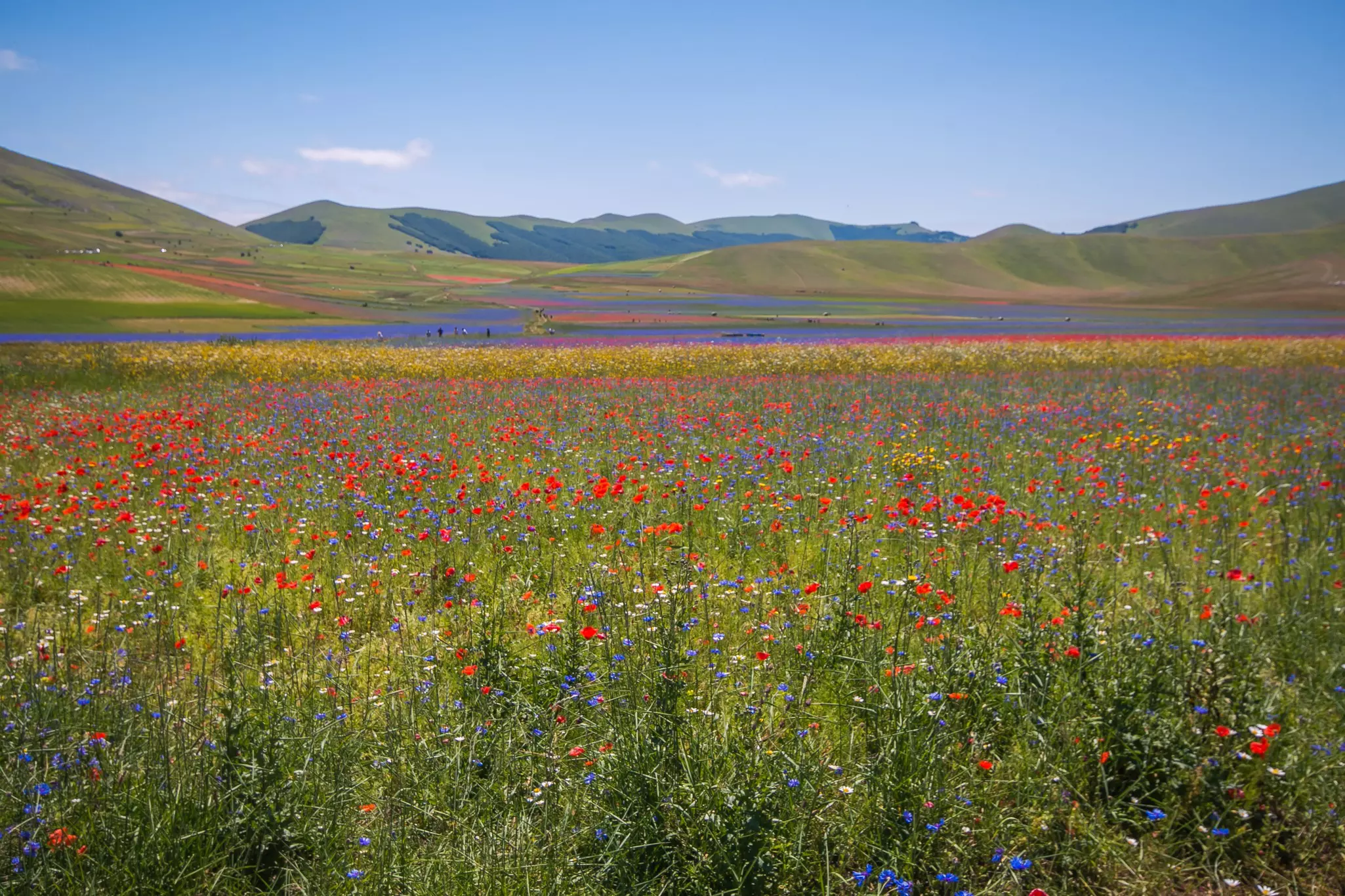
Best for wildflowers
When to go: May to July
With the mountains of Monti Sibillini National Park hovering on the horizon, Umbria’s Piano Grande is a radiantly pretty backdrop for the spring and summer eruption of wildflowers. Cue a painterly scene, with fields streaked with wildflowers in vibrant pops of yellow, pink, red, white, blue, violet and purple. Born from a glacial lake, this 10-sq-mile plateau dons its floral finery each summer for one of Italy's most impressive natural spectacles, known locally as la fioritura.
As temperatures rise in spring and summer, so too do poppies, cornflowers, tulips, daisies, crocuses and narcissi and flowering lentils, transforming the slopes into a fragrant mass of color. The national park is woven with hiking trails, but you can walk where you wish on this open plateau. The high-slung village of Castelluccio di Norcia makes an ideal springboard for exploring.
Getting there: The nearest airport is in Perugia, just under 2 hours from Piano Grande by road. The region is fairly remote, so you’ll need your own wheels to get here.
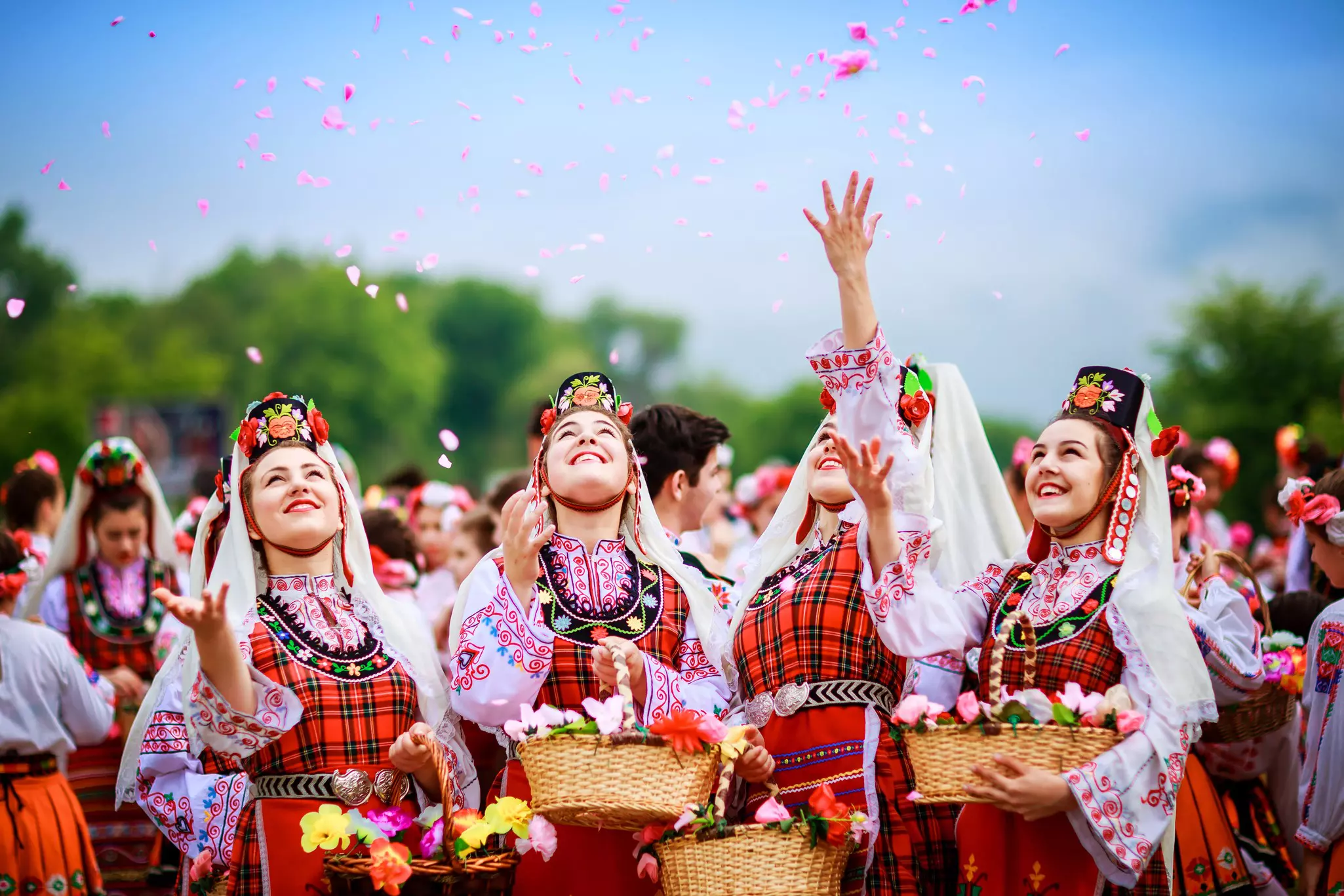
Best for rose petals
When to go: mid-May to mid-June
Stopping to smell the roses is useful advice for life – and nowhere more so than in Bulgaria’s river-woven Valley of the Roses. In summer, the intoxicating scent of millions of pink roses fills the air along this 60-mile-long valley, which rolls out at the feet of the rugged Balkan Mountains (Stara Planina).
A perfumer’s vision of heaven, the valley produces two-thirds of the world’s rose oil, and picking and distillation techniques have changed little over the centuries. Seeing the roses in full, fragrant bloom is pretty special, especially in the pink-gold glow of sunset. The Thracian-rooted town of Kazanlâk is a terrific base for slow touring the valley, with its Museum of Roses shining a spotlight on the history of the region’s rose oil production.
Planning tip: Time your visit to catch the Rose Festival on the first weekend in June, an ode to the rose with early morning picking rituals, costumed parades, folk dancing, the crowning of the "Rose Queen" and rose-flavored goodies. If you would prefer to get more insight with a guide, hook up with Bulgaria Rose Festival Tours.
Explore related stories