Sep 17, 20267 min read
6 Best Day Trips From Brisbane Jan 15, 2026
11 MIN READ

Writer
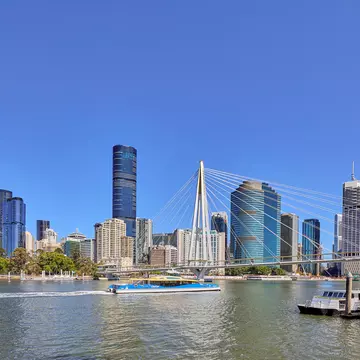
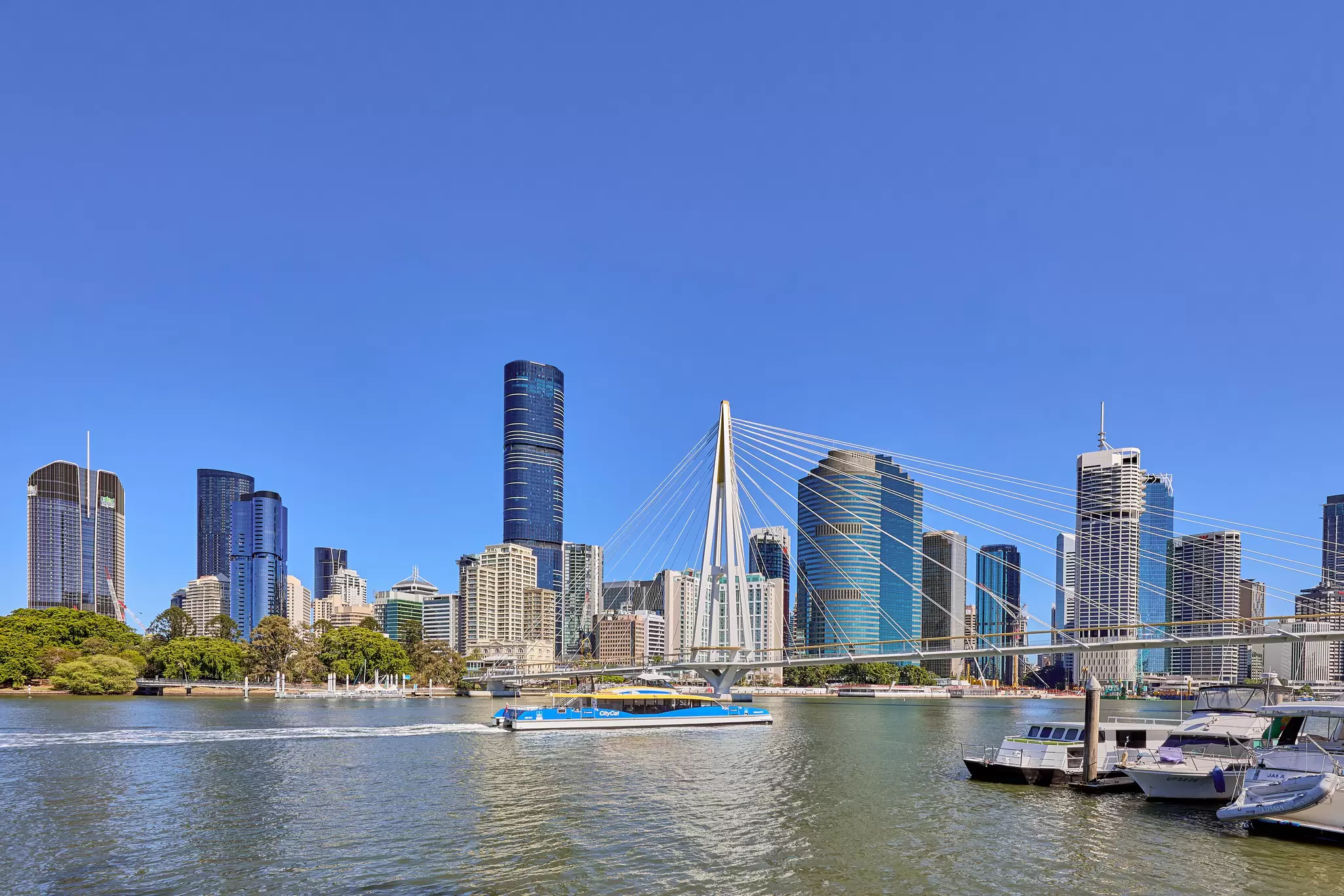
Kangaroo Point Bridge over the river in Brisbane, Australia. Peter Unger/Getty Images
Writer
Lonely Planet may earn a commission from affiliate links on our site. All recommendations and reviews reflect our own independent opinions.
A sun-drenched city with much to offer, Brisbane (Meanjin or Meeanjin) is shifting almost as rapidly as the current of its namesake river. Queensland’s subtropical heart is abuzz as it becomes primed for the 2032 Olympic and Paralympic Games – there’s already excitement in the air. And yet, despite the Sunshine State capital’s slew of shiny new accommodation offerings, freshly flourishing food and drink scene, and growing number of wellness and cultural attractions, its creative fringe and down-to-earth nature continues to thrive.
Distinct in character (and climate) from its far-flung East Coast Australian capital neighbors, Sydney and Melbourne, Brisbane has an underdog energy of its own. Here, residents bask in the glimmer of year-round sunshine and warmth that lends itself to an easy, outdoor lifestyle and sunny disposition.
Here’s what you need to know when visiting Brisbane.
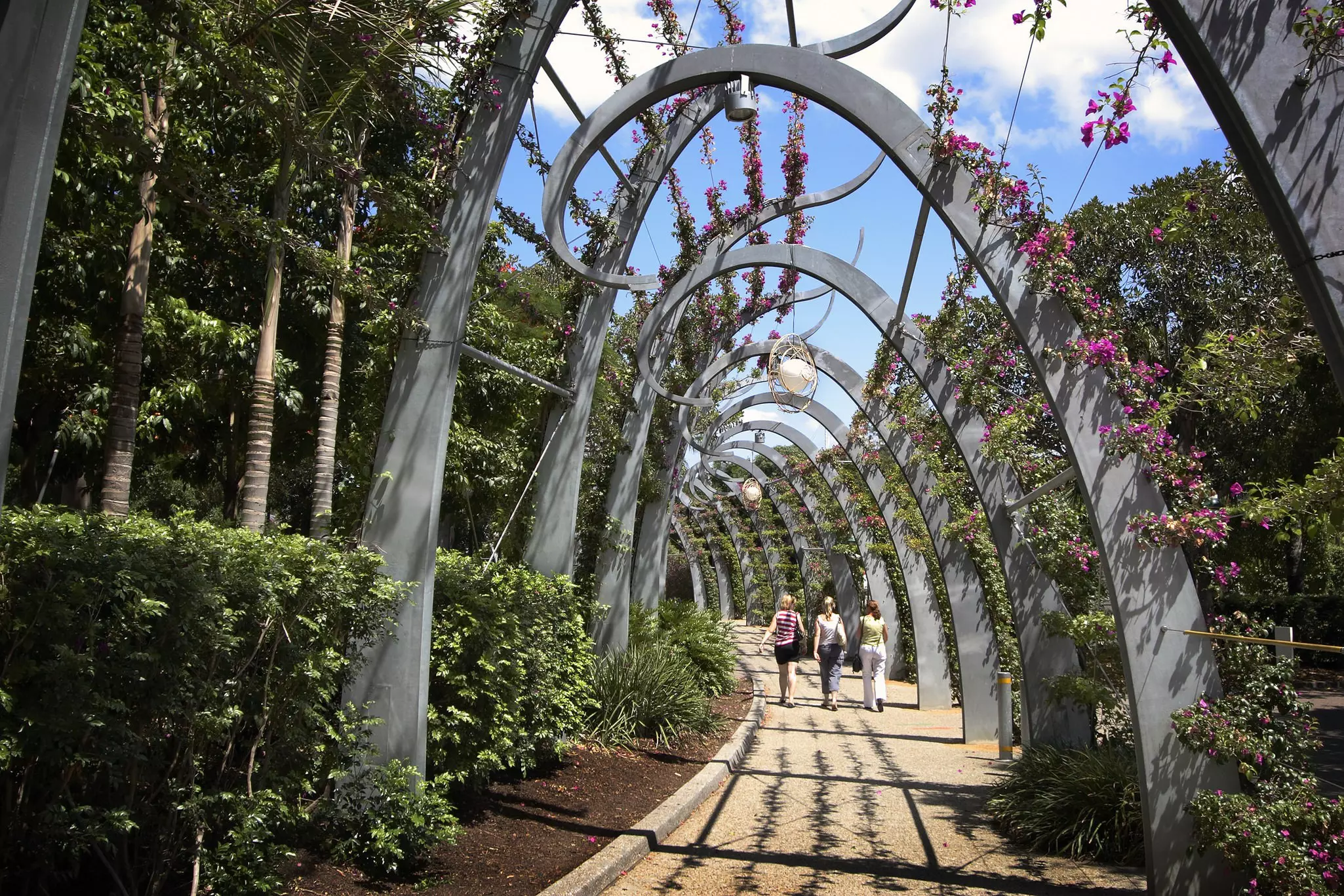
For warm days without the swelter, Brisbane’s shoulder seasons – autumn (March to May) and spring (September to November) – are resplendent. In spring, jacaranda flowers cover footpaths and parks like purple snow, rainy days are few (until November) and the sun’s rays are milder than during summer months. Autumn also provides travel-friendly weather for those wanting to wander outdoors without fear of melting as the Brisbane River (Maiwar) glitters under a gentler sun. These seasons call for alfresco dining, rooftop drinks and leisurely picnics in the city’s green spaces and riverside parks.
While some like it hot, Brisbane's high summertime humidity – coupled with frequent tropical storms – can feel relentless. It’s ideal, however, for those who wish to spend time in Brisbane’s air-conditioned art galleries and museums or visit the sandy shores of the Sunshine Coast and Gold Coast – both of which are less than a 2-hour drive from Brisbane’s city center when traffic is on your side. For those traveling on a budget, it’s best to visit outside of the summer school holidays (mid-December to late January, when accommodation prices are at their peak and beaches become busier). Unlike in Australia’s chillier southern states, the seawater in Queensland sits at a swim-friendly temperature from late October to early March (or, for braver souls, all year long).
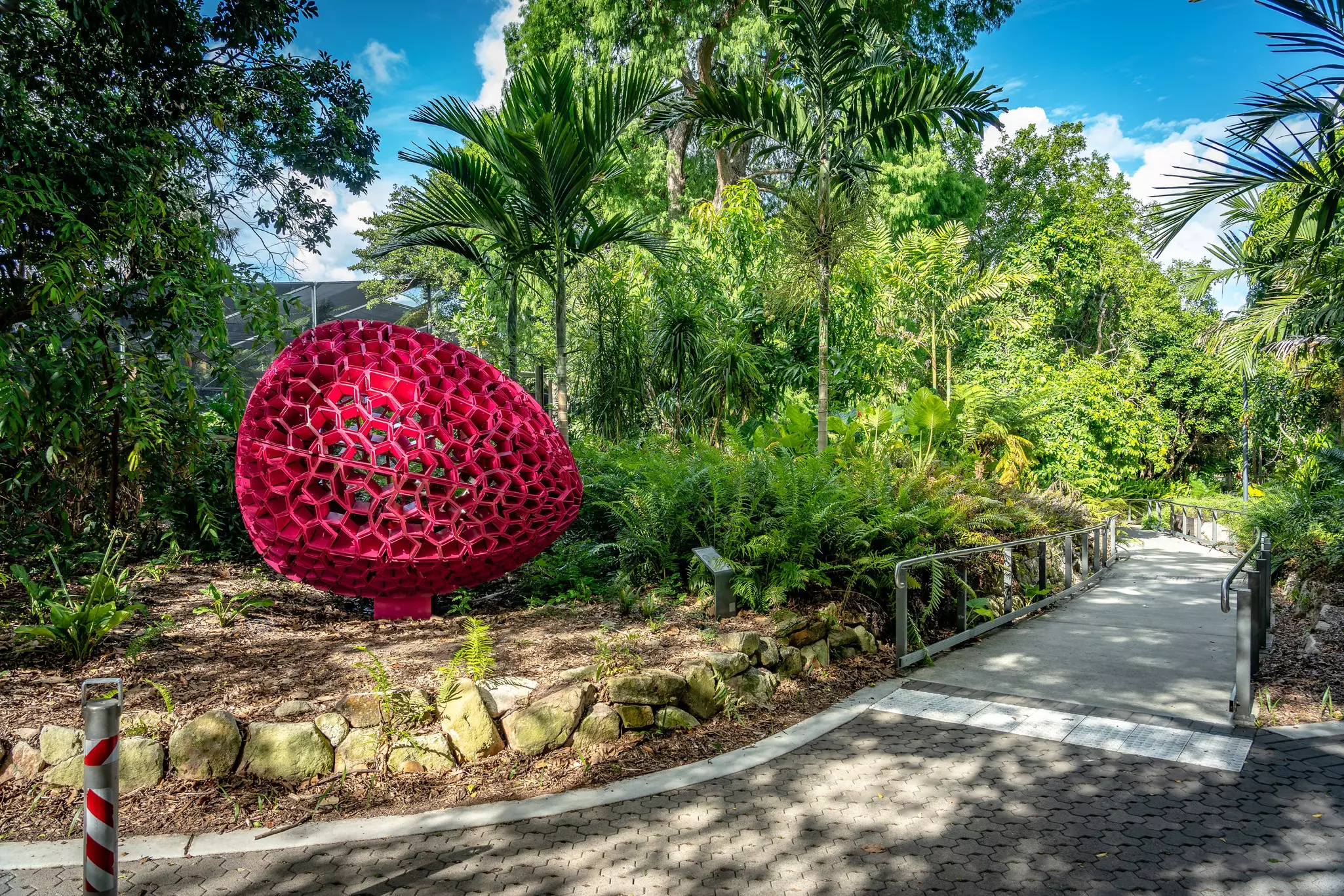
Australia’s third-largest city (after Sydney and Melbourne) is deceptively big and packed with things to do. You can easily fill a weekend here in its downtown area alone. Begin in the famed, river-flanking South Bank Parklands, where locals swim, laze, picnic and play, before wandering into South Brisbane’s cultural precinct – where Queensland Museum, the Gallery of Modern Art, the Queensland Art Gallery and the State Library of Queensland lure those wanting to become better acquainted with the city.
From South Bank, cross one of the city’s many pedestrian bridges spanning the river toward the city center to visit the Museum of Brisbane, peruse stores that line Queen Street Mall, and then meander deeper into Fortitude Valley to pop into cafes, bars, music venues, boutiques and restaurants dappled throughout.
Beyond the city’s fringe, find West End, where vintage clothing vendors, record shops, bookstores, family-run Greek delis and great coffee shops make for a satisfying morning. Or explore Albion, where baked goods and top-notch wines are the order of the day (and a relaxing bathhouse offers reprieve).
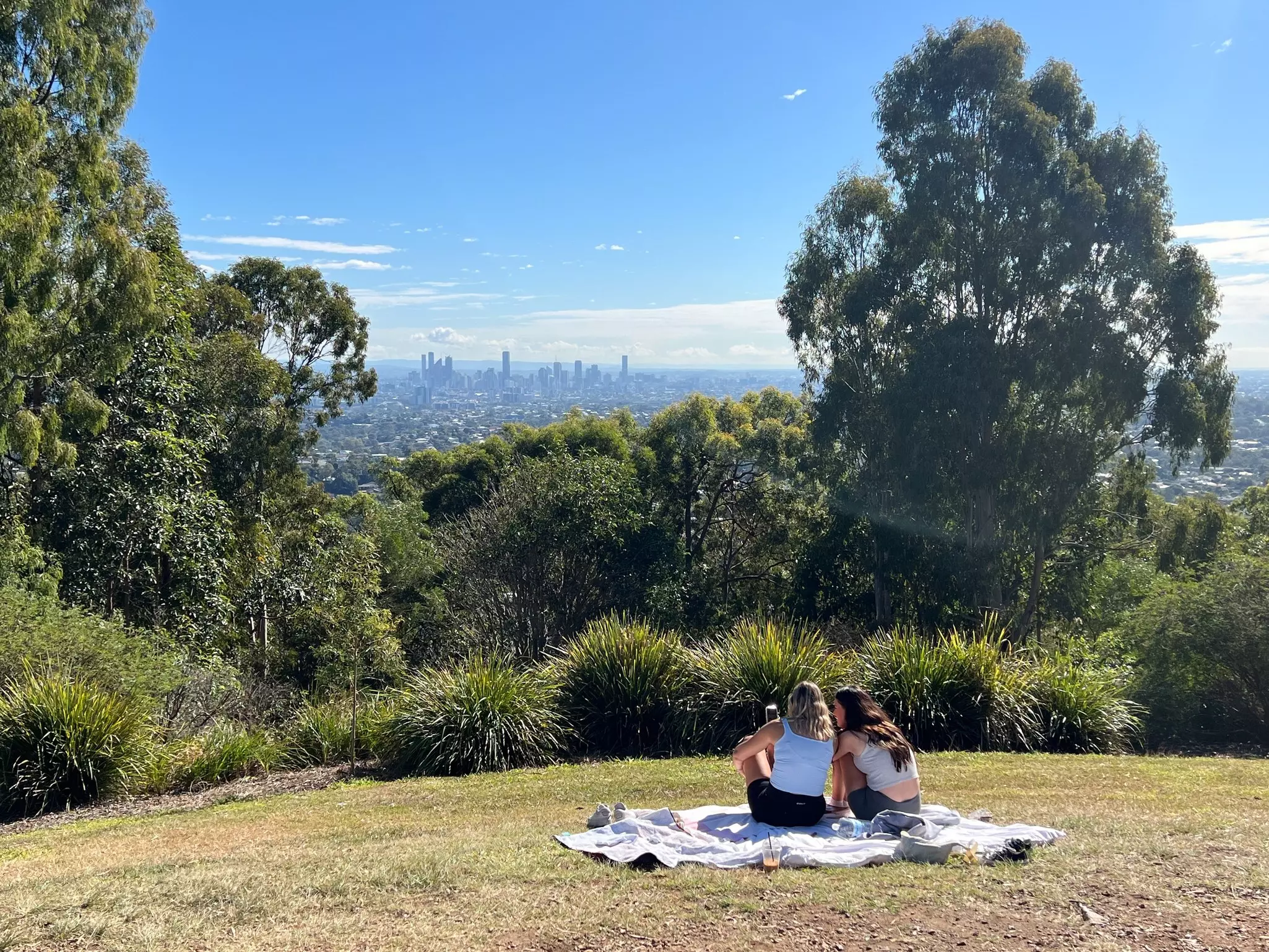
Better yet, grant yourself 4 days here and you’ll be able to explore Brisbane’s nature-filled pockets. Start with scenic Mt Coot-tha and its verdant Botanic Gardens, where you can hike (or drive) to the top of the mountain for a singularly exceptional view over the city and beyond or picnic at its base by a babbling creek. Head next to Roma Street Parklands or New Farm Park – a community magnet just beyond the hum of Fortitude Valley, where you can watch CityCats (Brisbane’s ferries) glide across the river’s surface from terminal to terminal.
Brisbane is an easy city to access. Better yet, with an increased number of visitors checking out this burgeoning city, more direct flights to Brisbane are becoming available internationally. To get here, fly into the Brisbane Airport and ride the Brisbane Airtrain into town (it takes about 20 minutes). Or rent a car and cruise up the highway from the Gold Coast Airport (or hop on a regular train) or road trip at a leisurely pace up the East Coast from Sydney.
While you’re in Brisbane, all standard Translink public transport services cost only A$0.50 per trip. You can glide across the river on a CityCat ferry service – stopping at terminals that lead you to Bluey’s World and Howard Smith Wharves dining precinct for starters – take a bus across town or hop on a train (all except the Airtrain) or tram and pay only A$0.50, regardless of how far you travel. Purchase a Go Card or tap onto any of these transport modes using a bank card.
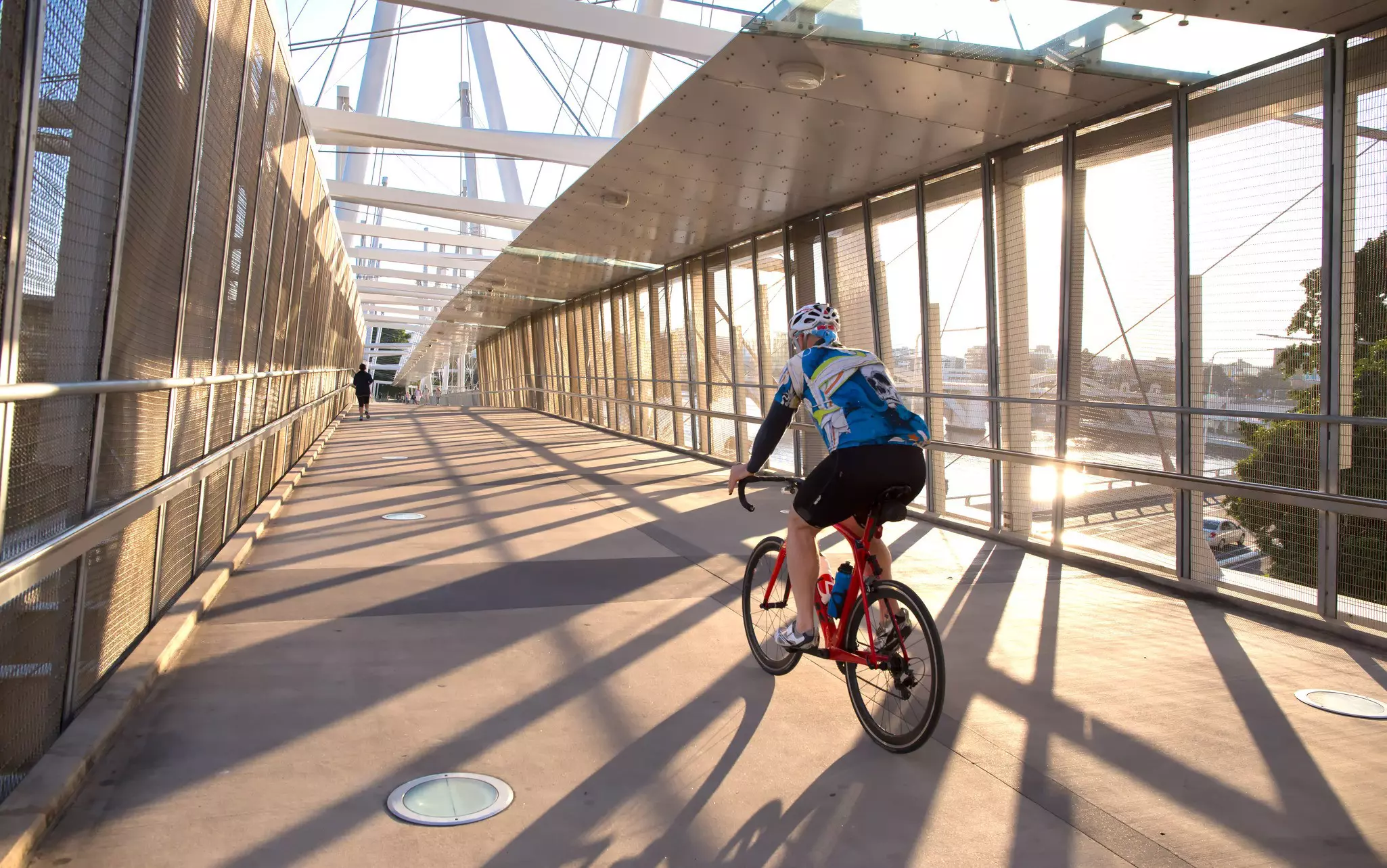
There are plenty of taxi and rideshare services available, while e-scooters or e-bikes let you zip around city limits and sightsee up-close. While some of the city’s suburbs are home to a few seriously punishing hills, Brisbane City and its close surroundings are relatively flat and easy to navigate as a pedestrian. Plus, pedestrian bridges make light work of crossing the river to other areas, so it’s easy to wander from the Central Business District to South Bank Parklands, for example. Fair warning: parking a car can be expensive in this part of the world, and it pays to book city center parking lots in advance.
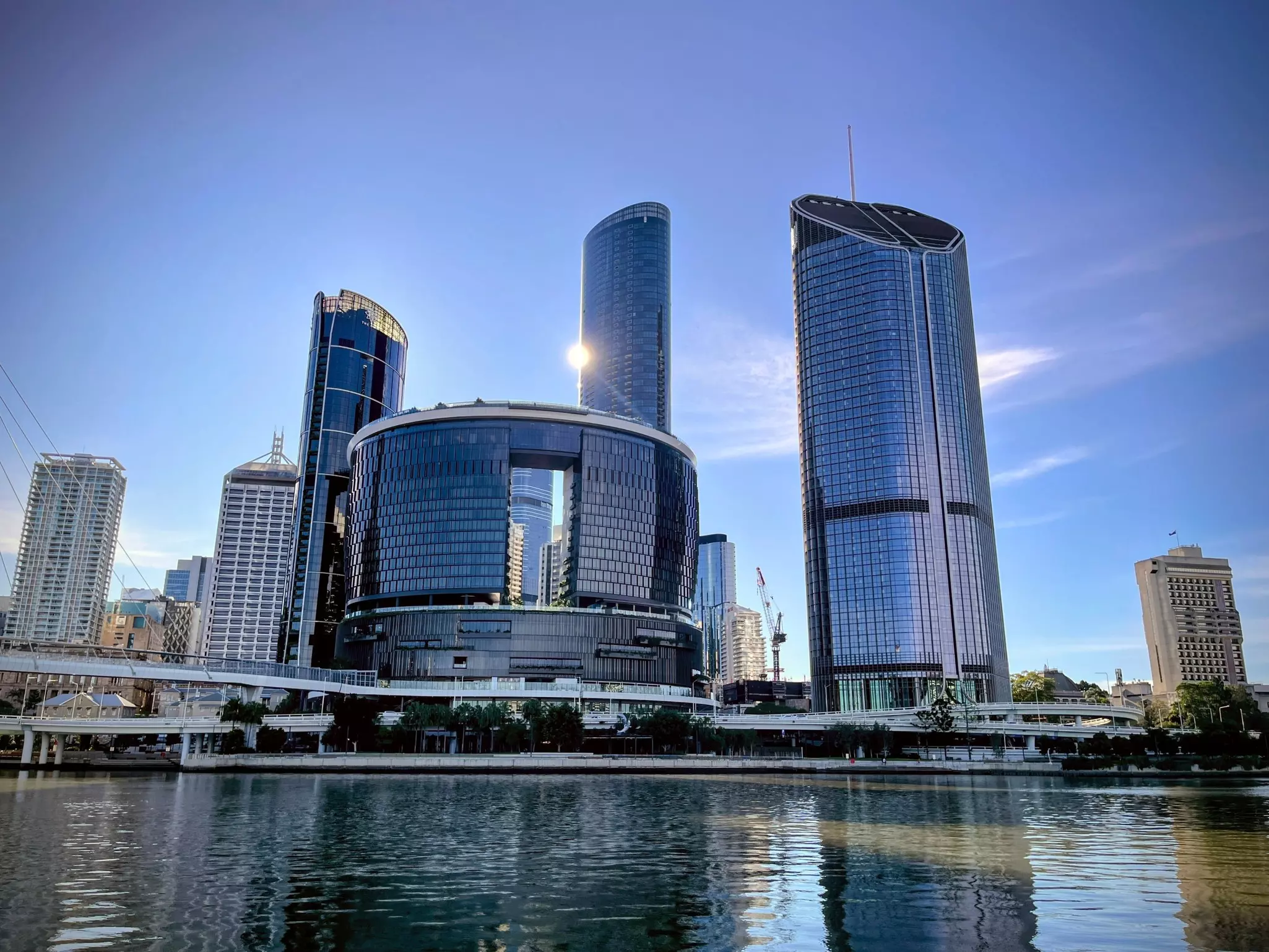
Opened in 2025, the dazzling Queens Wharf Brisbane is a glittering lifestyle precinct with 360-degree views over the city. High above the entertainment offerings of the The Star Grand Hotel, Sky Deck is a 250m rooftop runway of bars and restaurants set 100m above the Brisbane River. And if you happen to be visiting on a Thursday morning, the grounds below come alive with the energy of the Brisbane City Markets.
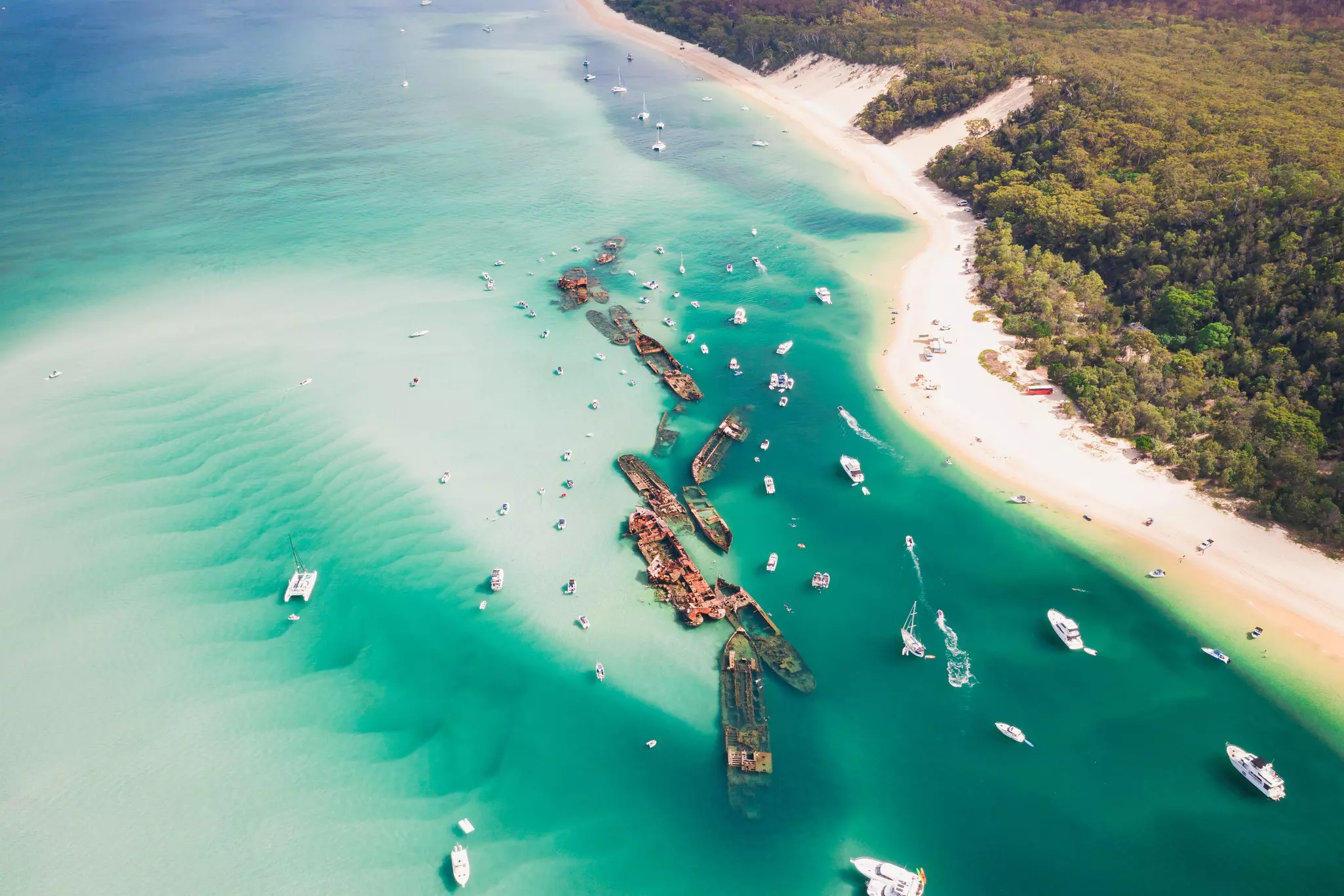
From the lakes and Champagne Pools of K’gari to the gorges and beaches of North Stradbroke Island (Minjerribah), there’s an island for every day of the year off the coast of Brisbane – just a barge or boat ride away. On Moreton Island (Mulgumpin), snorkel through shipwrecks, embark on 4WD adventures and encounter dolphins. Day trippers can also kayak or aqua-bike around the tiny, red-rocked Coochiemudlo Island. If you’re exploring Brisbane by car, you can cross the Bribie Island Bridge, spanning the waters of Pumistone Passage. On your way back to Brisbane from Bribie Island, stop into the Sandstone Point Hotel for seaside drinks and fresh oysters.
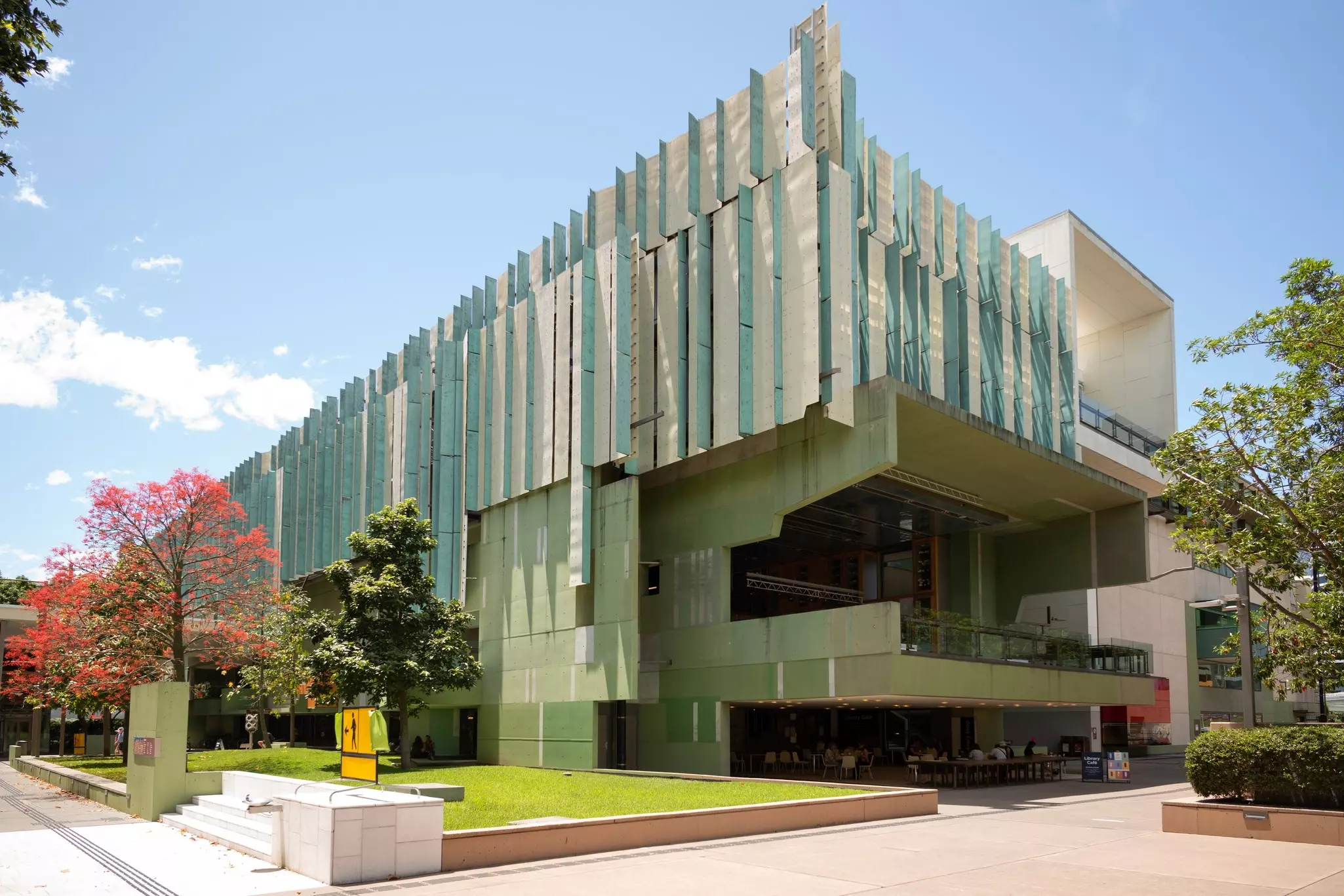
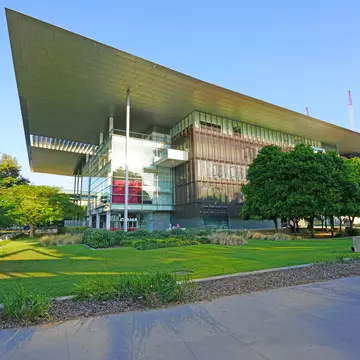
In South Brisbane, a cluster of world-class art galleries, museums, theaters and exhibition spaces huddle together, as part of the Queensland Cultural Centre. In a single day you can take in a show at the Queensland Performing Arts Centre, check out innovative exhibitions at the State Library of Queensland, the Queensland Museum, Queensland Art Gallery and the Gallery of Modern Art, and step inside the science museum, SparkLab. Afterward, peruse smaller, independent arts spaces, including Oncespace and Aboriginal Art Co. Nearby, cafes and restaurants along Fish Lane invite patrons in to refuel, while South Bank Parklands presents an idyllic spot for a picnic along the river. If time and energy permit, stroll across to the City Hall’s Museum of Brisbane to take a deep dive into the city’s history and culture. On warm days, you might want to take a dip at the artificial beach at South Bank.
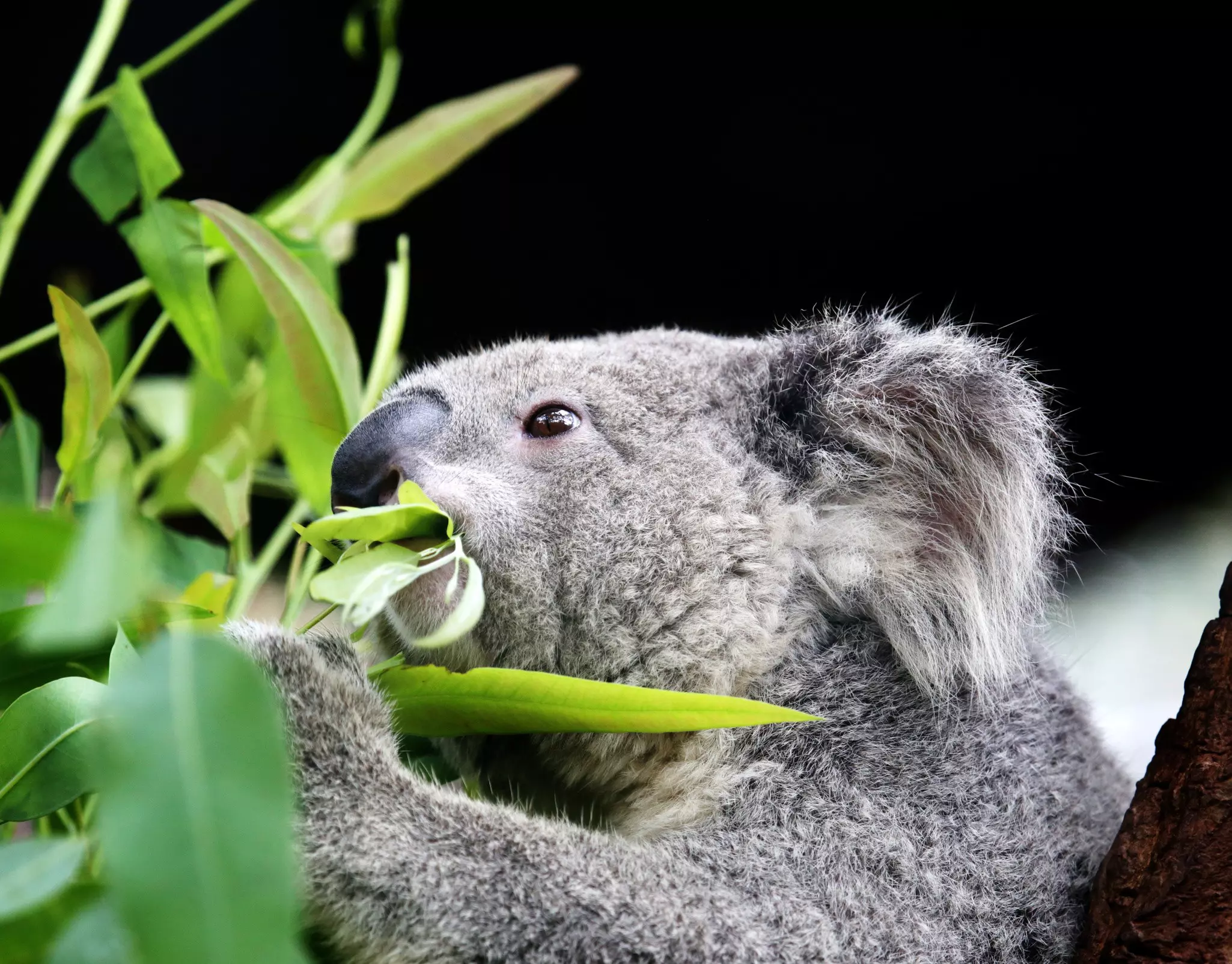
Many nature lovers come to Queensland to meet its abundant wildlife, whether in the wild or at a sanctuary. Accessible via a river cruise from the Cultural Centre Pontoon at South Brisbane, Lone Pine Koala Sanctuary is the world’s largest and oldest koala sanctuary, offering tours and up-close views of these sleepy Australian icons, alongside plenty of other native animals. Or head an hour along the Bruce Highway to Australia Zoo, perhaps best known for its crocodiles and its passionate owners, the Irwin family.
Throughout Brisbane’s neighboring destinations, including Scenic Rim and Ipswich, farms (and farm stays) are open to those wishing to feed farm animals and take a road trip through South East Queensland’s countryside. Head to Summer Land Camels in Harrisville to encounter a herd of camels and a unique farm setting. Just 12km from Brisbane's city center is Walkabout Creek Wildlife Centre, where native wildlife reside. Or head 27km south to Daisy Hill Koala Centre, which offers free-of-charge, front-row seats to rescued koalas being cared for there, as well as others in the gum trees surrounding the center.
One of the best ways to get to know any Australian landscape is by taking a deep-dive into its history. In a country with around 65,000 years of Indigenous history, incredible stories and cultural learning await visitors. In Meanjin (the Indigenous name for the Turrbal and Jagera Aboriginal land on which Brisbane resides), and nearby, Indigenous-owned and -led tour operators offer insights and experiences that are unique to this corner of what we now call Australia.
BlackCard Cultural Tours takes travelers back in time and share stories of Brisbane’s First Nations people during a 90-minute walking tour that presents a new perspective of this city. At Birrunga Gallery in Milton, become captivated by the art of Indigenous artists whose works are platformed at this Indigenous-owned gallery. For an incredible souvenir, visit renowned Quandamooka artist Delvene Cockatoo-Collins at her Edward Street shop.
Book a tour with Yura Tours' Elisha Kissick, hop on a ferry ride to Minjerribah (North Stradbroke Island) and spend time immersed in the stories and culture of the coastal Quandamooka People. Linger longer to learn more from Traditional Owner Matt Burns through Sealink's experiences.
With its near year-round sunshine, Brisbane is a city that’s perfectly suited to alfresco dining, riverside repast, rooftop-bar-hopping and farmers-market foraging. My favorite markets are those at Northey Street City Farm, where I take my kids for a spot of breakfast and wander through the gardens. With friends, I love a leisurely coffee along James St.
When you’re visiting Brisbane, I implore you to take your meals (and sundowner drinks) outdoors – preferably with a view. Enjoy lunch in one of the many riverside parks or a night-time picnic (complete with a Thermos of hot chocolate) at the summit of Mt Coot-tha; take a trip to one Brisbane’s bayside suburbs (like Manly or Redcliffe) for markets and seaside cafes; or indulge in a spritz on a sunlit inner-city rooftop or at Howard Smith Wharves.
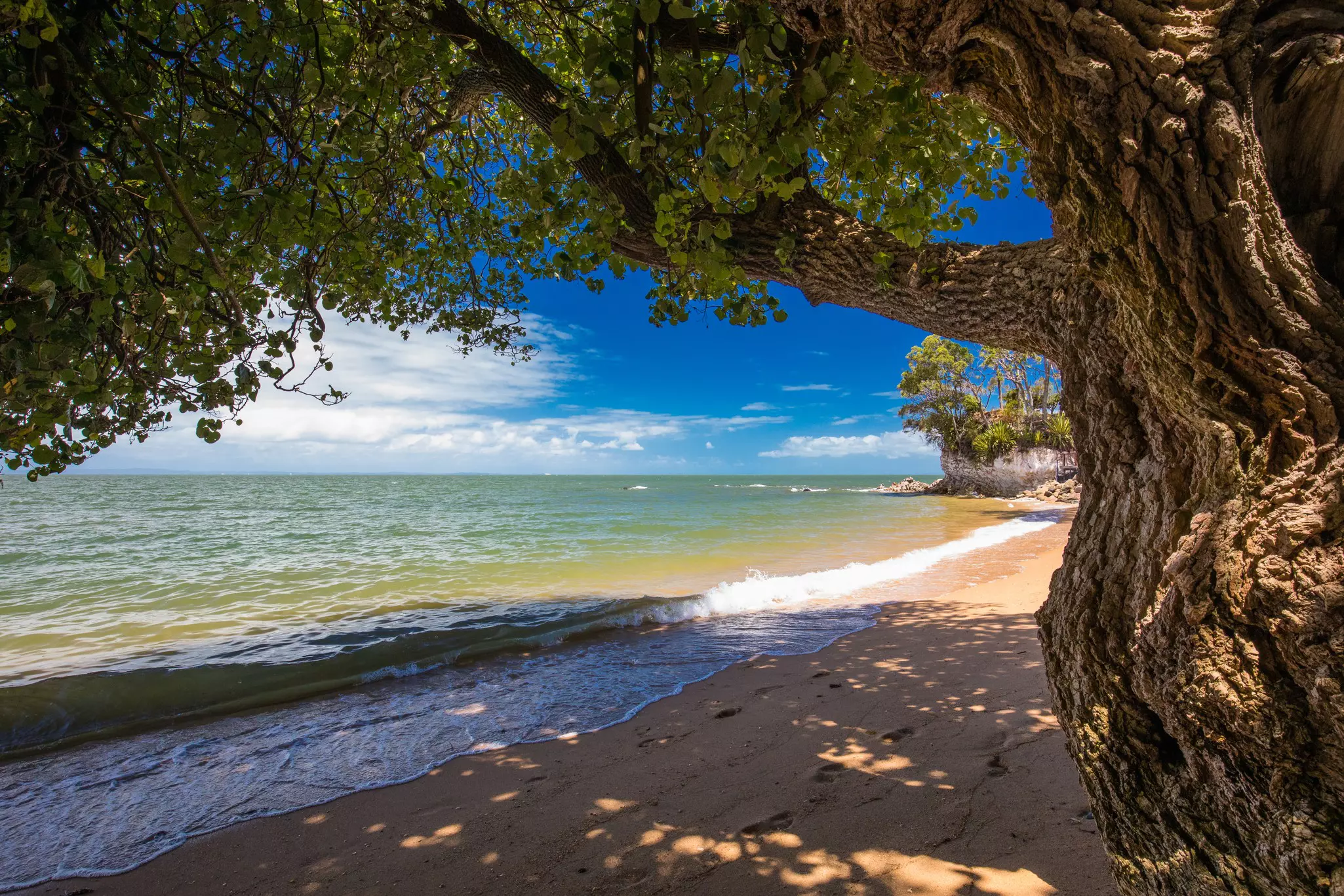
While the cost of everyday items – from basic groceries to cocktails – is creeping upward, Brisbane remains more affordable than its southern sibling, Sydney. There are plenty of ways to see Brisbane on a budget, too, with low-cost public transport, plenty of free activities (including access to museums and art galleries), many public green spaces to relax in, and loads of wallet-friendly bites throughout the city and suburbs. It’s rare to encounter places where you’ll need cash instead of a card – even most market stall holders have card payment facilities on hand.
Flat white coffee at a city center cafe: A$5
Locally famed banh mi from Cafe-Ô-Mai in Annerley: A$10
Tickets to Bluey’s World: from A$49.50, off peak
One night at a mid-range hotel in Fortitude Valley: from A$230
A glass of wine by The Calile Hotel pool at Hellenika: from A$15
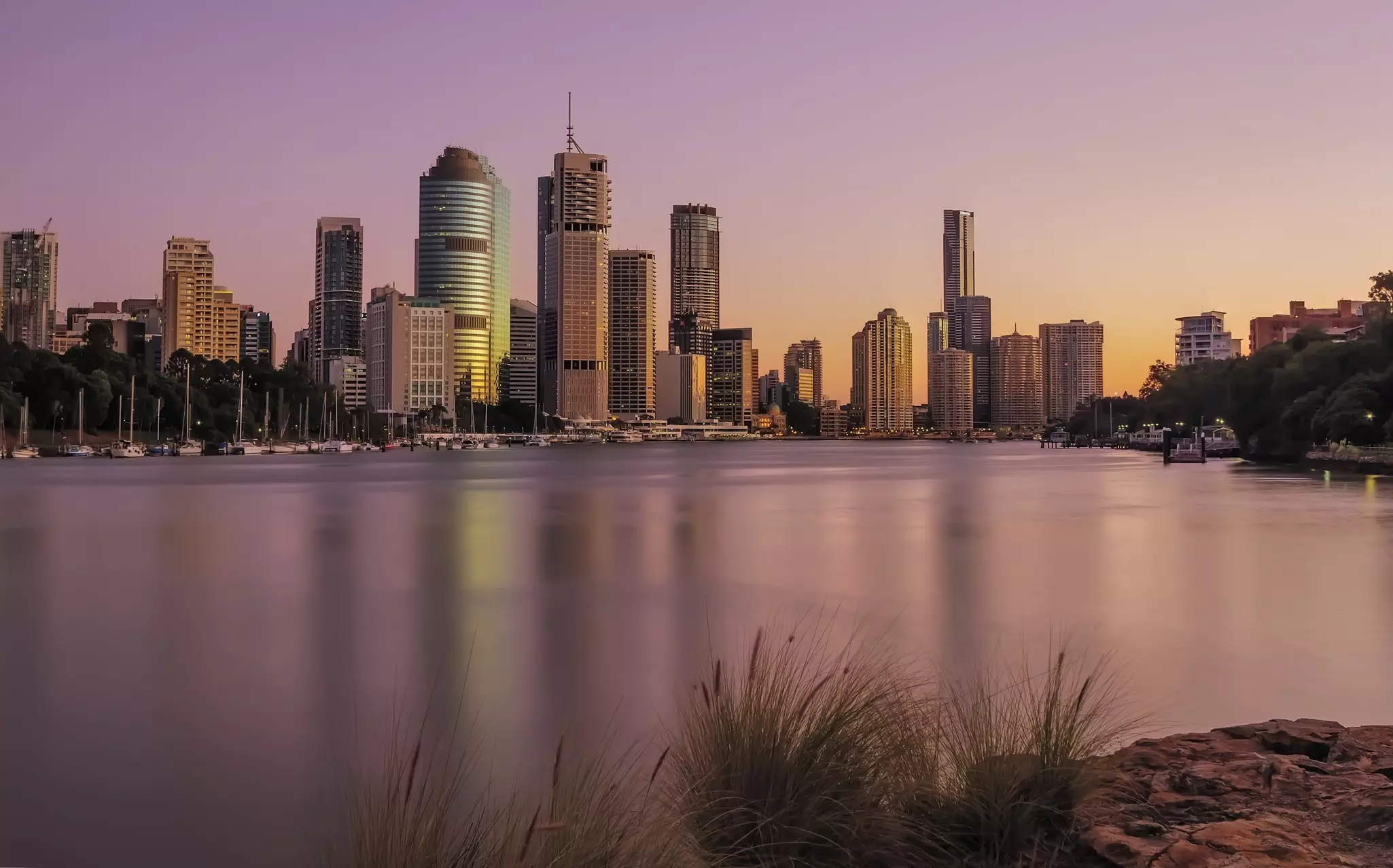
As the adage goes, the early bird catches the worm – and so too does the Queenslander, who seizes the day from the moment the kookaburras start their morning chorus. When the sun’s up, we’re up. (Well, many of us anyway). Along the river, you'll see active Brisbane residents jogging in the morning's early hours before things really heat up, and cafes tend to open as early as 6–7am. Conversely, cafes and restaurants that open for lunch close early. In fact, it’s tricky to get a coffee after 3pm. At some restaurants, you’ll find kitchens have made their last meal by 8pm so be sure to check venue opening hours before heading out for dinner.
Book your Australia trip with Lonely Planet Journeys
See Australia how it's meant to be seen
Accommodations, activities and ground transportation all taken care of, so you can focus on the fun part. Tell us what your dream trip to Australia looks like, and our local experts will build it from scratch. Or start with one of our itineraries and make it your own.

Explore related stories