Jan 23, 202611 min read
A Guide to Australia's Whitsunday IslandsJan 23, 2026
11 MIN READ

Writer
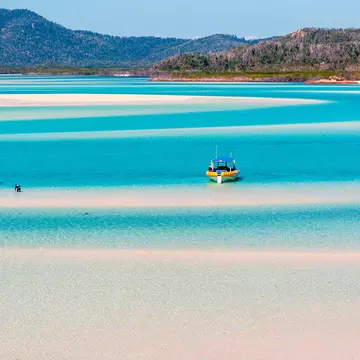
Sand and sea meet to create gorgeous swirls at Hill Inlet © Courtesy of Tourism & Events Queensland

Writer
Lonely Planet may earn a commission from affiliate links on our site. All recommendations and reviews reflect our own independent opinions.
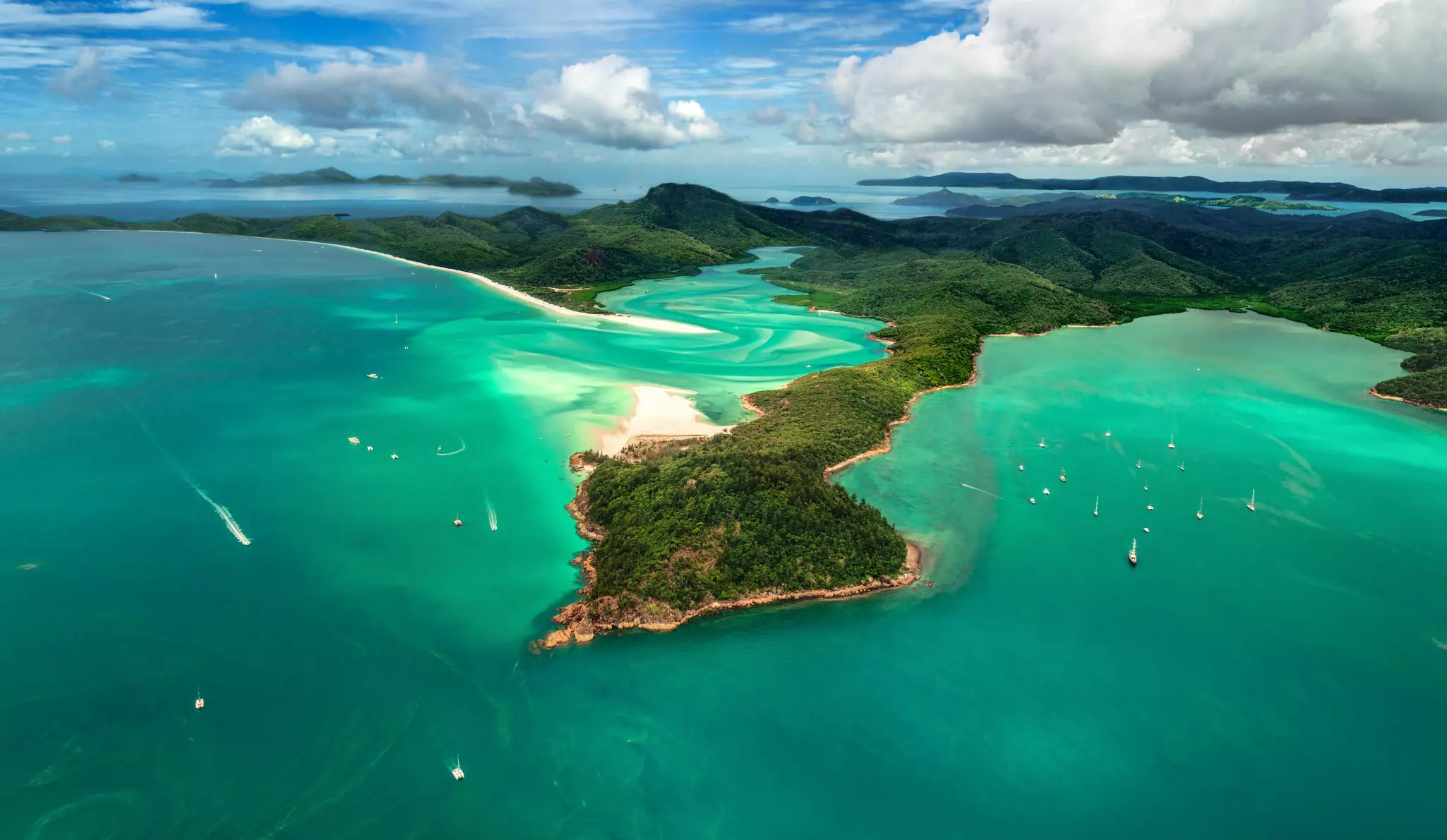
Dazzling turquoise waters, the swirling white sands of Whitehaven Beach and colorful aquatic life are the hallmarks of the Whitsundays in Australia. The archipelago of 74 tropical islands just off Queensland’s central coast sits at the heart of the Great Barrier Reef. Easily accessible by boat or aircraft, the Whitsundays are easy to get to, but be warned: the relaxed island vibes make it very hard to leave.
With lively Airlie Beach on the mainland and the calm waters of the islands beyond, the Whitsundays beg for exploration, whether that means whizzing through the ocean in a speedboat or floating up to the edge of a swim-up bar at a secluded, all-inclusive resort. Here’s how to experience the best of the Whitsundays.
A tropical getaway with warm temps year-round, the Whitsundays have average highs ranging between 23°C and 31°C (73–88°F) and lows around 17–25°C (62–77°F). However, there are two distinct seasons in the Whitsundays – wet and dry – so consider each carefully.
Winter (May to November) is the warm and dry season, with July to September being the best time to visit the Whitsundays. This is when the water visibility is best for snorkelers and divers, due to lack of rain; the air temperatures are consistently warm; and the humidity is lower. You may even see the humpback whales that make their annual migration from Antarctica between June and October.
Peak season is September and October, when the weather is calm and Australian kids have a spring break from school. Prices are higher during this time, tours book up quickly, and Airlie Beach can feel hectic, so try to avoid it if you can.
The wet season in the Whitsundays starts in December, bringing high temperatures, humidity and afternoon rains that last through the end of summer in April. The rain usually isn’t a hindrance to boat tours, but it can affect water visibility – a problem if you’re snorkeling or diving. Summer holidays for Australian children run from mid-December to early February, so avoid this time too.
Marine stingers known as irukandji are present from October to May. The Whitsundays' sheltered bays and warm waters provide the perfect breeding ground for a variety of jellyfish, some venomous. Wear a stinger suit during these months if you’re going into the water.
Give yourself time to enjoy what the islands are all about – relaxing. A 4-day trip is ideal, especially if you plan on an overnight sailing tour. If you can manage a week, you’ll have more time to enjoy the islands (whether overnight or on day trips), check out Airlie Beach (the gateway town to the Whitsundays) and take a sunset cruise or turtle-spotting kayak tour.
There are two airports in the Whitsundays: Great Barrier Reef Airport on Hamilton Island and Whitsunday Coast Airport in Proserpine.
Whitsunday Coast Airport is the main airport, and it's a 30-minute bus, shuttle or taxi ride to Airlie Beach. Cars can be rented at the airport, however, Airlie Beach itself is walkable, so don’t bother if you’re staying in town or on the islands. Instead, catch a shuttle with operators like Whitsunday Transit, which meet each incoming flight. Most operators have one-way options from 20 Australian dollars (A$). Many tour operators offer complimentary pickup and drop-off services.
If you’re staying on the islands, you can’t get any closer than Great Barrier Reef Airport. A 1-hour ferry can take you back to the mainland if you want to explore Airlie Beach.
Whitsunday Coast Airport receives daily direct flights from Sydney, Melbourne, Brisbane, Cairns and Adelaide, starting from A$200 round trip, depending on your location and timing. Great Barrier Reef Airport has daily direct flights to Sydney, Melbourne, Brisbane and Cairns, starting from A$350 round trip.
The Spirit of Queensland train drops off passengers in Proserpine, connecting from Cairns to Brisbane and beyond. Whitsunday Transit buses meet every train, plus taxis and rideshares are available from the station.
Whitsunday Transit public buses run regular services around the mainland Whitsunday region, including Proserpine, Cannonvale, Airlie Beach, Jubilee Pocket and Shute Harbour. It’s a great option for reaching hiking trails further afield.
Of course, Airlie isn't the main attraction. Most visitors explore the islands themselves by staying at an island resort (with many offering day tours to nearby islands and beaches such as Whitehaven) or booking a single-day or multiday boat trip (with tours exploring multiple islands). It's also possible to charter private tours to more remote islands, where you'll have the entire beach to yourself.
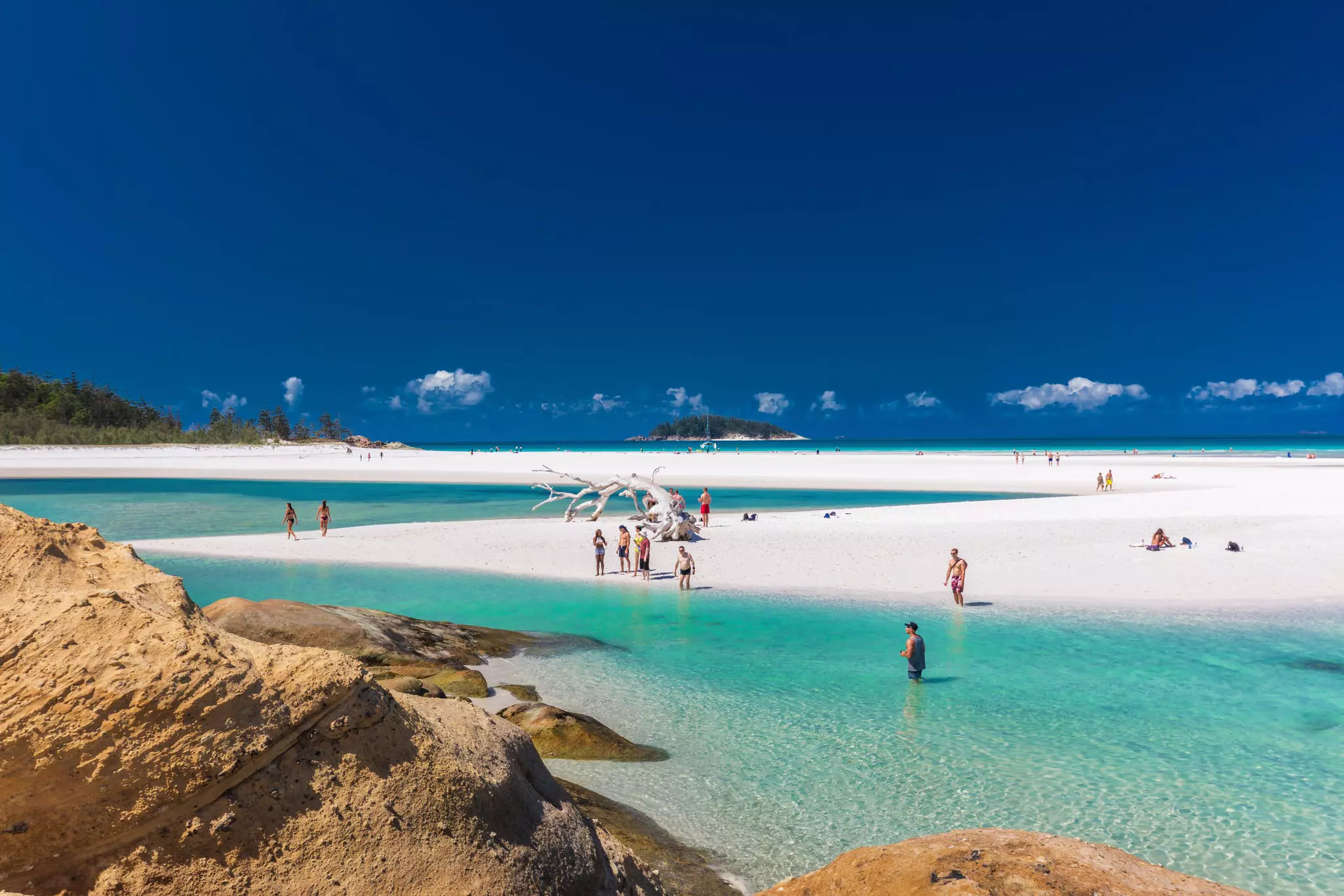
You’ll quickly become mesmerized by the swirling white sands and clear blue waters of Whitehaven Beach. Most day tours and overnight trips stop at this popular beach, with white sands that are 98% silica and blindingly beautiful. Explore the waters for baby lemon sharks and stingrays. The 700m Hill Inlet walk is an easy 30–40 minutes uphill (and then back down), starting from Tongue Bay and ending at Whitehaven Beach.
Surrounding the Whitsunday Islands, you’ll find the inner fringing reefs of the Great Barrier Reef. While the inner reef doesn’t boast the same hard corals as the outer Great Barrier Reef, a kaleidoscope of coral and sea life lives below the surface and is best seen through snorkel goggles. Most day and overnight tours provide you with all the necessary gear, taking you to great spots to check out the reef below.
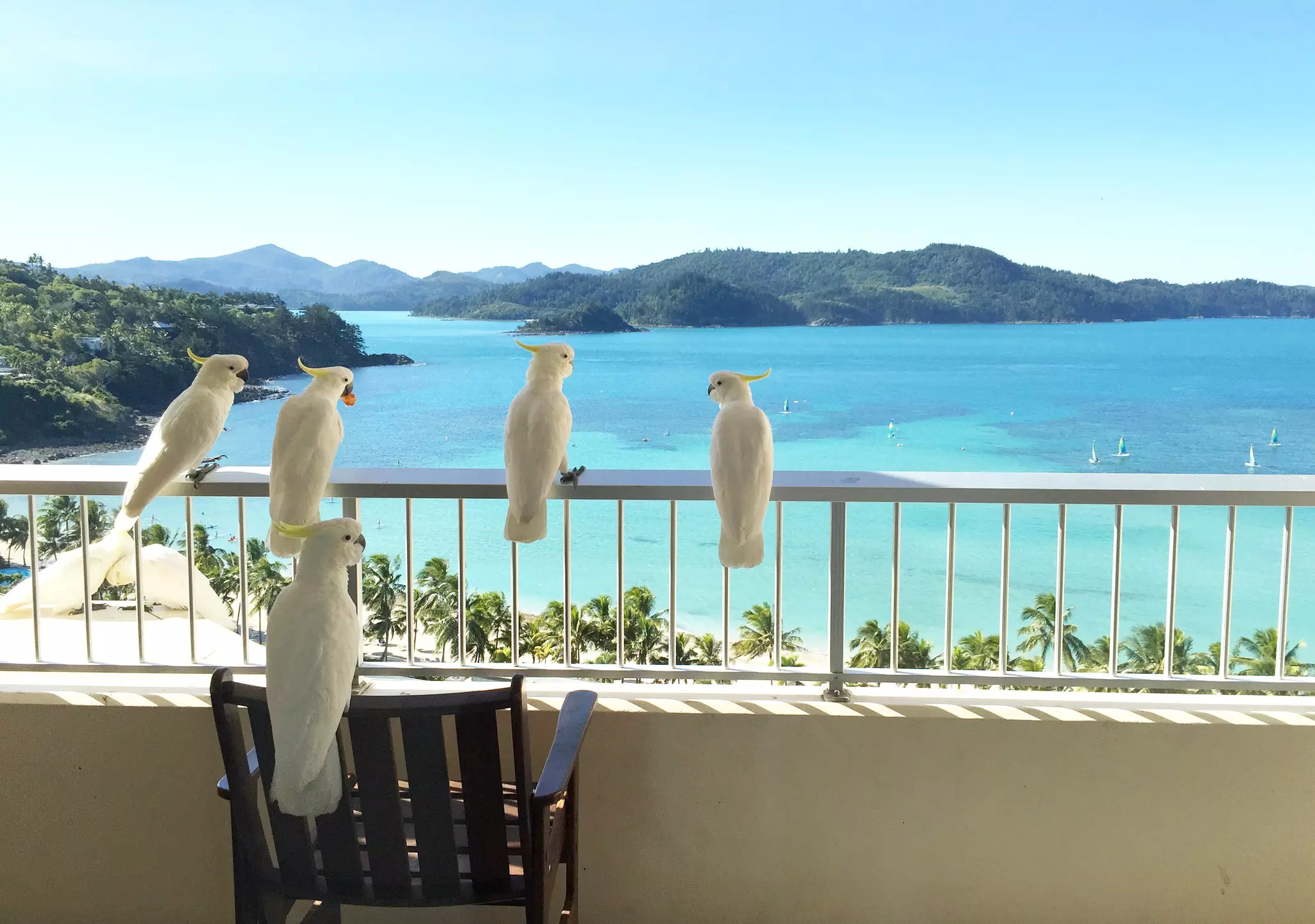
To become fully immersed in the islands, settle in at one of the resorts on a handful of the islands, including Daydream Island, Hayman Island, Hamilton Island and Long Island.
One of the most affordable of the bunch is also one of the most developed: Hamilton Island, with its choice of holiday homes, bungalows and resort accommodations, including newcomer The Sundays. It features a swim-up bar, shops, cafes, galleries and a golf course, plus you can easily rent paddleboards or kayaks, or snorkel straight off the beach. Renting a golf cart is a popular way to get around. If you’re after something for adults only, try tranquil Qualia (also on Hamilton Island).
InterContinental Hayman Great Barrier Reef provides the peak of luxury, with a private island experience, many fine-dining options and a spa. Elysian Retreat on Long Island is an all-inclusive, eco-luxury resort, and family-friendly Daydream Island is complete with a living reef wrapping around the resort.
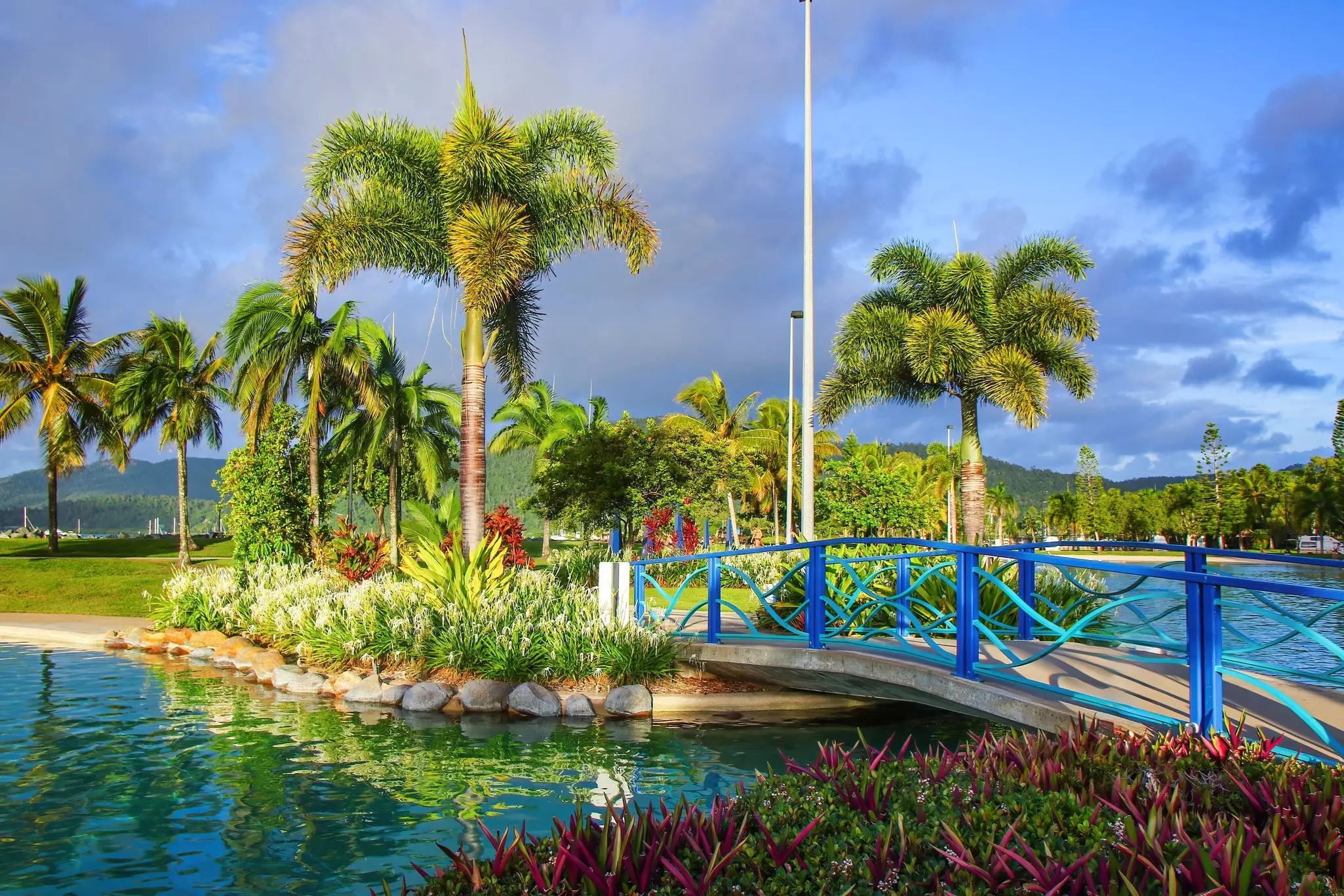
If you prefer to stay based on the mainland, don’t miss a trip to the Airlie Beach Lagoon. I wasn’t ready for the hot, humid tropical days and jumped in the free swimming spot every chance I got. Even though it was busy every time I went, there was always plenty of room to swim a few strides. It’s open daily 5:30am–9pm September through May and 5:30am–7pm June through August.
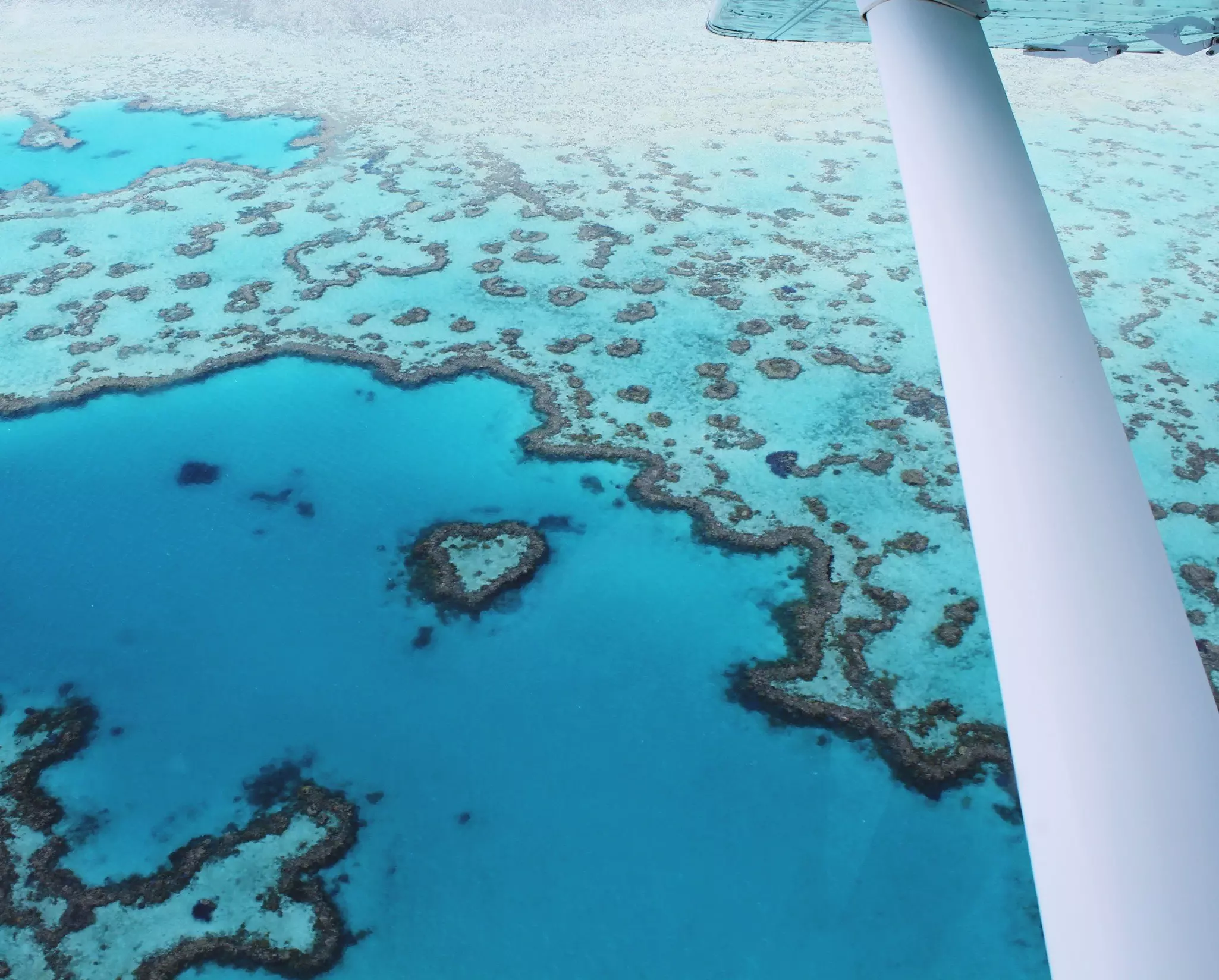
Heart Reef is a coral formation in the shape of a heart, only visible from the sky. Tours to the reef take around 30 minutes, but many companies combine the reef with a flight over other islands, and some include a stop at Whitehaven Beach.
Airlie Beach Helicopters has a range of tours from A$249, including tours that fly above multiple islands and land on Whitehaven Beach for a bit of relaxation time. Helireef offers everything from 30-minute rides to longer excursions that include a touchdown to snorkel, with rates starting at A$300.
Stroll on the 4km Bicentennial Boardwalk in Airlie Beach. The meandering coastal path is a great way to take in the marina views, get in your steps and – if you are lucky – even see some turtles along the way. Start at the lagoon and meander until you hit Cannonvale Beach, stopping at the various cafes and coffee shops along the way.
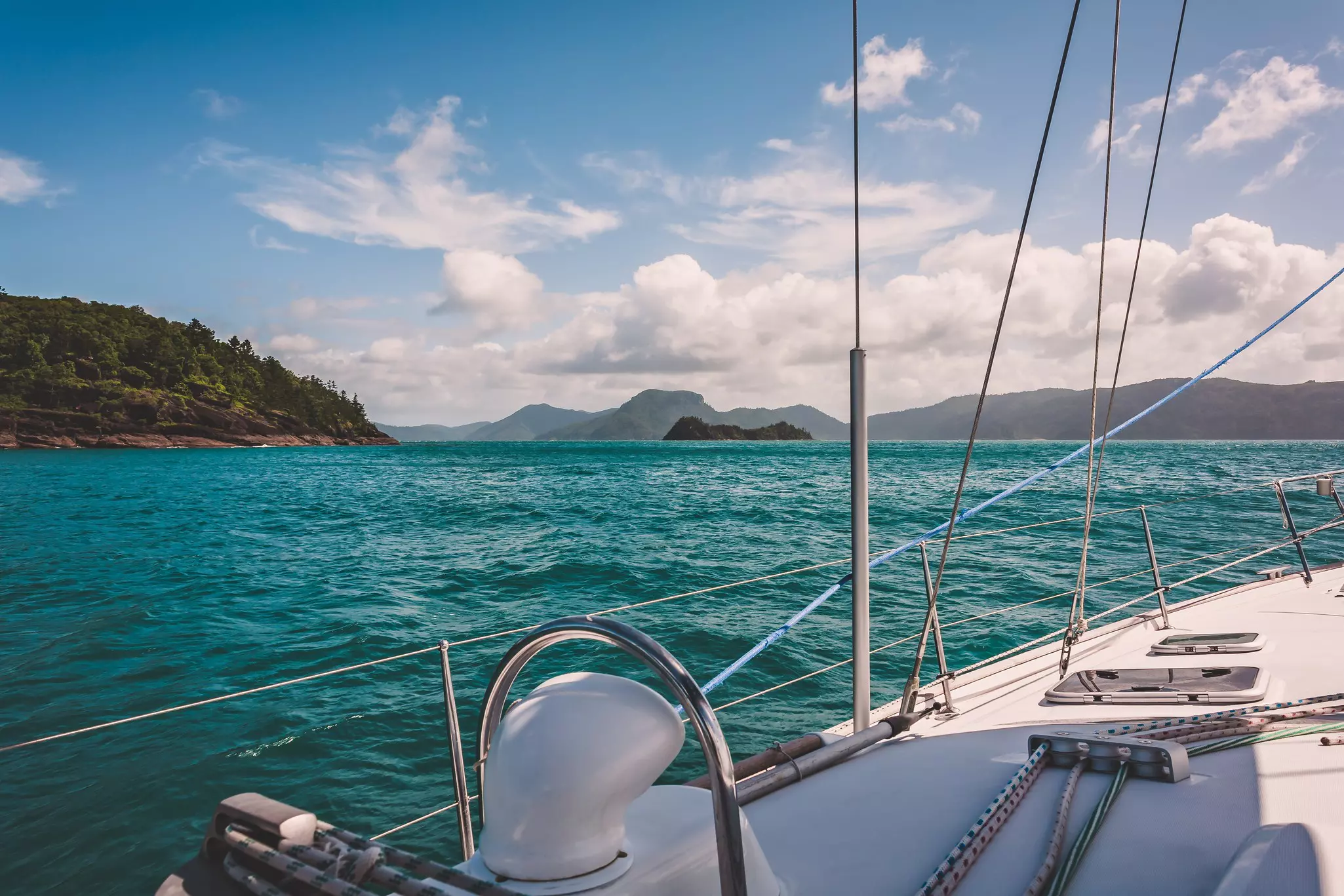
There’s no better way to get up close and personal with the Whitsundays than on an overnight sail. While there’s plenty to see on day trips, I didn’t fully appreciate the islands’ beauty until I spent a night on the water. I’m not a huge boat person – claustrophobia and seasickness don’t help – but my overnight on the classic wooden sailboat Summertime changed that. From the secluded sunrise over the island to the snorkeling and kayaking straight from our picturesque mooring, it was a magical experience I’d leap at again. If I had known how much I would enjoy it, I would have looked for a multiday trip, but that gives me a reason to go back.
Standard overnight tours schedule plenty of downtime to simply sit back and enjoy the scenery, and most include time at Whitehaven Beach and for snorkeling, so they’re a great, low-stress way to see the Whitsundays. On these excursions, meals and activities are included, but most charge extra for alcohol or it is BYO. The sleeping quarters are often shared and can be quite cramped, though some boats have private cabins for an extra fee. The best way to find a tour that suits you is through Sailing Whitsundays. Private operators can list their tours here, and it’s easy to filter by length of stay, budget and type of tour (backpackers, catamaran, adults only). The Siska is perfect for those looking for fast sailing and a social atmosphere, while the Powerplay offers a 3-day, 3-night trip on a comfortable catamaran.
The less-expensive overnight boats start at A$500 and tend to be party-boat style – with an emphasis on the partying and disregard for sleep. For cushier amenities, check out classic sailboats and catamarans, which start around A$600. Most provide a similar route through the islands, but some focus on adventure activities, beach time or a luxurious time onboard. If you have extra time, be sure to look into multiday adventures.
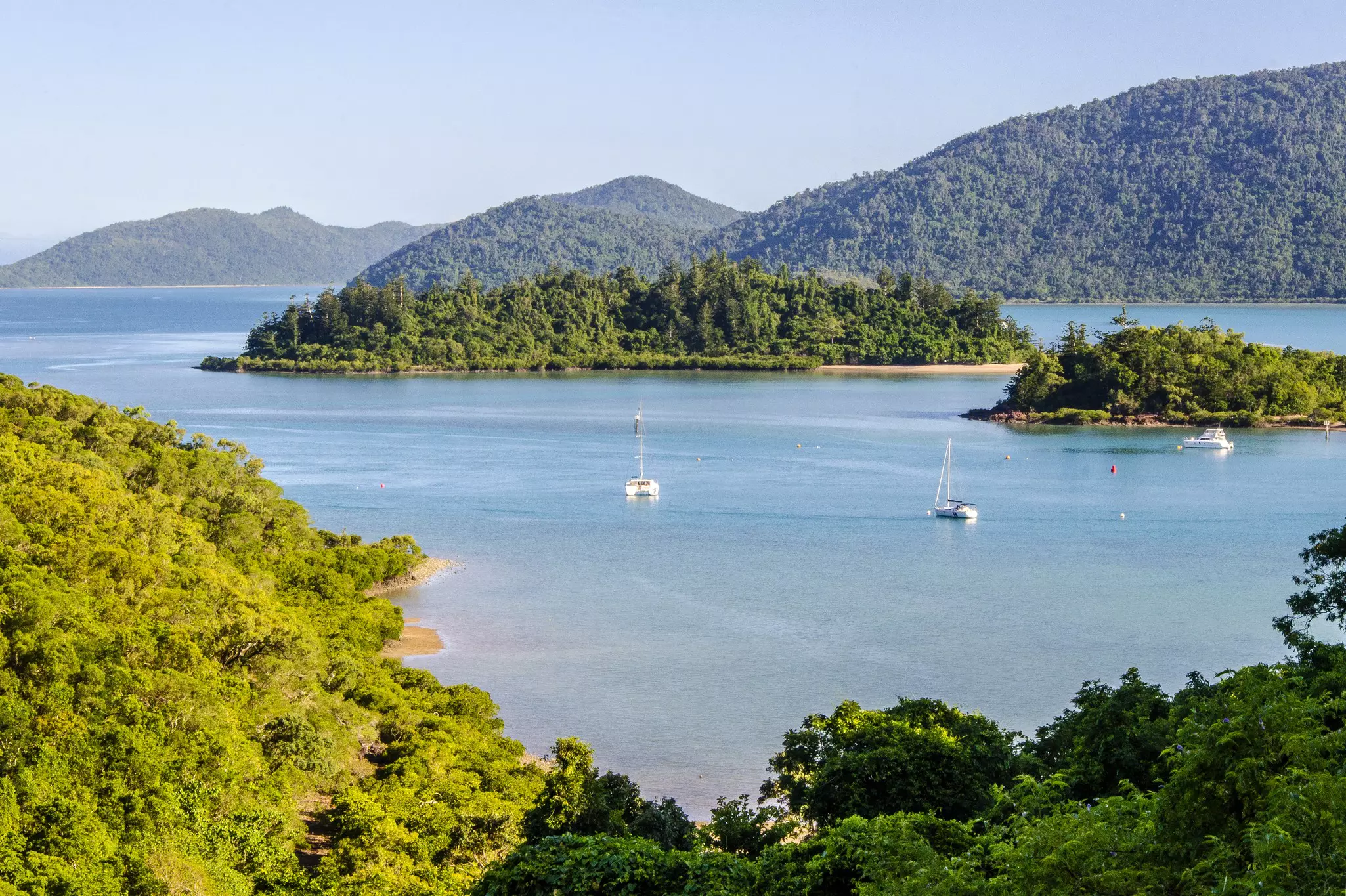
The Whitsundays cater to budget travelers and resort seekers alike, though prices are higher during the peak season. Stay in Airlie Beach if you’re more budget-conscious: the town has many hostels and a supermarket, and you can score last-minute deals on day trips from the kiosks along Shute Harbour Rd. Or stay at one of the many campsites around the islands – rent equipment and book island transfers with Scamper.
Night at the upscale Coral Sea Resort: from A$420
Night in a private room with a bathroom at Nomads Airlie Beach Hostel: from A$200
Night at Reef View Hotel: from A$486
Latte at Sidewalk Cafe: from A$5
Pint at a local pub: A$12–15
Burger at Little Vegas Burger & Bar: from A$20
Day tour with Red Cat: A$230
Multiday sailing tour: from A$500
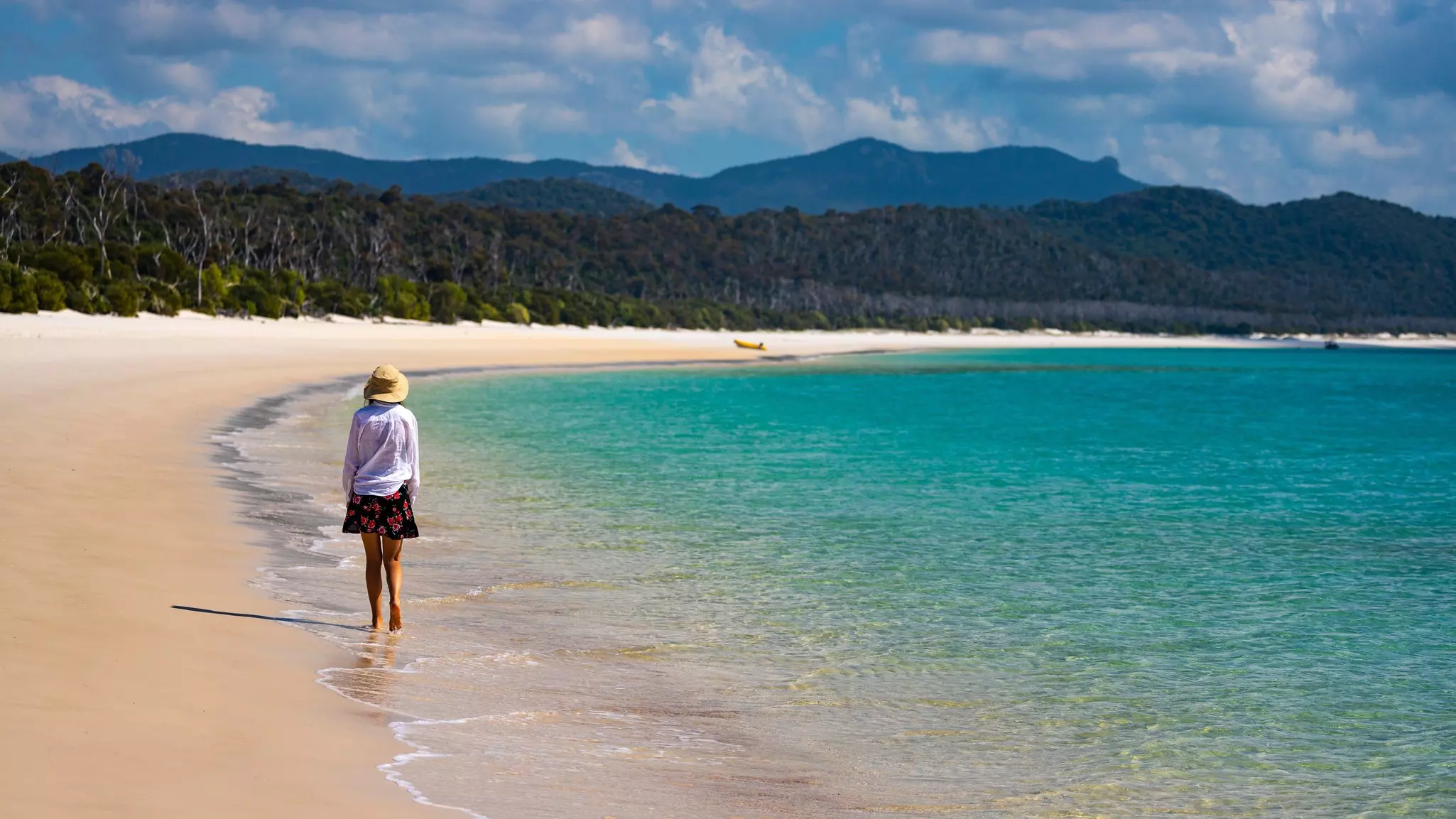
A swimsuit, a hat, reef-safe sunscreen and a sweatshirt for cooler evenings are essential. If you’re partial to water shoes, pack them, though sandals will suit. The popular Hill Inlet walk can be done in flip-flops – my guide did it barefoot! Bring a small backpack and a quick-drying towel for day excursions.
The warm, bright blue water will practically beg you to jump in, but check to make sure it’s safe first. Stinger season is October to May, so if you plan to swim in the ocean, you should wear a stinger suit.
There are sharks in the Whitsundays, though most present a minimal threat. However, you should avoid swimming at dusk and dawn, steer clear of popular fishing areas, and be aware of your surroundings when in the water. Avoid swimming in Cid Harbour at Whitsunday Island.
Crocodiles are in the Proserpine River near Airlie Beach, but they are rarely found on the Whitsunday Islands.
Day trips are great if you’re short on time, are trying to stick to a budget, or have one specific activity you really want to do. Multiday sailing tours are perfect for a more intimate experience on the islands and allow more time for snorkeling, sunbathing and kayaking.
Explore related stories