Sep 21, 20268 min read
A Guide to Valle de Guadalupe, MexicoAug 5, 2026
10 MIN READ

Writer
A blue and white lane in Sidi Bou Saïd, Tunisia. Kadagan/Shutterstock

Writer
Highlights
Writer Joe Bindloss picks nine UNESCO sites for 2026, from beaches to swamps.
Visit Normandy's D-Day beaches for wartime history; Sarnath near Varanasi draws Buddhist pilgrims.
Georgia's Okefenokee suits kayakers and wildlife watchers; Greece's Mt Olympus rewards hikers.
Tunisia's Sidi Bou Saïd dazzles with blue-and-white charm; Italy's Condominio Theaters host opera.
Lonely Planet may earn a commission from affiliate links on our site. All recommendations and reviews reflect our own independent opinions.
Wartime beaches, American swamplands, Italian theaters and Buddhist stupas in India are all among the 25 sites newly added to UNESCO’s World Heritage list for 2026. A globe-trotting selection of ancient sights, monuments to modernism, cultural hubs and natural wonders have been singled out by the cultural agency of the United Nations as being worthy of special attention and preservation.
The first UNESCO World Heritage list in 1978 designated the city of Quito, the rock-cut churches of Lalibela in Ethiopia, the Galápagos Islands and other world wonders as sites of outstanding universal value, to be preserved for the benefit of future generations.
To make the list, a destination must meet one of 10 criteria tied to cultural, historical or natural significance. The list announced in July 2026 at the World Heritage Committee’s meeting in Busan, South Korea, included vulnerable wildlife habitats and modernist architecture, as well as archaeological sites and important locations from world history.
For some sites, such as the nearly 3000-year-old town of Sebastia in Palestine, a World Heritage listing could make the difference between preservation and destruction. Historically, a spot on the World Heritage list has brought benefits in terms of funding, awareness and tourism.
However, it can also bring a risk of overtourism and environmental damage, with visitors overwhelming sites with limited infrastructure. Making the list undeniably marks a place as somewhere worth visiting – the trick is doing so carefully and responsibly.
If that has you intrigued, here are the top places to travel to from the list of newly inscribed World Heritage destinations in 2026.
Best for wartime history
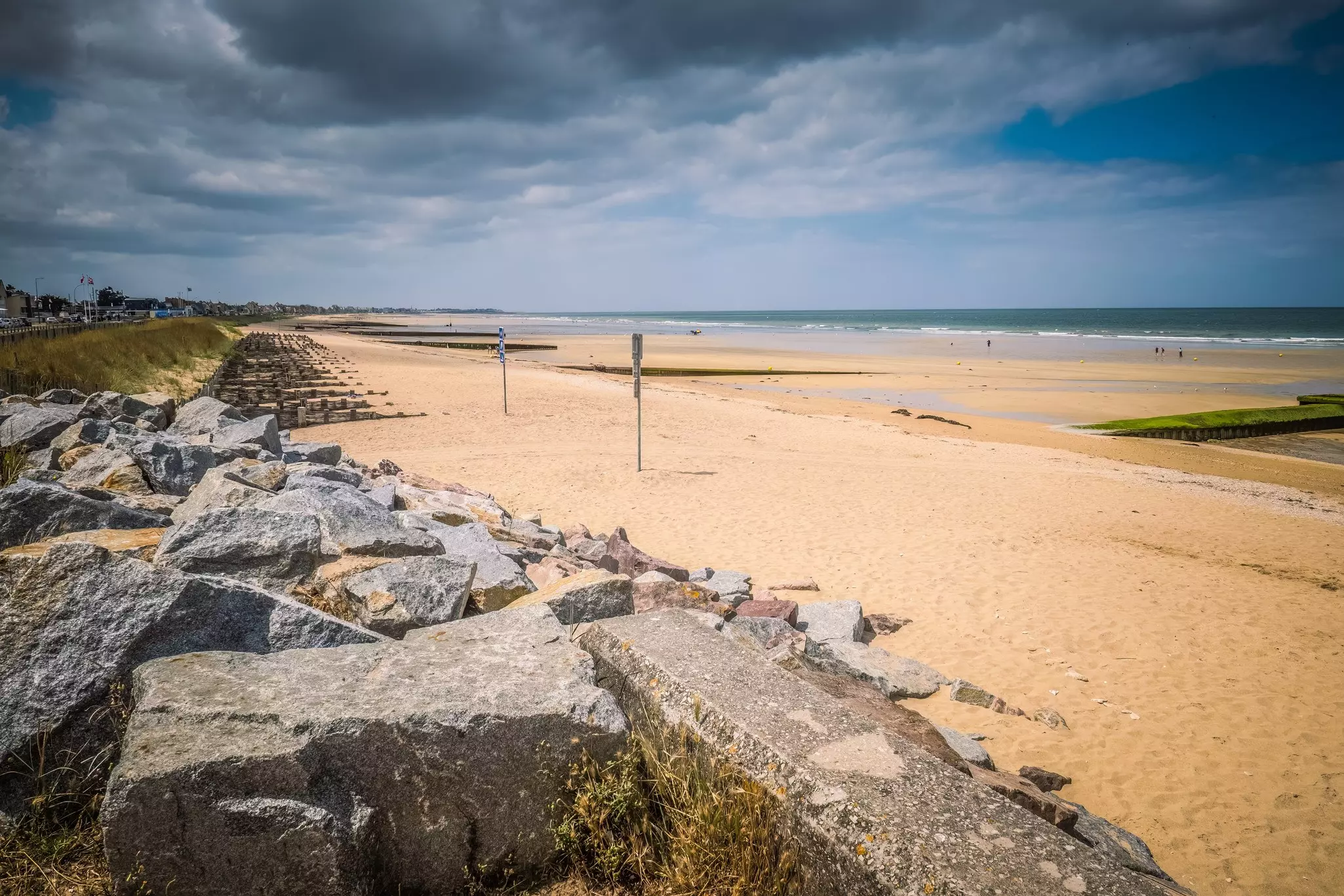
In the French region of Normandy, the Utah, Omaha, Gold, Juno, and Sword beaches, and the nearby Pointe du Hoc headland, were the key sites for the D-Day Landings on June 6, 1944, as Allied Forces arrived by sea and began the campaign to recapture occupied France from Nazi forces during WWII. Some 150,000 American, British, and Canadian troops participated in the invasion, codenamed Operation Neptune, with more than 4400 died on the first day alone.
Their sacrifice is commemorated by cemeteries such as the Normandy American Cemetery in Colleville-sur-Mer, overlooking Omaha Beach, where rows of headstones with white crosses and Jewish stars serve as a poignant reminder of the tragic cost of war. Today, monuments and memorials dot these sometimes lonely strips of sand and shingle, encouraging thoughtful walks and detours to places that put the battlefields into context, such as the Caen Memorial Museum.
Getting there: The easiest way to explore is by rental car, with Caen being the main hub for long-distance trains and ferries. You can also explore by bike via the Velomaritime cycle route, alongside D-Day landing beaches.
Best for a spiritual connection
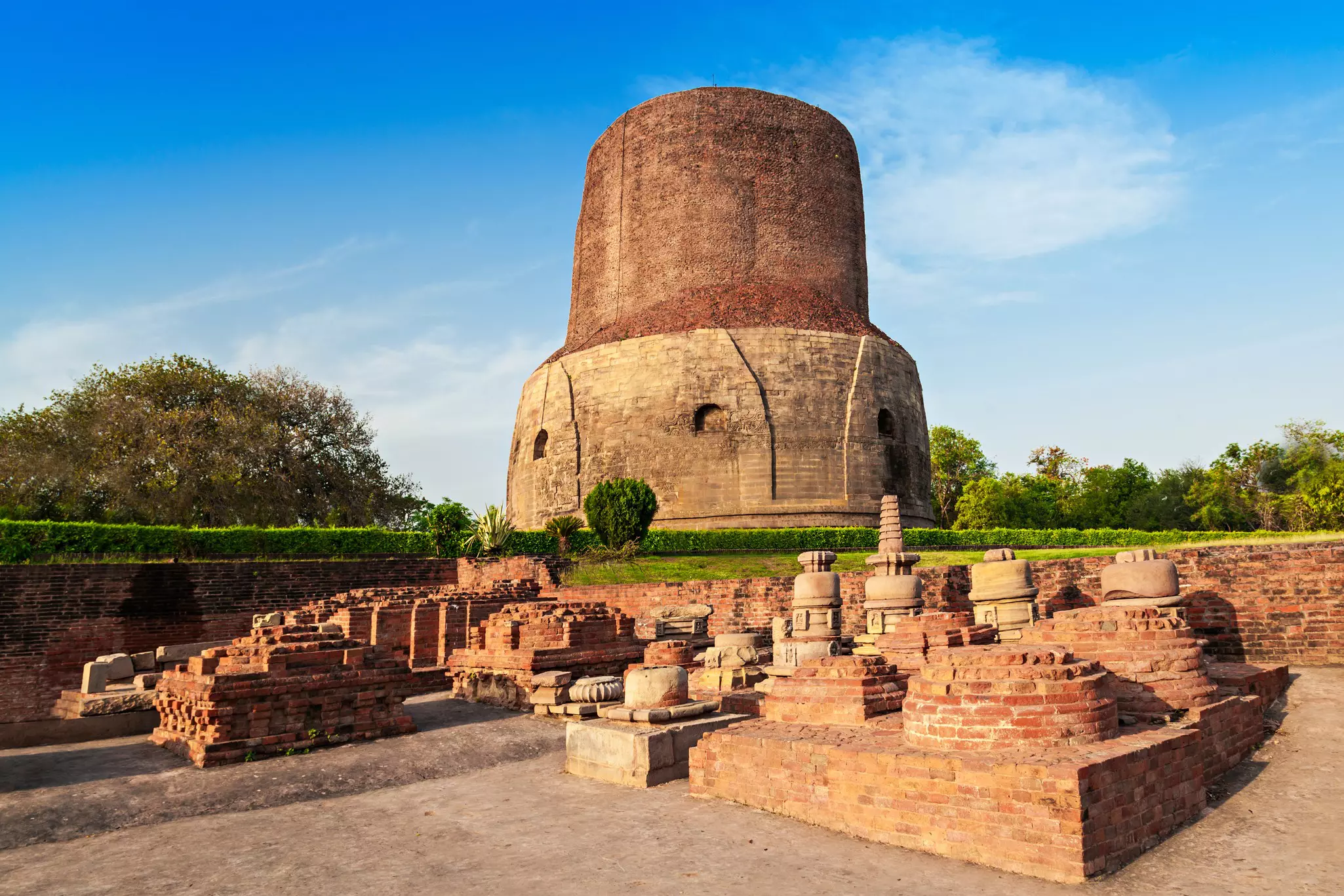
One of the most important sights in the Buddhist world sits not on a lonely mountainside but in the suburbs of one of India’s largest cities. The Dhamekh Stupa at Sarnath, about 10km northeast of the ancient city of Varanasi, marks the spot where Siddhartha Gautama, the historical Buddha, gave his first sermon after achieving enlightenment at Bodhgaya in the dry plains of Bihar.
Discovering such a vital Buddhist site in one of Hinduism’s holiest cities is a reminder of how the stories of the two faiths are intertwined. Buddhism almost eclipsed Hinduism in parts of India in the 3rd century BCE, when the Emperor Ashoka converted and spread his newfound faith across Asia.
Today, the archaeological site is a sprawl of brick stupas, Buddhist temples and dharma centers, drawing pilgrims from across the globe. Look for the column installed by Ashoka in around 250 BCE – its original lion-topped capital, now in the on-site museum, was adopted as India’s national symbol.
Getting there: Sarnath is an easy trip by autorickshaw or taxi from Varanasi, which is served by trains, buses and flights from across India.
Best for seeing a less familiar Japan
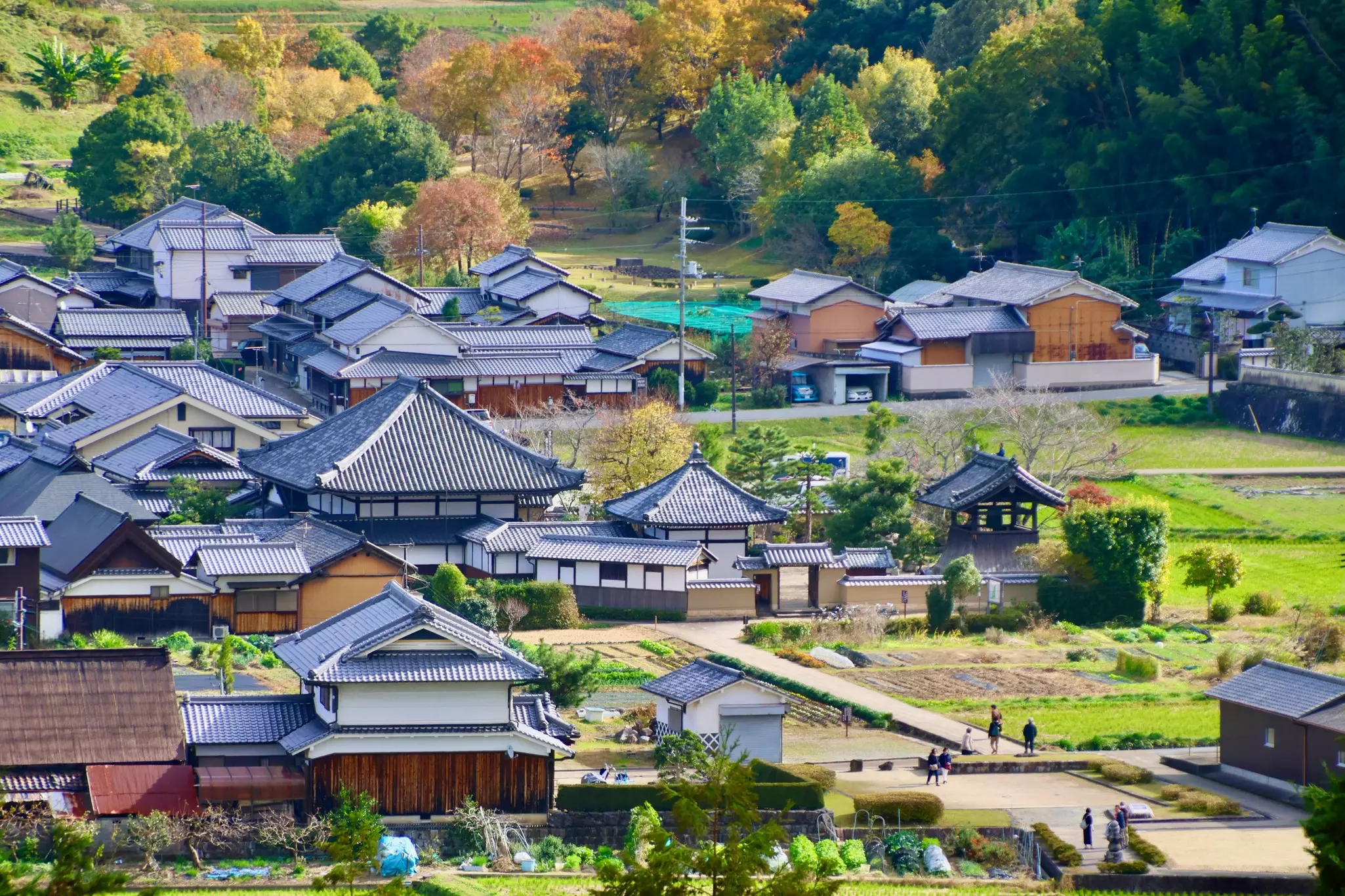
Everyone knows about Japan’s ancient emperors and samurai. The story of the Chinese-inspired states founded at Asuka and Fujiwara in the 6th and 7th centuries CE near the modern city of Nara is less well known. The remains of temples, palaces, government offices and mounded tombs dot the landscape at these less-visited archaeological sites, which recall the arrival of Buddhism in medieval Japan.
In Asuka, on the southeastern fringes of Nara, the Asuka-dera was the first Buddhist temple constructed on the islands, founded in 596 CE. It stands surrounded by palace ruins and kofun (burial mounds), scattered around the paddy fields. About 3km north, Fujiwara contains the remains of palaces and monuments constructed by the powerful Fujiwara clan, whose rulers also founded the Kasuga Taisha shrine just east of Nara.
Getting there: To explore Asuka, bicycles can be rented near Asuka station, served by Kintetsu Railway trains from Nara, or there’s a sightseeing bus. Reach Fujiwara on the bus from Yamato-Yagi Station.
Best for preserving recent history

Think Uzbekistan is all about ancient history? Think again. Tashkent came under Russian imperial rule in 1865 and Soviet control after 1917, and the decades that followed brought an explosion of modern construction – accelerated dramatically by the major earthquake that leveled much of the city in 1966.
Buildings added to the World Heritage list in 2026 include museums, hotels, apartment complexes and cultural institutions, from Vladimir Beryozin’s Panoramic Cinema to the State Museum of History of Uzbekistan, the State Circus and the dome-topped Chorsu Bazaar. It’s a fascinating introduction to a unique architectural tradition, and the Soviet quest to “modernize” the vassal states of the USSR.
Getting there: Flights, trains and buses connect Tashkent to cities across the region; once you get here, Central Asia’s oldest metro system will get you to the sights.
Best for imagining a golden age
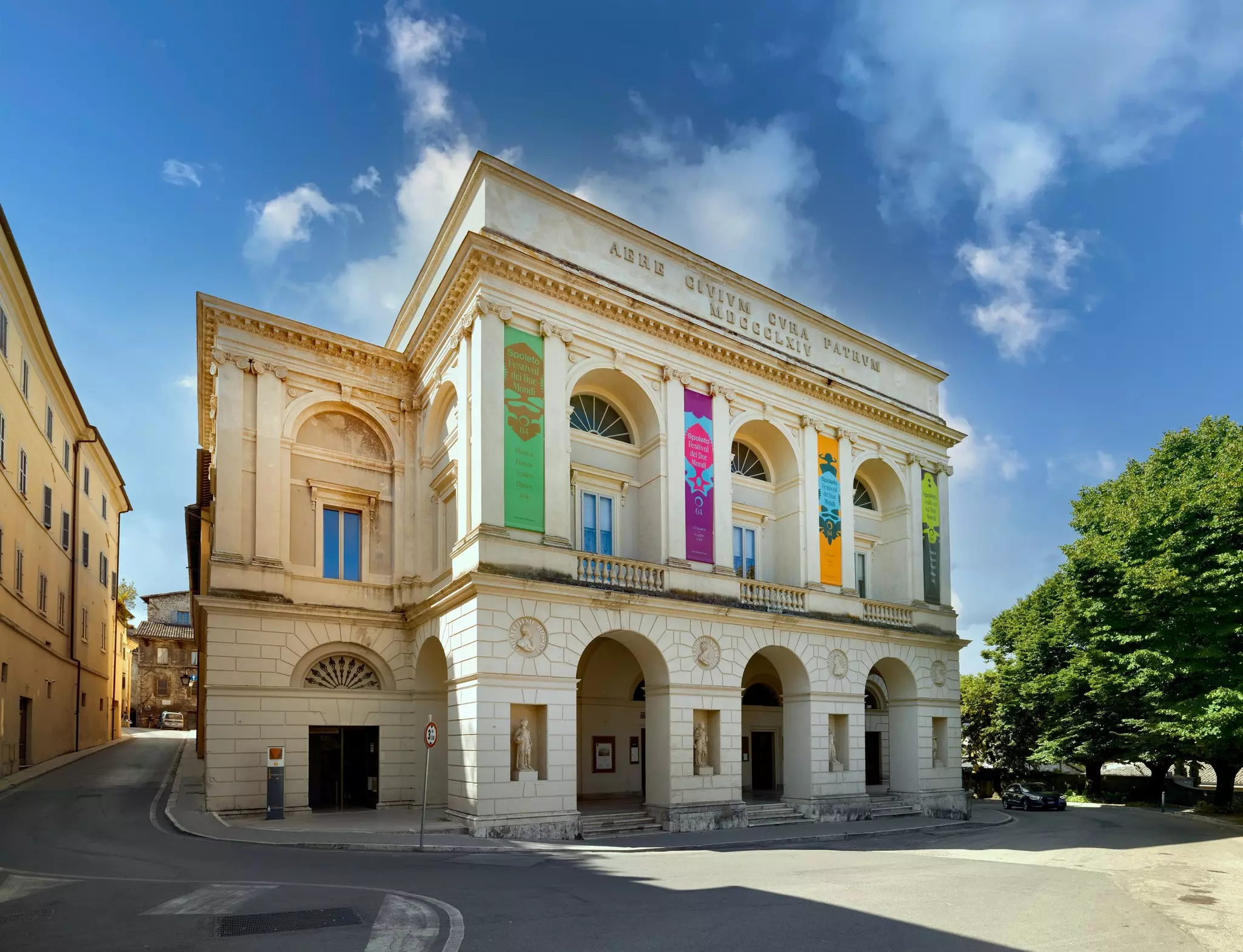
Spanning 10 theaters built between the mid‑18th and late 19th centuries, dotted across Emilia-Romagna, Le Marche and Umbria in central Italy, this new UNESCO listing aims to preserve the remaining theaters of the condominio system, where local authorities and private citizens pooled their resources to build grand new spaces for opera, drama and music.
Blending neoclassical and Baroque influences, the Condominio Theaters are noteworthy for their fine interiors, featuring tiered boxes, elegant lobbies, ridotti (gambling rooms) and period stage machinery. Theaters still hosting opera and symphony performances include the Teatro Lauro Rossi in Macerata, Teatro Nuovo Gian Carlo Menotti in Spoleto, and Teatro Feronia in San Severino Marche.
Getting there: The small towns of Emilia-Romagna, Marche and Umbria are linked by local trains and buses. Driving between them is another great way to take in the scenery.
Best for vivid color
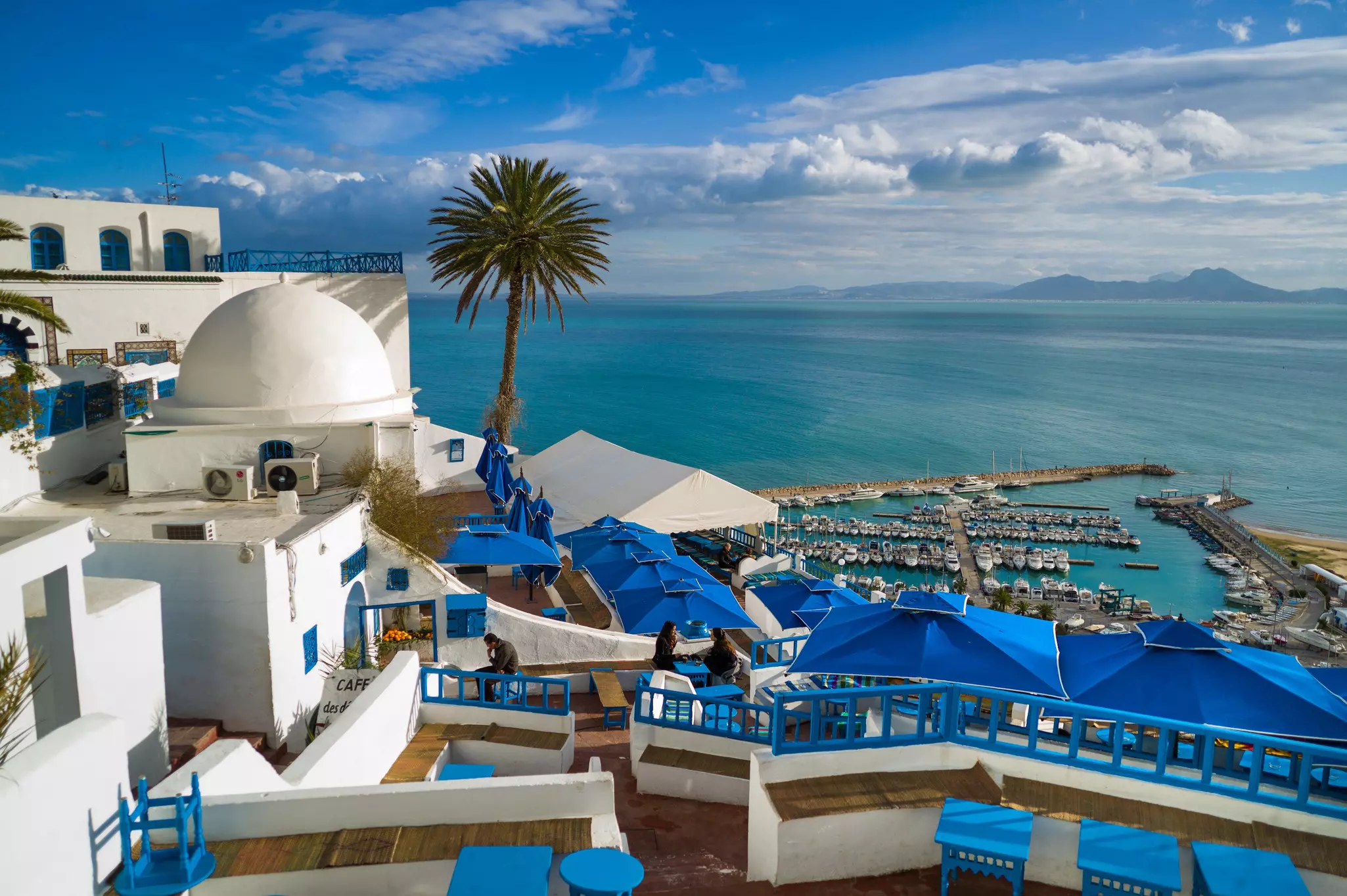
Balanced above the Mediterranean Sea on a promontory outside Tunis, the village of Sidi Bou Saïd would be worth visiting just for its mesmerizing blue and white buildings and cascading lanes, but the Sufi traditions established by its eponymous saint in the 13th century give the settlement genuine soul.
While Sidi Bou Saïd is far from undiscovered, its place on the World Heritage list will focus attention on conserving the village’s architecture, religious culture and musical and artistic heritage. Be sure to visit the lattice-and-stucco Dar Ennejma Ezzahra palace to tune into concerts hosted by the Center of Arab and Mediterranean Music.
Getting there: The Tunis-Goulette-Marsa (TGM) commuter train from Tunis Marine station will drop you 10 minutes’ walk from the center of Sidi Bou Saïd. On the way, you can visit the ruins of ancient Carthage.
Best for revisiting ancient trade routes
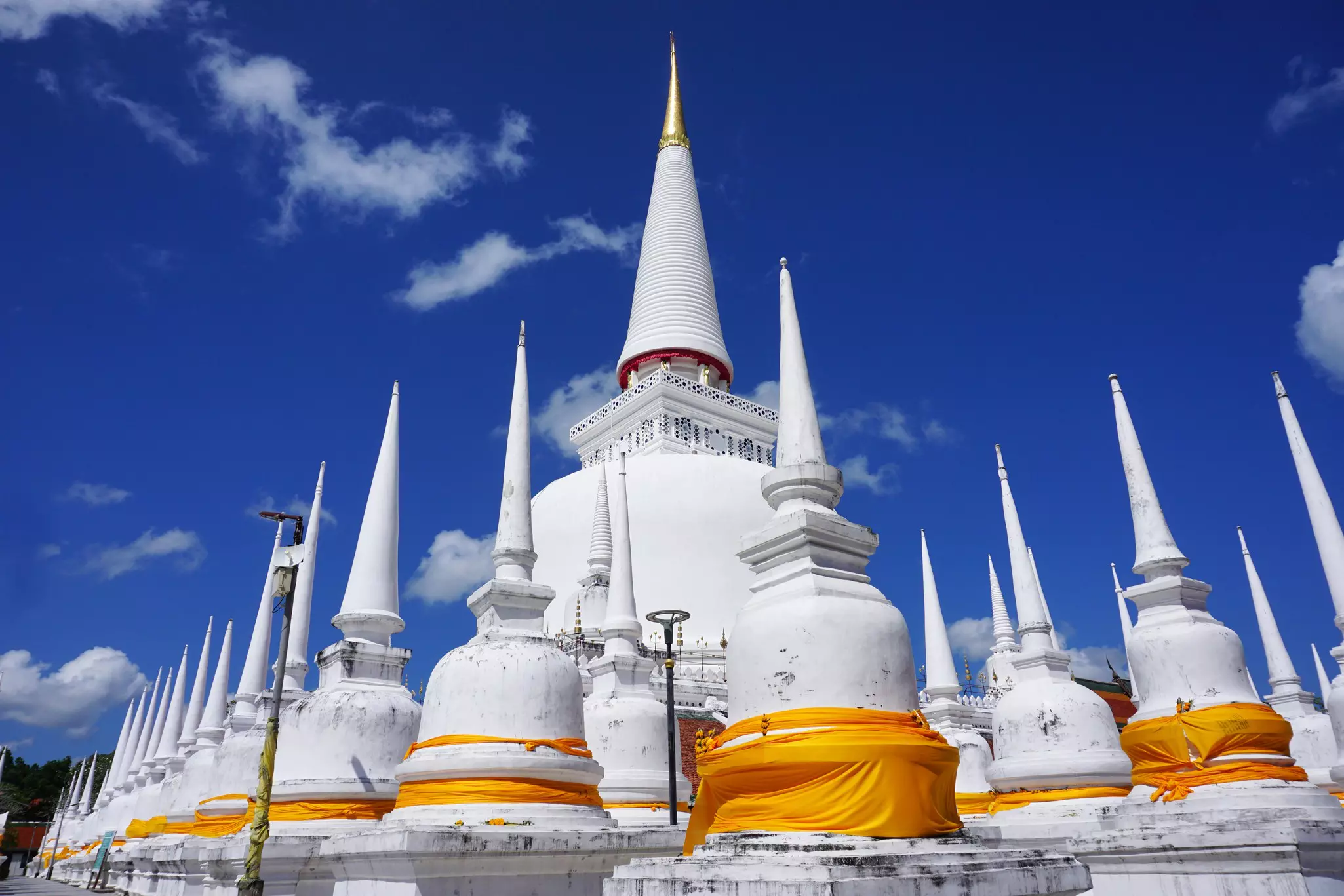
Thailand has no shortage of UNESCO sites, from the ancient cities of Ayuthaya and Sukhothai to the Dong Phayayen-Khao Yai Forest, and the newest addition is a monastery that served as a hub for the exchange of ideas in 8th-century Thailand.
Wat Phra Mahathat Woramahawihaan near Nakhon Si Thammarat in the steamy south of Thailand shows the clear influence of Brahmanism, Hinduism, Mahayana Buddhism and Theravada Buddhism – a consequence of its position on historical trade routes between India, Sri Lanka and Java.
Highlights for visitors include performances of Nora (Manora) dance-drama, separately inscribed on the UNESCO Intangible Cultural Heritage list, and the annual wrapping of the Phra Borommathat Chedi with cloth for Makha Bucha Day in February or March and Visakha Bucha Day in May or June – a tradition imported from Sri Lanka.
Getting there: Wat Phra Mahathat Woramahawihaan sits in the heart of Nakhon Si Thammarat, easily reached by songthaew (shared pick-up), tuk-tuk, or taxi.
Best for a natural escape
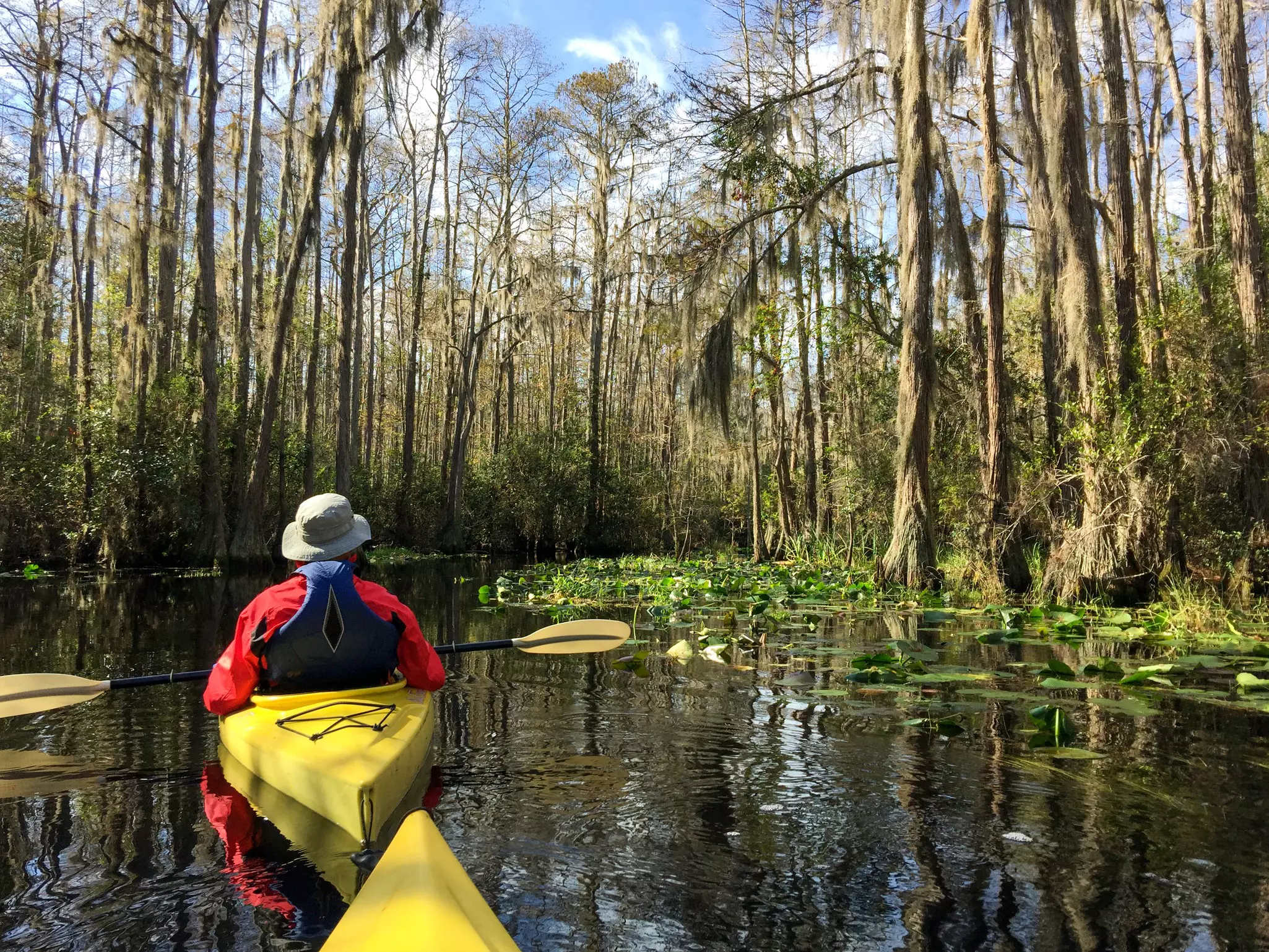
Spilling from Georgia into neighboring Florida, the Okefenokee Swamp is the largest lowland freshwater peatland found in any subtropical zone worldwide, and one of America’s best preserved wetland ecosystems. Sheltering American alligators, Florida black bears, bobcats, otters, endangered longleaf pine trees and 238 species of birds, it’s a marshy wonderland that has previously escaped the crowds who head south to the Everglades.
Explore from the coastal cities of Jacksonville or Brunswick, or stay in Folkston on the reserve boundaries. Okefenokee Swamp Park in the north has family-friendly trails and boat trips, while Folkston’s Okefenokee Adventures offers kayak and boat tours deeper inside the Okefenokee National Wildlife Refuge.
Getting there: Jacksonville has a busy airport and a train station made famous by singer Al Green, but you’ll want a rental car to properly explore.
Best legendary landscape
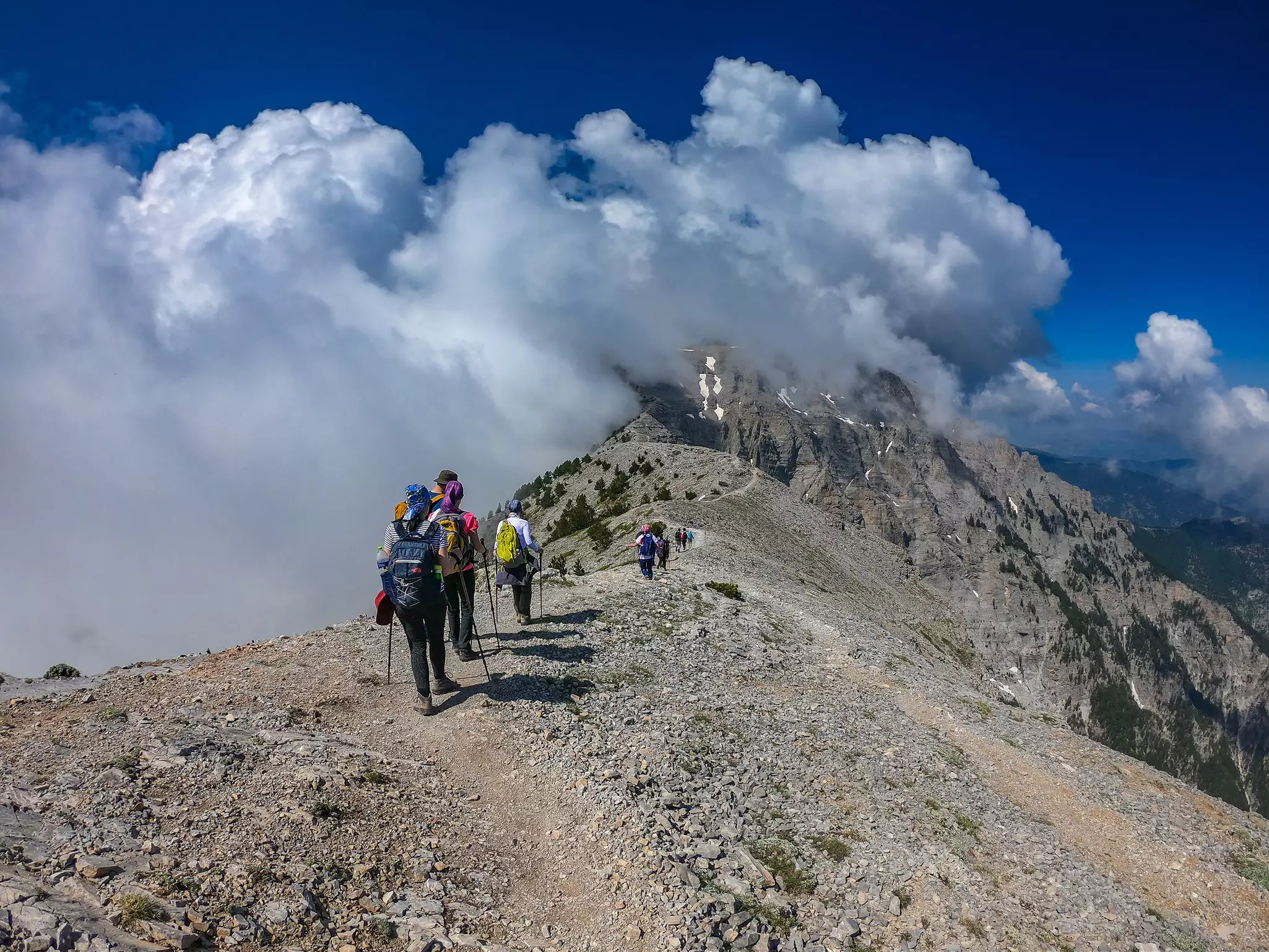
Not content with being the home of the gods, Mt Olympus in Greece has also earned a spot on the World Heritage list for its role in Ancient Greek mythology and popular culture, and its important biodiversity. Building on the success of the existing Olympus Biosphere Reserve, the new listing takes in the whole region around this 2918m massif, which rises inland from the coast between Thessaloniki and Larissa.
The home of the 12 Olympian gods (plus the Muses and Graces) also draws plenty of mortals, drawn by the wildlife, scenery and the dramatic summit trail that climbs from Prionia to Mytikas, the highest summit of Olympus. Most hikers tackle the ascent – a challenging scramble in places – over two days, breaking the climb at Refuge A at Spilios Agapitos.
Getting there: Trains and buses from Thessaloniki can get you to Litochoro, then you’ll need to take a taxi to reach the hiking trailhead at Prionia.
Here’s the full list of UNESCO’s latest additions for 2026, by continent.
Sidi Bou Saïd, Tunisia
Boma–Badingilo Migratory Landscape, South Sudan
The Medinas of the Comoros Sultanates, Comoros
The Roças plantations of São Tomé and Príncipe
Buddhist Sarnath, India
Ancient Asuka and Fujiwara, Japan
Wat Phra Mahathat Woramahawihan, Nakhon Si Thammarat, Thailand
The Porcelain Sites of Jingdezhen, China
Alamūt Castle, Iran
The Castles of Mount Amel, Lebanon
The Rock Mosques of Mangystau, Kazakhstan
Ancient Sebastia, Palestine
Tashkent's Modernist Architecture, Uzbekistan
The Cemeteries of the Xiongnu Nobility, Mongolia
Aqaba Marine Reserve, Jordan
Wadi Wurayah, United Arab Emirates
The Beaches of the D-Day Landings, Normandy, France
The Condominio Theaters of Central Italy
The wider area of Mount Olympus, Greece
The Aalto Works, Finland
Fossils of the Western Limfjord, Denmark
Gdynia's Modernist City Center, Poland
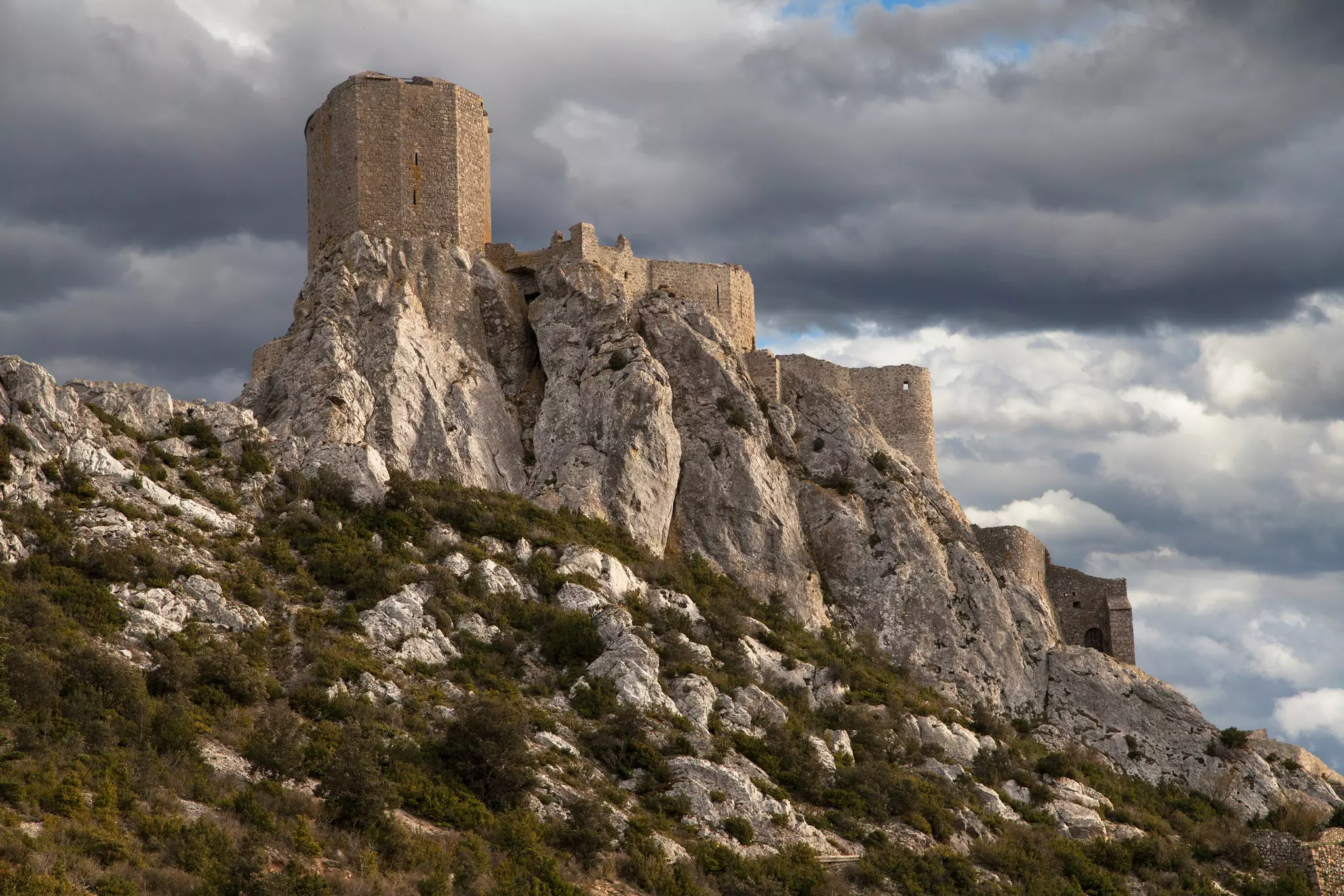
The Capetian Fortresses of Languedoc, France
Okefenokee National Wildlife Refuge, USA
The Amazonia Theaters, Brazil
Need help planning your next trip? Check out Lonely Planet Journeys to get connected to a local expert who can craft a custom itinerary for you.
Explore related stories