Aug 17, 20267 min read
Sydney to Perth by Train: What to Expect on One of the World’s Longest Train Trips Sep 21, 2026
9 MIN READ

Writer
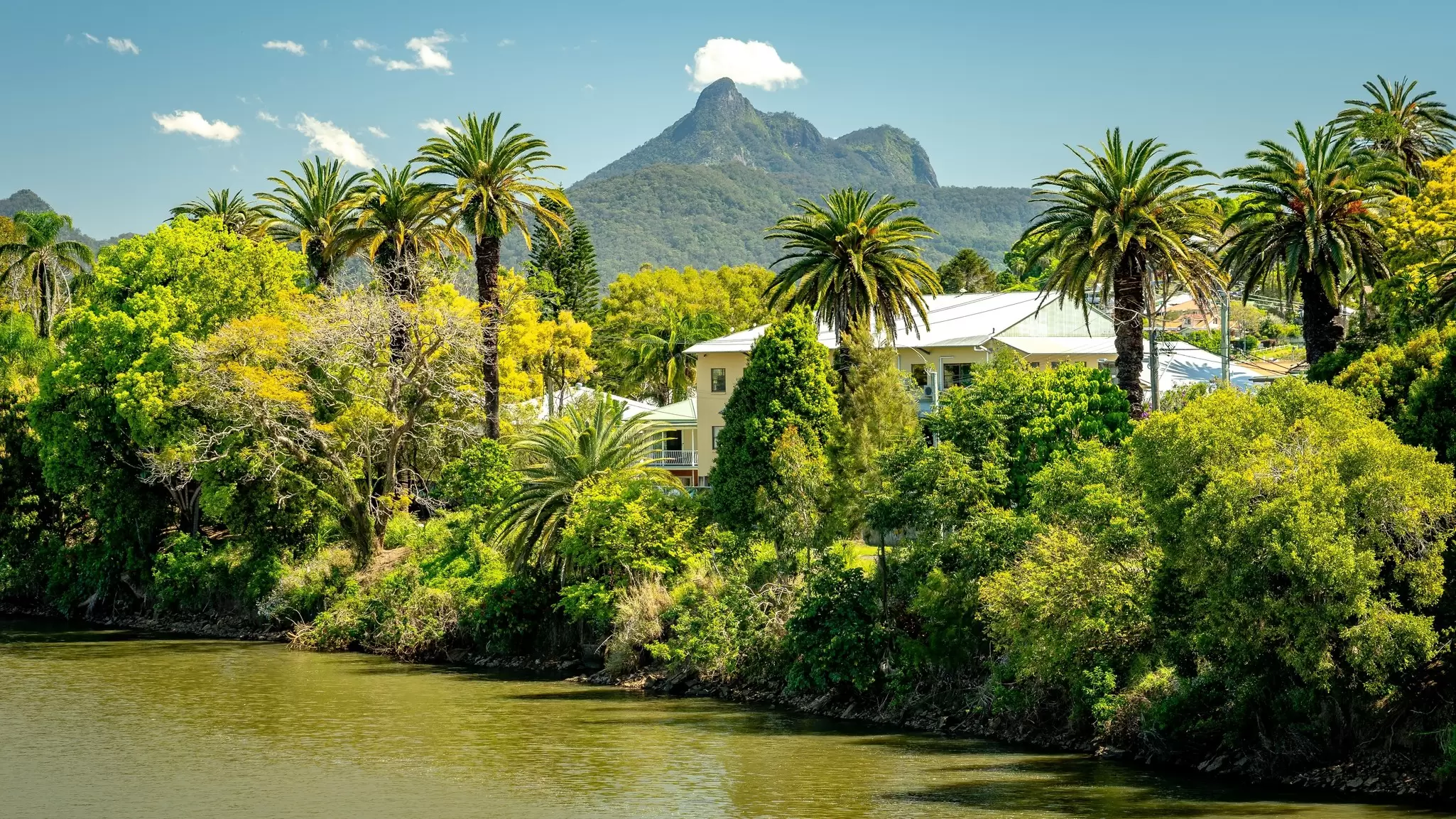
Picturesque view along the Tweed river in Murwillumbah, NSW, Australia. Alex Cimbal/Shutterstock
Writer
Highlights
Lonely Planet editor Jessica Lockhart guides you through New South Wales' Tweed region.
For beaches, head to Kingscliff or Tweed Heads; inland Murwillumbah is the art deco hinterland hub.
Bike the 24km Northern Rivers Rail Trail or tackle the new four-day Gidjuum Gulganyi Walk.
Foodies should book Pipit in Pottsville for sustainable seafood and visit Husk Distillery for rum.
Lonely Planet may earn a commission from affiliate links on our site. All recommendations and reviews reflect our own independent opinions.
It’s hidden in plain sight, right there on the map, wedged between two of Australia’s most popular tourist destinations. Yet, countless visitors will miss the Tweed entirely as they speed from Byron Bay in New South Wales to the Gold Coast in Queensland. It’s a mistake you don’t want to make – this lush region is easily one of the most underrated destinations on Australia's east coast.
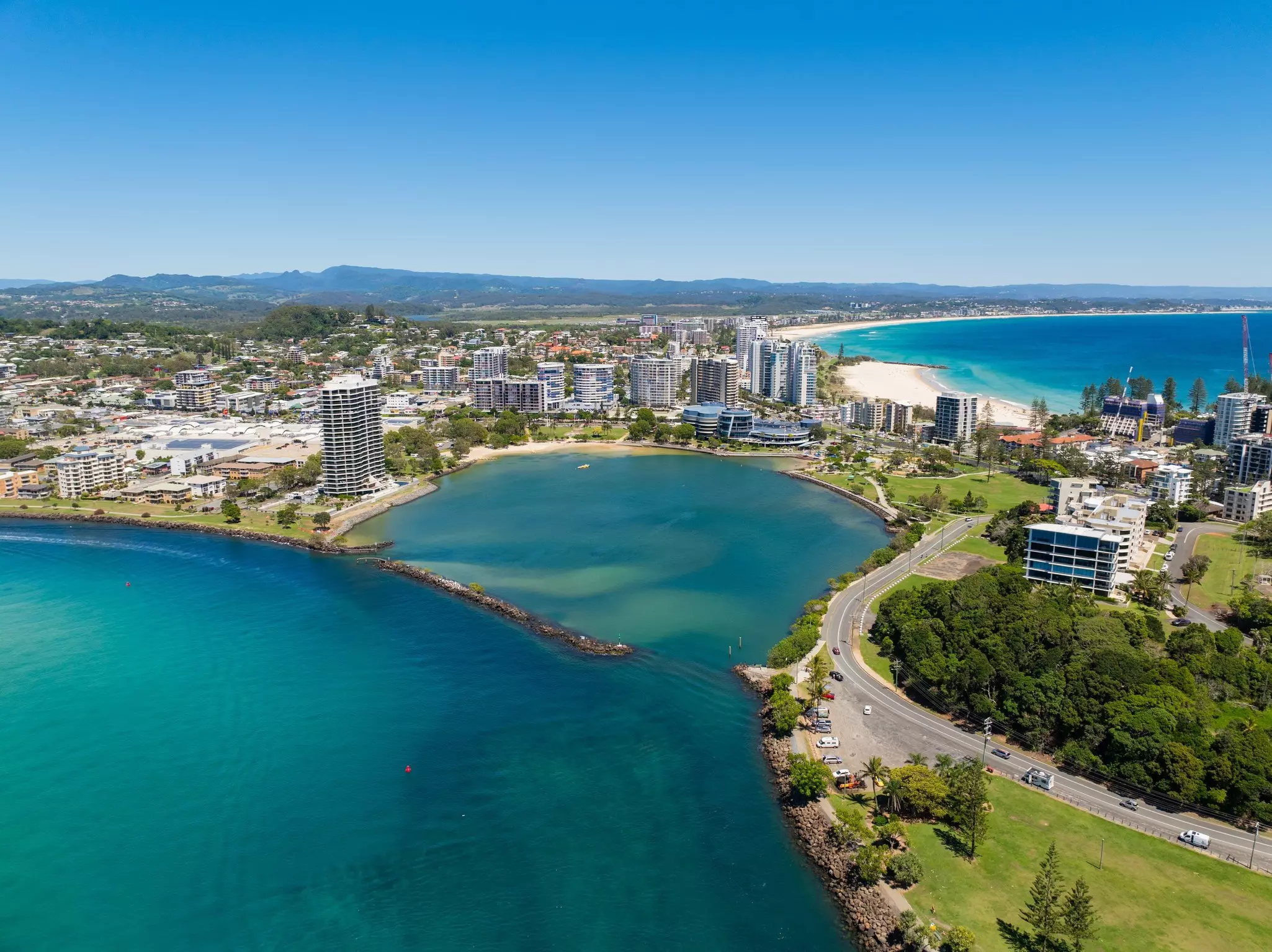
First, there are the beaches. If you’re looking for surf and stretches of sand sans crowds, you’ll find them at Tweed Heads and Kingscliff. But while the action at Byron and the Gold Coast is anchored to the shorelines, you’ll want to change out of your swimmers to truly discover the Tweed.
The region’s epicentre is Murwillumbah or “Murbah,” an inland town set within an ancient volcanic caldera. Ringed by dramatic mountains cloaked in dense rainforest, Murwillumbah's main street is lined with art deco architecture, alternative cafes and independent boutiques. (You’ll be hard-pressed to find any chains in this neck of the woods.) It also boasts a popular cycling trail and one of the best regional art galleries in Australia. Head out from this hub into the surrounding hills and you’ll find cute riverside villages, award-winning restaurants, and some of the state’s most epic national parks. Ready to explore the Tweed? Here’s what you need to know.
The Gold Coast Airport (OOL) famously straddles the border between Queensland and New South Wales – which means it also sits on the divide between the Gold Coast and the Tweed. The airport is linked well by bus with other coastal destinations in the area: the Byron Bay Express runs from Byron Bay to Brisbane, with stops at the Gold Coast Airport and Surfers Paradise.
But to truly explore the Tweed – including Murwillumbah and the surrounding coastal and hinterland villages – you’re going to need a car. Rentals are available from Tweed Heads and the Gold Coast Airport.
When driving, take care on the winding roads and avoid driving at dusk and dawn, when kangaroos and other animals are more active.
Like most of Australia, the Tweed is a year-round destination with mild winters. During the peak summer months of December through February, heat and humidity can grow to uncomfortable levels, frequently resulting in thunderstorms.
For hiking and outdoor adventures, plan your trip for autumn (March to May) or spring (September to November). Or, if indulgence is on the agenda, time your visit to coincide with Savour the Tweed. Held annually in October, the multi-day coast-to-valley food festival features taste trails, art exhibitions, and celebrations of Indigenous food, including creations by Mindy Woods, a local Bundjalung chef.
Unless you plan on tackling a multi-day hike – such as the new 4-day Gidjuum Gulganyi Walk (more on that below) – most visitors will find that the Tweed is a worthwhile 3-night stop on their journey between Byron Bay and the Gold Coast.
But if you have more time to spare, you could happily spend up to 5 or 6 days here, exploring coastlines and discovering hidden hinterland waterfalls at a relaxed pace.
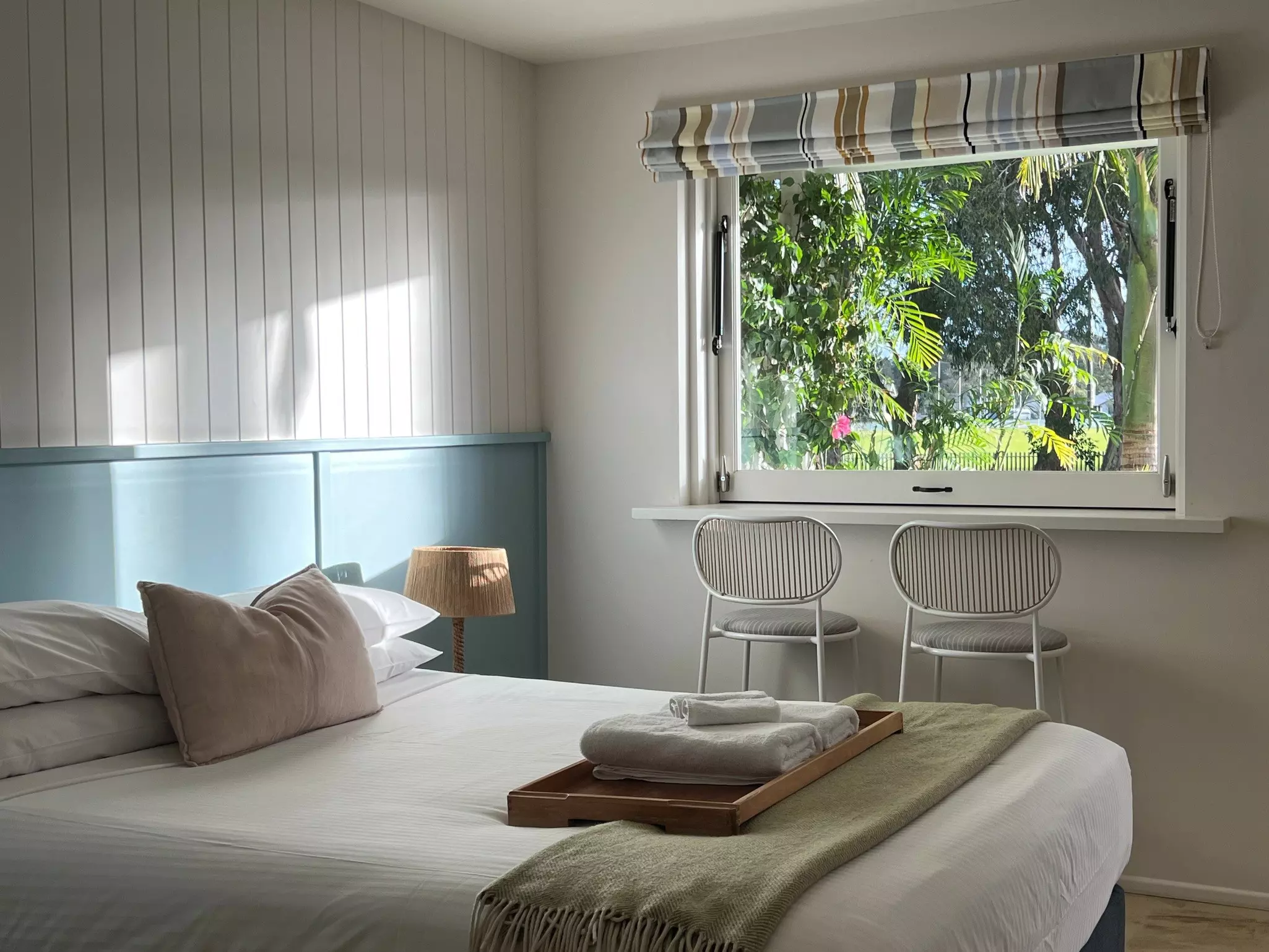
Like on the Gold Coast, retro motels decked out in mid-century shades of peppermint and pistachio are having a moment. With its clamshell light fixtures, the freshly renovated Blue Water Motel looks like where Botticelli’s Venus would stay if she were flashpacking through Australia and wanted a private room for a night. Steps from Kingscliff Beach, the freshly renovated rooms include access to a swimming pool and 24/7 kitchen area.
However, the Tweed’s heart is in its hinterland. Boutique accommodation ranges from budget and family-friendly to more luxurious digs. Kids will love the cabins and camping at family-friendly Hosanna Farmstay, where they can feed farm animals or participate in daily treasure hunts.
Adults, however, may prefer Chesson Lodge in Uki, a luxurious four-bedroom Queenslander (a type of house identifiable, in part, by its expansive verandah). For the ultimate in serenity, Origin House in Carool is a two-bedroom self-contained property set on a working coffee plantation.
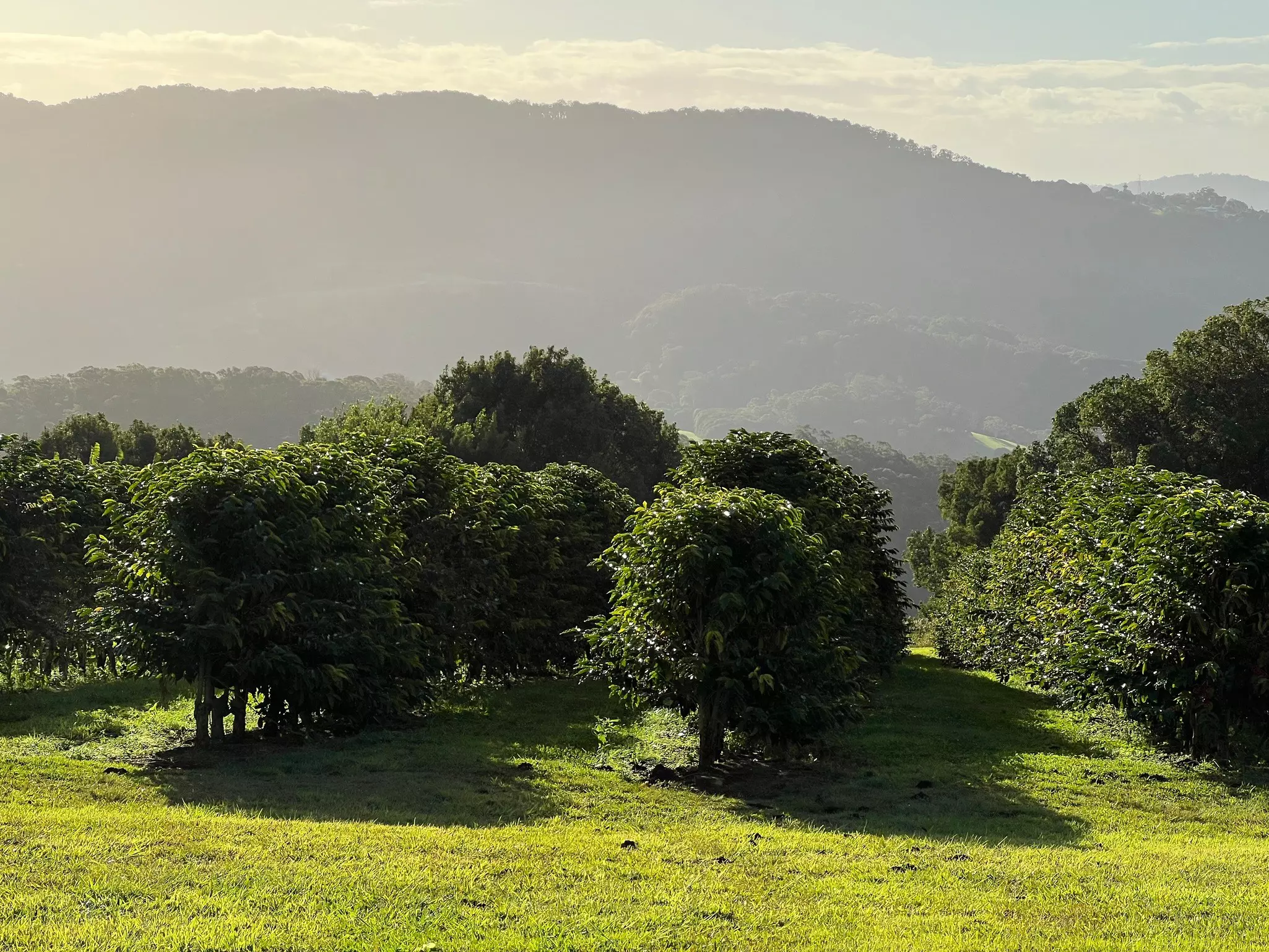
The Tweed is just as beloved as nearby Byron for its surfing, swimming and watersports. But if your toes are starting to turn wrinkly, head inland to experience some of northern New South Wales’ best biking, hiking and foodie escapes.
You can credit the region’s fertile volcanic soil for the expansive fields of sugarcane, tropical fruit farms, and macadamia tree orchards that run alongside the Tweed River. Every Wednesday, the region’s bounty is on display to the tune of live music at the Murbah Farmers’ Market, held at the Murwillumbah Showgrounds.
Afterwards, head to Farm & Co, where fresh produce from the 52-acre farm takes center stage on the seasonal menu. Make a reservation and block out enough time for the banquet lunch, a multi-course offering, then walk it off afterwards with a stroll through the adjoining fields.
Finally, wrap up your day with drinks at Husk Distillery, a farm-to-bottle restaurant where freshly crushed sugarcane is transformed into rum and cocktails. Tours and tastings are held daily.
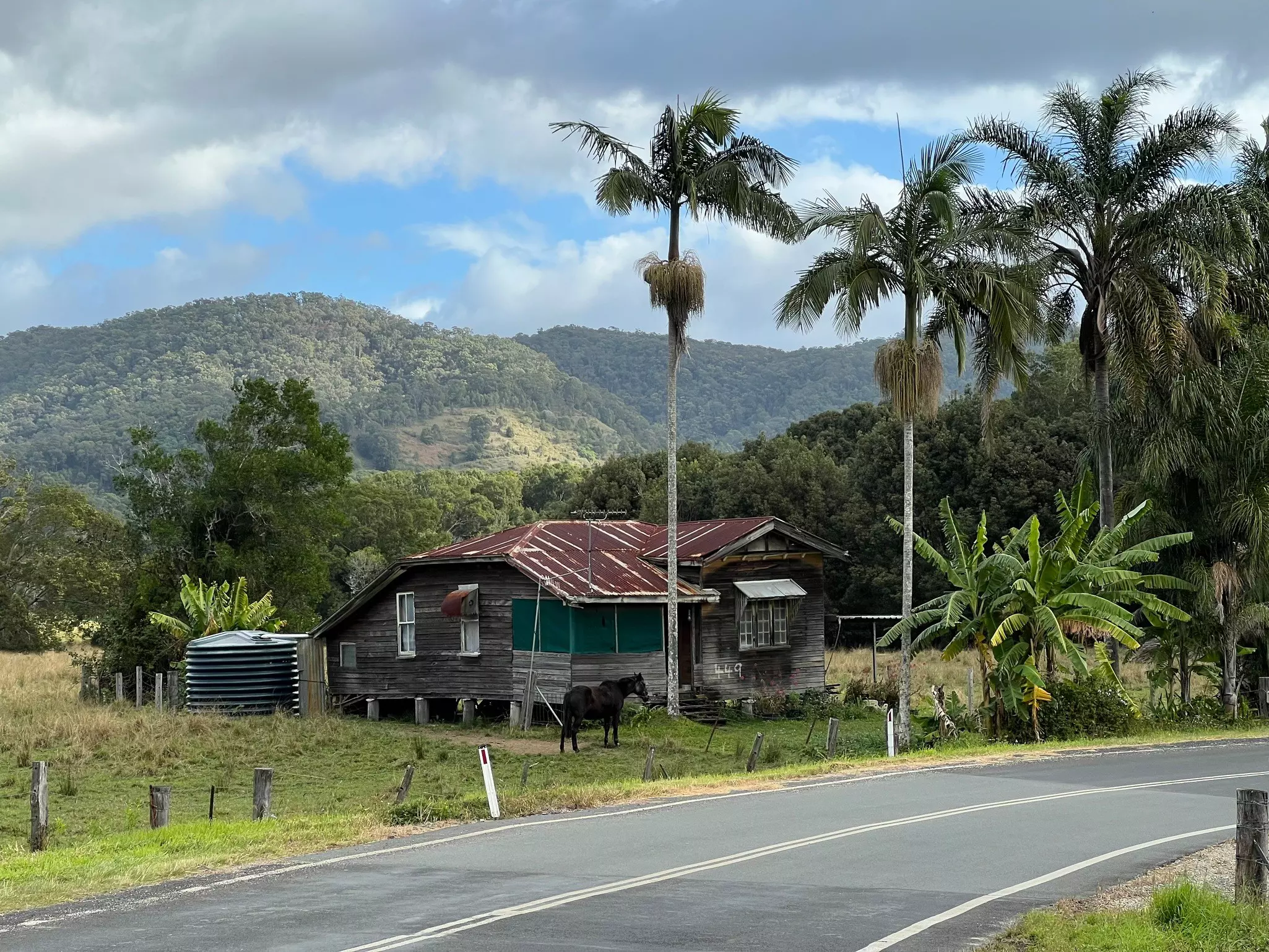
When the Tweed section of the Northern Rivers Rail Trail opened in 2023, it was poised to transform the region – and it’s done just that. On any given day, you’ll find families and tourists cycling or walking along the 24km trail, which runs from Murwillumbah to Crabbes Creek along a historic railway line, crossing 26 bridges and passing through two tunnels along the way.
You can tackle the entire trail in just a few hours by e-bike, but plan to make a full day of it with plenty of stops along the way, including Hosanna Farmstay for an ice cream and Burringbar, a charming heritage town where you can sample artisan cheeses.
E-bike rentals and shuttle services are available from Better by Bike, conveniently located directly at the Murwillumbah Railway Station, which is also the official starting point of the trail.
Following on the coattails of the Northern River Rail Trail’s success is the 45km Gidjuum Gulganyi Walk (“Old People’s Track” in the language of the area’s Traditional Custodians, the Widjabul Wai-bal and Minjungbal people of the Bundjalung Nation). New-in-2025, the 4-day trail winds through the Gondwana rainforest of Mount Jerusalem National Park and Nightcap National Park, tracing ancient songlines.
While it’s possible to tackle as a self-guided hiker, visitors from out-of-country or from across state lines may prefer to walk it with tour operator Connect Adventures, who will supply guides, catered meals and all your gear, including tents.
It’s not the only walk in the Tweed. The Yuraygir Coastal Walk is a 5-day journey through the traditional lands of the Yaegl and Gumbaynggirr people, across pristine beaches and headlands, from which it’s possible to spot humpback whales on their annual migrations (between June and November). Connect Adventures offers regular departures on both trails.
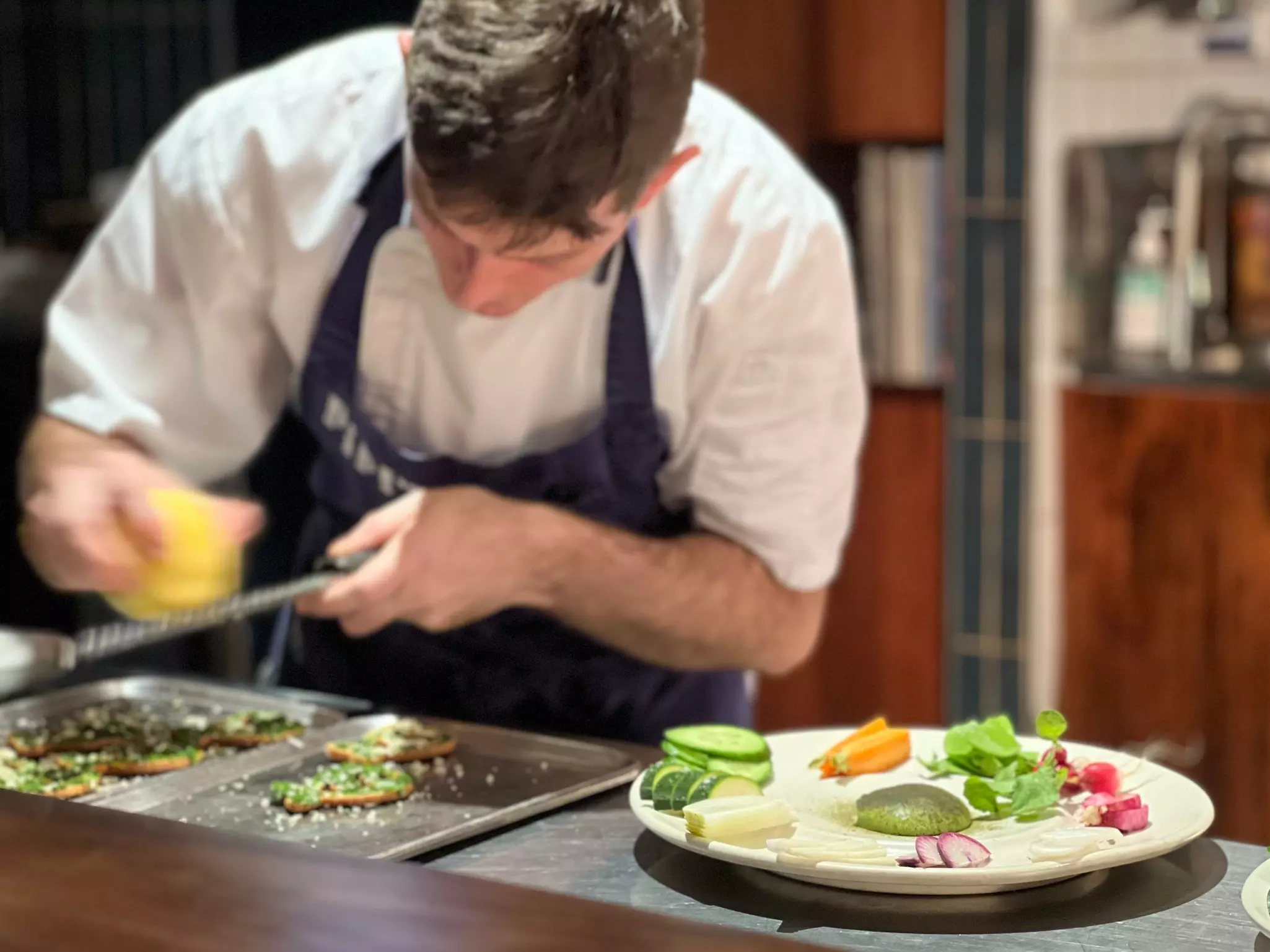
If you’ve burned a few calories after a long walk or bike ride, this is the place to balance them out. Start at oceanside Black Dingo Cafe, which overlooks surfers playing in the waves and pays homage to the traditional Bundjalung name of the Tweed Heads, Ngagambi (which translates to black dingo). Other breakfast spots with a view include Apex Dining in Murwillumbah, which looks out over the Tweed River.
For a sociable and fun dinner, hit up Bar Bruto in Casuarina. With an Argentine chef at the helm, the tapas and wine bar serves Spanish-style cuisine in an intimate space.
Pipit in Pottsville is one of the region’s most sought-after reservations. Multi-award-winning, its menu features sustainable seafood and produce cooked over a wood fire. Think: long tail tuna tartare, buckwheat waffles with cured mullet roe, and pillowy soft bread, made with congee, and served with wattleseed butter.
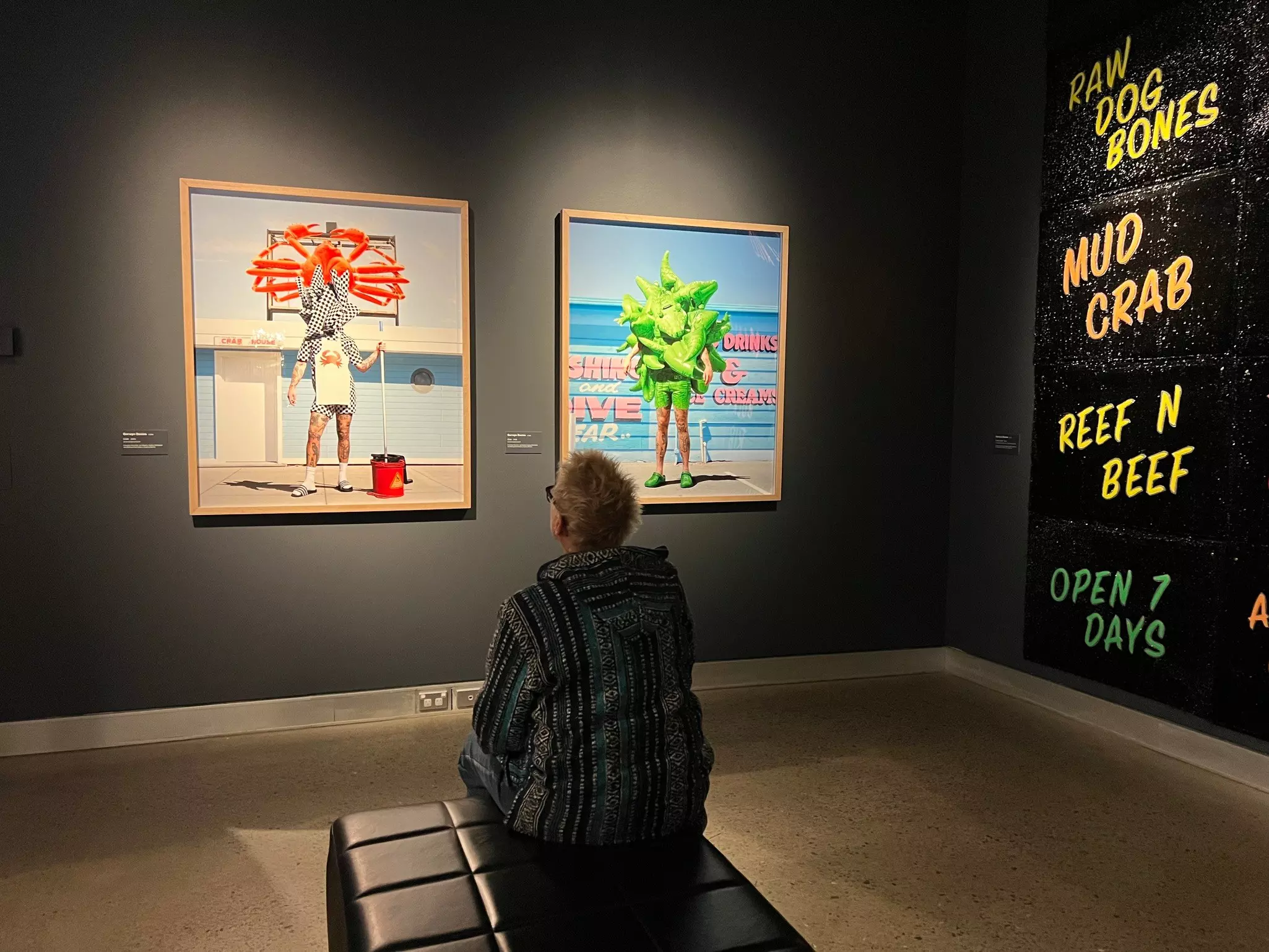
I’m going to be honest; whenever someone suggests I visit a regional museum or art gallery, I’m inclined to give it a pass. As much as I don’t want to injure the pride of rural communities (I’m a small-town gal myself), I’m rarely interested in looking at dusty old milk cans. It’s not that these exhibitions are boring – it’s just that I, like most travellers, have limited time in a destination.
So trust me when I say that the Tweed Regional Gallery is worth your time. One of Australia’s most noteworthy regional art galleries, it features work by both local artists and heavy hitters from the Australian art world. When I visited, exhibitions featured a self-portrait of Ken Done (one of the country’s most famous artists, known for his bright graphic prints), and Ben Quilty’s Archibald-winning portrait of acclaimed Australian still-life painter Margaret Olley. Olley – who spent part of her childhood on a sugar cane farm in the Tweed – is also one of the main drawcards. One wing of the gallery features a full-scale recreation of her Sydney home studio.
I love an active holiday in the Tweed, but the best moments are when everything slows down.
At my accommodation in Uki, I pop a fresh ready-made lasagne from Pasta’bah in Murwillumbah in the oven, and pour a glass of wine, then head out on the porch to watch "bat hour". This is when thousands of flying foxes leave their daytime roosts and take to the skies as the sun sets over the iconic peak of Wollumbin (Mount Warning).
Then, in the morning, I grab a coffee from Bastion Lane Espresso – a cafe and art gallery that serves fresh-roasted coffee in the community’s post office – while listening to cockatoos screech overhead. It’s a quintessentially Australian experience that can’t quite be replicated anywhere else in the world.
Visit in the off-season and you may find the Tweed reasonably affordable compared to internationally recognized destinations like Byron Bay or Surfers Paradise. However, accommodation also tends to be more boutique in nature and you’ll need a car rental, which can drive costs up.
Glamping hut at a farmstay: $135
Homemade lasagne for three people from Pasta’bah: $38
Private boutique accommodation near Murwillumbah: $250
Eight-hour e-bike hire rental: $128 adults/$98 children
Set six-course degustation meal at Pipit: $150
Guided 4-day hike with meals: $2165
Jessica Lockhart visited the Tweed at the invitation of The Tweed Tourism Company. Lonely Planet does not accept freebies for positive coverage.
Book your Australia trip with Lonely Planet Journeys
See Australia how it's meant to be seen
Accommodations, activities and ground transportation all taken care of, so you can focus on the fun part. Tell us what your dream trip to Australia looks like, and our local experts will build it from scratch. Or start with one of our itineraries and make it your own.

Explore related stories