Aug 17, 20267 min read
Sydney to Perth by Train: What to Expect on One of the World’s Longest Train Trips Aug 14, 2026
8 MIN READ

Writer
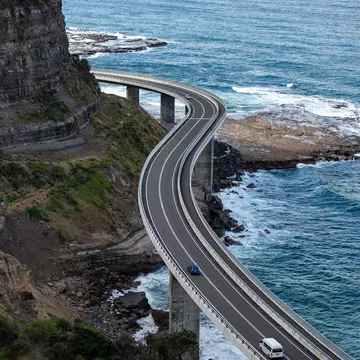
The Sea Cliff Bridge, Wollongong, New South Wales. jacksonhu2207/Shutterstock

Writer
Highlights
Writer Mark Daffey maps four Sydney–Melbourne driving routes to suit every traveler type.
The direct Hume Hwy suits time-pressed drivers; beach lovers should take the Princes Hwy.
Rural roamers should ride the Olympic Hwy through Rutherglen's wineries and storied Cowra.
Mountain lovers can drive via Canberra and Mt Kosciuszko to the Yarra Valley's wine country.
Lonely Planet may earn a commission from affiliate links on our site. All recommendations and reviews reflect our own independent opinions.
Australia’s two biggest cities, Sydney and Melbourne couldn’t be more different. Headlined by a picturesque harbor and framed by dazzling ocean beaches, Sydney has assets that are hard to hide. Melbourne, on the other hand, wields softer power, with an evolving food and entertainment scene and a more European vibe than its northern cousin.
Sydney welcomes the lion’s share of international visitors touching down in Australia, before they drift off to explore big-ticket attractions like the Great Barrier Reef or Uluṟu. Some arrive with plans for a quick drive to Melbourne, then back – unaware that a one-way trip measures almost 900km. Even if you drive very fast, you’ll need to allow 1 full day just to get from one city to the other.
But we don’t recommend such a quick pace – for the more time you can afford for this long road trip, the more you’ll be rewarded. From glorious beaches to snowcapped mountains to expansive vineyards, there’s arguably more variety in this corner of Australia than any other – and there are many routes you can take to see and do it all. These are four of the best road trip itineraries from Sydney to Melbourne.
Best for: Time-poor travelers
Distance: 860km
Duration: 1–2 days
The easiest and quickest way to drive between Sydney and Melbourne is along the Hume Hwy (M31). Speeds of up to 110km/hr are legal beyond the metropolitan fringes, and motorists can zoom along a multilane, divided highway the entire way.
The downside? The Hume doesn’t pass through a single township, so you’ll need to detour away from the highway to visit places like Goulburn, home to the Big Merino sheep; Wangaratta, which hosts the Jazz & Blues Festival each November; and the popular waypoint of the Dog on the Tuckerbox, outside Gundagai, which was immortalized in a pre-World War II hit song. (If you do make a diversion for the latter, temper your expectations. Like Copenhagen’s bronze statue of the Little Mermaid, the piece is rather less grand than its legend.)
Further south, Holbrook marks the halfway point, where you’ll find plenty of affordable motels around to break up the journey. The sight of a hulking submarine miles from the sea will be a surprise, though it can be explained: the town was named after a heroic British submarine commander from World War I.
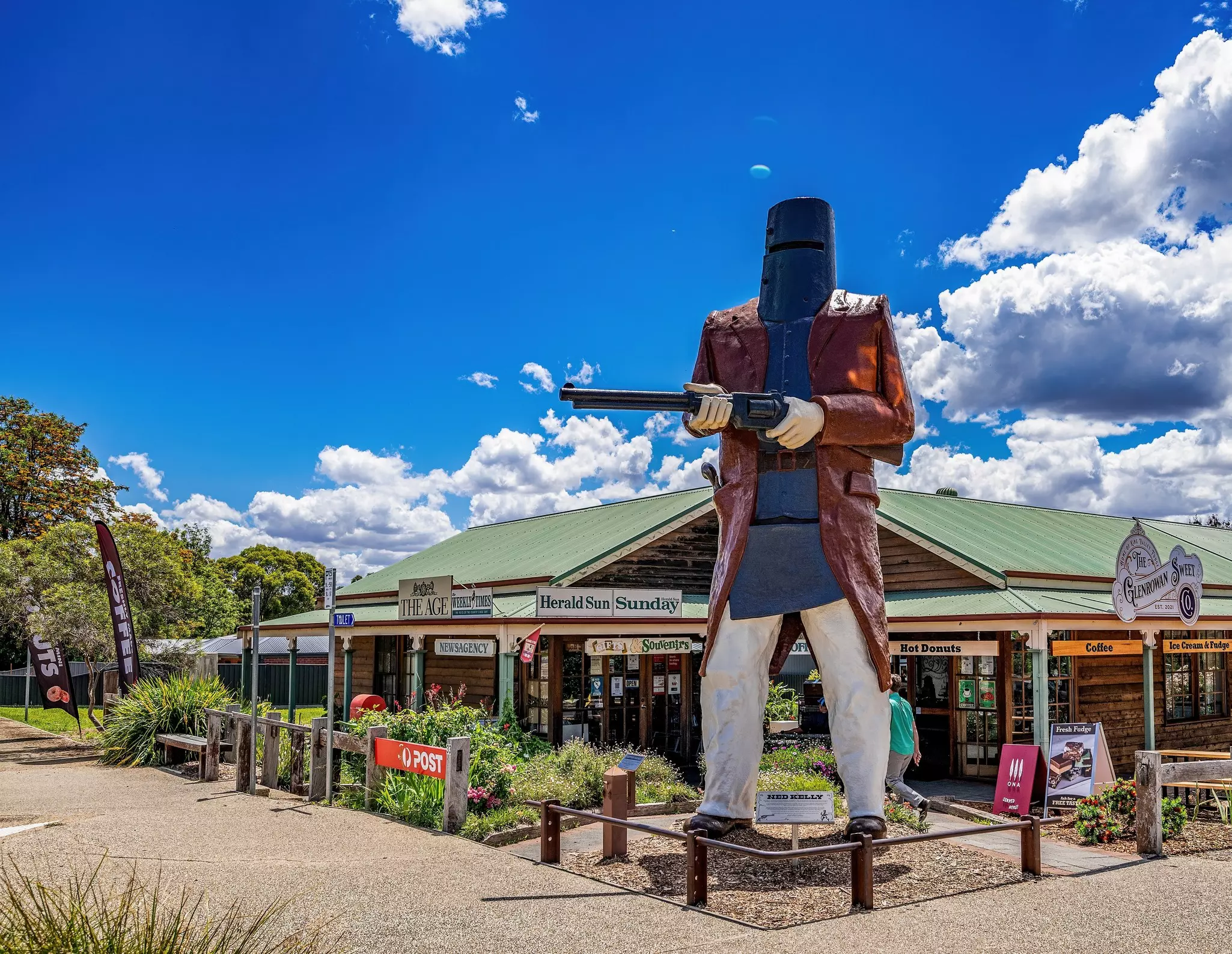
Across the border in Victoria, Glenrowan was the site of bushranger Ned Kelly’s final shootout with police in 1880. Etched in Australian folklore, Kelly is a sort of southern-hemisphere Robin Hood, a bearded outlaw who famously wore a homemade suit of armor. The Big Ned Kelly Statue occupies a prominent corner in front of the post office; follow a gentle walking trail – starting at the Ned Kelly Discovery Hub, with interpretative panels along the way – that details the events of the dramatic siege.
Planning tip: Break up the journey by stopping at scenic rest areas or parks. We recommend the Prince Alfred Bridge Reserve in Gundagai or the Chiltern Park and Mokoan Rest Areas in northeast Victoria.
Best for: Sun-seeking beach lovers
Distance: 1400km
Duration: 5–7 days
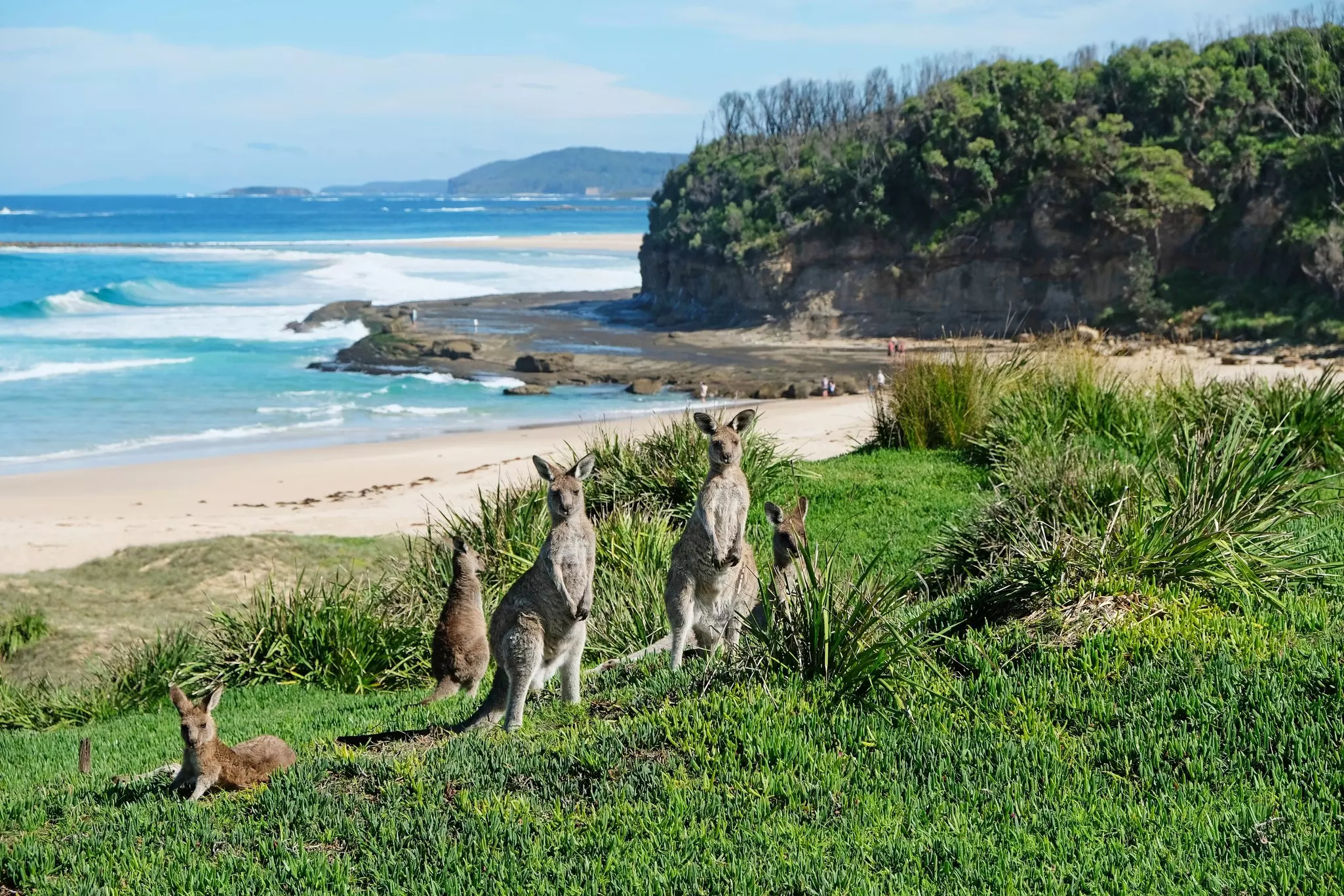
Pack your swimmers (swimwear) and surfboard for the southward journey, which follows the Princes Hwy (Hwy 1). You’ll hug the shoreline down to Sea Cliff Bridge, a 665m engineering marvel snaking over the Pacific Ocean. Continue on to the Kiama Blowhole, where ocean swells erupt with incoming tides. In Jervis Bay, lie out on some of the whitest sand on the planet at Hyams Beach, then sunbathe alongside wild eastern gray kangaroos at Pebbly Beach in Murramarang National Park.
Beaches aren’t the only thing on offer on this epic road trip. You can tackle the mountain bike trails in Mogo before strolling along the boardwalk in Narooma, where boat charters to Montague Island promise snorkeling adventures with resident fur seals. Step back in time in Central Tilba, a 19th-century dairy village renowned for its artisanal cheeses, then shed those extra pounds during a coastline walk through Beowa National Park near Eden – keeping one eye peeled for breaching whales.
In Victoria, cast a fishing line in Mallacoota Inlet or try rough camping among the coastal dunes of Croajingolong National Park (4WD vehicles are essential). Rent a yacht (no license necessary) to sail among rare dolphins on the Gippsland Lakes before sharing the Tidal River campground with wombats at Wilsons Promontory, home to squeaky-sand beaches and some of the most rewarding hiking terrain in the country. Before cruising into Melbourne, you’ll witness little penguins waddling ashore after filling their bellies at sea during Phillip Island’s nightly Penguin Parade.
Planning tip: Try to secure a site on a headland framed by two sandy beaches at the Picnic Point Campground in Mimosa Rocks National Park. BYO fishing rod and surfboard.
Best for: Rural roamers
Distance: 1000 km
Duration: 5 days
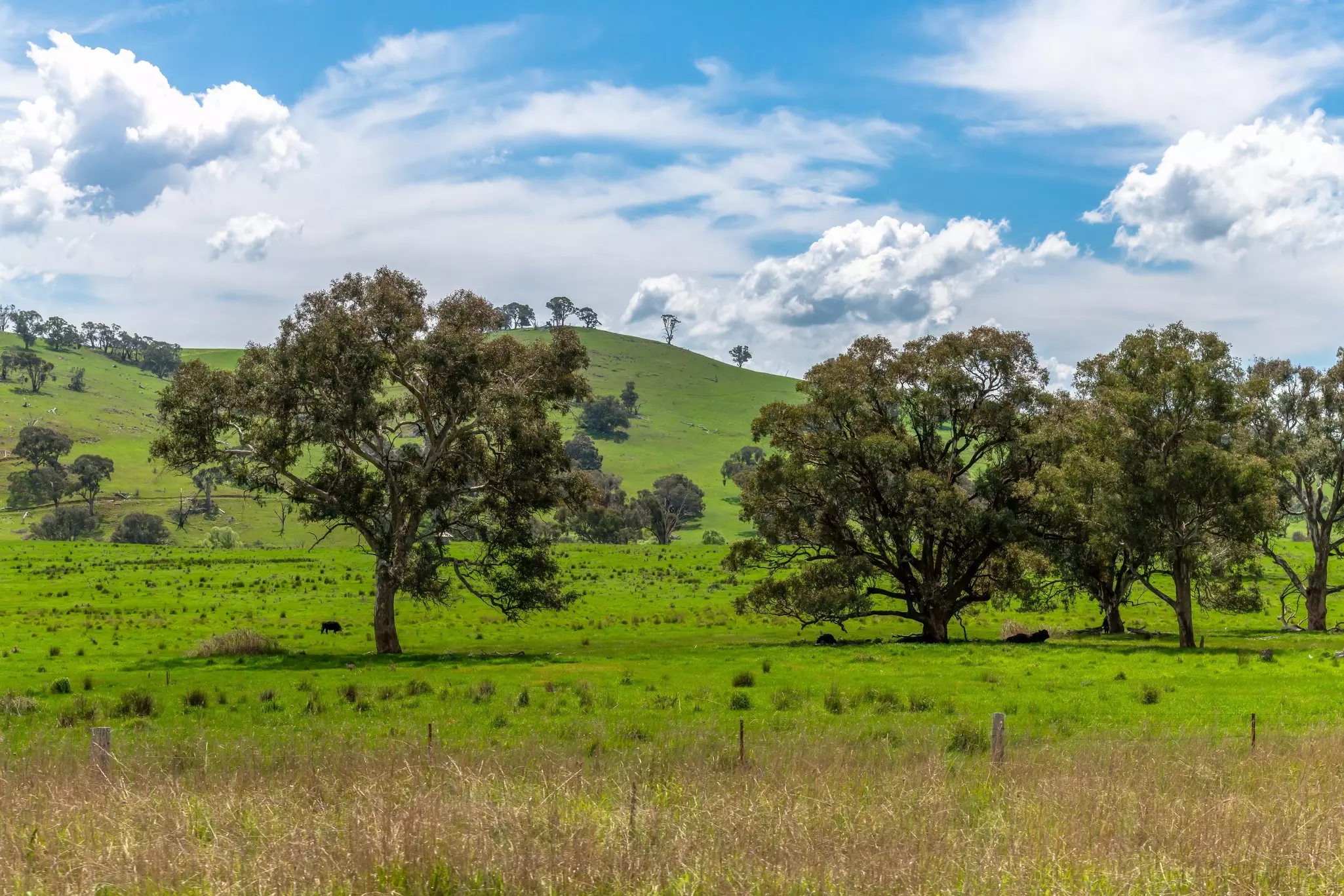
Shadowing the Hume from Cowra to Albury, the Olympic Hwy (A41) was renamed in honor of Melbourne being chosen as the southern hemisphere’s first Summer Olympics host city in 1956. As the Hume once did, the highway passes through agricultural towns, allowing drivers the chance to slow down and meet local characters at corner pubs and cafes.
Start by climbing the Great Western Hwy (A32) through the Blue Mountains to Bathurst, Australia’s first inland city, where a lap on public roads around Mt Panorama trails in the exhaust fumes of Australia’s most storied car-racing circuit. Cowra’s role as a POW camp during WWII led to the creation of the Japanese Garden, which showcases design, craftwork and culture from Japan. You can also visit the birthplace of Donald Bradman, cricket’s greatest-ever batsman, in the tidy town of Cootamundra.
In Junee, one of the few remaining working steam train roundhouses in the southern hemisphere is open to visitors; the sweet delights of the Licorice and Chocolate factory will probably tempt you inside. Cool off in the Murrumbidgee River at Wagga Wagga Beach, perhaps Australia’s premier inland strand. Next, bypassing Albury-Wodonga, cross the Murray River instead into Victoria at Corowa, the town that played a pivotal role in unifying the colonies into a federated nation at the turn of the 20th century.
Despite more than 160 years spent cultivating award-winning fortified wines and bold reds just across the border, and with 20 cellar doors to choose from, the Rutherglen Wine Region still flies under the radar on Australian wine tours. Shading the Goulburn River, the Shepparton Art Museum houses an extensive collection of ceramics and Indigenous art over four floors. At the end of this slow journey, join a guided wetlands walk with Aboriginal traditional owners at Tahbilk winery in Nagambie before undertaking the home stretch into Melbourne.
Planning tip: Schedule time to hike up the Rock, inside the Rock Nature Reserve, for rewarding views over the Riverina plains.
Best for: Mountain men and women
Distance: 1150 km
Duration: 5–7 days
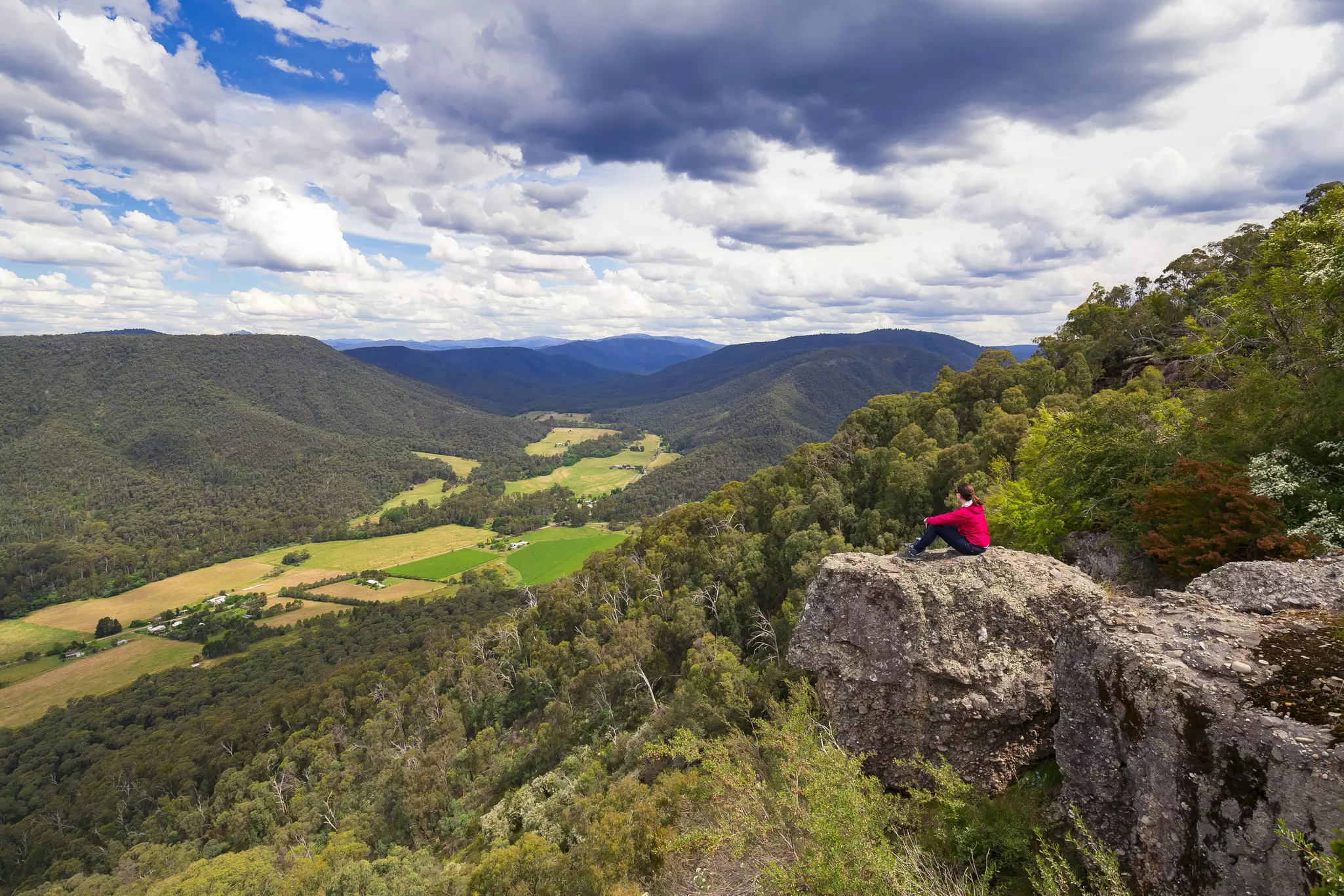
Avoid the major highways whenever possible if you head up and through the Southern Highlands, Snowy Mountains, Victorian Alps and Yarra Ranges. Type “Bowral” into GPS to visit the International Cricket Hall of Fame and Bradman Museum before admiring spectacular Fitzroy Falls from one of several viewing platforms spread out along an 80m-high sandstone escarpment.
See democracy in action at Parliament House in Canberra, then travel south to Jindabyne – party central for the alpine resorts of Perisher Valley and Thredbo, and gateway to the nation’s highest peak, Mt Kosciuszko. (Novice hikers can attempt the relatively easy summit hike during warmer months.) Descend the Snowy Mountains via Khancoban, then travel downstream alongside the Murray River as far as the Hume Dam.
Slip across the border into Victoria and order fresh-baked treats at the Beechworth Bakery, then continue toward Milawa, a longstanding food and wine region. From there, you’ll travel south through the King Valley, the pioneering hub for Italian grape varietals in Australia.
Panoramic views over distant mountain ranges await at Powers Lookout, which you’ll pass while crossing the Victorian Alps to Mansfield, the starting point for horseback rides and multiday hikes through the High Country. It’s also the base village for Mt Buller’s ski runs. The towering mountain-ash forests will loom over you on the Black Spur Drive from Narbethong to Healesville, before you have the choice of more than 80 cellar doors sprinkled throughout the Yarra Valley outside Melbourne.
Planning tip: From June until October, two-wheel-drive vehicles must carry snow chains on the Kosciuszko Alpine Way (Main Rd 627) between Jindabyne and Khancoban.
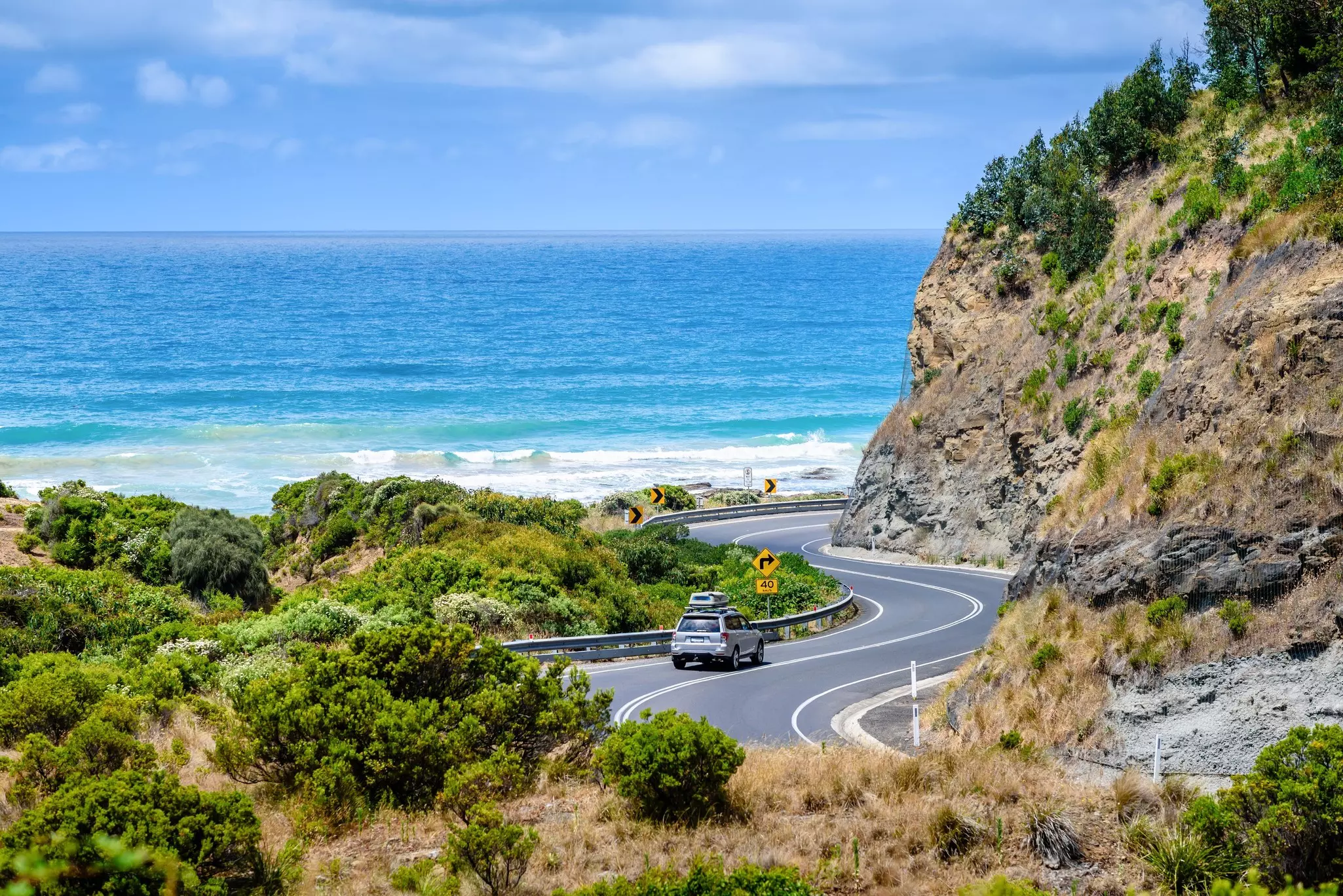
Australians drive on the left-hand side of the road. Speed limits are mostly restricted to 100km/hr outside cities and towns, but can vary from state to state. Provisional drivers (identified by plates with a red or green letter “P”) and truck drivers, however, have restricted speed limits that may be below the posted one. This can make passing difficult or cause traffic build-up.
Road rules can also differ. Hook turns in central Melbourne work surprisingly well but tend to confuse out-of-state motorists, while reverse parking is customary in rural towns in New South Wales. Expect friendly waves from oncoming drivers on lonely country roads.
An International Driving Permit (IDP) is required if your overseas license is not written in English. Visitors from non-English-speaking countries must carry both their physical home country license and a certified IDP (or official English translation) to be legally licensed in Australia. Foreign visitors face a serious risk of having insurance claims and rental agreements voided if they drive without an IDP.
Explore related stories