Sep 30, 20265 min read
Japan Packing List: What to Pack by SeasonSep 21, 2026
8 MIN READ

Writer
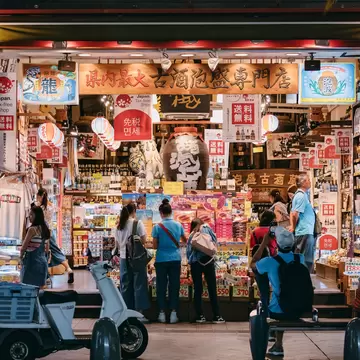
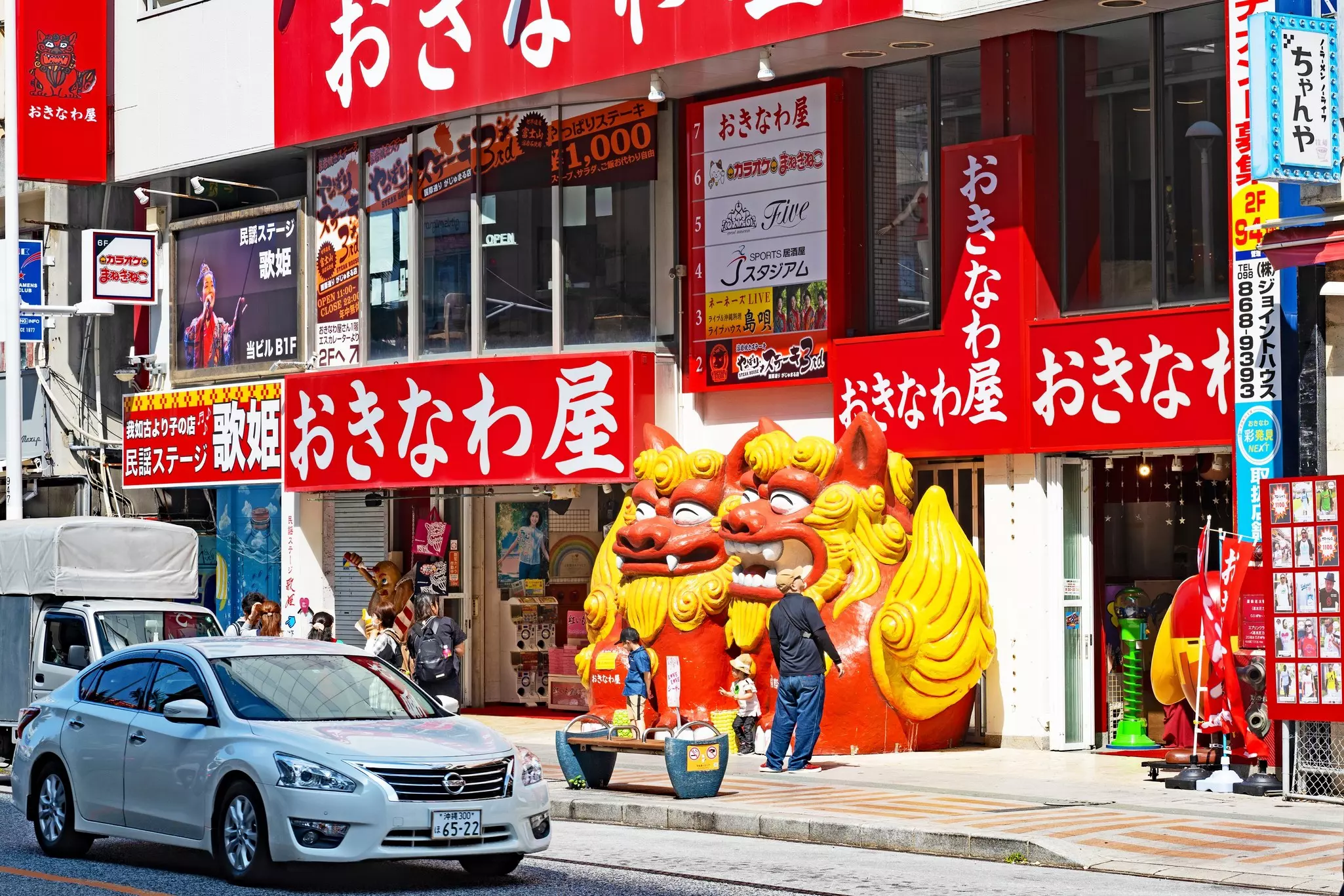
Okinawa souvenir shop on Kokusai Dori shopping street. VTT Studio / Shutterstock

Writer
Lonely Planet may earn a commission from affiliate links on our site. All recommendations and reviews reflect our own independent opinions.
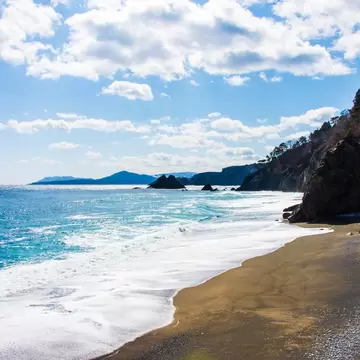
Every year, millions of Japanese travelers flock south to Okinawa for its tropical beaches and sunny weather. Yet beyond the resorts lies a culture unlike anywhere else in Japan.
Historically known as the independent Ryūkyū Kingdom, this archipelago of more than 160 islands was once a vibrant trading hub linking Japan, China and Southeast Asia, and later played a pivotal role during WWII. These influences helped shape a distinct identity expressed through Okinawa's language, textiles, architecture, music, martial arts and cuisine. Even local dishes featuring pork, seaweed and goya (bitter melon) feel closer to Taiwan than Tokyo.
You'll find world-class scuba diving, rainforest hikes, secluded beaches, traditional villages and poignant wartime landmarks. And although most residents live on Okinawa’s main island, the outer islands are equally rewarding. The Miyako Islands have blindingly white beaches. The Yaeyama Islands enchant with untamed wilderness and quiet villages. And far to the east, the Daitō Islands offer a rugged frontier of striking sea cliffs and isolation.
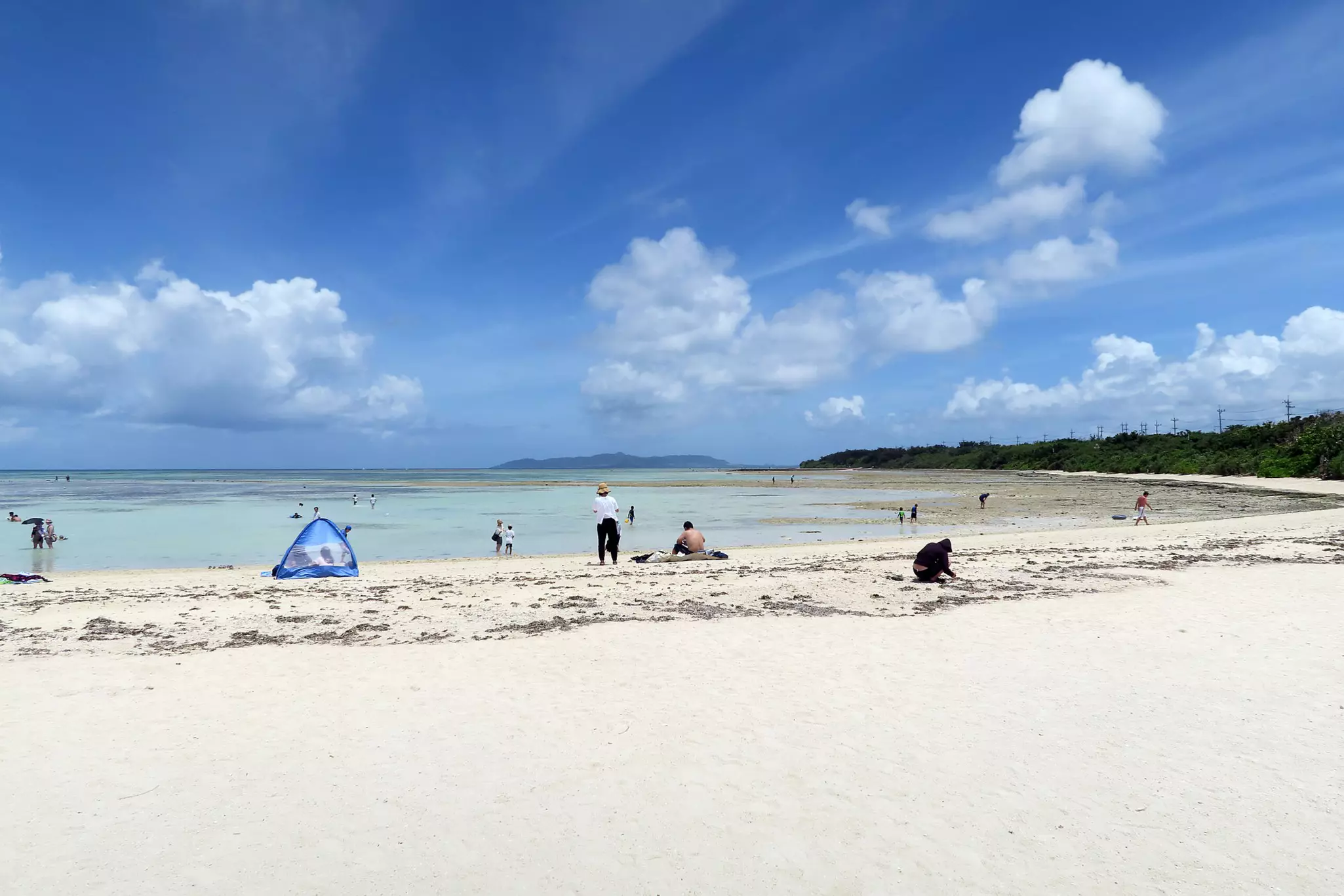
March to early July is considered the best time to visit Okinawa. The sea is warm enough for swimming, the weather is pleasant, and the islands feel lively without being overwhelmingly crowded. (The main exception is Golden Week, a nationwide holiday in early May.)
July and August bring both peak humidity and visitor numbers, as Japanese school holidays and Obon draw travelers from across the country. Resort rates increase sharply. If you're visiting during this period, book flights and accommodations well in advance.
September and October fall within typhoon season, but outside of storm periods, visitors can enjoy warm water, excellent diving conditions, and fewer crowds. Be aware that typhoons can be disruptive: a single storm may ground flights and suspend ferry services for several days, particularly on the outer islands.
Winter is mild compared with mainland Japan. From December to February, daytime temperatures typically range from 17 to 20°C (63 to 68°F) . While too cool for swimming, it's the best season for humpback whale watching around the Kerama Islands. Winter is also ideal for exploring cultural sites, with lower accommodation rates and comfortable sightseeing weather. Pack layers such as light sweaters, long-sleeved shirts, and a light jacket for chilly evenings.
Okinawa's weather can change quickly, and brief tropical showers are often followed by sunshine. A rainy forecast doesn't necessarily mean a washout, so allowing a few extra days in your itinerary can greatly improve your chances of perfect beach weather.
Okinawa is an expansive archipelago that rewards longer stays. A rushed weekend trip added on to your Japan travel itinerary simply won't suffice!
For first-time visitors, a week to 10 days is ideal: spend three or four days exploring the capital city of Naha and cultural landmarks of the main island before flying to the Miyako or Yaeyama Islands for a few days of turquoise waters, world-class diving, and laid-back island life.
If you have two full weeks or more, embark on a multi-island hop. Spend five days traversing the main island, four days cycling past sugarcane fields and diving the coral reefs of Miyako, and five days immersed in the dense jungle treks and Ryūkyū villages of Ishigaki, Taketomi and Iriomote. A longer stay also accounts for potential weather delays and helps ensure a passing tropical storm doesn't derail your vacation.
Reaching Okinawa is straightforward, but local transportation is a little more complicated.
Naha Airport on the main island serves as the primary gateway, receiving direct flights from major Asian hubs like Taipei, Seoul, Hong Kong and Bangkok, alongside daily domestic flights from Tokyo, Osaka and Fukuoka. Ishigaki Airport and Miyako-Shimojishima Airport also accept direct domestic flights from the mainland, bypassing Naha entirely.
Renting a car is highly recommended once you get here, as outside of Naha’s Yui Rail monorail system, public transit is sparse. Buses are infrequent and prone to traffic delays. Obtain an international driving permit in your home country before arrival. Driving is on the left, and major signposts are in English and Japanese.
For a day trip, take a ferry to the Kerama Islands near the main island to see its crystal-clear “Kerama Blue” waters and spot migrating humpback whales in winter.
To hop between island groups, for example from Naha to Miyako or Ishigaki, you must fly as there are no passenger ferries connecting these distant archipelagos. However, once you are inside an island cluster like the Yaeyama group, high-speed passenger ferries run regularly from Ishigaki to neighboring islands like Taketomi and Iriomote. On cozy islands like Taketomi or Zamami, renting a bicycle or walking is the standard mode of transport, while Miyako and Ishigaki require their own rental vehicles. The Daitō Islands have limited flights and fewer tourist facilities.
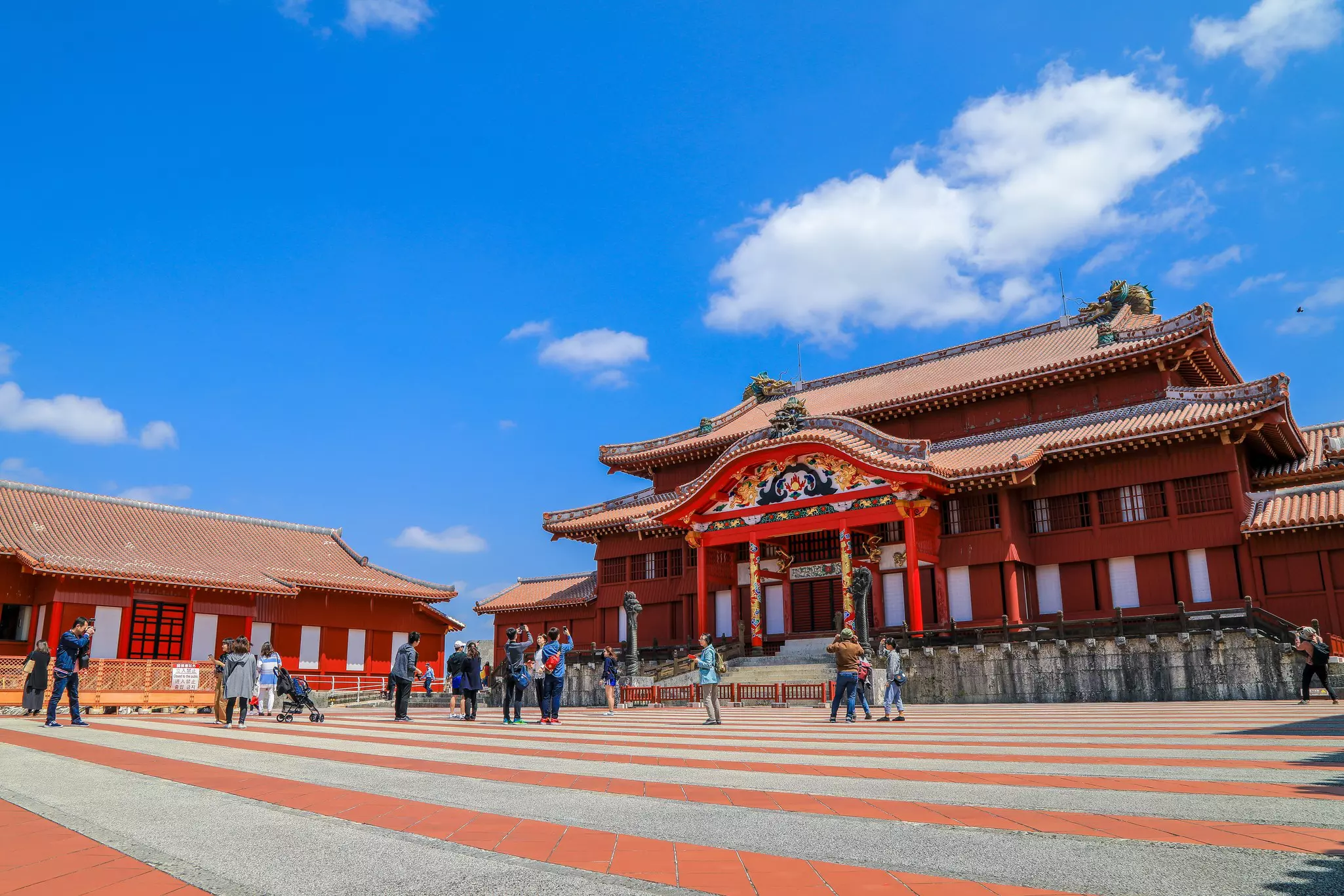
Perched above Naha, Shuri Castle was once the royal seat of Ryūkyū kings and remains a powerful symbol of Okinawan identity. Across the islands, atmospheric gusuku castle ruins such as Nakijin and Katsuren offer sweeping views.
Manta rays are among Okinawa’s most spectacular underwater encounters. The waters around Ishigaki Island in the Yaeyama archipelago are Japan’s premier manta-diving destination, with sightings possible year round, although autumn offers the most reliable conditions. Alongside these graceful giants, divers may spot sea turtles, reef sharks, eagle rays, clownfish and coral gardens teeming with tropical marine life.
At Naha’s bustling Makishi Public Market, browse stalls piled with tropical fruits such as mangoes, dragon fruit and shikuwasa citrus, alongside fresh seafood, island vegetables and local delicacies. For a deeper dive, join renowned chef Yukie Miyaguni’s Yakuzen Ryuka workshop, where you'll learn Ryūkyūan medicinal cooking. In the evening, head to an izakaya pub such as Okinawa Dining Hateruma or Chonchon in Naha, where musicians perform folk songs while guests feast, sip awamori(Okinawa's traditional distilled spirit), and often end up singing and dancing.
Taketomi Island preserves the Okinawa many travelers imagine but rarely find. Wander quiet lanes lined with red-tiled houses and stone walls, sample a bowl of Yaeyama sobanoodles, then climb aboard a leisurely water buffalo cart as sanshin (an Okinawan stringed instrument) melodies drift through the village. Before leaving, visit Kaiji Beach to search for the island’s famous star-shaped sand.
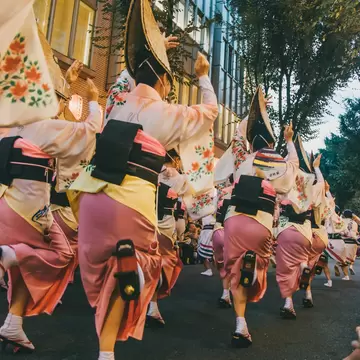
Okinawa is the birthplace of karate, which evolved from native fighting techniques blended with Chinese influences centuries ago. Visitors can connect with that heritage through beginner-friendly classes, dojo visits, and cultural workshops across the main island. Every year on October 25, Karate Day, thousands of practitioners perform synchronized kata on Kokusai Street in Naha.
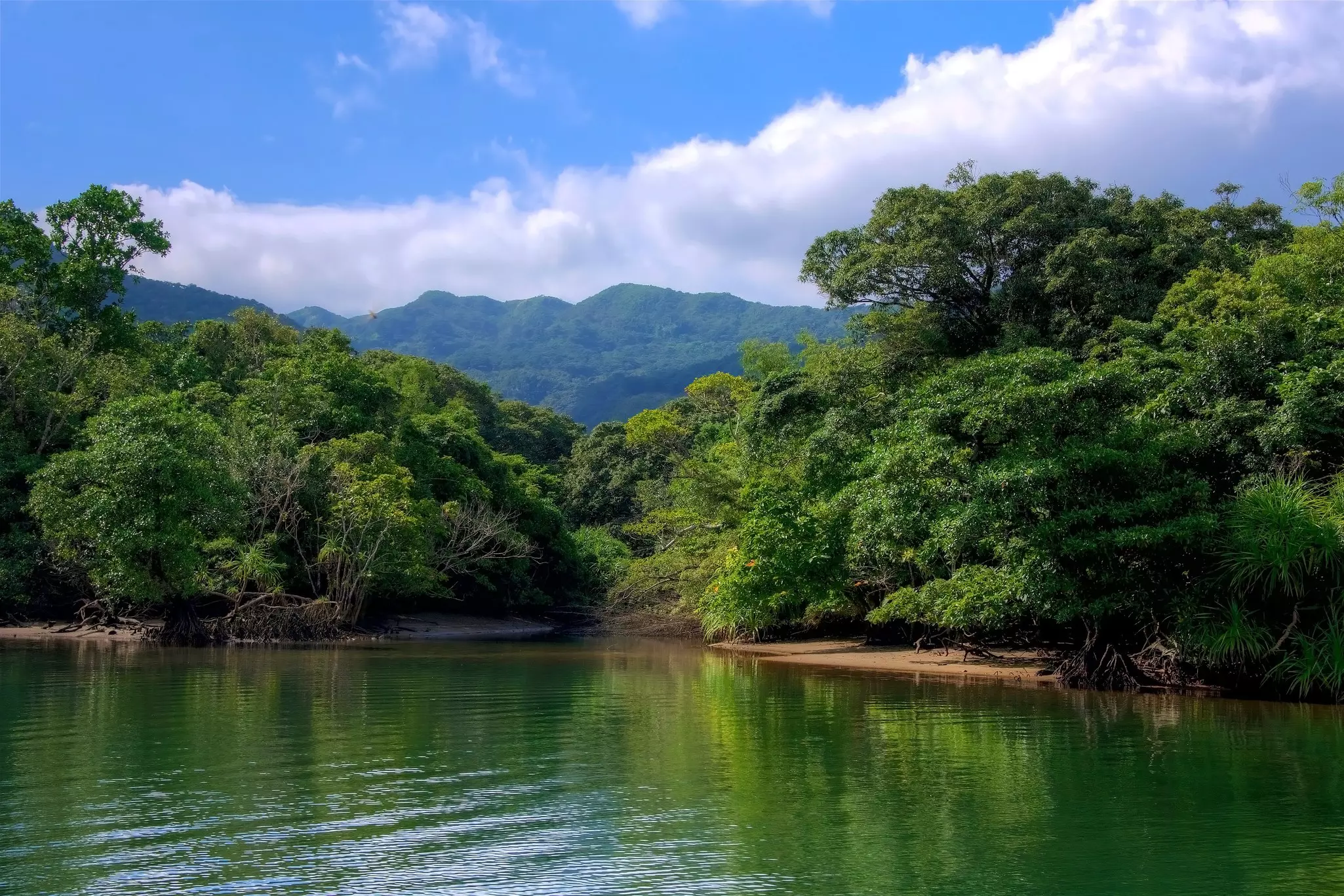
If there's one place in Okinawa that feels truly wild, it's Iriomote Island. Covered in dense subtropical jungle, mangrove forests and rugged mountains, this remote island feels a world away from Japan's cities. I love coming here for the waterfall hikes, where trails wind through thick rainforest to spectacular cascades such as Pinaisara Falls, the tallest in Okinawa. My personal favorite is Yutsun Falls, a three-tiered cascade that feels straight out of Jurassic Park.
Iriomote is also the only home of the critically endangered Iriomote wildcat, a species found nowhere else on Earth. With fewer than 100 believed to remain, the cat has become a symbol of the island's unique biodiversity and conservation efforts.
Getting here is surprisingly easy: fly to Ishigaki Island, then take a high-speed one-hour ferry from Ishigaki Port.
For the budget traveler, there are affordable guesthouses and the islands are dotted with convenience stores and cheap places to eat. Then there are luxury resorts, fine dining restaurants and premium activities such as guided hikes and scuba diving. Traveling outside Japanese school holidays often lowers costs considerably.
While credit cards are widely accepted at major resorts, car rental agencies, and Naha establishments, carry physical yen (¥) for ferries, rustic noodle joints, and farmers’ markets.
Basic guesthouse room: ¥4000-8000 per night
Luxury resort for two: ¥30,000-100,000 per night
Izakaya dinner with live music: ¥3000-8000 per person (including drinks)
Scuba diving: ¥10,000-18,000 for a beginner dive
Car rental: ¥5000-10,000 per day
Flights between islands: ¥8000-25,000 one way
Ferry rides between islands: ¥1000-5000 one way
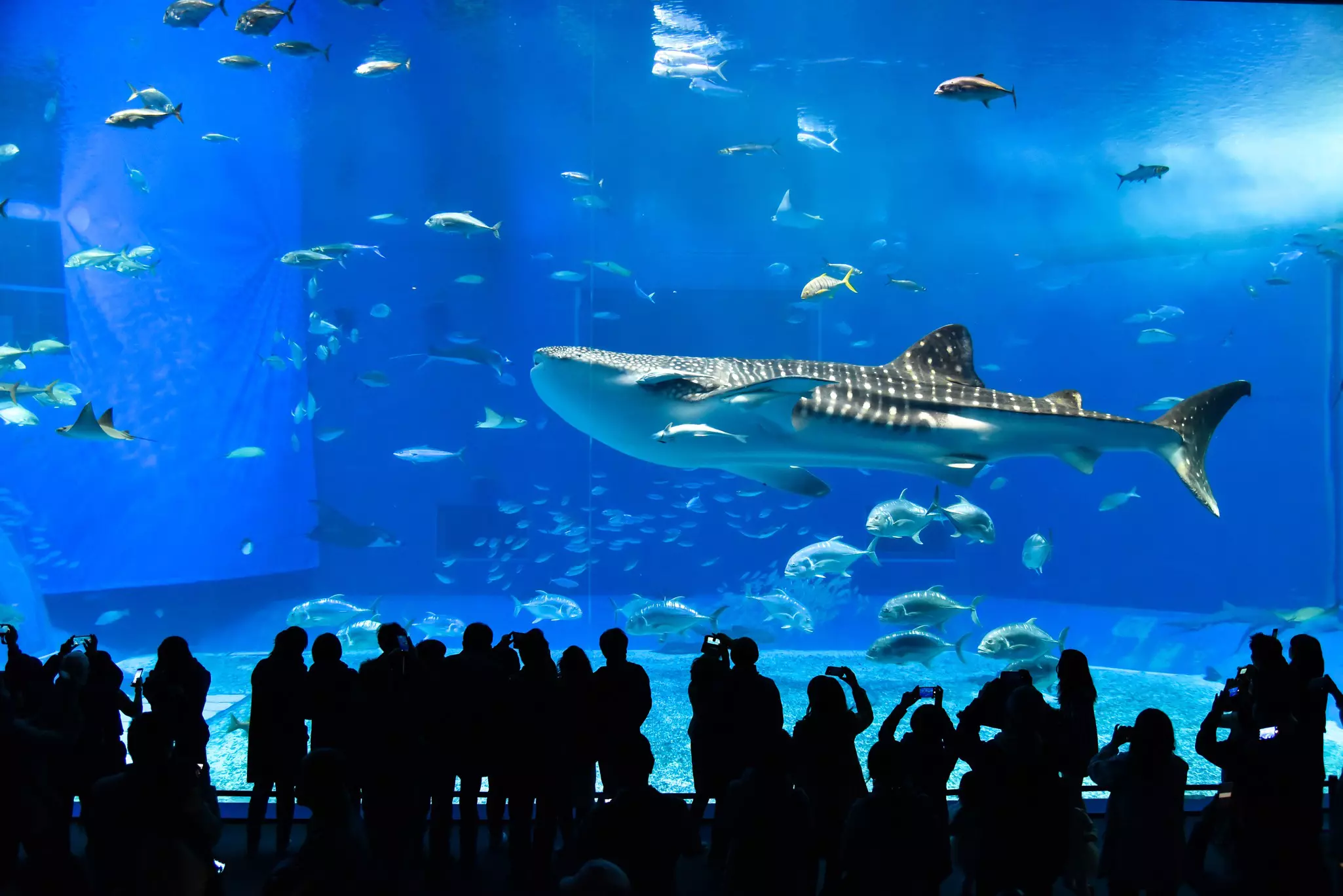
Okinawa is one of Japan's most family-friendly destinations, with calm beaches, shallow lagoons, kid-friendly resorts, and a relaxed pace that makes traveling with children easy. Highlights include Okinawa Churaumi Aquarium, home to whale sharks and manta rays, the quirky pineapple-themed rides at Nago Pineapple Park, and glass-bottom boat tours that allow even the youngest travelers to see colorful coral reefs without getting wet.
Most visitors will encounter few safety concerns beyond normal travel precautions. Nature, however, deserves respect. The islands are home to the venomous habu (pit viper), though sightings are uncommon. Exercise caution if trekking through tall sugarcane fields, dense northern forests, or historical stone ruins. Marine hazards such as strong currents, sea urchins, and habu jellyfish can occur. Follow local advice and beach warnings, and you'll be well prepared.
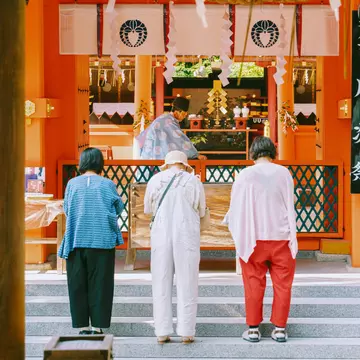
Utaki are sacred Ryūkyūan religious sites, often appearing as subtle, unremarkable rock formations, groves of ancient trees, or small stone altars. Look out for signs marking these areas, never step onto the altars, refrain from removing any stones or artifacts, and don’t trespass on private property. Always ask permission before photographing elderly residents.
Explore related stories