Sep 21, 202610 min read
A Guide to Chengdu, ChinaSep 21, 2026
10 MIN READ

Writer
A giant panda eating bamboo in Chengdu, China. nelik/Shutterstock

Writer
Highlights
China writer Piera Chen guides first-timers through Chengdu, Sichuan's lively capital city.
See panda cubs in the hot, humid summer, or enjoy the best weather at the sights in spring and fall.
Allow at least 3 days to explore, or a week to include day trips to Pengzhen, Leshan or Chongqing.
Get around using the pocket-friendly metro, buses, taxis or the DiDi rideshare service.
Start with the Giant Panda Breeding Research Base, and add in parks, museums, city walks and clubbing.
Savor the spicy cuisine of Sichuan at street food stalls and Michelin-starred restaurants.
Lonely Planet may earn a commission from affiliate links on our site. All recommendations and reviews reflect our own independent opinions.
Sichuan’s capital, Chengdu, has transitioned from a well-kept secret into one of the most talked-about destinations in China, in the space of just a few years. Today, alongside Beijing and Shanghai, it's one of the top spots for travelers in China, with pandas and spicy Sichuan food topping the list of reasons to come.
Served by international flights from Europe, the Middle East and hubs across Asia, Chengdu is a handy gateway to the cultured cities and iconic landscapes of Southwestern China. And 2027 is a great time to visit, with a string of big sporting events and the Most Traveled People summit in October, and the announcement of the city's first triple-Michelin-starred restaurant.
The city's joie de vivre and social inclusivity are also good reasons to visit. Chengdu is China’s unofficial "queer capital," thanks to a relaxed and visible LGBTQ+ scene, grassroots movements focused on women's rights and equality, and some of China's best infrastructure for cyclists – including the Tianfu Greenway, the world's longest.
And there's much more to love in Chengdu. This was one of the first cities on the Chinese mainland to have a Michelin dining guide. It was the birthplace of Sichuan opera and its sensational subgenre, biànliǎn (literally, "face changing"). And it was the epicenter of the ancient Shu kingdom (1600 BCE to 316 BCE) – a cradle of Chinese civilization that left behind spellbinding Bronze Age relics.
Whether this is your first trip to China or you are a repeat visitor expanding your knowledge of the Middle Kingdom, this guide to Chengdu will tell you what you need to know.
Chengdu’s subtropical climate features mild winters, hot summers, and high year-round humidity. The monsoon season starts in May and peaks in July and August, when thunderstorms can be common. Keeping the rainfall in mind, the best times to visit are spring (usually March to June) and fall (roughly September to December), followed by the cool and foggy but largely dry winter.
Summer is humid and hot but this is when most panda cubs are born, and the city's lotus and bougainvillea flowers are at their most resplendent. In the cooler months, peach and pear trees take center stage, and pandas become more active. Chengdu’s location, surrounded by mountains in the Sichuan Basin, also means plenty of foggy days, but when the sun makes an appearance, locals flock to the parks to sunbathe and drink tea.
As ever when traveling in China, try to plan your trip to avoid the three national "Golden Week" holidays – there's one for the Lunar New Year in January or February, one around Labor Day in May, and one around National Day in October. During these periods, domestic travel surges, and visitors face higher room rates, big crowds and long wait times, along with congested freeways on day trips out of the city.
A visit of 3 days should give you ample time to check out the key sights, including a visit to the panda research base and the museums outside the city center, and at least nine solid opportunities to sample Sichuan's sometimes fiery, but always flavorful cuisine.
With 5 days, you can add a walking tour of the Yulin neighborhood (a personal favorite experience) and a half-day trip to the lovely town of Pengzhen with its historic teahouses (another personal favorite), as well as incorporating some riverside cycling and clubbing into your itinerary. Extend that to a week, and you could easily fit in a day trip or overnight trip to Leshan or Chongqing.
If you’re coming directly to Chengdu from outside China, you’ll fly into gleaming Tianfu International Airport, about 50km southeast of the center. However, if you're heading here from another city in China, you’ll probably land at the old Shuangliu International Airport, about 16km from the city center. Upon arrival at either airport, you can take the metro to downtown Chengdu.
The city's expansive, 750km-long, 17-line metro system also connects Chengdu's high-speed railway stations and major sights to the center. Chengdu is also served by close to 1000 bus routes, with apps that enable visitors to check routes, stops and arrival times. There are plenty of taxis downtown, and DiDi, China’s Uber, is popular and handy. The rechargeable Tianfu Tong payment card can be used on all public transport, including some taxis.
Bike sharing is extremely popular in Chengdu, and it’s done entirely via the dedicated apps of operators such as Meituan and Didi Qingju. China’s longest cycling greenway is in Chengdu — all 100km of it. You can pedal to lakes on the outskirts or head even deeper into the fringing foothills.
Unless you’re staying put in Chengdu, you’ll likely need to visit one of the four major high-speed train stations. Chengdu East is the city’s main high-speed rail hub; it has direct trains to major sightseeing destinations in Sichuan such as Leshan, Jiuzhaigou and Emeishan, as well as hubs throughout China, including Xi’an, Chongqing, Guiyang, Shanghai and Beijing.
Using the trains on a weeklong visit to Chengdu, you could easily fit in a day trip (or overnight visit) to view the 71m-high Grand Buddha in Leshan (trains take less than an hour), or a trip to view the Yangzi River (Cháng Jiāng) in Chongqing (trains take 1–2.5 hours).
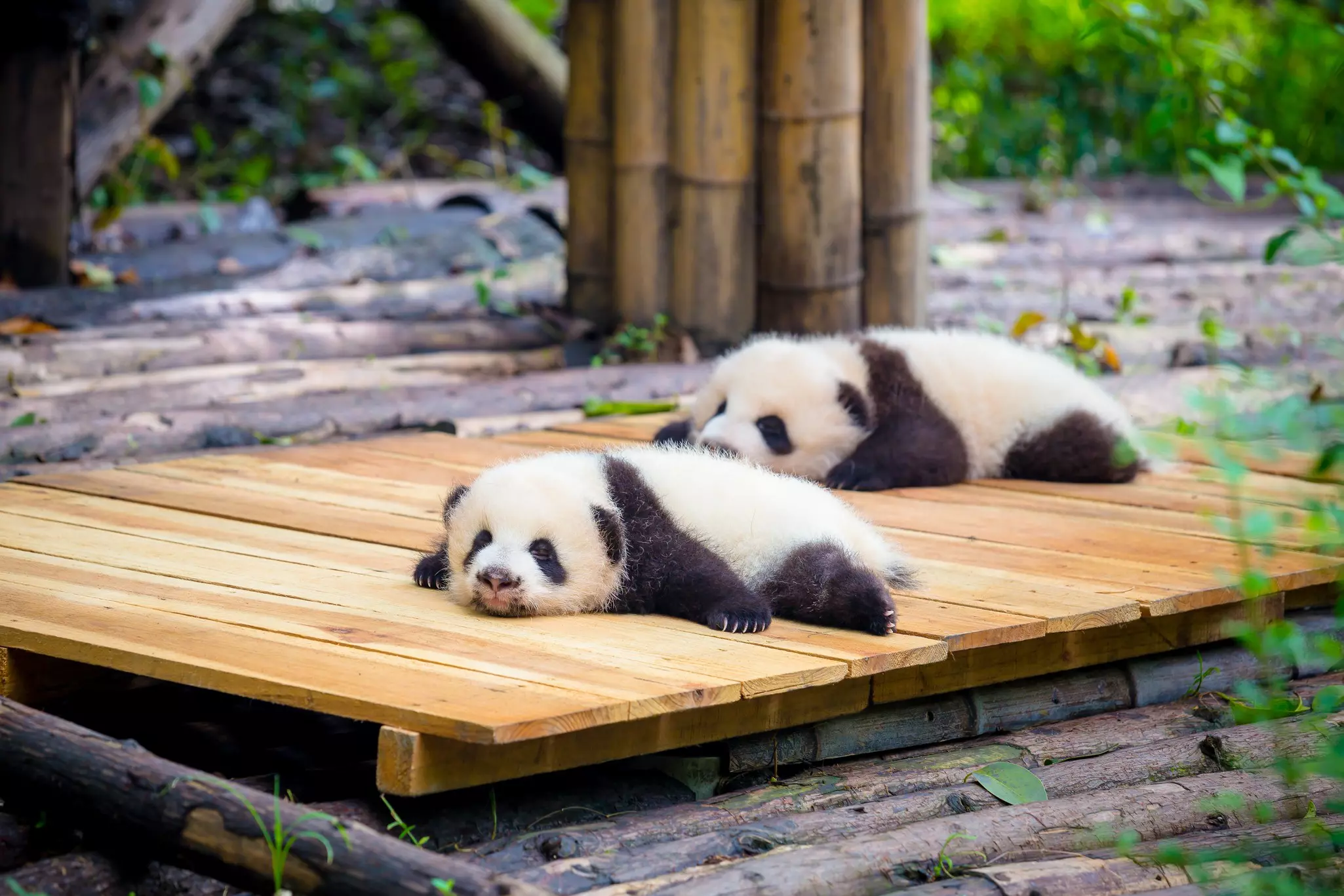
Meeting Chengdu's giant pandas is a top bucket-list experience for visitors, but be sure to also investigate the city's museums, food and parks.
Chengdu's spacious Giant Panda Breeding Research Base houses the world’s largest captive population of giant pandas, comprising some 200 individuals, as well as red pandas – found in mountainous regions across South Asia and southwest China but genetically closer to raccoons than their black and white namesakes. The animals reside in 18 enclosures spread across themed zones, including four huge courtyards constructed in 2022.
There are also panda-themed museums and labs and incubators that form part of the center's breeding program. The panda base is 13km north of downtown Chengdu, accessible by taking the metro then a shuttle bus; it’s well worth the half-day trip if you like pandas – and who doesn’t? Allow 3–4 hours to see everything.
This engaging urban park in the heart of Chengdu buzzes with local life from dawn to dusk. People come to exercise, picnic, admire the well-tended trees and blooms, and walk off dinner or heartbreak in the picturesque ornamental garden. Come during the Midautumn Festival in the eighth lunar month (September or October), and you'll see families sitting by the lake with their lanterns, eating mooncakes.
The park has a good assortment of tea-drinking spaces to choose from; you’ll recognize them by their handsomely stacked bamboo chairs. The most atmospheric and famous is the century-old Heming Teahouse, located by a willow-lined boating lake. Here, servers pour tea theatrically from long-spouted copper kettles as patrons enjoy the infusions of their choice and Sichuan pastries.
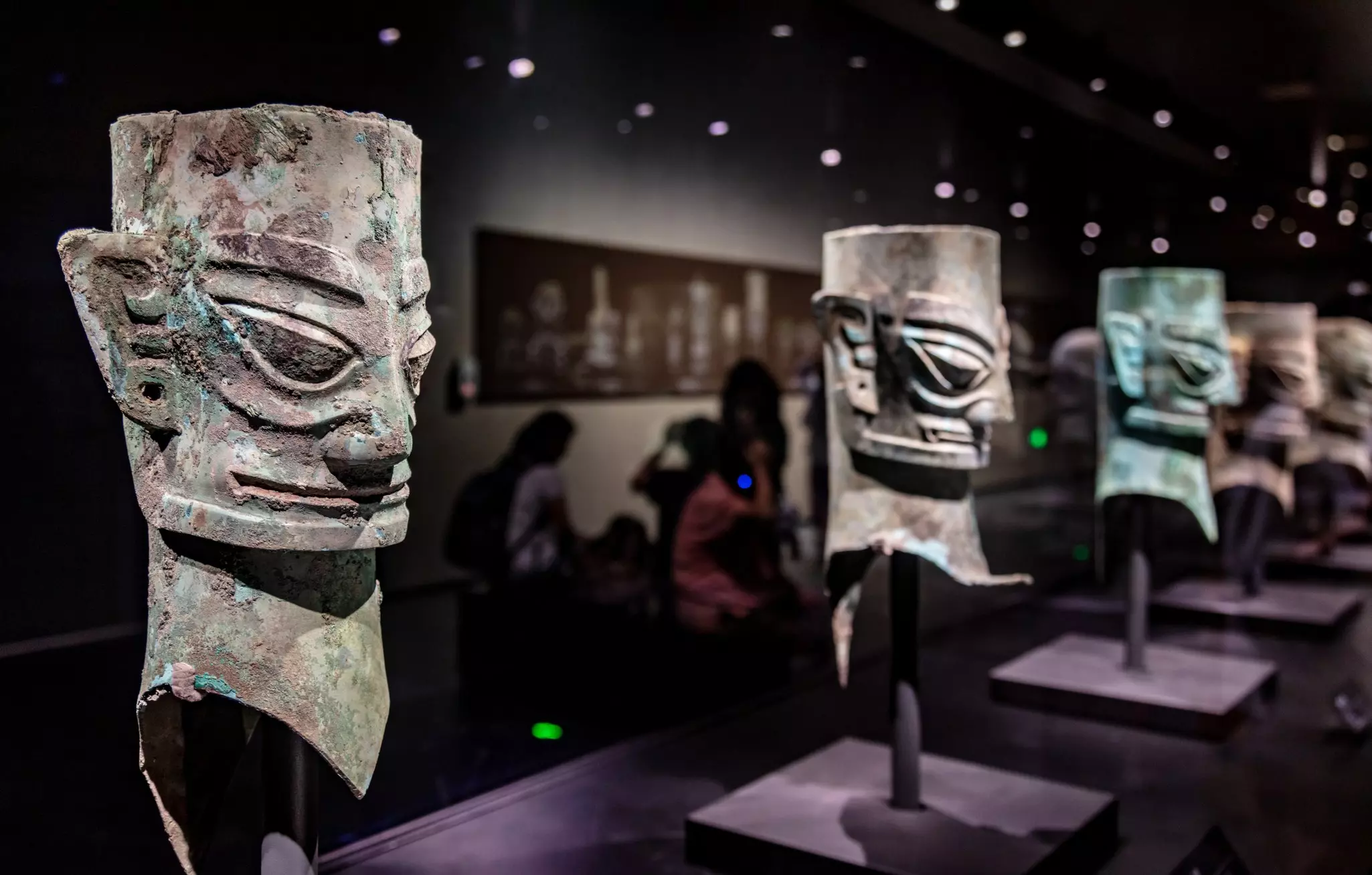
The Sanxingdui Museum specializes in relics of the ancient Shu kingdom. The Shu bronzes are regarded by some archaeologists as being more important than the Terracotta Warriors in Xi’an. I certainly find them more fascinating — imagine huge, alien-like bronze or gold masks with protruding eyes and human figures sporting snake bodies and bird claws.
These are some of China’s finest treasures, with the ability to spark a childlike wonder in everyone who sees them – something not every archaeological find can do. However, the museum lies 40km north of Chengdu, a journey of an hour or more by bus, or by train and taxi.
If you’re pressed for time, Chengdu's Jinsha Site Museum, served by its namesake metro station, has a limited selection of Shu kingdom artifacts on display, and it's closer to the center. At the site, you can follow boardwalks through the excavated ruins of this 3000-year-old Bronze Age settlement.
Chengdu is a musically creative city with a vibrant clubbing scene. It is also China’s number one hip-hop city (though residents of Chongqing might protest). The expressive Sichuan dialect lends itself well to all forms of spoken-word art.
Have a listen to the music of Higher Brothers and CDC Rap House before you fly over. Then, when you’re here, check out PH Club, 工Gong, Mintone Records or Canyon Cocktail for hip-hop and alternative sounds. Don't overlook the city's LGBTQ+ hangouts; the Butterfly and Pose draw lively crowds.
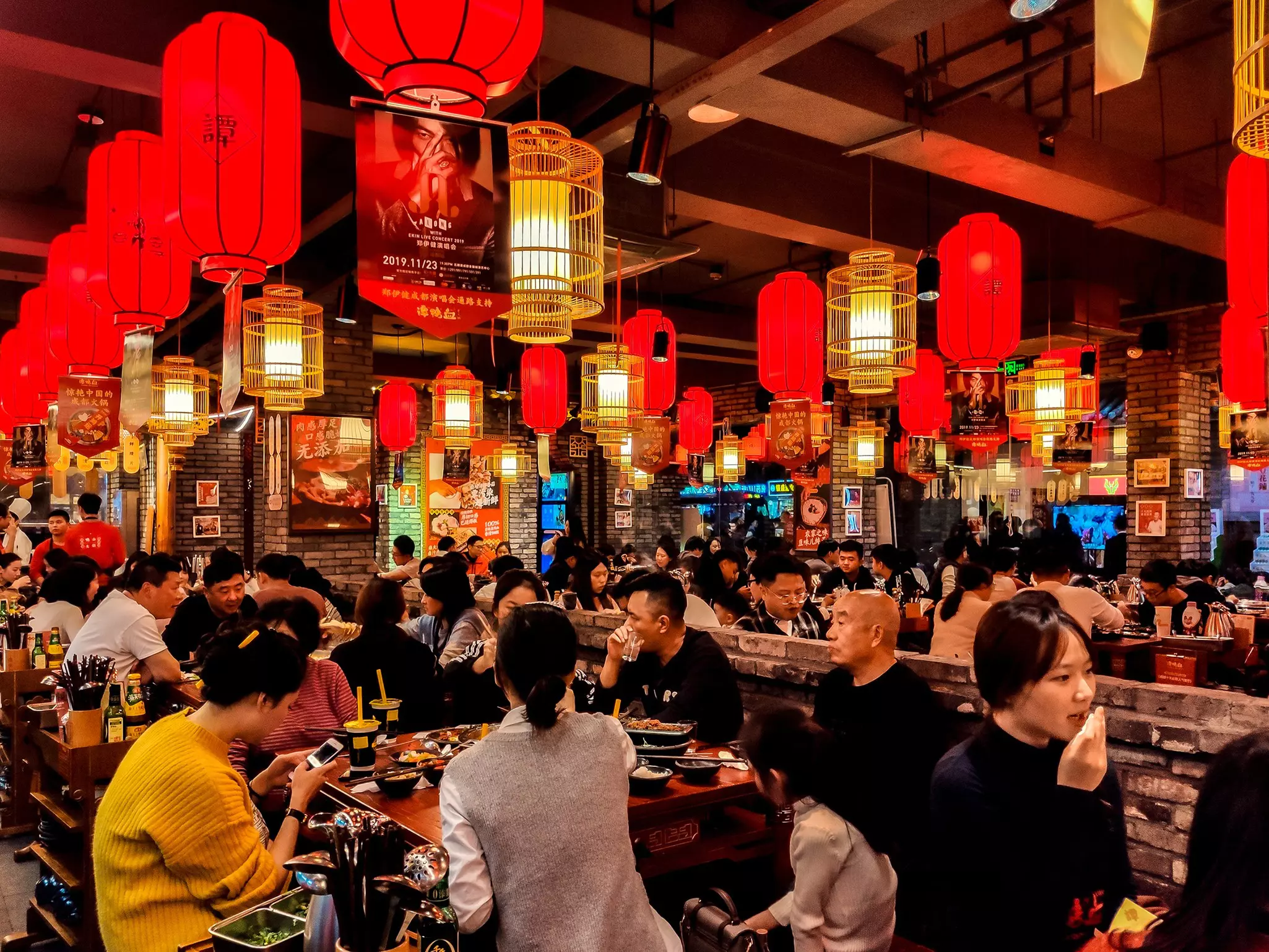
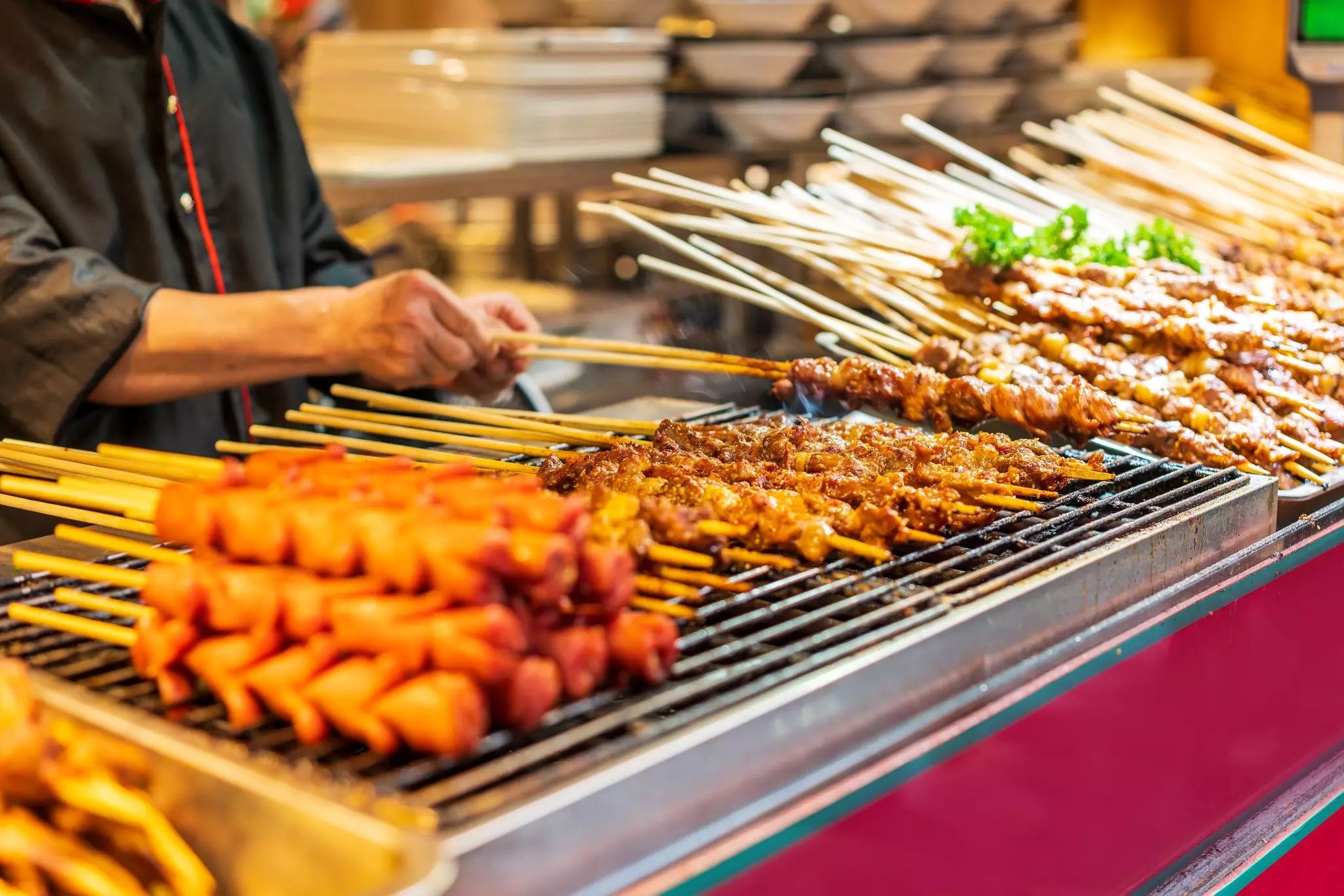
Don’t leave Chengdu without trying at least one mala dish, spiced with a mix of chili and Sichuan peppercorns. Chengdu is the cradle of Sichuan cuisine, one of the eight greats of regional Chinese cuisine; while its repertoire includes delicious non-spicy dishes, bold and fiery is the spirit of this complex cooking style.
Developed partially as an antidote to the region’s humid climate, Sichuan food warms and promotes circulation, ridding the body of dampness and cold. The fiery heat comes from combining chili peppers, both fresh and dried, and Sichuan peppercorns. The latter leaves a tingling and slightly numbing sensation in the mouth – the word mala literally means "numbing spicy."
You'll find this mix in the stuffed flatbread sold by street vendors, in the eggplant appetizer on the prix fixe menu, and in the vat of broth for your hotpot. Sichuan dishes popular in the West, such as gongbao chicken and mapo tofu, often contain only chilis, so they are technically la without being ma. Order the same dishes in Chengdu and you'll taste the difference!
Planning tip: If your budget allows, give some of Chengdu's Michelin-starred restaurants a try. An impressive 15 local restaurants were feted with stars in Michelin's Chengdu dining guide for 2027, including triple-starred Xin Rong Ji.
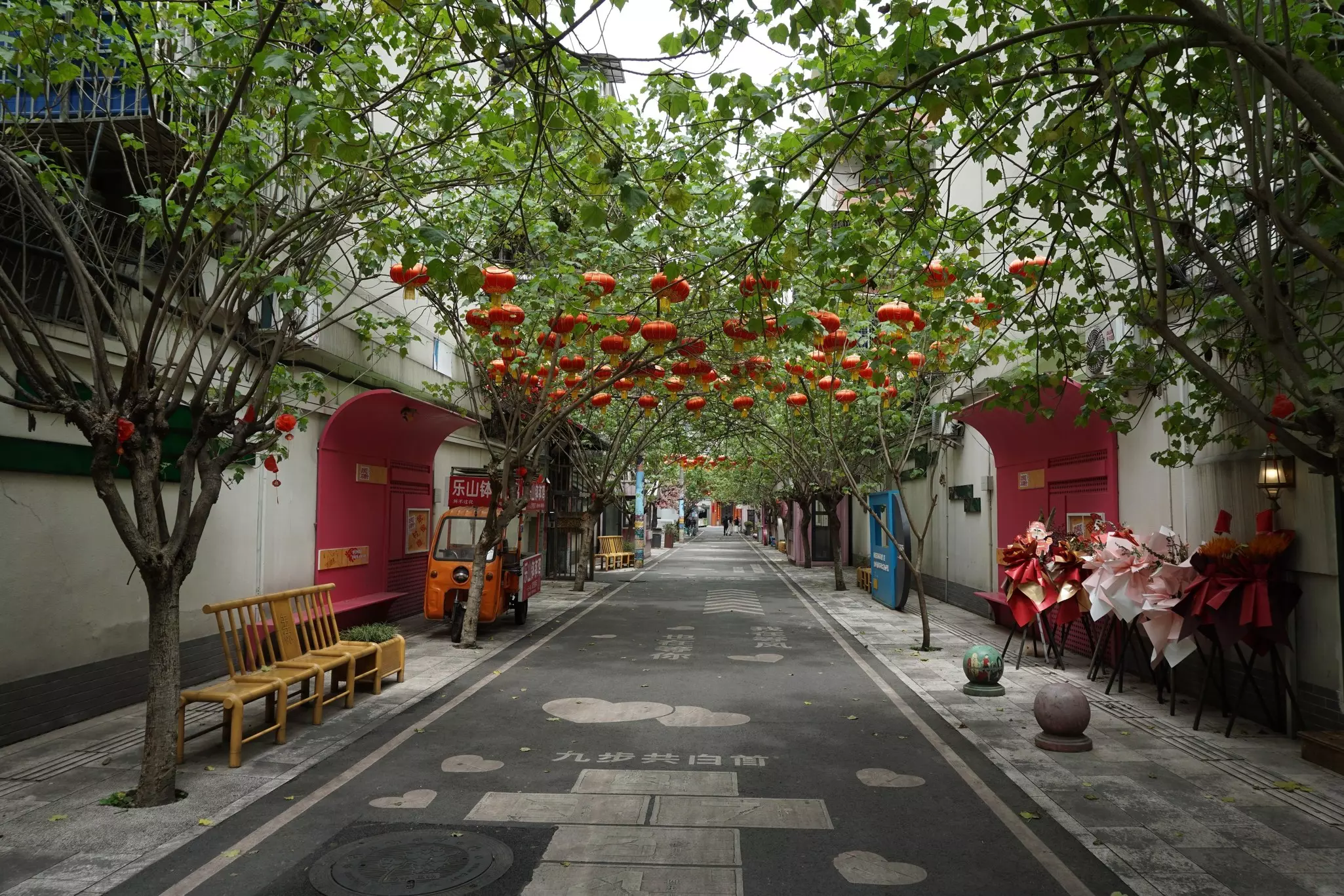
For me, no trip is complete without a proper walk, preferably in the heart of the city, and preferably solo. I remember a gorgeous afternoon roaming the quiet, sycamore-lined streets in the neighborhood of Yulin in south-central Chengdu. I explored bookstores, art cafes, food markets (indoor and outdoor) and a couple of bars, finishing off with excellent chuan chuan (skewers simmered in broth).
The poets, painters and rockers who formed a commune here in the 1990s, turning the former dormitories of state-owned enterprises into their studios and living quarters, may have gone today, but they certainly left their mark on the unassuming streets, where old and new peacefully coexist.
Chengdu is great value compared to "Tier 1" Chinese cities such as Beijing and Shanghai. As a rule of thumb, prices are about 20% to 40% lower. A budget of around 500 yuan (¥, also known as rénmínbì, or RMB) per person per day is a good starting point for a mid-range stay.
As elsewhere on the Chinese mainland, the preferred mode of payment is digital, via apps such as Alipay and WeChat Pay, which you can link to your international credit or debit card. However, most establishments also take cash, especially if you are a visitor. Small businesses generally do not accept international credit cards.
Here are some sample costs in Chengdu to help you plan your trip.
Night at a midrange hotel: from ¥300
One-day metro pass (unlimited rides): ¥25
Refillable cup of tea at a teahouse: from ¥15
Meal for two at a midrange restaurant: ¥180
Half-pint of specialty Chinese craft beer: from ¥40
Cover charge (if there’s one) for live-music venue: from ¥50
Ticket to a 60- to 90-minute opera performance: from ¥120
Explore related stories