Aug 25, 202611 min read
13 Best Places to Visit in ChinaAug 25, 2026
11 MIN READ
Contributors
Karst landscapes near Yangshuo, China. Liufuyu/Getty Images

Contributors

Trent Holden, Lonely Planet Editors
Highlights
Writer Trent Holden picks 13 highlights across China, from ancient Buddhas to pulsing cities.
Start in Beijing for the Forbidden City and access to the Great Wall.
Shanghai dazzles with its Bund; Dunhuang's Mogao Grottoes hold China's finest Buddhist art.
Visit Xi'an for the Terracotta Warriors or Zhangjiajie for Avatar-inspiring rock formations.
Lonely Planet may earn a commission from affiliate links on our site. All recommendations and reviews reflect our own independent opinions.
In China, antiquity and heritage meet 21st-century innovation and lightning-fast development. Start by immersing yourself in one of China's sprawling cities, which contain plenty of frenetic energy, as well as hidden pockets of serenity. Take a break from the crush by soaking up the nation's natural scenery; the scenes of jagged peaks and pine forests draped in a sea of mist will seem lifted straight from a scroll painting. One of the world's most ancient civilizations, China also offers wonderful opportunities to explore astounding relics from its millennia of history.
This is a country packed with highlights and astonishing experiences, whether you dream of gilded temples, boisterous urban environments, fabulous food or the wonders of the Great Wall. Map out your itinerary with our picks of the best places to see in China.
To explore more about China and start planning your trip, download the Lonely Planet App.
Unmissable city
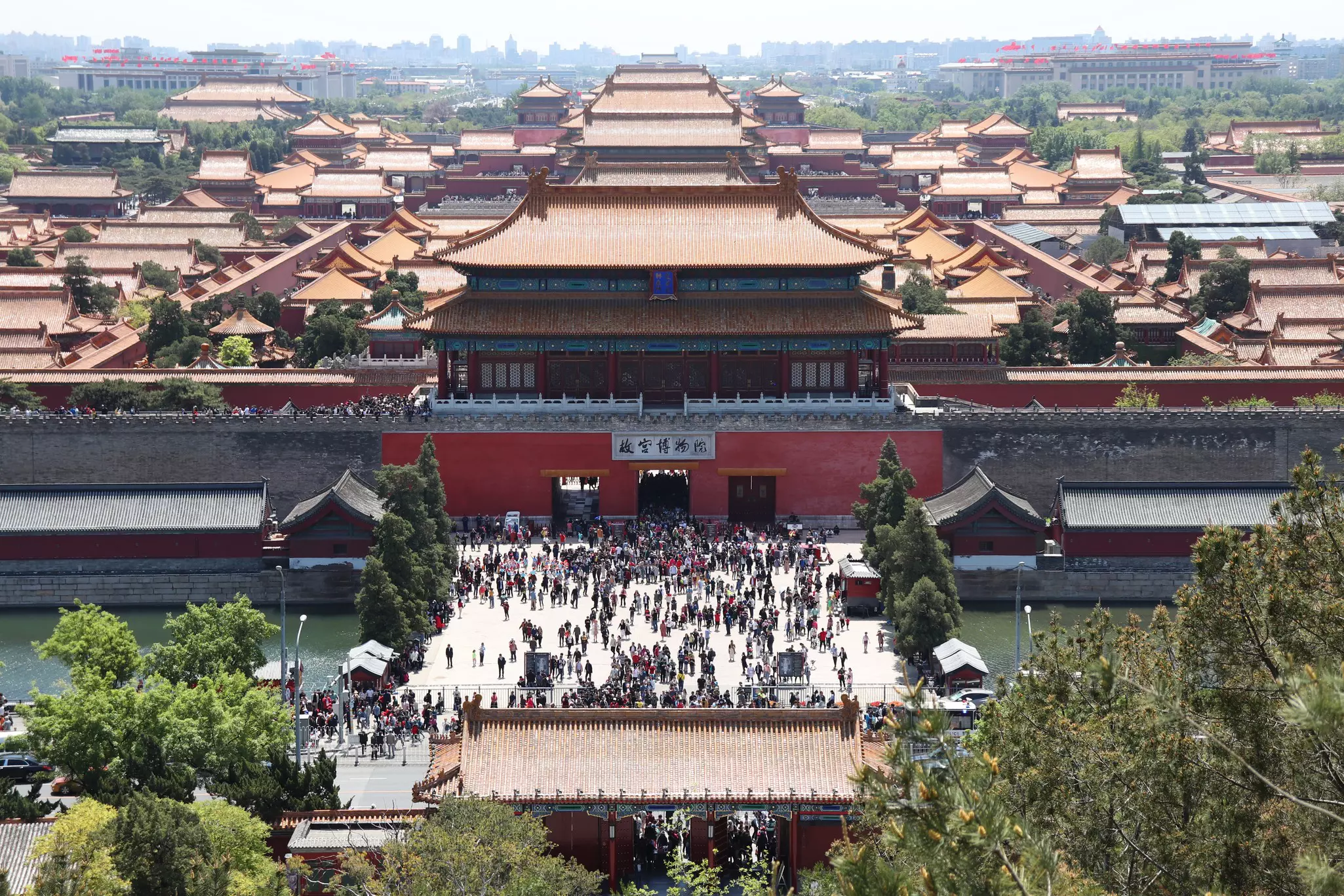
Among the world's greatest cities and China's absolute can't-miss destination, Beijing is home to many big-ticket attractions: the Forbidden City, the Great Wall, Tiananmen Square and the Summer Palace, for a start. But its appeal goes well beyond blockbuster sights. Get lost in its labyrinth of traditional hutongs (alleyways), marvel at its cutting-edge modern architecture, and feast on roasted duck and a million other dishes from across the country.
Of China's imperial sights, none can compare in size, grandeur or mystique to Beijing's Forbidden City. Built between 1406 and 1420, this sprawling palace was off-limits for 500 years, until the overthrow of the last Qing emperor in 1911. Despite the crowds, its massive scale remains humbling.
Best time to visit: Spring (March through May) is a lovely time to visit, with flowers beginning to bloom and milder weather.
How many days to visit: Allow 3–4 days to explore the major sights in Beijing.
Planning tip: Security around Tiananmen Square is tightly controlled; expect to show your passport at multiple checkpoints. Advance reservations must be made via WeChat. You'll need to ask a local travel agent or your concierge to arrange this unless you can read Chinese and have a local phone number. Tickets for the Forbidden City are released 7 days in advance and can sell out quickly.
Best for Buddhist art
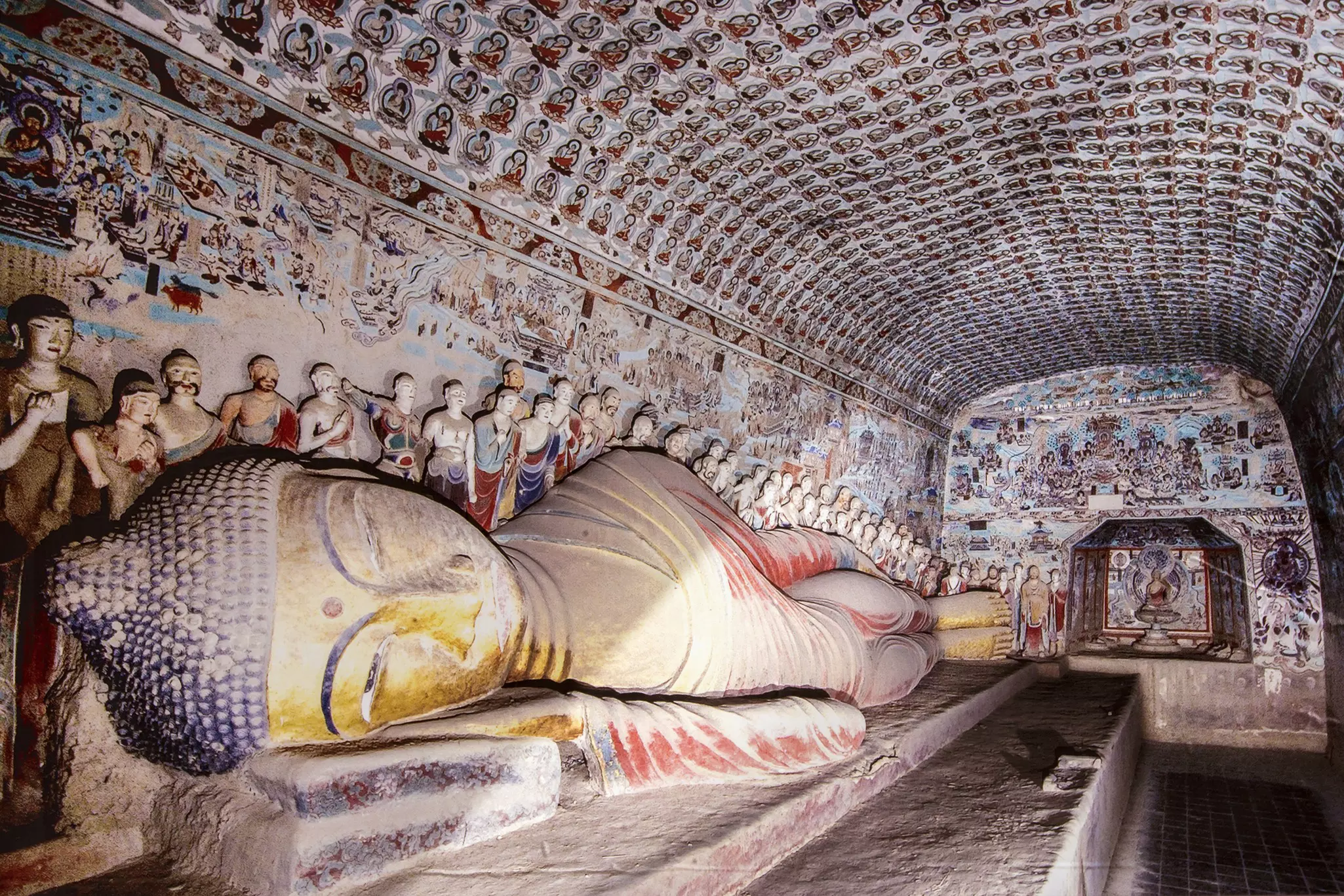
Along the ancient Silk Road, the atmospheric frontier town of Dunhuang has one of the world's most important collections of Buddhist art. Among the 492 caves in the area, the mural- and statue-filled Mogao Grottoes represent perhaps the zenith of Buddhist artistry in China. When this astounding site was at its apex during the Tang dynasty, it housed 18 monasteries, 1400 monks and nuns, and countless artists, translators and calligraphers. Tours can be quite rushed, but visits should include the famous Hidden Library Cave (Cave 17), the vast 35.5m-tall Buddha (Cave 96) and the reclining 15m-long Buddha (Cave 148).
Planning tip: International visitors can buy tickets by showing their passports at the Mogao Grottoes ticket center downtown. English-language tours take place at 9am, 12pm and 2:30pm.
Best for mountain hikes
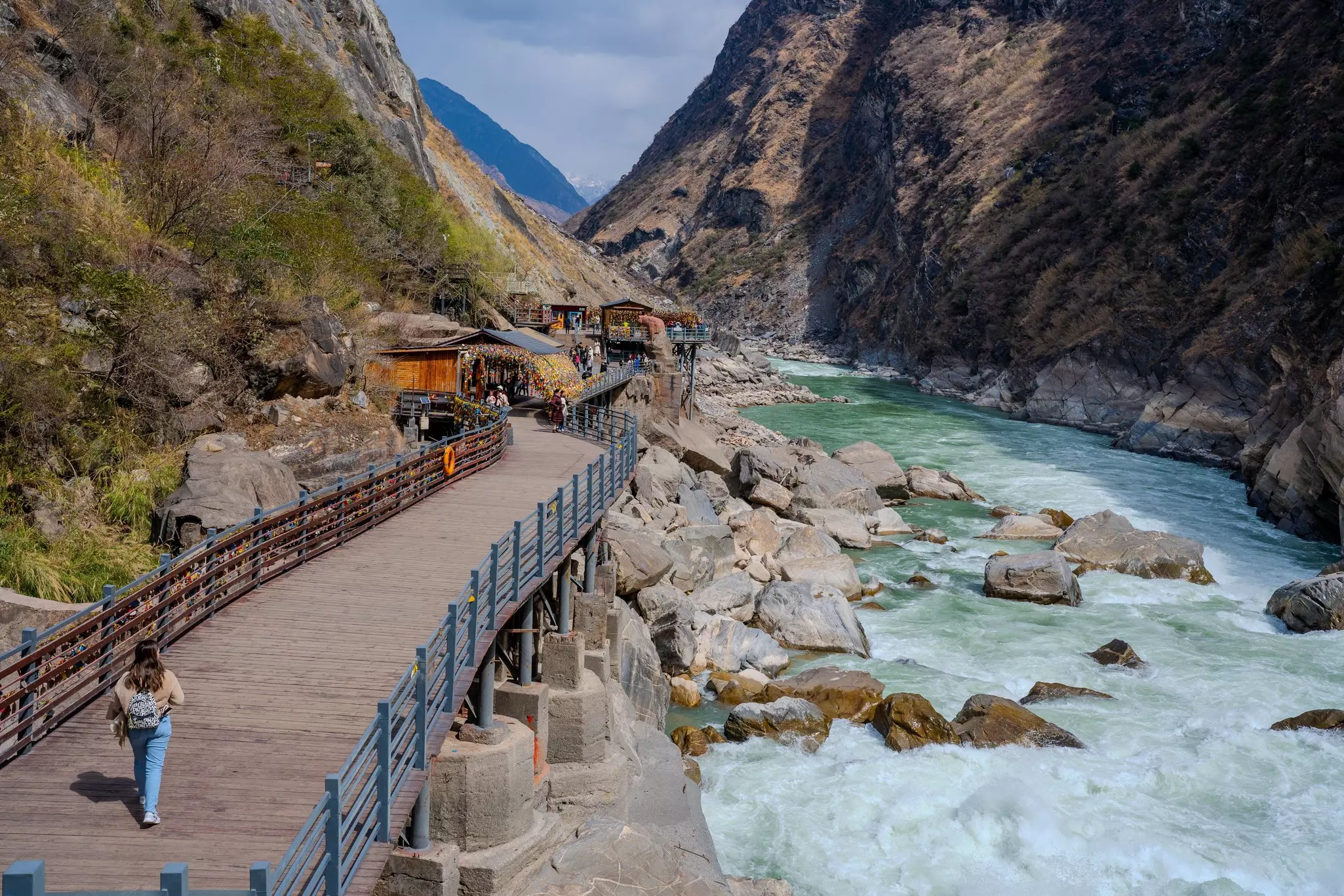
One of China's most famous treks, this 25km hiking trail winds through Tiger Leaping Gorge, a UNESCO World Heritage-listed gorge in Yunnan. The natural monument – framed by spectacular snowcapped mountains and the scenic Jinsha River – plunges to depths of 3900m.
How many days to visit: It's a 2-day trek with lots of guesthouses en route for your overnight stop.
Planning tip: If you're not hiking, join a day tour from Lijian or Shangri-La that stops at the three viewpoints along the gorge.
The world's largest ancient Buddha
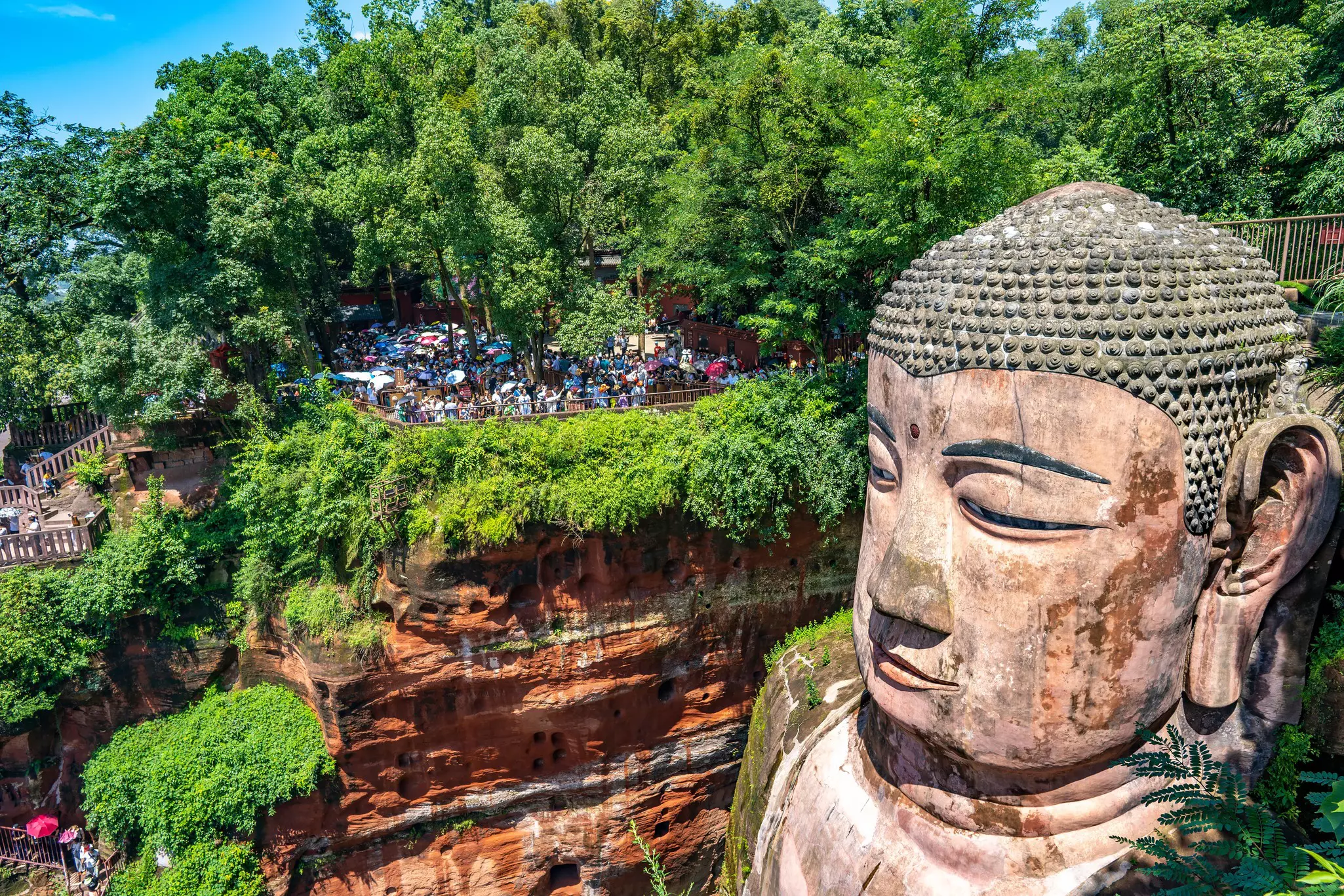
Standing at the confluence of two rivers, the monumental 1200-year-old Buddha image at Leshan is carved directly into the rock face. The UNESCO World Heritage–listed monument stands 71m tall and 28m wide, making it the largest ancient Buddha in the world. Whether you're spiritually inclined or not, coming face-to-face with this sculpture is quite a moving experience.
Planning tip: To fully appreciate this Buddha’s magnitude, get an up-close look at his head, then descend the steep, winding stairway for the Lilliputian view of him. Admission also includes access to a number of temples on the grounds.
Best city for past and present
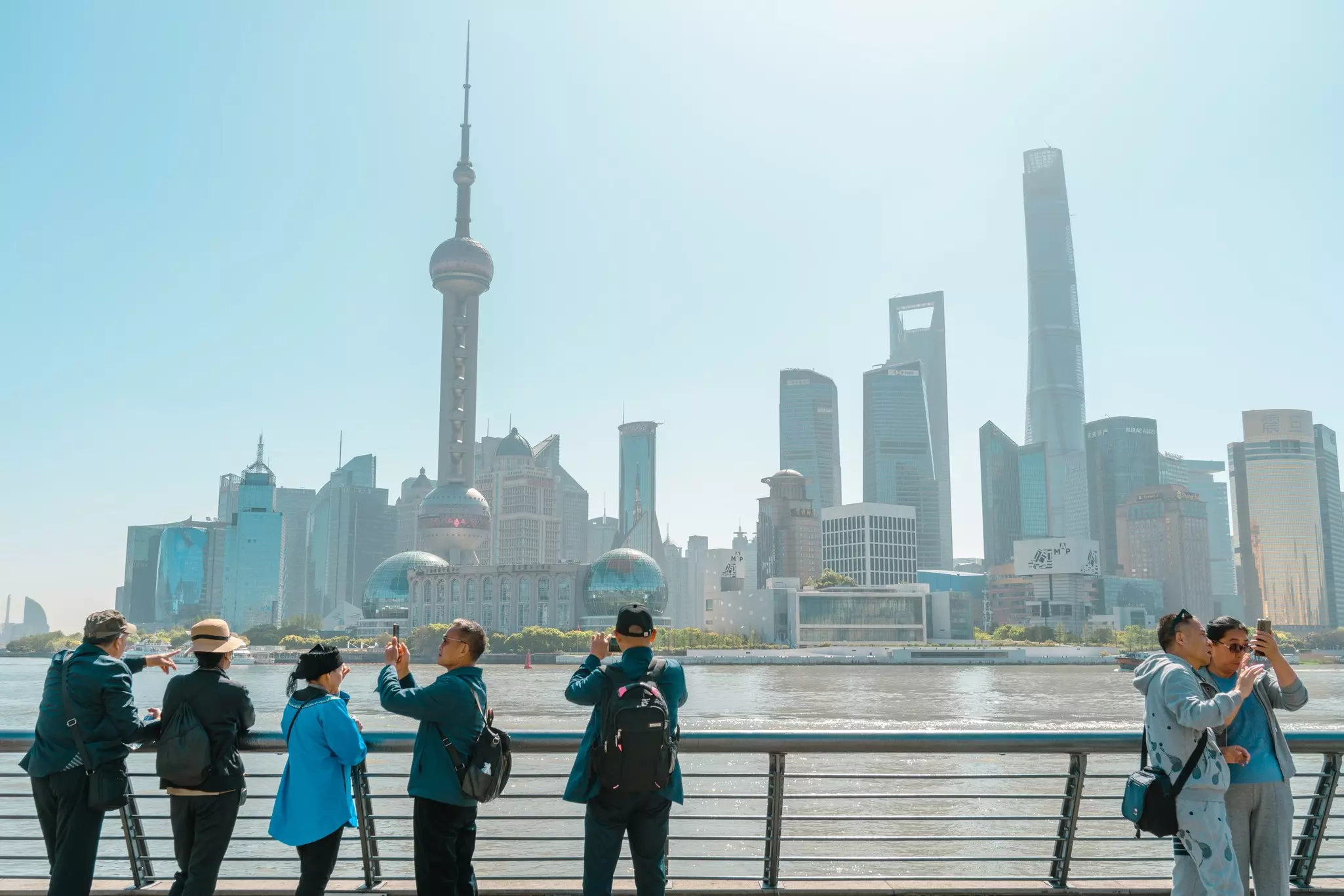
Glitzy, elegant, historic and cosmopolitan: everything you've heard about Shanghai is true. You need only stroll through the French Concession or along the Bund to see for yourself. From the grand display of 1920s architecture and the city's sophisticated restaurants and rooftop bars to the sci-fi neon-lit skyscrapers across the bay, Shanghai is past and future China brought to vivid life.
Best time to visit: April and October are usually great times to visit Shanghai.
How many days to visit: You'll want a minimum of 3 days to see the elegant art deco buildings and glittering skyscrapers, admire the amazing museums and the M50 art district, and dabble in the culinary scene.
Planning tip: Thanks to an inexpensive public transportation system, it can be easy to explore the many neighborhoods of this megacity.
Iconic travel experience
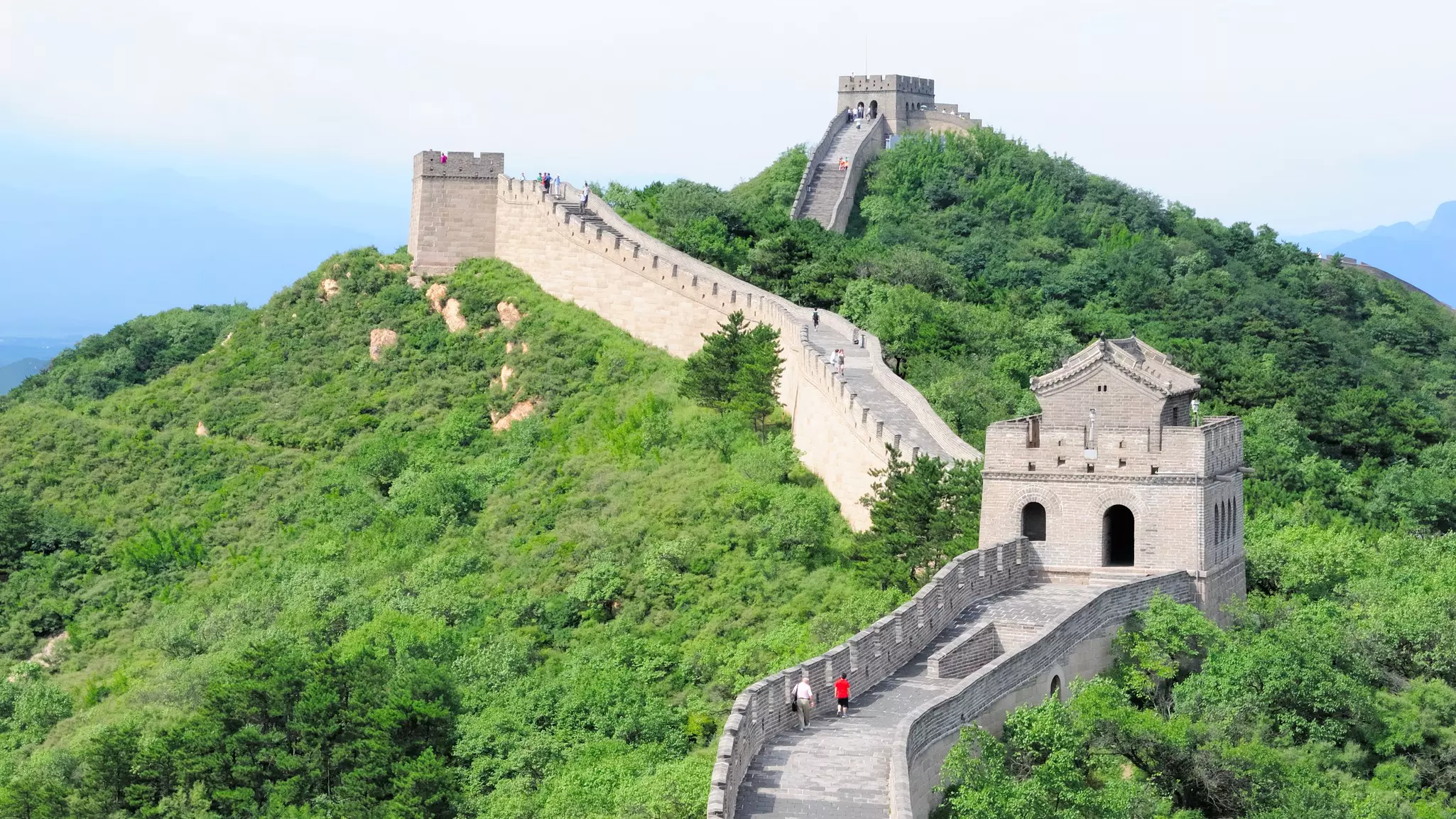
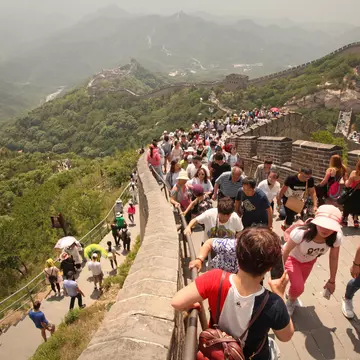
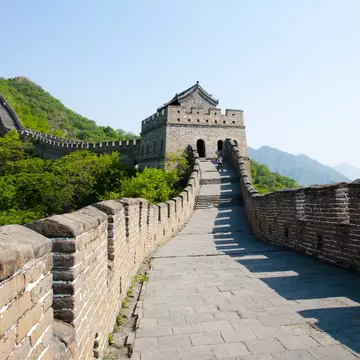
Snaking through China's majestic mountainous terrain, the spectacular Great Wall is the nation's most iconic landmark. This awe-inspiring 21,196km-long fortification built over the course of 2000 years is a true marvel of human accomplishment. In fact, it's not one wall but many, stretching from the eastern coast all the way to the far western desert.
Best time to visit: March, May and September are great months to hike along the Great Wall. In October and November, the views get even more spectacular, with the autumnal foliage at the Badaling sections.
How many days to visit: The Great Wall is most commonly visited as a day trip or an overnight from Beijing.
Planning tip: A whole industry has grown up around Great Wall visits, and if you haven't already booked a tour, your hotel can connect you with a charter bus and seasoned guide. If you're going it alone, head for Badaling, accessible by train from Beijing. Once you've arrived, the park is walkable, and the wall is (literally) straightforward; you'd be hard-pressed to get lost, but beware, the crowds can be intense.
Best place to see pandas

With its charming teahouses, lively nightlife and fiery Sichuan food, Chengdu is one of China's most popular cities for travelers. But most folks visit here for the pandas. While you'd be very lucky to spot one in the wild, sightings are guaranteed at the Giant Panda Breeding Research Base. Other draws of this inland regional capital include temples, pavilions and museums devoted to the culture of the ancient Shu kingdom. Chengdu is also China's unofficial LGBTQ+ capital, with a relatively visible community.
How many days to visit: Take 4 days to explore the city's teahouses and panda center.
Planning tip: Allow 3–5 hours to see everything at the Giant Panda Breeding Research Base.
Best for remarkable landscapes
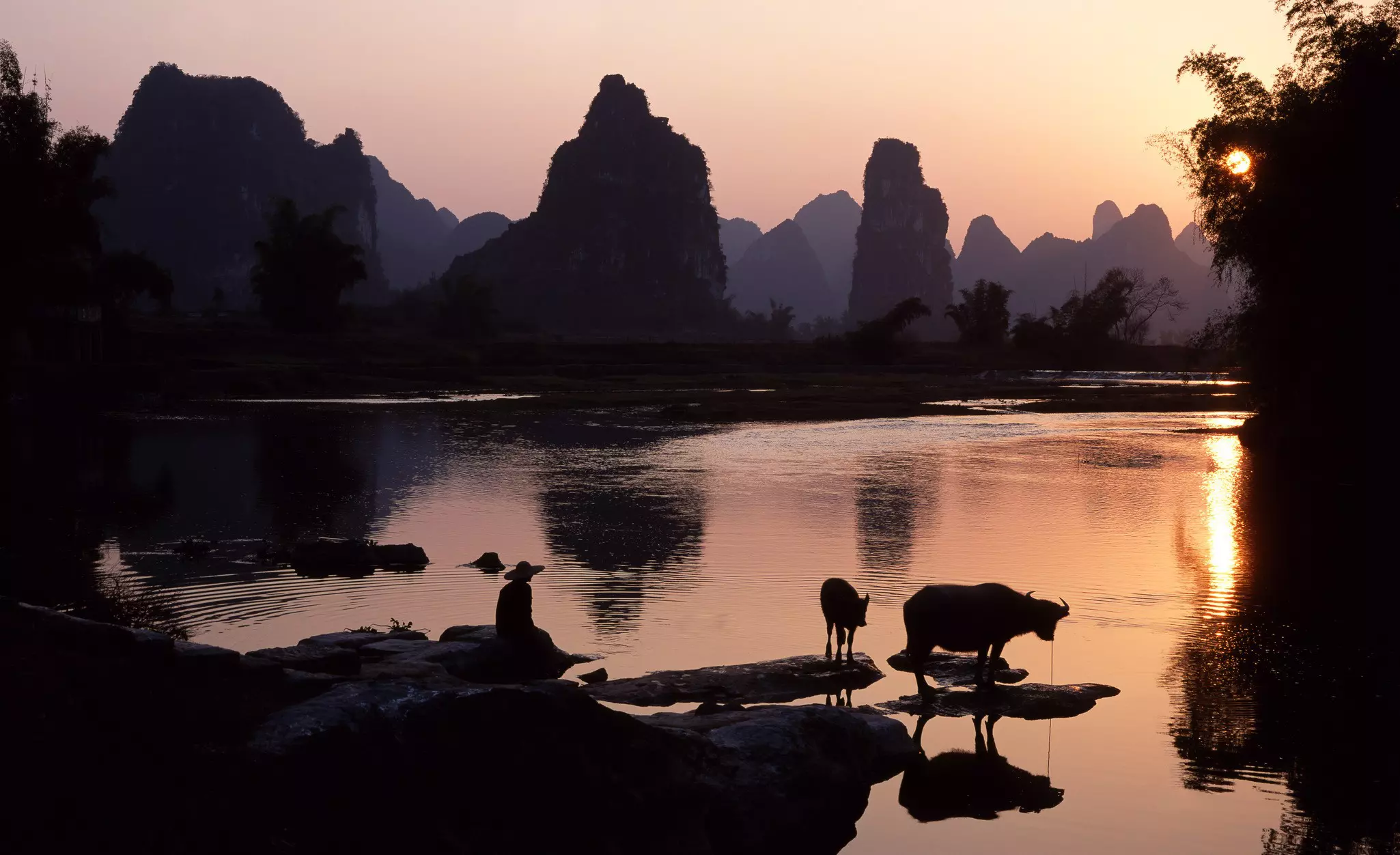
Spanning the distance from Guilin to Yangshuo, the picture-perfect karst limestone peaks offer an extraordinary backdrop to the scenic Li River and rice paddies. Yangshuo is a city with a youthful spirit, and cycling, hiking, rock climbing and bamboo rafting are among the many ways to enjoy views over the beguiling landscape. Escape the crowds simply by going for a walk along the Li River or making tracks for nearby villages like Xingping and Guilin.
How many days to visit: Sporty types will want 5 days to work in all of the outdoor activities that have put this town on the international tourist map.
Planning tip: There are over 900 bolted rock-climbing routes around Yangshuo and plenty of outfitters and guides ready to lead the way. Should you make it to the top of any of the routes, pause to take in the scenery before your descent – Yangshuo is best viewed from above.
Best place to try Cantonese food
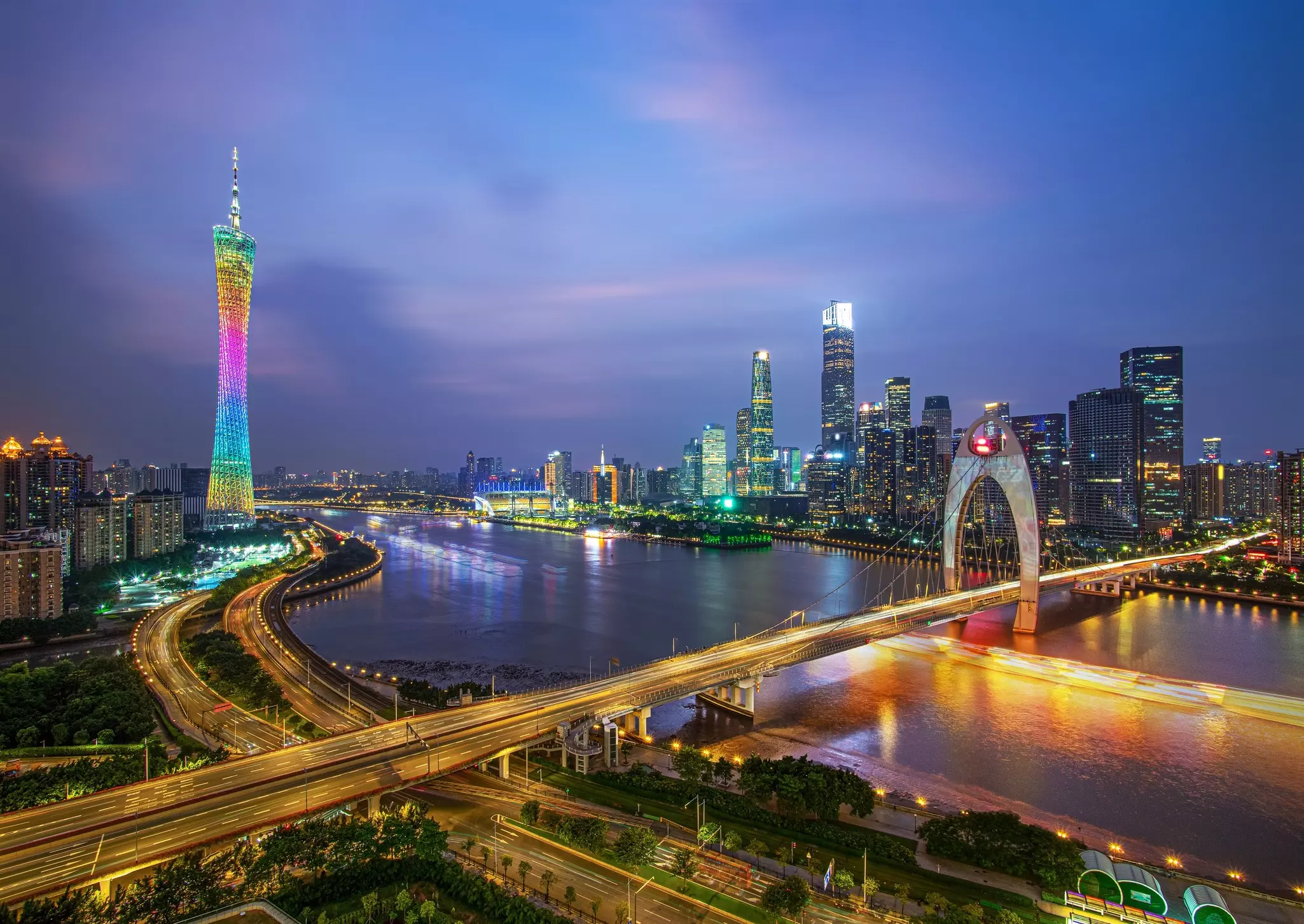
In the vibrant and dynamic megacity of Guangzhou, built around the Pearl River, you'll find an intriguing mix of old and new. Skyscrapers here nudge the clouds, while monks shuffle around 1500-year-old Buddhist temples. But it's the Cantonese cuisine that lures in many, with some of the finest dim sum in all of China. This is the place to try roast goose, Cantonese-style sashimi and even scorpion-snake soup, as well as delightful handcrafted dim sum.
How many days to visit: Guangzhou's cosmopolitan mix of temples, mosques, dim sum restaurants and striking contemporary architecture deserves up to 5 days of attention.
Planning tip: To see some of Guangzhou's sights, embark on one of its most famous activities: a Pearl River night cruise. Everything is awash in neon – the boat, the buildings, the bridges, even the pier – as you chug down the waters of the delta for about an hour. Purchase a ticket for the open-air top level for the best views and photo opportunities.
Beautiful rice paddy scenery
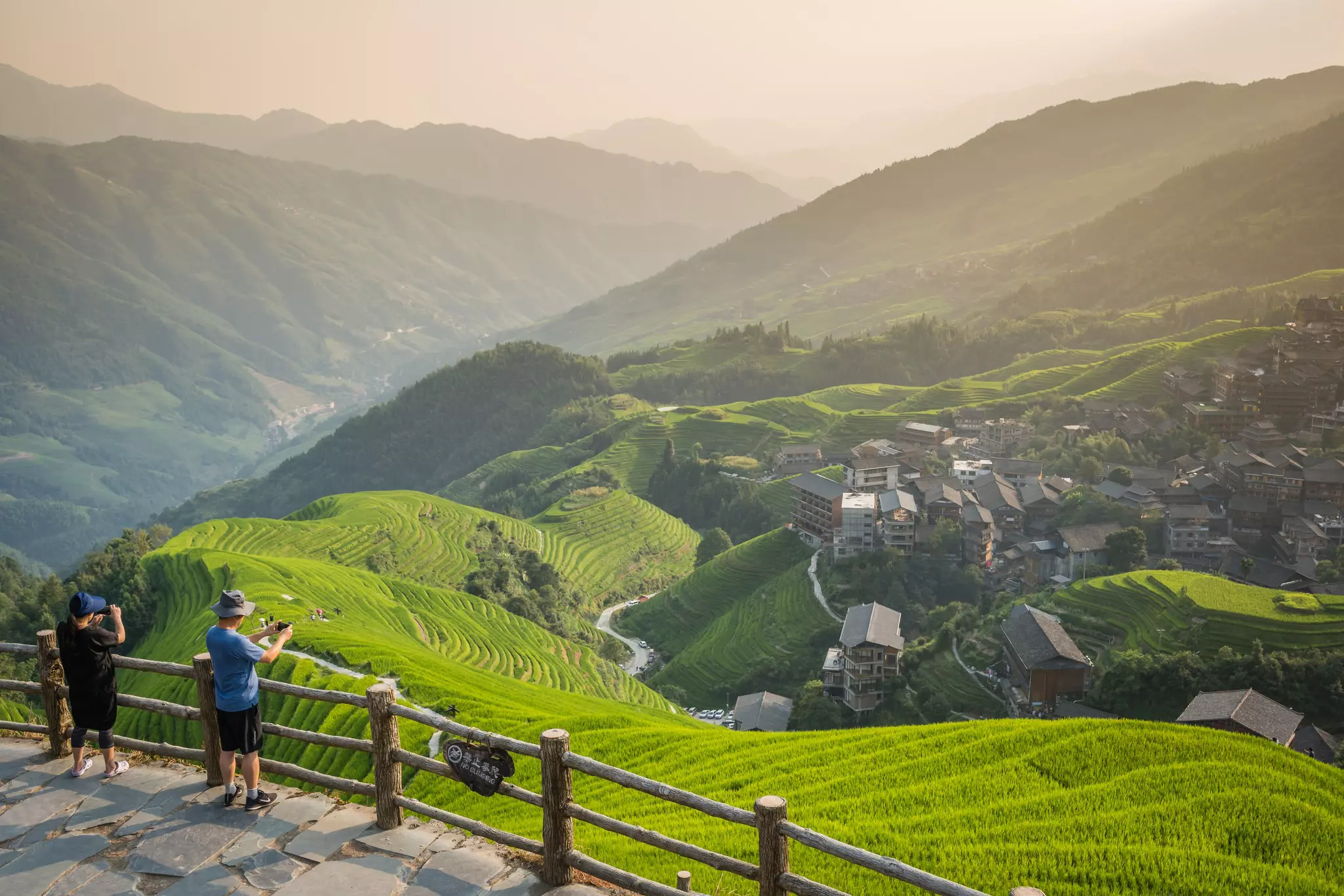
Rice paddies appear all over China, but few are as spectacular as the ones in Longji, built against a backdrop of lush mountains. The layered landscapes date back to the 13th century and make for some of the best hiking in Guangxi, with routes connecting the area’s 13 ethnic minority villages. Walks here lead to viewpoints overlooking sculpted, iridescent green terraces with swirling patterns resembling the contours of a giant thumbprint.
Best time to visit: The best times to visit are May to June (for flooded terraces), July to August (green terraces) or before harvest in October (golden terraces).
Planning tip: Don't miss the Nine Dragons and Five Tigers viewing point, a 30-minute walk on a well-marked trail above Ping'an. The undulating fields punctuated by the smoke coming from surrounding houses will make you feel like you’re walking along the spine of a curvaceous fire-breathing dragon at rest.
Best archaeological site
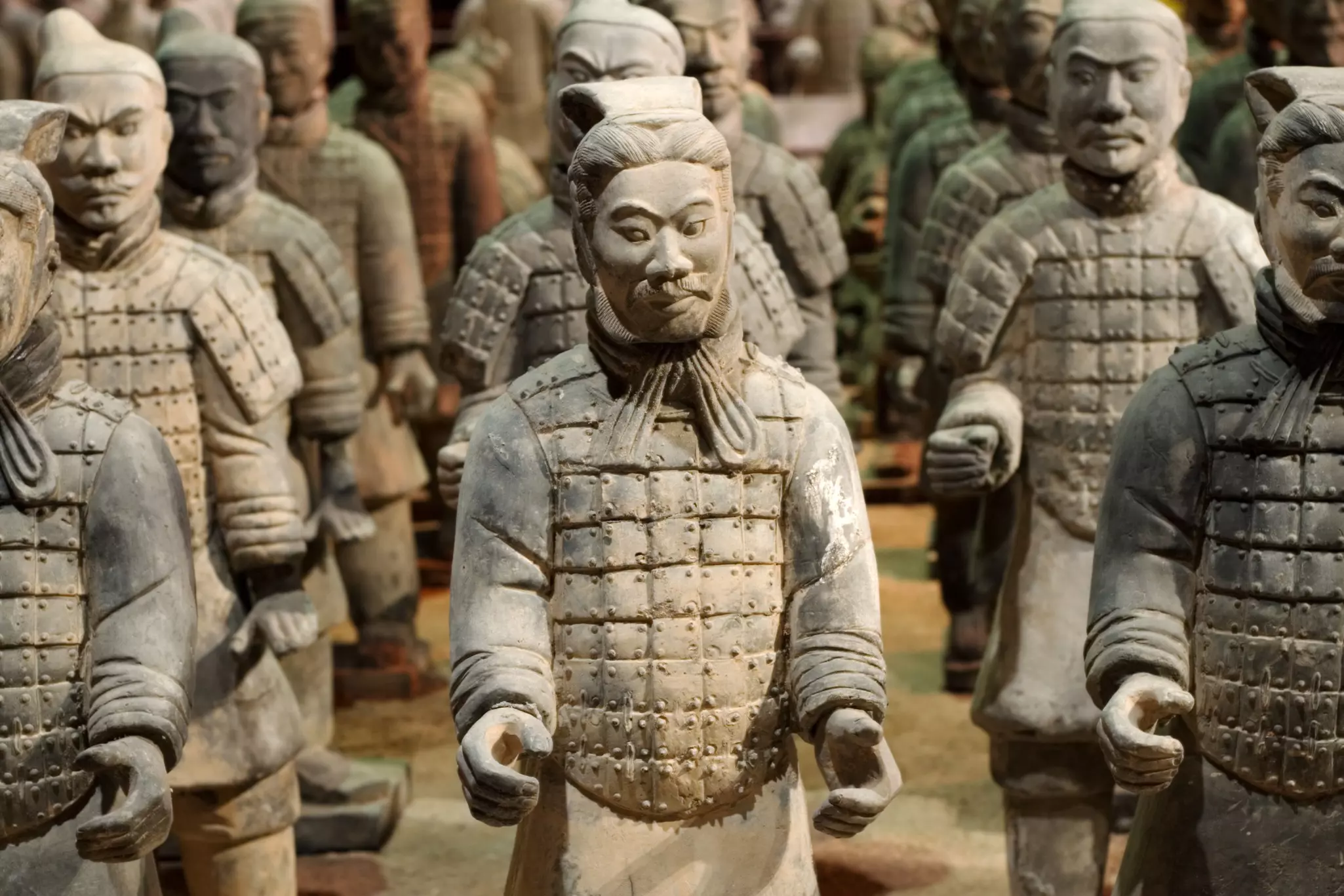
Unearthed in Xi'an by unsuspecting rural workers in 1974, this enigmatic army of life-sized statues remains a noteworthy archaeological find. They were built 2200 years ago to protect the underground tomb of Emperor Qin Shi Huang. Meeting these warriors face-to-face is an experience you'll never forget.
How many days to visit: Set aside 2 days to pay your respects to the Terracotta Warriors before making a trip to the sacred mountain Hua Shan.
Planning tip: Book tickets online in advance. From the ticket entrance to the pits enclosure, it’s a 500m walk, or you can pay for a ride on an electric cart. Tickets include entry to the nearby Tomb of Qin Shi Huang, where you can visit the superb Bronze Chariots Museum. A free shuttle bus runs here from opposite the Terracotta Army’s ticket office.
Best for Silk Road lore
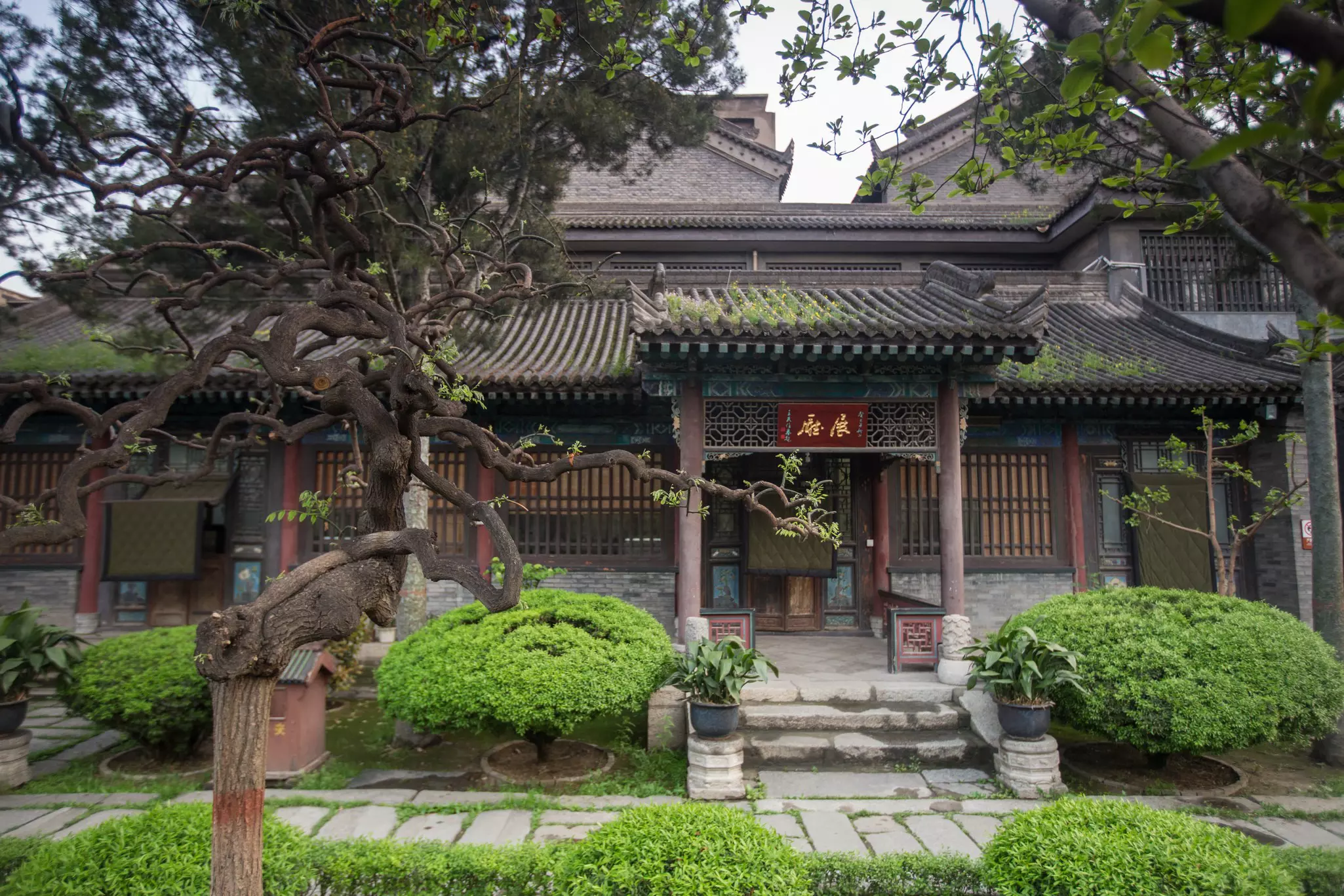
In a country where cities seemingly spring up overnight, Xi'an is one of the oldest and grandest. Known to most for its Terracotta Warriors, Xi'an is also notable in its own right – specifically as the beginning of the Silk Road, a trade route with a legacy that remains intact within its atmospheric Muslim Quarter. An evening stroll from the beautifully illuminated South Gate of Xi'an City Wall is highly recommended.
How many days to visit: Give yourself at least 3 days in Xi'an – its relaxed vibe, delicious food and an appealing nightlife scene will easily tempt you to stay longer.
Best for cloud-level views
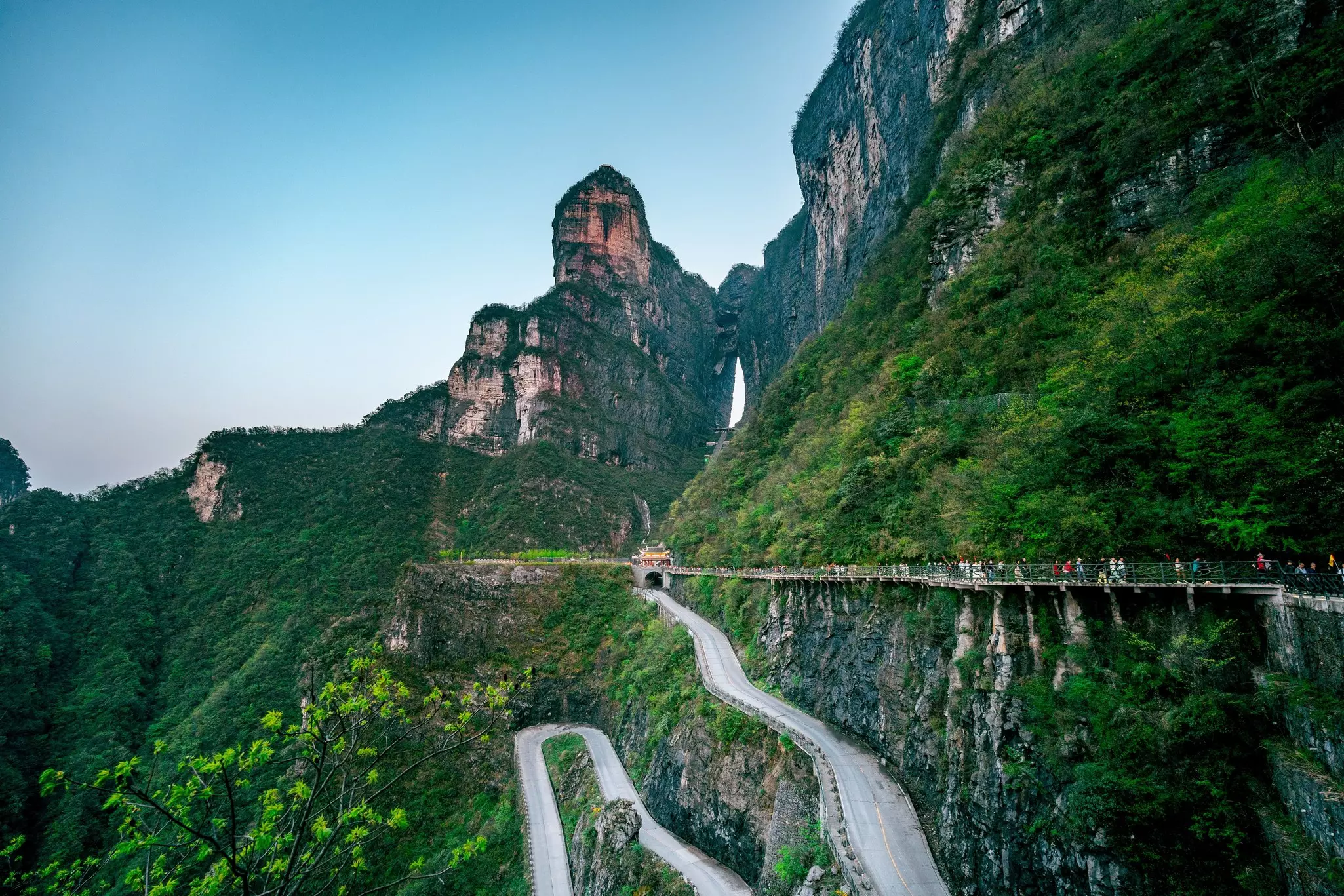
Rising dramatically from the subtropical forests of northwest Hunan, the pinnacle rock formations of Zhangjiajie inspired the scenery in the film Avatar (2009). Take it all in on Tianmen Mountain, visible from anywhere in the city. Accessed by two cable cars, the mountain's most distinctive feature is Tianmen Dong, a natural hole, 113m tall, through the mountainside. There’s a temple at the summit, a chairlift ride and a circular walking route that includes two glass-bottomed sections, in case you weren’t already reeling from the awesome surrounding views.
How many days to visit: It’s easy to spend half a day on Tianmen – if you visit in the afternoon, stay for the light show that plays around Tianmen Dong after sunset.
Book your China trip with Lonely Planet Journeys
See China how it's meant to be seen
Accommodations, activities and ground transportation all taken care of, so you can focus on the fun part. Tell us what your dream trip to China looks like, and our local experts will build it from scratch. Or start with one of our itineraries and make it your own.


Explore related stories