Sep 21, 20269 min read
A Guide to Tahiti and French PolynesiaSep 21, 2026
9 MIN READ
Writer
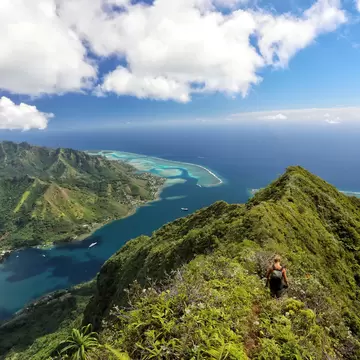
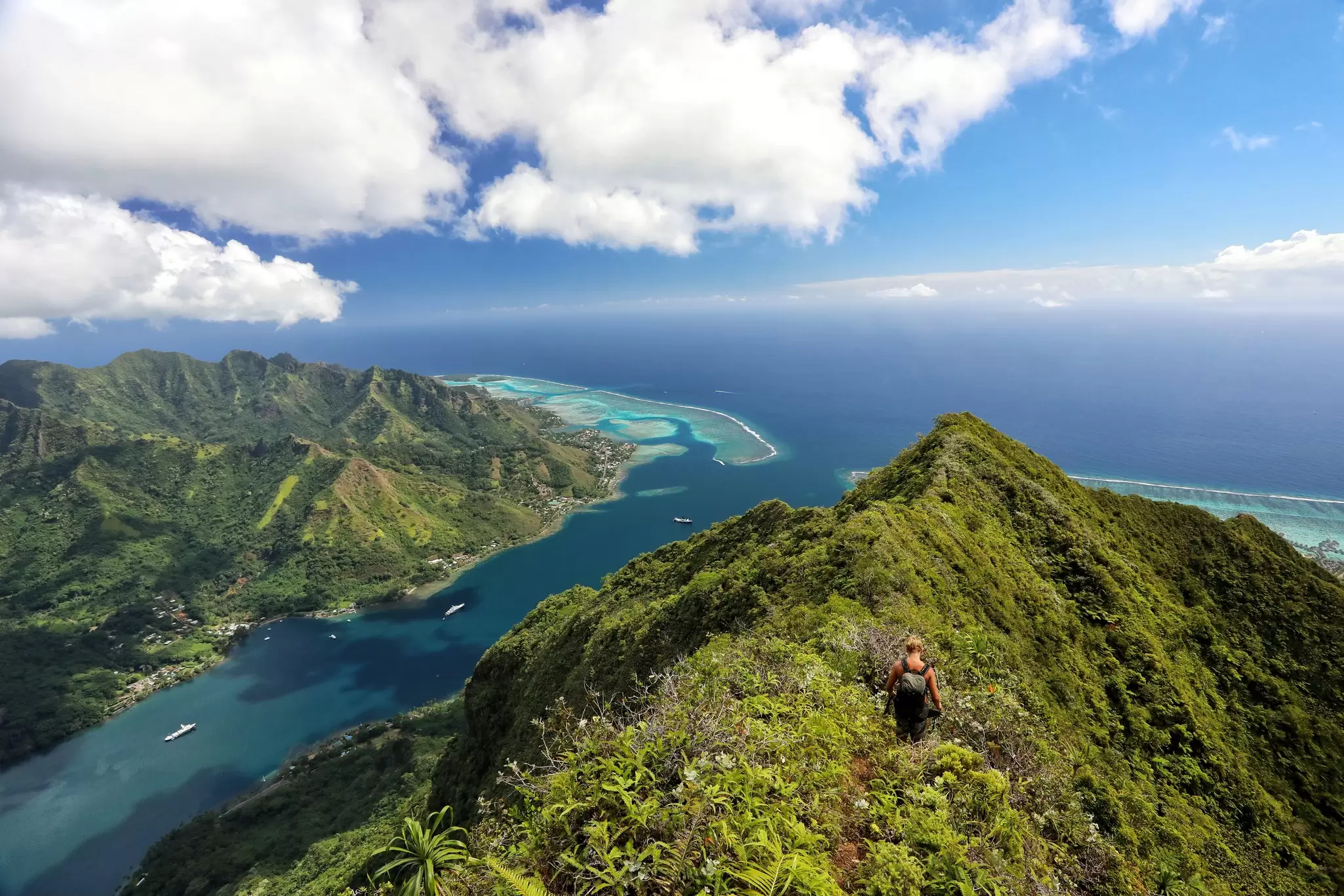
Mont Rotui, Moʻorea, French Polynesia. NickThornton/Shutterstock
Writer
Lonely Planet may earn a commission from affiliate links on our site. All recommendations and reviews reflect our own independent opinions.
With its gorgeous collection of tropical islands, cerulean lagoons and vibrant, community-oriented culture, French Polynesia is many travelers’ true fantasy destination. Located in the South Pacific halfway between Australia and the USA’s West Coast, the French territory comprises 121 islands across five archipelagos. Tahiti is the main island and home to the capital city of Papeʻete.
Despite its reputation as a luxury destination – with spots like Bora Bora’s overwater bungalows famously catering to honeymooners – French Polynesia is now more accessible than ever before, thanks to frequent flights from the US mainland and the arrival of budget airline French Bee.
So whether you prefer lounging at a high-end luxury on a private island, shopping at Papeʻete’s fresh food market or hiking to a hidden waterfall, there’s something for everyone in French Polynesia. The hardest part? Deciding which islands to visit.
Even though I live here and have been lucky enough to explore the islands and atolls, I’m always amazed at how different and unique each one is. Yet for me, it’s not the beaches or the landscapes that make this place magic. It’s the genuine warmth and generosity of the people that live here.
Here’s all you need to know as you plan your trip to French Polynesia.
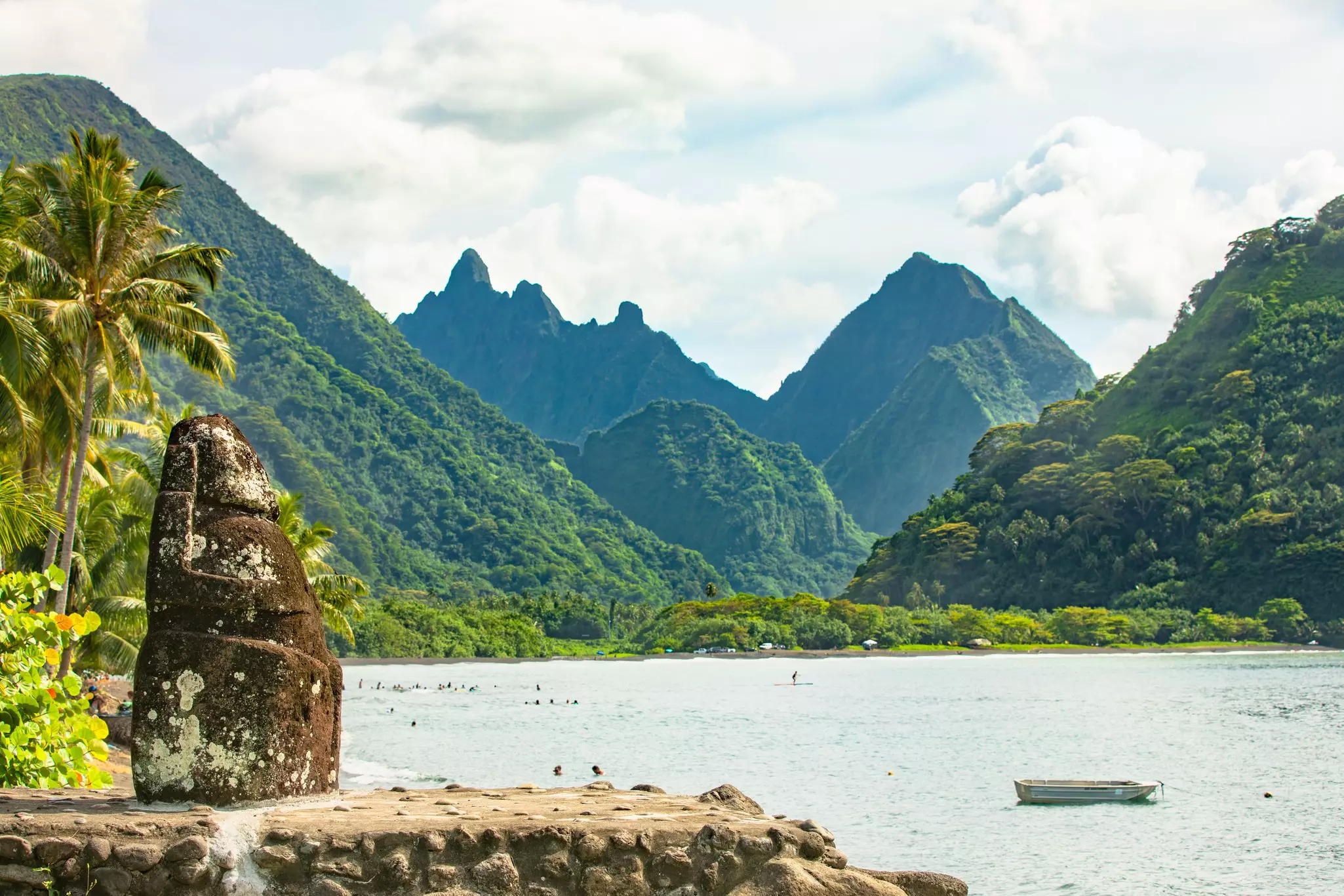
French Polynesia enjoys a tropical climate, and temperatures hover around 25–30°C (77–86°F) year-round. There are only two seasons here: the dry season and the rainy season – a pair sometimes called “hot and hotter.”
During the dry season, from May to October, the weather is generally sunny and pleasant. Running from November to April, the wet season brings heavy downpours, humidity and an increased risk of cyclones. In Tahiti, this season is known as matariʻi i niʻa (the “season of abundance”). Welcomed joyously with ceremonies and dance, its November 20 start date officially became a public holiday in 2025.
There is incredible marine life in a place with so many islands: whale-watching season runs from July to November, while the Tuamotu archipelago might be the world’s top destination to dive with hammerhead sharks from December to March. Meanwhile, July to November is the best time to swim or dive with manta rays.
June through August are the busiest months for tourism in French Polynesia, and coincide with the islands’ biggest cultural festival, the Heiva, and other major events such as the Billabong Pro Teahupoo, a surfing competition. Budget travelers may find cheaper prices in the low season, with September through November also having generally good weather.
If you fly all the way to French Polynesia, staying fewer than 5 days would be folly. Yet even a short 5-day jaunt would give you enough time to explore one or two islands, such as Tahiti and Bora Bora; take in the most scenic spots, including Teahupoʻo and Matira Beach; and get a taste of the local culture with, say, a traditional dance show. A trip of 10 or more days is ideal, giving you time to explore another archipelago – or just as locals do, by slowing down and enjoying the unhurried pace of life in the islands.
French Polynesia has one international airport, located close to Papeʻete on Tahiti. Most international flights to Tahiti arrive from New Zealand or the US; there are also direct flights from Tokyo.
The quickest and most popular (and, it should be said, most expensive) way to travel between islands is by air; two domestic airlines connect Tahiti to over 40 islands. Depending on the island, flights can be limited, so it’s best to book in advance with Air Tahiti or Air Moana.
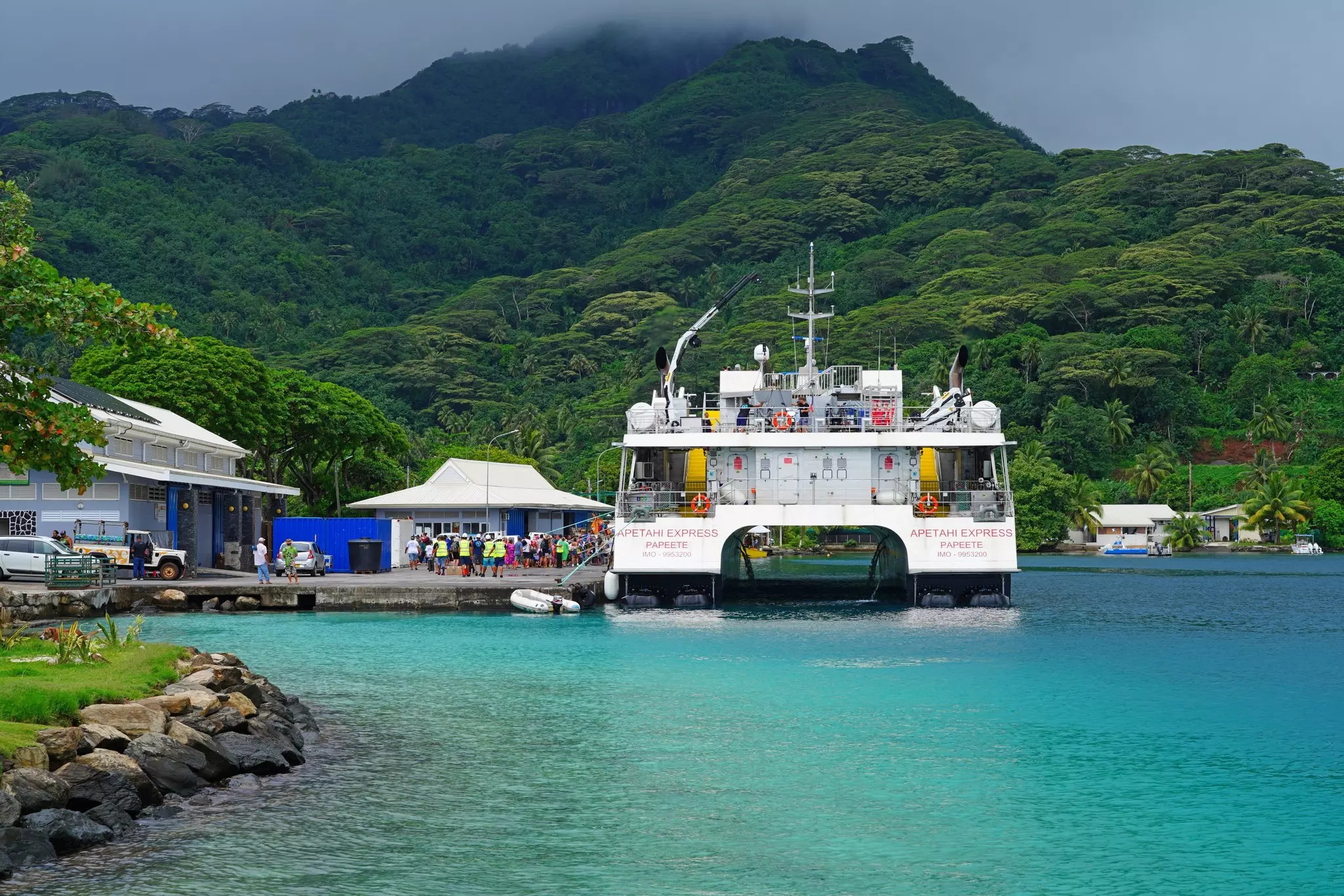
Local ferries offer another option for interisland travel, usually at a lower price point. There are frequent services between Tahiti (Papeʻete) and other spots in Society Islands, the archipelago that includes Bora Bora and Mo‘orea. Local ferry companies include Vaeara‘i, Aremiti and Apetahi Express.
Most islands frequented by tourists (including Tahiti, Moʻorea and Bora Bora) offer car and scooter rental options. On other, smaller islands, including Maupiti and Fakarava, it may be easier to get around by bike or even on foot. Keep in mind that only a few islands offer public transit, and while things are slowly improving the service is generally unreliable and infrequent. From the international airport, it’s possible to catch a bus to Papeʻete and other urban centers in Tahiti.
Since French Polynesia consists of over 100 islands, each with countless activities, it can be difficult to know where to start planning your trip. Here are four ideas to get you inspired.
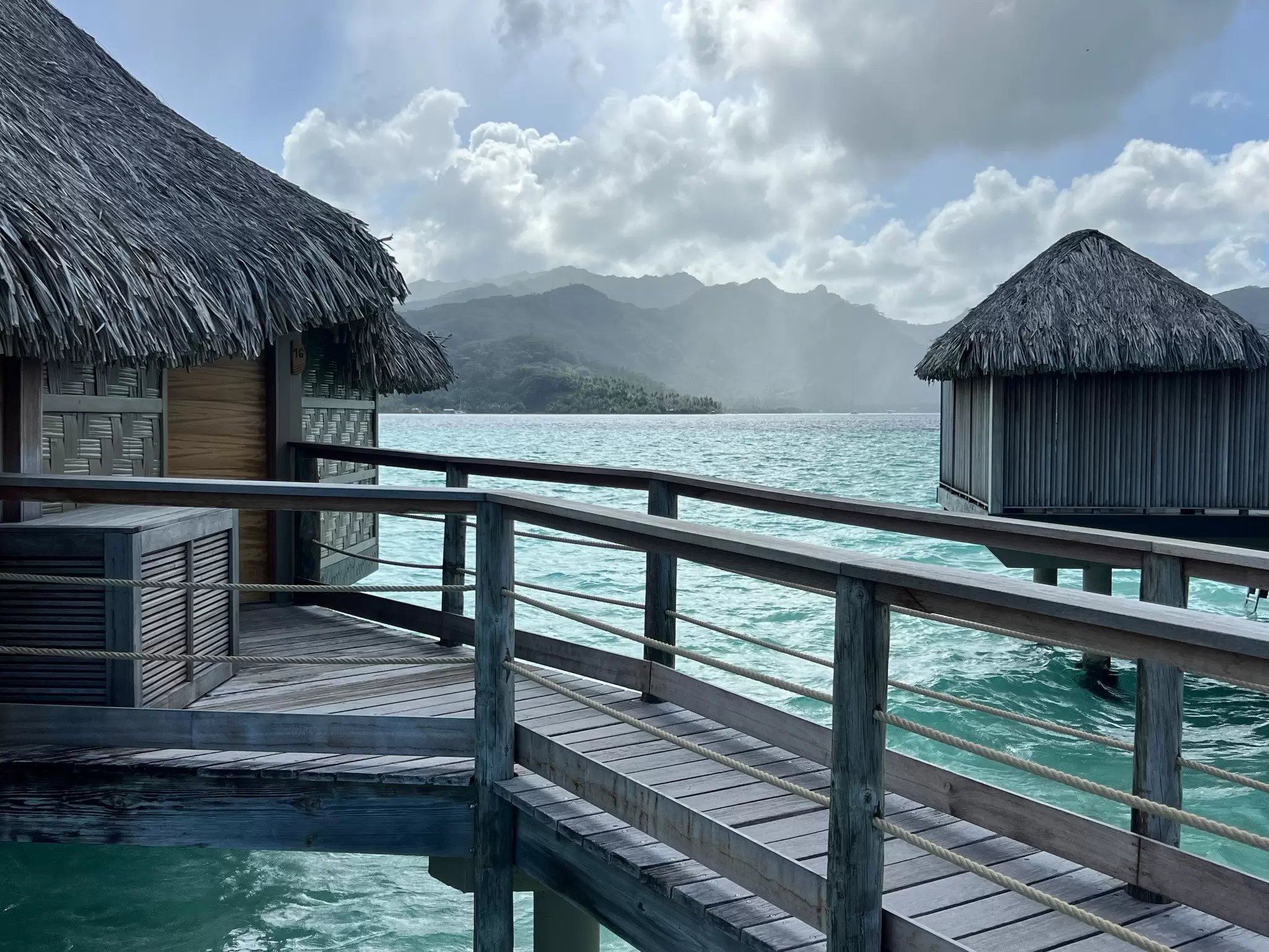
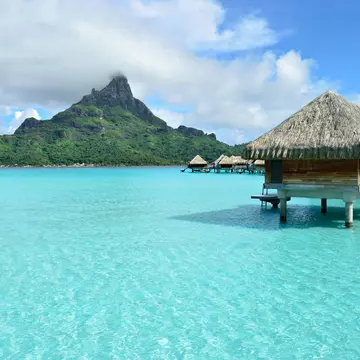
Nowhere does opulence quite like French Polynesia – which you’ll learn firsthand with a stay in a private overwater bungalow overlooking the lagoon. If you like to relax in luxury, wake up to a postcard-perfect view and enjoy perks like breakfast hand-delivered by canoe, this is for you. Head to one of the islands beyond Tahiti for fewer crowds and views without the urban sprawl of the main island. My favorite islands for overwater bungalows are Taha’a, Bora Bora and Rangiroa – and the best of the best bungalows are at such high-end resorts as the Four Seasons, Le Taha‘a and St Regis. Be prepared to splash out for the privilege...but you only live once, no?
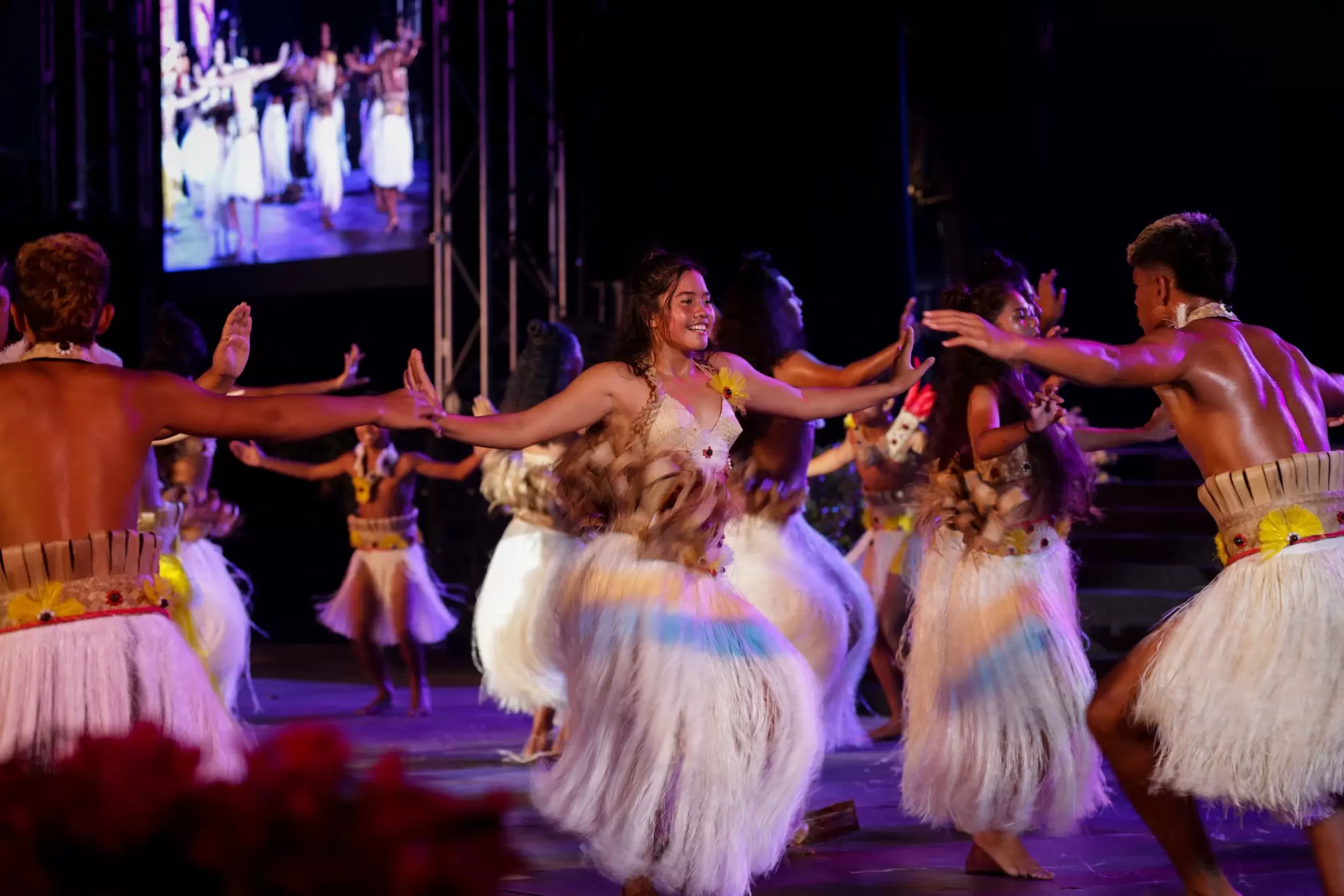
Every year in July, French Polynesia celebrates the Heiva festival in an explosion of color, dance and song that lasts 2 to 3 weeks. Events include huge dance performances, singing and chants, and traditional sport competitions. The festivities cater to all comers: you can watch competitors husk coconuts at lightning speed, marvel at dancers’ intricate handmade costumes and listen to the intense beats of traditional Tahitian drums. Quite simply, this is the best time to experience Polynesian culture at its fullest and most joyous.
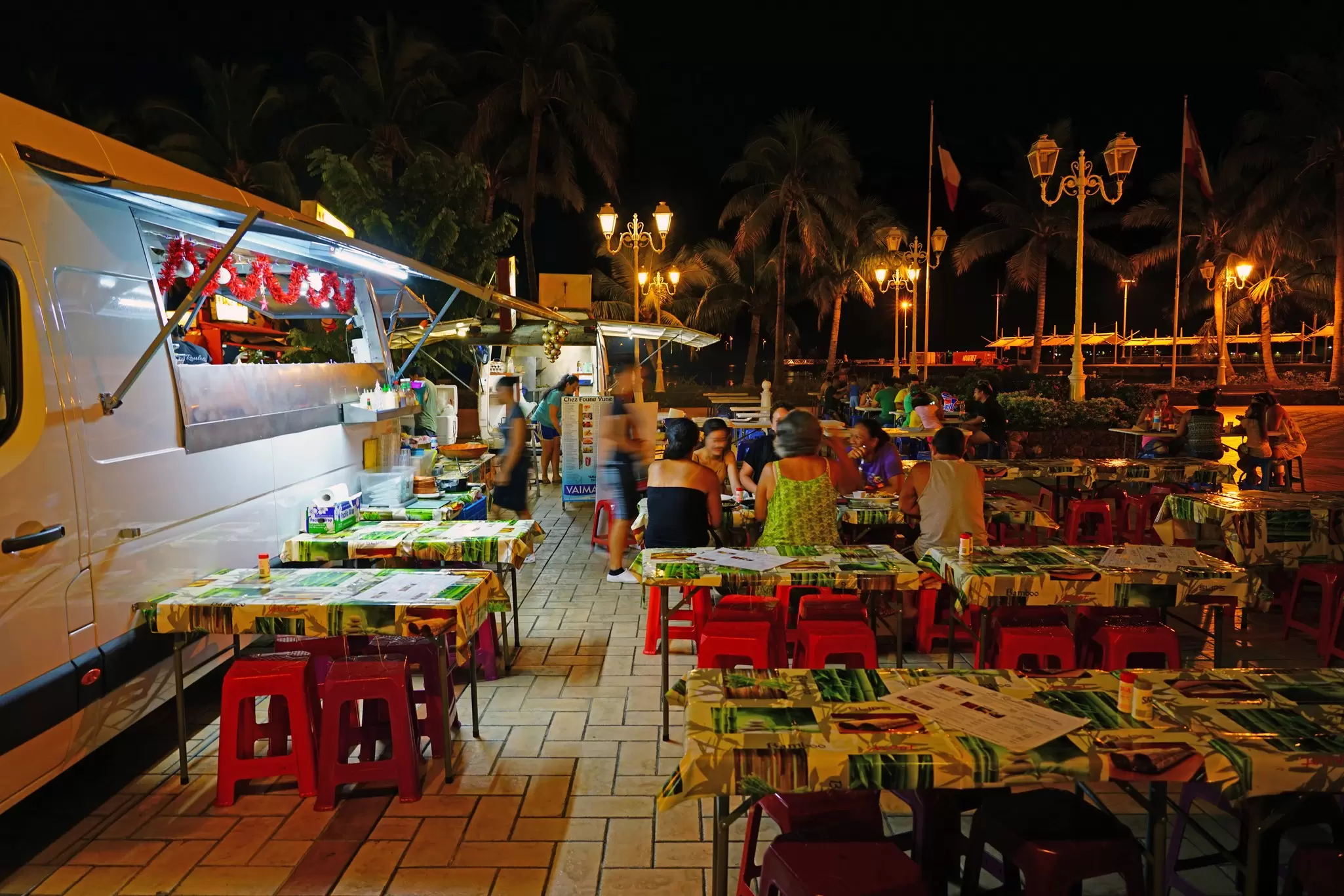
Food trucks that pop up most nights along roadsides on Tahiti and other islands, roulottes serve up huge portions of favorite local dishes, which have a mix of Tahitian, French and Chinese influences. Typical dishes include steak frites, poisson cru (raw fish marinated in coconut milk) and chow mein. To find the best roulottes, head outside of the tourist areas and look for places that are packed with locals. I promise you’ll leave with a happy belly.
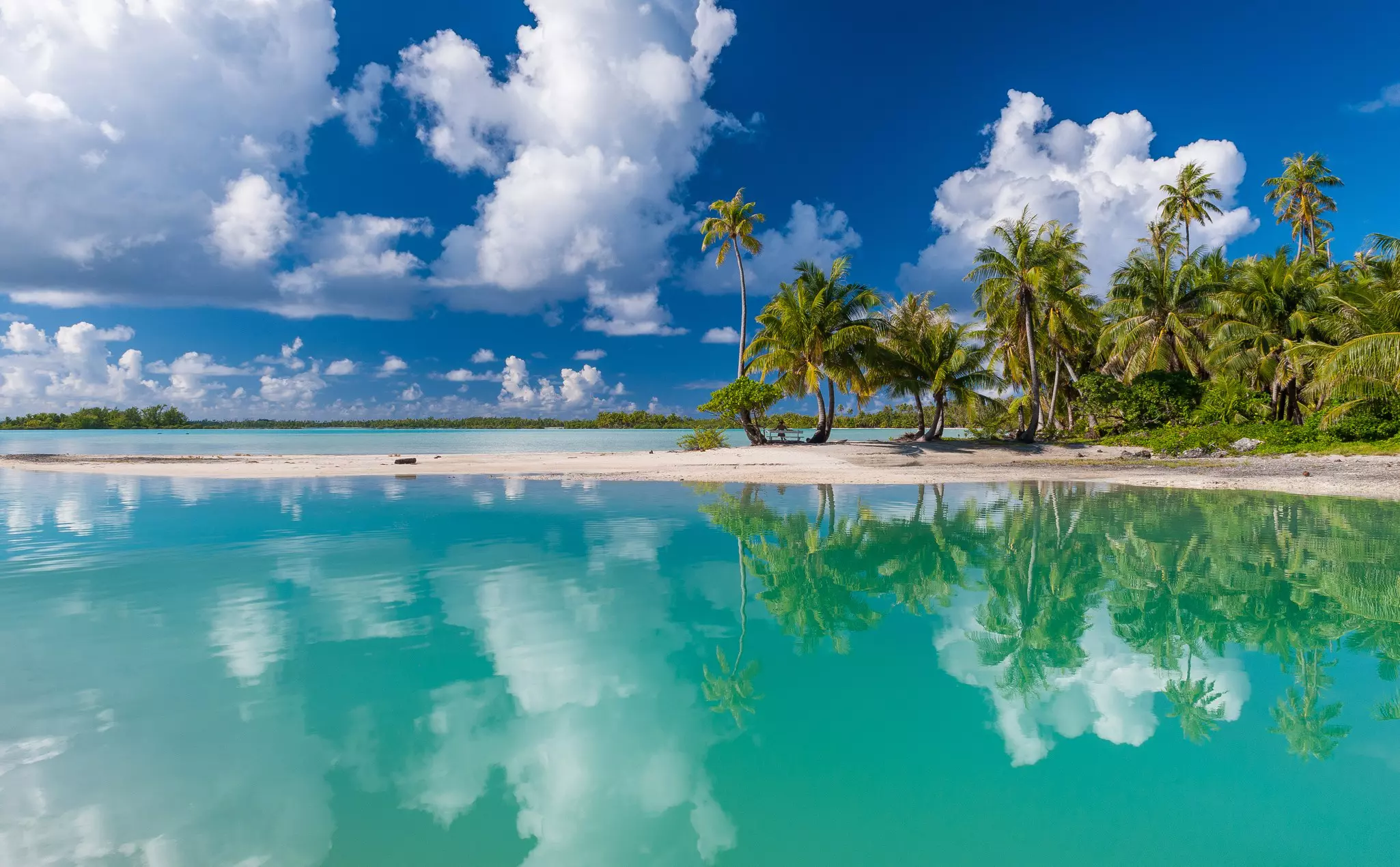
French Polynesia’s Tuamotu Islands consist entirely of atolls, ring-shaped islands of sand and coral that surround beautiful lagoons. They’re a paradise for ocean lovers, offering unrivaled diving, snorkeling, fishing and even surfing. And there’s something magical about visiting some of the most remote human-inhabited islands on Earth; the stars seem to shine brighter out here. Some of the most popular atolls to visit include Rangiroa, Fakarava and Tikehau.
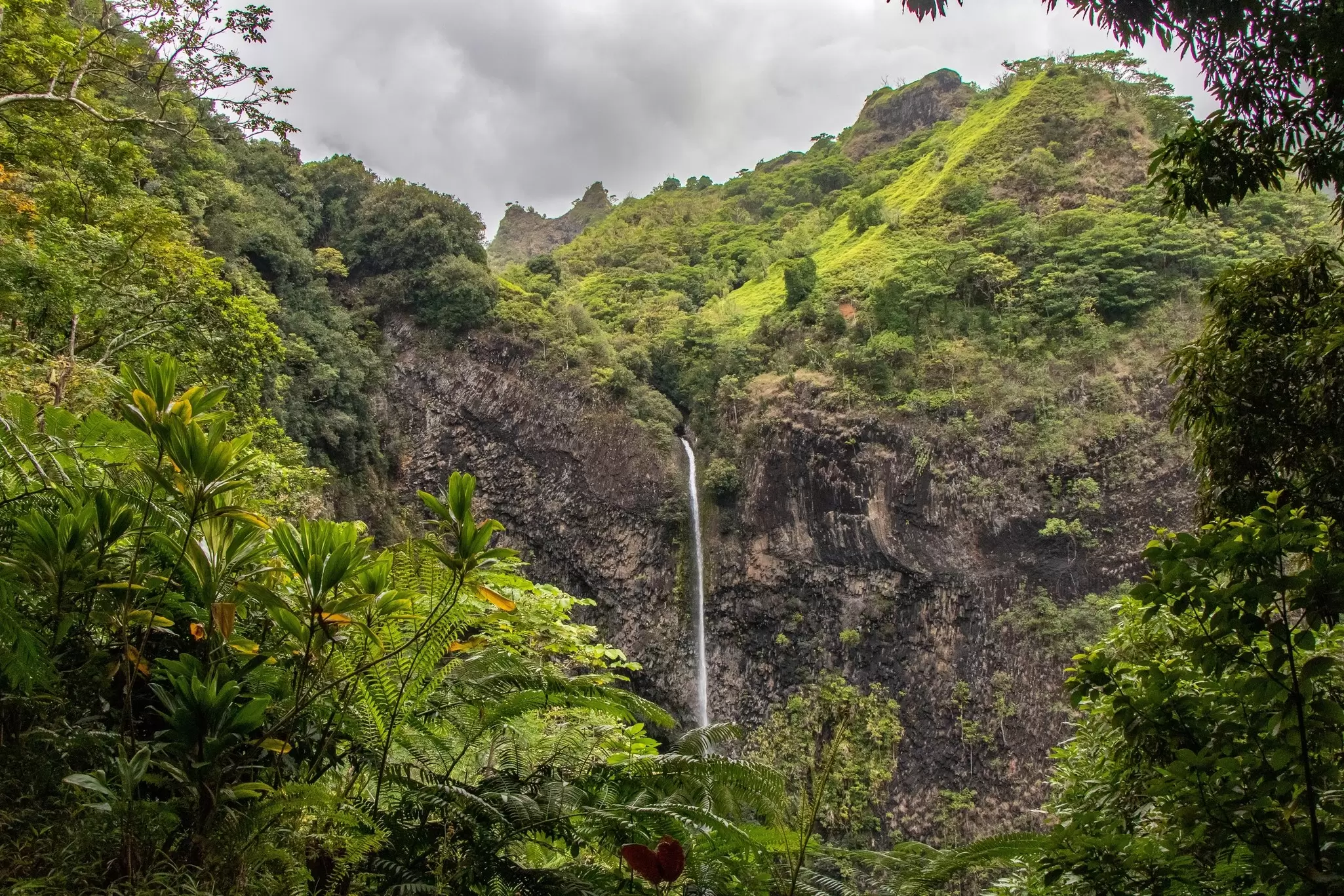
I love hiking in French Polynesia – and while most people think of the water when they think of these islands, the land is just as incredible. Exploring lush green valleys, swimming underneath waterfalls, enjoying 360-degree views from mountain ridges: hiking here offers numerous pleasures and adventures. One of my favorite hikes is the very accessible one through the Fautaua Valley, just 10 minutes outside of Papeʻete city. Doable in half a day, the route has many spots to swim along the way, and ends at one of Tahiti’s most stunning waterfalls, with a drop of over 100m. For the best experience and for safety I’d recommend hiring a guide. To undertake the hike, it’s necessary to obtain a permit and pay a small fee at Papeʻete City Hall.
French Polynesia is an expensive destination known for tourism at the highest end of luxury. Nonetheless, there is a wide range of accommodation available to suit most budgets – everything from camping and family-run guesthouses to uber-luxurious resorts on privately owned islands. Note that you should expect to pay in cash here, particularly outside of Tahiti, although using credit and debit cards is becoming more common.
Hostel room: 3000 CFP francs–5000 CFP
Basic room for two: 7000–12,000 CFP
Self-catering apartment (including Airbnb): 10,000–35,000 CFP
Public transport ticket: 200–600 CFP
Local-style baguette sandwich: 300–600 CFP
Dinner for two at a roulotte: 4000 CFP
Access permit for the Fautaua Valley: 600 CPF
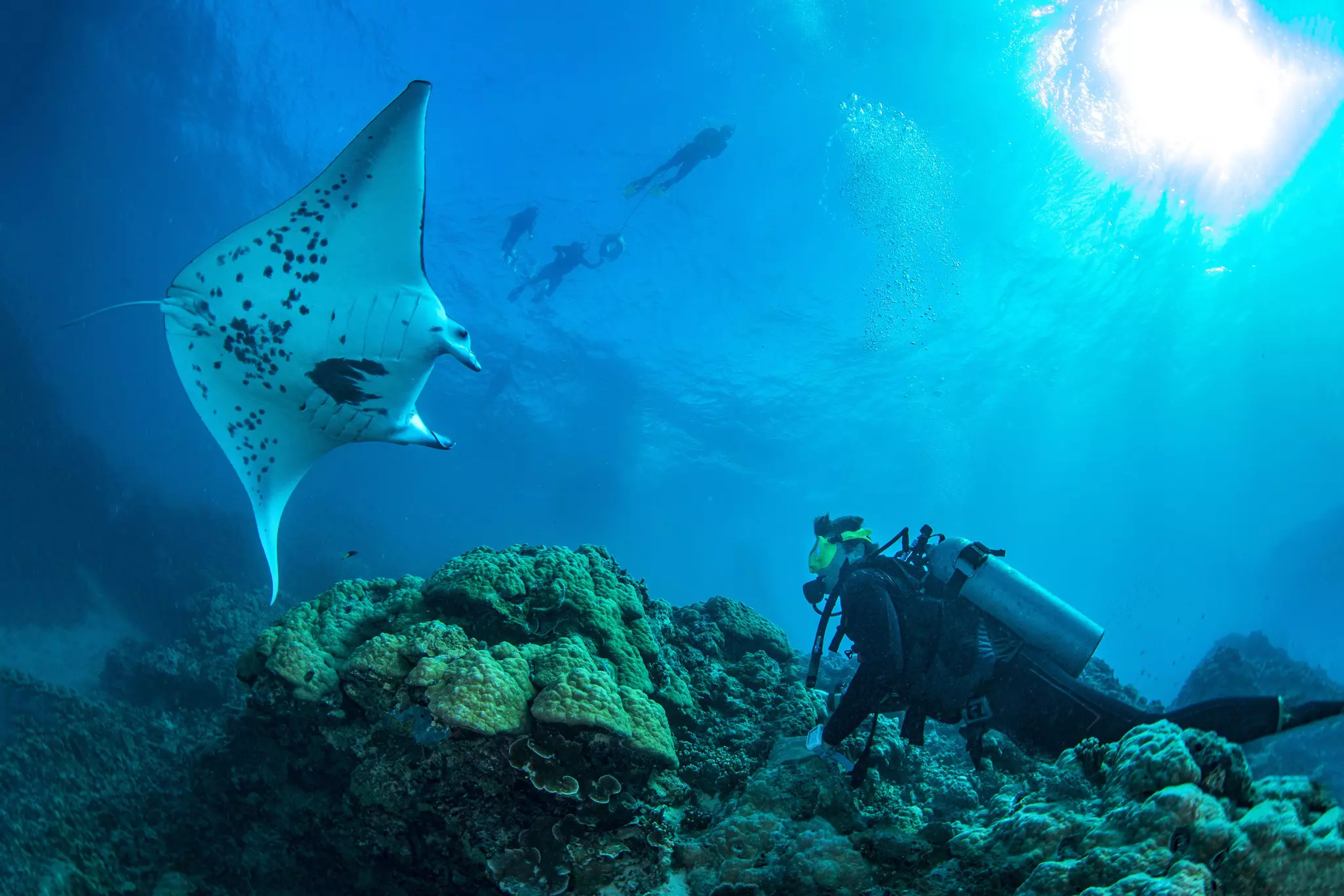
French Polynesia is a diver’s dream, with ideal conditions almost year-round and a stunning array of marine life and underwater scenery. June, July and August bring the trade winds, which means the seas can be rough during these months. Note that diving here is expensive – around 10,000 CFP for a single dive, though most operators offer package deals.
For beginners, islands like Tahiti and Moʻorea offer certification programs or the possibility of a discovery dive to find out what it’s like. Experienced divers should head to the Tuamotu archipelago for incredible drift diving and marine life.
Yes, you can. Here are my money-saving tips:
Check budget airline French bee for cheap flights to Tahiti from Paris and the US. (Their flights all stop in San Francisco.)
Plan your trip around just one or two islands. I’d recommend sticking to Tahiti and Moʻorea.
Avoid restaurants and eat out at local food trucks instead.
Look for accommodations at least 2 to 3 months in advance on sites like Airbnb.
Consider renting a scooter or taking public transport instead of renting a car.
French Polynesia is a safe place to travel and a great place to travel solo or with children. Still, it can be dangerous to explore the islands’ valleys, mountains and oceans without a certified guide. Natural occurrences like flash floods and rip currents can be unpredictable – so stay safe by heading out with a knowledgeable expert.
Making the effort to learn at least a few words in French and/or Tahitian before you arrive will make a huge difference. Outside of the tourist areas, most people don’t speak English, and a friendly “Iaorana” or “Bonjour” will go a long way.
The short answer is...it depends. Even on the main island of Tahiti, there are places where the tap water is not safe to drink. If you’re unsure, it’s always best to ask a local or drink bottled water.
Explore related stories