Sep 21, 20269 min read
A Guide to New Mexico Sep 21, 2026
9 MIN READ

Writer
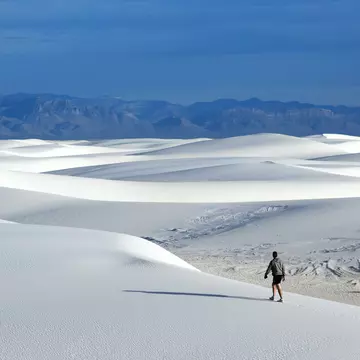
Hiker in White Sands Dunes. Galyna Andrushko/Shutterstock

Writer
Highlights
Writer Jade Bremner guides you through New Mexico, the Land of Enchantment.
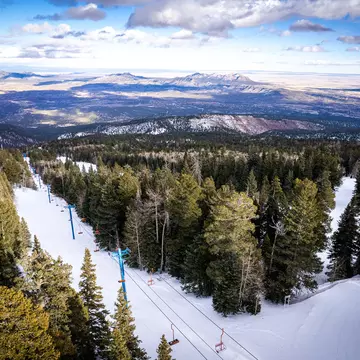
Visit in fall for cooler trails, or ski the Sangre de Cristo Mountains in winter.
Head to Taos Pueblo for Indigenous art, or sandboard White Sands' gypsum dunes.
Carlsbad Caverns, 800ft underground, holds cathedral-sized chambers of lit-up stalagmites.
Lonely Planet may earn a commission from affiliate links on our site. All recommendations and reviews reflect our own independent opinions.
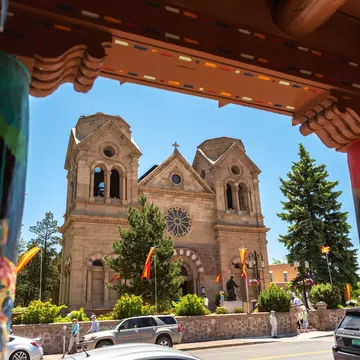
In New Mexico – the 47th state – you can explore petroglyphs and ancient adobe pueblos, visit old cathedrals and hundreds of art galleries or head off into the wilderness on desert trails to soaring granite rocks, before driving through maroon mesas to retro joints on Route 66.
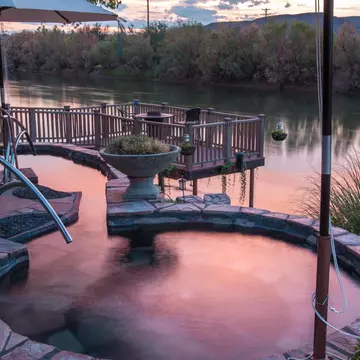
When the heat of the desert gets too much, simply climb up higher to the cooler peaks with their groomed ski runs in winter and lofty pine-scented hikes in summer, before resting your aching muscles in a hidden natural hot spring.
New Mexico is known as the Land of Enchantment for good reason. Here, legends live at every turn, from the UFO sightings and Wild West outlaw hangouts to the launch pads of Space Races. Fuel your curiosity with spicy kicks wherever you are – New Mexico is also dubbed the “chile capital of the world”, and hot pepper is slathered on everything from burgers and burritos to pizzas.
Plan your travels in New Mexico with this visitor's guide.

With its vast diversity of landscapes, New Mexico offers reasons to visit at any time of year, though the summers can be hot. September to October is a great time for outdoor activities, with temperatures dropping below 70°F (20°C) as fall arrives.
October is also when the annual International Balloon Fiesta takes place – almost a million people attend, meaning accommodation prices rocket in Albuquerque. Temperatures are also mild from April to May; the weather can be windy, but visitor numbers fall and bargains abound.
Maximum summer temperatures can exceed 100°F (40°C) in parts of the state, though many areas stay in double digits. If you come in summer, make for higher ground – the Sangre de Cristo Mountains in the north and cities at higher elevations such as Taos and Santa Fe shine at this time.
The mild winter months are ideal for hiking at lower elevations in southern New Mexico, and snow sports in the mountains. The ski season runs from November to April, with the best snow conditions from January to March.
Whether you spend time in the cities, the mountains or the desert, daytime and evening temperatures can vary wildly: the key is to bring layers. Casual wear is pretty much the norm all over New Mexico, and you'll want to bring some warmer clothes for the evenings, even in summer.
Distances are vast, but if you plan on visiting one or two national parks and staying in one town, a long weekend could work. However, if you want to see the best the state has to offer, a week or more will ensure you can properly enjoy the lonesome desert rock formations, spectacular caverns, high-altitude forests and trails and vibrant museums and galleries, plus charming little towns.
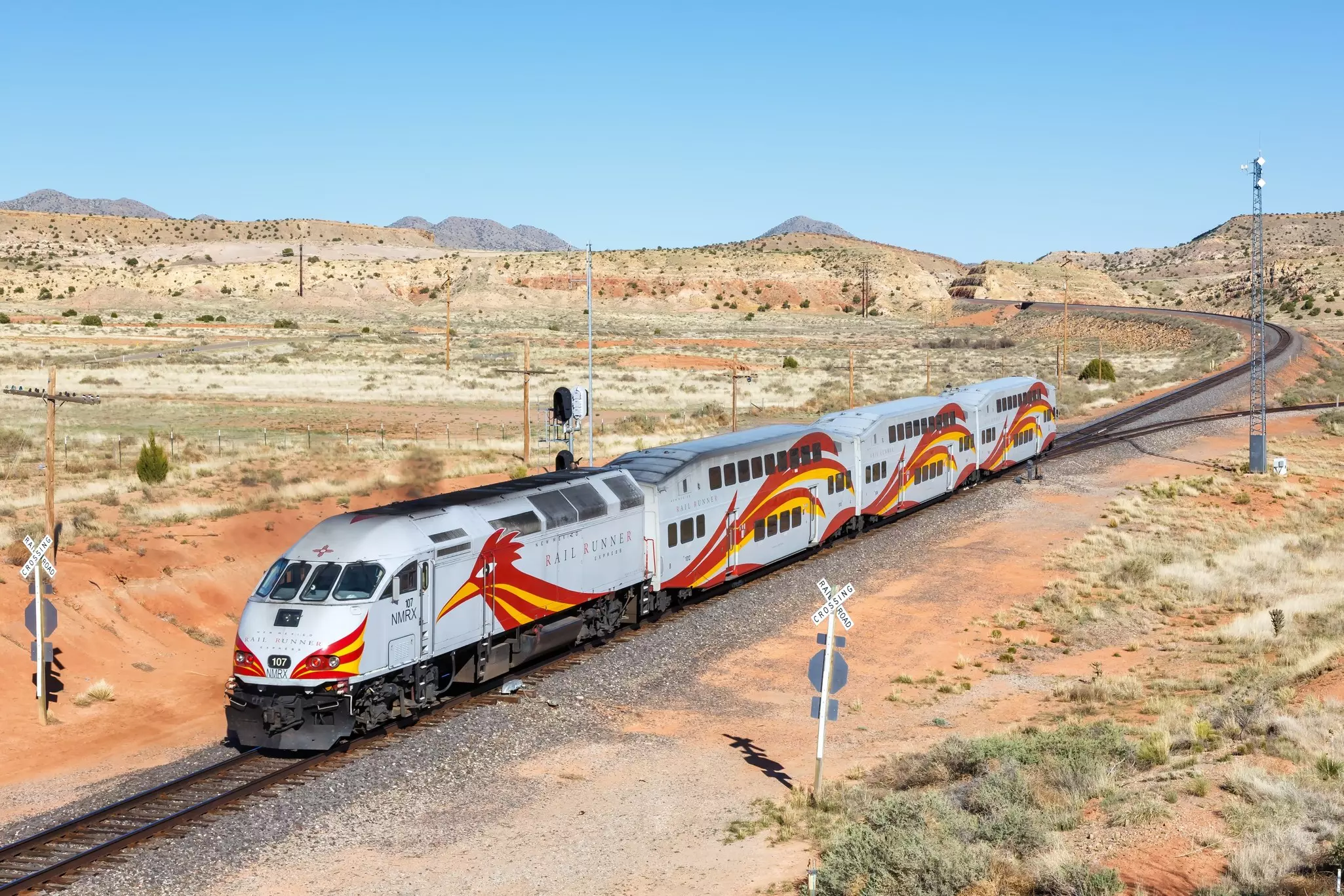
Albuquerque International Airport and Santa Fe (SAF) are the main entry points for most international visitors. There are also several land border crossings into Mexico in the south of the state.
Amtrak runs train services including daily departures on the Southwest Chief between Chicago and Los Angeles, stopping in Raton, Las Vegas, Lamy (for Santa Fe), Albuquerque and Gallup. The Sunset Limited route stops in Deming and Lordsburg on its way from Florida to Los Angeles, with three departures a week.
New Mexico is the fifth largest state and the best way to travel around it is by car. It’s a vast place to navigate from point to point, with lots of remote state parks, small towns worthy of a visit, and attractions in remote locations, not to mention gorgeous scenery. If going off the beaten track, consider an SUV or 4WD vehicle for handling dirt roads.
Limited Greyhound bus routes run between key destinations in New Mexico, including Las Cruces, Roswell, Albuquerque and Tucumcari, but buses usually only stop at bus stations at the main hubs. Cities also operate local bus services, for example Albuquerque’s ABQ Ride, which is free to use.
The desert is only part of the package when you visit New Mexico. Other draws include Native American culture, dramatic mountain landscapes and vibrant cities such as Albuquerque.
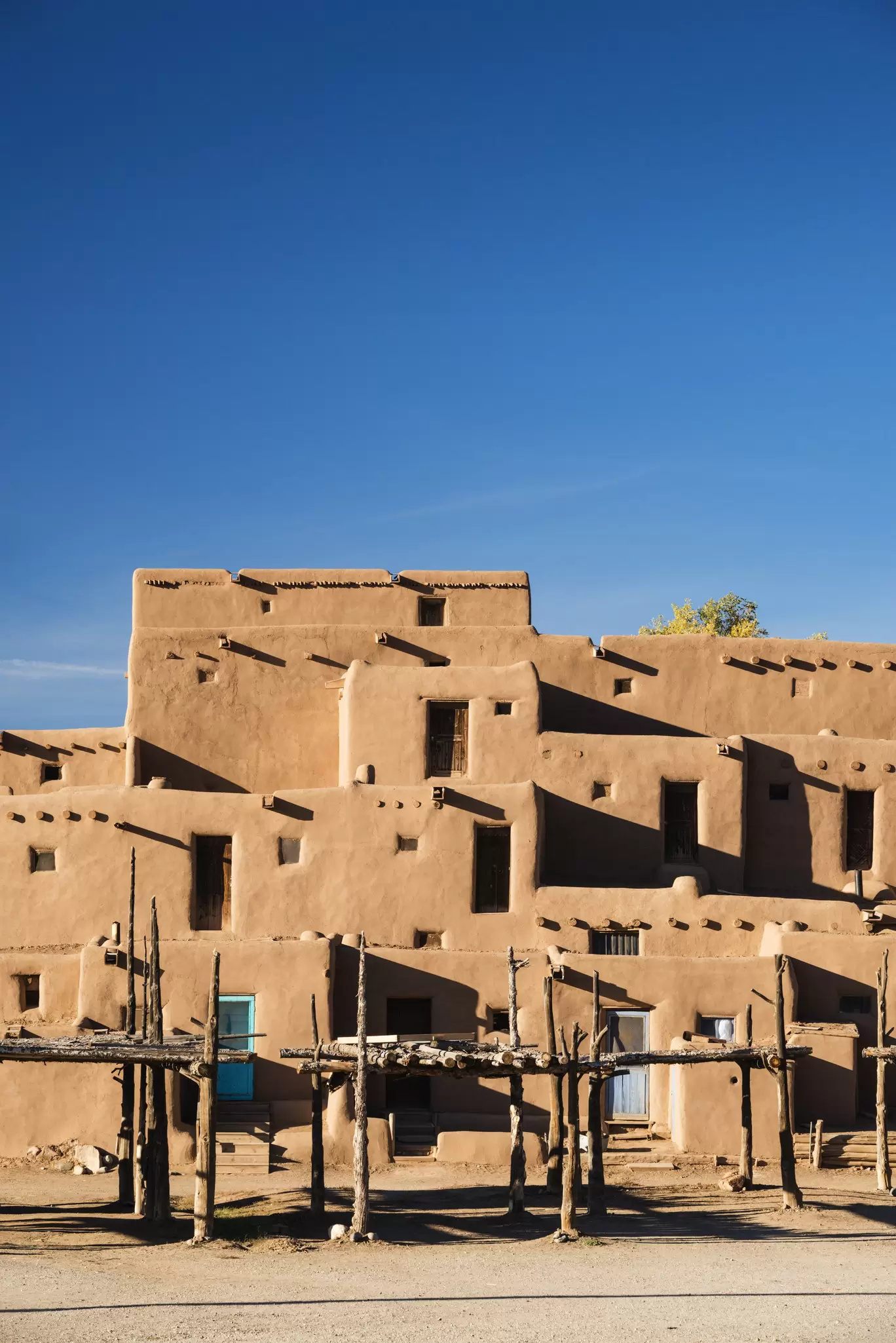
Dive right into the Indigenous culture of New Mexico in Taos Pueblo, a living Native American community with both UNESCO World Heritage Site and National Historic Landmark status, set in northern New Mexico’s high desert near the city of Taos. Among the adobe buildings are more than 70 art galleries, and there's a great local food scene and a world-class ski area nearby.
To the southwest of Taos, the stunning Bandelier National Monument is filled with ancient Pueblo dwellings and other ancient structures dating from between 1150 and 1600. A visit offers the chance to climb high ladders and step inside abandoned rooms hollowed into high rock faces.
To the northwest of Bandelier National Monument, the terrain completely changes from rocky valleys punctuated by desert dwellings to huge mountain meadows – including the one in the stunning 13-mile-wide Valles Caldera in the Jemez Mountains, which was created 1.4 million years ago when a supervolcano erupted. Now it’s a fascinating geographical area with an abundance of volcanic features, including hot springs and boiling sulphuric acid fumaroles.
Go on a road trip along one of New Mexico’s 25 scenic byways, crossing almost 3000 miles of jaw-dropping vistas intercepted by small towns once home to gunslingers and coal miners. The 52-mile Turquoise Trail, going from Santa Fe to east of Albuquerque, is one of the best. Look out at juniper-dotted hills, take hikes to historic mines and historic frontier towns – including Cerrillos and Madrid – and shop for arts and crafts before eating at excellent places that punch above their weight.
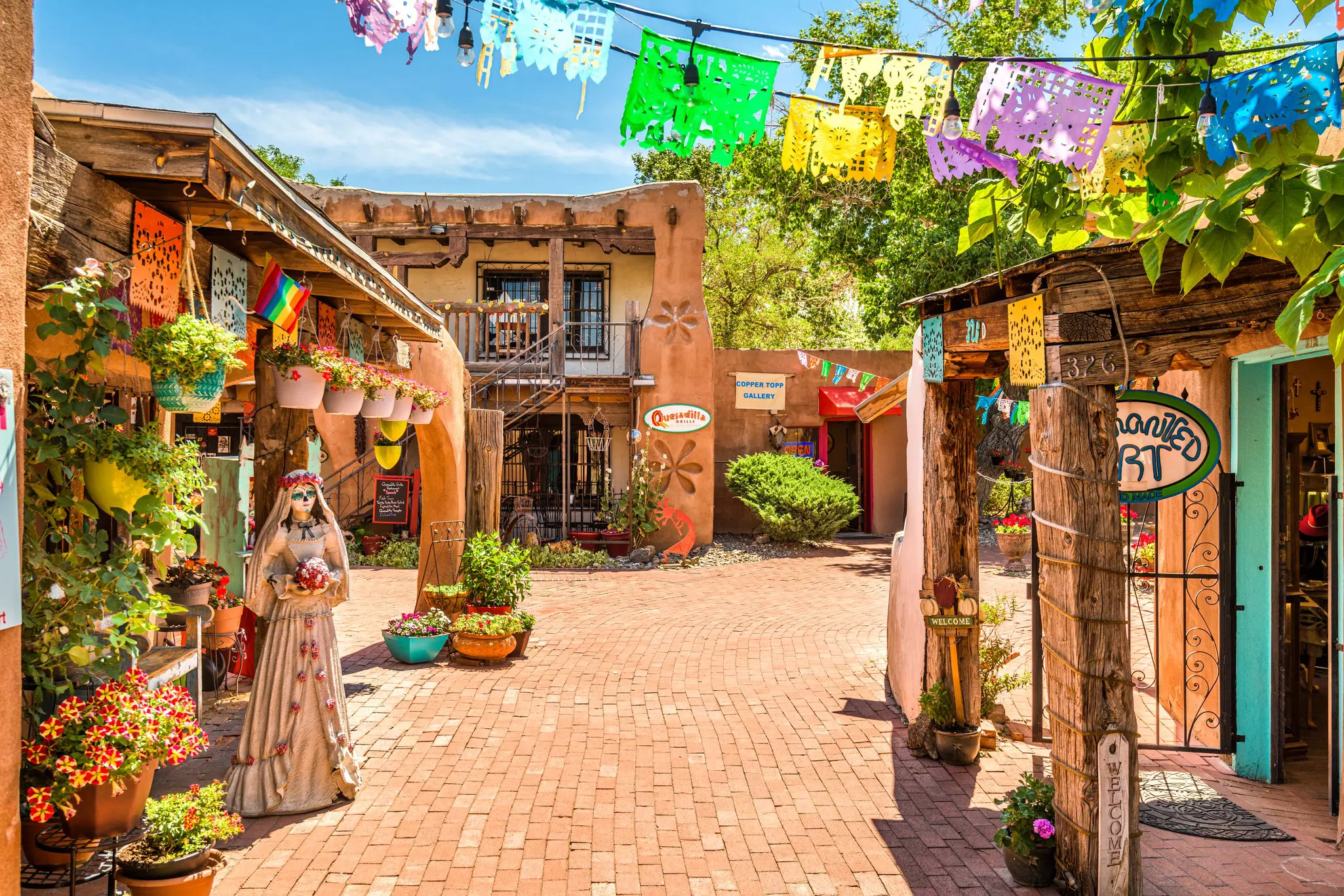
In Albuquerque, spend a morning wandering the Old Town, home to 150 independent restaurants and boutiques, plus the Rattlesnake Museum with more than 80 snakes and venomous spiders (some 10 species of rattlesnakes can be found in New Mexico).
Make sure you set aside some time to explore the nearby Sandia Mountains, which can be ascended by numerous trails or via the 2.7-mile-long Sandia Peak Tramway, the longest in the US, which climbs to Sandia Peak's 10,378ft summit.
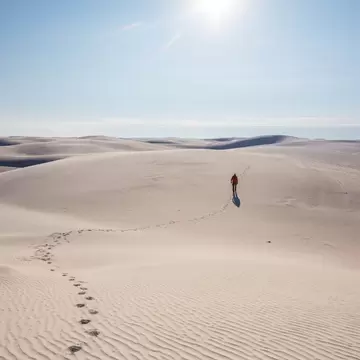
White Sands National Park in the southeast of the state, just over 200 miles southeast of Albuquerque, is a field of white sand dunes, composed of gypsum crystals. Its dune field is the largest of its kind found on Earth, with some mounds reaching 60ft tall. Visitors can hike on the five designated trails and go sand-boarding on the dunes.
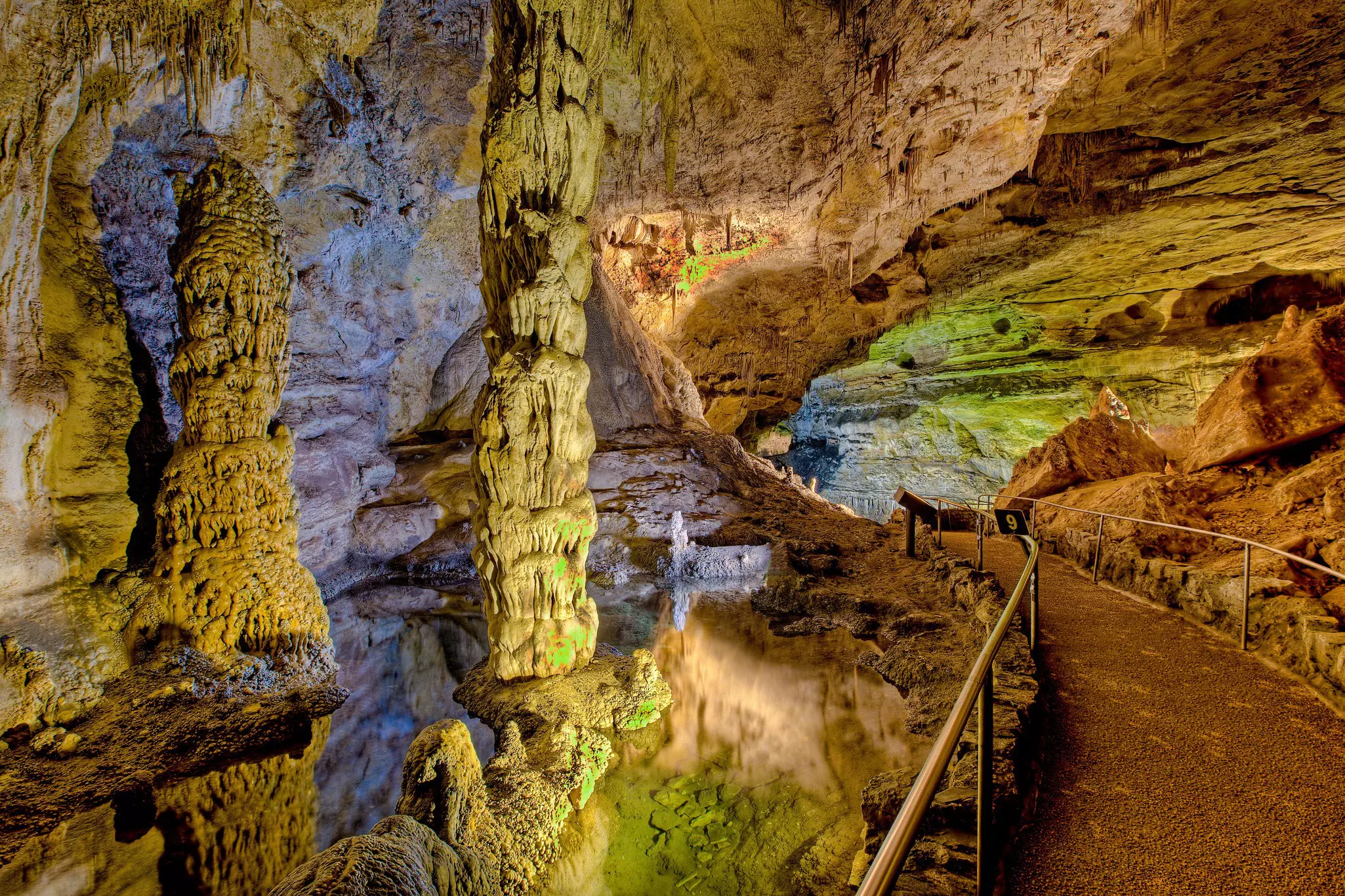
At more than 30 miles long and 1027ft deep, Carlsbad Caverns, in the southeastern corner of New Mexico, may be out of the way of other attractions in New Mexico, but it shouldn’t be missed. Descending 800ft into the caverns is an eerie experience, with cathedral-sized chambers full of lit-up, skyscraper-high stalagmites and stalactites that drip down from every crevice. This marvelous underworld has to be seen to be believed.
Expect to spend around $175+ per day if renting a car, eating out and staying in hotels in New Mexico. Outdoor attractions and museums are often free or inexpensive – there are 15 national parks in New Mexico so it pays to get an annual park pass ($80) if you plan to visit three or more parks. If you expect to go to a lot of museums in New Mexico, check out applying for a museum membership as it may save you money on admission to 15 museums and historic sites around the state.
Motel room: $90–200
Self-catering apartment (including Airbnb): $90–300
Public transport ticket: bus rides are free in Albuquerque
Car rental: from $30 a day
Coffee: $3–8
Sandwich: from $15
Dinner for two: from $60
Beer/pint at the bar: from $7
New Mexico is one of the younger states. It’s the US’s 47th and fifth-largest state, but has a comparatively small population, ranking 36th in the US for state population size with just over 2 million residents. For comparison, California is the third-largest state in terms of area, but also the most populous state in the US, with over 39 million residents.
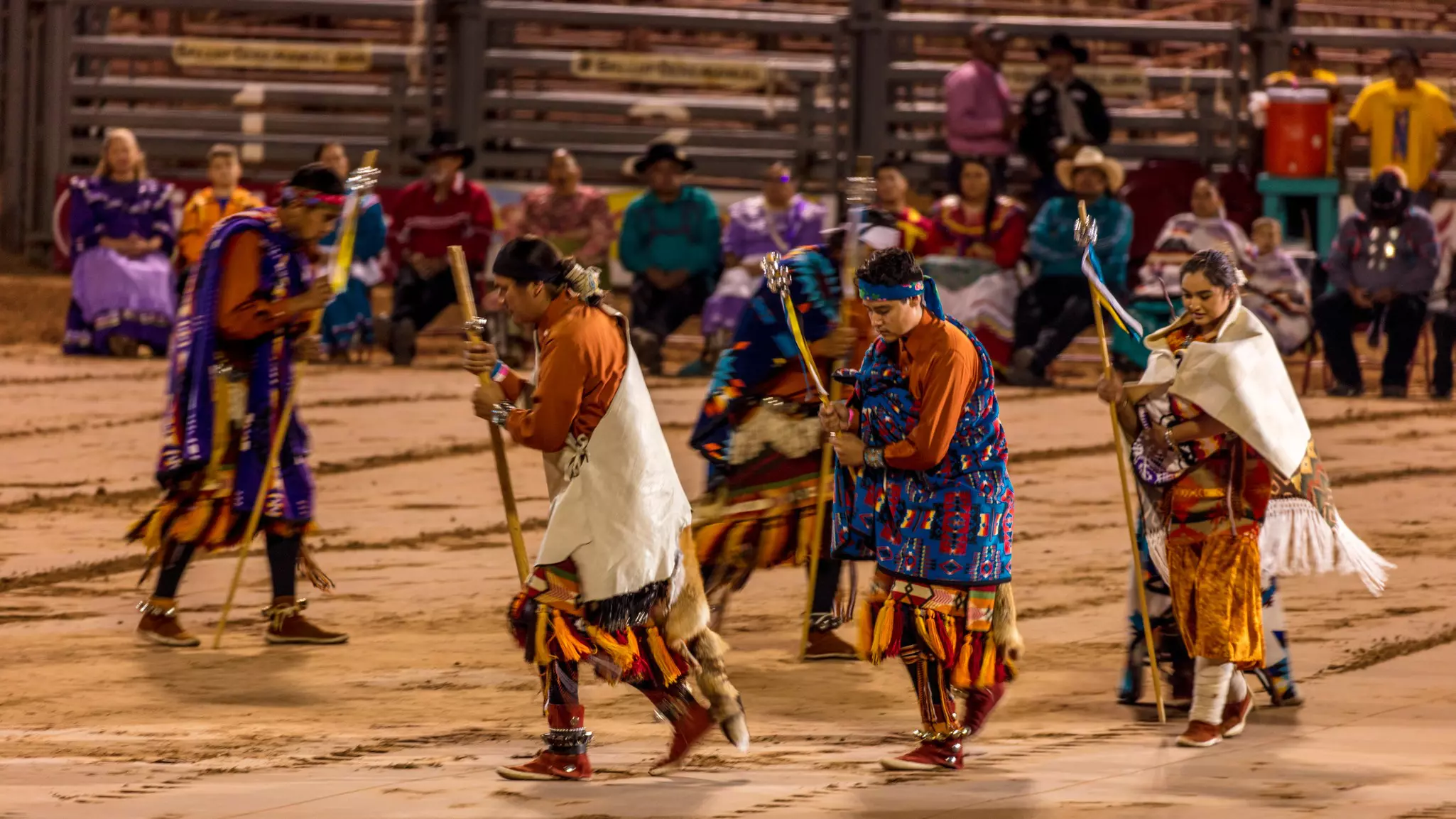
Santa Fe is the oldest seat of government in the United States. People have lived in the area now known as New Mexico for some 12,000 years. Tribes and descendants of Pueblo, Apache and Navajo people live in these lands.
Spanish explorer Francisco Vázquez de Coronado “discovered” this area in 1540 and the area was colonized by Spain, before Mexico declared independence from Spain in 1821. The US took over the land in 1848, following the Mexican-American War. As a result, New Mexico feels culturally worlds apart from nearby states.
Temperatures in New Mexico can rise to as high as 120°F (48°C) and have reached lows of −50°F (−45.5°C), but the temperature varies widely depending on where you find yourself and when. Four-fifths of New Mexico sits at a lofty elevation of over 4000ft above sea level. Santa Fe is the highest state capital at 7199ft.
Give yourself time to acclimatize when visiting and always carry lots of water in your car, and on your person if walking in the desert or at high altitudes. And wear high-factor sunscreen, particularly at higher elevations.
Those exploring the outdoors may encounter black bears, bighorn sheep, rattlesnakes, cougars, coyotes and bison – all of which may attack when threatened. The best advice is to keep your distance from wildlife and make your presence known when on remote trails.
Don’t hike alone, and do talk while on trails or carry a bear bell to alert potential animals of your presence. If you do encounter one of the above, back away slowly, or if dealing with a cougar or coyote, stand your ground and make yourself appear as large as possible, while maintaining eye contact. Never run, to avoid appearing like vulnerable prey.
Explore related stories