Sep 21, 20268 min read
A Guide to Bariloche in Argentina’s Lake DistrictSep 21, 2026
8 MIN READ

Writer
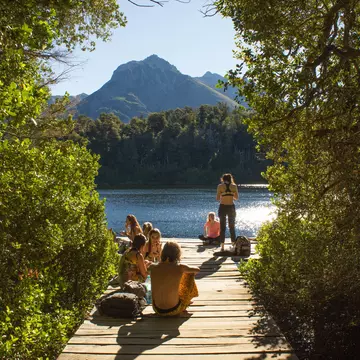
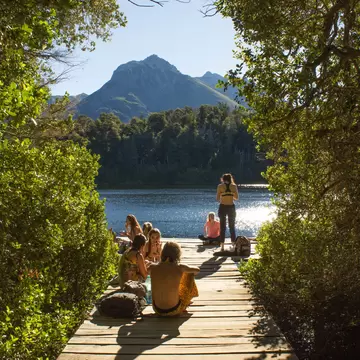
Lago Escondido in Bariloche, Argentina. Henrique Nishimura/Shutterstock

Writer
Lonely Planet may earn a commission from affiliate links on our site. All recommendations and reviews reflect our own independent opinions.
Bariloche is many things: an adventure hub on the edge of Parque Nacional Nahuel Huapi, a chocolate lover’s fever dream, and where many scientists (and a few WWII criminals) ended up. Known as the Gateway to Patagonia and one of the biggest cities (that still feels like a small town) in Argentina’s Lake District, people here get on the water as much for extreme sports as for natural beauty and mystery – you might even see Naheulito, a Loch Ness–like monster lurking in the depths of Lago Nahuel Huapi.
It’s easy to spend time in Bariloche, especially when summer days are long, and everyone heads to the lakeside beaches. And for those who want to go further south (to what some consider real Patagonia) or up north to the land of dinosaur bones, volcanoes, and vineyards, the city is an ideal launching point to begin travels in Argentina outside of Buenos Aires.
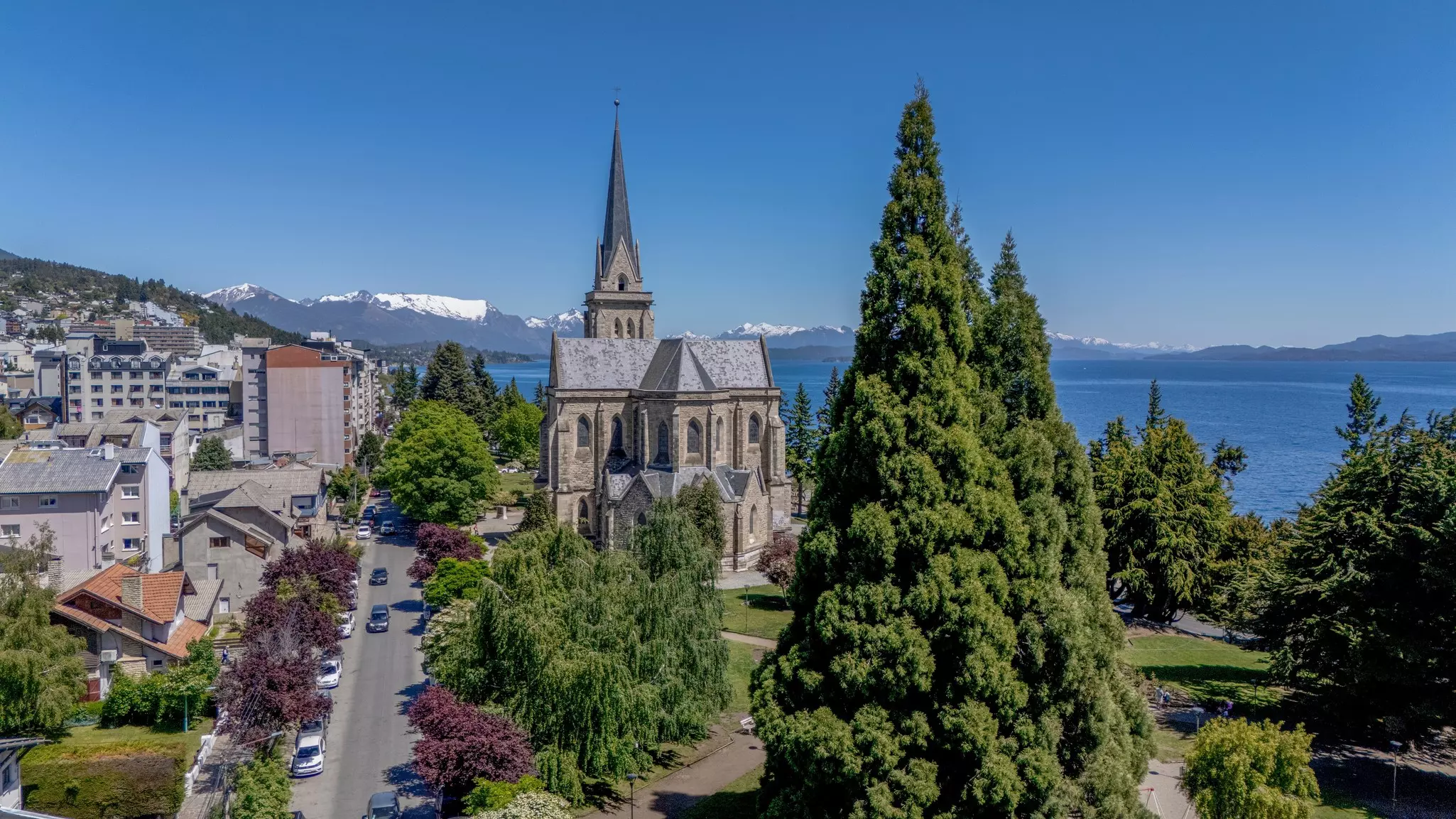
Bariloche in the summer (December through February) is optimal for water sports and hiking. However, January is the peak month for domestic tourism. March is the best time to visit for good weather, less-crowded trails and budget-friendly accommodation rates. Ski, snowboard or snowmobile at Cerro Catedral in winter, but avoid the last two weeks of July, when Argentine schools are on winter holiday. The offseason months of April and October are also worth a visit; that's when the National Chocolate Festival and Bariloche’s restaurant week are held, respectively.
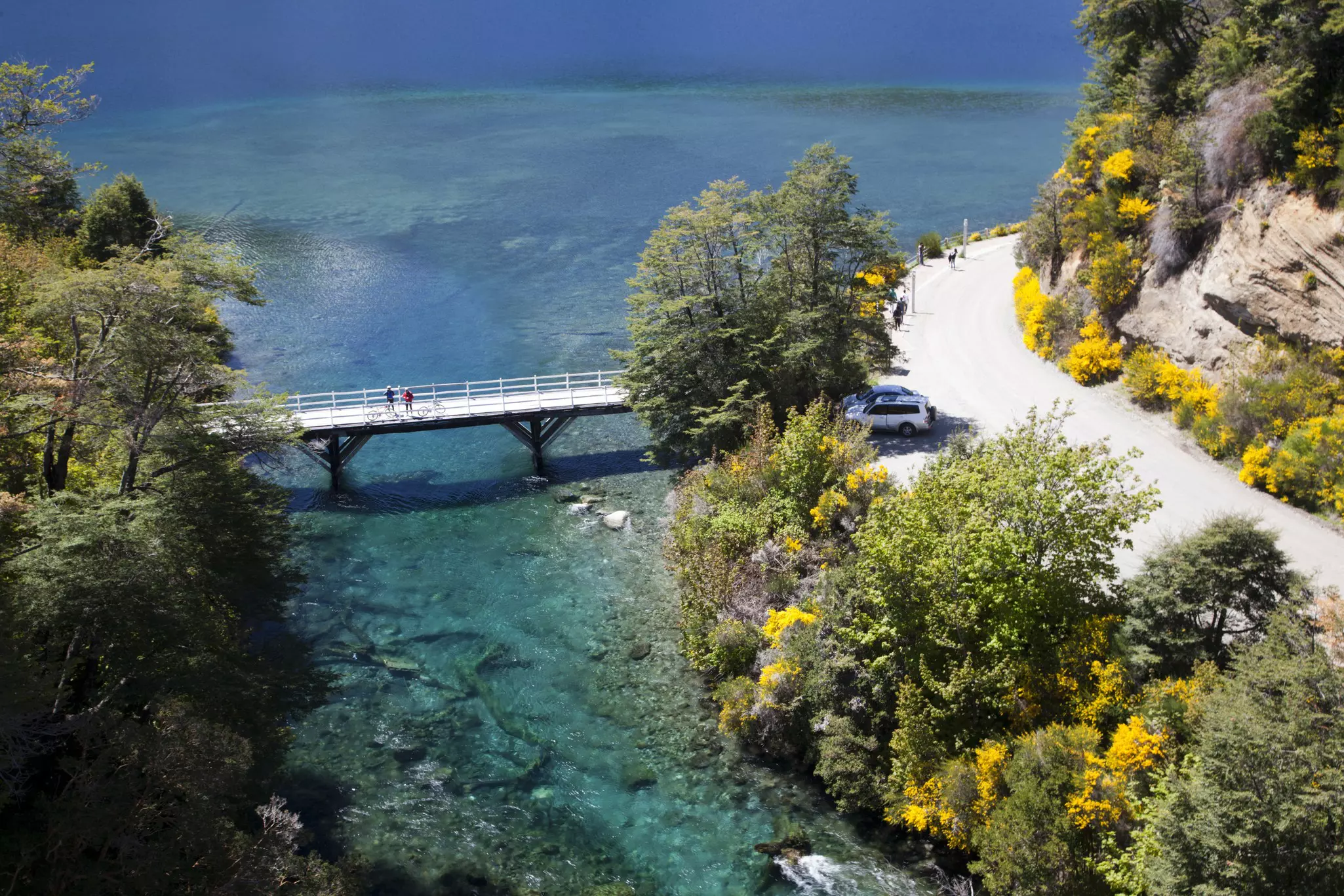
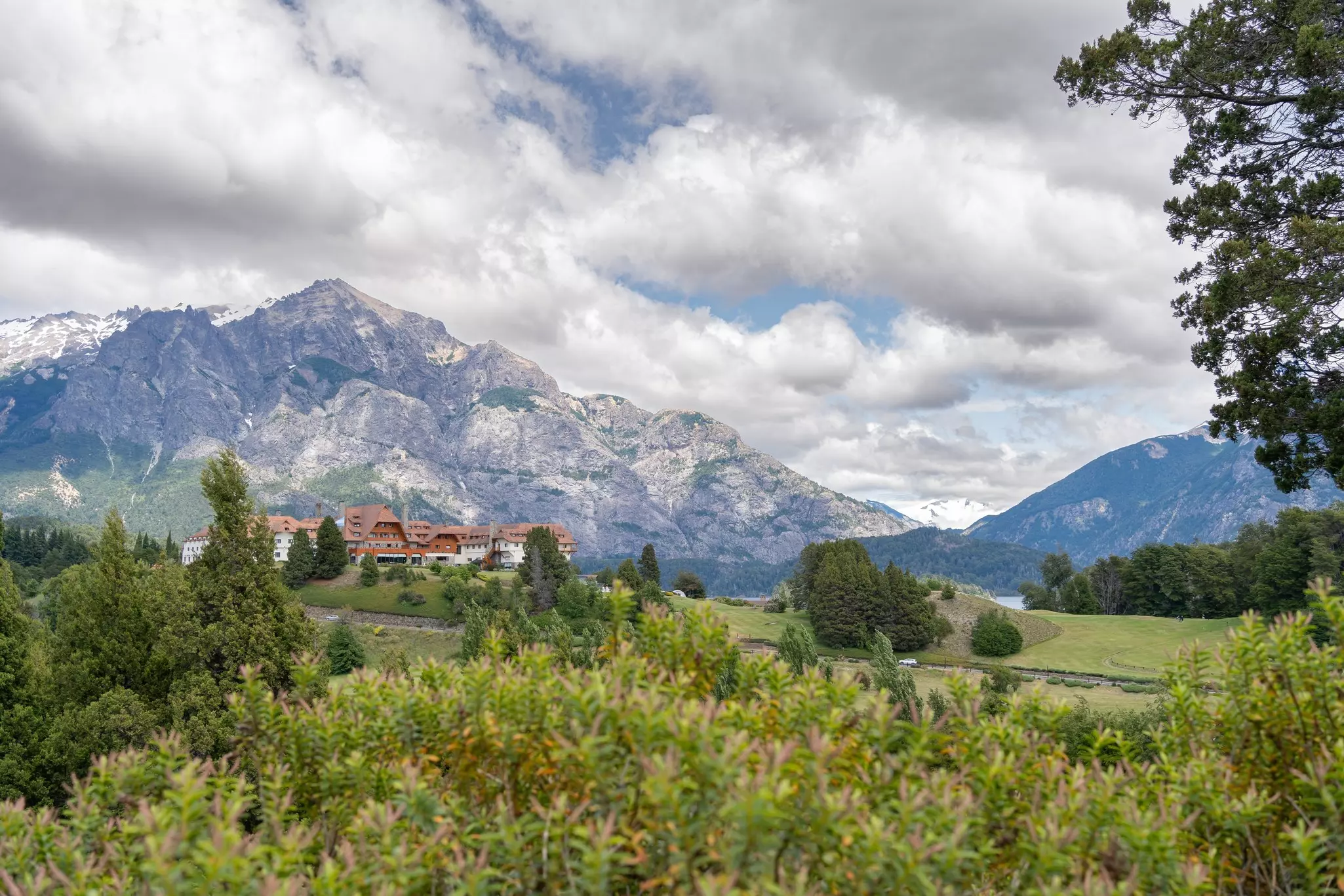
Plan for a week in Bariloche. Drive the Circuito Chico one day, then spend the day swimming or kayaking at one of the lakes. Allot one or two days for hiking and a day for rock climbing. Plan a day in town to shop for artisanal goods and chocolate, then visit a museum or take a history tour. Spend your final day relaxing on a boat tour casting off from Puerto Panuelo, or head up the hill from the dock for high tea at the Llao Llao Hotel.
Bariloche is easy to reach, with daily direct flights from Buenos Aires. Long-distance buses also connect Bariloche to Buenos Aires and regional hubs. From the airport or bus station, a quick taxi or bus ride can get you to the center.
Renting a car to get around will give you the most freedom to explore, reach trailheads and find wild swimming spots, but it isn’t necessary to have one. Bariloche has a reliable bus system that uses SUBE cards, just like Buenos Aires. Multiple remis (chartered car) companies and taxis service the city. Private day tours and bus transfer companies, like Transitando Lo Natural, can take you to trails within Parque Nacional Nahuel Huapi.
Since only two main roads go through Bariloche, it’s common to hitchhike. However, hitching is never entirely safe, and we don’t recommend it. Travelers who hitch should understand that they are taking a small but potentially serious risk.
Bariloche is also very walkable (though steep) and a popular stopping point for cyclists biking the length of the country.
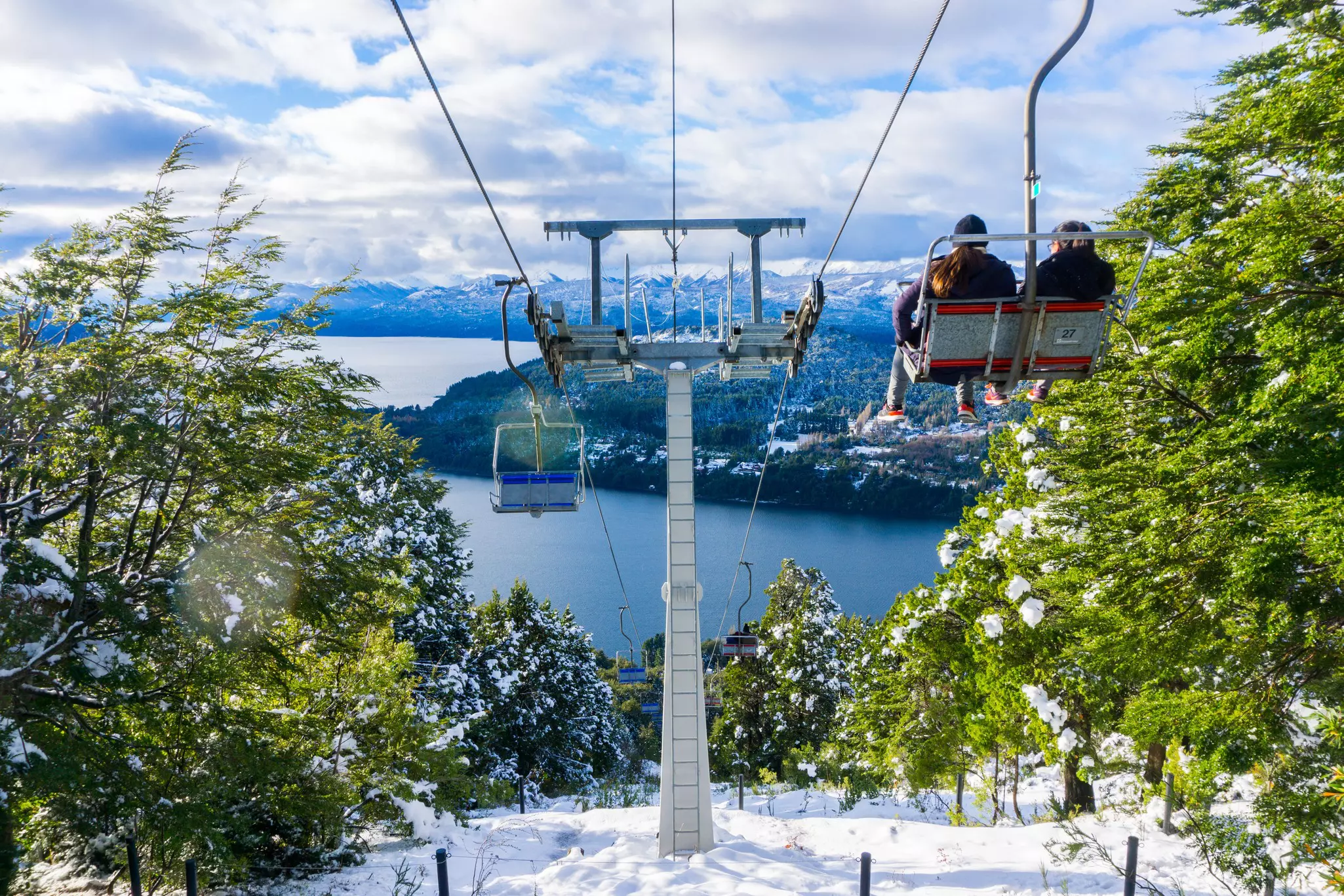
Often the first stop for day-trippers on the Circuito Chico, the top of Cerro Campanario can easily be reached by chairlift or hiking the zigzagging dirt trail to its 1050m summit. The ride takes about 10 minutes and is more enjoyable than the trail. As you climb, views of Lago Nahuel Huapi broaden, as do those of the forest below. At the top, you can see Lago Moreno, Laguna El Trébol, part of Colonia Suiza and the province of Neuquén. Deep blues jut up against the dark greens of the landscape and the striking white crests of waves cast by boats cruising along the water. Though there’s a cafe, it’s better to bring your own snacks and make a picnic at the top.
Just across the shore from Lago Nahuel Huapi’s Playa Bonita sits the site of a former failed nuclear fusion project. Headed by Austrian-German scientist Ronald Richter, President Juan Perón funded it in 1949. Richter overpromised and underdelivered, resulting in the project’s defunding several years later. All of the bunkers, reactors, and housing for the project were abruptly left. The parks department then began managing the island and developed trails, a canteen, and informational placards about the history of the place, but it too abandoned the island.
Today, the island isn’t formally managed. Reach it by booking a day tour in the summer with Planeta Kayak. As you paddle, you'll see cormorants and a sunken boat just off the shore. Once there, walking through the graffitied buildings and reactors overgrown with forest feels like entering a secret garden.
While it’s possible to kayak to the island without going on a tour, the lake’s winds and whitecap waves can be unpredictable and even deadly. Going on a tour is highly advised. Never paddle on the lake solo when going away from the shoreline.
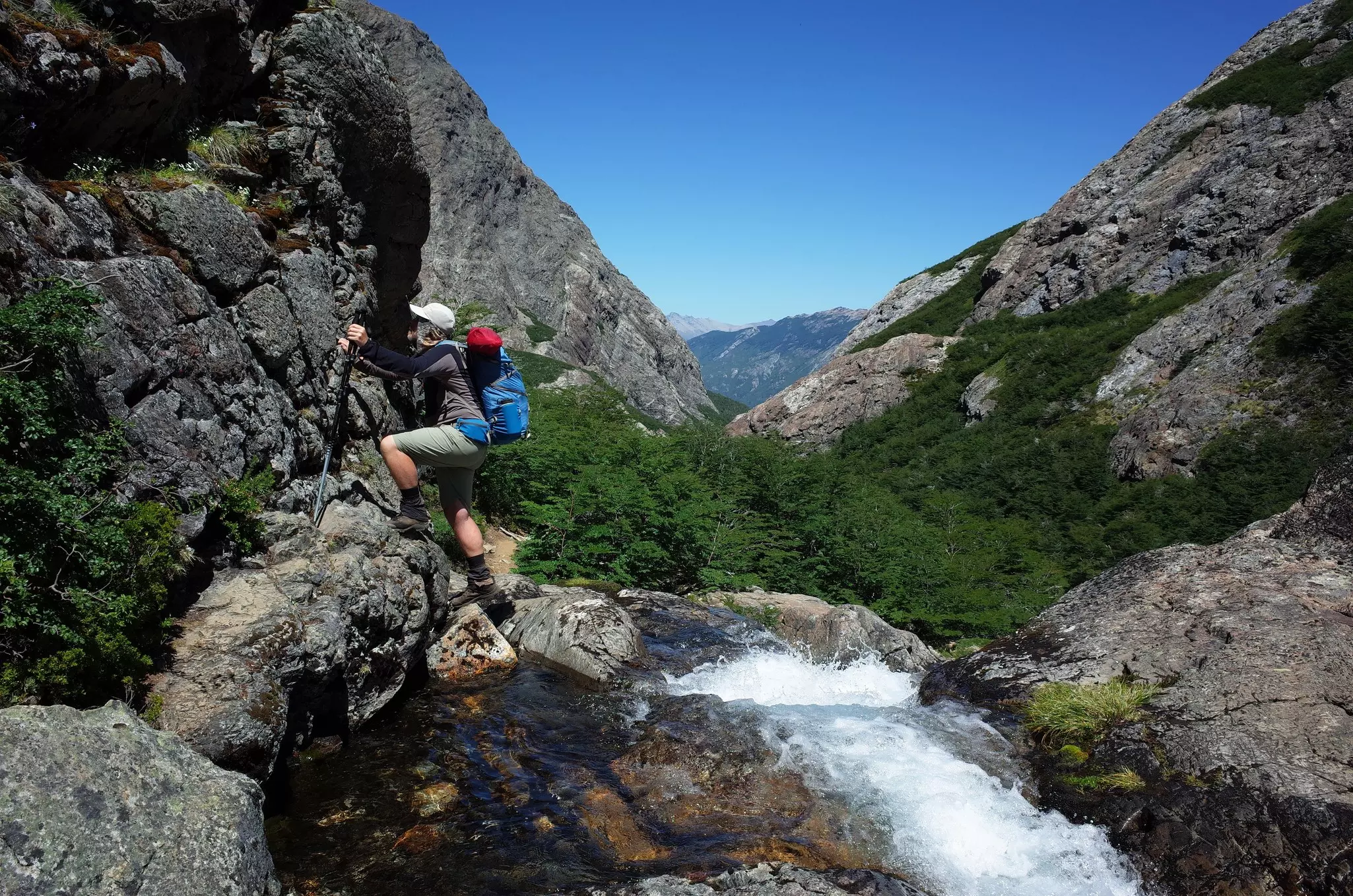
Parque Nacional Nahuel Huapi spans 7050 sq km and contains hikes for every ability and age. The Cascada de los Duendes (Dwarf’s Waterfall) by the park’s entrance near Lago Gutiérrez can be hiked in under 15 minutes, while the multi-day hut-to-hut trek of Refugio Frey to Refugio Lopez (accessible via the same park entrance) winds past meadows, glacial lakes, and some of the park's most famous peaks. One of the lesser-known treks on private land (but still in the national park) is Cerro Las Buitreras, for seeing condors and holey, which are mushroom-shaped rocks. Contact the owners, Estancia La Lucha, via WhatsApp at 54-9-2944-597230 for opening hours.
Bariloche has become a climbing hub in the past dozen years or so, since several experienced locals have bolted hundreds of routes in the surrounding mountains. The Argentine military’s mountain division even trains here. Bring your own gear, and grab a local route book from JG Deportes on Diagonal Capraro if you’re an experienced climber. Several places rent gear, like Entropia Escalada. Beginner climbers can take a course with Entropia, or hire certified private guides like Pablo Pontor of Parapente BRC and Luciano Fiorenza of PATAGuides.
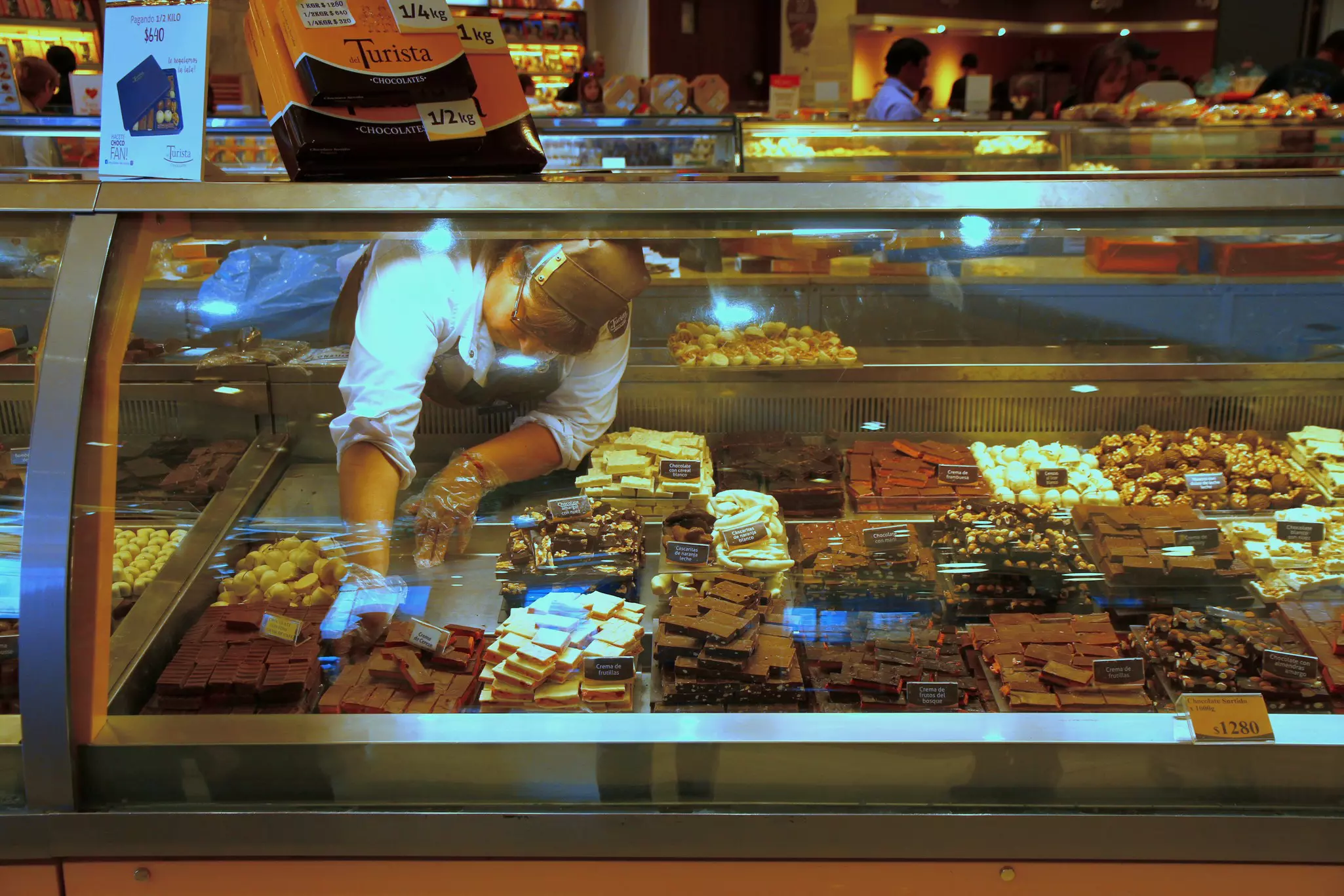
I love Bariloche’s chocolate shops. Most of them are located on Calle Mitre, and I recommend trying a different one every day.
If I go on a hike, I take marroc (a peanut butter and chocolate bar) with me, and in the evenings, I like a late-night hot chocolate. Rappanui and Mamuska’s both have chocolate counters where you can build your own chocolate boxes, and Chocolates Torres offers seasonal, animal-shaped chocolates like bunnies, reindeer and kangaroos filled with dulce de leche. Best of all, Rappanui has Bariloche’s only skating rink behind its ice cream bar. I usually get waffles with Chantilly cream and strawberries, or with marroc hot fudge, and sit at a rinkside table to watch people trying to learn how to skate – guaranteed entertainment.
Bariloche is more expensive than Buenos Aires but less expensive than tourist hubs further south, like El Chaltén. It’s one of the most popular cities in the Lake District for international and domestic tourists and remote workers – and the prices reflect that. An exception to this is car rentals, which tend to be a better value in Bariloche than most places in Argentina, especially in Patagonia. Free day hikes, wild swimming spots and easy-to-access rock climbing routes make up for high food and accommodation costs.
You can sometimes get 10% off meals or services if you pay in cash, even at the finer restaurants. Most businesses accept debit or credit cards. Accommodation prices drop in the fall and spring, but not all activities will be accessible and not all restaurants will be open then.
Night in a midrange hotel room for two: from 134,000 Argentine pesos (AR$)
Night in a hostel dorm bed: from AR$21,000
Night in a private room at an Airbnb: from AR$80,000
Night in an apartment hotel room: from AR$85,000
Bus ride: AR$2333
Latte: AR$5500
Pint of craft beer: from AR$6000
Basic lunch: from AR$10,000
Fancy dinner for two: from AR$70,000
Hourly kayak rental: from AR$20,000
To hike to the refugios surrounding Bariloche, you will need to register your trek with the park office. Visit Club Andino to access the most up-to-date registration form. Registration is free.
However, you will need to book and pay a deposit for a camping spot or a bed in the refugio prior to starting your hike. Prices and levels of luxury vary among refugios. Always bring cash if you want to purchase extra food, as some do not have electronic payment capability.
Explore related stories