Sep 21, 20268 min read
A Guide to Bariloche in Argentina’s Lake DistrictJul 30, 2026
8 MIN READ

Writer
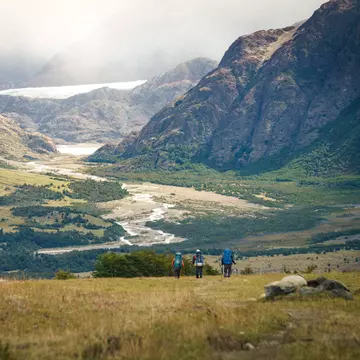
Hikers walking through valley at the first day of Huemul circuit hike, El Chaltén, Argentinian Patagonia. Jan Jerman/Shutterstock

Writer
Highlights
Writer Federico Perelmuter picks nine Argentine destinations to visit in 2026.
Buenos Aires dazzles with opera and bookstores; Mendoza's bodegas pour world-class malbec.
In Patagonia, El Chaltén's trails, Bariloche's lakes and Ushuaia reward hikers and snow lovers.
Head to Iguazú Falls, Jujuy's striped mountains, Mar del Plata's beaches or Iberá's birdlife.
Lonely Planet may earn a commission from affiliate links on our site. All recommendations and reviews reflect our own independent opinions.
A can’t-miss destination in South America, Argentina won't disappoint even the most demanding traveler. There is so much to see and do here – from the southernmost city in the world to a desert plateau, from ski slopes to rainforests, from rolling vineyards to glamorous Buenos Aires – that unless you have several months to spare, it's best to select a few destinations from this list and check whether you can go during the best season. Then head out to learn more about the eighth-largest country in the world on the ground.
To start planning your trip, download the Lonely Planet app or check out our Argentina guidebook for local tips, maps and more.
Best for a city

Whatever you want, the city of Buenos Aires has it in droves. From Anchoita, a restaurant serving the best ingredients and wine from across the country to raucous football matches almost every day, glamour and fun are never far away in Argentina's capital.
It also has the highest number of bookstores per capita in the world: Eterna Cadencia and Notanpuan are just two of hundreds throughout the city. You'll also find stalls of booksellers in Plaza Italia and Parque Rivadavia every day. If you're looking for English-language titles, Walrus Books, in the formerly aristocratic neighborhood of San Telmo, delivers. And most bookstores have at least a small section in English, French and German.
There’s world-class opera, ballet and symphonic music at the Teatro Colón, and the Museo de Arte Latinoamericano de Buenos Aires, Museo de Arte Moderno de Buenos Aires and Museo Nacional de Bellas Artes hold some of the very best art from Latin America and across the world. Avenida Corrientes, with its pizzerias, late-night bookstores and theaters is the place to go for entertainment.
Planning tip: Though Buenos Aires is lovely year-round, springtime (October and November) is a particularly unforgettable time to visit, with purple jacaranda blossoms lining the streets and generally perfect weather. Palermo and San Telmo are the best neighborhoods to stay in for their convenience and density of restaurants and other attractions.
Best for wine
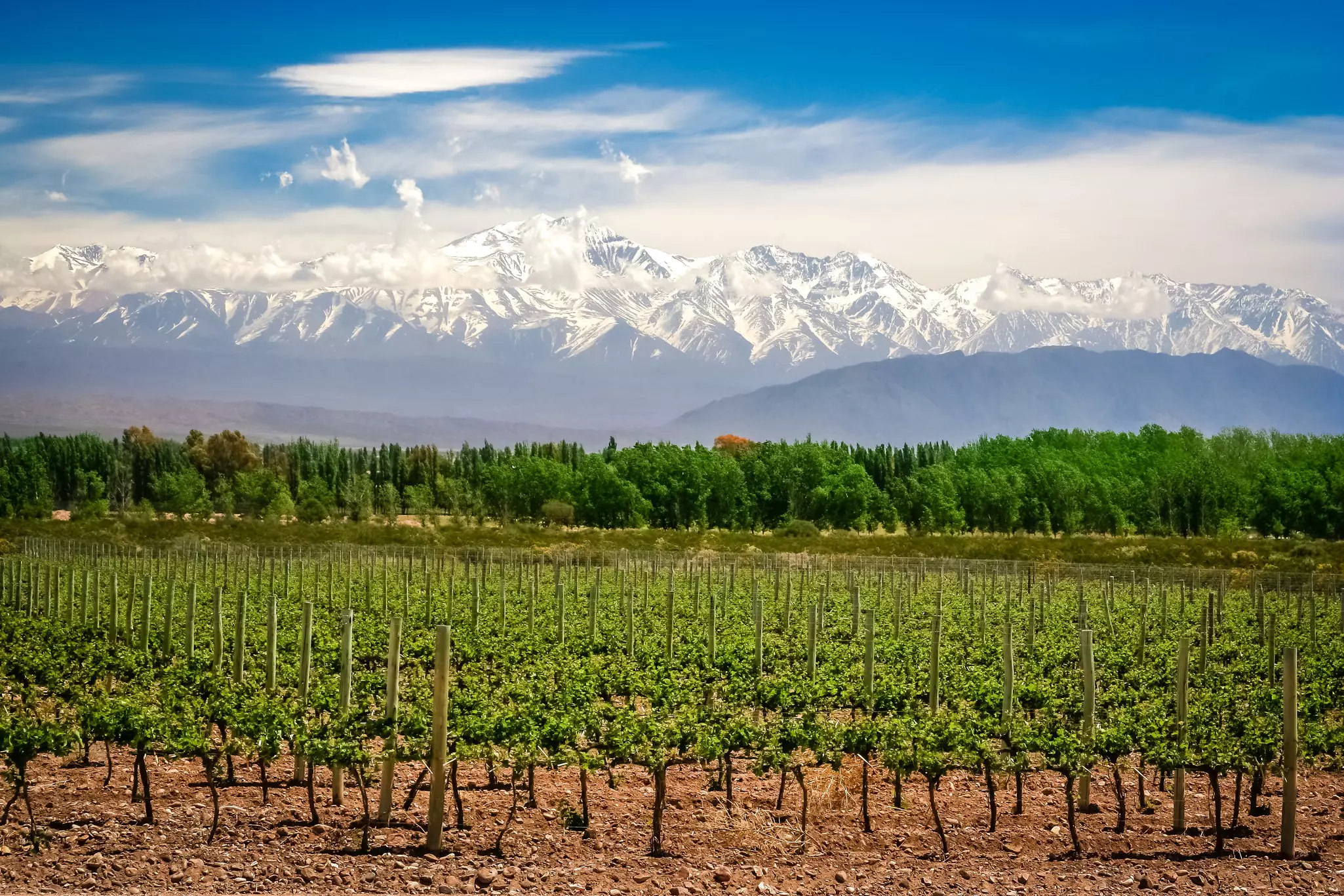
The Andean province of Mendoza, with its hundreds of bodegas and delicious malbecs, cabernet sauvignons and syrahs, measures up against just about any viticultural region around the world. It combines vineyards that offer daily tastings and workshops with some of the best cuisine in Argentina – the city of Mendoza famously scooped over half of the country's Michelin stars – and easy access to outdoor activities like rafting and hiking.
Planning tip: Bodegas and hotels fill up quickly, especially in the summer (December to February) when Argentines travel, so book at least a month in advance.
Best for hiking
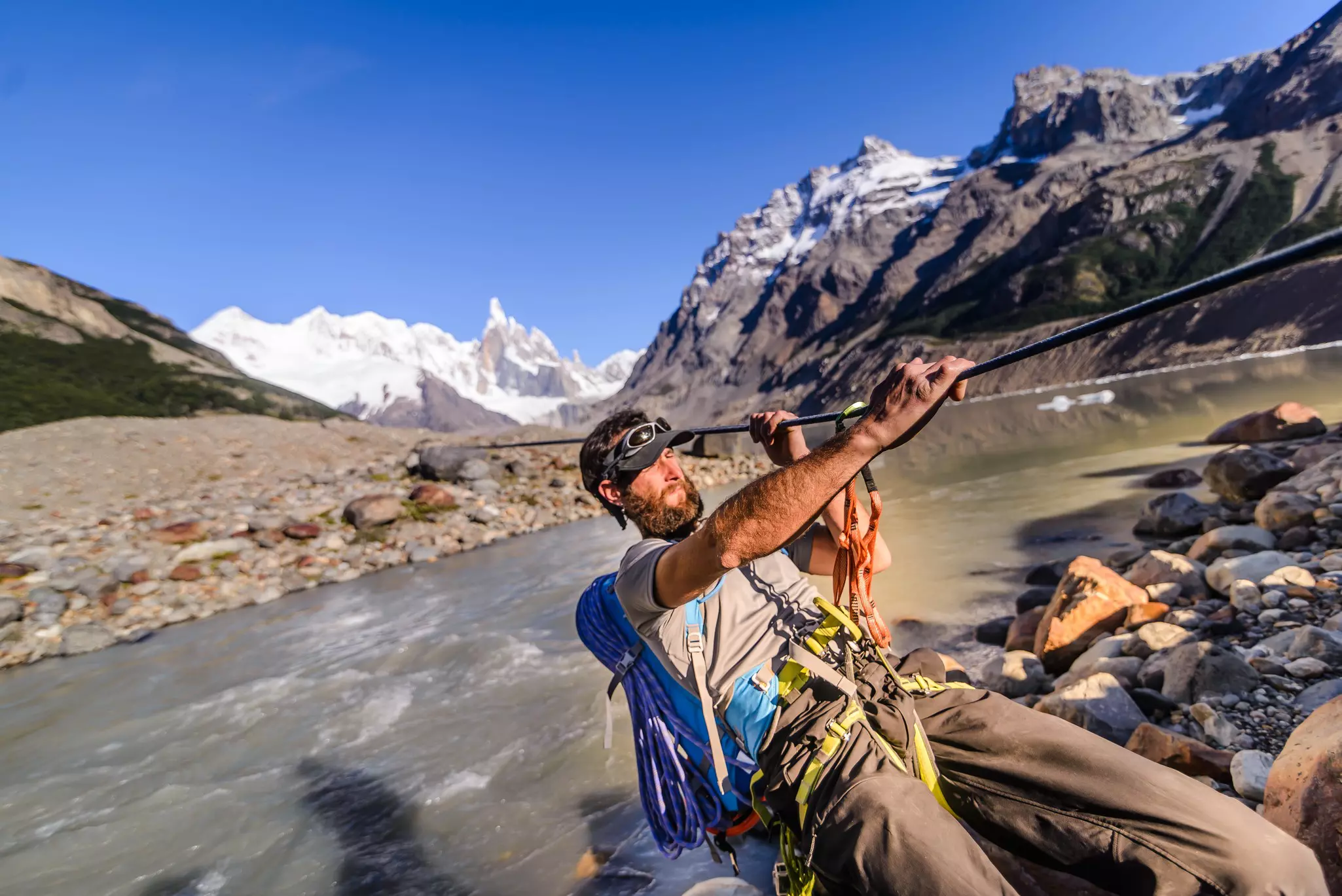
The small Patagonia town of El Chaltén, in the province of Santa Cruz, is one of the premier trekking destinations in the world. It is close to the imposing Fitz Roy mountain and the Parque Nacional Los Glaciares, so those who want to give their journey south an exploratory twist cannot miss its truly unrivaled vistas and hundreds of kilometers of hiking trails.
Inside the same massive national park, accessible through the nearby city of El Calafate, is the 60m-high Glaciar Perito Moreno, famous for the massive sheets of ice that break off near the viewing platform and into the water below.
Lonely planet’s trusted travel insurance provider
Travel with confidence. Protect your trip and your wallet.
We don’t represent World Nomads, we receive a fee from quotes using this link. This is not a recommendation to buy travel insurance.
Planning tip: Avoid going in the winter (June to August) if possible. Many trails will be closed, and the weather conditions can be inhospitable. No matter the season, pack a windbreaker – you'll appreciate having one.
Best for a beach
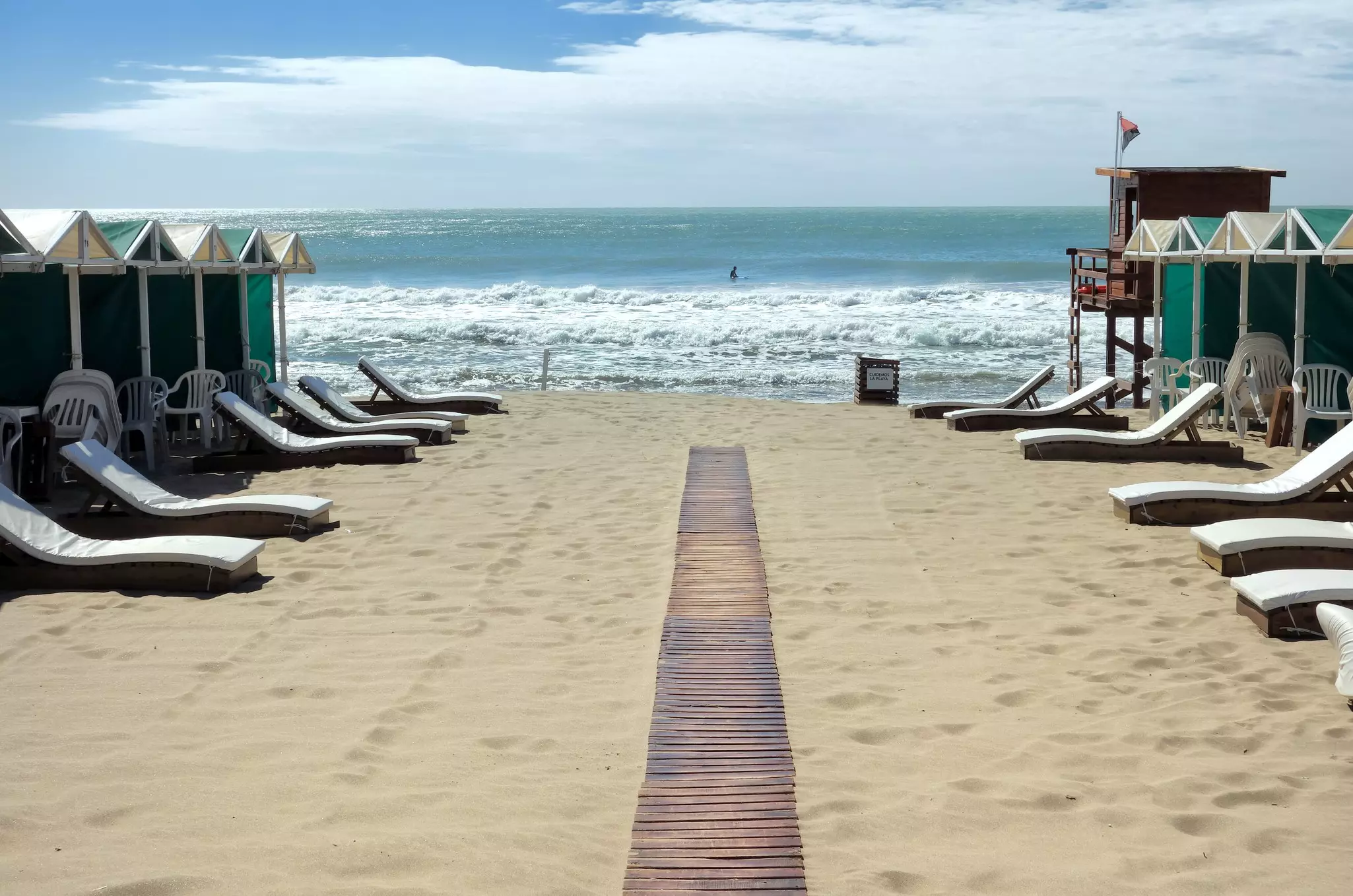
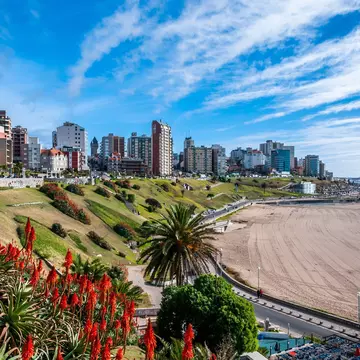
Though the country is not famous for its beaches, Mar del Plata is Argentina’s favorite summer holiday destination. Its central hotel-casino is a symbol of Argentina’s modernization in the 1930s and '40s. The city hosts an iconic film festival and is the birthplace of alfajores (sandwich cookies filled with dulce de leche). Many Argentines will happily share their beloved childhood memories of the city’s center and eating panqueques (a dulce de leche crepe) and churros filled with dulce de leche.
Planning tip: If the city is a little too much, smaller towns like Cariló are more intimate, no less beautiful and only a few hours’ drive from Buenos Aires.
Best for waterfalls
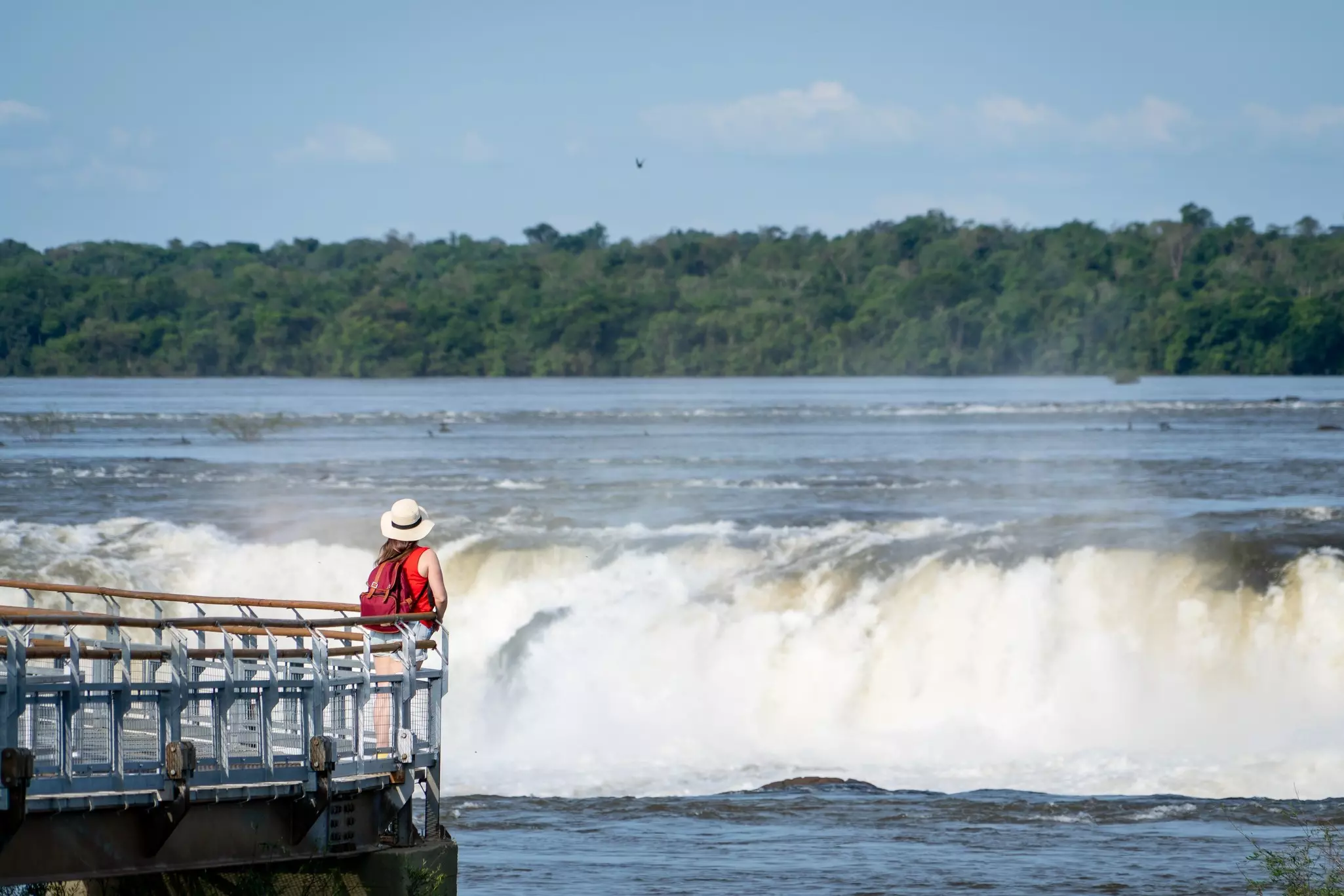
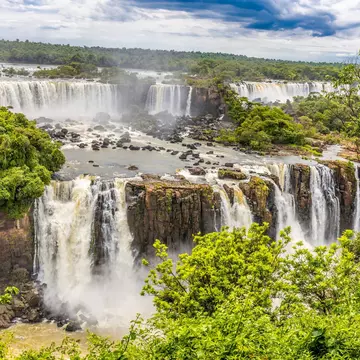
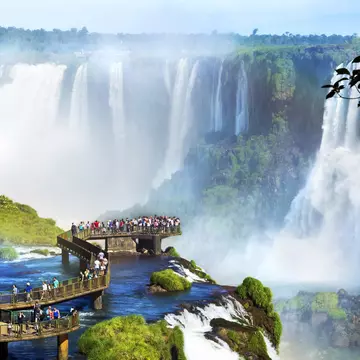
In the middle of a dense, luxuriant rainforest at the triple border between Argentina, Brazil, and Paraguay, the UNESCO World Heritage–listed Iguazú region has the most impressive network of waterfalls in the world.
Be ready to move across the Argentina–Brazil border, and don’t miss the Garganta del Diablo (Devil’s Throat), the falls’ gargantuan centerpiece. Though the central chute of the falls is technically on the Brazilian side, the Argentina viewing platform is better located.
Planning tip: Many of the attractions are on the Brazilian side. The land border between Brazil and Argentina is breezy to cross, though there’s often a line, especially around sundown – tourists sometimes cross it multiple times a day. Don't forget your passport!
Best for a lake
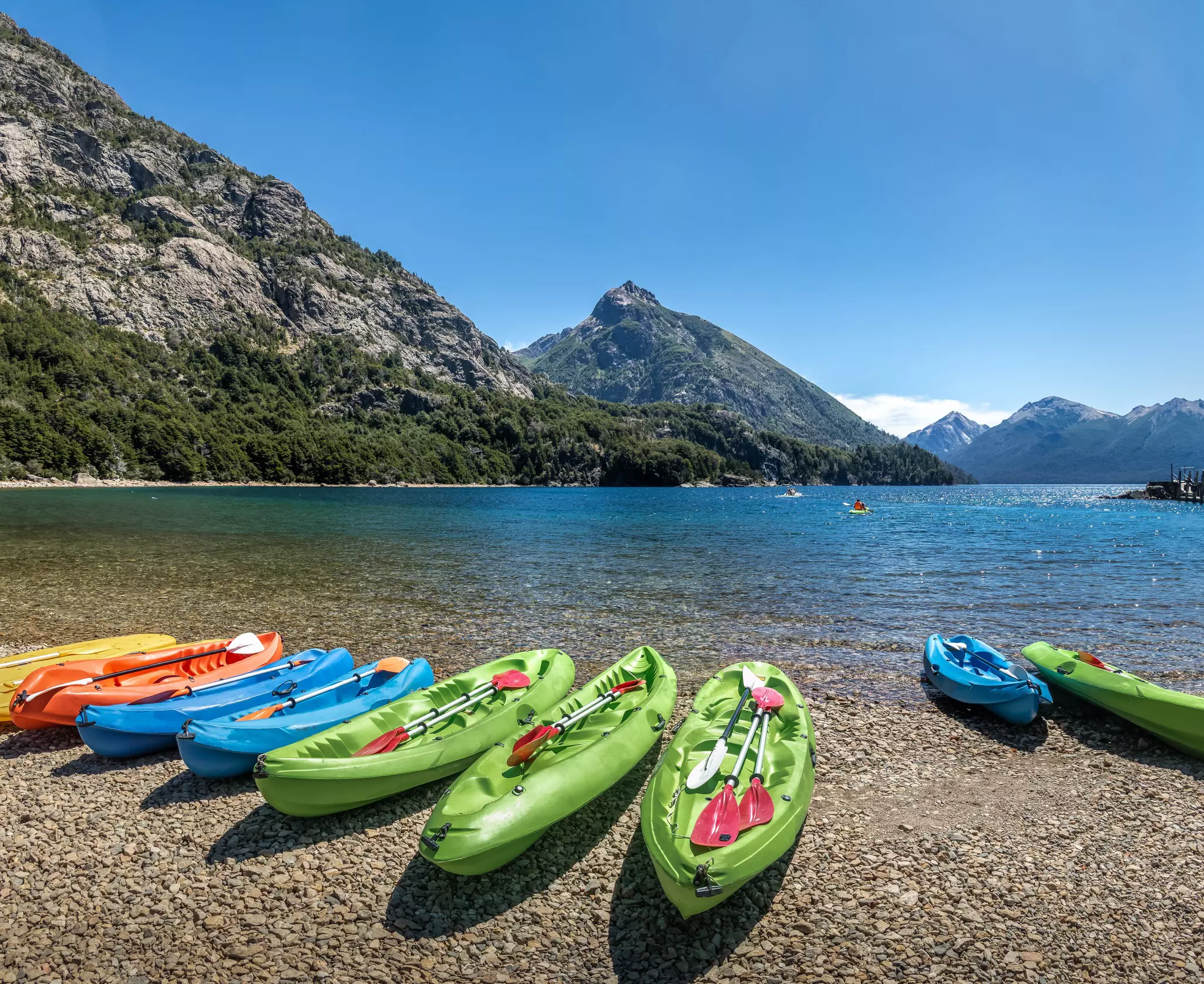
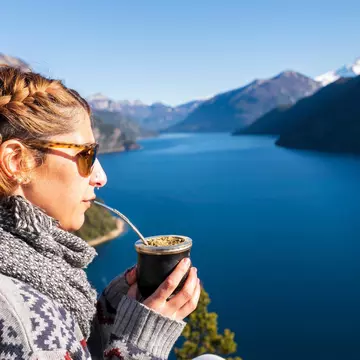
On the shores of Lago Nahuel Huapi and nested in an Andean valley, the city of Bariloche is the premier tourist destination in Argentine Patagonia. There’s no dreamier sight than temperate forests and pristine lakes hidden between the mountains.
Camping in the Siete Lagos district, organized around a road headed from neighboring hot spot Villa la Angostura to San Martín de los Andes, is a rite of passage for Argentines. And with the world’s best chocolate to boot, a trip to Bariloche is well worth your time.
Bariloche is next to Cerro Catedral, the largest winter sports resort in South America and the legendary home of winter sports in Argentina. Endless trails, an abundance of places to eat and scenic views overlooking the many lakes in the area make it a destination you cannot miss.
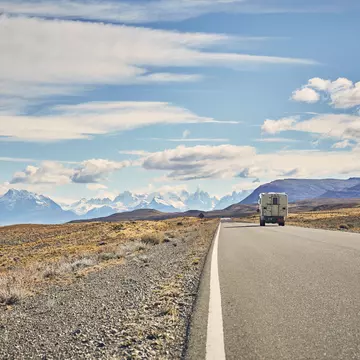
Planning tip: Drive the Seven Lakes Scenic Rd, or take the bus, for an unforgettable excursion past some jaw-droppingly beautiful lakes between Bariloche and San Martín de los Andes. This road trip takes only a few hours.
Best for mountains and salt flats
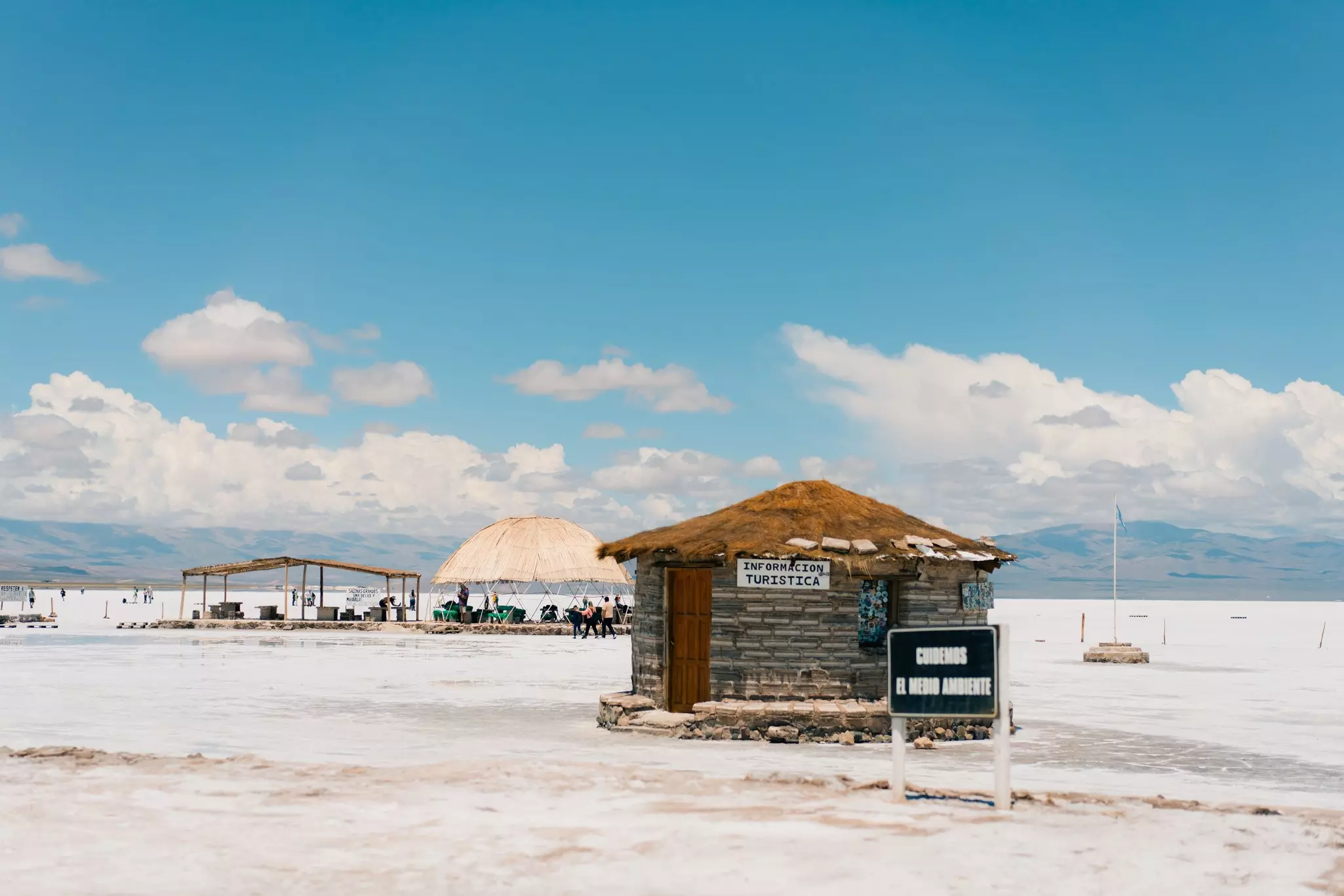
Though less famous than their Patagonian counterparts, the Andes in northwestern Argentina are just as breathtaking. Quebrada de Humahuaca in the province of Jujuy, near the border with Bolivia, has a plethora of unforgettable sights to behold, from grazing guanacos (a type of llama) to striped mountains that range in color from almost white to deep purple.
From the Hornocal mountain range’s almost psychedelic hues to the Salinas Grandes salt flats, one of the largest in the world, Jujuy will challenge your sense of nature’s possibilities. It also has the history to match, with some of the earliest evidence of human habitation in the Southern Cone and a rich Indigenous cultural influence to this day. Having been near the southern edge of the Inca empire, the Kolla, Atacama, Quechua and Omaguaca people carry on their traditions despite centuries of colonialism.
And the cuisine here is pretty great. The town of Tilcara is home to El Nuevo Progreso, an award-winning restaurant that elevates ancestral dishes like humita en chala (a mix of cheese and corn wrapped in a corn husk and steamed) and tamales to gourmet exquisiteness with avant-garde techniques. Llama meat is a unique delicacy of the region, often made into salami.
Planning tip: The Humahuaca Valley is more than 3000m above sea level, and some attractions are up to 4350m above sea level. Be prepared for the low oxygen. Locals chew coca leaves, a natural energetic, for help with the height, but candies made with coca flour are on sale everywhere in Jujuy.
Best for reaching Antarctica
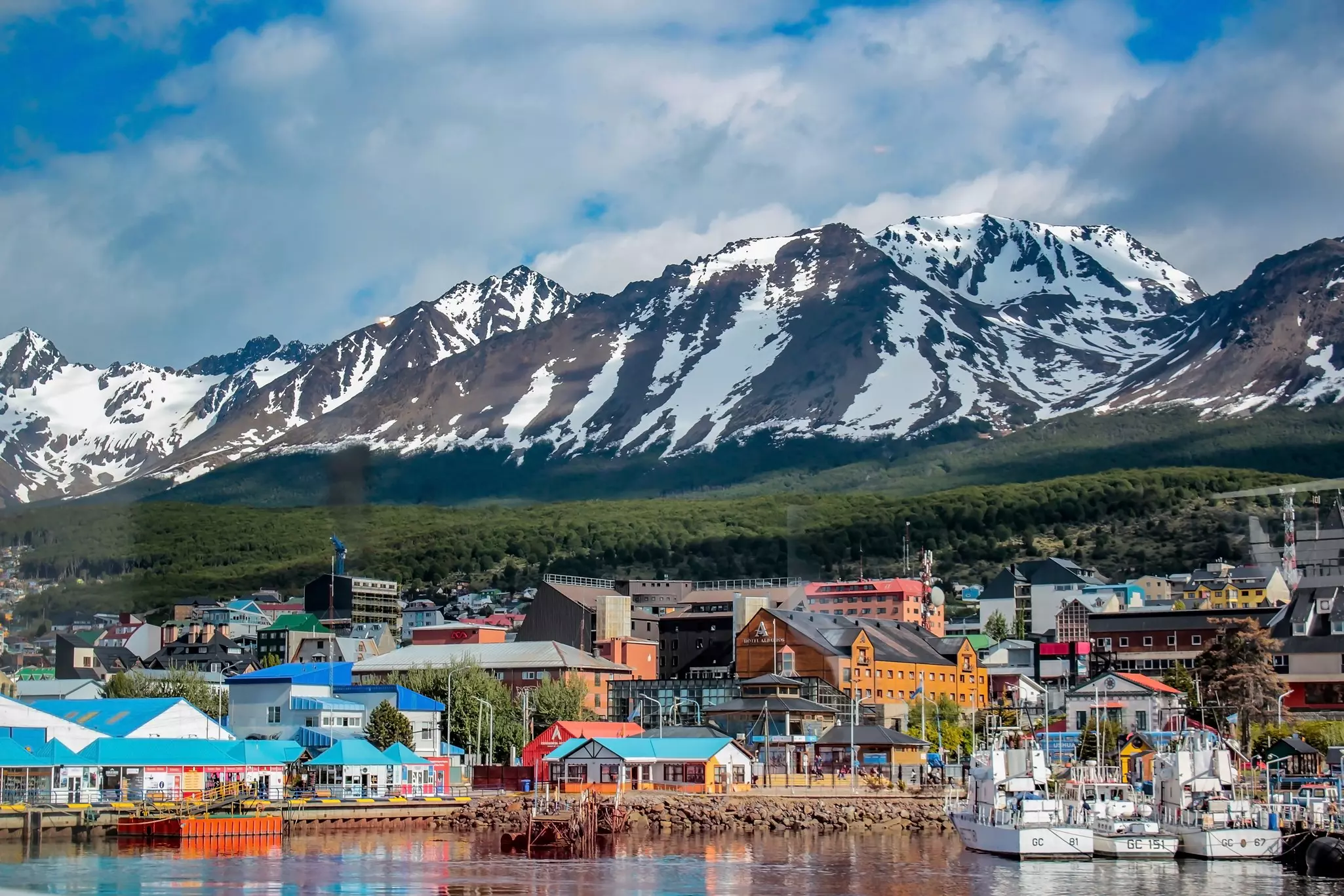
The city of Ushuaia is the southernmost city in the world. Underneath the Andes and just 1000km from Antarctica to the south, it has an austere and often stormy beauty that cannot be understated. The city is a major global nexus for hiking in the summer and draws snow sports enthusiasts to Cerro Castor Ski Resort in the winter.
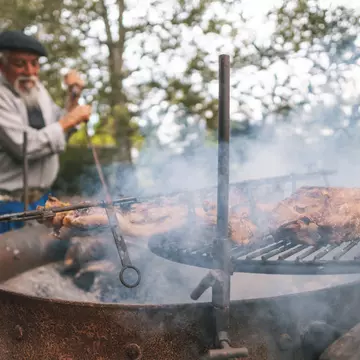
There are excellent local dishes, too, like cordero patagónico (lamb cooked low and slow over an open fire) and crab caught nearby (as fresh as can be).
Planning tip: Pack a winter jacket – even in summer, the temperature rarely breaks 15°C (59°F).
Best for bird-watching
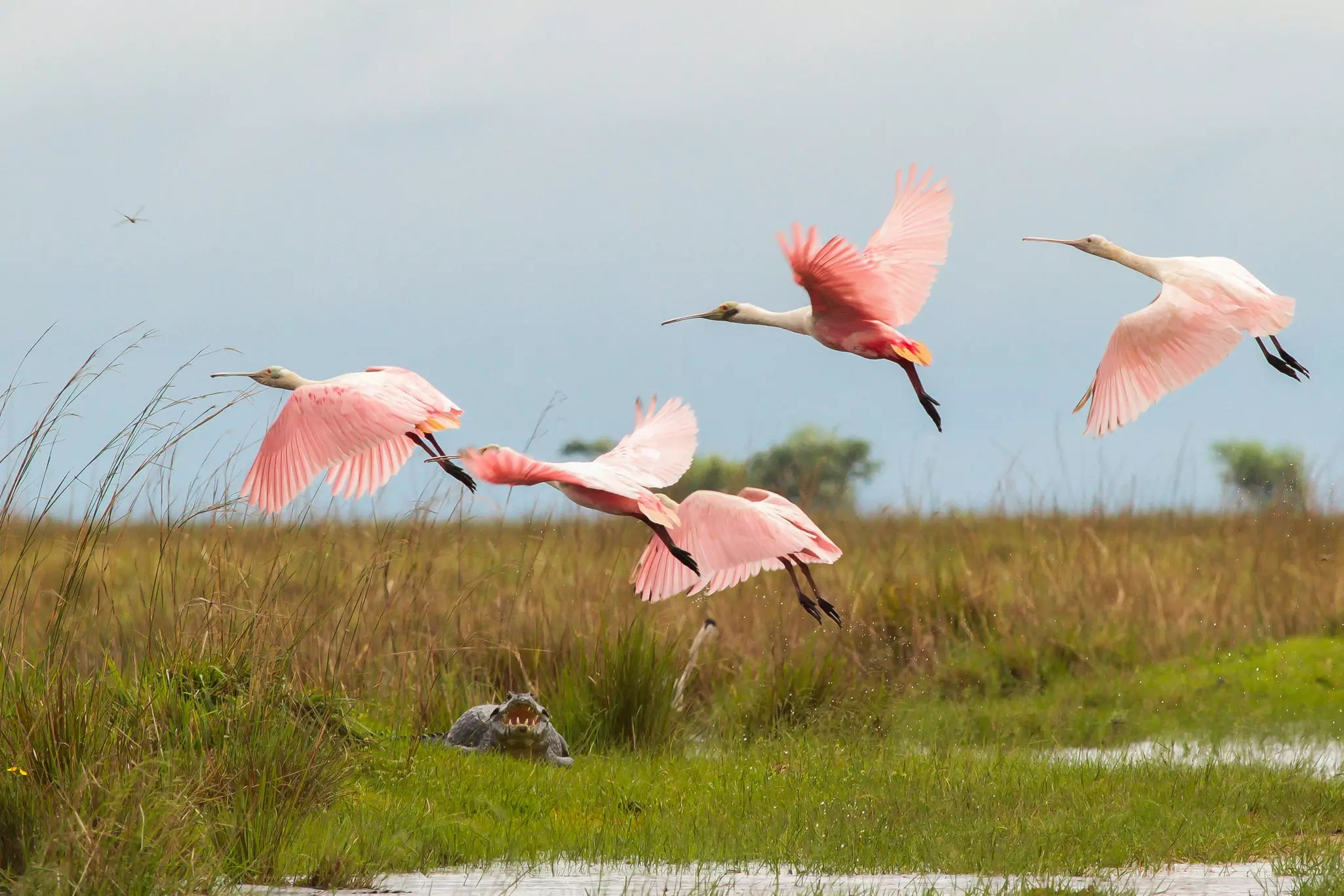
The Iberá estuary, in the northeastern province of Corrientes, has some of the most extraordinary bird populations in the world. Arrange a kayak or boat trip from the small town of Carlos Pellegrini to see the more than 360 bird species, such as the majestic southern screamer, various types of heron and the grumpy-looking guira cuckoo, as well as the monkeys and unique reptiles that thrive in the area.
Detour: The Iberá bears the marks of centuries of colonization, including the ruins of Jesuit missions, where the Guaraní and other Indigenous groups were taught Spanish and Catholic doctrine; these structures were abandoned in the 18th century following the order’s expulsion from the region.
Book your Argentina trip with Lonely Planet Journeys
See Argentina how it's meant to be seen
Planned by local experts and tailored to you, Lonely Planet Journeys handles the logistics so you can just enjoy the trip. Tell us what you want and we'll build your Argentina itinerary from scratch, or browse our bookable trips to get inspired.


Explore related stories