Sep 24, 202610 min read
A Book Lover’s Guide to IndiaJan 5, 2026
7 MIN READ

Writer
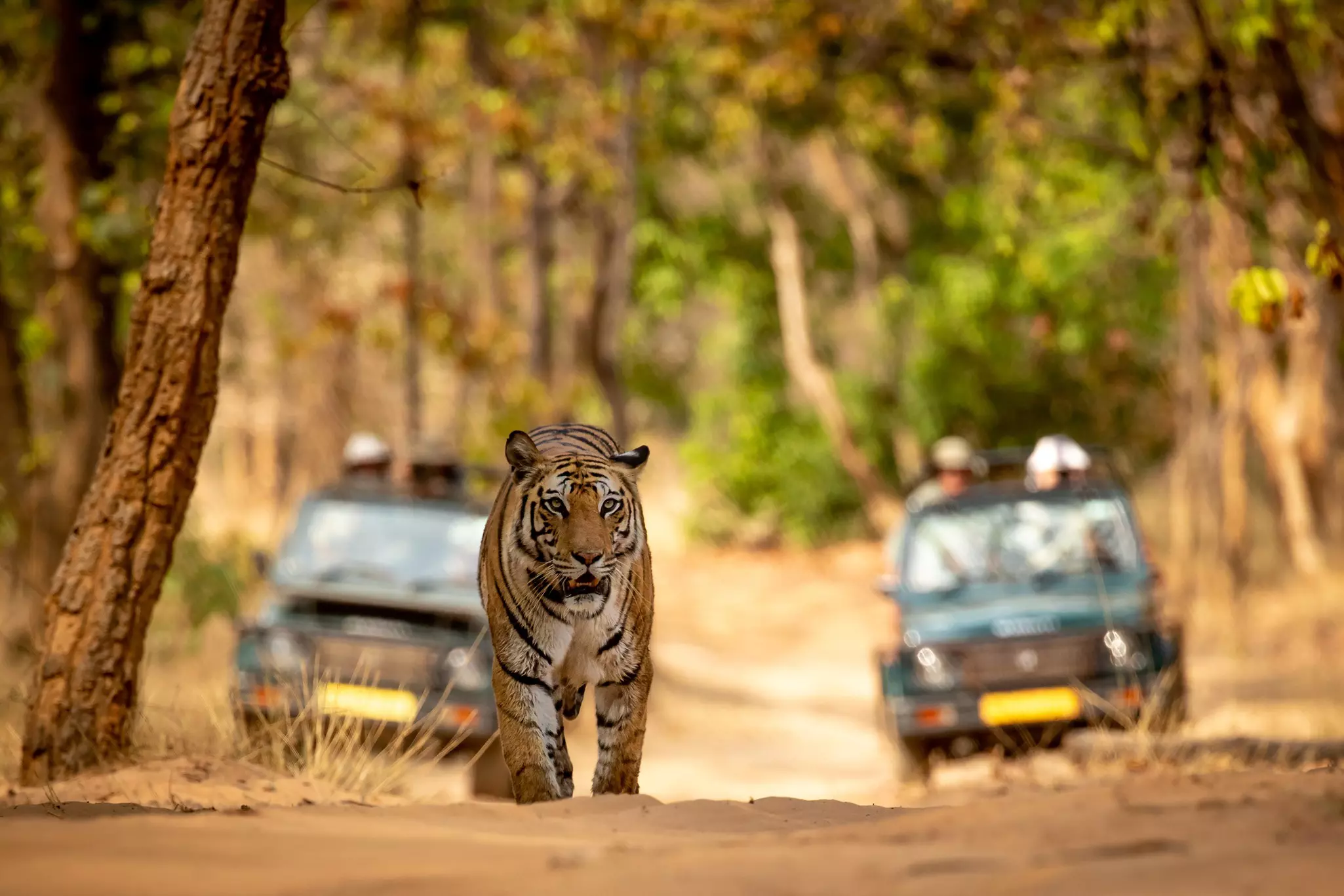
A tiger safari in Bandhavgarh National Park, India. Paul Cameron Allen/Shutterstock
Writer
Lonely Planet may earn a commission from affiliate links on our site. All recommendations and reviews reflect our own independent opinions.
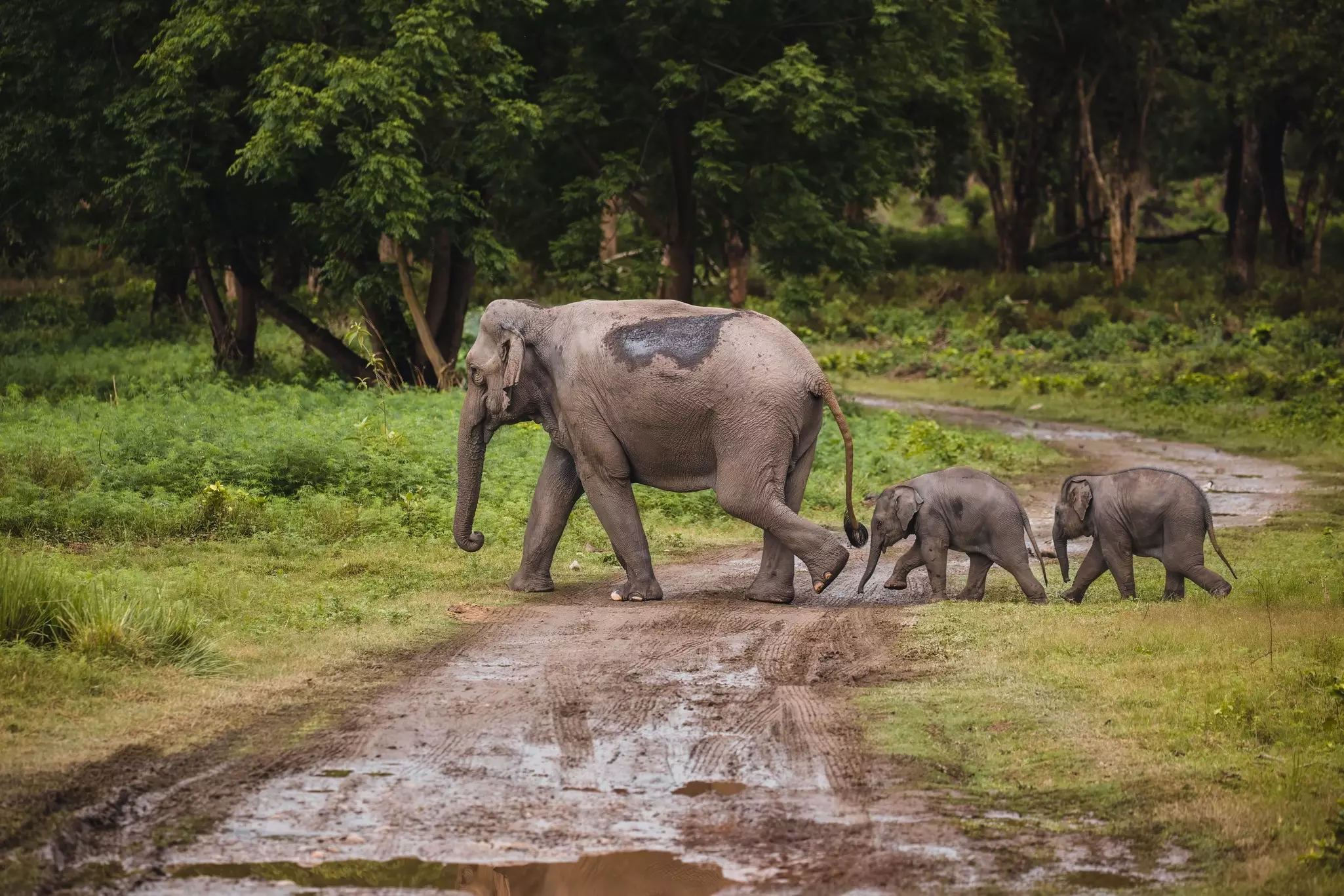
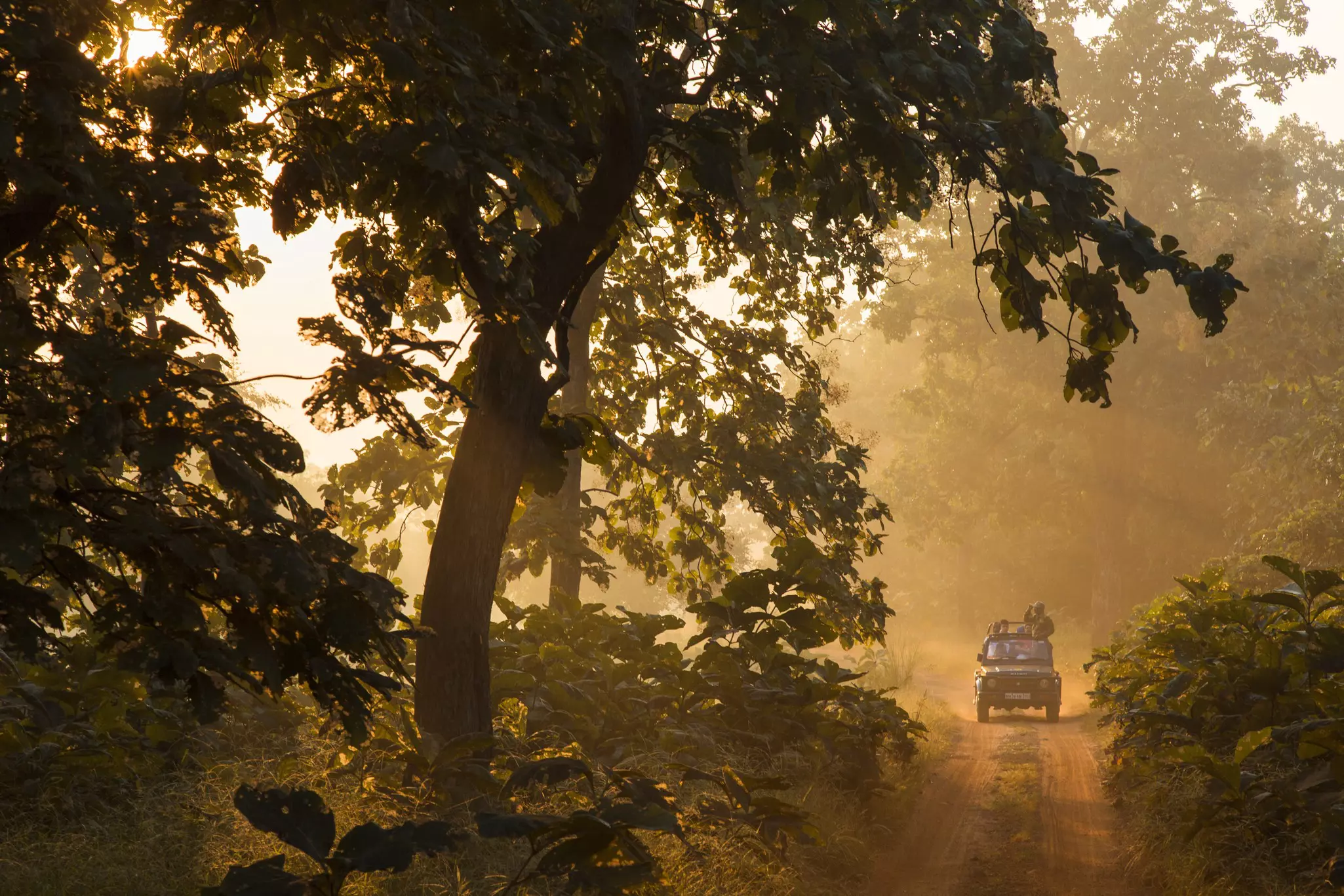
There's nothing quite like a safari in India. It unfolds like a slow-burning story, told through the shifting morning light, as forests awaken and the unpredictable presence of wild animals is heralded by warning calls. Dawn often brings a faint chill as 4WDs roll past tall grass and old trees. A tiger’s low growl, the heavy footfall of an elephant, a rhino emerging from misty wetlands – each encounter feels earned rather than staged.
The country’s great national parks vary widely. And just like the diversity of terrains, you have a wide range of accommodation options to choose from, whether that's budget homestays, government-run resorts, luxe safari lodges, glamping en suites, all-inclusive villas, and even treehouses fitted out with all the amenities.
Preparing well helps, whether that means timing your visit for clear sightings or securing the right safari slots. But the real magic lies in surrendering to the pace of the wild. Hours may pass with nothing but birdsong and drifting dust, yet even these stretches feel charged, as if the forest is deciding what to reveal. Suddenly, a tiger may emerge from the thicket or a leopard may dart across the trail or the elusive sloth bear may plod by – a moment that makes the wait worthwhile.
Choosing the right park begins with understanding what kind of landscape and wildlife experience you want. Corbett is a river-fed wilderness where elephants and birdlife dominate, Ranthambore mixes dramatic cliffs and dry forest with crumbling forts that create dramatic backdrops for tiger sightings. Kaziranga’s floodplains showcase rhinos and vast herds of grazing animals. Kanha’s open meadows and Bandhavgarh’s wooded ridges both deliver classic central Indian jungles with higher chances of tracking big cats.
It’s worth thinking about travel logistics, too. Some parks require long drives from the nearest airport, while others have smoother access. Consider seasonality as monsoon closures, summer heat and winter fog all affect what you’ll see. Budget also matters because accommodations range from simple forest lodges to high-end wilderness retreats. If you’re traveling with children or first-timers, pick a park known for steady sightings and well-organized drives. If you prefer quieter routes, remote zones may appeal more. Let your priorities – photography, birding, big cats, dramatic scenery or simply immersion – guide where you go.
India’s safari calendar is dictated by climate, animal behavior and park regulations. Most parks open from October to June, with core zones closing during the monsoon when the forests rejuvenate (buffer zones generally remain open through the year). Early winter is popular for pleasant temperatures, though mornings can be chilly in the northern parks. Sightings may be fewer during this period as foliage remains lush. By late winter and spring, grasslands thin out, making it easier to spot tigers, leopards, rhinos and elephants.
April to June is peak time for action, particularly around watering holes, but the heat can be intense. If photography is your priority, winter brings softer light, while summer offers sharper visibility and heightened predator movement. Birders often favor the cooler months when migratory species arrive. Festivals and holidays can affect bookings, so check local calendars to avoid crowd surges.
Booking early is essential because safari permits are limited and popular parks like Ranthambore, Bandhavgarh and Kaziranga fill quickly in peak season. Reserve 3 to 5 months ahead, especially if you want specific zones, private 4WDs, or experienced naturalists. Last-minute spots in shoulder season are possible but rarely ideal. Some states release tickets online, while others let lodges arrange permits. If you’re visiting multiple parks, book key destinations first to streamline flights and logistics. Safari costs vary by park, but factor in about ₹10,000 per core zone safari, which includes entry ticket, 4WD cost and mandatory guide (prices increase for weekend safaris). Safaris organized by high-end lodges include a naturalist and breakfast, which can increase the costs considerably.
India’s safari parks are spread across different regions, and each has its own ideal gateway airport. For central India, where Kanha, Bandhavgarh, Pench and Tadoba sit in a rough cluster, the primary airports are Jabalpur, Nagpur and Raipur. For Ranthambore in Rajasthan, Jaipur is the closest major airport, though some travelers also route through Delhi depending on flight schedules. In Uttarakhand, Corbett Tiger Reserve is best reached via Dehradun, followed by a scenic road transfer. Kaziranga in Assam is best accessed from Guwahati.
If you're keen on tiger encounters, Bandhavgarh and Tadoba are often considered the most reliable thanks to their high big cat population and (relatively) open terrain that makes spotting easier. Bandhavgarh’s mix of meadows and forested valleys offers clear visibility, while Tadoba’s water bodies and bamboo thickets create reliable movement. Kanha's more expansive landscape delivers fewer sightings but exceptional overall wildlife, particularly the barasingha or swamp deer, which is endemic to the park. For first-timers, Ranthambore offers dramatic scenery and approachable logistics.
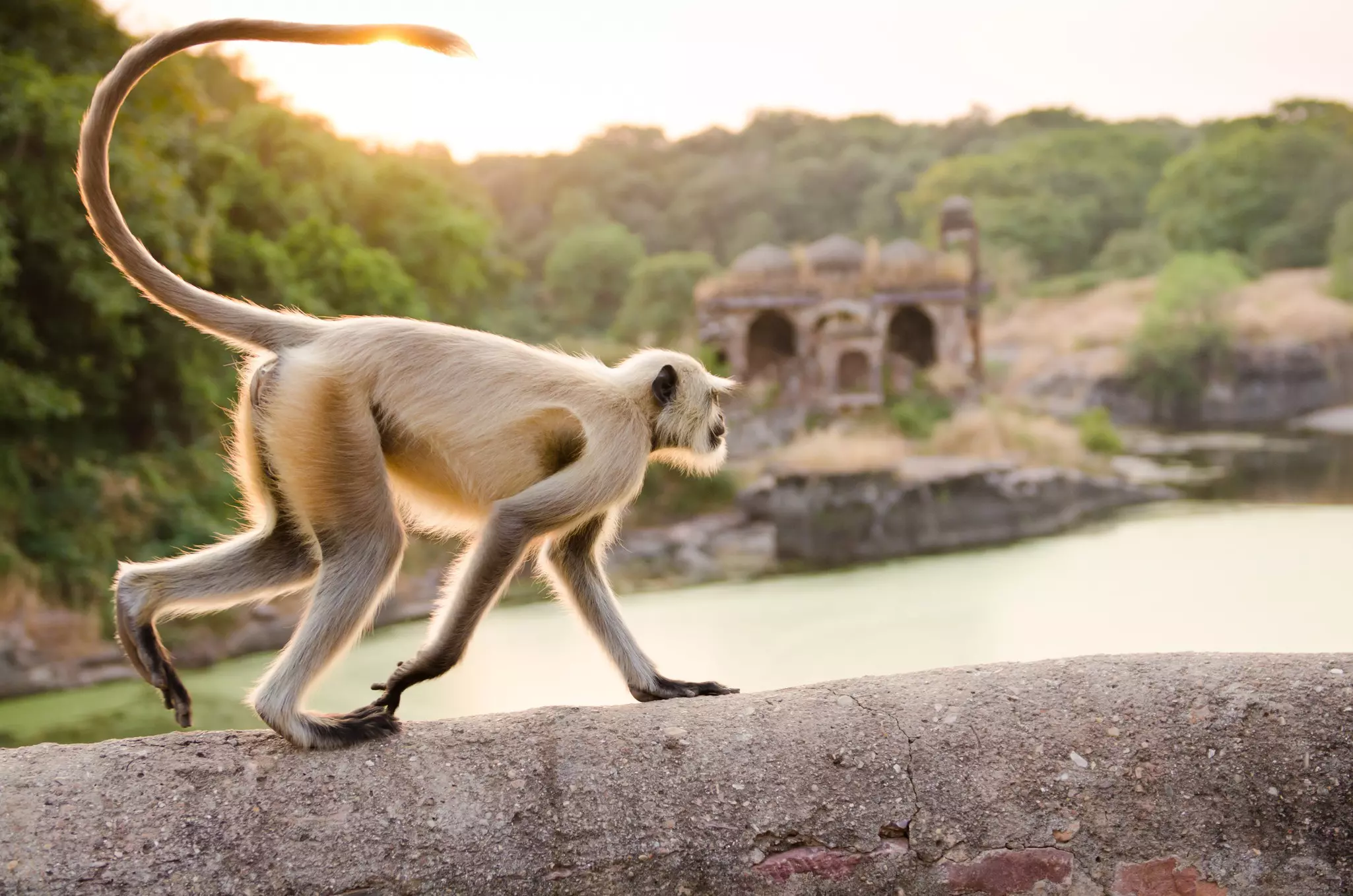
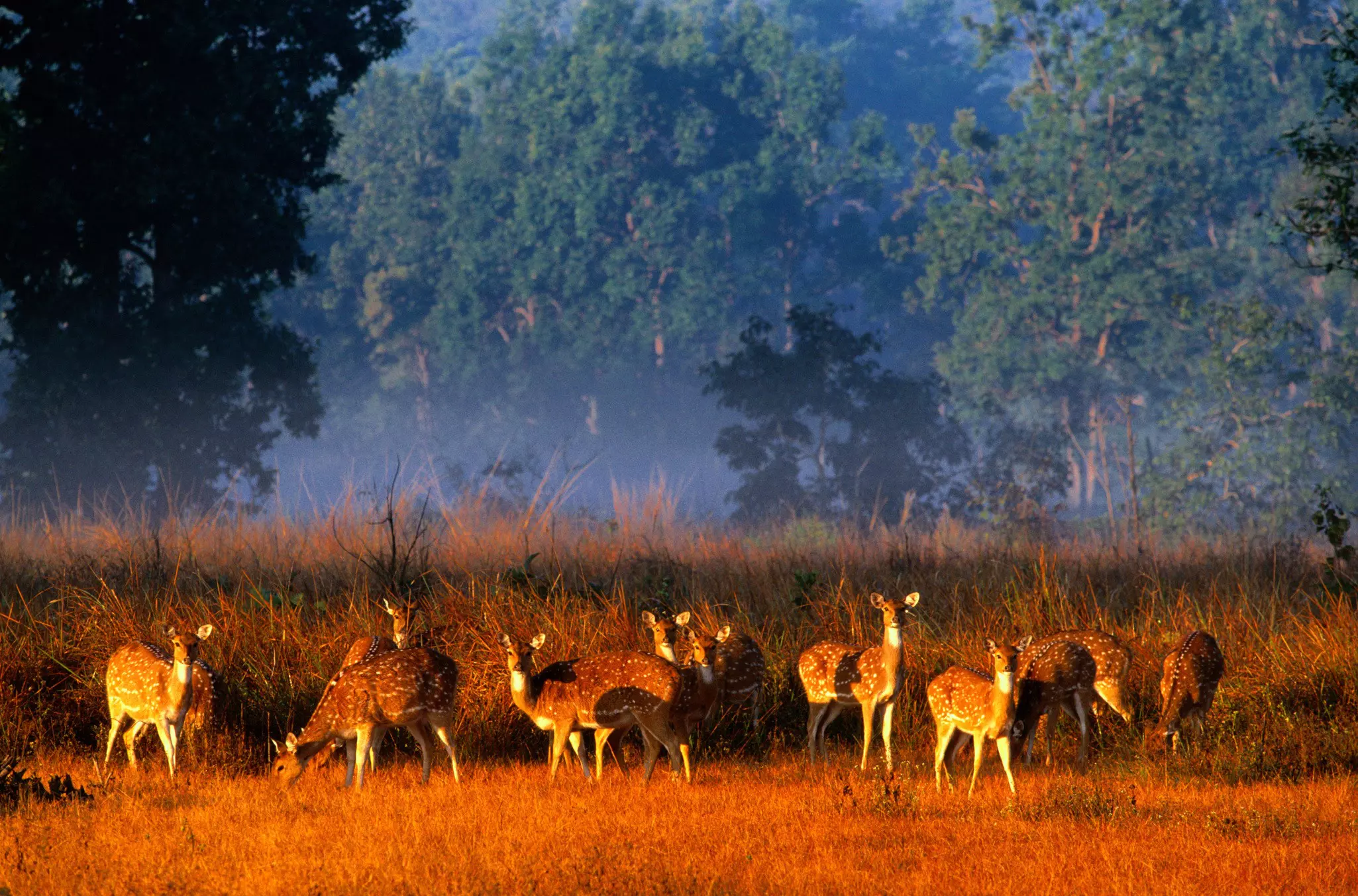
A typical safari begins before sunrise, when the forest is at its most active. Drives usually last 4 to 5 hours, depending on the park. You’ll enter through designated gates, where guides and drivers register permits before heading into the wilderness. Expect a blend of bumpy tracks, dense forest and open meadows as you search for signs of wildlife like pugmarks, alarm calls or fresh scat. Sightings are never guaranteed, and some drives may yield only glimpses of deer, langur and birds. Afternoon drives are shorter and typically last 2 to 3 hours. Safaris run on their own rhythm, and the unpredictability is part of the charm – every turn has the potential to surprise!
Packing for a safari is about comfort and practicality rather than style. Winter mornings can be cold, especially in the northern parks, so layering is key; a warm jacket, a light fleece and a scarf will help you stay comfortable during open-vehicle drives. As the day warms, you can shed layers easily. Neutral colors like olive, brown or beige blend well with the environment and are less likely to distract wildlife. Sturdy shoes are essential for walking around camps, and a hat helps with sun exposure on afternoon drives. Dust is a constant companion, so sunglasses and a soft face covering will come in handy. Carry insect repellent, sunscreen and a reusable water bottle; all lodges offer refills to reduce plastic waste.
Safari accommodations in India range from government-run forest lodges to boutique camps and luxury wildlife retreats. Staying inside park boundaries is rare due to conservation rules, but many lodges sit very close to entry gates, making access easy for early morning drives. High-end safari lodges offer naturalist-led experiences, spacious rooms and thoughtful touches like warm rugs on winter morning safaris or cool towels after drives. Midrange properties deliver comfort and good guiding, while budget stays provide simple rooms with basic amenities.
Start by choosing lodges that employ local staff, follow eco-friendly practices and contribute to community welfare or conservation programs. Many parks rely on tourism revenue to fund patrols, habitat restoration and wildlife monitoring, so selecting operators who reinvest in the region makes a difference. Respect park rules during safaris – maintain silence around animals, avoid standing in vehicles and never pressure your driver to get too close to the wildlife. Keep waste to a minimum by using refillable bottles and carrying back any trash.
Book your India trip with Lonely Planet Journeys
See India how it's meant to be seen
Accommodations, activities and ground transportation all taken care of, so you can focus on the fun part. Tell us what your dream trip to India looks like, and our local experts will build it from scratch. Or start with one of our itineraries and make it your own.

Explore related stories