Aug 21, 202616 min read
The 10 Best Trails for Trekking in NepalAug 21, 2026
16 MIN READ
Contributors
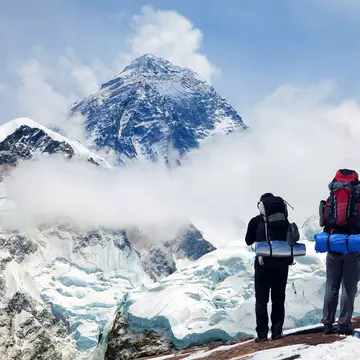
Mt Everest from Kala Patthar. Daniel Prudek/Shutterstock

Contributors
Joe Bindloss, Shafik Meghji
Highlights
Writers Joe Bindloss and Shafik Meghji pick 10 treks in Nepal, from easy to epic.
Everest Base Camp is Nepal's most famous trek; the Annapurna Circuit is stunningly varied.
Beginners and those short on time should head to the Ghandruk Loop near Pokhara.
For Buddhist culture, try the Tamang Heritage Trail; escape the crowds on the Manaslu Circuit.
Lonely Planet may earn a commission from affiliate links on our site. All recommendations and reviews reflect our own independent opinions.
Few places in the world are as strongly associated with one activity as Nepal, Asia's undisputed hiking capital. Trekking in Nepal is the stuff of hiking dreams; if you have the energy and the inclination, thrilling cultural journeys and close-up views of the highest mountains on the planet await.
Nepal's best hiking trails cover everything from the legendary 2-week trek to Everest Base Camp and remote hikes to arid valleys alive with Buddhist culture and shimmering glaciers and meltwater lakes in the east and west of the country.
This small Himalayan nation is a spectacular playground for high-altitude adventures – if there's a better and easier place to trek anywhere in the world, we've yet to find it. It's even possible to turn up in Kathmandu, arrange permits and guides, stock up on trekking gear, and hit the trails, all within a day or two of touching down at Tribhuvan International Airport.
There are routes for all levels of fitness and experience, but don't view Nepal solely through a trekking lens – there are many other wonderful places to see at lower elevations, from medieval cities to tiger-stalked lowland national parks.
Whether you fancy a short, relaxed hike on a fleeting visit to the mountains or a challenging multiweek expedition over high mountain passes, here are the best trails for trekking in Nepal, with tips on duration, timing, difficulty and accommodations on the trails.
To start planning your trekking trip in Nepal, download the Lonely Planet app or check out our Nepal guidebook.
Trekkers are meant to follow a local guide (or trekking agency) on any route that passes through a national park or protected area – this includes most of the high-altitude trekking routes. In practice, the guide rule is variably enforced, except on routes that pass through restricted areas, such as Mustang and Upper Dolpo, where treks must be organized through a registered trekking agency to secure the necessary permits.
To arrange a guide (and porters, if you need them), contact one of the many trekking agencies in Kathmandu. For most routes, trekkers should also obtain a Trekkers' Information Management Systems (TIMS) card, which helps the government keep track of where trekkers are going for safety purposes. The scheme is administered by the Trekking Agencies' Association of Nepal, but the card is usually obtained through a trekking agency.
Most of the popular trekking routes pass through national parks and conservation areas, for which you must pay a mandatory entry fee. You can pay at the Nepal Tourism Board building at Bhrikuti Mandap in Kathmandu before you travel to the trailheads; fees are higher if you pay on arrival at the national park posts.
Trekking independently with a local guide is easy to arrange once you arrive in Nepal, and it's a popular option for solo hikers and couples. However, many people prefer to let a local or international trekking agency make all the arrangements, particularly for routes that involve camping.
Either way, trekking in Nepal doesn't have to be expensive, unless you are specifically seeking a luxe trekking experience. Prices start from around 50 US dollars (US$) per day for a no-frills trek arranged on arrival in Nepal, plus the cost of any domestic flights. Trekking independently may cost a little less; high-altitude routes and camping treks will cost more. Treks arranged through international agencies can be much more expensive, but they typically offer more comfort and support.
Some routes are camping only, but most treks feature at least some nights staying in local teahouses; these simple trekking lodges providing meals and basic rooms. On popular routes such as the Annapurna Circuit and Everest Base Camp treks, teahouses are in every village along the trail, as well as at the trailheads and near the base camps used by mountaineers.
Organized treks usually include the services of porters and sometimes pack animals, who'll help carry most of your gear. This is particularly useful on camping treks, which involve extra cooking gear and tents.
Best trek for bragging rights
Distance: 130km
Time commitment: 14–20 days
Difficulty: moderate to hard
Type of trek: teahouse
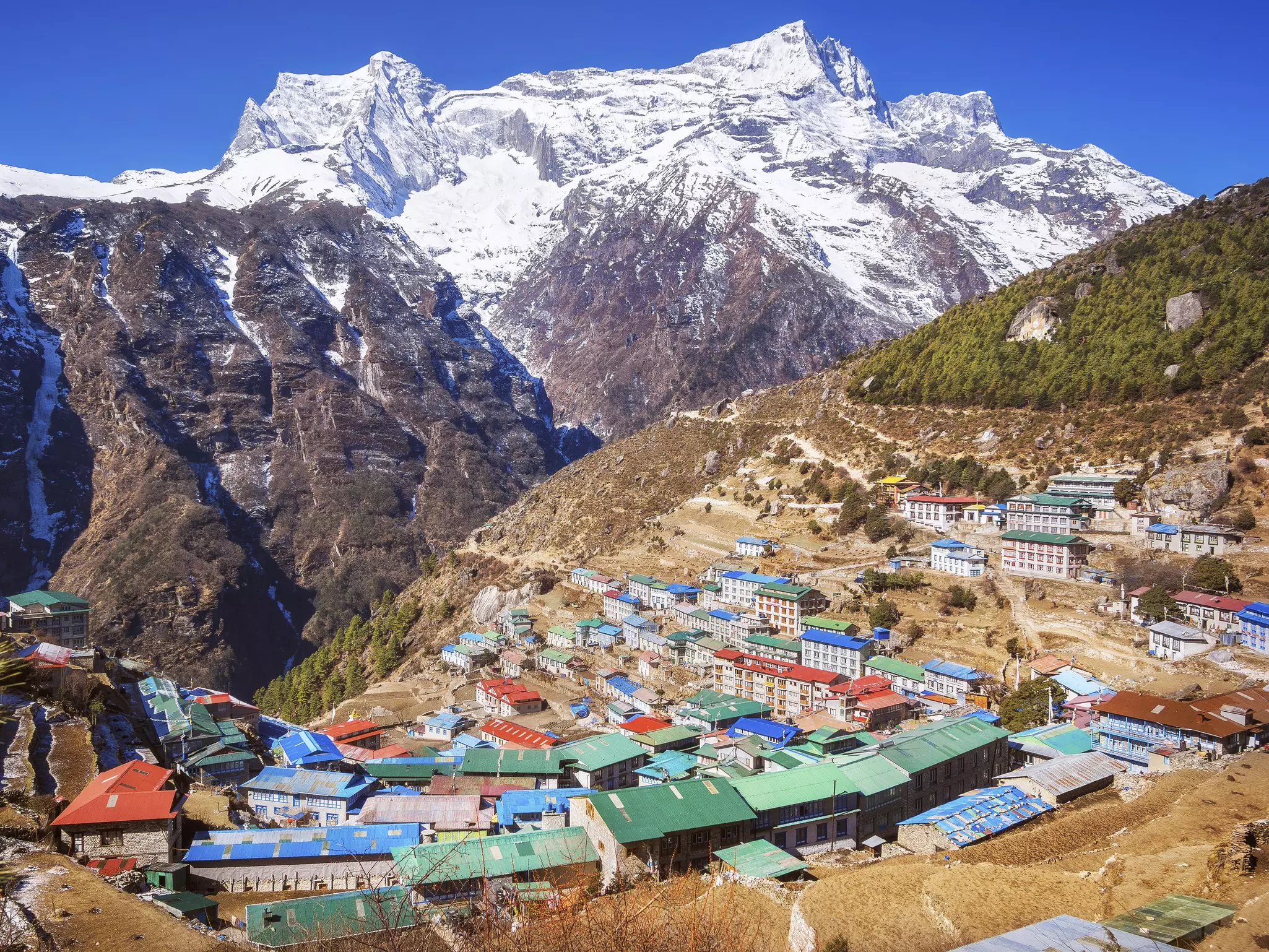
The most famous trek in Nepal – if not the world – is the 2-week trip to Everest Base Camp, which draws tens of thousands of eager trekkers every year to the shoulder of the highest mountain on earth. Starting and finishing at the precariously balanced airstrip in Lukla, this high-altitude trek provides fascinating insights into the Sherpa culture of the Solukhumbu region and the chance to gaze on the 8849m Mt Everest, known as Sagarmatha in Nepal and Chomolungma in neighboring Tibet.
High-quality lodges line the entire route, and the trails can get very busy, particularly during the October to November high season. However, few who complete the 2- to 3-week route are disappointed by the experience. If you want a calmer trek, consider some of the less-crowded routes that snake through the mountains around Everest, including the stunning trek to Gokyo and the thrilling Three Passes Trek.
Best trek for diverse scenery
Distance: 160–230km
Time commitment: 10–17 days
Difficulty: moderate to hard
Type of trek: teahouse
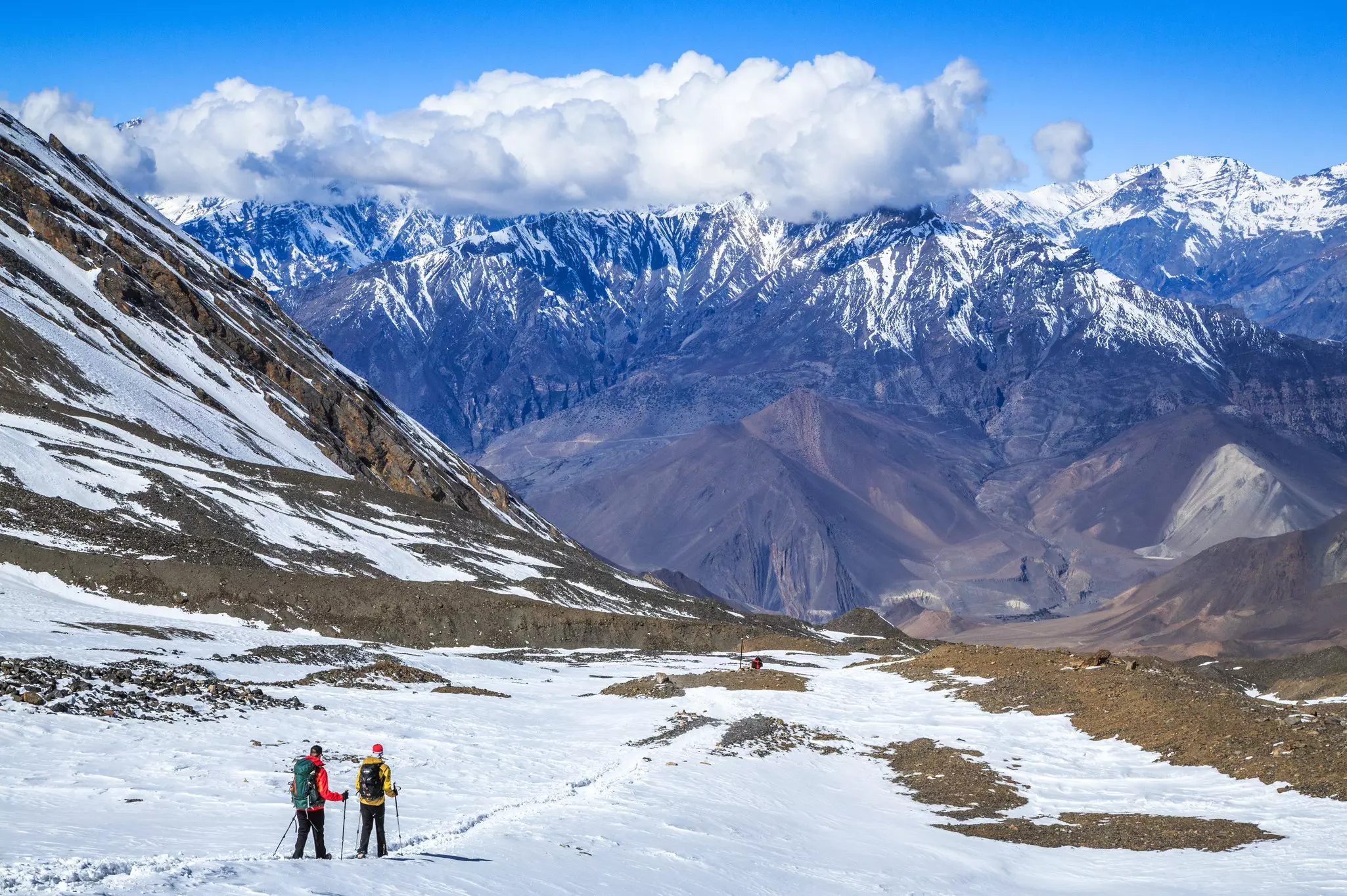
A classic Nepal hiking adventure, the Annapurna Circuit is remarkably varied. As you walk, you'll encounter plunging valleys, deep gorges, rivers, lakes, glaciers and snow-topped peaks, as well as the scattered villages of the Gurung, Manangi and Thakali people. While the route is being nibbled away by road building, it's still one of the most popular treks in Asia.
The route is accessed from Pokhara and dotted with comfortable lodges and important Buddhist and Hindu pilgrimage sites. Its high point – literally and figuratively – is the 5416m-high Thorung La, a mountain pass that transports you from the green foothills onto the arid Trans-Himalayan plateau. Best walked counterclockwise, this trek has numerous options for extensions and side trips, such as the highly rewarding weeklong trek to the Buddhist villages of Nar and Phu.
The Annapurna Circuit gets very busy in the peak season. Some sections are more developed than you might expect, and the route gets shorter every year as the road reaches new villages.
Best alternative to the famous trails
Distance: around 180km
Time commitment: 16 days
Difficulty: hard
Type of trek: teahouse or camping
Travelers seeking a quieter experience than the renowned Annapurna Circuit and Everest Base Camp treks should try the Manaslu Circuit, which snakes through the mountains to the east of the Annapurna massif. An excellent all-rounder, this teahouse trek is centered around the eponymous Manaslu, the world’s eighth-tallest peak, at 8163m.
Lonely planet’s trusted travel insurance provider
Travel with confidence. Protect your trip and your wallet.
We don’t represent World Nomads, we receive a fee from quotes using this link. This is not a recommendation to buy travel insurance.
A genuine hiking adventure, the Manaslu Circuit covers everything from steamy jungles to breathless mountain passes, natural hot springs and tranquil villages. En route you'll cross gorges on precipitous suspension bridges and hike through emerald green foothills lined with terraced rice fields.
Best trek for close-up mountain views
Distance: around 115km
Time commitment: 10–14 days
Difficulty: moderate to hard
Type of trek: teahouse
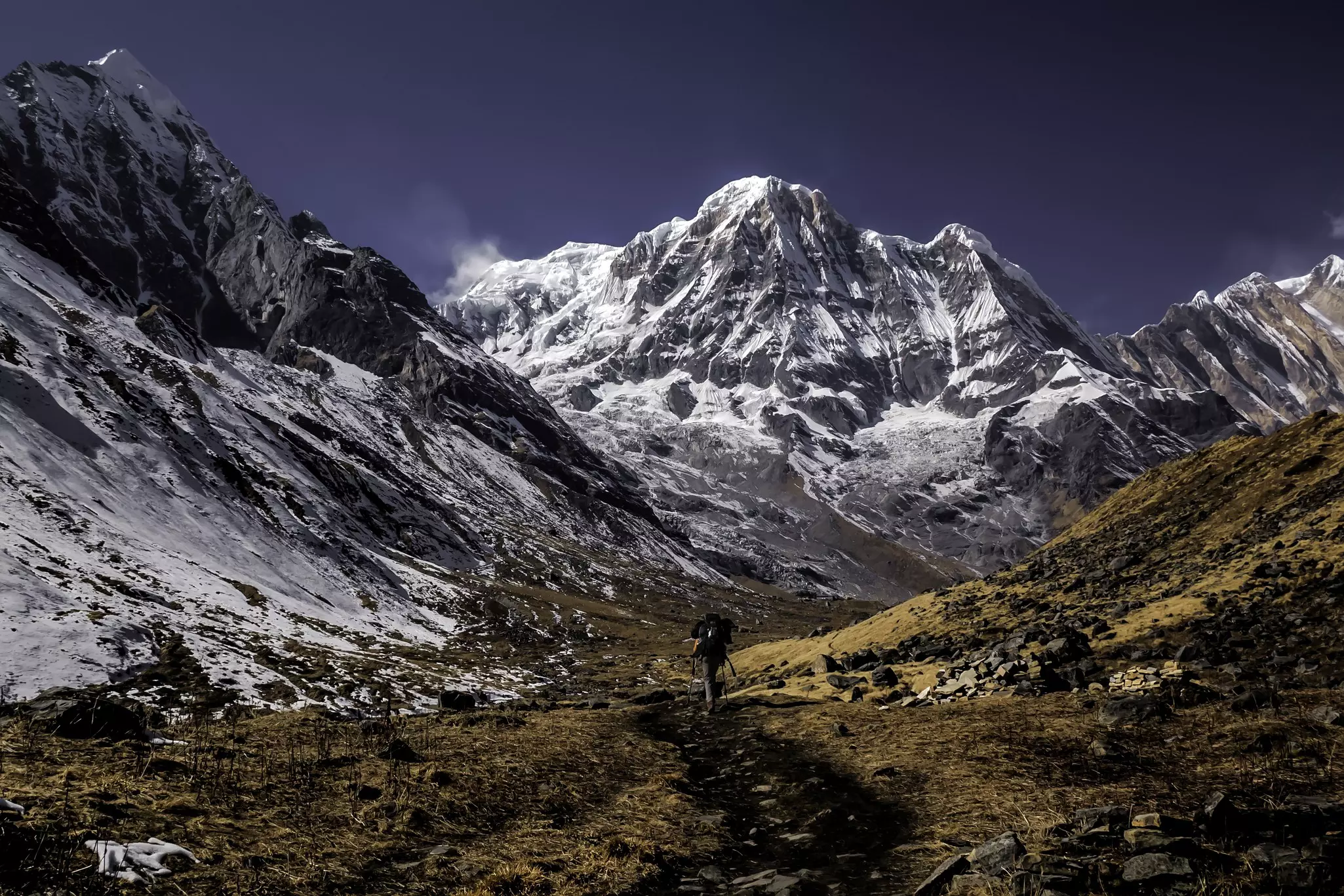
Few sights in the Himalayas compare with the magnificent Annapurna Sanctuary, an elevated, amphitheater-like plateau north of Pokhara, encircled by a crown of looming glaciers and sky-piercing mountains. This lofty basin is the centerpiece of an enjoyable teahouse trek, which showcases some of the finest mountain vistas in Nepal. Along the trail, you'll pass Gurung villages, terraced rice fields, natural hot springs and densely forested hills.
The Annapurna Sanctuary is a popular route, so don’t expect to have the trail to yourself. It's possible to trek here in winter to see the Annapurna Sanctuary carpeted with snow, but you'll need to be prepared for the wintery conditions.
Best short trek
Distance: 25km
Time commitment: 3 days
Difficulty: easy
Type of trek: teahouse
If you’re a novice hiker or simply pressed for time, head to Pokhara, the starting point for several short but rewarding treks in the foothills of the Annapurna range. One of the standout routes is the Ghandruk Loop, which takes you through rice paddies, forests of rhododendron trees – which bloom spectacularly in the spring – and Gurung villages, where accommodation ranges from simple teahouses to well-equipped mountain lodges.
The first day mirrors the opening section of the Annapurna Sanctuary trek, and there are superb mountain views all along this relatively steep route, which can be comfortably hiked in the winter, as well as in fall and spring, thanks to its low altitude.
Best weeklong trek
Distance: 65–80km
Time commitment: 7–8 days
Difficulty: moderate
Type of trek: teahouse
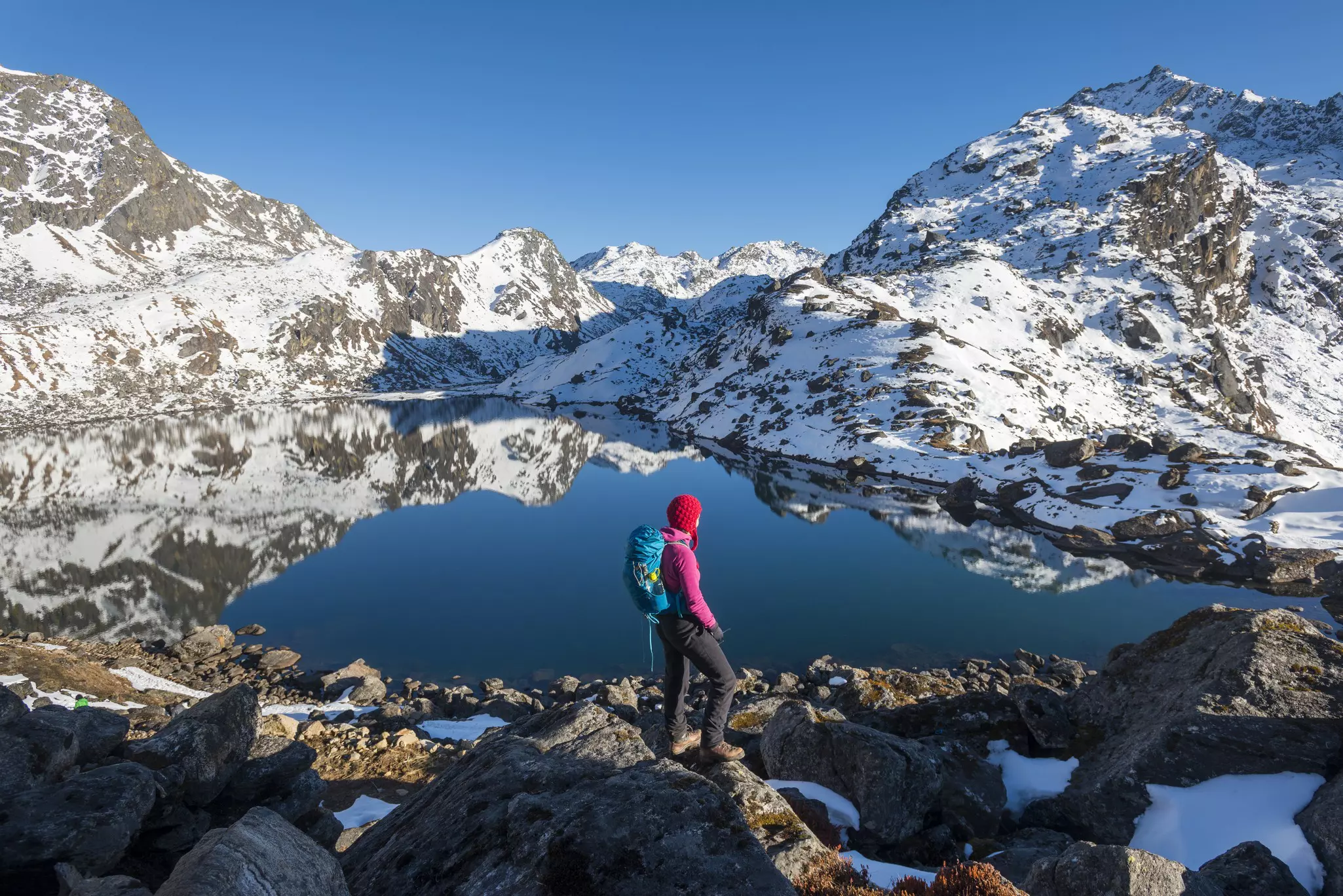
The popular trekking route through the gorgeous Langtang Valley, which resembles a supercharged version of the Alps and lies close to the Tibetan border, packs in a lot of trekking wonders over the course of a week. It's also conveniently close to Kathmandu and accessible by public bus instead of a mountain flight, minimizing your carbon footprint (and stress for nervous fliers).
From the trailhead at Syabrubesi, this teahouse trek takes you from pastureland, bamboo groves and waterfalls to soaring mountains and creaking glaciers. If you have a few extra days to spare, it's worth extending the trek to the sacred lakes at Gosainkund, ringed by ice-capped mountains at an altitude of 4400m.
Best trek for culture
Distance: around 55km
Time commitment: 6 days
Difficulty: moderate
Type of trek: teahouse
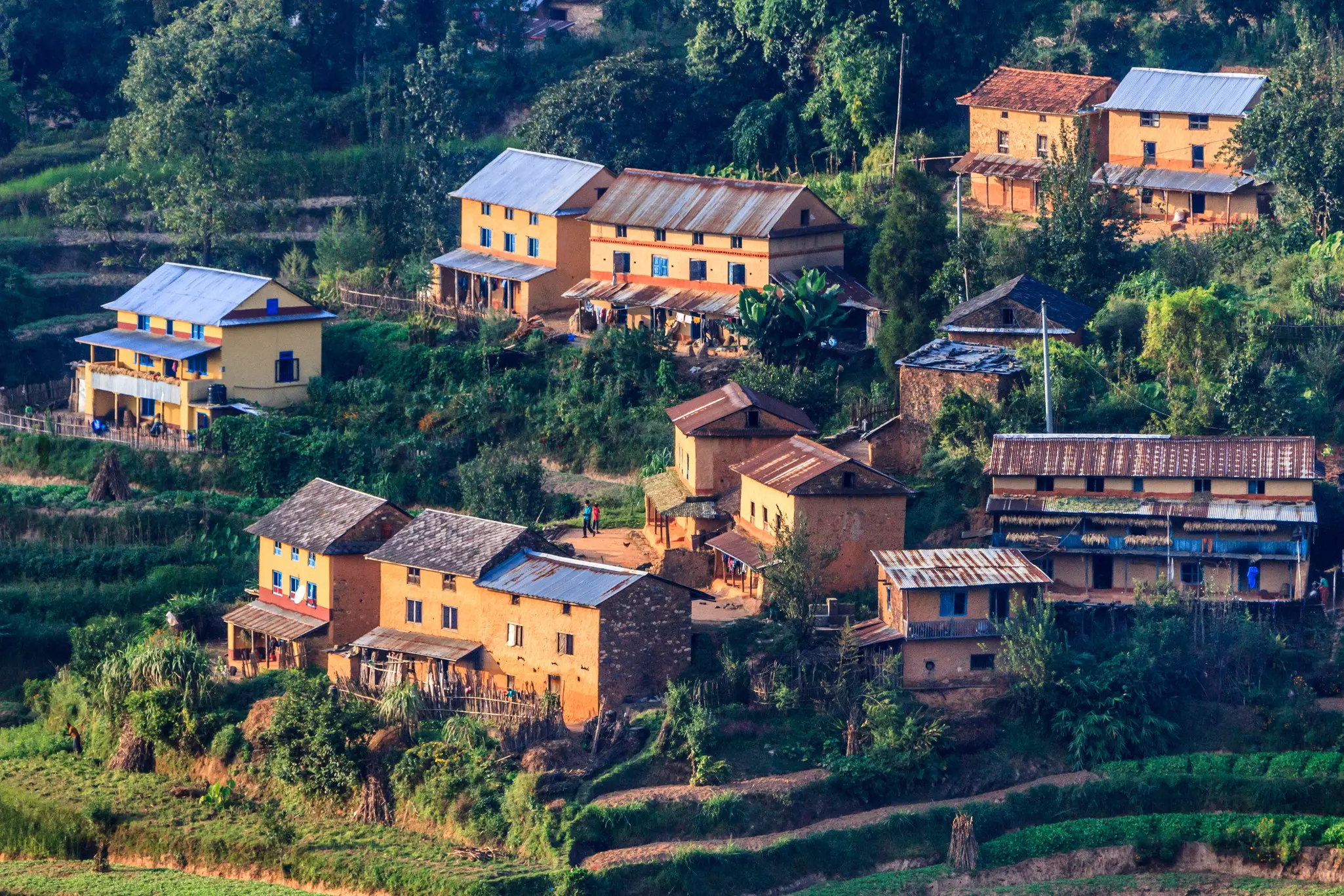
Nepal’s trekking routes are renowned for immersing travelers in jaw-dropping Himalayan scenery, but the Tamang Heritage Trail is focused on the country's rich culture – though the views are pretty spectacular too. This trek starts at Syabrubesi and loops through the hills to the north, linking a series of traditional Tamang villages.
Many of these villages have homestay accommodations, where hikers can learn more about the culture of the Buddhist Tamang people, who have their origins across the border in Tibet, and the lives of the communities who thrive in this far-flung region. There are also beautiful Buddhist temples, monuments and sacred sites to visit along the way.
Best trek for escaping the crowds
Distance: around 220km
Time commitment: 14–28 days
Difficulty: hard
Type of trek: teahouse or camping
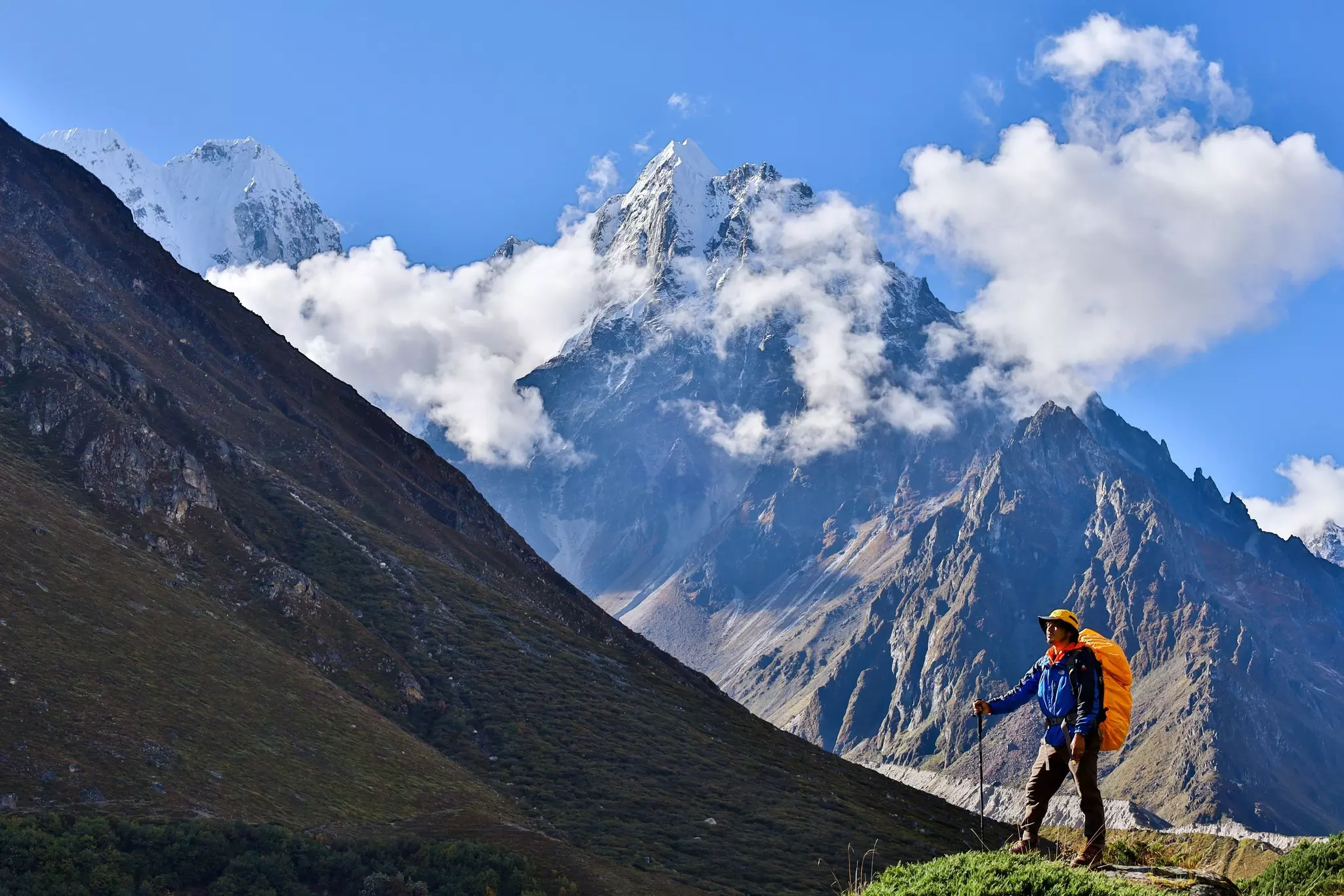
If you are looking to escape the crowds that throng the trekking trails of central Nepal during the high season, the little-visited foothills of 8586m Kanchenjunga near the country's eastern border with India fit the bill perfectly. This wild, remote corner of Nepal sees just a handful of trekkers every season, and it can only be visited on an organized trek.
A pair of tough but spectacular trails lead to the northern and southern base camps used by mountaineers climbing the world’s third-tallest peak. Along the way, you’ll camp or stay in rustic teahouses in isolated villages and climb through empty valleys, pastures and montane forests. There are plenty of high passes to cross before you bask in front of majestic views of Kanchenjunga, and you'll rarely have to share the experience with a crowd.
Best trek for an epic adventure
Distance: 2500km
Time commitment: 50–160 days
Difficulty: hard
Type of trek: teahouse and camping
For travelers with lots of time, a big budget, boundless energy and a serious appetite for Nepal trekking, the Great Himalayan Trail is the ultimate challenge. Running the length of the Nepali Himalayas, this once-in-a-lifetime route was designed to encourage trekkers to get off the beaten path and spread the financial benefits of tourism to a wider range of communities.
Crossing the country from Kanchenjunga all the way to the far west of Nepal, this trek is as much a logistical puzzle as a physical feat, not least because you have to arrange a number of time-limited trekking permits in advance. Rather than doing the trail in one go, a more attainable goal is to break it up into segments and complete it over several years.
Best day trek
Distance: 20km
Time commitment: 1 day
Difficulty: easy
Type of trek: accommodation in village hotels
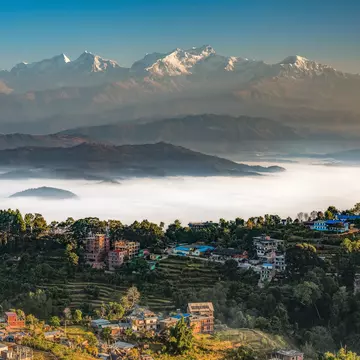
The fringes of the Kathmandu Valley are ribboned with easily accessible trails that are ideal for half- or full-day hikes, and most are accessible by local bus or taxi from Kathmandu. One of the best short trekking trails in Nepal links the ridgetop village of Nagarkot with the pretty Newari town of Dhulikhel – both famed for their glorious views of the Himalayas, especially at sunrise.
Part of the longer Kathmandu Valley Cultural Trekking Trail, this route can be augmented with worthwhile side trips to Panauti, one of Nepal’s oldest towns, and the Buddhist monastic complex at Namobuddha. No permits or national park fees are required.
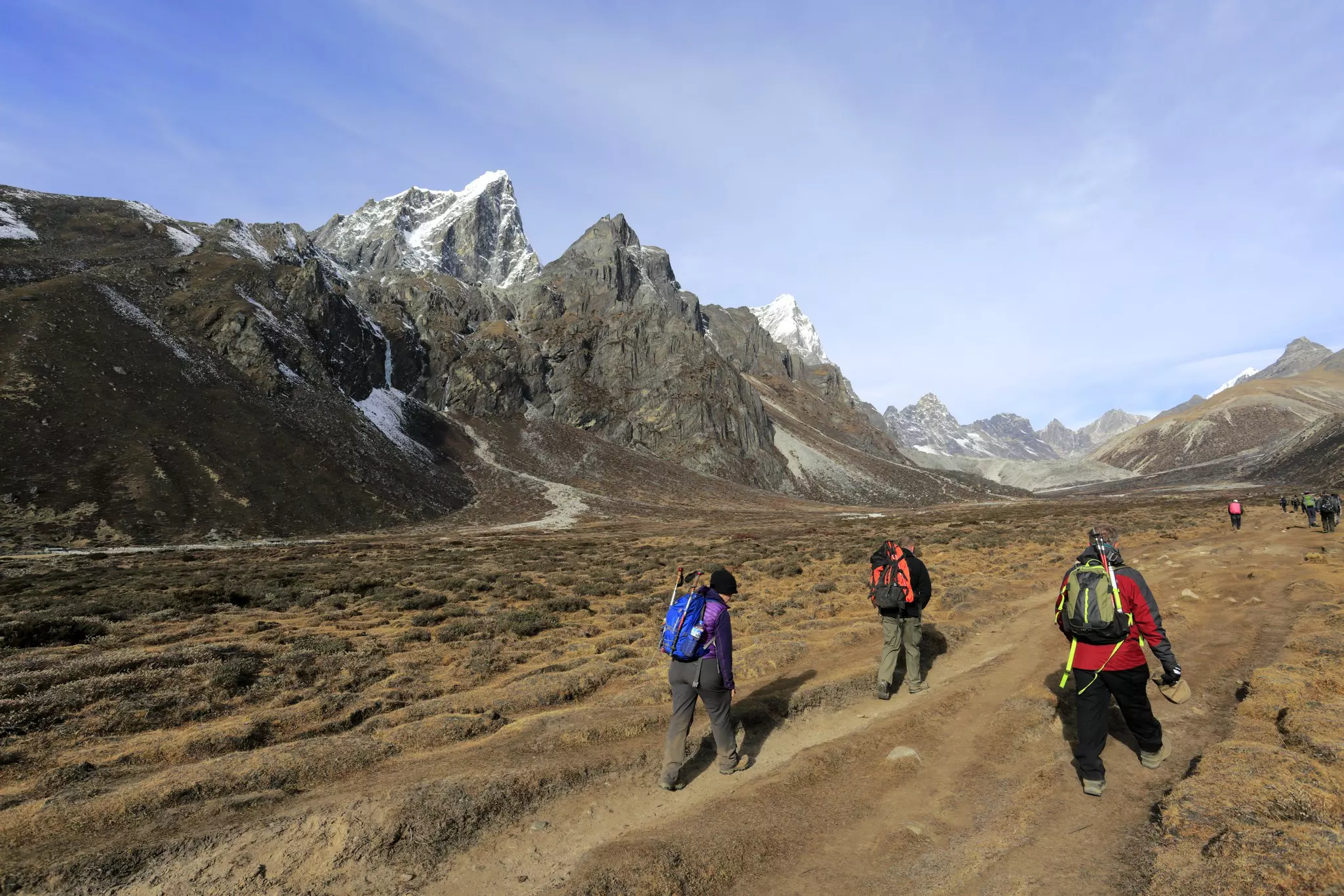
While it's easy to arrange a trek on arrival in Nepal or in advance through international trekking agencies, there are some things you'll need to do to prepare.
Much of what you need when you hit Nepal's trekking trails – down jackets, trekking poles, backpacks – can be purchased for a good value in Kathmandu, but be sure to bring sturdy, reliable trekking boots from home, and break them in first. For most routes, you'll need warm and windproof layers, a lightweight waterproof jacket, and a warm hat and down jacket for cold nights.
A sleeping bag will keep you warm on overnight stops at mountain campsites and in rural teahouses, and a hot water bottle (or a heat-resistant drinking water bottle filled with hot water and tucked into a sock) can also help. On any organized trek, porters can help you carry your gear, and the trekking agency will provide tents and meals at overnight camping stops.
Two key pieces of equipment: spare memory cards for your camera and a portable power bank to charge your devices – you don't want to run out of battery when the clouds part to reveal a perfect view of Everest. A portable solar charger can give you an emergency power up, but check the specs, as some take a long time to charge.
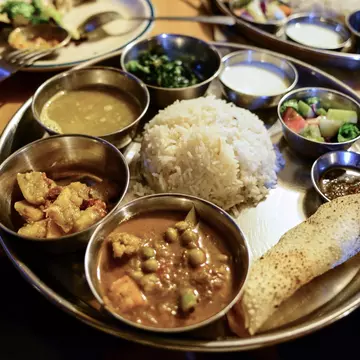
Planning tip: You may get a little tired of a daily diet of dal bhat (rice, lentil soup and stewed vegetables). Some trekkers carry a bottle of hot sauce or something else to add extra flavor, such as a stick of dry salami or some meat jerky.
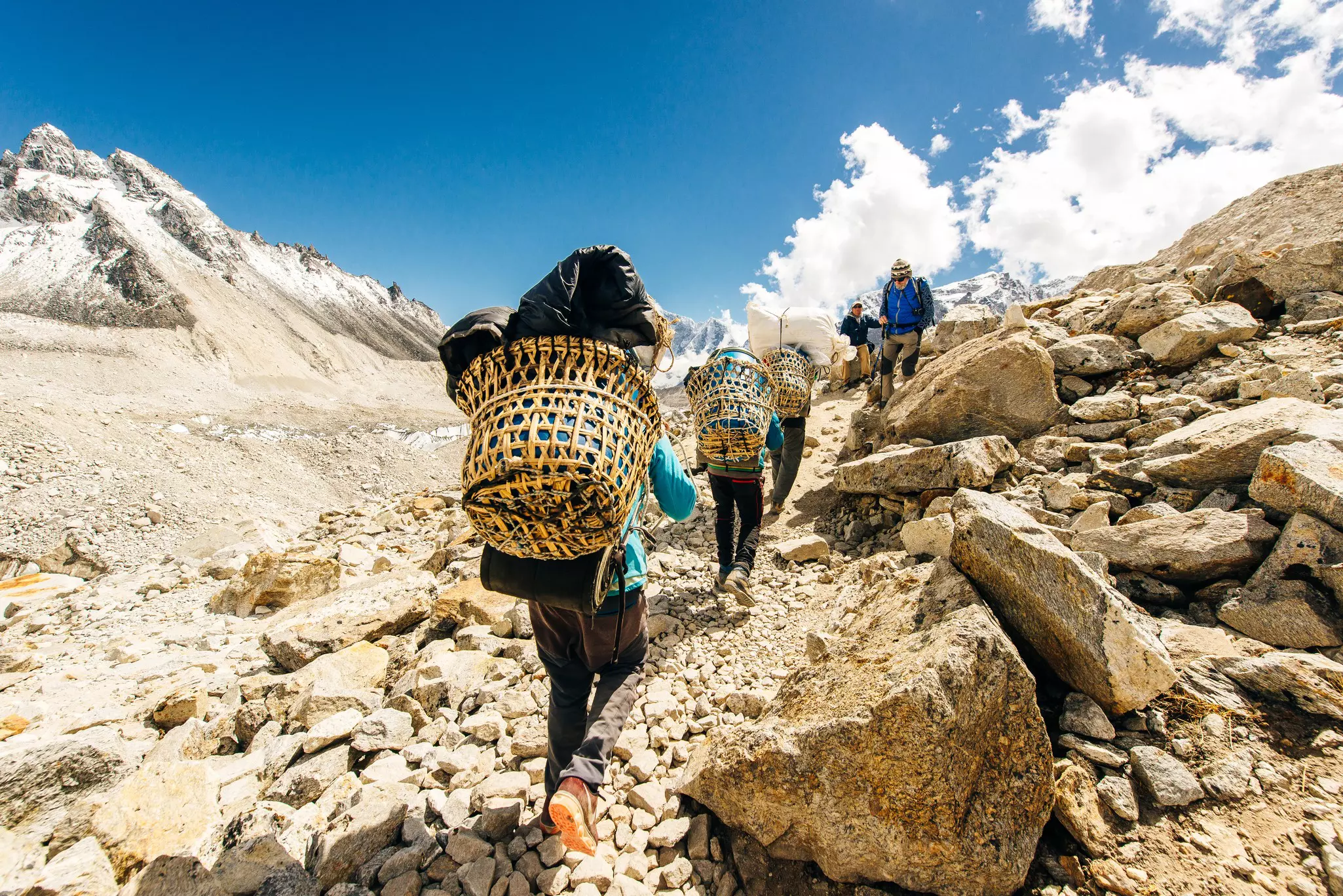
How strong do you feel? Some hikers carry all their own gear, but hiring a porter – or a porter-guide – will provide income for a local person and reduce the amount you have to carry. Rates start from US$20 per day, and porters typically carry 20–30kg. Make arrangements through trekking agencies, or find freelance porters through trekking lodges or by asking around at trailheads.
Remember that you are responsible for your porters' well-being. Make sure that your porters are equipped for the conditions, and visit the offices of the Kathmandu Environmental Education Project in Thamel in Kathmandu to learn more about porter welfare (visit again at the end of your trek to donate any unwanted gear for use by porters working in the mountains).
Reputable trekking agencies will provide appropriate clothing, insurance, meals and accommodations for porters supporting their groups.
The best time to visit Nepal for trekking is during the spring and fall, with the latter being the most popular trekking window. The postwinter trekking season from October to November offers clear skies and mild nights; trekking is still possible from December to February, but it can be very cold at altitude.
The spring trekking season from March to May is popular with mountaineers climbing the world's highest peaks, but the views are less reliable and the heat can be uncomfortable at lower elevations before you reach the mountains.
Most people avoid the rainy monsoon months from June to September, when views vanish behind banks of cloud. However, areas in the rain shadow of the Himalaya – such as Mustang – can be trekked in the monsoon, though access to trailheads can be disrupted. Climate change is extending the monsoon season, so the rain can continue into October, disrupting mountain flights and adding to the challenges of accessing trailheads by road.
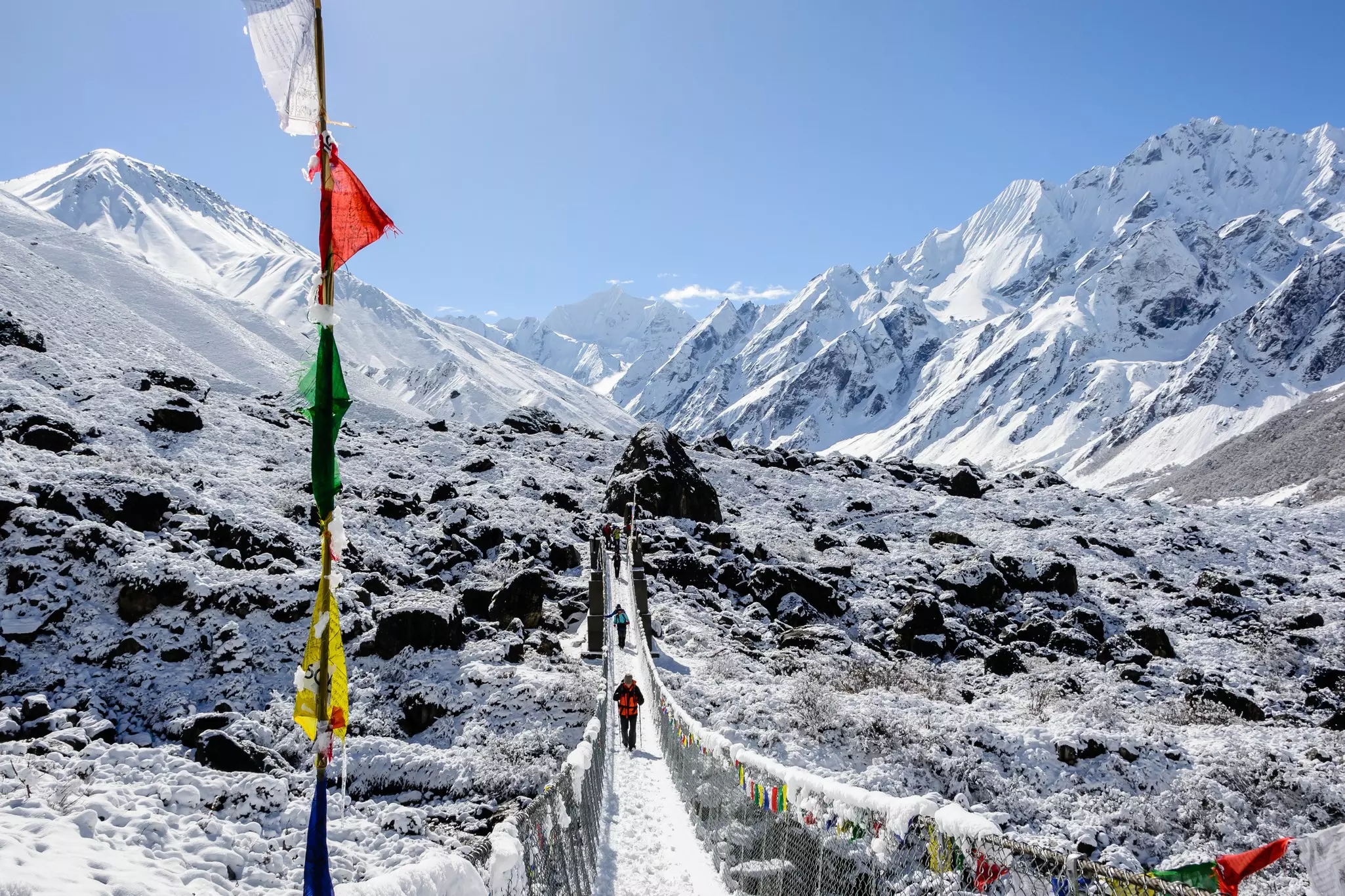
Acute mountain sickness (AMS) is a risk on any route that climbs above 2500m, and it can be fatal, so it's important to take steps to acclimatize. Some of Nepal's most popular routes reach nearly 5500m, so climb slowly, staying hydrated and limiting your rate of ascent, even if this means walking only a few hours on days with a steep gain in altitude.
Take regular rest days to help your body adjust to the elevation – you can use these to explore on short local hikes, but always aim to sleep at a lower elevation than the highest point you reached that day. On any stage of the trek, it's a sensible policy to sleep no higher than 500m above the elevation where you spent the previous night.
Make sure you are fit enough for the trek by taking regular practice hikes at home before you reach Nepal. Taking acetazolamide tablets can reduce mild symptoms of AMS, but if you start to experience more serious symptoms, stop ascending, and if things don't improve, immediately descend to a lower elevation.
To reduce your impact on the fragile Himalayan environment while trekking in Nepal, bring water purification tablets or a water filter to avoid contributing to the mountains of discarded plastic bottles abandoned in the mountains.
Avoid taking shortcuts, since these create new routes for erosion, and seek out teahouses and lodges that cook and heat water with solar energy or trekked-in gas rather than firewood. Also consider trekking on less busy routes or at less busy times, and break the trek at lodges between the established stops to spread the income from tourism more widely in rural communities.
Book your Nepal trip with Lonely Planet Journeys
See Nepal how it's meant to be seen
Planned by local experts and tailored to you, Lonely Planet Journeys handles the logistics so you can just enjoy the trip. Tell us what you want and we'll build your Nepal itinerary from scratch, or browse our bookable trips to get inspired.


Explore related stories