Aug 21, 202616 min read
The 10 Best Trails for Trekking in NepalNov 24, 2025
5 MIN READ

Writer
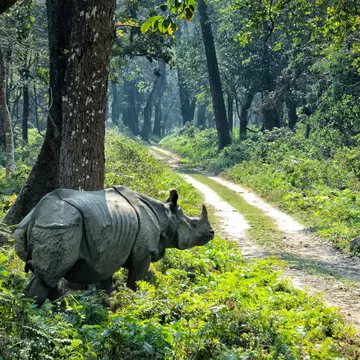
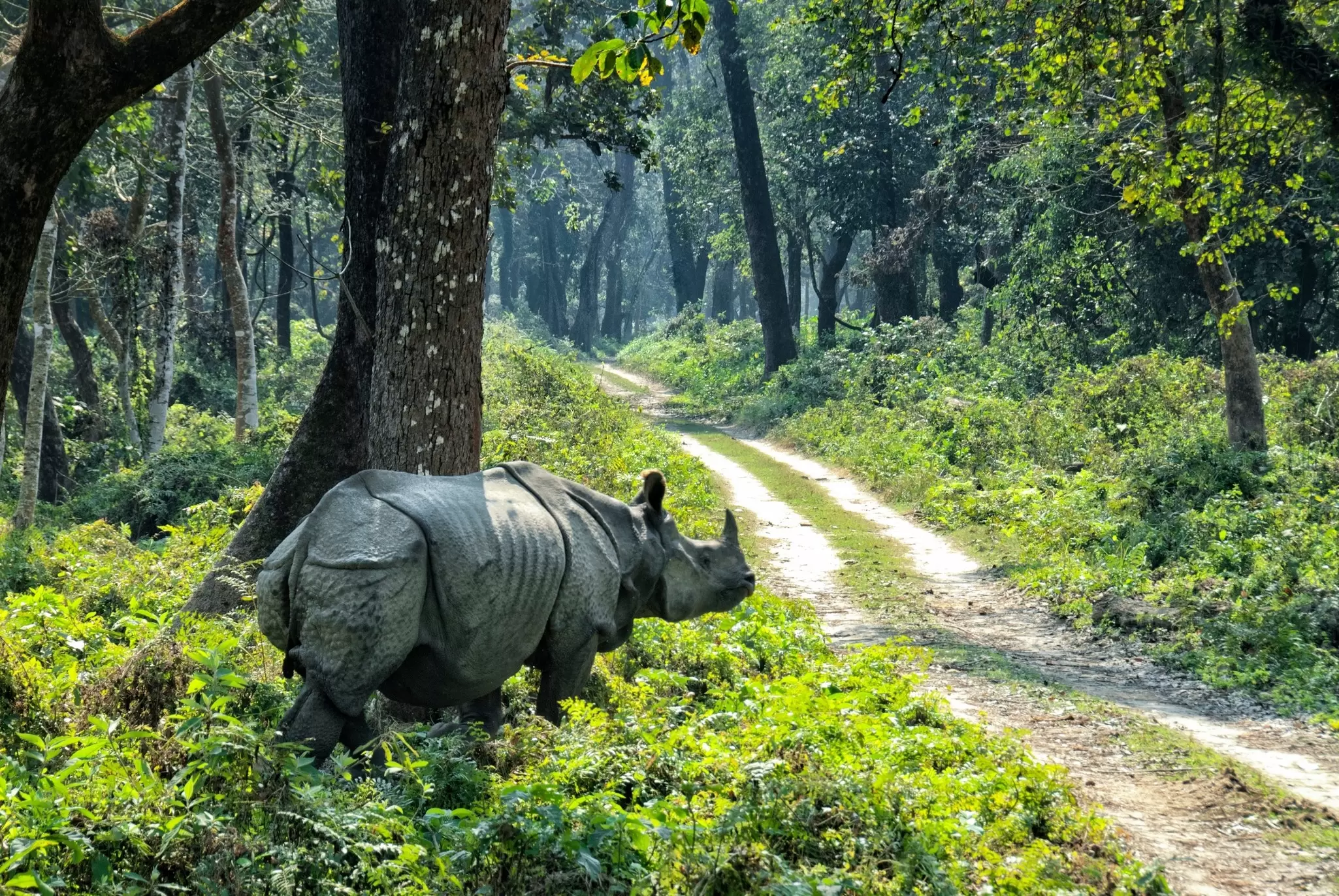
A one-horned Asiatic rhino in Chitwan National Park, Nepal. Danuta Hyniewska/Shutterstock
Writer
Lonely Planet may earn a commission from affiliate links on our site. All recommendations and reviews reflect our own independent opinions.
From bird-filled wetlands and the planet’s tallest mountain to glorious high-altitude lakes and lowland forests that teem with wildlife, Nepal encompasses an incredible range of landscapes.
All this natural splendor is preserved in the country’s dozen national parks as well as an assortment of other wildlife reserves and conservation areas. Distributed throughout the country, these wonders of nature are havens for trekkers, mountain bikers, white-water rafters and wildlife enthusiasts.
Inspired yet? Read on for our list of the best national parks and preserves in Nepal.
Best for spectacular trekking
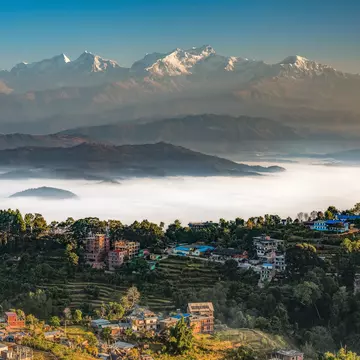
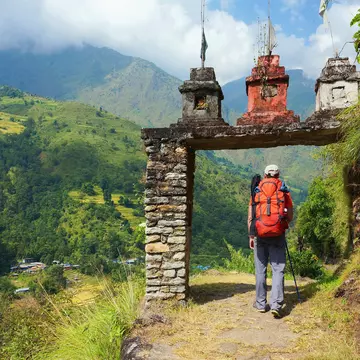
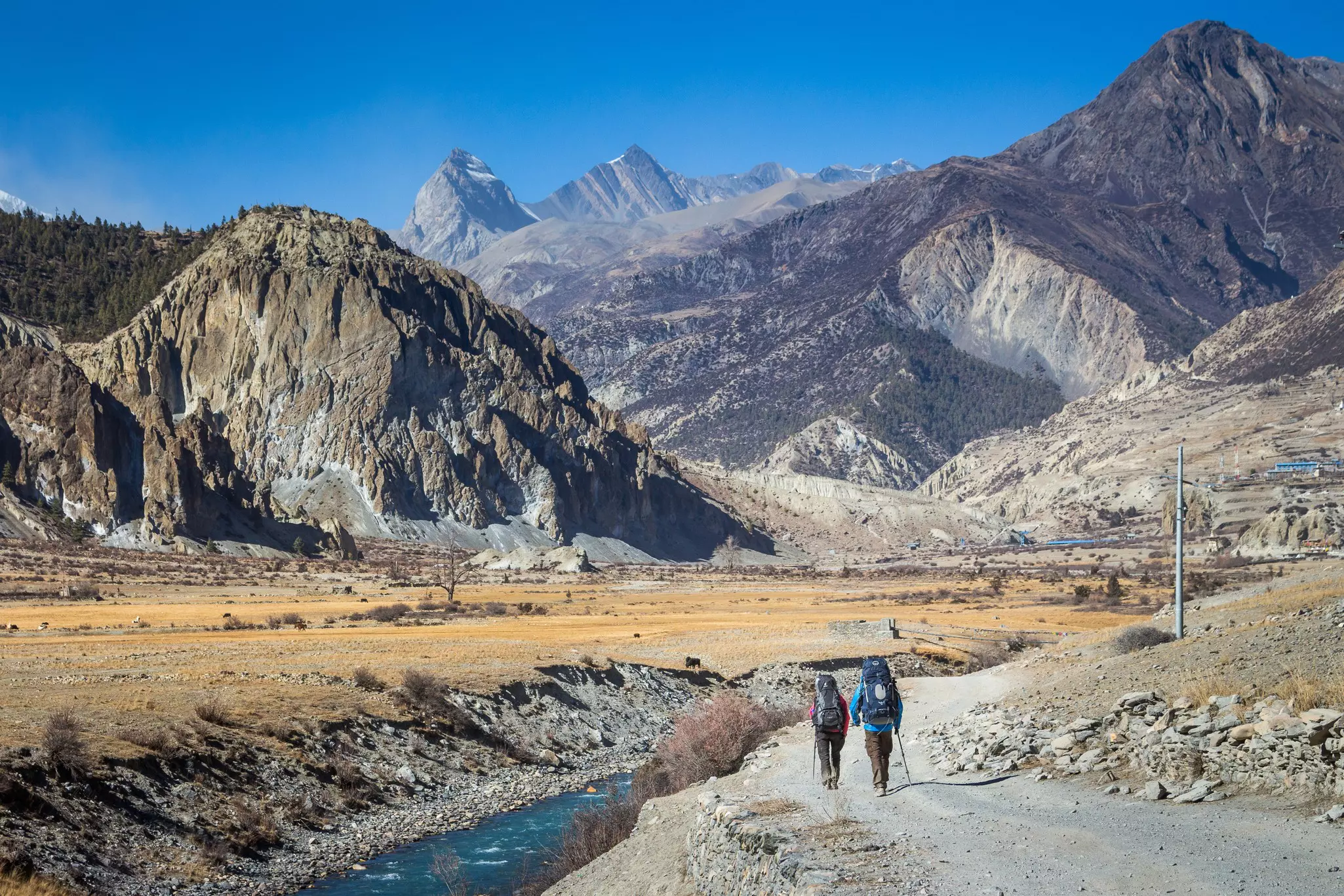
The Annapurna region draws more trekkers than any other part of Nepal – for good reason. Easily accessible from the city of Pokhara, the area has two of the country’s finest and most popular trails, the Annapurna Circuit and the Annapurna Sanctuary, both of which deliver awe-inspiring mountain views. There are plenty of other ways to explore this gorgeous part of the country, from short, self-guided hikes to extended expeditions.
Beyond the views of the eponymous Annapurna Range – reason enough to visit the region – you can expect a mix of dense forests, terraced hills, ridge-top villages, breathlessly high passes, looming glaciers, Buddhist monasteries and Hindu temples.
Best for bird-watching
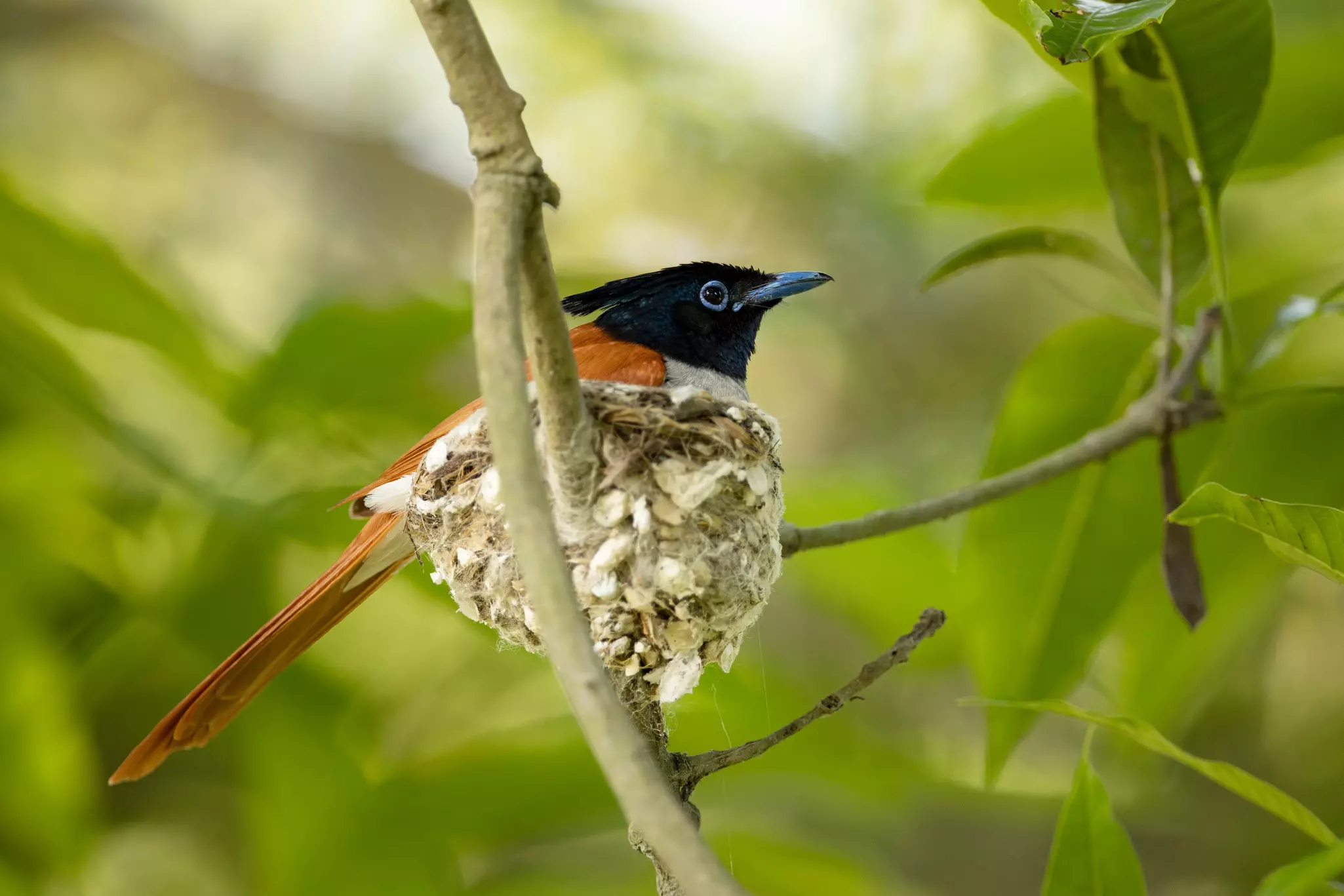
In the eastern Terai, Koshi Tappu is an oasis for bird-watchers. The reserve covers wetlands, grasslands, paddies, islands, ponds and rivers that are home to a staggering 441 species, including the red-necked falcon, the swamp francolin and the Bengal florican. On even a 90-minute hike through the reserve, you can expect to see dozens of different birds, thanks in part to the thin foliage, which increases the likelihood of sightings. You may also encounter an arna, an endangered wild water buffalo with magnificent horns.
Best for mountain biking
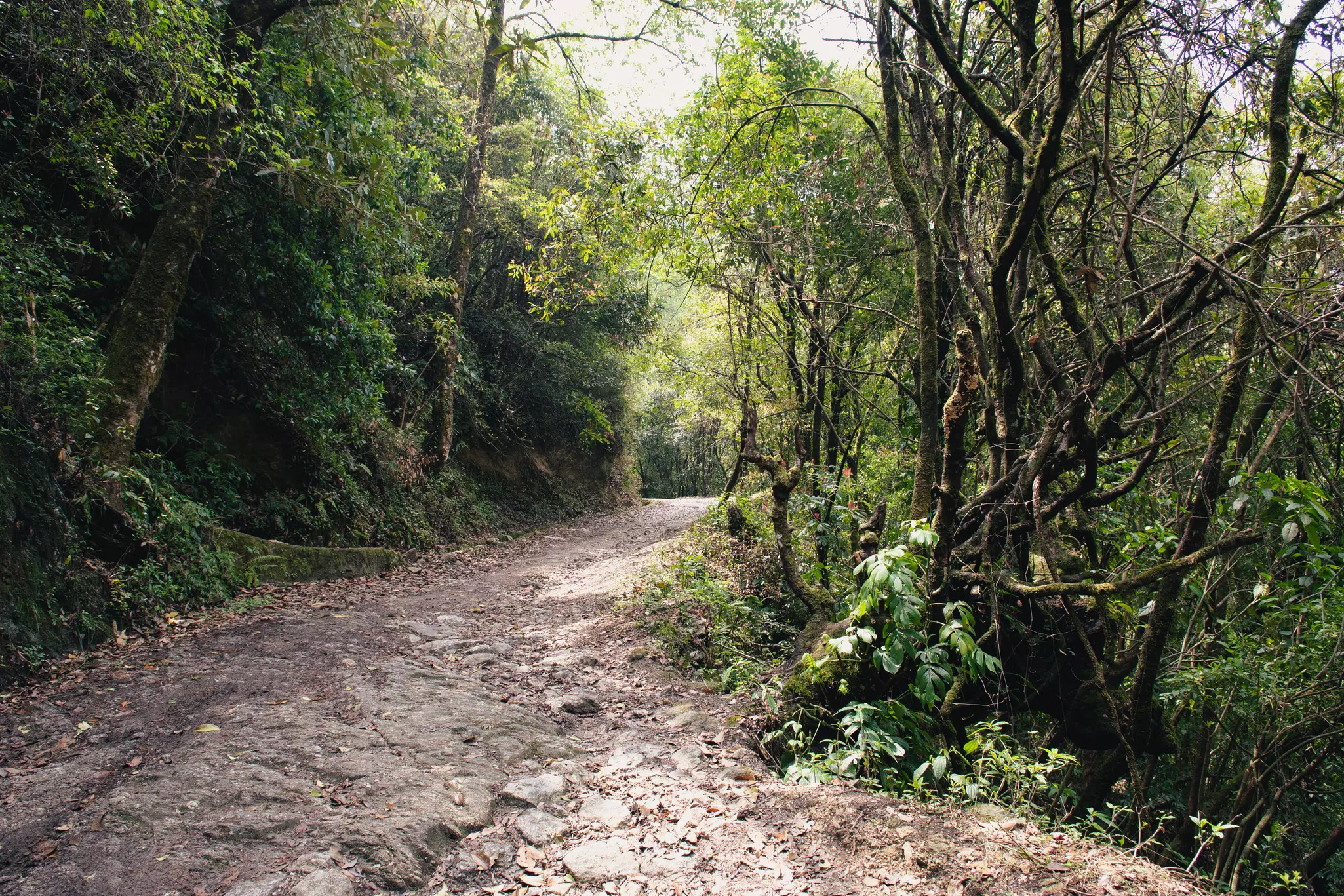
Spanning the northern edge of the Kathmandu Valley (within striking distance of Nepal’s bustling capital), the forests, hills and mountains of Shivapuri National Park are lined with tracks, paths and trails ideal for mountain bikers. These include the twisting Scar Road route, which cuts through the park and features a mix of challenging ascents and descents, several water crossings and varied terrain.
Starting and finishing in Kathmandu, the trail can be hard to navigate in places, so it’s worth going with a guide. While it’s a physically taxing cycle, there are plenty of reasons to stop for a break along the way – including Himalayan views, Buddhist shrines, rare orchids and over 150 species of birds.
Best for majestic peaks
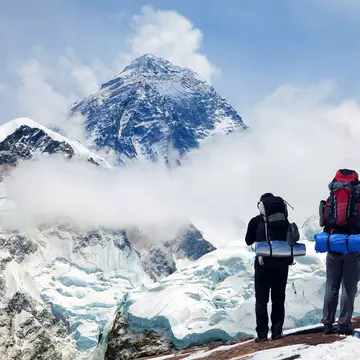
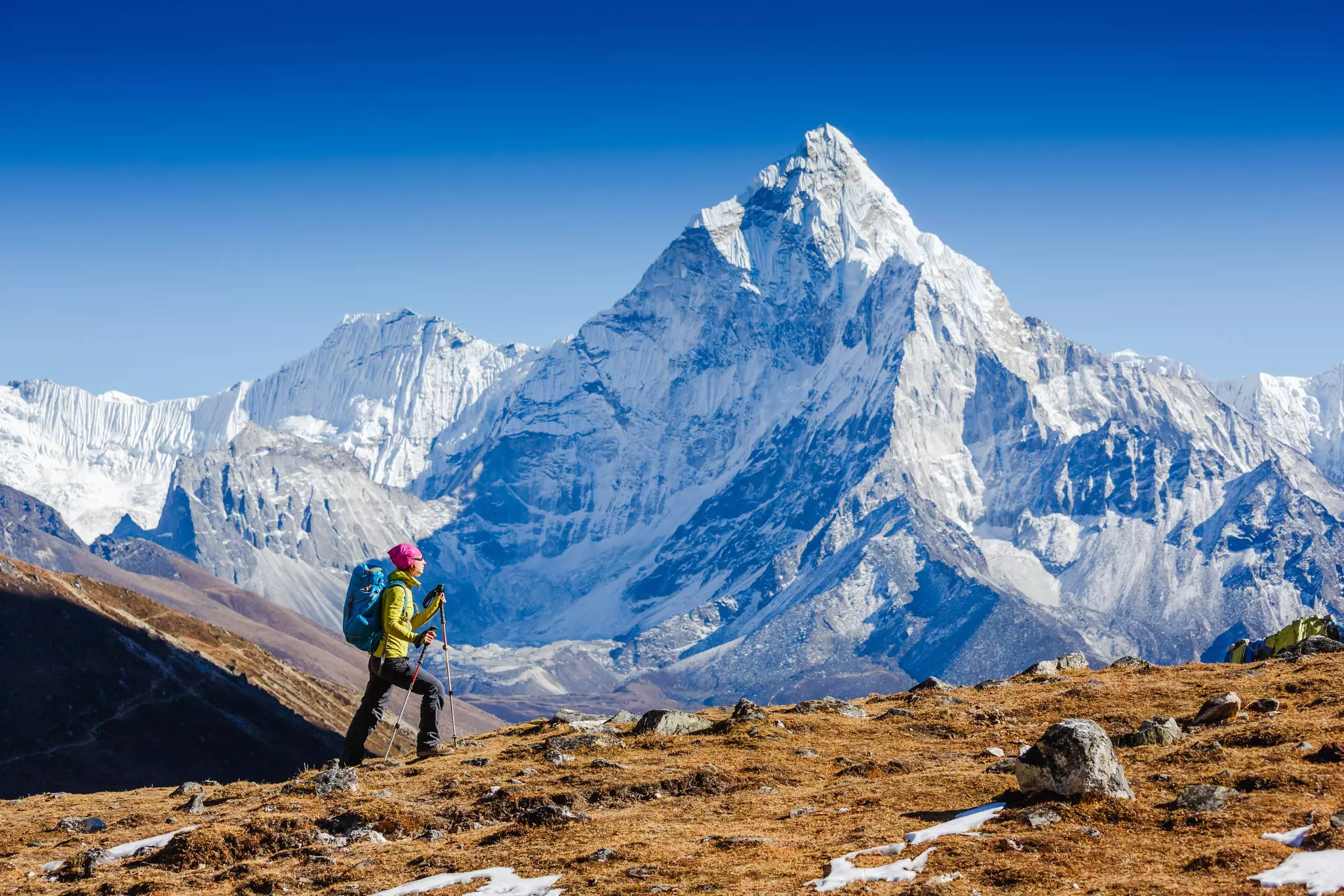
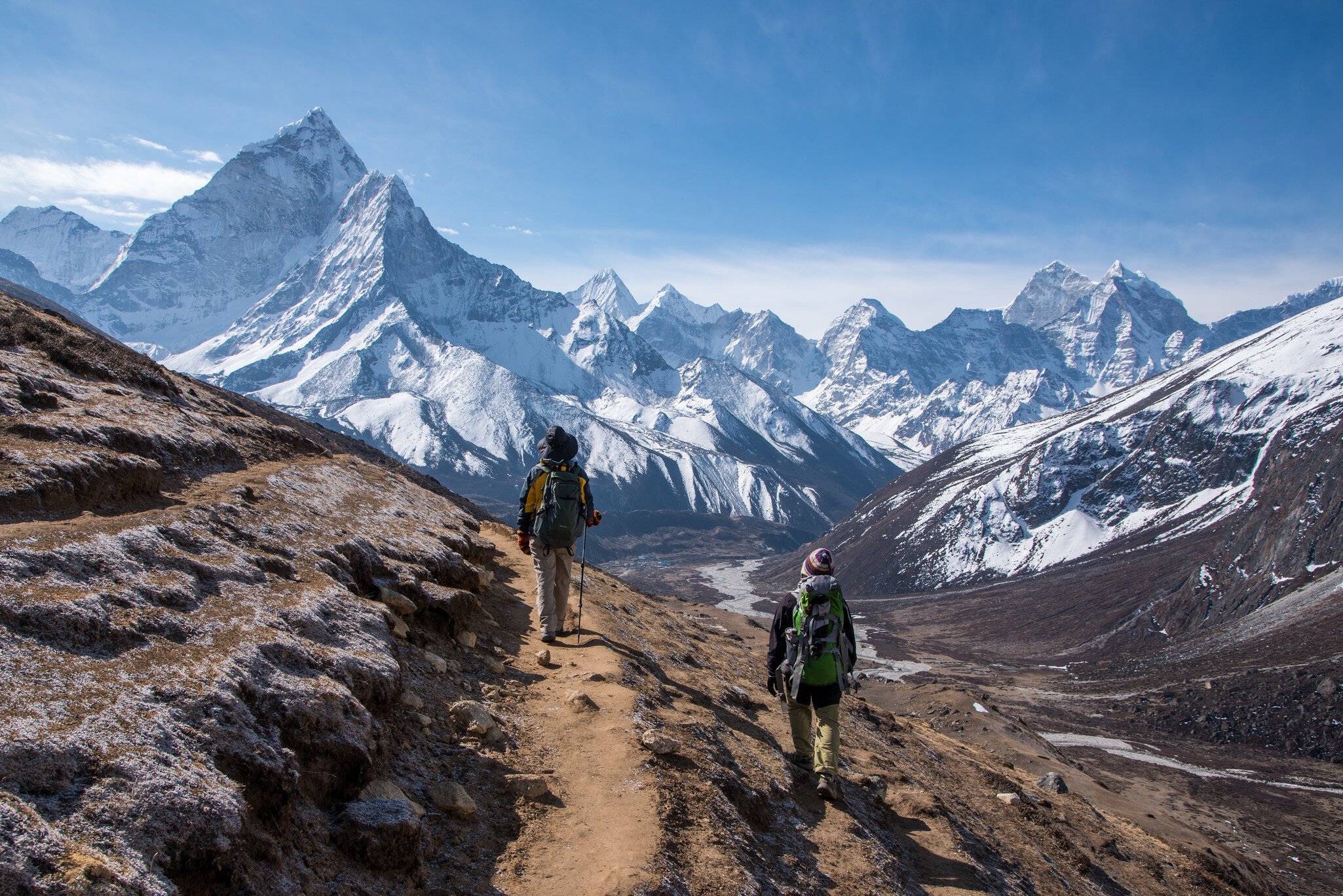
Spread across 1148 sq km of the Khumbu region in northeastern Nepal, Sagarmatha National Park encompasses a series of mountains over 6000m (19,685ft), thriving Sherpa communities, and some beautiful Buddhist monasteries, shrines and temples. And for obvious reasons, the biggest attraction is Sagarmatha, the Nepali name for Everest, the tallest mountain on Earth.
Thousands come each year to trek the legendary Everest Base Camp trail, which offers sublime views of the 8848.80m-high peak, while hundreds more attempt to climb to the summit.
Best for rhino sightings
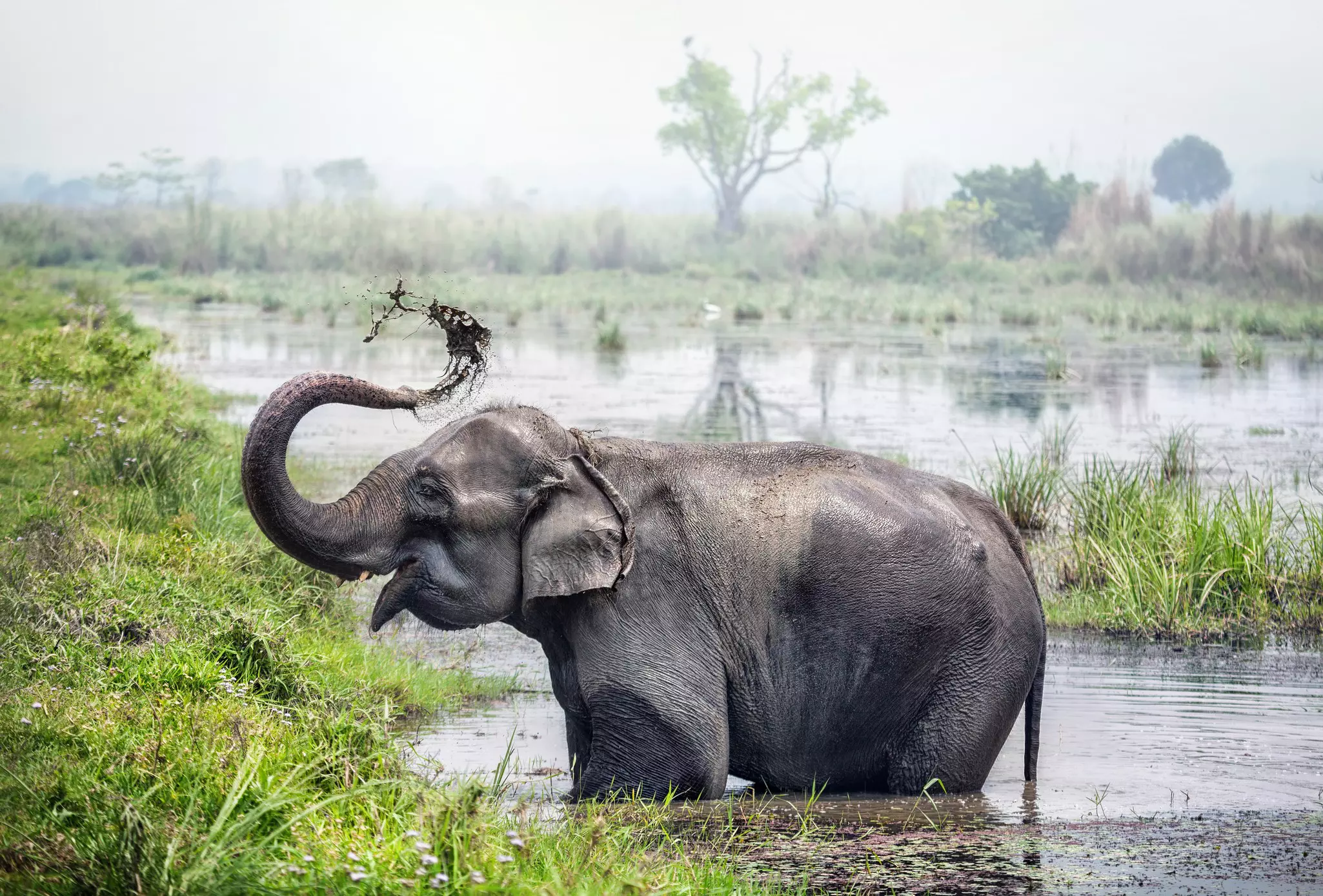
Nepal’s most famous national park is one of the last remaining habitats of the one-horned Asiatic rhino, which was brought back from the brink of extinction by pioneering conservation efforts. Located in the Terai, a lowland belt running the length of southern Nepal, the park boasts a rhino population numbered at 694 in a 2021 survey. Rhinos inevitably (and justly) take top billing at Chitwan; travelers on jeep, walking or canoe safaris can also spot a host of other creatures, including monkeys, sloth bears, deer, gharial crocodiles, and – with a spot of good fortune – tigers.
Best for crowd-free wildlife spotting
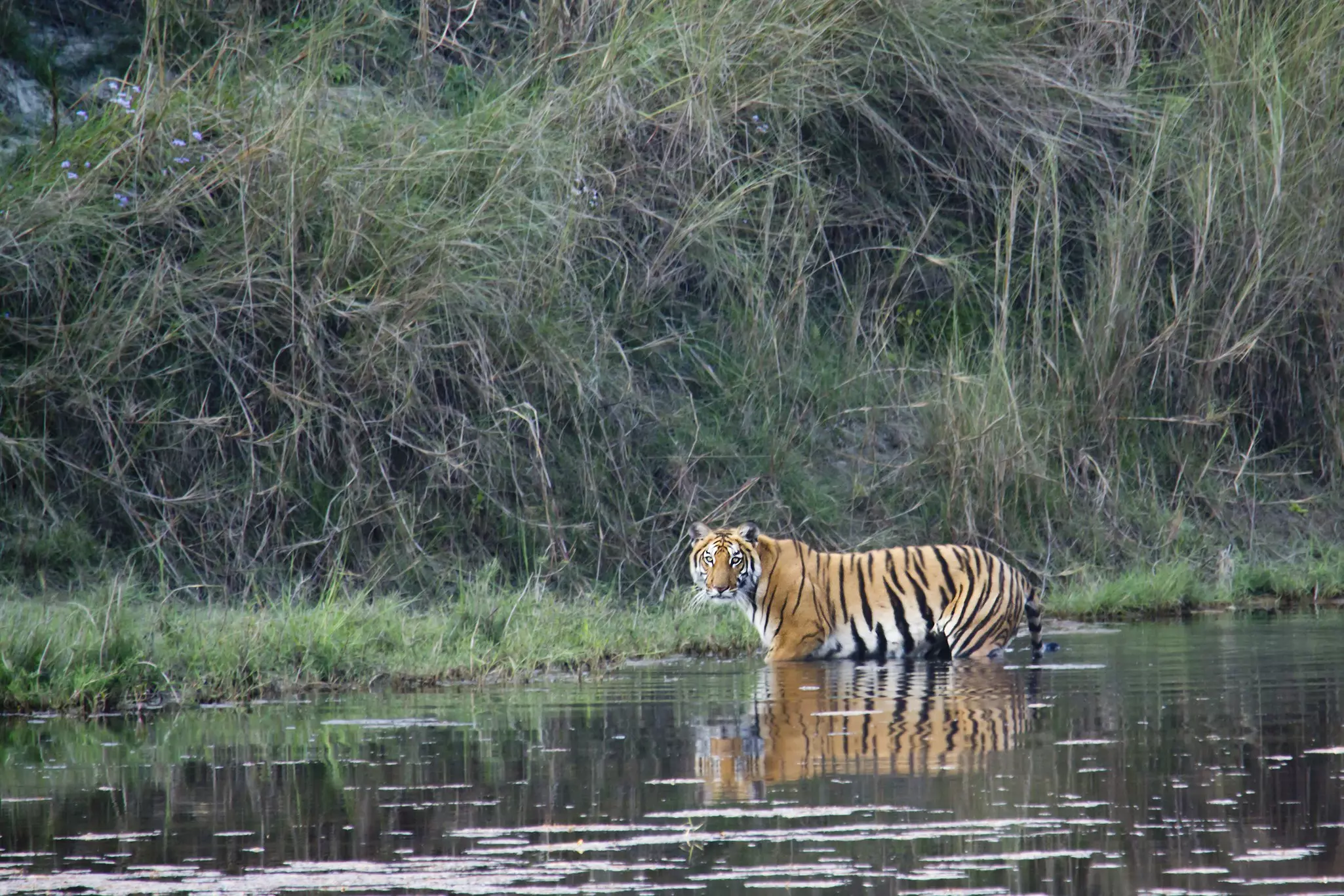
The largest national park in the Terai, Bardiya is wilder and less commercialized than Chitwan but equally rich in wildlife. The reserve comprises a vast expanse of forest, savannah, hills and river systems, and its relative lack of visitors means you can explore its pristine ecosystems without being disturbed by other travelers on safaris.
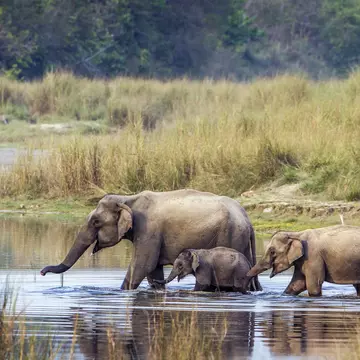
Bardiya has around 38 one-horned rhinos (as per a 2021 survey) – and you have a good chance of spotting one of them, though you may need a bit more time and patience than in Chitwan. The park also hosts significant populations of wild elephants, tigers, leopards, Gangetic dolphins, gharial and marsh mugger crocodiles, plus more than 250 species of birds.
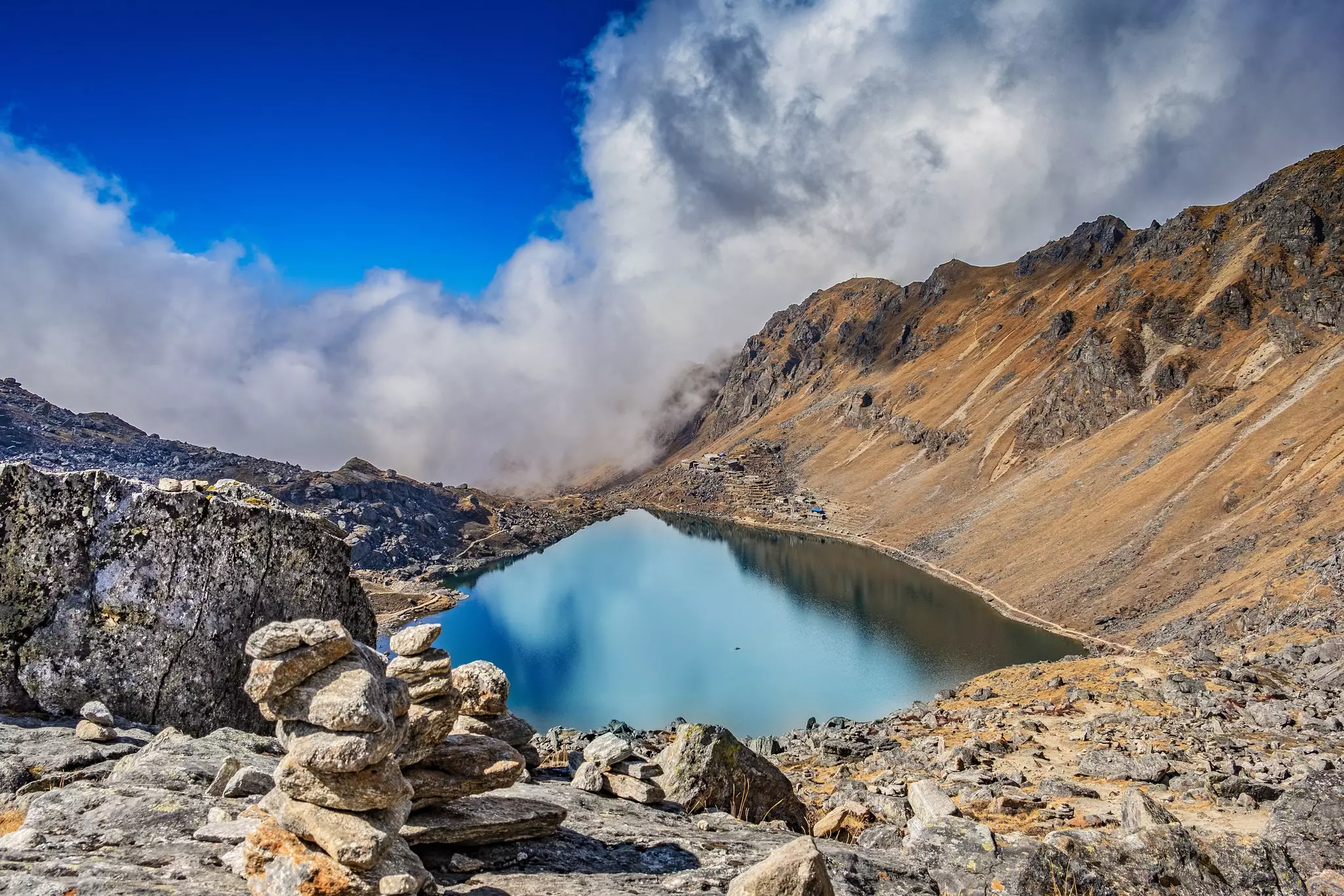
Best for spiritually infused beauty
The centerpiece of Langtang National Park, one of Nepal’s key trekking areas, is a stunning group of high-altitude lakes surrounded by soaring peaks. The beautiful Gosainkunda lakes are an essential pilgrimage site for Hindus due to their associations with the god Shiva and goddess Gauri. As many as 20,000 devotees arrive during the Janai Purnima festival in August.
Set at 4380m above sea level, these still, ice-cold bodies of water often draw nonreligious travelers, too, who arrive here following a dramatic week-long trek from the trailhead at Dhunche, a village at the edge of the park.
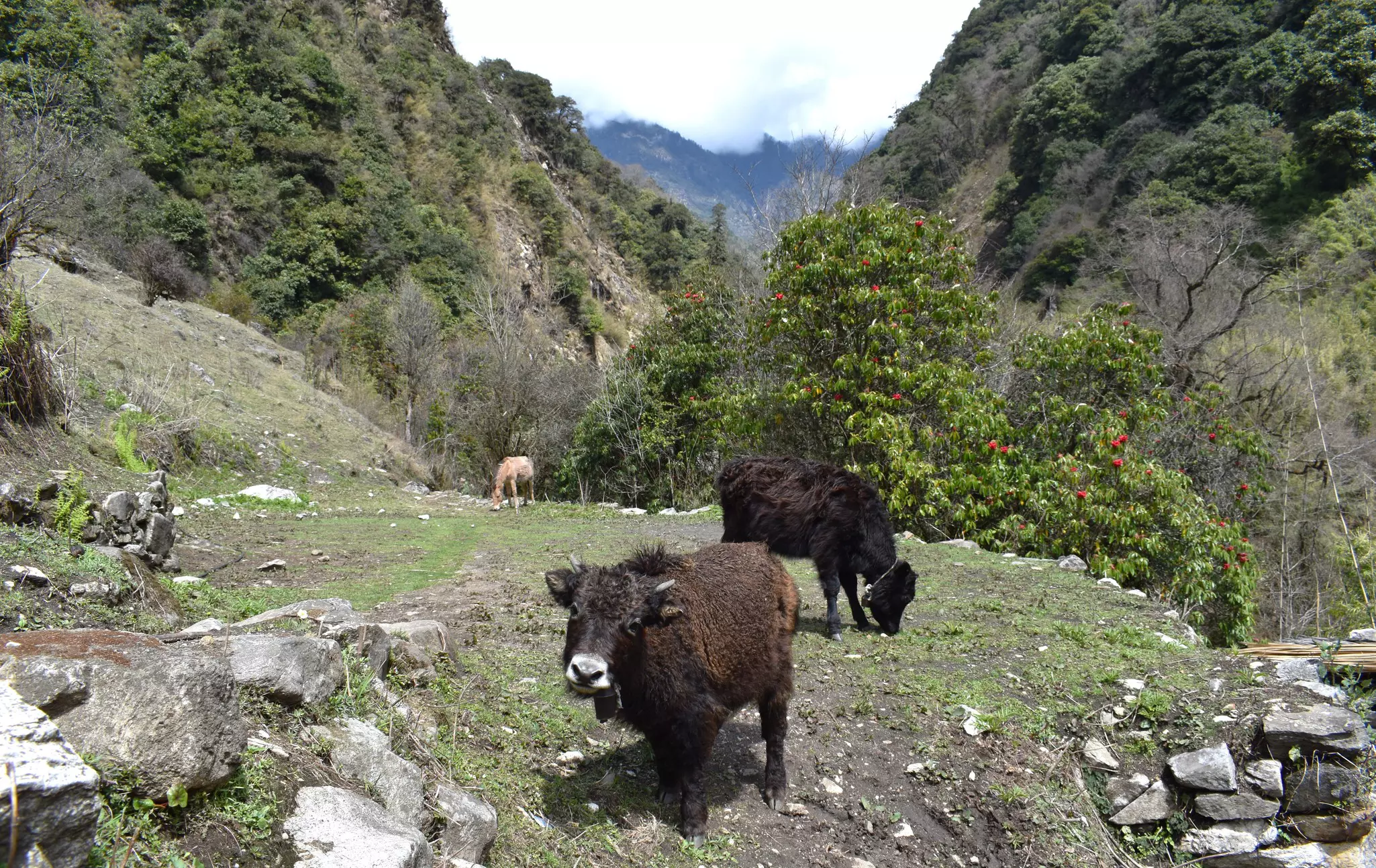
Best for high-altitude adventures
Tucked away in the far northeastern corner of Nepal, near the borders with Tibet and the Indian state of Sikkim, the remote Kanchenjunga Conservation Area receives only a tiny fraction of the thousands of travelers who visit the Himalayas each year. As a result, in contrast with the well-trodden routes that wind through the Annapurna and Sagarmatha regions, you can explore Kanchenjunga’s trails in peace.
With the towering 8586m-high peak of Kanchenjunga, the world’s third-tallest mountain, as its centerpiece, the park offers excellent trekking, as well as challenging white water rafting and kayaking on the churning rapids of the Tamur River.
Book your Nepal trip with Lonely Planet Journeys
See Nepal how it's meant to be seen
Accommodations, activities and ground transportation all taken care of, so you can focus on the fun part. Tell us what your dream trip to Nepal looks like, and our local experts will build it from scratch. Or start with one of our itineraries and make it your own.

Explore related stories