Mar 27, 20265 min read
8 Tips for Taking the Night Bus in Southeast AsiaDec 1, 2025
14 MIN READ

Writer
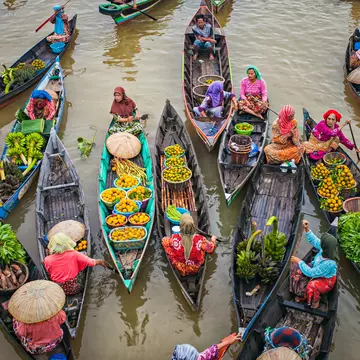
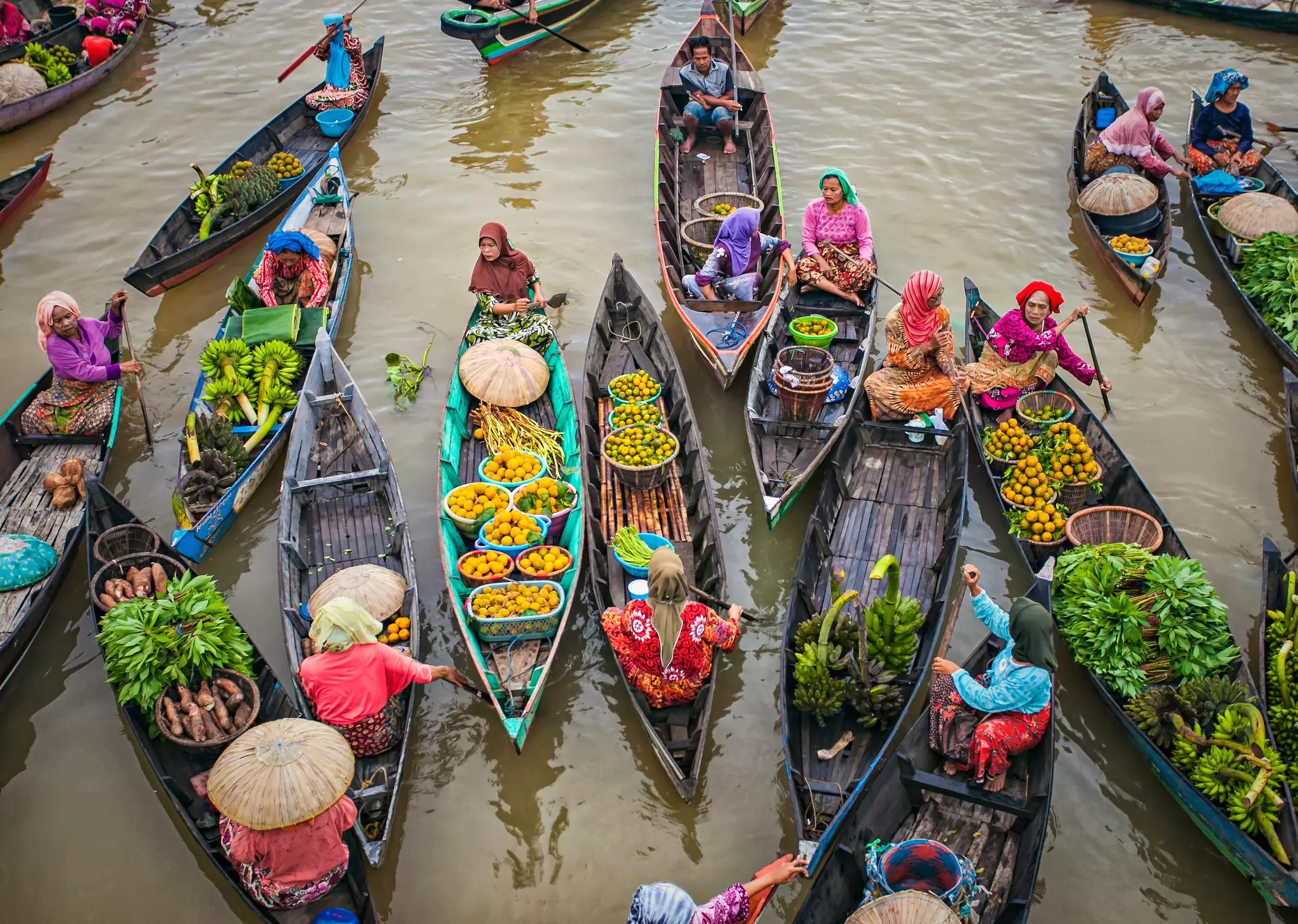
A floating market in Indonesia. Sony Herdiana/Shutterstock
Writer
Highlights
Lonely Planet's editors map a four-week Southeast Asia route from Bangkok to Bali.
Bangkok and Chiang Mai kick off the trip before Laos's Luang Prabang and Angkor Wat.
Ride Vietnam's Reunification Express from Hanoi to Saigon, then head to Kuala Lumpur in Malaysia.
From Singapore, ferry to Sumatra for orangutan treks, then marvel at Java's Borobudur before Bali.
Lonely Planet may earn a commission from affiliate links on our site. All recommendations and reviews reflect our own independent opinions.
Southeast Asia was once the sun-soaked end destination of the hippie trail, and it still lures travelers looking to soak up multiple countries and cultures today.
Having crossed Europe, the Middle East and the Indian Subcontinent, travelers in the ’60s and ’70s flocked to countries such as Thailand, Malaysia and Indonesia to enjoy some blissed-out beach time in the tropical sunshine. It’s easy for modern-day wanderers to do the same, with convenient land border crossings, and frequent flights and ferries connecting Southeast Asia’s many islands.
But my gosh is there a lot to see! Many travelers limit themselves to mainland Southeast Asia, crossing Thailand, Malaysia, Laos, Cambodia and Vietnam overland. Others focus on the islands, daisy-chaining through the resort islands of Thailand and Malaysia to Indonesia and the the Philippines. Wildlife enthusiasts often devote a whole trip to jungle-wrapped Borneo.
Activities abound, from touring timeless temples such as Cambodia’s legendary Angkor Wat to diving and snorkeling on the teeming coral reefs of Indonesia’s scattered islands and trekking through Thailand’s wonderful national parks.
To help with inspiration, consider this 4-week itinerary, which takes in highlights of both mainland Southeast Asia and the islands. With so much ground to cover, you’ll have to take a few flights, but it’s an experience that will stay with you for a lifetime.
Southeast Asia is a vast region, with more than 6000km separating the border with India in the west to the remote jungles of Indonesia’s Papua in the far southeast – so be prepared for a bit of diversity in the climate. The key factor to be aware of when timing your trip is the impact of the two monsoons, which can bring heavy rain to different places at different times, even within the same country.
The southwest monsoon brings spikes in temperature and high humidity across the Andaman Sea and Strait of Melaka from May to October. The northeast monsoon brings cooler weather and rain to locations closer to the South China Sea (such as Indonesia and Borneo) from November to April.
In practice, the rainiest months – with a risk of flooding and transport disruption – tend to run from June to October in Thailand, Laos, Cambodia, Vietnam and the Philippines. In the south and east of the region, in Malaysia, Indonesia and Singapore, the wettest weather arrives between October and March.
Consider the possible impact of the monsoon on activities such as diving and trekking and inter-island transport. Boat travel and diving can shut down entirely, trekking trails in national parks can close, and beachside accommodation and restaurants can shut down.
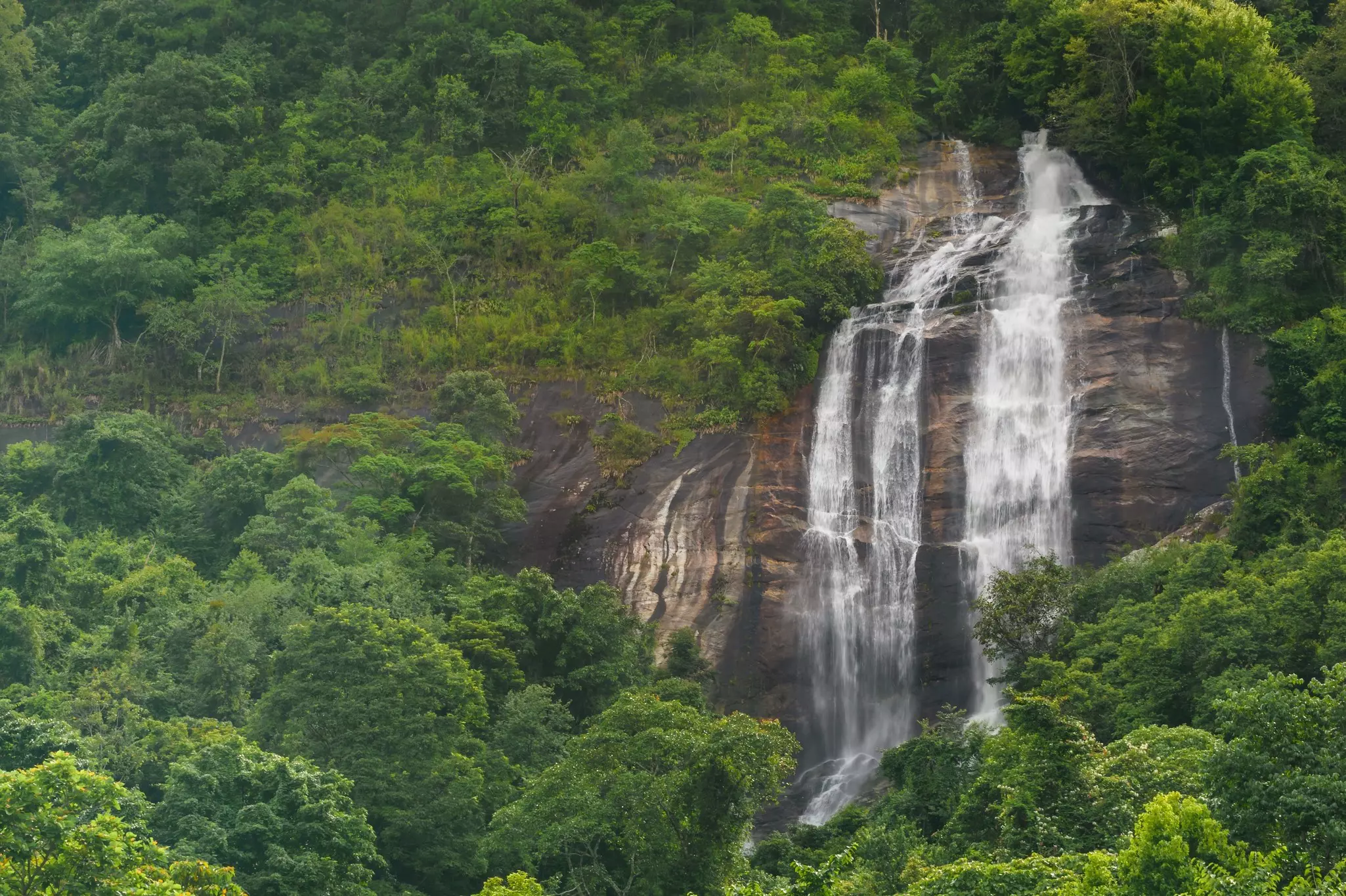
This said, don’t be put off traveling by the rains – downpours tend to come in short, sharp bursts, often late in the day, mixed with clear spells. Waterfalls are particularly impressive during the monsoon, and accommodation prices can drop dramatically on islands and in coastal resorts.
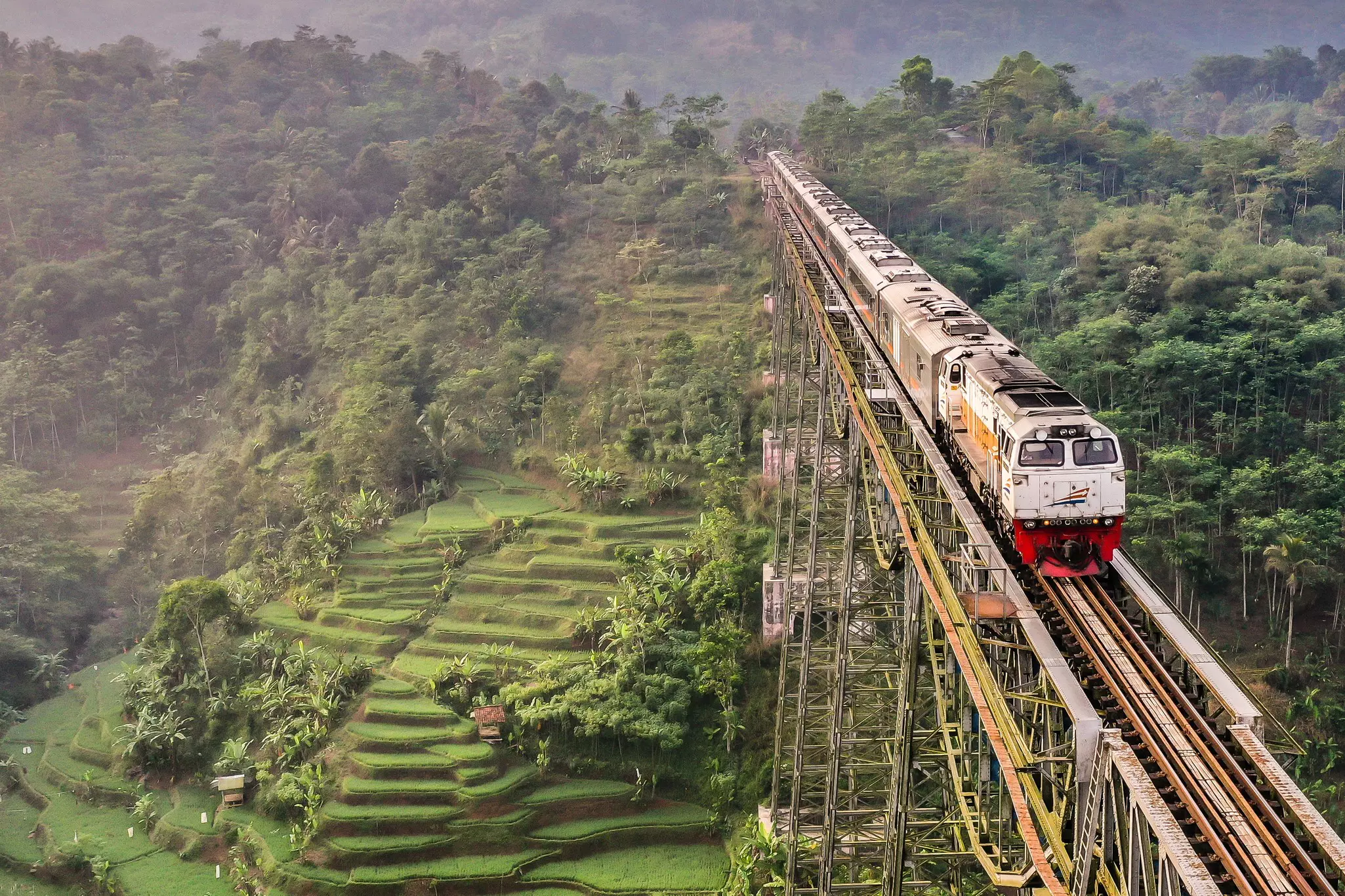
You can get around large parts of mainland Southeast Asia without going near an airport. You might take buses, trains and riverboats that follow the region’s major rivers (especially the mighty Mekong, which forms the international border between many countries in the region). However, flying will save you having to backtrack to border crossing points, as well as reducing travel time, albeit at a cost in carbon emissions.
Trains and buses can get you from northern Thailand and Vietnam all the way south through Malaysia to Singapore, where boats hop across to the western islands of Indonesia. Yet you’ll need to fly to reach Borneo and some other island groups in Indonesia.
Note that boat travel across the region can be disrupted by the monsoons, which bring rough seas even if boats are still able to operate. Conversely, some inland river journeys only run during the wet months, when rivers are deep enough to navigate.
Pack comfortable shoes for walking, flip-flops and swimwear for the beach, a sun hat and sunscreen for the tropical climate, an umbrella for occasional rain showers (those rainforests are green for a reason), and some warmer layers for trips to the cooler highlands and dealing with icy air-conditioning.
Earplugs can be handy, too – from traffic noise to the call to prayer from mosque minarets, this can be a noisy part of the world. Be sure to grab a sarong (available locally) to cover up away from the beach in more conservative areas. Bringing your own mask and snorkel can turn any coastal trip into a marine adventure.
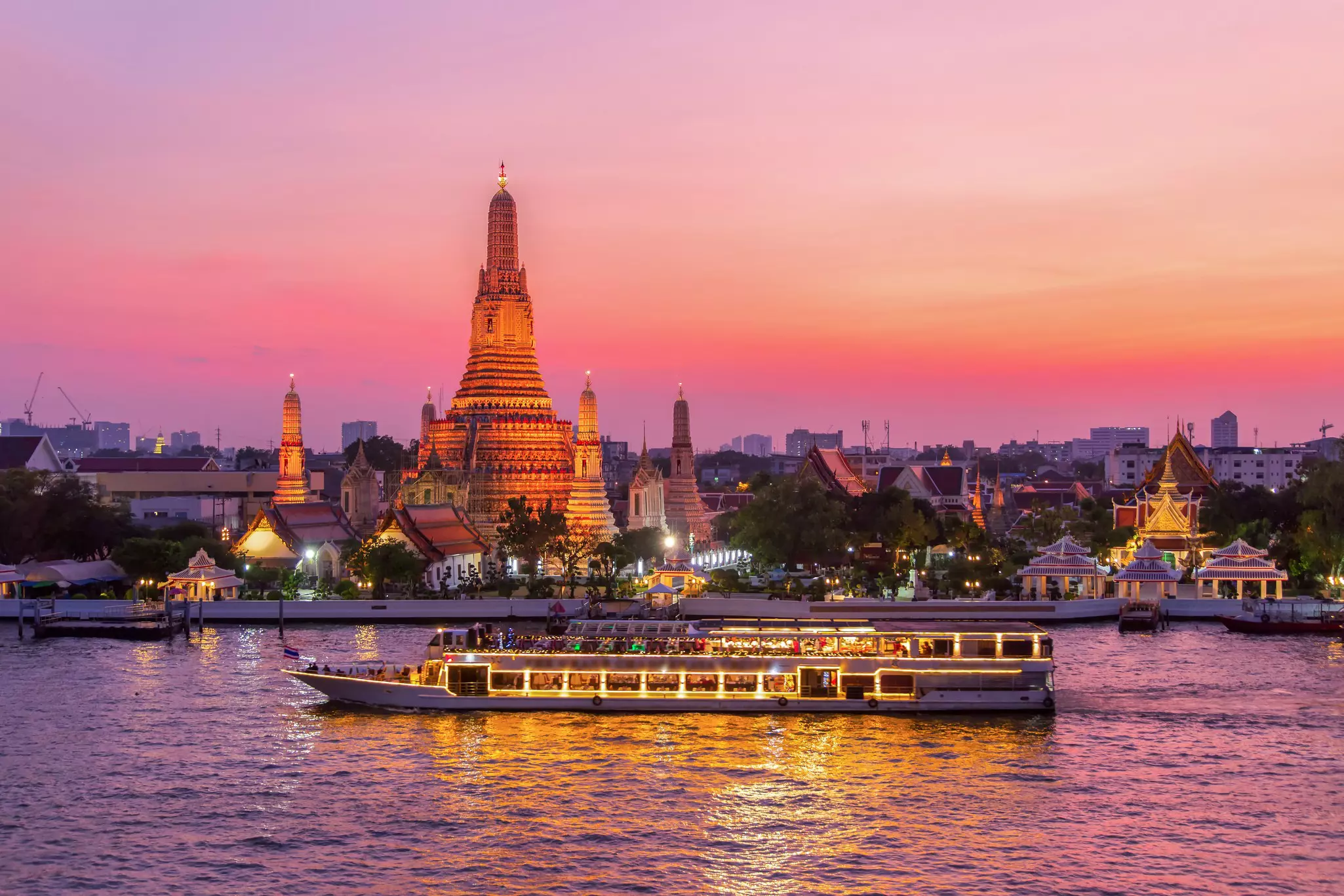
Go to Bangkok: Thailand’s exuberant capital, Bangkok, is a major international air hub, served by flights from across the globe. Many travelers use the city as a stopover on the air route between Europe and Australia and New Zealand.
How to spend the days: Bangkok is Thailand’s thrill-filled doorway to the world, so kick off your trip with several days in Southeast Asia’s most exciting city. Juggle the backpacker buzz of Khao San Road with some of the world’s best street food, serene Buddhist monasteries, spectacular shopping and nightlife, and easy day-trip destinations such as Ko Kret and Ayuthaya.
Visit iconic Wat Arun and the giant reclining Buddha in Wat Pho, and boggle at the beauty of Wat Phra Kaew and the Grand Palace. Have dinner in Chinatown and hit Chatuchak Weekend Market, one of Asia’s most memorable shopping stops. Block out time for a ride on the Chao Phraya Express riverboat – it’s like a water-based tour that passes some of Bangkok’s top sights, all for the price of a local ferry ticket.
Take a 2-day trip by train to Chiang Mai, famed for its food and glittering wat (Buddhist monasteries). Head into the jungle-covered hills to golden Wat Phra That Doi Suthep, gaze at centuries-old monasteries and stupas in the old city, haggle for souvenirs in crammed street markets, graze the city’s spectacular night market food stalls, and learn to cook green curry and pad thai (pàt tai) during a Thai cooking course.
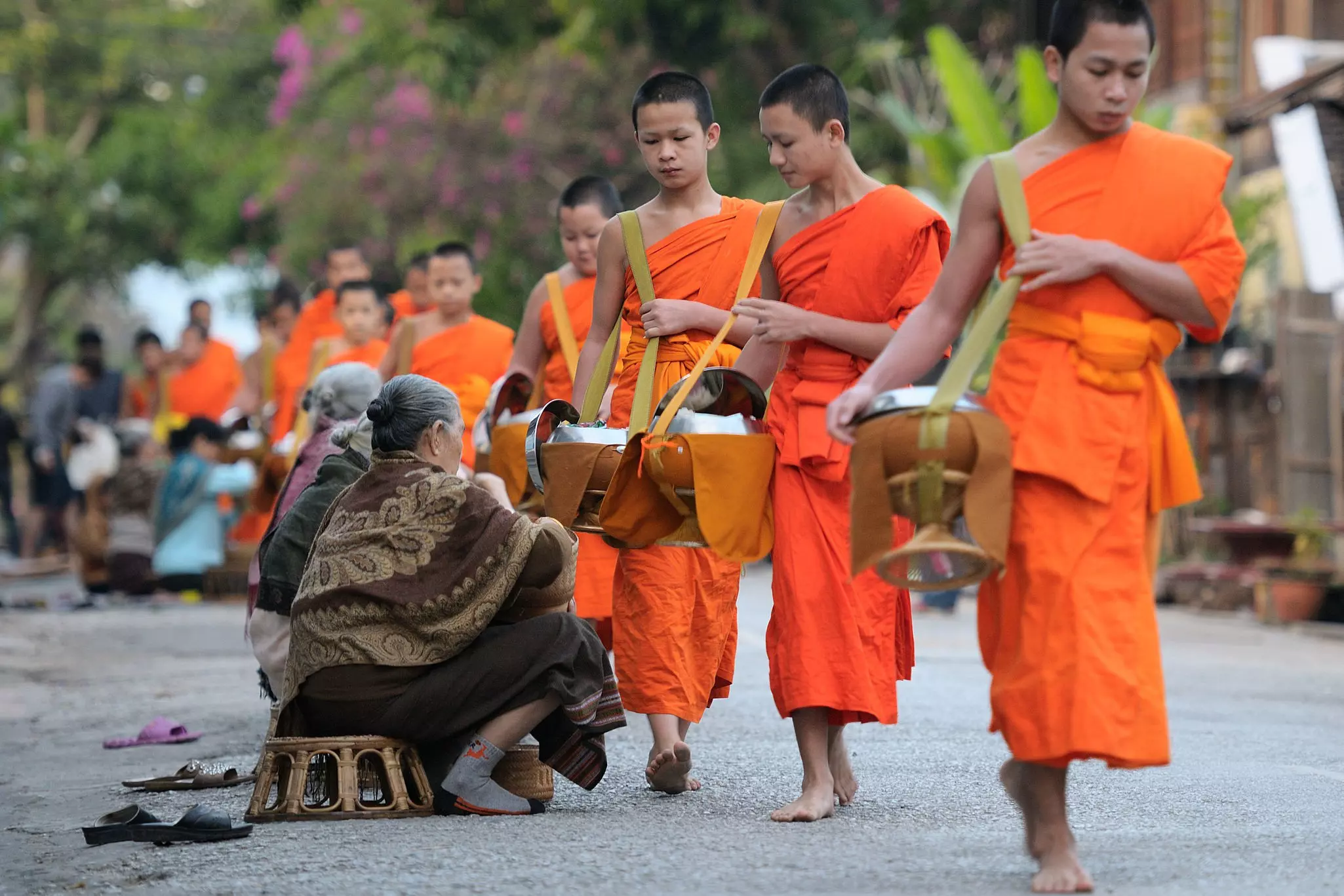
Go to Luang Prabang: Flights will whisk you from Chiang Mai to Luang Prabang, Laos’ most laid-back city and a delightful rest stop on the cross–Southeast Asia trail.
How to spend the days: Two days or more will give you time to explore the lanes of Laos’ former royal capital, strung out beside the swirling waters of the Mekong. Wander slowly, taking in this sacred city’s many temples and pausing regularly for delicious street food.
If you just visit one temple, make it Wat Xieng Thong, one of the oldest Buddhist monasteries in town, with its delicate gold stencil work and nine cascading roofs. Other essential stops include the splendid Royal Palace Museum and the golden That Chomsi stupa atop Phou Si hill.
When you're done with religious architecture, pass the time with market trips, Mekong cruises, cooking classes, cycling to the artisan’s village of Ban Xang Khong, and getting up early to watch monks filing through the streets gathering alms.
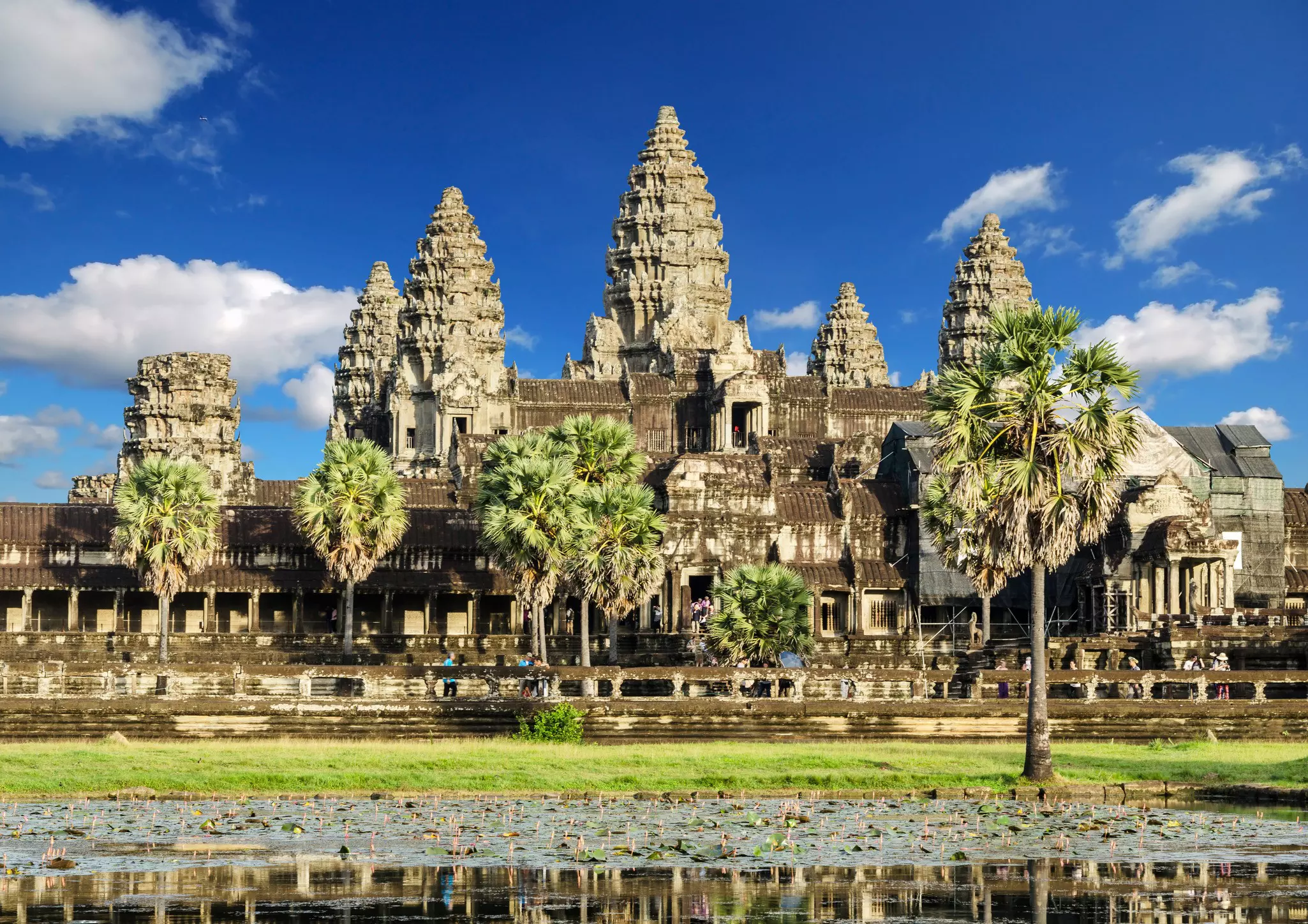
Go to Siem Reap: The gateway town to the famous temples of Angkor, Siem Reap has evolved into a vibrant traveler hub, and convenient flights buzz here from Luang Prabang.
How to spend the days: Angkor is not one temple but a veritable city of temples, wrapped around the greatest of them all, spectacular Angkor Wat. Ringed by a moat that would make European castles green with envy, this soaring shrine is an earthly representation of mythical Mt Meru, home of the Hindu gods.
Using Siem Reap as a base, spend at least 2 days exploring the Angkor Temples, taking in sunrise at the face-covered Bayon, tracing the remarkable bas-reliefs circling Angkor Wat, wandering among the giant tree roots strangling Ta Prohm, and venturing to outlying temples such as Banteay Srei.
Don’t overlook Siem Reap itself. This easygoing town is awash with restaurants, bars, quirky shops and centers offering yoga classes and traditional therapies. Make time for intriguing cultural experiences such as circus shows with a message at Phare the Cambodian Circus, and the Apopo Visitor Centre, where you can meet the incredible rats helping to clear landmines in Cambodia.
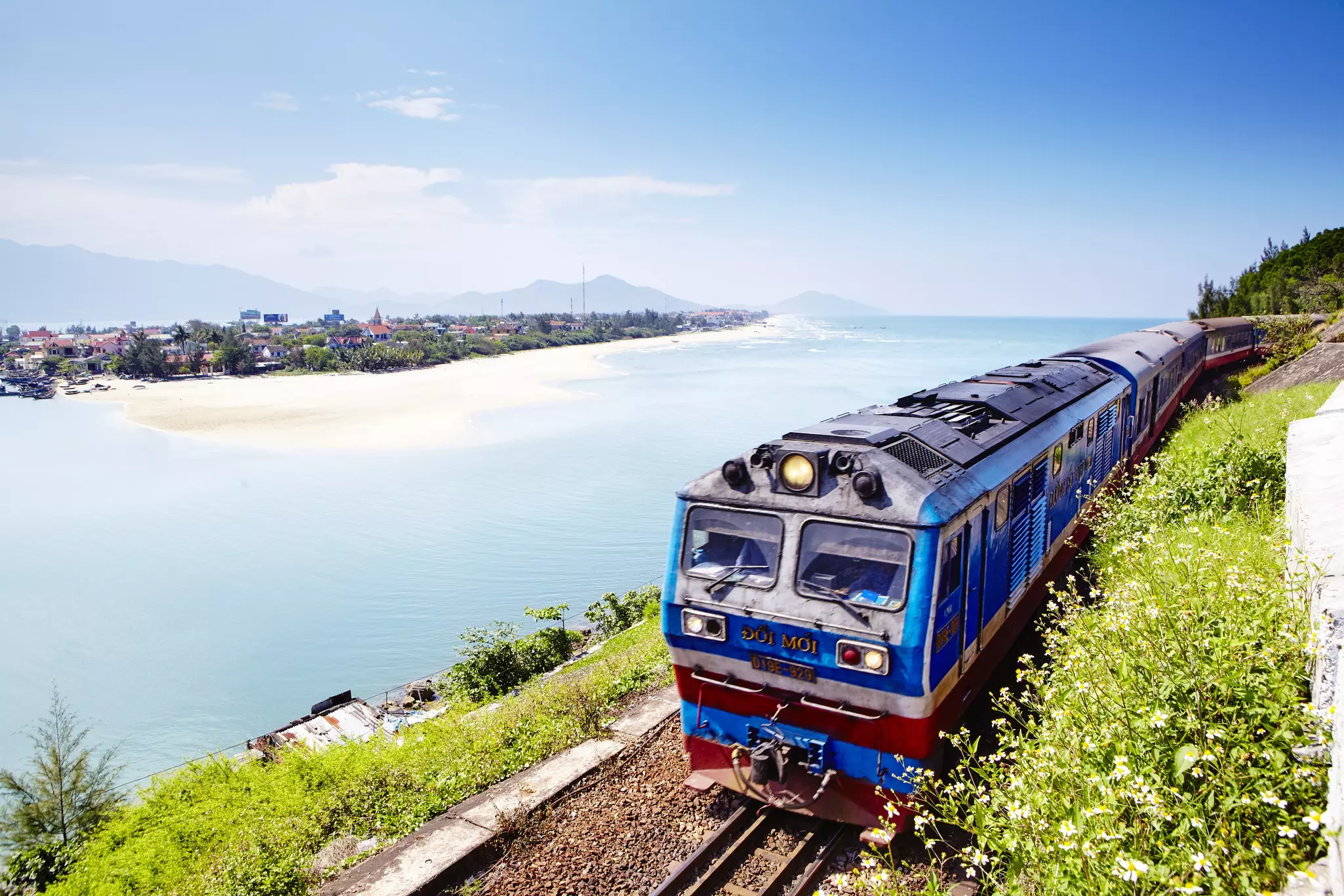
Go to Hanoi: Board another flight to cover the 600km between Siem Reap and Hanoi. Then it’s onto the rattling rails of Vietnam’s French-built railways.
How to spend the days: Start with a few days in handsome Hanoi, Vietnam’s northern capital, which mixes relics from Chinese and French colonialism and Communist rule with dynamic, modern undercurrents. Old Hanoi endures in the streets and alleys of the Old Quarter, where wandering vendors hawk produce and street kitchens cook up a storm; join locals sipping bia hoi (local draught beer) at street-side tables and breathe it all in.
Take time to stroll the storied shores of Hoan Kiem Lake – dropping into the Ngoc Son Temple – and pay your respects to revolutionary leader Ho Chi Minh at his solemn mausoleum in Ba Dinh Square. Devote a day to browsing museums, sipping ca phe (coffee) in vintage cafes, admiring heirloom buildings from the French Indochina days, and learning about Vietnamese imperial history at the Thang Long citadel.
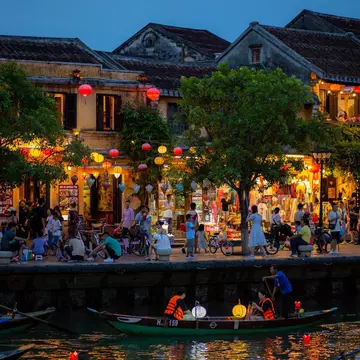
Next, board the Reunification Express – the umbrella term for a collection of trains running the length of Vietnam from Hanoi to Ho Chi Minh City (Saigon). You can complete this epic 1700km journey over 2 days, gazing out at the scenery and sea views, or break the journey in must-see spots such as Hue, with its spectacular imperial tombs and pagodas, and Hoi An, with its treasure trove of Hokkien Chinese architecture.
At the end of the line, take a day or two to compare Ho Chi Minh City to Hanoi. Vietnam’s southern capital beguiles with its eclectic old-meets-new vibe, century-old tree-lined boulevards and heritage buildings from the French-colonial period, many now converted into museums, hotels and trendy cafes. Drop into the Reunification Palace and HCMC Museum to delve into Vietnam’s complex and often troubled past.
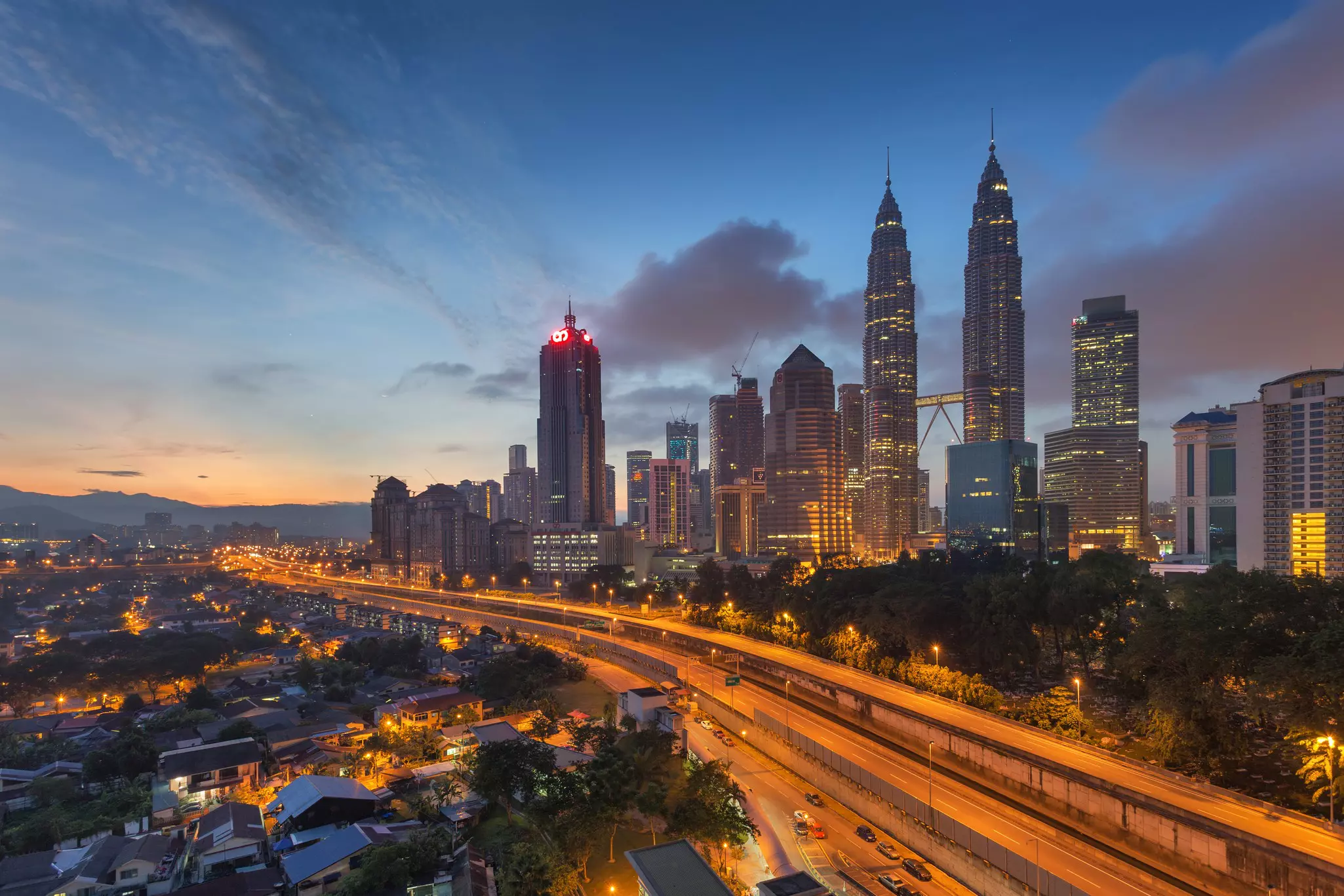
Go to Kuala Lumpur: From Ho Chi Minh City, another short flight will take you to Kuala Lumpur, Malaysia’s futuristic capital, which has evolved from a ramshackle tin mining settlement into a gleaming modern metropolis.
How to spend the days: Malaysia is legendary for its complex cultural melting pot, blending Tamil traditions from India, clan customs from China and local Malay Muslim culture. On menus in Kuala Lumpur’s food courts, restaurants and market streets, Cantonese-style claypot chicken is served alongside South Indian dosas (rice and lentil pancakes) and complex Malay curries such as rendang – a dense, spicy stew, flavored with lime leaves and roasted coconut.
Stroll around KL’s sleek, modern CBD; zoom up to the viewing deck at the Petronas Towers; visit iconic British-era monuments such as the Jamek Mosque; drop into urban groves of rainforest; then admire the city from above in a rooftop cocktail bar. Don’t miss the fascinating Batu Caves, guarded by a skyscraper-sized statue of Murugan, the Hindu god of war.
When you’re ready to continue south, take a bus to historic Melaka on the peninsula’s west coast, where Perankan (Malay-Chinese) culture thrives. Go on a history safari in the city’s museums and British, Portuguese and Dutch-built landmarks, and soak in the energy of shophouse-lined Jonker St.
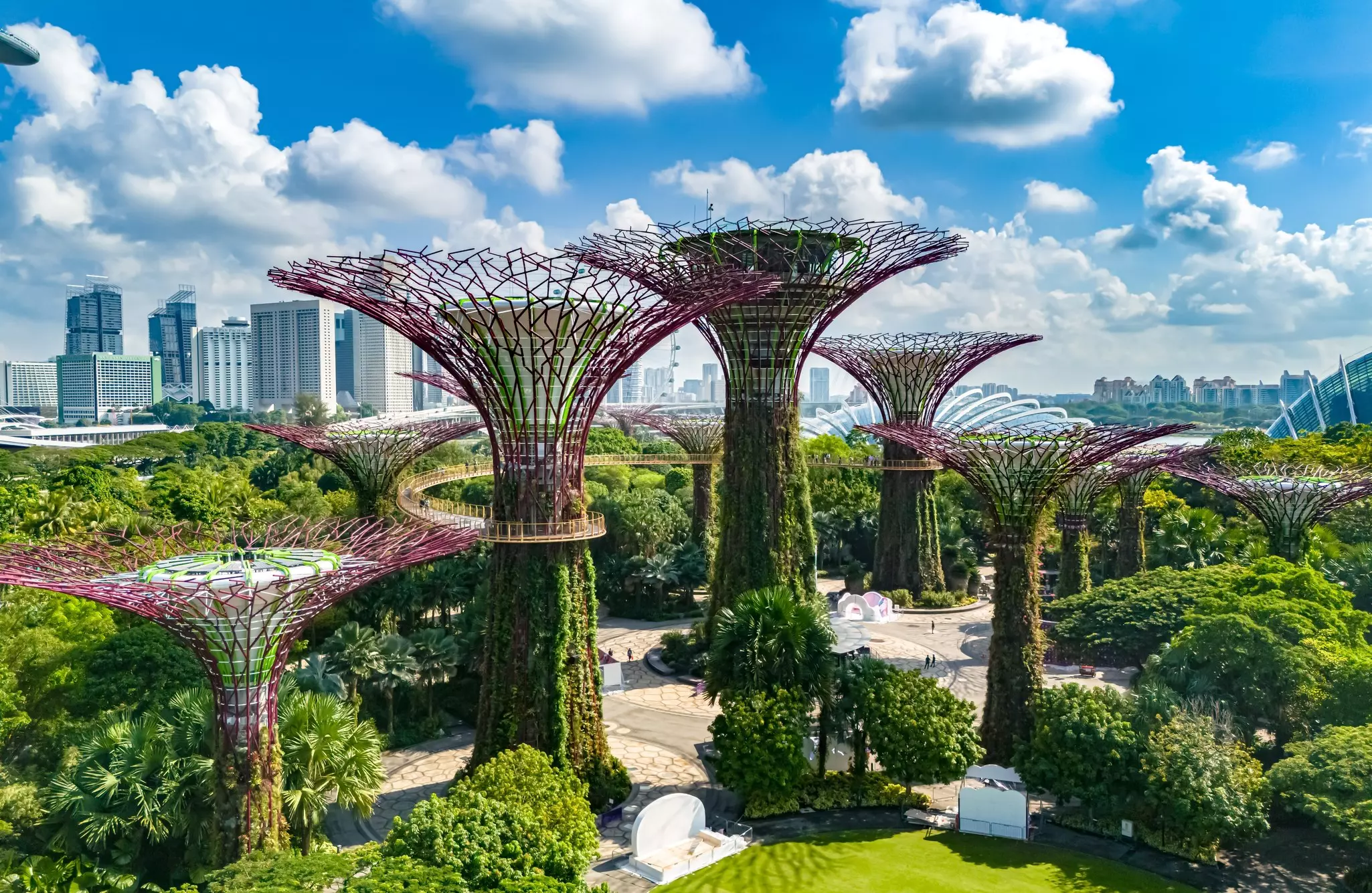
Go to Singapore: Buses and trains can get you effortlessly from Melaka to Singapore, Southeast Asia’s maximum city, where the higher cost of travel is a small price to pay for truly memorable meals and a unique city experience.
How to spend the days: Singapore is a colorful mosaic of ethnic communities. Sample its rich diversity in enclaves such as Chinatown, Little India and Kampong Glam, each offering deep sensory immersion into the distinctive traditions, cuisine and customs of its residents.
Take in historic districts full of vintage shophouses and colonial-era buildings, then peer into the future at Marina Bay Sands or the space-age Gardens by the Bay – both offer epic views over a city that appears to bring science fiction to life. Explore fascinating museums, feast at some of Asia’s best food courts, and drop by the elegant Raffles Hotel for a Singapore Sling in the bar where the cocktail was invented.
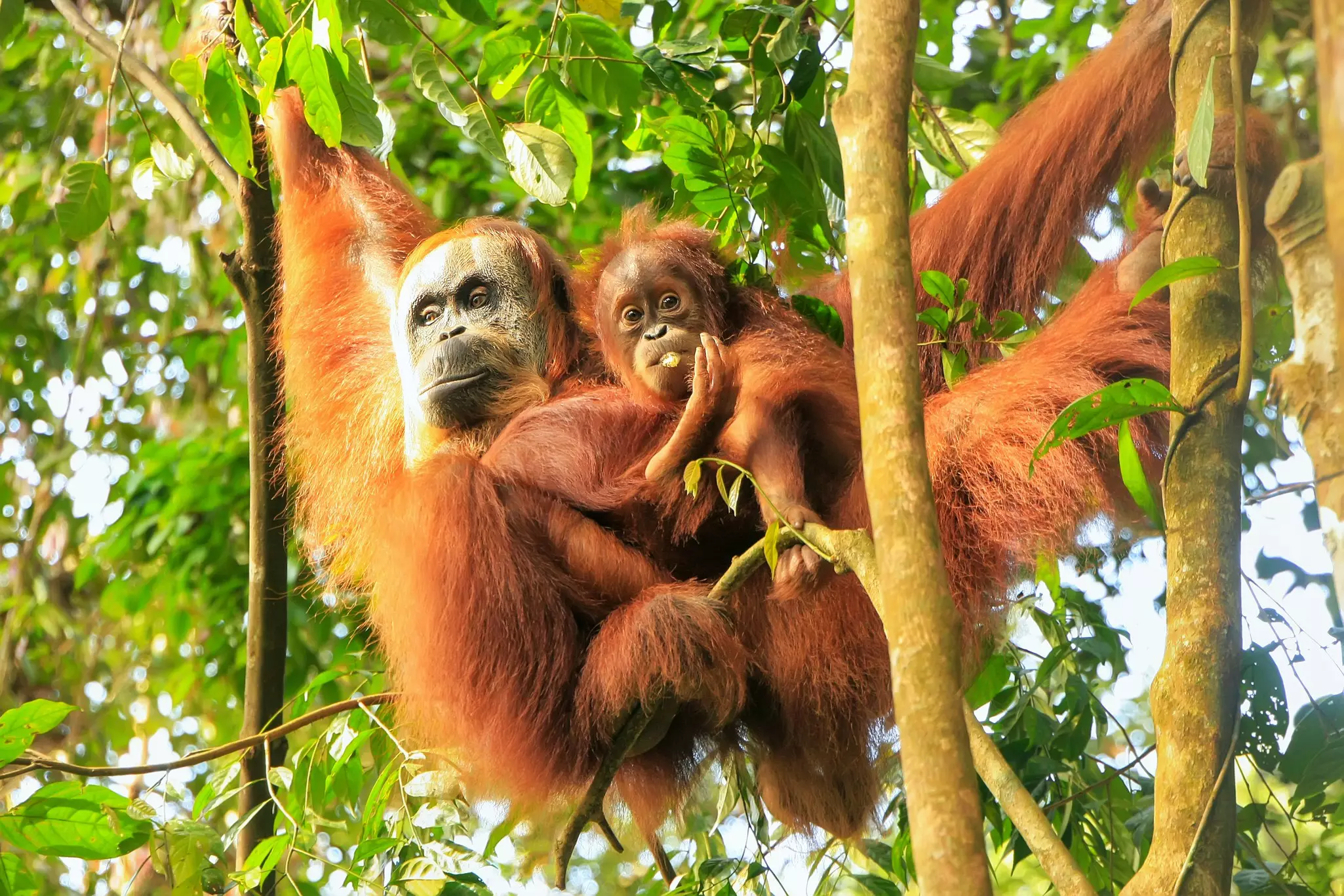
The massive Indonesian island of Sumatra sits just over the Strait of Melaka, accessible by fast ferry from Singapore via Batam in the Riau Islands. You’ll sense a noticeable shift in gear as you enter the third-largest island in the Indonesian archipelago, with its traditional culture, fishing heritage and dense rainforests.
There are big distances to cover, and transport can be patchy in places – so make a call on which part of the island you want to explore. Padang on the west coast is the gateway to the idyllic Mentawai Islands, still delightfully off the main tourist trail. Surfers come here for the waves, then linger for the wildlife and Indigenous culture.
For a land-based adventure, head to Bukit Lawang, entangled in rainforest to the northwest of Medan in the north of the island. The top draw in this wild corner of Sumatra is spotting a wild orangutan on a jungle trek in Gunung Leuser National Park; allow at least a day and night in the forest to maximize the chances of sightings.
Go to Java: Transport links are poor in the south of Sumatra, so fly from Padang or Medan to Jakarta, Indonesia’s energetic capital.
How to spend the days: Travelers often skip through Jakarta bound for other parts of Java, but it’s worth lingering to explore the Dutch and Chinese-influenced architecture of Kota Tua. Enjoy the carnival mood of Taman Fatahillah square, dip into history at the Museum Sejarah Jakarta, and climb the Monas monument for city views.
Give yourself several days to travel east across Java. Ride to Bandung on the Panoramic train, with its giant windows and an audio commentary along the way, then take a walk along the city’s Jalan Braga, with its cool cafes, quirky art galleries and imaginative eateries. Continue by more conventional train to Yogyakarta, Java’s cultural capital.
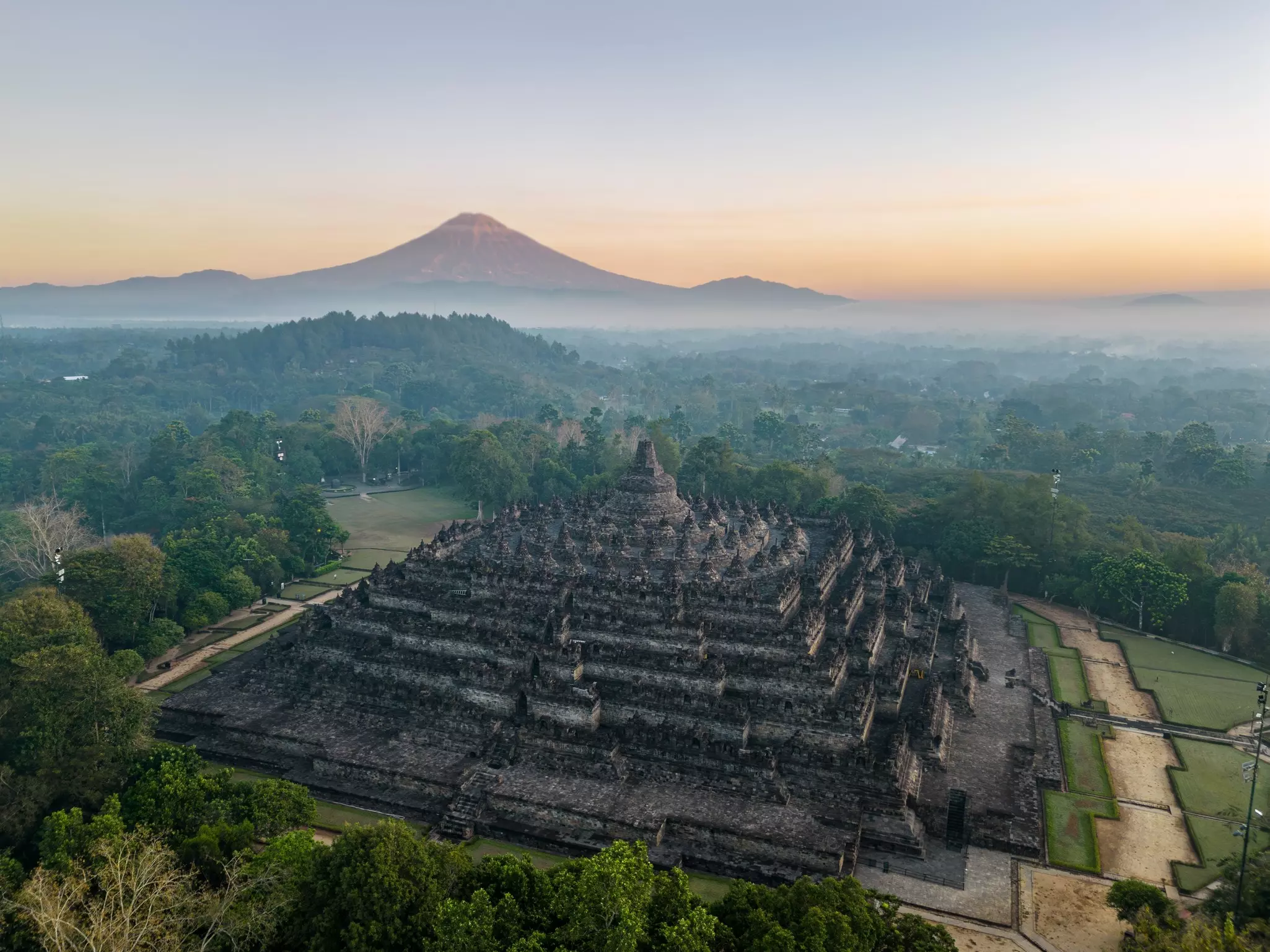
On arrival, visit the Kraton palace for insights into the history of this once-independent sultanate, and drift round the elegant gardens at Taman Sari. Take a street food tour to immerse yourself in local flavors, then set your sights on the ancient ruins outside the city. You’ll want to devote at least half a day to the towering, stupa-topped Buddhist temple of Borobudur, and the same to the intricately carved Hindu and Buddhist temples at Prambanan.
Surrounding the highly active volcano of the same name, Gunung Merapi National Park offers a taste of Indonesia’s volatile tectonics. For a closer look, head east to Malang and rise before dawn for the ascent of 2329m Gunung Bromo, to be greeted by sunrise views of one of the world’s best volcanic panoramas.

Go to Bali: End the trip with your feet in the surf on the beaches of Bali, easily accessible from Java by ferry.
How to spend the days: Take your pick from Bali’s best beaches. Novice surfers favor Canggu and Kuta; experienced boarders prefer Uluwatu and Padang Padang; and divers choose Amed, Bali’s scuba diving capital, and Tulamben, where you can explore the wreck of the USAT Liberty.
Discover a different Bali in the green hills of Ubud, where days are spent wandering emerald rice terraces, watching traditional Balinese dance, touring graceful Hindu temples, exploring the richness of Balinese art at museums such as Museum Puri Lukisan, and indulging in greenery-cloaked spas.
This article was adapted from Lonely Planet’s Southeast Asia guidebook, published in September 2025.
Explore related stories