Jul 29, 20265 min read
The Best Hawker Centers in SingaporeJul 9, 2026
10 MIN READ
Contributors
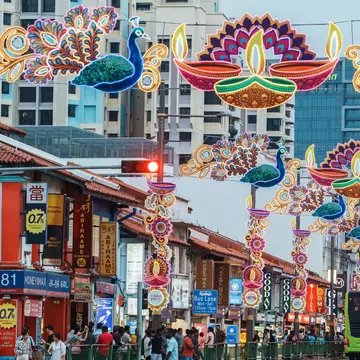
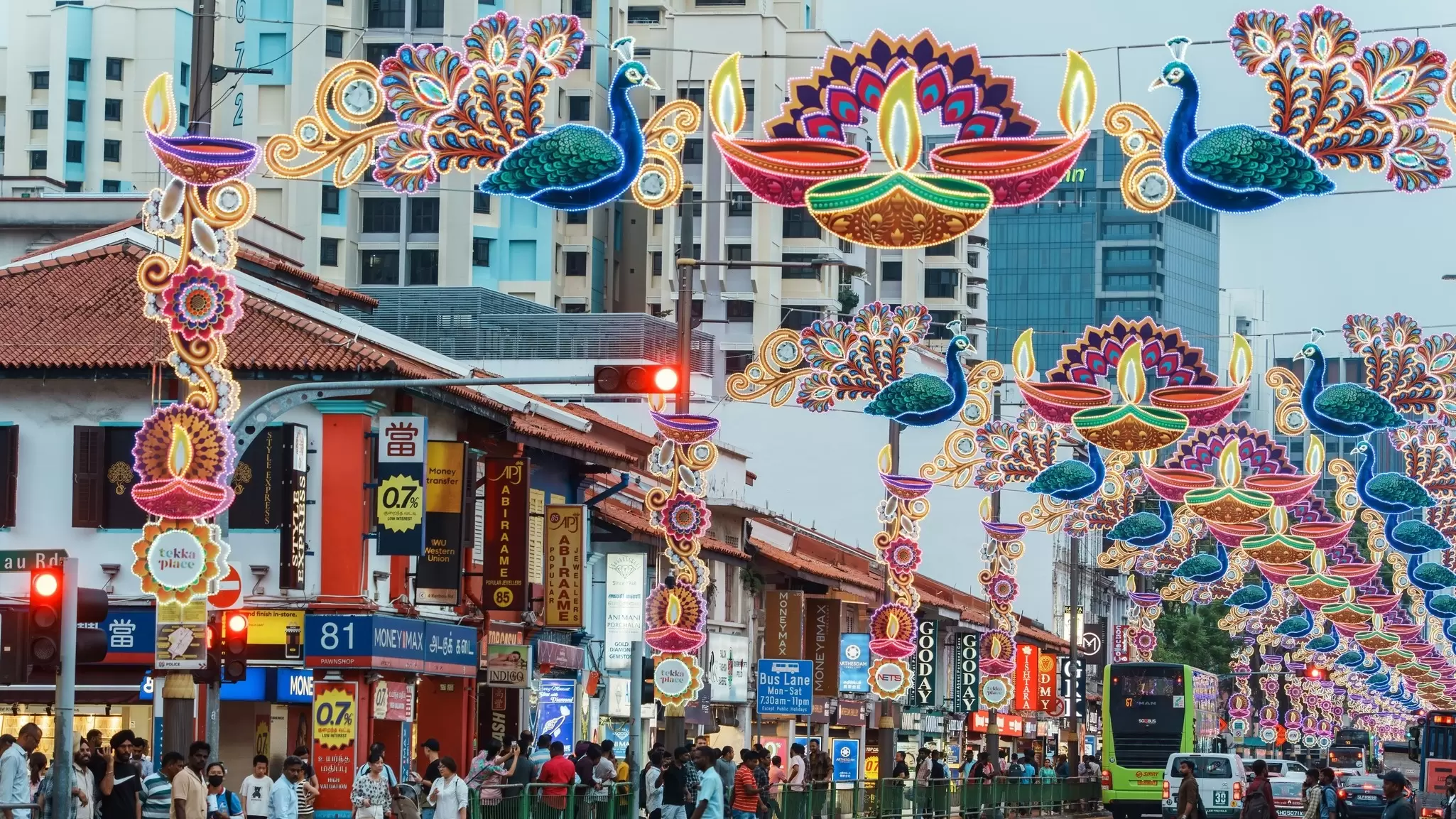
Street decorations in Singapore’s Little India. Wirestock Creators/Shutterstock
Contributors


Jaclynn Seah, Lonely Planet Editors
Highlights
Writer Jaclynn Seah picks 10 Singapore highlights, from gardens to offshore islands.
Visit Gardens by the Bay's Supertrees, then sample hawker classics at Newton Food Center.
The Marina Bay waterfront stuns at sunset; riverside Clarke Quay comes alive after dark.
Wildlife fans should head to Mandai Wildlife Reserve; hikers can tackle the Southern Ridges trail.
Lonely Planet may earn a commission from affiliate links on our site. All recommendations and reviews reflect our own independent opinions.
Don’t let Singapore’s small size fool you. This island city-state crams a whole country's worth of attractions inside its modest borders.
Between Singapore's fabulous food markets and world-class restaurants, its gleaming skyline, its lavish cultural riches, and a surprising number of natural attractions, your main problem will be narrowing down your list of things you want to do.
Here, Singapore's compact size is a positive asset, since you can zip around quickly using the city's superb public transportation system, packing a lot into a short trip or even a same-day layover. In fact, Singapore's award-winning Changi Airport offers free city tours if you have a layover of more than 5.5 hours.
Whether you are drawn to this Asian metropolis by the futuristic Gardens by the Bay, the theme parks on Sentosa Island, the tech-stuffed megamalls, or the spectacular hawker food, here are our 10 favorite things to do in Singapore.
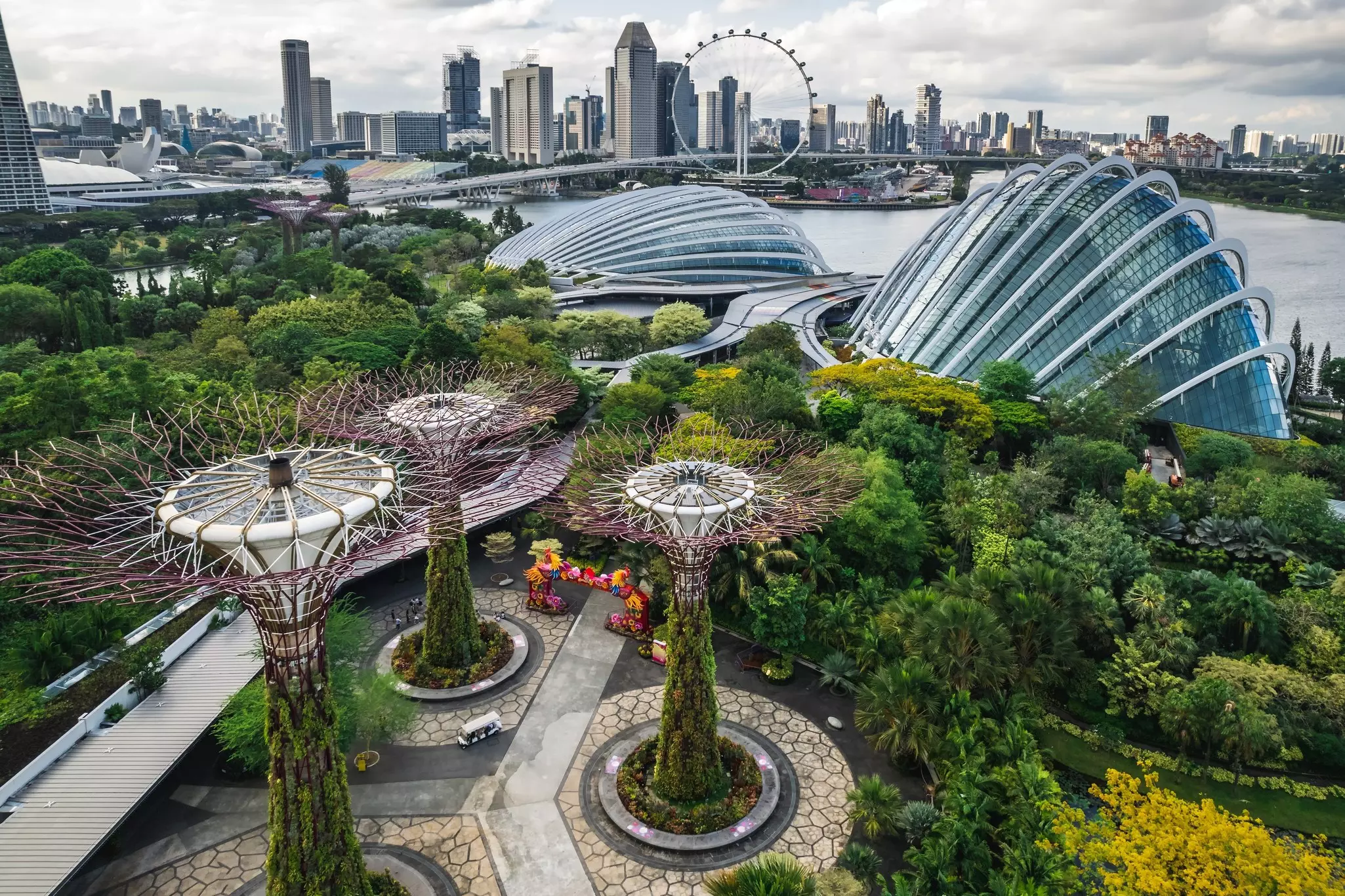
Singapore’s “Garden City“ nickname is well deserved, thanks to the 400 parks and green spaces scattered around the city-state. The city's gardens, in particular, are world-class, but carry an umbrella for exploring outdoors, as rain can fall at any time.
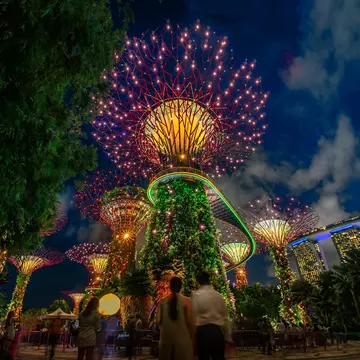
Part of the Marina Bay development, the futuristic Gardens by the Bay is probably the most popular garden. It's certainly the most photogenic, with its beautiful plant-covered, steel-framed “Supertrees.” At the heart of the gardens, twin glass hemispheres house the Flower Dome and Cloud Forest – perfect climate-controlled escapes for when the tropical humidity gets too sweltering.
We also recommend a visit to the Singapore Botanic Gardens, one of the few tropical gardens inscribed on the UNESCO World Heritage list. Here, you’ll also find the stunning National Orchid Garden, home to the world’s largest orchid display.
Planning tip: Visitors can wander the Supertree Grove at Gardens by the Bay for free, but you should reserve tickets online to access the Flower Dome and Cloud Forest. Note that different fees apply for visitors and Singaporean citizens.
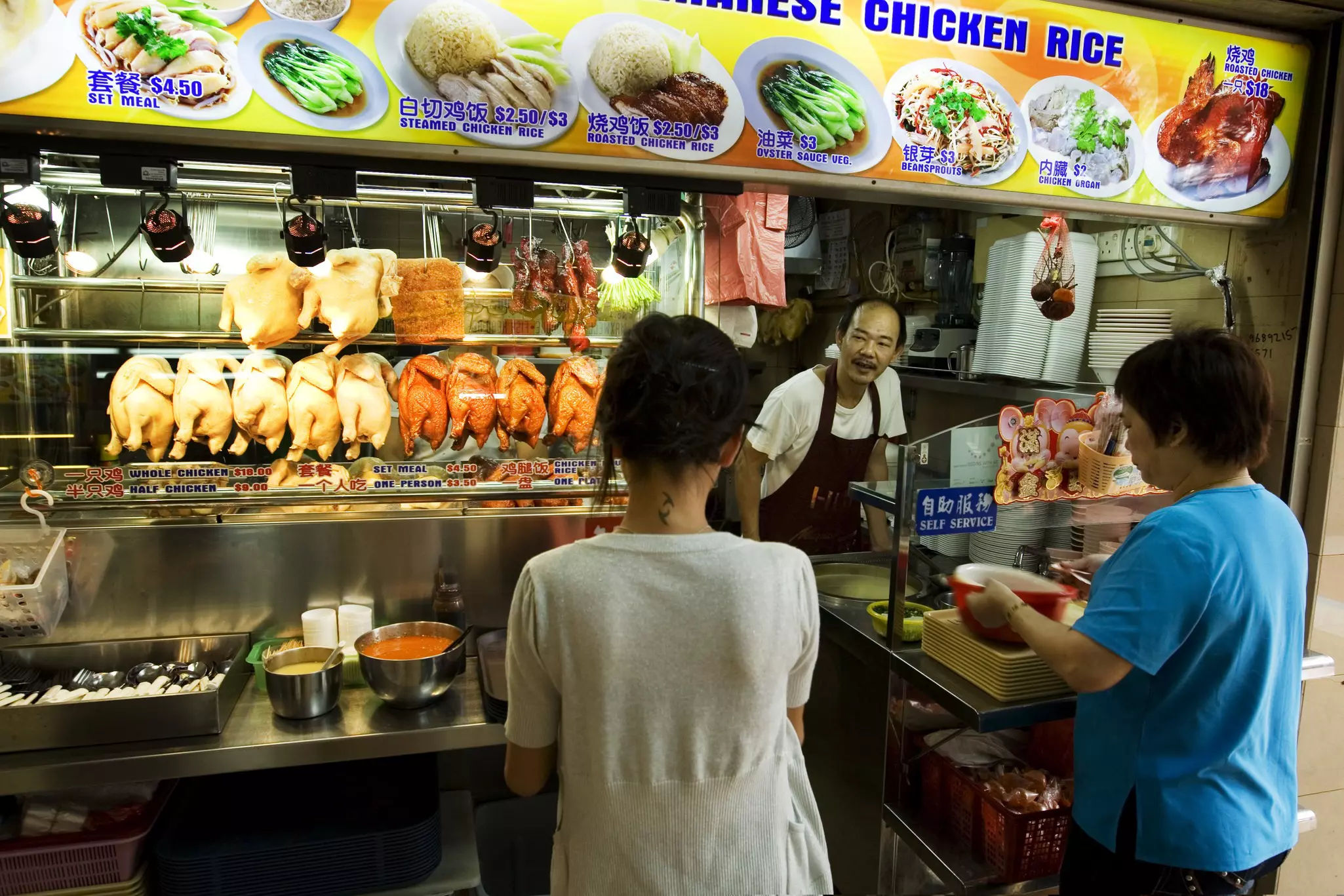
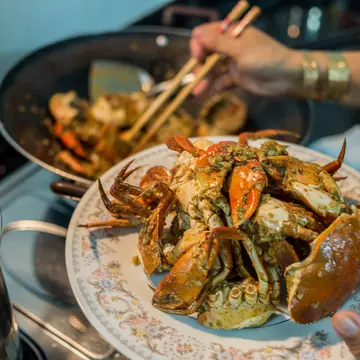
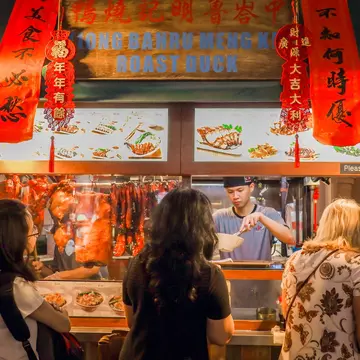
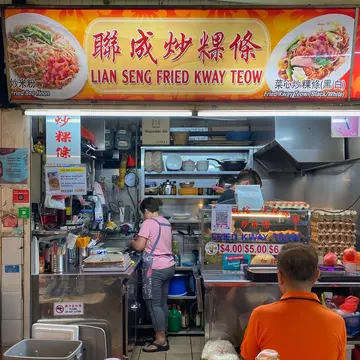
Singapore has more than its fair share of fine-dining establishments, but if you want to eat like a local, head to any of the city’s famous food courts, or “hawker centers,” and fill your belly with cheap and diverse street food, from noodles to chicken rice to chili crabs and much, much more.
Singapore's street-food heritage is so culturally significant that it was inscribed on UNESCO's Representative List of the Intangible Cultural Heritage of Humanity in 2020. Wondering where to start? Every Singaporean has their own favorite hawker center – but you can’t go wrong at a few stalwarts.
The Chinatown Complex is the largest center, with over 200 stalls, while Lau Pa Sat occupies an architecturally distinct building that’s a listed national monument. By the sea in East Coast Park, the East Coast Lagoon Food Village is perhaps the most scenic hawker center, while the famous Newton Food Center was featured in the movie Crazy Rich Asians.
Local tip: Most hawkers only accept cash, so bring small notes and coins as well as your appetite. Note that drinks are sold by separate vendors at most hawker centers.
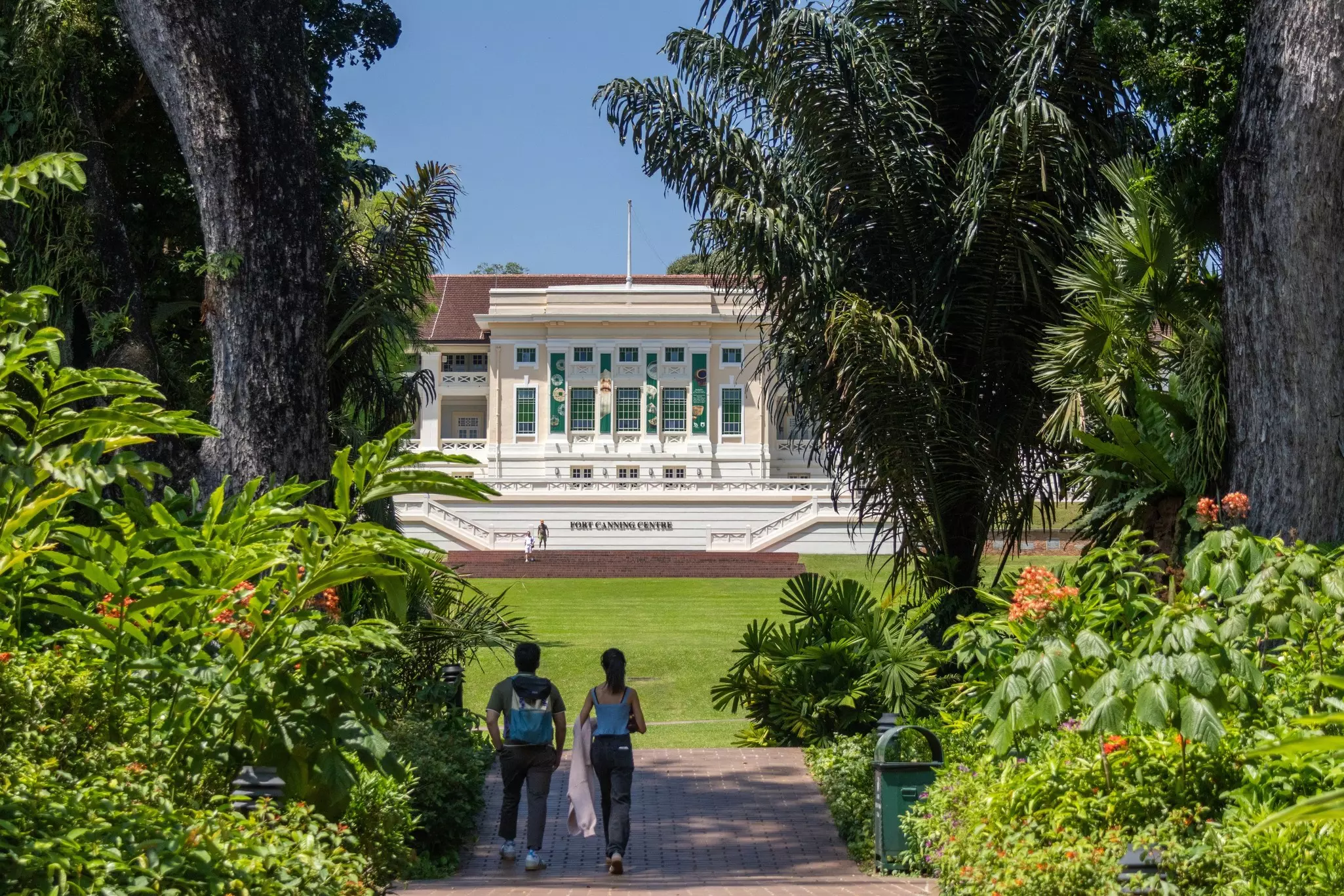
Museum lovers will rejoice at Singapore’s impressive array of well-maintained and cutting-edge national museums, which showcase the country’s culture and history. The country’s oldest museum, the National Museum of Singapore, houses immersive multimedia exhibits that trace the state’s history from pre-colonial times to the present.
For art buffs, the majestic National Gallery, in a handsome neoclassical building that once housed Singapore's City Hall and Supreme Court, has a world-class collection of Singaporean and Southeast Asian art.

Lonely planet’s trusted travel insurance provider
Travel with confidence. Protect your trip and your wallet.
We don’t represent World Nomads, we receive a fee from quotes using this link. This is not a recommendation to buy travel insurance.
For those interested in WWII history, Fort Siloso on Sentosa Island is the last remaining preserved coastal fort in Singapore, while the Battlebox bunker in Fort Canning Park lets visitors access the former command center for British troops.
Detour: A more remote option worth checking out is the Changi Museum & Chapel, which features stories collected from the POWs of the Japanese Occupation and a replica of the Changi Murals, originally painted by a wartime prisoner.
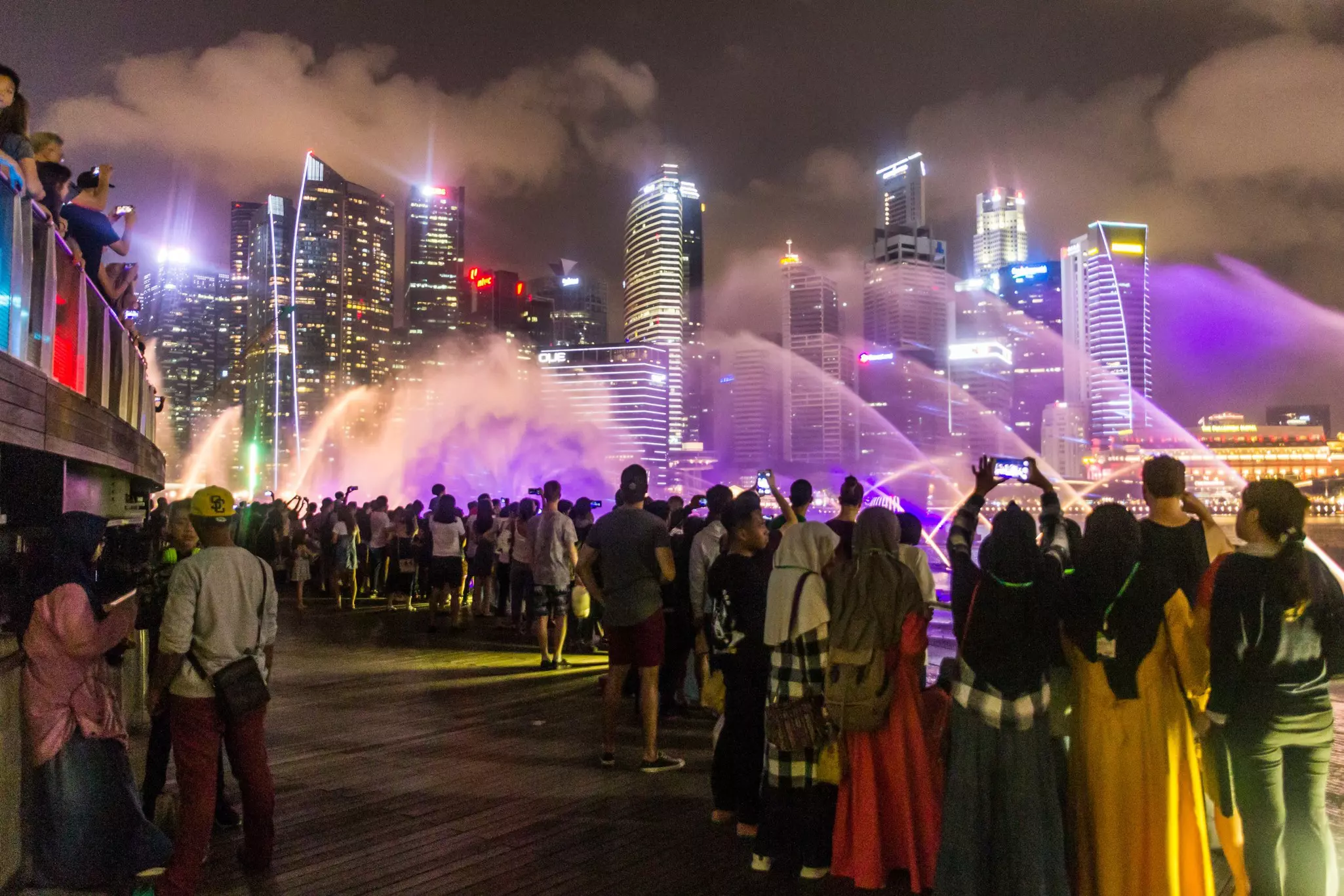
You’ll really know you’re in Singapore when you look up at the iconic architecture surrounding Marina Bay. It may be hard to believe, but this area was empty reclaimed land until 2010 – and before that, it was open sea.
Taking a walk along the waterfront here is one of the best things to do in Singapore for free. On the way, you can gaze up at the three towers of the Marina Bay Sands resort, take a goofy selfie with the water-spouting Merlion statue, and stroll across the Helix Bridge (with its DNA-inspired swirls) toward the lotus-shaped ArtScience Museum.
Planning tip: Sunset is a good time to start your walk around Marina Bay. The temperature is usually cooler, the building lights are ablaze, and, if you time it right, you can catch the light and sound shows at the Marina Bay Sands waterfront and Supertree Grove, which take place from 7:45pm.
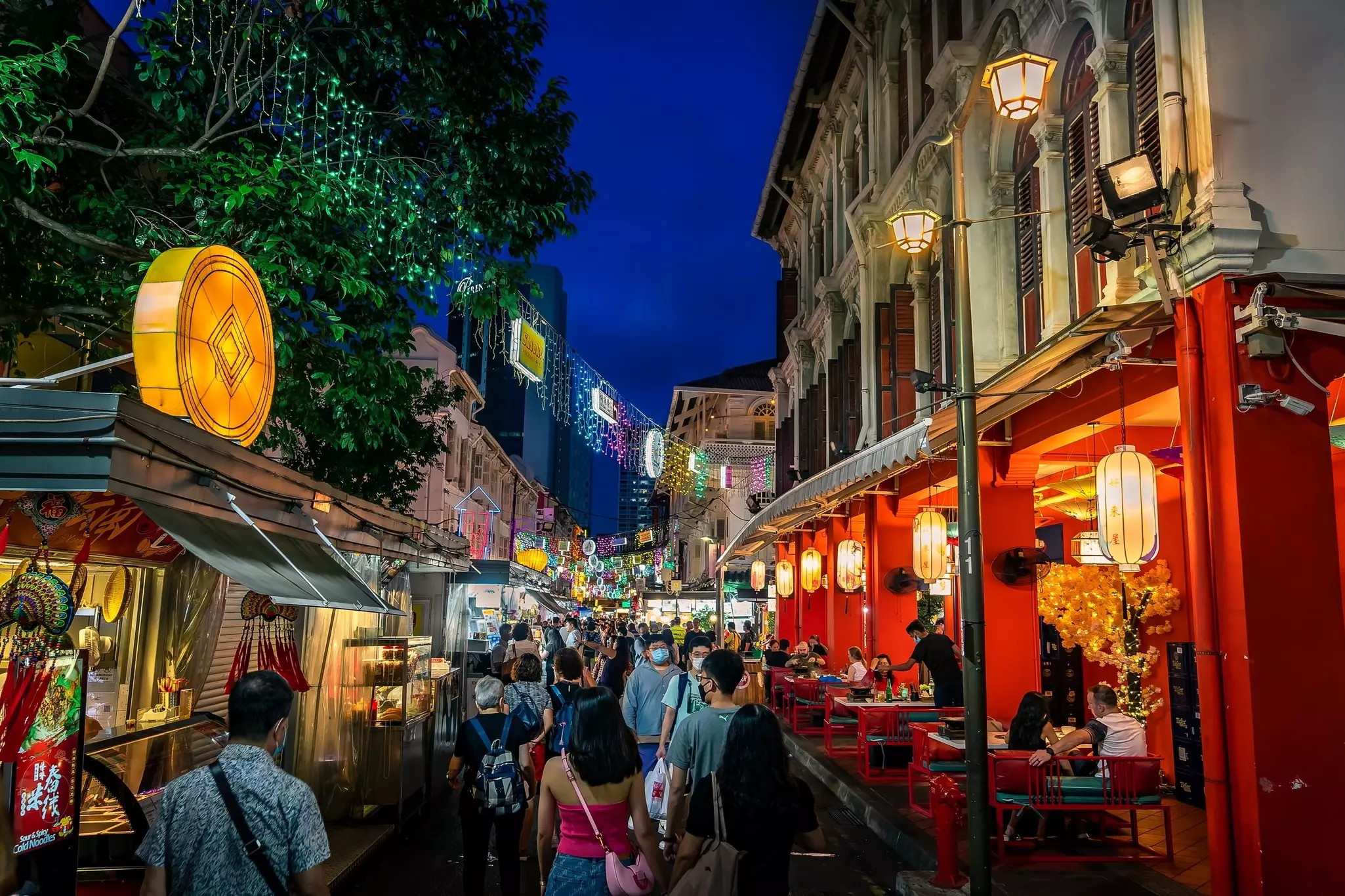
Singapore’s beloved neighborhoods are the result of a British colonial policy that divided the population into different districts according to their ethnic origin. While born from prejudice, these districts played an important role in preserving the cultural and culinary traditions of Singapore's Chinese, Malay and Indian communities.
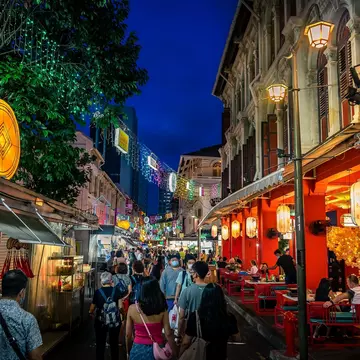
Located near the mouth of the Singapore River, colorful Chinatown has a delightful mix of temples and shophouses, alongside plenty of hip restaurants and trendy bars. Kampong Gelam, where Malays and Arabs lived, spills around the former sultan’s palace and the magnificent Sultan Mosque.
It’s easy to lose a few hours wandering the lanes of Little India, engrossed by its mix of aromatic spices, vivid temples and bustling weekend crowds. This is the place to sample nasi kandar – rice served with fragrant curries, originally created by Muslim migrants from southern India.
One of Singapore’s oldest neighborhoods, Tiong Bahru has today gentrified into an intriguing mix of traditional and trendy shops. And in the east of the city, Joo Chiat is the best place to learn about the city's unique Peranakan culture – fusing Chinese and Malay Straits traditions – and see more colorful shophouses.
Planning tip: For a deeper insight into Singapore's cultural melting pot, visit the Peranakan Museum, devoted to the history of the migrants from southern China who played a major role in Singapore's rise. Lee Kuan Yew, the founder of modern Singapore, came from a Peranakan family with origins in Guangdong.
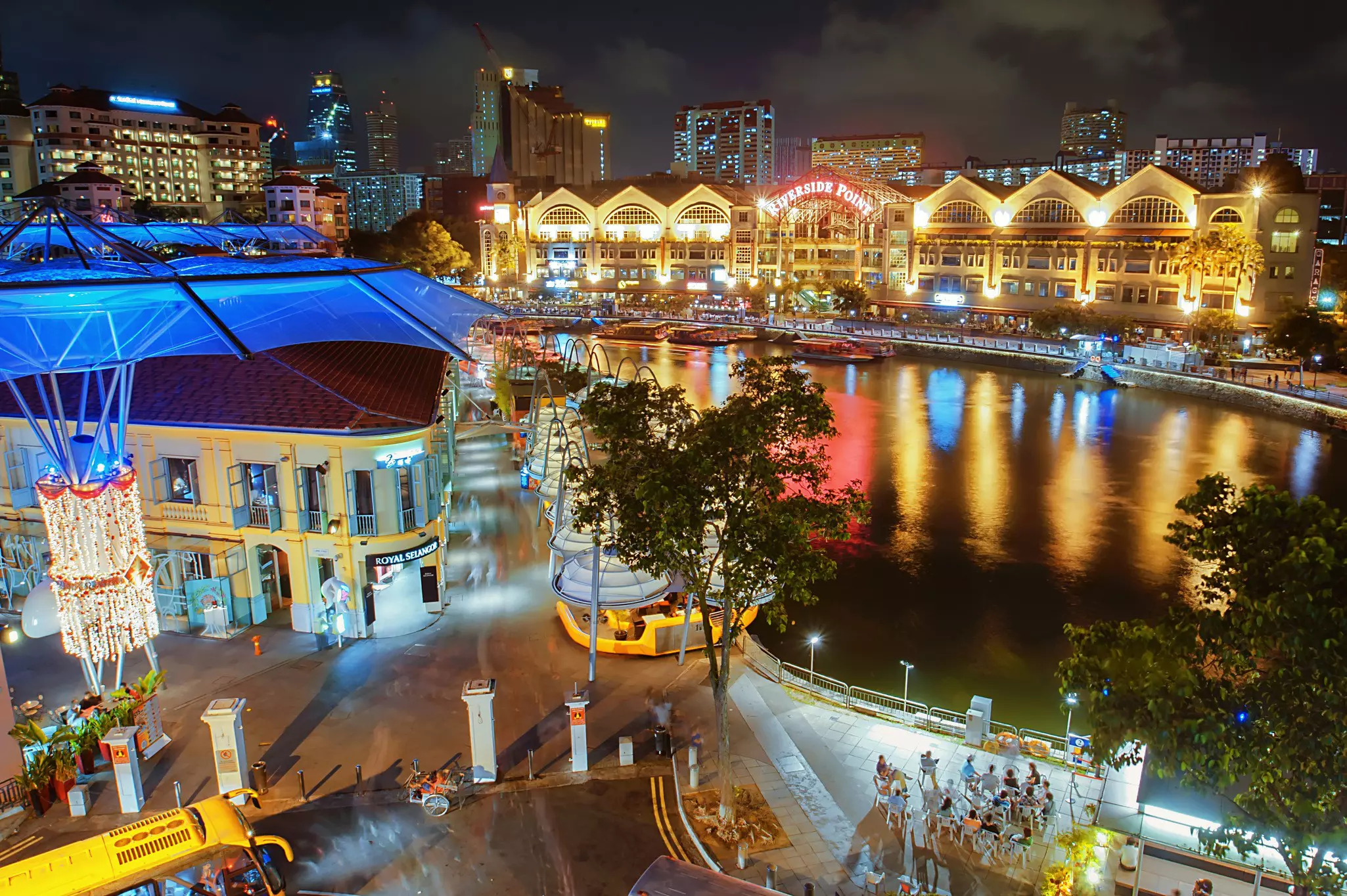
In Singapore’s early days as an entrepôt, the Singapore River was the town’s core, and the waterway served as the nexus from which the city expanded as it prospered. Today, the warehouses that once stored goods along the river’s banks have been converted into some of Singapore’s top nightlife hangouts.
Located close to the river mouth, Boat Quay is the place to enjoy drinks and waterfront views at laid-back pubs. Further west, colorfully illuminated Clarke Quay is home to trendier clubs and watering holes; if you keep heading upstream, Robertson Quay offers a quieter ambiance, with a cluster of tasteful dining establishments and cafes.
Local tip: Get to know the river even better by taking a cruise in an old bumboat – a name derived from the old Dutch word boomschuit, meaning "tree boat." Once used to transport goods along the Singapore River, these small vessels offer a convenient way to view the city if you need a break from walking. Based at Clarke Quay, Singapore River Cruise is a popular operator.
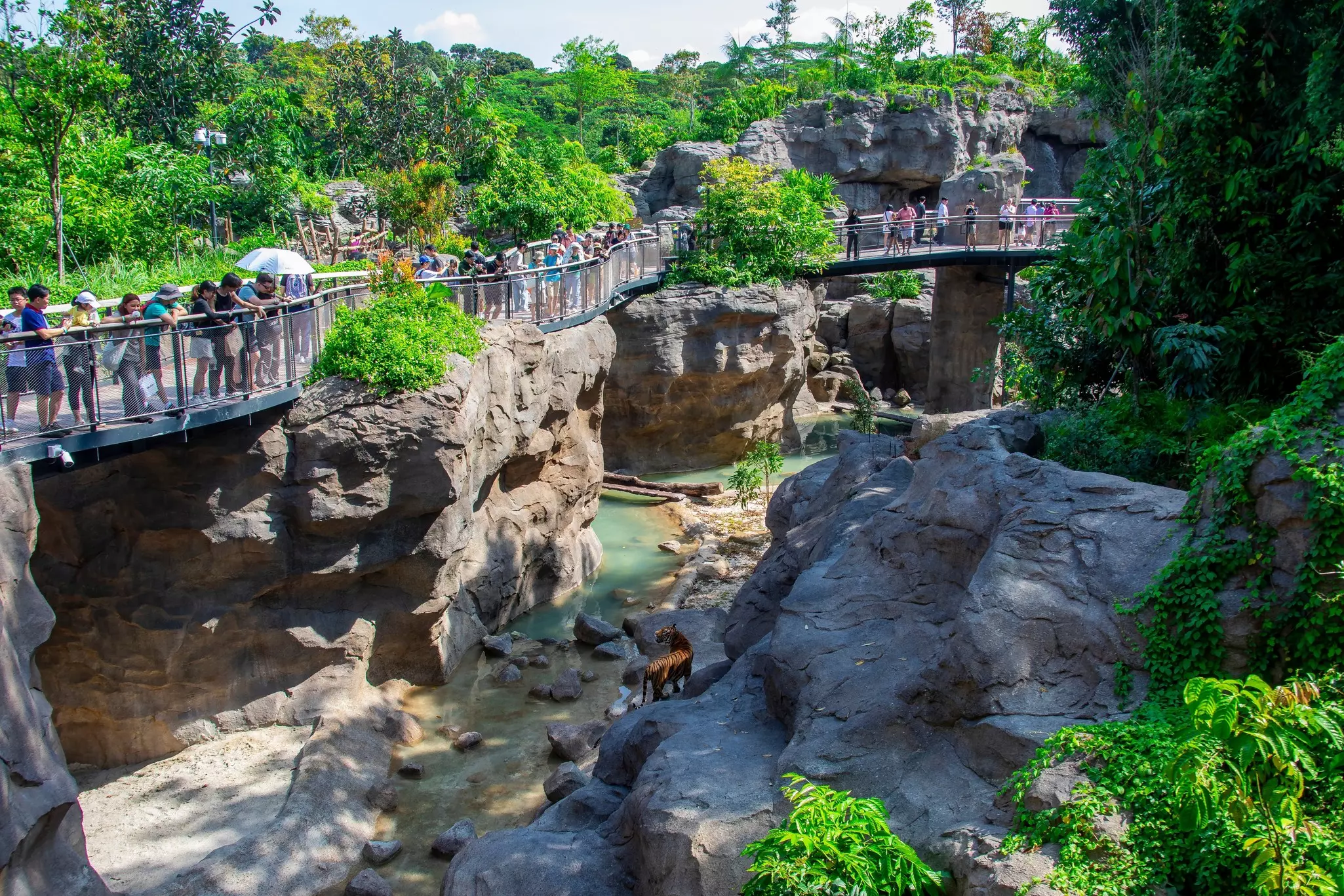
With all the high-rise development in the center, you'll have to travel to the city fringes to see wildlife. In the northwest of the city, the Central Catchment Nature Reserve wetland zone supplies Singapore with its water, and at its northern end is the Mandai Wildlife Reserve, where you can enjoy animal encounters in a family-friendly setting.
Here, you can visit the famous Singapore Zoo, with its impressively natural-feeling enclosures, or sign up for a nocturnal Night Safari to see animals such as Malayan tapirs and big cats after dark. Other attractions here include River Wonders, with its river-themed habitats and giant panda enclosure, and the aviaries of Bird Paradise.
For those with a love for the deep blue sea, the Singapore Oceanarium on Sentosa Island houses over 100,000 marine creatures across two floors of enormous tanks, with one of the region's most impressive shark tunnels to keep the kids entertained.
Planning tip: Taxis add a surcharge for the trip to Mandai Wildlife Reserve due to the outlying location. For a cheaper journey, take the MRT train to Khatib Station, then board the Mandai Khatib Shuttle bus to the park.
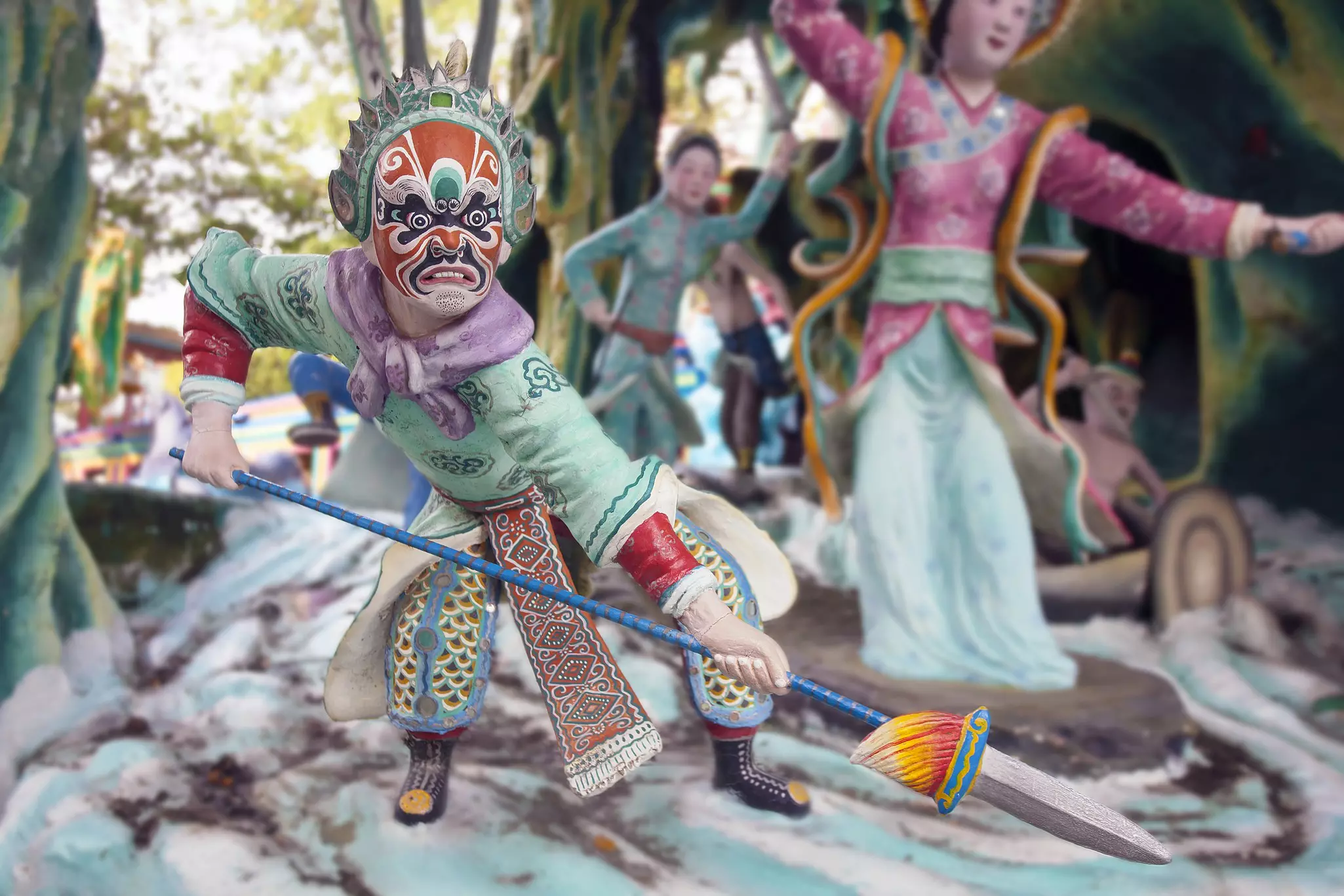
Singapore has a reputation for being a little sanitized compared to some other Asian capitals, but beyond the gleaming towers and manicured parks, plenty of attractions show off a more eccentric side to this island nation.
Start at Haw Par Villa, an atmospheric park filled with often spooky statues and dioramas drawn from Chinese mythology and Taoist beliefs. Founded on land once owned by the founders of the Tiger Balm company, it's great fun, but the depictions of hell might be a bit terrifying for younger kids.
Planning tip: With tots in tow, the MINT Museum of Toys is a small, private museum next to the renowned Raffles Hotel, and it displays the largest collection of vintage toys in all of Asia.
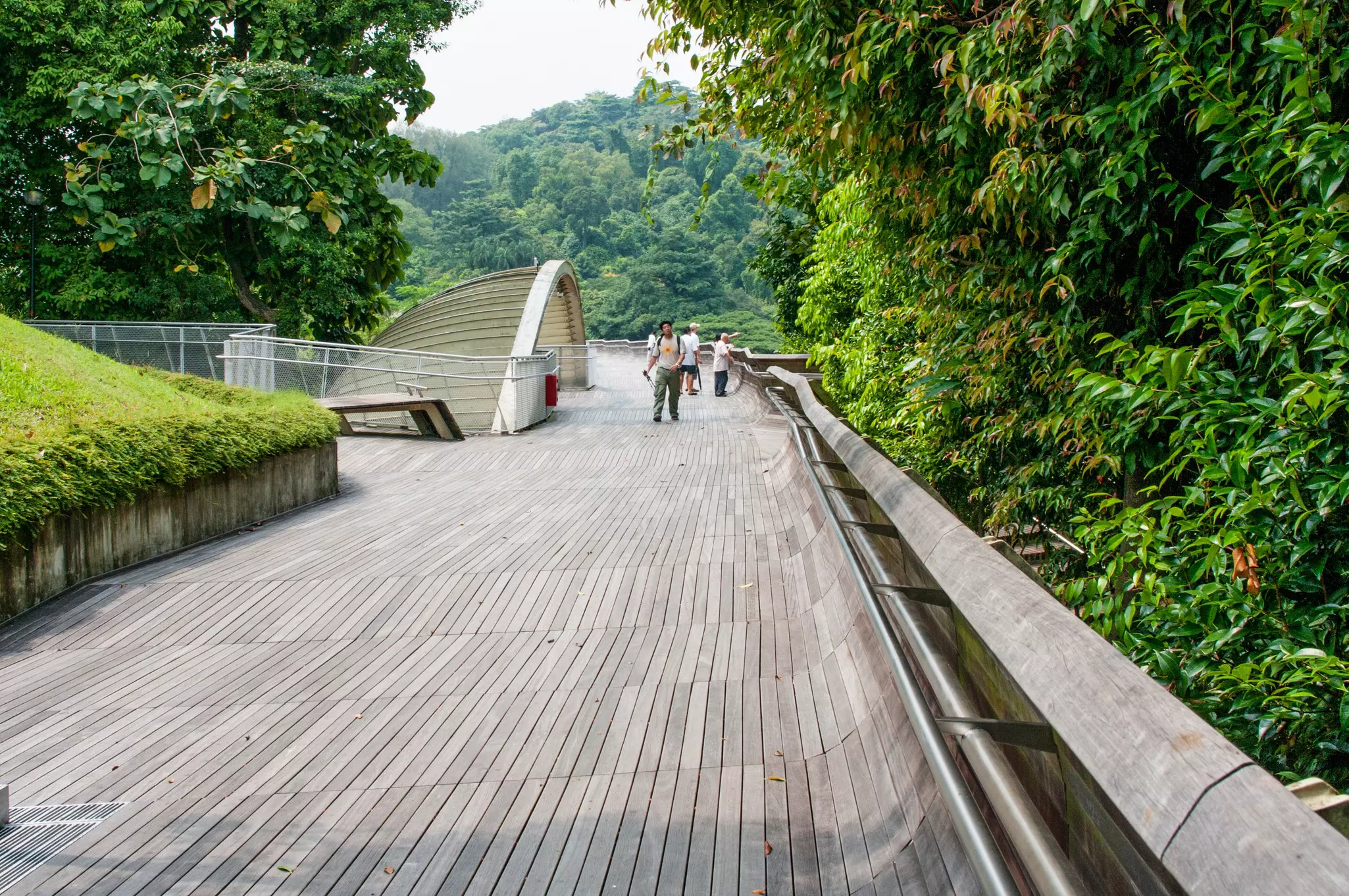
Nature lovers shouldn't miss the 10km-long Southern Ridges trail, one of the most scenic hikes in Singapore, which cuts across hilly parkland near the causeway to Sentosa Island. Highlights include the country’s tallest pedestrian bridge and panoramic views of the southern coastline from Mount Faber.
Other great options for a leg stretch include a wander over the 25m-high canopy-level Treetop Walk in MacRitchie Reservoir, and the hike up Singapore’s highest peak – it’s a mere 163m in height – in the Bukit Timah Nature Reserve.
Detour: For a bigger challenge, hike the 24km-long Rail Corridor, which traverses Singapore from south to north. The route follows the path of the former railway line that once linked Singapore to Malaysia.
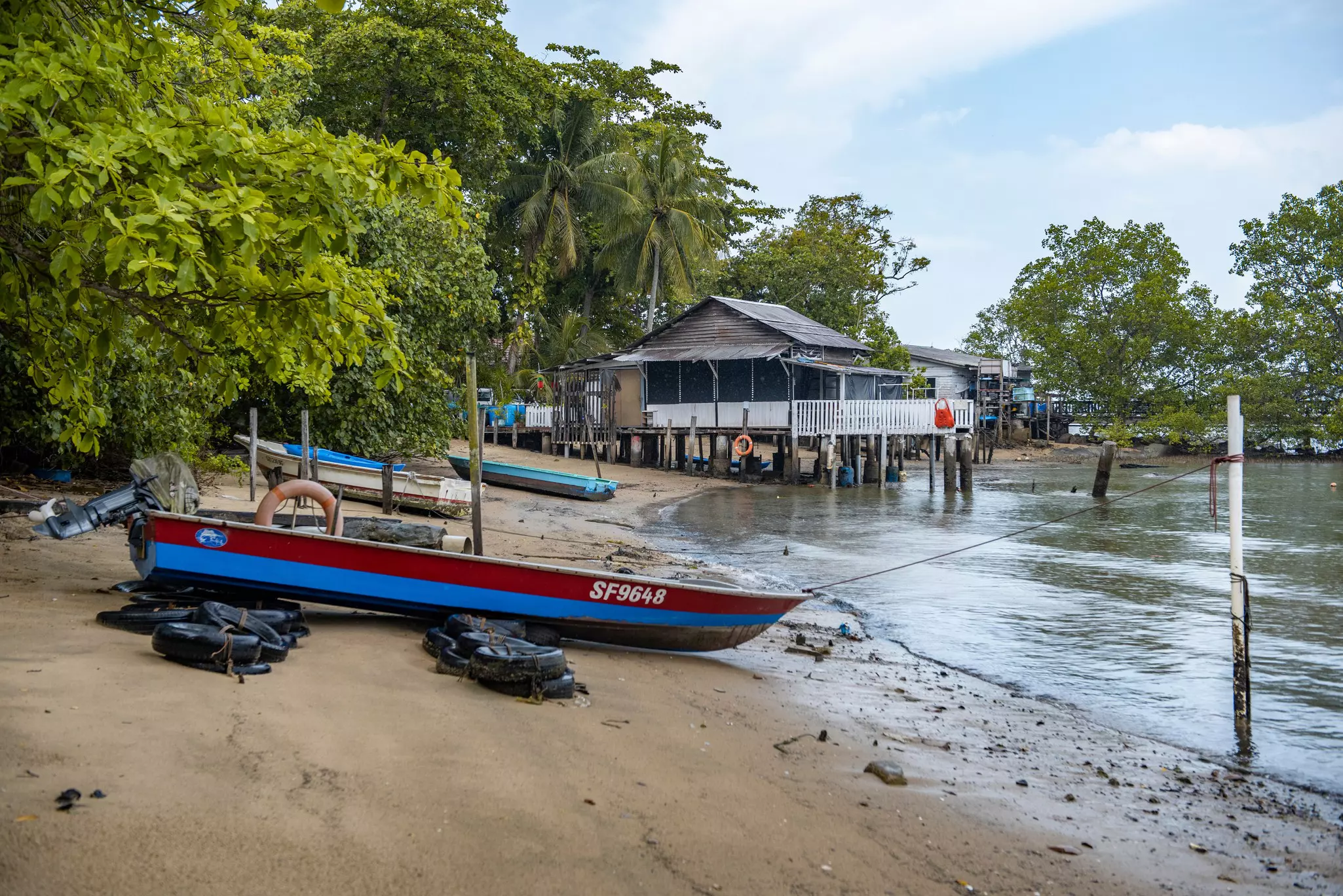
If you want to escape from Singapore’s ubiquitous skyscrapers, your best bet is to hop on a boat and cruise to a nearby island for the day. Accessible by bus, MRT train or cable car, Sentosa is the easiest island to get to, and it’s home to a wide range of tourist-focused attractions, including white sandy beaches, the Universal Studios Singapore theme park, and a large casino.
Several smaller, quieter islands will take you further from the city and closer to nature. For a taste of kampong (village) life, take the ferry from Changi Point Ferry Terminal to Pulau Ubin, an offshore island with a sleepy pace of life and abundant green spaces to explore, including the trail-crossed Chek Jawa Wetlands Reserve.
Or, for a mix of beaches and culture, take a boat cruise from Marina South Pier to the southern islands of St John’s, Lazarus and Kusu. As well as peaceful sands, St John's has an important marine research center, while Kusu has a collection of Taoist and Malay shrines.
Planning tip: Weekends and holidays see more people visiting the islands – and more frequent ferry services. Come during the week for a quieter experience.
Explore related stories