Mar 16, 202610 min read
A Guide to Jakarta, IndonesiaMar 16, 2026
10 MIN READ
Writer
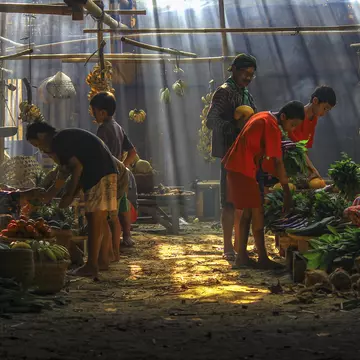
Produce for sale in a market in Jakarta, Indonesia. Andreas H/Shutterstock

Writer
Highlights
Writer David Eimer guides first-time visitors through Jakarta's sights, food, costs and transport.
Visit June to August when Jakarta's skies clear and humidity drops to manageable levels.
Head to cobblestone Taman Fatahillah in Kota Tua, then wander Glodok's storied Chinatown lanes.
Hop a speedboat from Ancol Marina to the Thousand Islands for beaches and snorkeling.
Lonely Planet may earn a commission from affiliate links on our site. All recommendations and reviews reflect our own independent opinions.
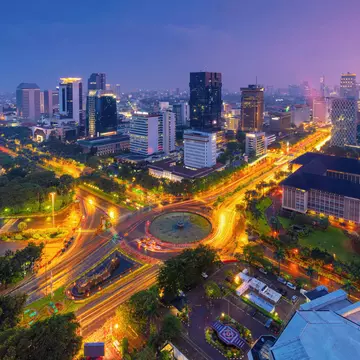
The capital of Indonesia, and the world's largest city, Jakarta is sometimes overlooked by visitors in favor of the ancient ruins of Java or the beaches of Bali. But skipping this vast, teeming city in the far west of Java would mean missing out on world-class food and coffee, a historic old quarter, thriving art galleries, some of the best shopping in Southeast Asia and a surprisingly exciting nightlife scene.
First-time visitors to Jakarta can find this Asian metropolis a little overwhelming. The capital's roads are heavily congested and its skyscrapers are often screened by a thick layer of smog. However, there's plenty to see and do, from fascinating museums to sampling fabulous street food, and just offshore are pollution-free beaches and islands.
As the home of the country's busiest airport, Jakarta is somewhere you are likely to pass through, even if only briefly, on your way to other parts of Indonesia, but there are good reasons to linger. Discover everything you need to know for your first visit, from the best seasons for travel to costs and the top sights, with this guide to Jakarta.
Jakarta is hot and humid all year round, but there are two distinct seasons: a dry season that runs from May to September and a wet season running from October to April. As for other destinations in the west of Indonesia, the best time to visit is from June to August, when the skies are dry and the humidity drops to manageable levels.
It’s also perfectly possible to visit in the rainy season – the daily downpours tend only to last for a couple of hours, and there are regular sunny spells. However, it's worth checking news and weather sources if you visit from October to April for reports of flooding as this can disrupt travel during the rainy months. It's also best to avoid traveling to Jakarta close to or during Ramadan, when many businesses close and hotels and transport are usually heavily booked.
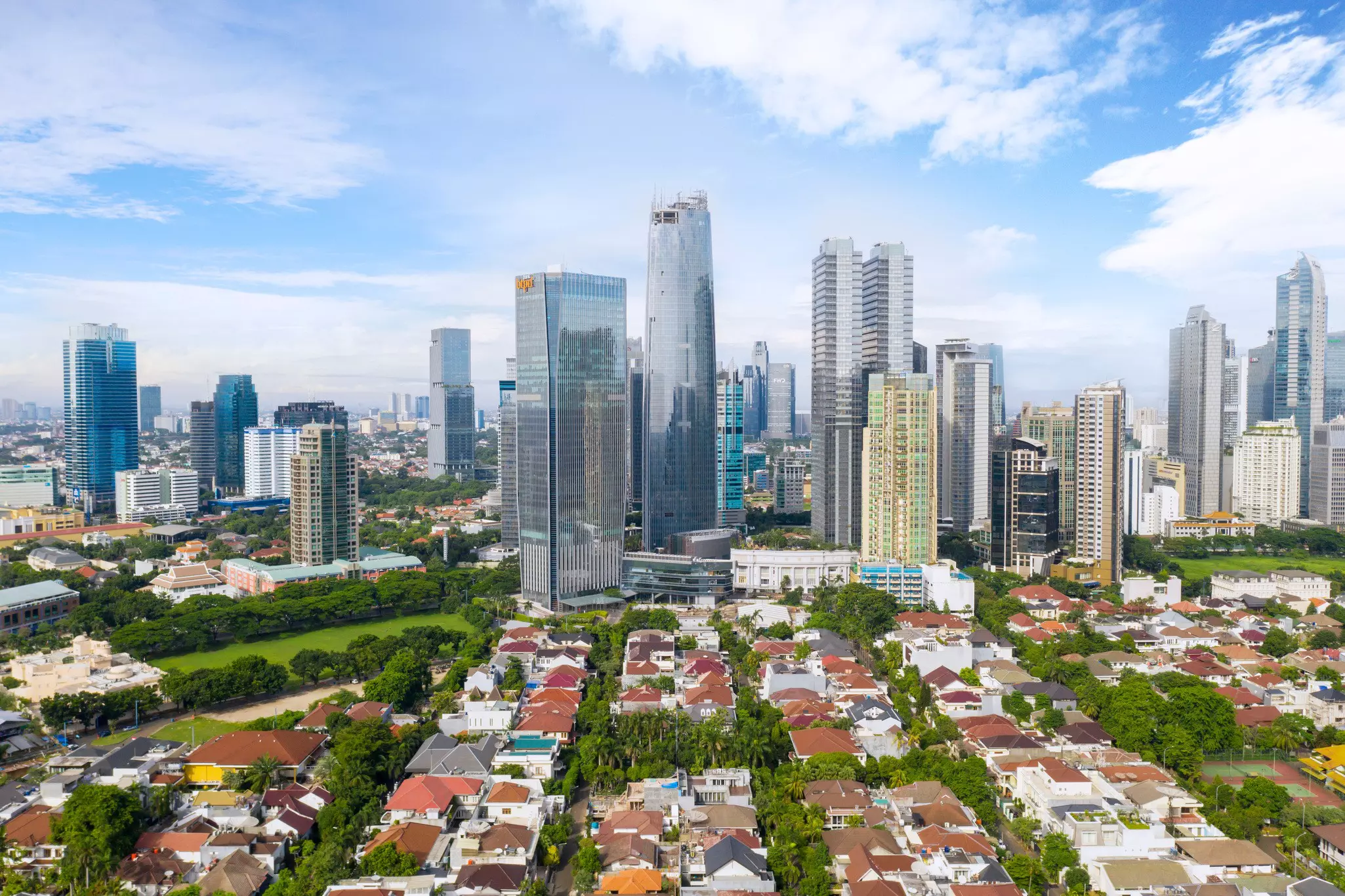
Most people visit Jakarta as part of a longer trip to Indonesia, spending just a few days exploring the capital’s historic center and checking out the excellent restaurant and cafe scene. But don't overlook the splendid shopping in the city's street markets and malls, as well as the many worthy museums and lively art galleries. It's definitely worth giving the city more than a fleeting glance.
Spend 4 days here and you'll have time to explore the central sights and fit in an overnight visit to the beaches of the Thousand Islands, where locals head for weekend breaks. The closest sands are just a 30-minute boat ride from Jakarta's Ancol Marina.
About 35km west of the city, busy Soekarno-Hatta International Airport (CGK) is Jakarta’s principal airport, and all international and most domestic flights operate from here. Trains and buses link the airport to the enter of Jakarta or you can take a taxi.
With its expansive sprawl, Jakarta is not really a walkable city and traffic jams are a way of life. Once you reach the center, you can get around easily – though not always quickly – using the reliable taxi company Bluebird or rideshare apps (Grab and Gojek are best). Journeys are quicker on the commuter trains of the MRT, running south from Menteng in the center, or you can use the buses run by Transjakarta.
Centrally located Stasiun Gambir is the main train station for trips further afield, with express services across Java operated by Kereta Api Indonesia (KAI). Trains are faster and more comfortable than long-distance buses, and sometimes cheaper. Passenger ships run by Pelni connect Jakarta with destinations across Indonesia.
The best things to do in Jakarta are focused on history, culture, shopping and food.
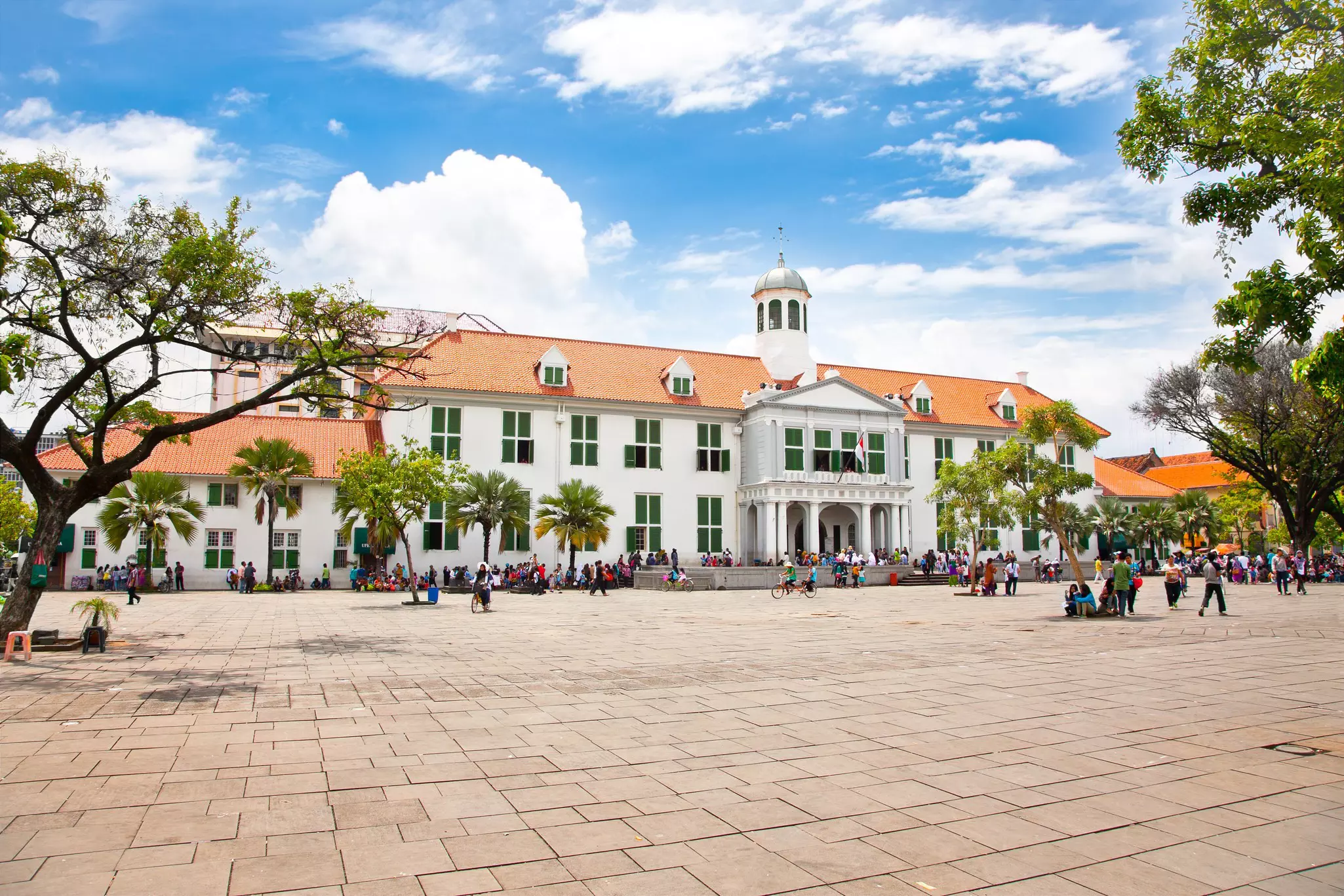
Start your tour in Kota Tua in north Jakarta, where the vestiges of old Batavia – the colonial city built by the Dutch in the 18th century – cluster around Taman Fatahillah. This charming cobblestone square is surrounded by handsome European-style buildings, and bicycles can be hired around the square, making it easy to scoot into the surrounding lanes, where you’ll find lots of inviting cafes, restaurants and hotels.
Be sure to check out the old town hall, which dates back to 1627 and now houses the Jakarta History Museum, exploring the capital's fascinating backstory. Also worth a trip is the nearby Museum Wayang, which has a superb collection of Javanese puppets (and sometimes puts on free puppet shows).
In central Jakarta, Merdeka Square is the political and spiritual heart of Indonesia. Looming over this vast expanse of grassy parkland is the 132m-high Monumen Nasional, also known as Monas or, more irreverently, "Sukarno’s final erection" – a reference to the former president of Indonesia, who ordered its construction in 1961.
Merdeka Square makes a great retreat from Jakarta’s hectic streets and is always busy with locals kicking back and catching their breath before diving back into the city crush. There are tremendous views across Jakarta from the top of the Monumen Nasional; get here early and avoid weekends if you don’t want to queue for hours.
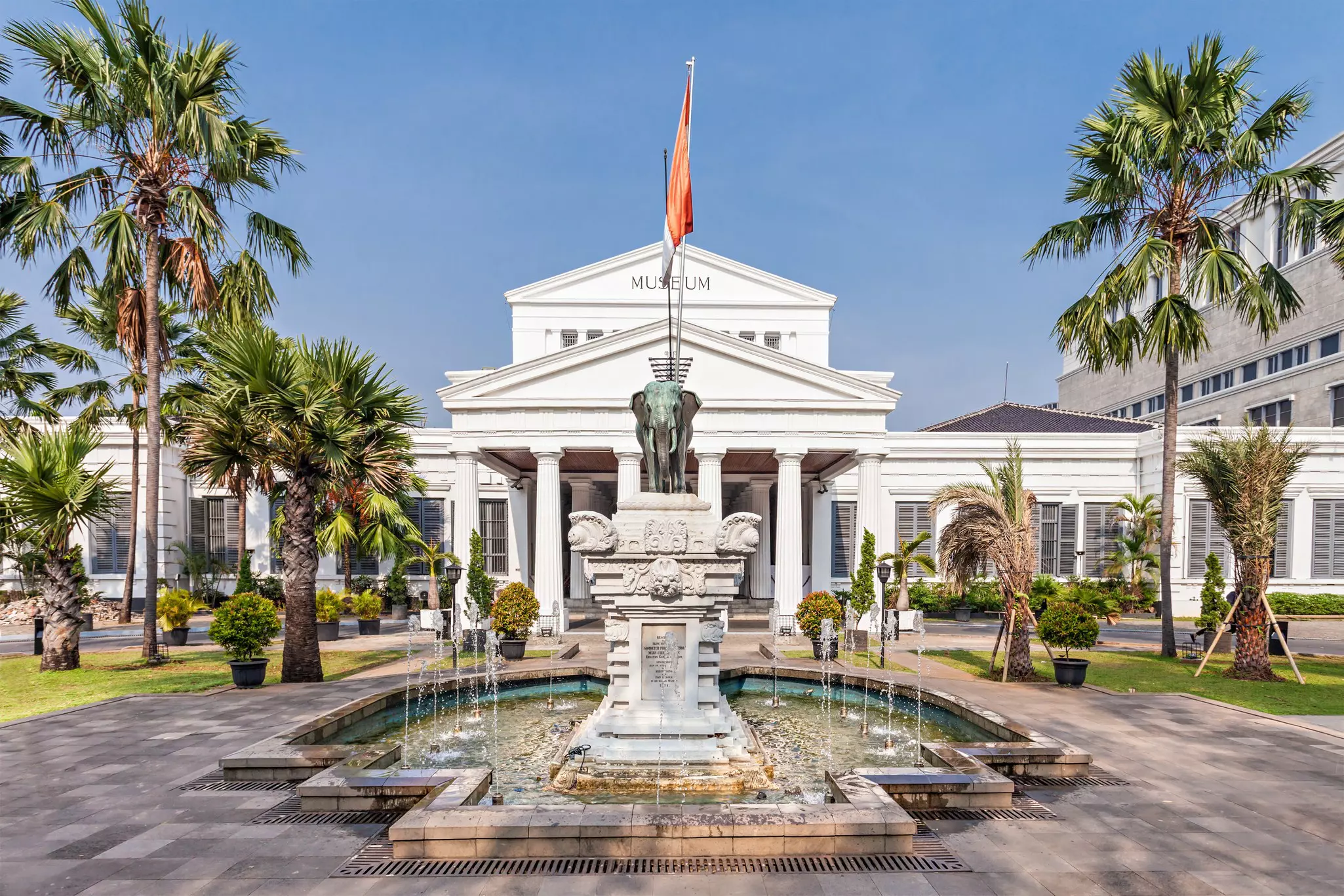
Nearby are the Museum Nasional, which is packed with cultural treasures from across Indonesia, and the Galeri Nasional, with a big collection of artworks by Indonesian and foreign artists. Also here is Masjid Istiqial, Southeast Asia’s largest mosque, crowned by an enormous modernist dome; non-Muslims are welcome to visit if appropriately dressed.
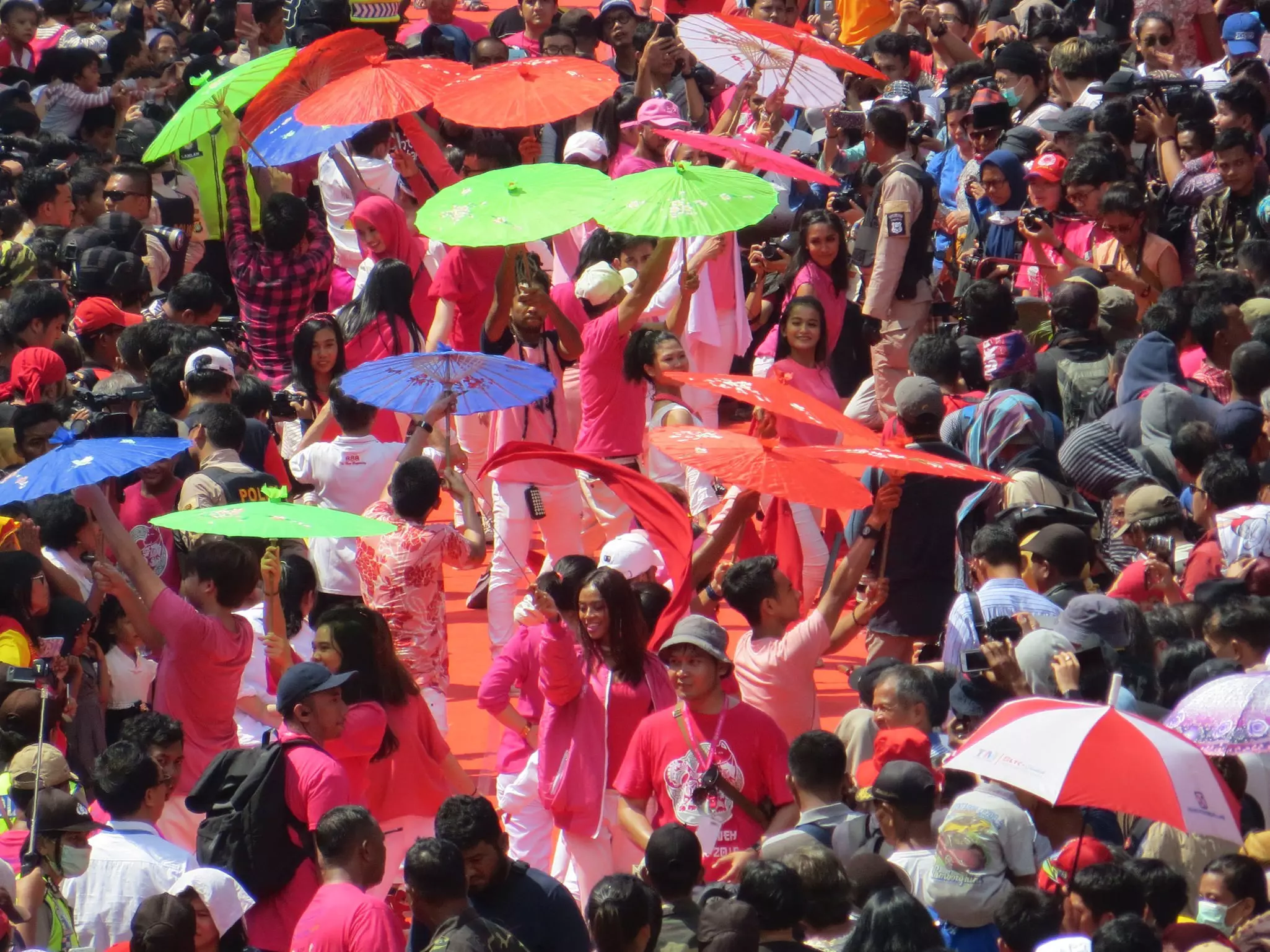
From Taman Fatahillah, it's a short walk south to the Glodok district, which has been Jakarta’s Chinatown for centuries. Wandering the lanes and alleys here is an essential part of the Jakarta experience, and there's great shopping, including in the atmospheric and highly photogenic Petak Sembilan Market, where you'll find a sensory assault of fresh produce.
When you’re done sightseeing, pop into Kopi Es Tak Kie or Pantjoran Tea House, two of Glodok’s oldest cafes, for authentic Sino-Indonesian dishes and revitalizing coffees and teas. The colors of Chinatown are particularly vivid during the Chinese New Year celebrations in January or February.
Shopping addicts have more than 150 shopping malls to choose from in the Indonesian capital, with significant savings on offer during the annual Great Sale Festival in June and July, and during the year-end sales in December.
The Grand Indonesia Mall and Plaza Senayan in Menteng are two of the most upmarket and popular malls, while the old-school Blok M Square mall is more about local brands. For a more organic shopping experience, make tracks for the nearby Jalan Surabaya Flea Market, where antiques, textiles and all manner of collectible items await.
Head to Museum MACAN and the RUCI Art Space (in west and south Jakarta, respectively) for insights into Indonesia’s burgeoning contemporary art scene. The city also has a growing street art scene (check out the colorful murals around Blok M Square), and there are lots of events for the Jakarta Biennale, next scheduled for late 2026.
If you're drawn by nightlife, the southern part of Jakarta, and the area of Kebayoran Baru in particular, is where you'll find some of Jakarta’s finest bars and restaurants, such as the rooftop Skye, which offers stunning views and cocktails, or Plataran Dharmawangsa for traditional Javanese cuisine in a tranquil and refined setting. For something less formal, the nightly food market on Jalan Haji Agus Salim comes to life around sunset and stays busy until about midnight.
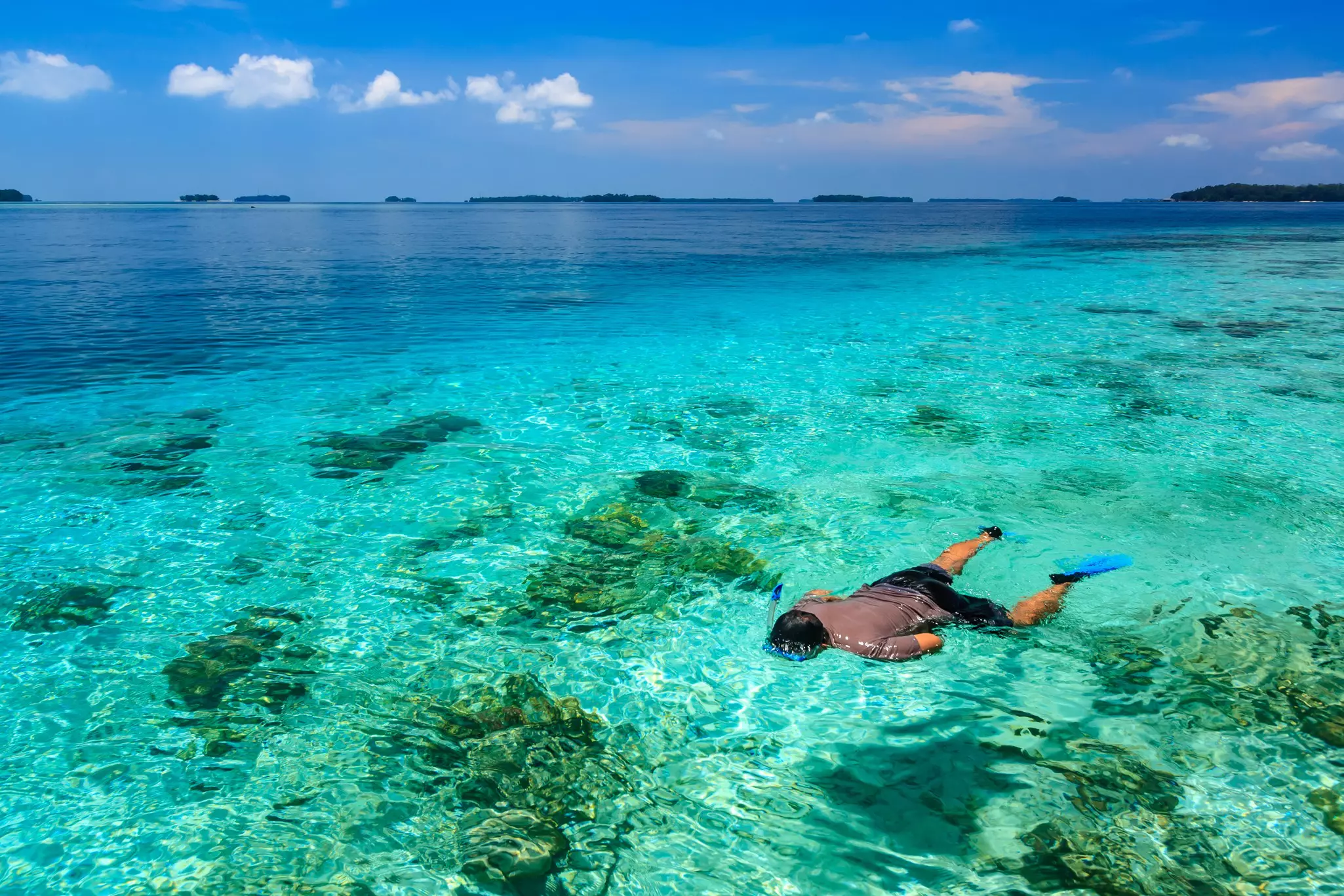
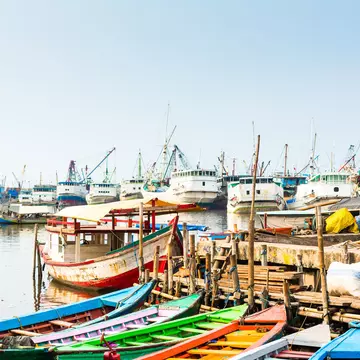
If you have the time, hop on a speedboat at Ancol Marina, a few kilometers north of Jakarta’s historic center, for a day tour or overnight visit to the Thousand Islands, where white-sand beaches and tropical resorts create a striking contrast to Jakarta’s urban sprawl. Alongside the many resort islands, Pulau Onrust has Dutch-era ruins and an interesting museum – it's easy to explore several islands in a day on a tour with an operator such as Sea Leader Marine.
Nature lovers home in on quiet, secluded and idyllic Pulau Pelangi; the clear waters and reefs are great for snorkeling and 100m offshore there’s a beautiful shipwreck for scuba divers. Pulau Genteng Kecil has healthy populations of clown fish, and glass-bottomed boat tours depart from Pulau Putri. En route to the islands, you can pop into the Ancol Luar Biasa fairground near the marina.
I first discovered Glodok, Jakarta’s Chinatown, by accident, while strolling south from Taman Fatahillah on my first visit to Jakarta. I still return whenever I’m in town to explore its narrow, winding alleys and streets lined with shophouses, hole-in-the-wall cafes and Chinese Buddhist temples. It's the perfect antidote to the skyscrapers and shopping malls that dominate much of Jakarta.
There’s a timelessness to Glodok that’s unique in Jakarta, and I love the tang of spices floating in the air, the traditional pharmacies with their dark interiors and mysterious remedies, and the delicious fusion dishes that can only be found in Glodok.
Jakarta is the most expensive destination in Indonesia, up there with Bali, but it’s still cheap by Western standards. You can get by on a budget of 1,500,000 rupiah (Rp) per day if you stay in mid-range hotels and eat at neighborhood restaurants rather than upscale places.
Museum entrance fees and taxis are a bargain, but alcohol is more pricey than elsewhere in Southeast Asia, especially wine and spirits, as the government slaps hefty taxes on it. Here's a guide to local costs.
Dorm bed in a hostel: from 130,000Rp
Three-star hotel room: from 500,000Rp
Airbnb studio apartment: from 400,000Rp per night
MRT ticket in town: 3000Rp to 14000Rp
Meal for two in a mid-range restaurant: 350,000Rp
Cup of local coffee: 20,000Rp
Small bottle of local beer in a bar: 35,000Rp
There are a few questions first-timers always ask, so here are some tips to help you out.
Avoid traveling during the morning and afternoon rush hours, from 7am to 9am and from 4pm to 6pm on weekdays. Roads are less congested at weekends, especially on Sundays. To avoid the traffic, choose a hotel near an MRT station so you can make as much use of public transport as possible.
Jakarta is a great place to try Indonesia-wide staples such as nasi goreng (fried rice) and also sample many different regional cuisines, whether that means Balinese classics such as babi guling (spiced spit-roast pig) or Sulawesi-style seafood, as well as Chinese-Indonesian fusion dishes in the Glodok district. International food is widely available for less adventurous palates. Don't drink tap water; purified water is available everywhere.
Bargaining is the norm at Jakarta’s many markets, and it's also possible at some shopping malls. As a general rule, if the cost of an item is displayed, the price is usually fixed; if not, bargaining may be possible. Remember that it’s always best to treat haggling as a friendly ritual rather than a matter of life and death. Tipping is not generally expected, but leaving a small gratuity when you dine out is always appreciated.
Explore related stories