Sep 30, 20265 min read
Japan Packing List: What to Pack by SeasonApr 27, 2026
7 MIN READ

Writer
2-28 Peace Memorial Park in Taipei, Taiwan. Sanga Park/Shutterstock

Writer
Lonely Planet may earn a commission from affiliate links on our site. All recommendations and reviews reflect our own independent opinions.
The last time I went to Japan was in 2023, and I didn’t expect to be back just 3 years later. For me, based in New York City, Japan is a long-haul trip with the kind of journey that makes you want to make the most of being on that side of the world and add somewhere new along the way. After some deliberation, my family chose to include Taiwan in our itinerary, and it turned out to be the best decision. Japan and Taiwan complemented each other perfectly, offering distinct experiences that felt richer when paired together.
We spent 9 days in Taiwan and 4 in Japan. Here’s how we structured our trip, and a few things to keep in mind as you plan yours.

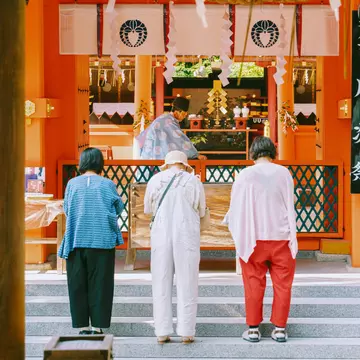
Pairing Taiwan and Japan in one trip allowed us to experience two different types of vacation. In Japan, our days were often fast-paced and a bit hectic, especially in major cities, like Tokyo, Kyoto and Osaka. Tourism to Japan has surged in recent years, meaning large crowds are par for the course when visiting the country’s most famous temples, districts and landmarks. Still, there’s a reason these places draw so many visitors – iconic moments like seeing Mt Fuji and walking through the red torii (shrine gates) of Fushimi Inari Taisha in Kyoto are memories that will stay with me.
Taiwan offers a different rhythm. It’s more laid-back and noticeably less crowded, even in Taipei. The atmosphere makes it easy to slow down and experience the country in a more casual manner, wandering countless alleyways, sampling its street-food culture and visiting diverse landscapes.
The two nations' proximity makes it an easy pairing with little added effort. Taiwan is only a short flight away from Japan, 2 hours and 30 minutes from Osaka and 3 hours and 30 minutes from Tokyo if you’re flying out of Taipei’s Taiwan Taoyuan International Airport.
If you haven’t been to Japan before, plan for at least a full week there. There’s a lot to see, and travel time between major cities can add up quickly. I’d set aside at least a week for Taiwan too. I found that the country really shined with some built-in time to wander, especially because of its many family-run shops hidden in quiet alleyways that were delightful to stumble onto.
On my trip, 9 days in Taiwan and 4 in Japan was the right balance. It gave me enough time to experience the different sides of Taiwan, including urban cities in the north and south of the island, forests and a coral island. Four days in Japan was just enough time to see a some of what I missed the first time around.
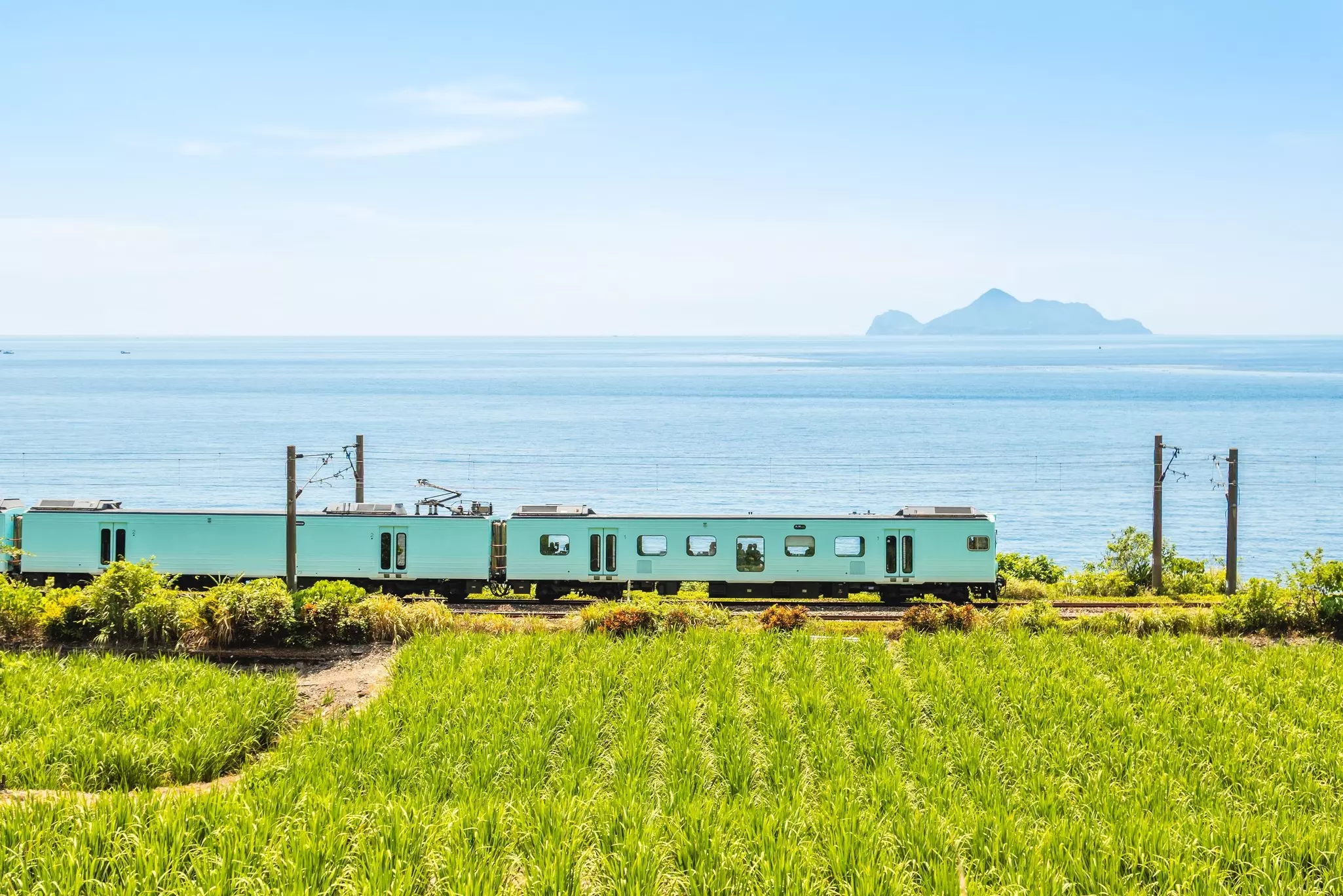
Taiwan is compact and easy to navigate, making it ideal for covering a lot of ground in a short amount of time. The Taiwan High Speed Rail runs along the west coast, connecting major cities from Taipei to Kaohsiung in just a few hours. For a more scenic return, take the slower TRA train up the east coast, where the landscape shifts to dramatic cliffs, ocean views and quieter towns. Make sure to book trains and buses in advance, especially if you’re making a lot of stops.
My route started in Taipei, landing in Taiwan Taoyuan International Airport. I’d recommend spending at least 3 days in the city, setting aside one of those days for a trip outside of the city. There are many options a short train ride away. We opted for Jiufen, a mountain town known for its many lanterns and narrow alleyways, and Shifen, Taiwan’s widest waterfall.
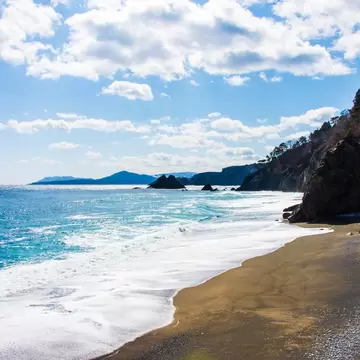
From Taipei, head south. You can stop in another city, like Taichung, Tainan or Kaohsiung. For a glimpse of Taiwan’s Central Mountain Range, take a detour to the middle of the island. We enjoyed biking around the bright blue-green waters of Sun Moon Lake and walking amidst thousand-year-old trees in the Alishan National Forest Recreation Area. Taiwan’s best beaches are in the south, so spend some time by the water before you head back north.

Taiwan is known for its casual eating culture, and Taipei is the perfect place to experience it. Influenced by Chinese Fujian, Cantonese and Hakka flavors, as well as Japanese and indigenous elements, Taiwanese cuisine has evolved into something entirely its own.
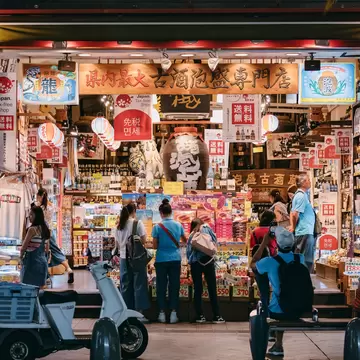
Many of the places we went to were awarded the Michelin Bib Gourmand, which recognizes exceptional food at moderate prices. I recommend heading to the Cisheng Temple area in Dadaocheng for breakfast or lunch, where food stalls surround the temple. At Raohe Street Night Market in Taipei, I ate a baked beef bun at Fuzhou Ancestor Pepper Pie, the freshest mochi of my life, and a Taiwanese ice cream burrito.
My first trip to Japan was built around a long list of must-see sights. Many I was blown away by, while others were on my list out of obligation (even as someone who doesn’t enjoy crowds, how do you visit Tokyo without going to Shibuya Crossing?). There’s a lot to try to fit in on a first visit, and it’s easy to feel pressure to see it all.
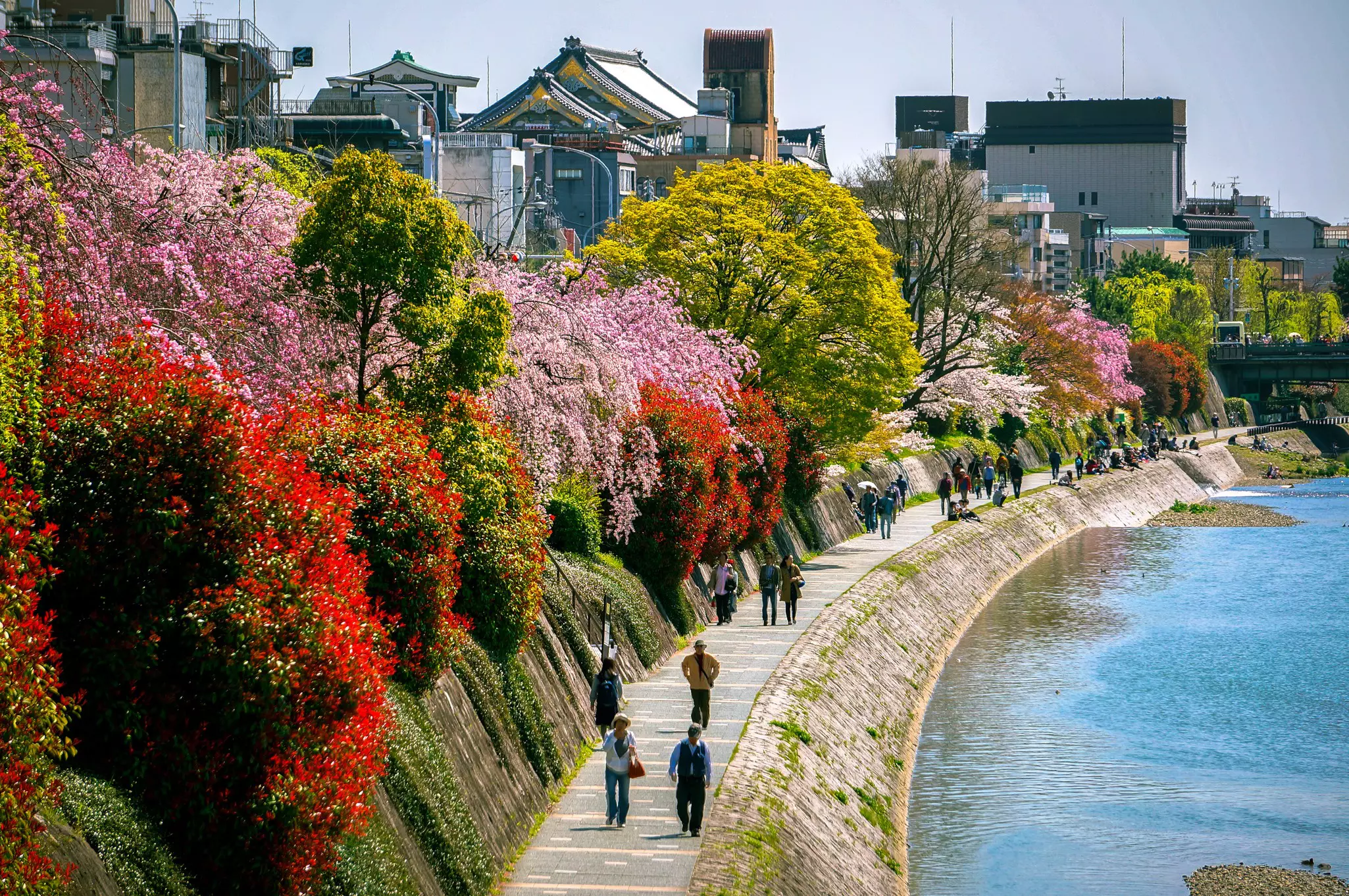
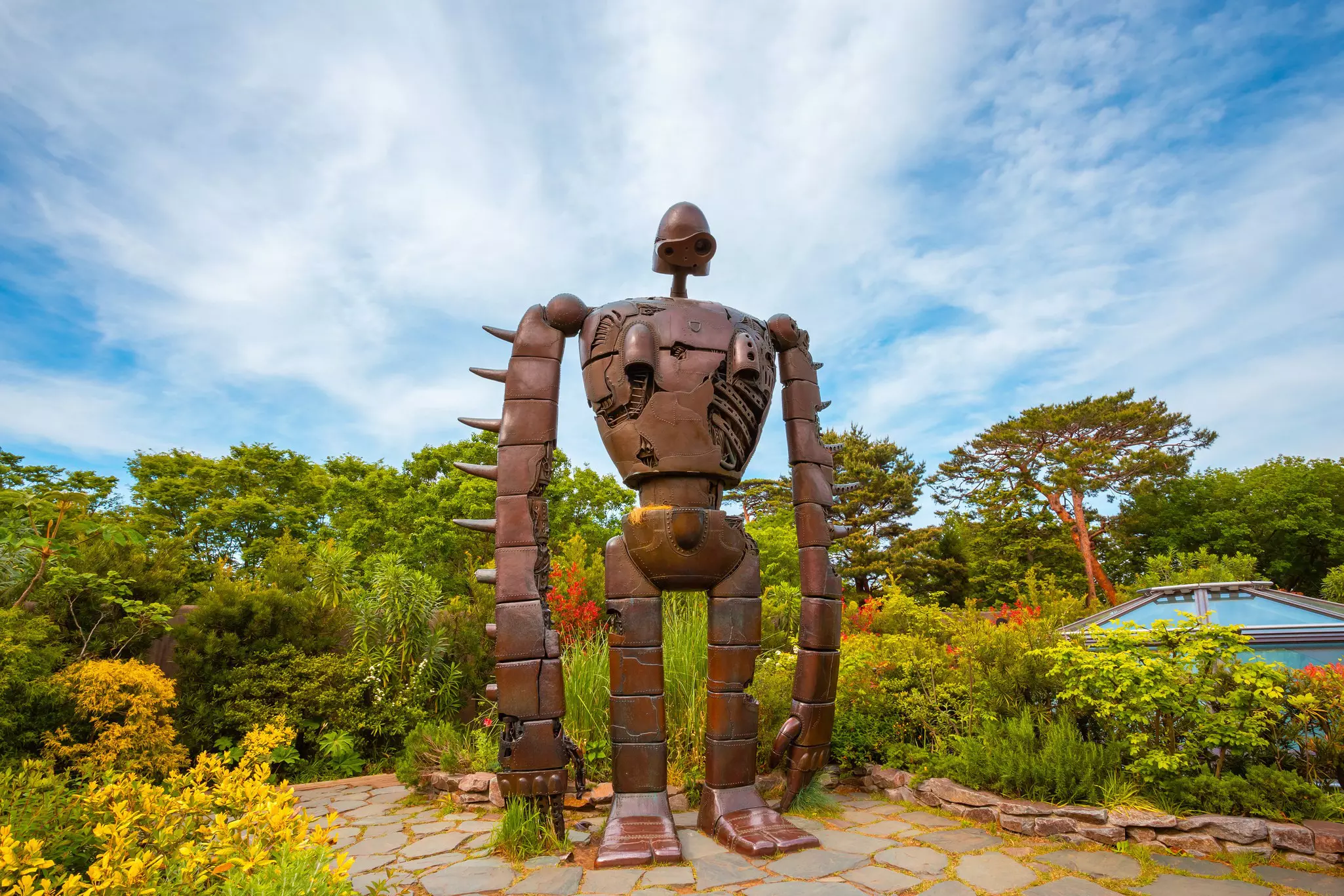
A second trip offers the chance to be more intentional with your itinerary. For me, that meant prioritizing things I didn’t have the time for the first time, like seeing Mt Fuji and visiting the Studio Ghibli Museum in Tokyo. Both felt long-overdue and added a new layer to the trip. I also revisited one of my favorite moments in Japan, walking along the Kamo River in Kyoto, which felt just as serene the second time around.
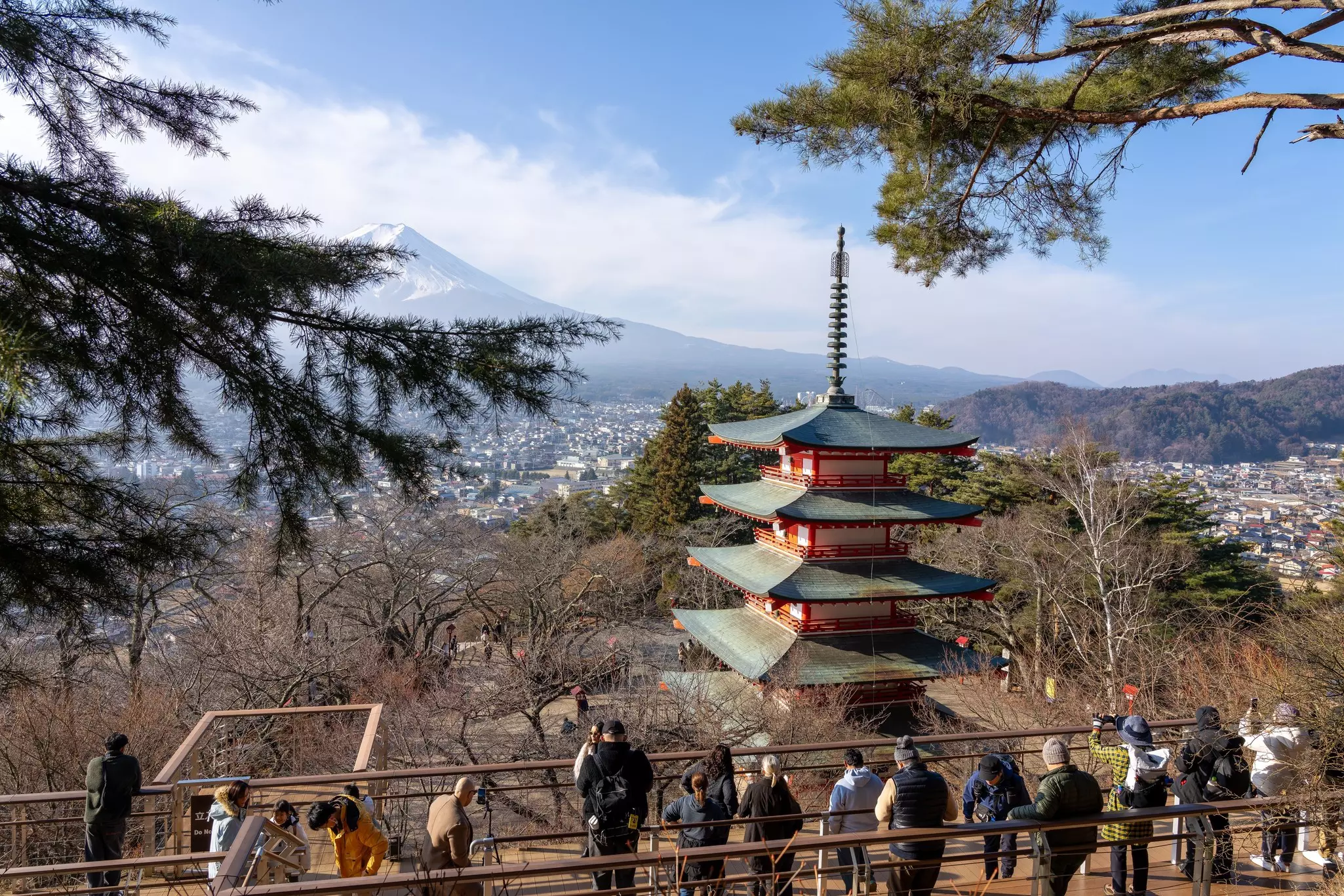
Seeing Mt Fuji can take a bit of strategy and a lot of flexibility. The mountain is famously shy, often hidden behind clouds, so your best bet is to leave some room in your itinerary to plan around the clearest weather window you can find.
We stayed overnight in Fujiyoshida, despite a poor forecast with visibility plummeting by late morning the next day. To maximize our chances of seeing the mountain, we set out at 6am and were rewarded with clear skies. With the early start, we had time to visit two key viewpoints: the pagoda overlooking the mountain and a quieter lakeside spot framed by reeds. By midday, the clouds had rolled in exactly as predicted.
A day trip from Tokyo is one of the easiest and most efficient ways to go, with several viewing areas within a couple of hours away. If you’re short on time, keep an eye out from the train. On a clear day, you might just get lucky.
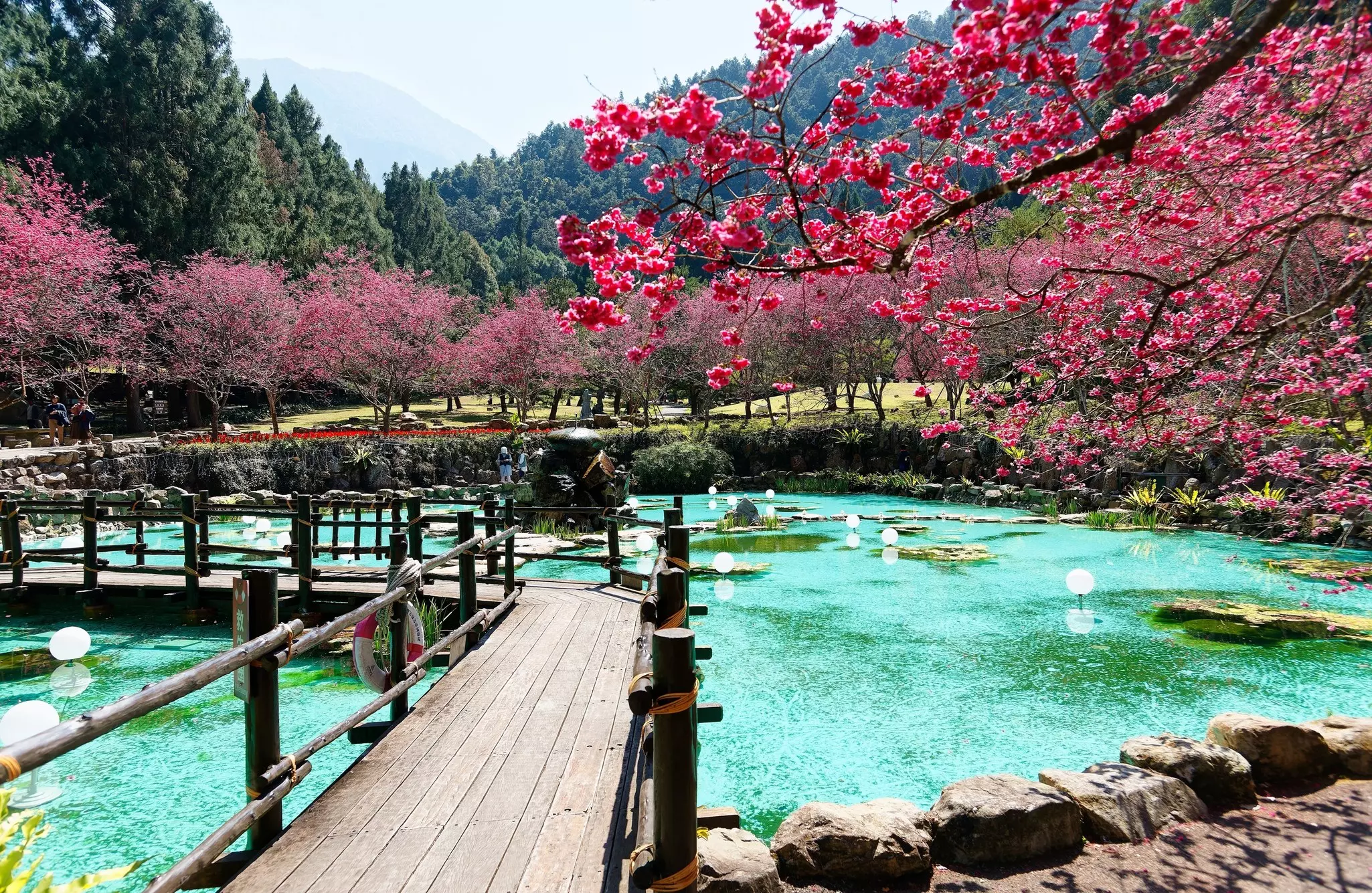
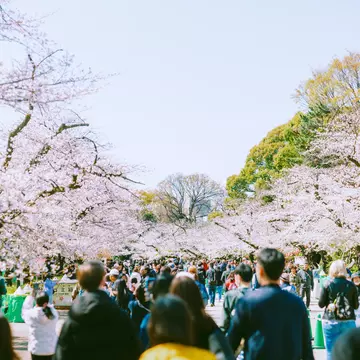
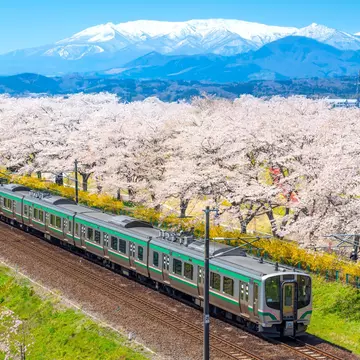
Cherry blossom season transforms both Japan and Taiwan. In Japan, sakura typically bloom from early March to late April, depending on the region. Some of the most memorable spots are worth seeking out, drawing locals and visitors alike for hanami (flower viewing). Mt Yoshino in Nara is one of the country’s most famous, with more than 30,000 cherry trees layered across the mountainside. In Kyoto, I had a picnic in Maruyama-kōen beneath the blossoms.
In Taiwan, cherry blossoms arrive earlier, beginning as early as mid-January and lasting through mid-April, with peak blooms in February and March. If you’re visiting both destinations, starting in Taiwan lets you catch the first blooms with fewer crowds before heading to Japan for peak sakura.
Book your Japan trip with Lonely Planet Journeys
See Japan how it's meant to be seen
Planned by local experts and tailored to you, Lonely Planet Journeys handles the logistics so you can just enjoy the trip. Tell us what you want and we'll build your Japan itinerary from scratch, or browse our bookable trips to get inspired.

Explore related stories