Apr 27, 20266 min read
Why You Should Visit Girona, Catalonia’s Second CityApr 27, 2026
6 MIN READ

Writer
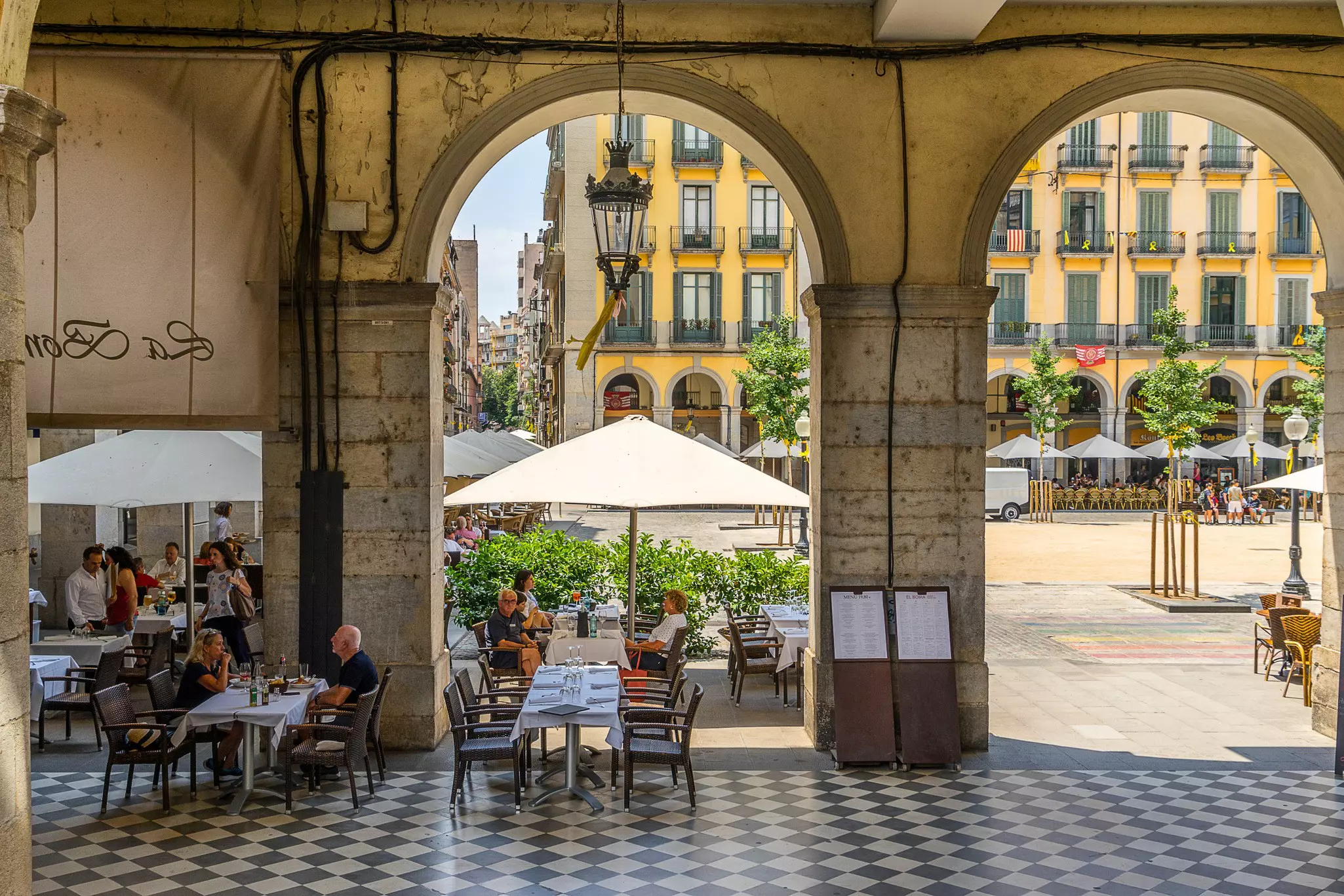
An arcade in Independence Square, Girona, Catalonia. Gordon Bell/Shutterstock
Writer
Highlights
Writer Jamie Ditaranto makes the case for Girona, Catalonia's mellow second city.
Walk El Call's narrow lanes and climb Girona's city walls for postcard-perfect sunset views.
Foodies should book ahead for El Celler de Can Roca; L'Argadà serves hearty Catalan fare.
Take the 40-minute train from Barcelona Sants, or fly into Girona–Costa Brava Airport.
Lonely Planet may earn a commission from affiliate links on our site. All recommendations and reviews reflect our own independent opinions.
Barcelona is simply sensational – and the world knows it. Yet far fewer know that another gorgeous town lies just 100km north: Catalonia’s mellow second city of Girona
This hub of culture, gastronomy and history boasts one of the best preserved medieval centers in all of Europe. (It served as a stand-in for Westeros on the HBO series Game of Thrones.) But Girona is far more than mere movie set or Barcelona in miniature. This city buzzes with life, drawing epicureans to its world-famous restaurants and cyclists to its gorgeous coastal paths. Girona has distinctive history that, like Barcelona, finds its roots in ancient Rome.
If you’re looking for somewhere new to go on your next city break, here are all the reasons you should visit Girona.
Concerns about overtourism are widespread in Spain – and particularly pointed in Barcelona, with its 16 million annual visitors and strained local services. This makes Girona especially appealing to those who want to travel responsibly, as well as discover someplace new. Just don’t expect to have Girona to yourself: it is a popular day trip destination from Barcelona and can get quite crowded in the high season. That’s all the more reason to spend a few days here, and really settle in.
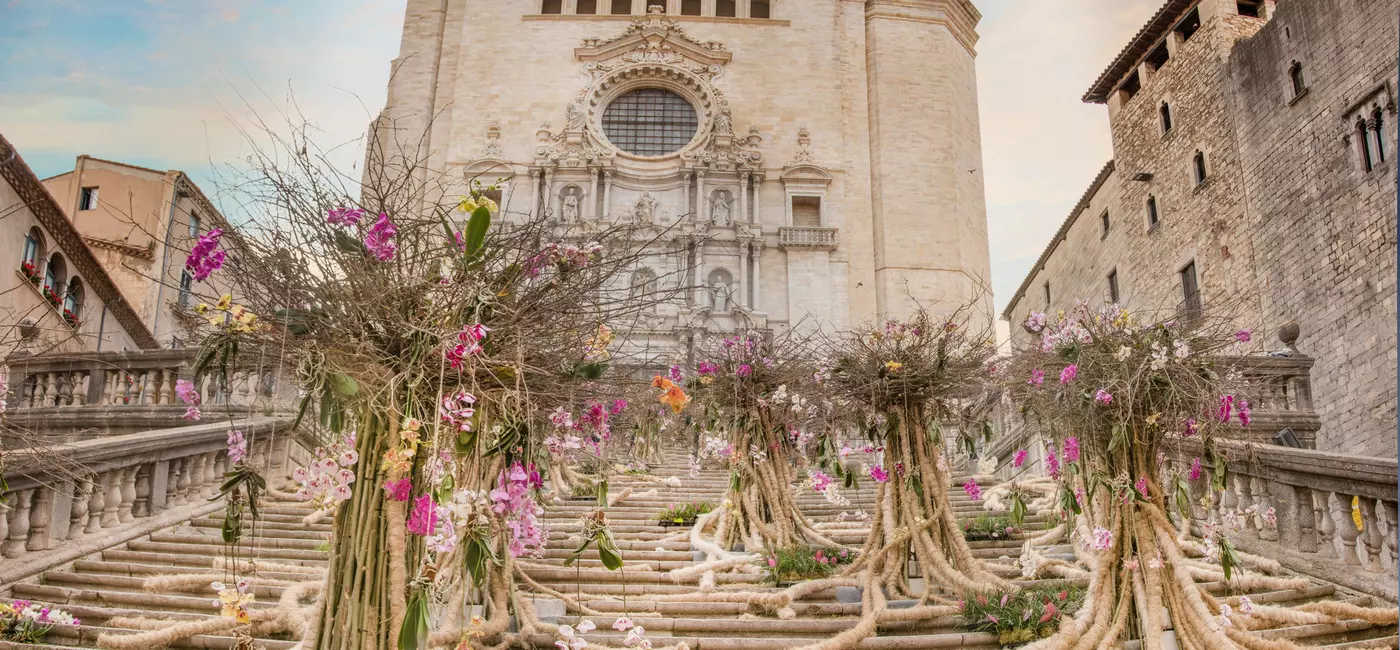
Girona has a busy calendar of annual events, including a springtime flower festival and open-air concerts in the summer.
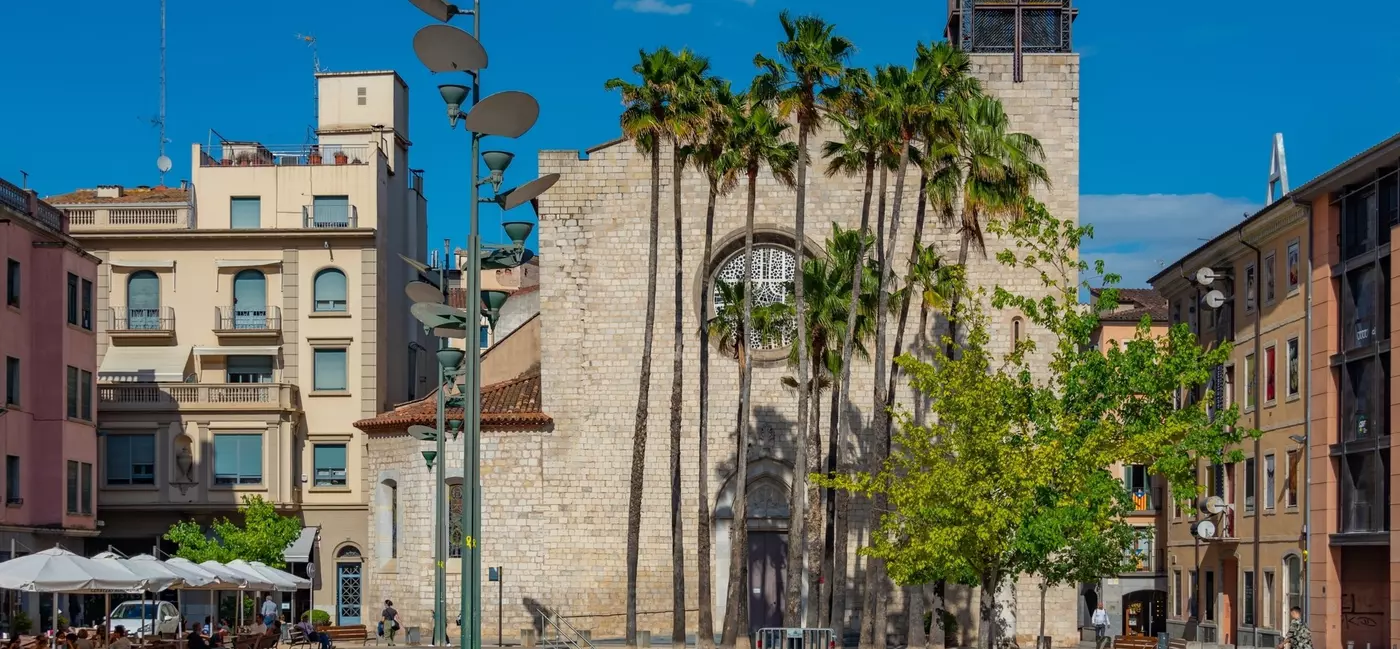
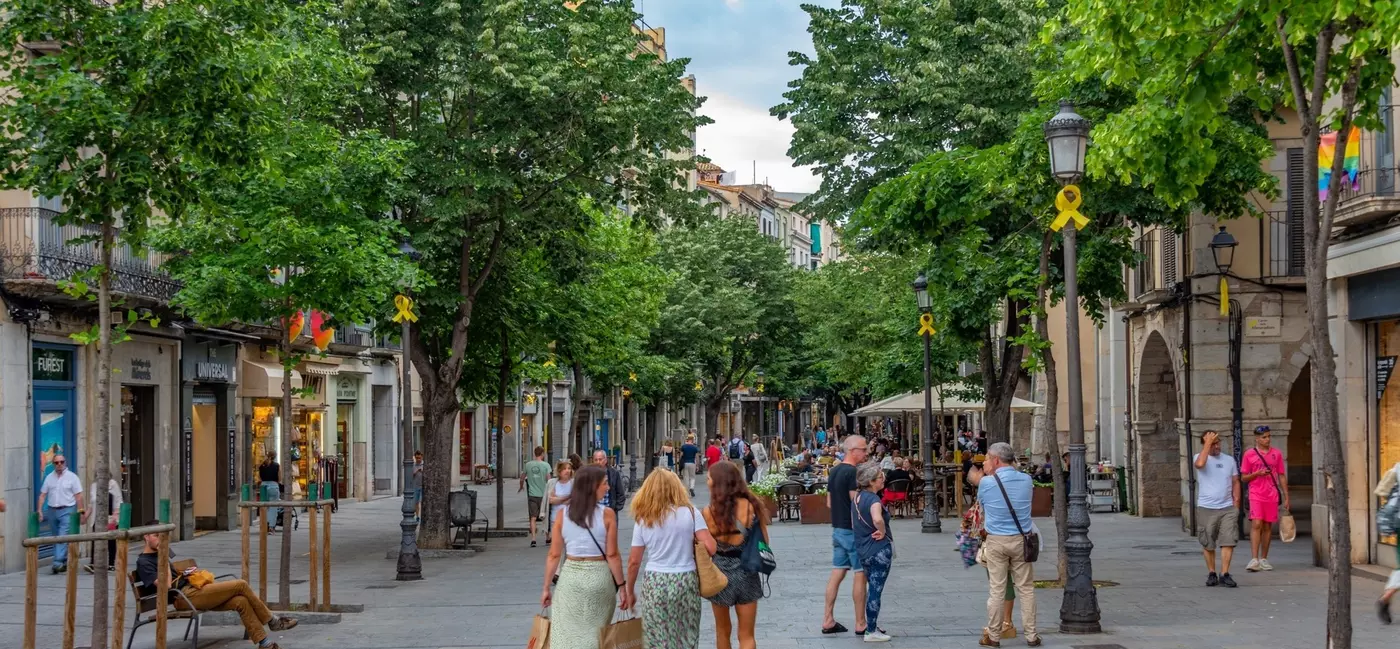
Church of Santa Susanna del Mercadal, Girona. trabantos/Shutterstock
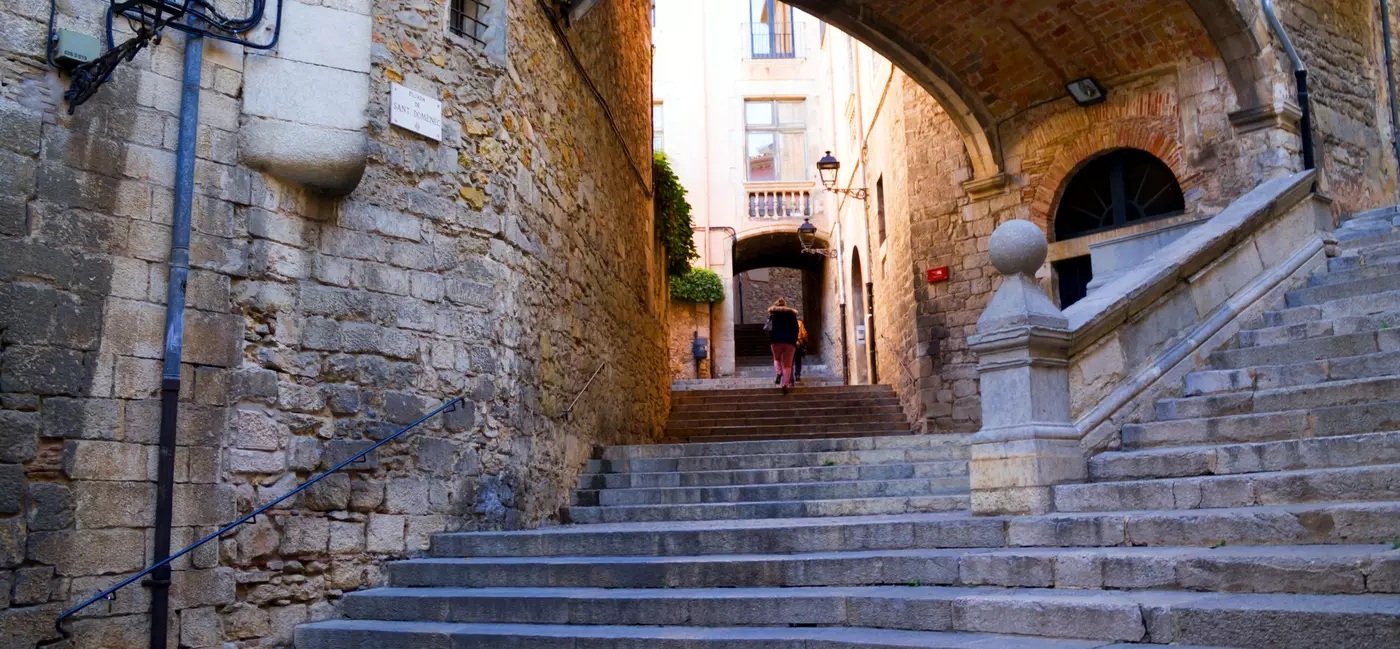
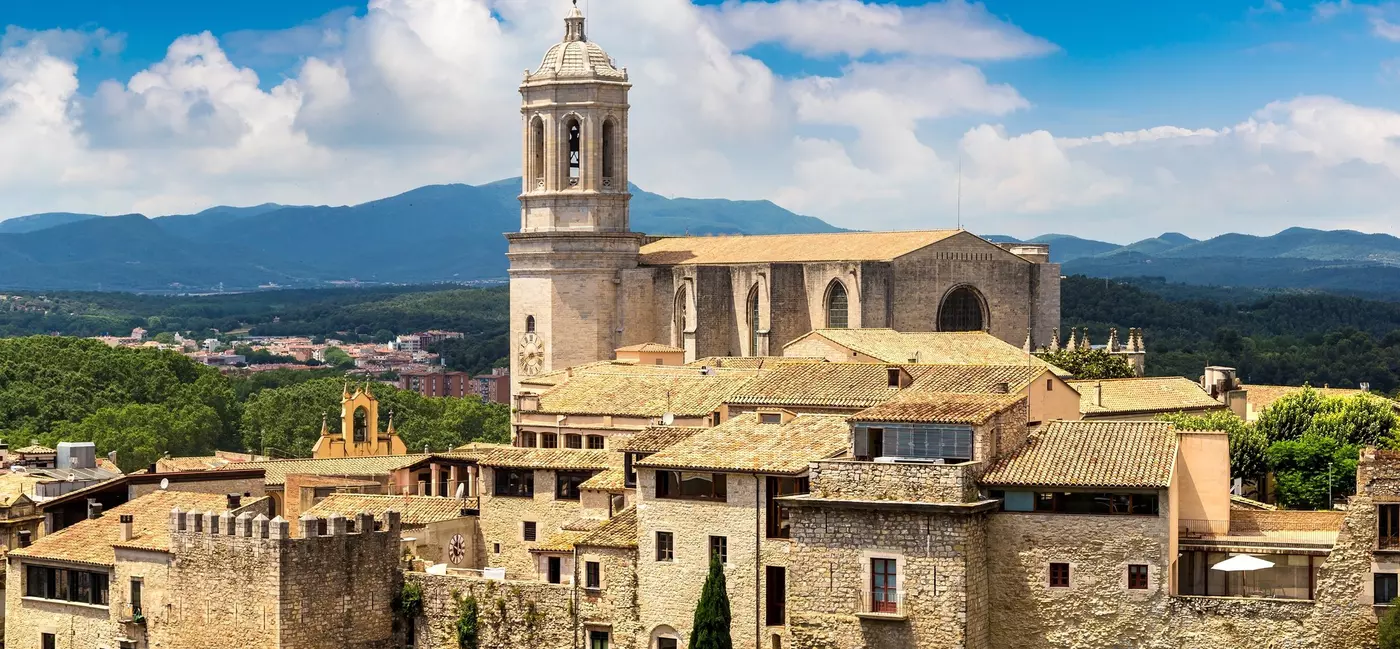
Enter the labyrinth of narrow lanes and careening staircases of El Call to explore one of Europe’s best-preserved Jewish quarters. Dating to the 12th century, when the area was home to a flourishing Jewish community, the neighborhood is rich in history. Its streets lead the way to some of Girona’s most iconic sites, including the Catedral de Girona and its 90 steps. The city is built on a hillside, so be prepared to do a lot of walking, but also take your time to admire the arches and cobblestones that make this city feel so cinematic.
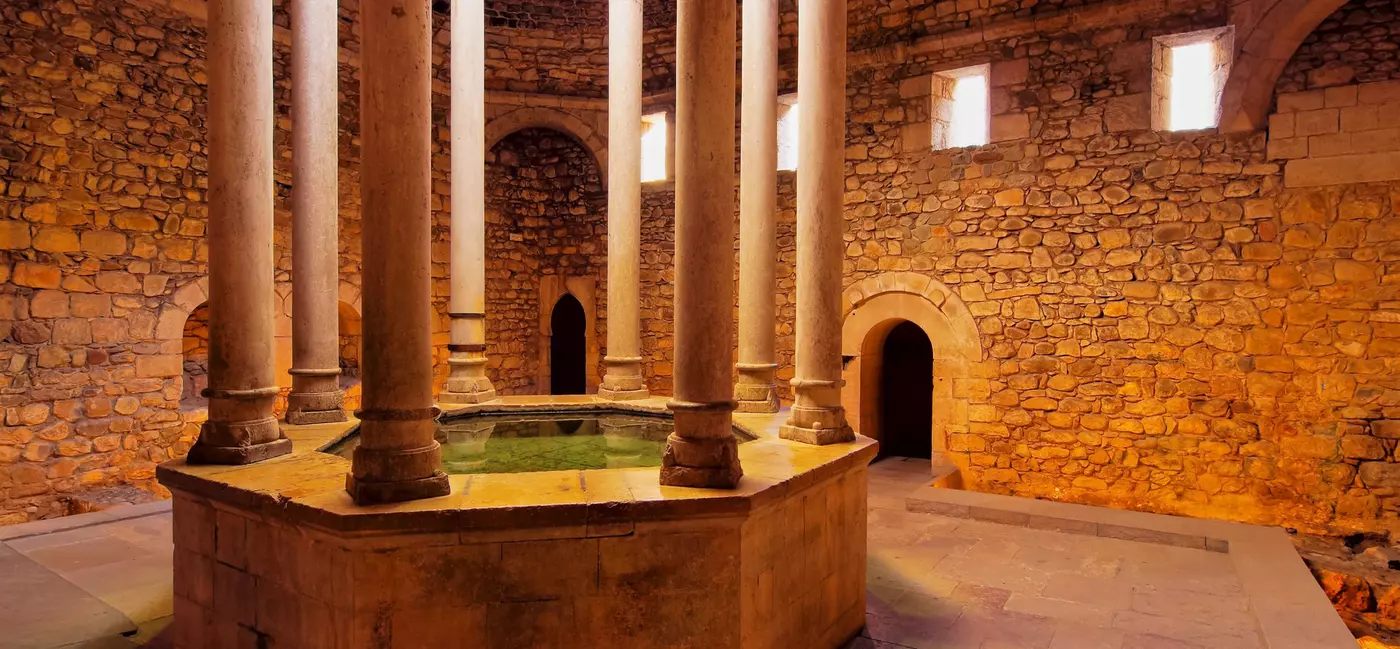
The architectural sites of the Banys Àrabs and the Monestir de Sant Pere de Galligants (and its small archaeological museum) are must-sees on any trip to Girona. In El Call, you can delve even deeper at the city’s history museum or at the Museu d’Història dels Jueus, which exhibits more architectural remnants related to Jewish culture.
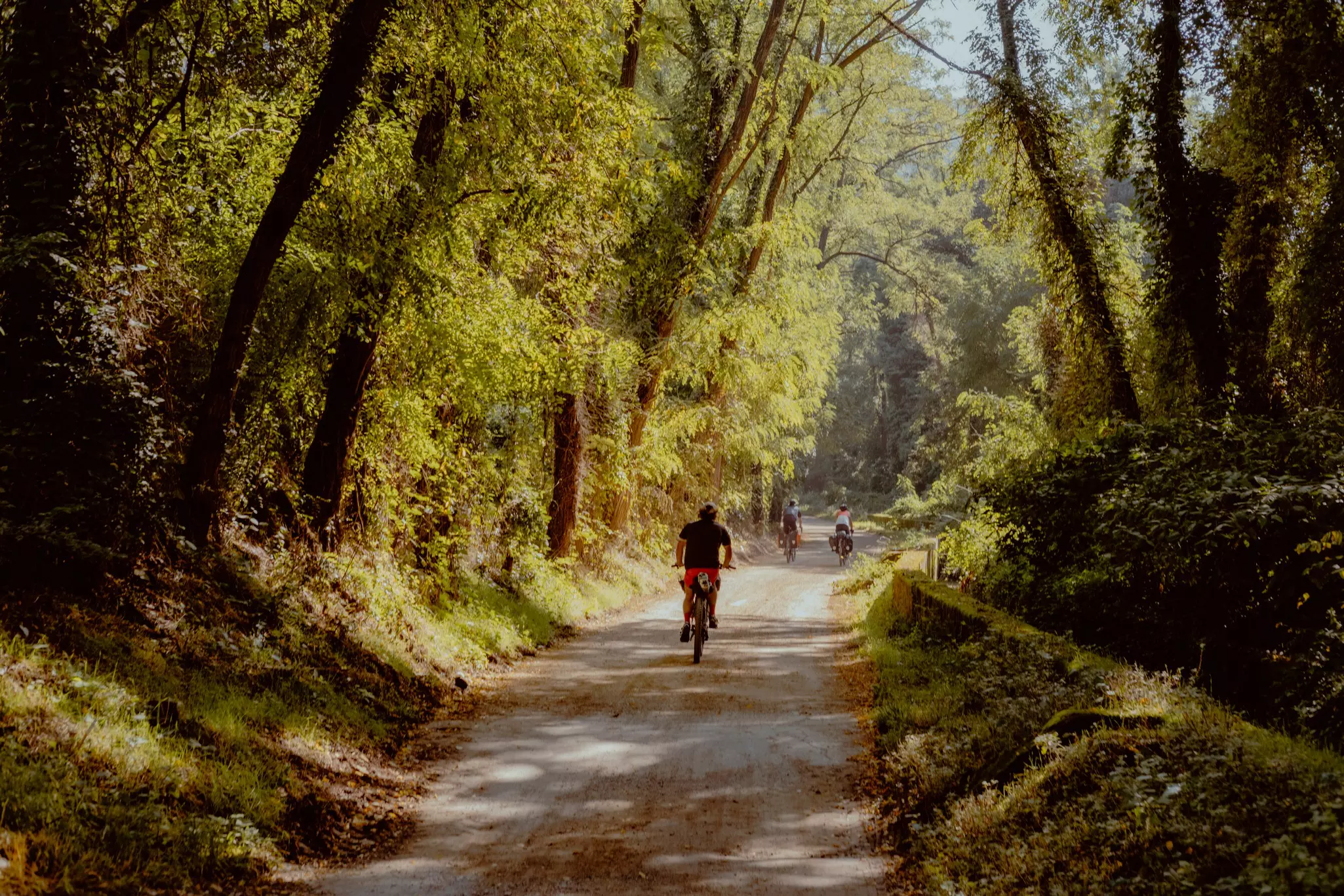
Surrounded by smooth roads winding through forest and countryside, Girona is one of Europe’s top cycling destinations. The culture here is extremely bike-friendly, with many cafes catering specifically to cyclists, and plenty of places to rent a bike in town. Many companies offer guided tours that can be tailored to your difficulty level; experienced cyclists can explore popular and challenging high-grade climbs such as Rocacorba and Els Àngels on their own.
Girona is home to two Michelin-starred restaurants, including the legendary El Celler de Can Roca. While reservations are hard to score, the restaurant is only one in the portfolio of the Roca family; their other establishments in town include Normal and Vii. For something more casual, Café Le Bistrot has an unbeatable location on one of Girona’s most picturesque staircases. Or dig into hearty local flavors at L’Argadà, a Catalan steakhouse.
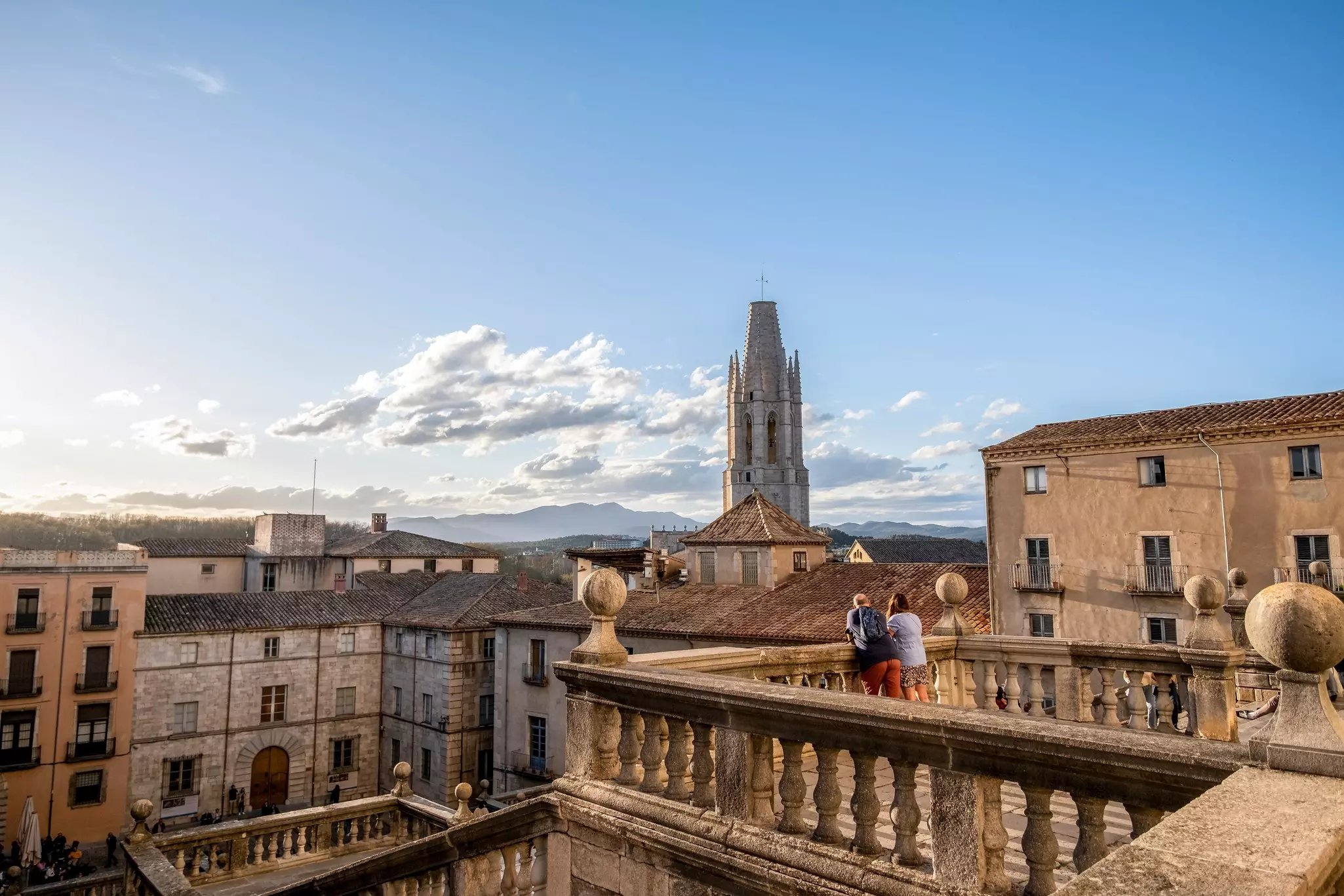
Girona is reckoned to have been protected by walls since at least the Roman Era – and maybe even under the ancient Iberians before that. The Muralles de Girona (city walls) that stand today date back to the Middle Ages, and are completely walkable. The ramparts have multiple access points and look out over the western side of the city, ideal for capturing a postcard-perfect sunset view. On your way up, you’ll find many towers you can climb. Be sure to stop for a tranquil break at the Jardins de Alemanys.
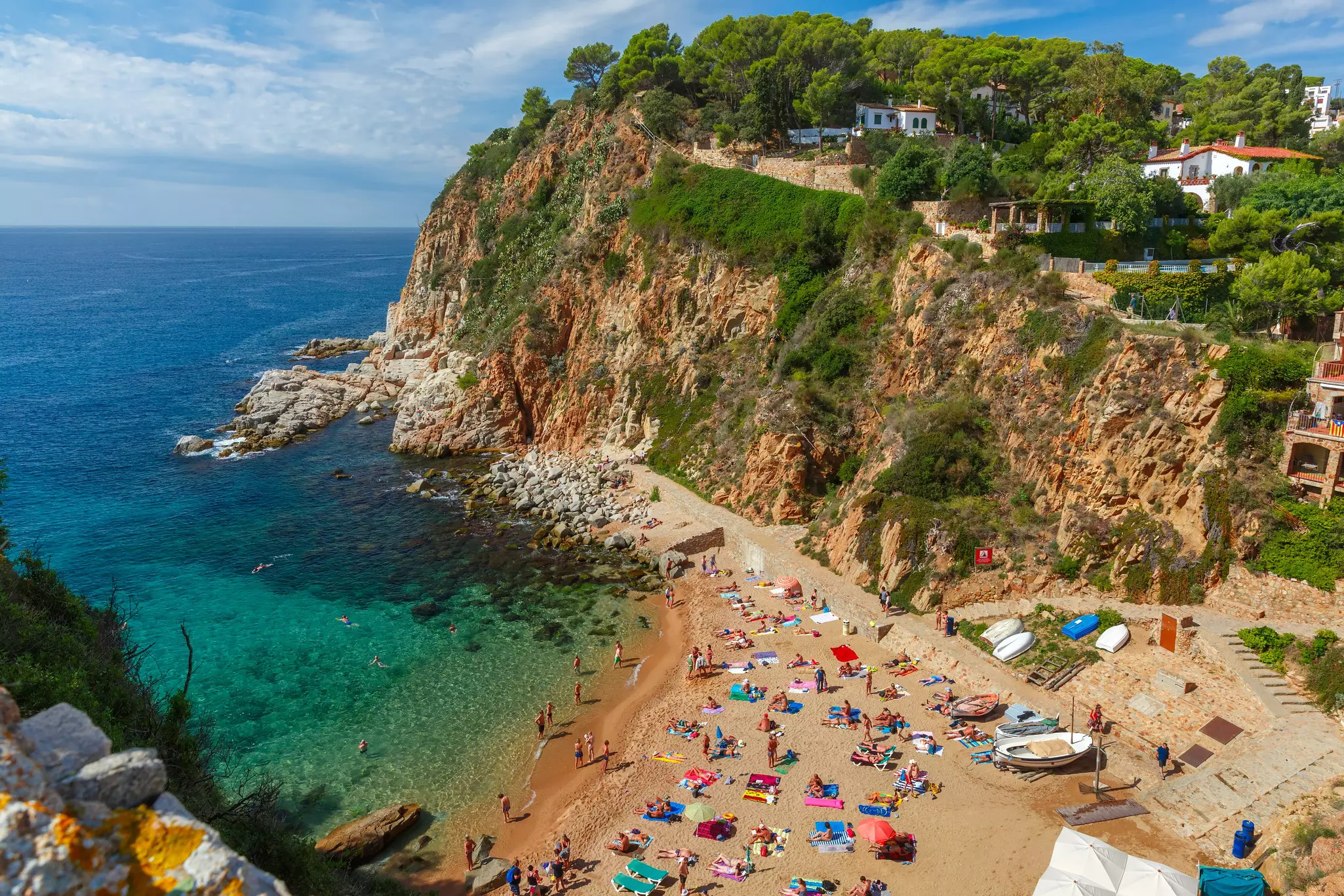
Girona is a primary access point for the sensational beaches of the Costa Brava. A 40-minute bus ride away, popular Tossa de Mar has an old city surrounded by pink granite cliffs marked by sandy beaches, coves and lone trees growing atop rock stacks. From the main beach of Platja Gran, head up the steep and winding hill – or take the little tourist train – to the top of the city walls and the ruins of the medieval castle.
All cities have their traditions and superstitions, and Girona has its lion. Found in the plaza outside the Basílica de Sant Feliu, this small stone likeness of the big cat – a recreation of the original on display in the history museum – hugs the top of a column, and is meant to be kissed on its backside in order to guarantee a return to Girona. A ladder is even provided for visitors eager to get their wish – and a funny photo.
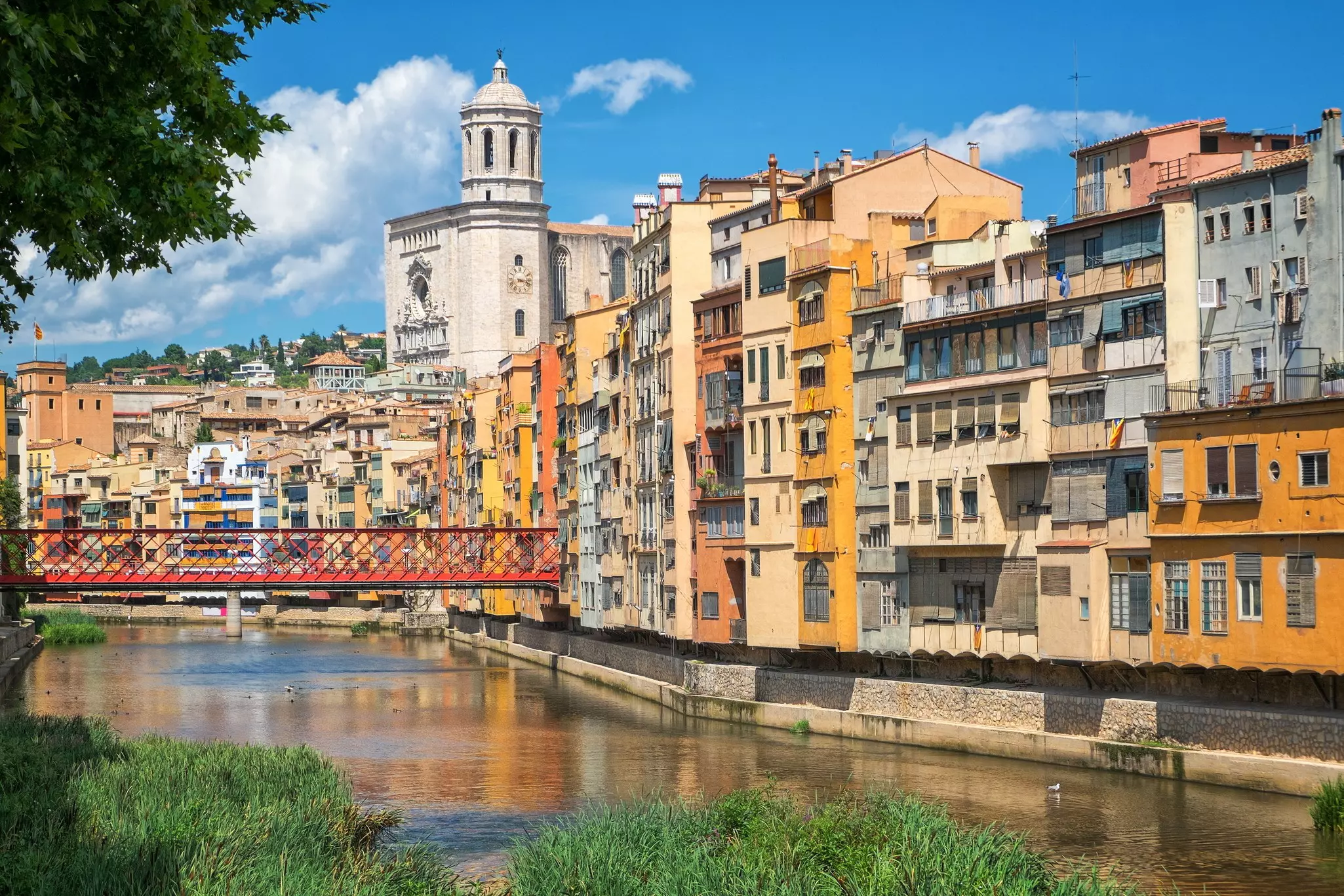
There is a wide range of places to stay in and around Girona’s city center, from budget-friendly hotels geared toward solo travelers, like ByPillow the Bloom, to the ultra-luxurious, three-room-only Palau dels Alemanys. For something in the middle, consider Hotel Ciutat de Girona or AC Hotel Palau del Bellavista, both of which have amenities like indoor pools and rooftop terraces ideal for unwinding after busy days exploring.
Staying in the city center puts you right in the action. But just outside the city are gorgeous rural hotels as well as casas rurales, country homes available for rent. The Roca family is behind Espirit Roca, a boutique hotel 20 minutes outside of Girona that has become a fine-dining destination in its own right.
It couldn’t be easier to travel by train to Girona, with numerous daily departures from Barcelona Sants. The high-speed Renfe train takes 40 minutes with tickets costing between 10 euros and and €28 one way, depending on demand. Alternatively, regional Rodalies and middle-distance Renfe departures to Girona might take between 1 and 2 hours for usually lower fares. It’s a 15-minute walk into the city center from the Girona train station.
Alternatively, you can also fly straight into the Girona–Costa Brava Airport, which is served by budget airlines with direct flights from cities including Amsterdam, Dublin, Budapest, Glasgow, Prague, Riga and beyond.
Book your Spain trip with Lonely Planet Journeys
See Spain how it's meant to be seen
Accommodations, activities and ground transportation all taken care of, so you can focus on the fun part. Tell us what your dream trip to Spain looks like, and our local experts will build it from scratch. Or start with one of our itineraries and make it your own.

Explore related stories