Sep 25, 20267 min read
The Best Places to Get Korean Food in Los Angeles, CaliforniaJan 15, 2026
7 MIN READ
Contributors
A communal Ramadan iftar in Dubai. Kertu/Shutterstock

Contributors

Tharik Hussain, Lama Obeid
Highlights
Writers Lama Obeid and Tharik Hussain share tips for traveling during Ramadan.
In 2026, Ramadan runs February 17 to March 19 – book flights early around Eid al-Fitr.
Research local eating laws – Dubai allows public dining, but most UAE cities don't.
In Egypt, neighborhoods set street tables for iftar – guests are welcome to join.
Lonely Planet may earn a commission from affiliate links on our site. All recommendations and reviews reflect our own independent opinions.
Visiting Muslim countries during the holy month of Ramadan can be an enriching and interesting experience for non-Muslim tourists – but it helps to know what to expect.
Ramadan’s timing is based on the lunar calendar. The period was considered a sacred time of year even before the advent of Islam in Arabia – a time to retreat from the world to meditate and consider their relationship with higher powers. Ramadan is popularly known as a month in which many Muslims fast and pray during daylight hours, but it’s a special time for many reasons.
Read on for a full briefing on what you need to know and should expect if you’re traveling during Ramadan. Most important? You’ll learn how to travel respectfully through Muslim-majority countries during this special annual observance.
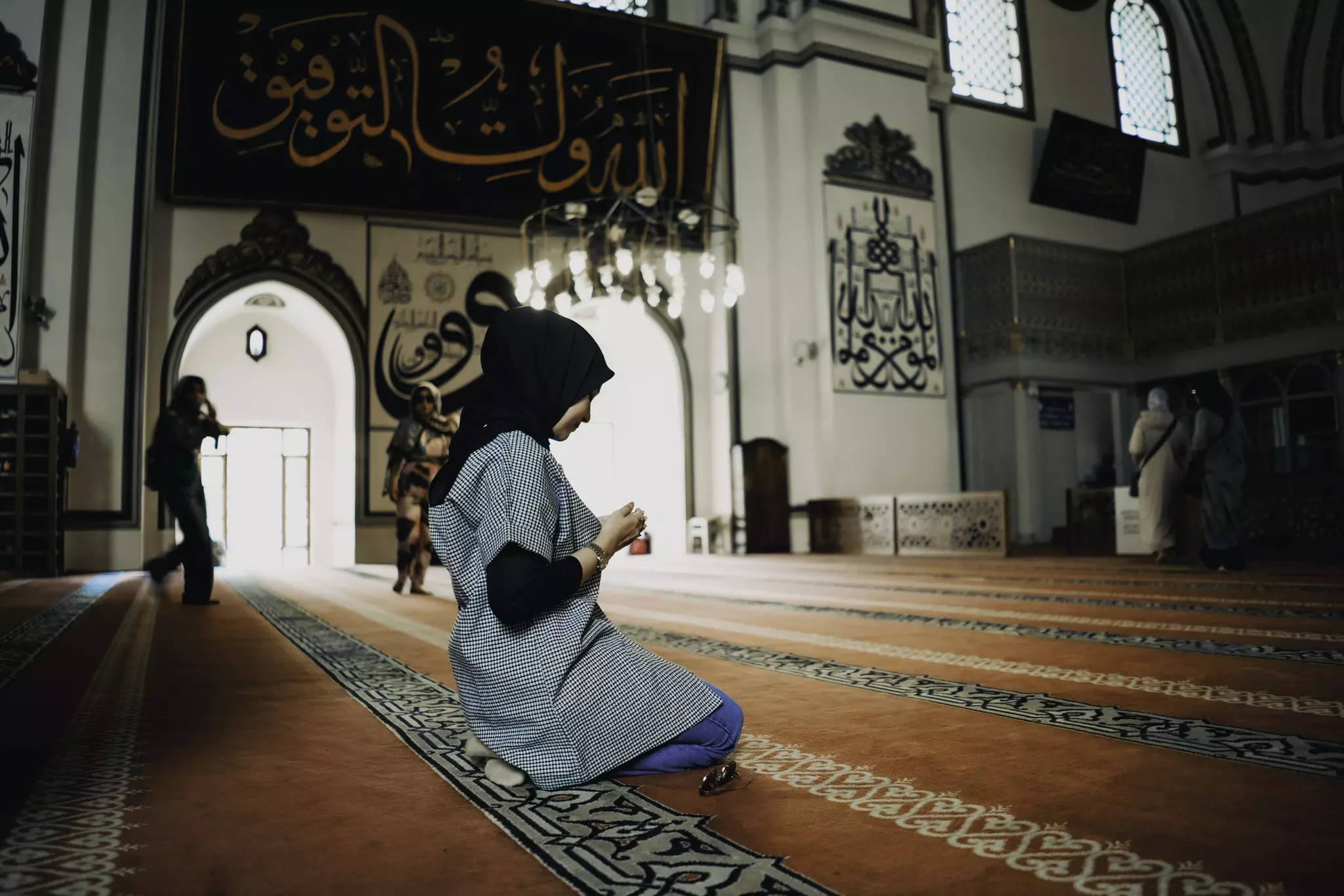
The ninth month of the Muslim calendar commemorates the time when the Prophet Muhammad divinely received the first verses of Islam’s holiest scripture, the Quran. Ramadan was also when Prophet Muhammad’s small community of Muslims won their first battle for survival, against the Quraysh tribe of Mecca at the Battle of Badr.
Six years later, it was once again during Ramadan that Prophet Muhammad led the same community into Mecca, to reclaim the city from which they’d been expelled. Mostsignificantly, the Prophet and his forces cleansed the holy Kaaba of its pre-Islamic idols – thus purifying it for the exclusive use of Muslims around the globe as the focal point of their daily worship.
Today, Muslims are encouraged to use Ramadan as a time to focus on spirituality rather than the material world. Accordingly, people observing Ramadan must abstain from eating and drinking between sunrise and sunset. They also abstain from sex and smoking during the period of fasting, and reject anything else that would be in violation of their fast, such as cursing and any harmful behavior. One of the five pillars of Islam, fasting during Ramadan is (with a few exceptions) obligatory for practicing Muslims who are of age.
Some Muslims will retreat from society during the holy month, going into isolation to meditate, pray, reflect and focus on their inner self, just as the Prophet once did. Ramadan is an annual opportunity for Muslims to pause, take stock and refocus spiritually, while also enjoying the health benefits of fasting.
Ramadan’s start depends on the sighting of the moon’s new crescent, which means that the holiday can begin on different days in different Muslim communities. Some communities start the period based on with their own local observations, while others take their lead from certain nations, especially Saudi Arabia.
In 2026, Ramadan falls on the early side, and is expected to begin on the evening of Tuesday, February 17 and end on Thursday, March 19.
Based on the lunar calendar, the period corresponding with Ramadan was considered a sacred time of year even before the advent of Islam in Arabia. Even in those early days, people used it to retreat from the world to meditate and consider their relationship with God.
Locals will not expect non-Muslim visitors to fast, but some countries do have laws that forbid eating in public places during Ramadan. Remember that smoking will also not be allowed in public, either. Before you set off, do some research on the laws of the country you plan on visiting, bearing in mind that laws can differ from city to city.
For example, Dubai is a heavily touristed city with a large population of immigrants, so authorities there allow public eating during Ramadan, and restaurants stay open during the day. Yet the rest of the cities in the UAE do not allow public eating during the fasting period.
If you’re visiting the Maldives, check the meal schedule with your hotel, in case there are any changes. If you’re planning to eat at a restaurant at the time of iftar (the breaking of the fast after sundown), make a reservation, as pre-booking is usually a good idea during Ramadan.
Things can slow down a bit in the daytime during Ramadan, and opening hours usually change to ensure that people can break their fast when it’s time for the evening iftar. In countries where public eating is not allowed during the day, restaurants open at noon to begin preparing for iftar, and you can order food to take out. (Be patient with potentially slower service during the day.) In these places, you won’t be able to dine in until after sunset.
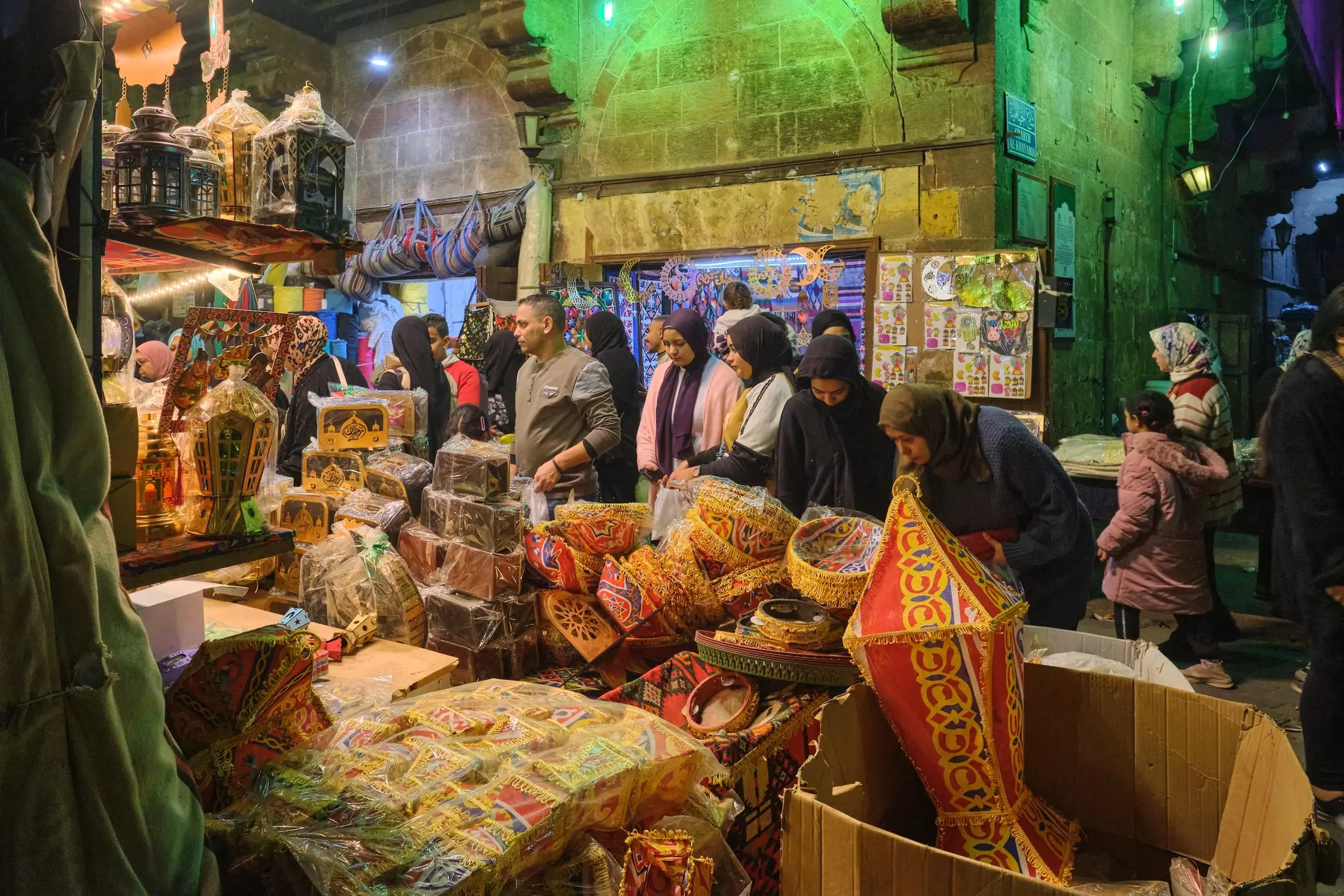
Tourist sites might have different opening and closing hours in some places; in others, they’ll stay the same. Markets and shops usually close during iftar and then open again later in the evening; Ramadan night markets are a vibrant tradition in many Middle Eastern countries.
Many well-visited destinations clearly advertise opening hours during Ramadan to avoid confusing tourists. If you’re at all unsure, ask the staff at your hotel or a local tour agency for more information.
While schedules for commercial flights are unaffected by Ramadan observances, you can expect some tweaks to the onboard experience. Catering on such carriers as Qatar Airways and Emirates takes the form of bagged meals that can be skipped or enjoyed according to religious practice. If the hour of the iftar falls during the flight, you can look forward to a special onboard meal.
Note that demand for flights surges around Eid al-Fitr, the celebratory end of Ramadan (falling in 2026 on Thursday, March 19).
During Ramadan, it’s respectful to abstain from eating, drinking and smoking in front of those who are fasting. If you’re not able to do that, you should at least ask anyone fasting if they mind if you drink or eat in front of them.
In Muslim-majority countries, it’s always respectful to dress modestly, which could mean different things depending on where you are. Clothing that covers shoulders and knees is recommended; in some places, covering the legs entirely is more appropriate. Always avoid public displays of affection during Ramadan.
Greet locals with the Arabic phrases “Ramadan Mubarak”(“have a blessed Ramadan”) and “Ramadan Kareem” (”Ramadan is generous“). If you're not in an Arabic-speaking country, ask what the standard greeting is locally: people will always appreciate that you aware of Ramadan and are making the effort to connect.
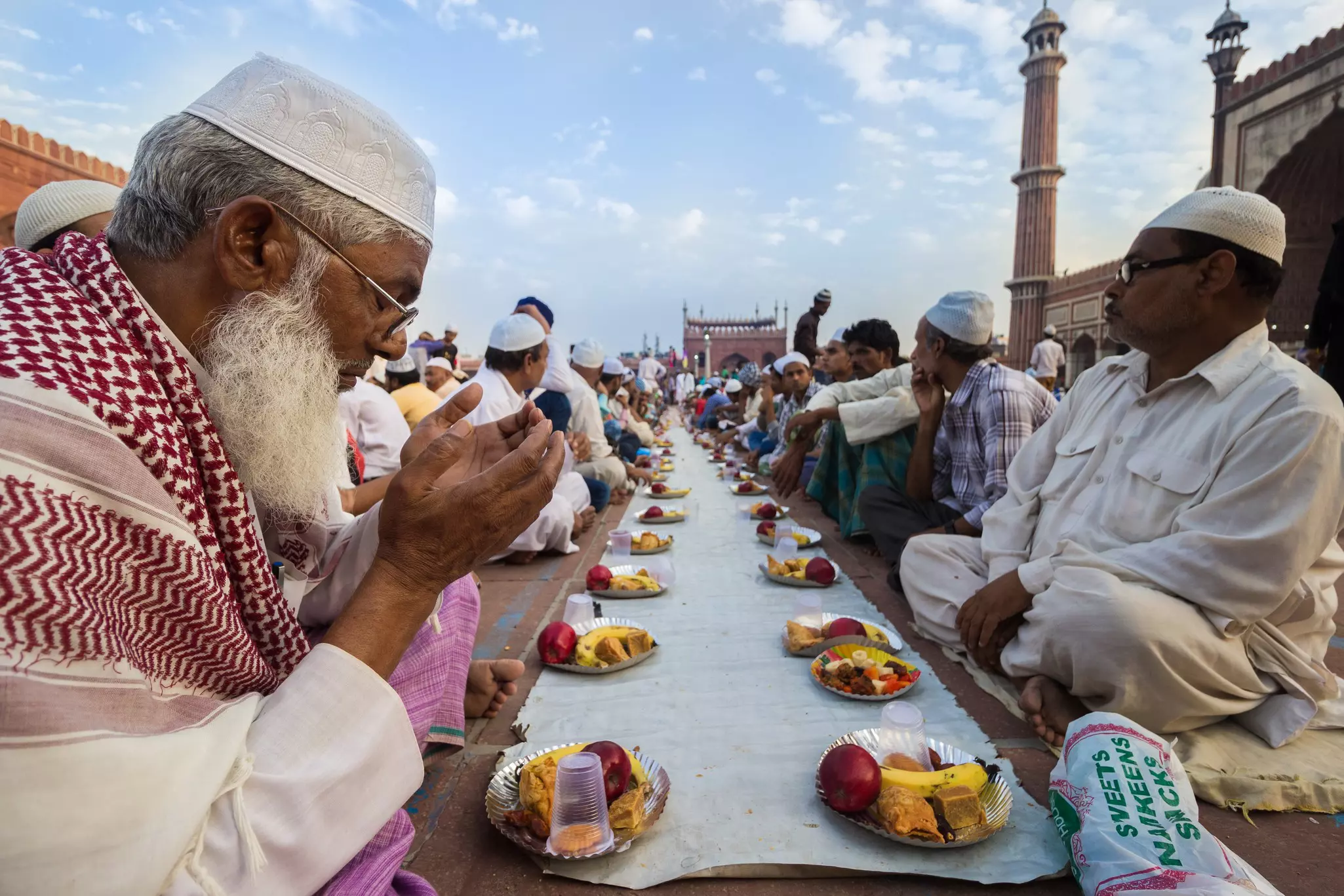
If you’re curious about how the faithful experience Ramadan, try fasting for a day, then breaking break with an iftar with locals. In many countries, the community gathers at collective iftars to eat and drink, and everyone is welcome to join.
In parts of Egypt, some neighborhoods place long tables in the middle of the road so everyone can dine together after sunset. The locals bring their respective dishes to the tables; guests are welcome. In northern Sudan, the men often break their fast together in the streets, and anyone who passes by during iftar is invited to join them – and they do not take no for an answer! In some countries, Ramadan tents are the sites of collective iftars where everyone is made to feel welcome.
Another way to share in community observances is rising (very) early to join in a suhoor, the hearty meal taken before the first prayers of the day usher in the daily fasting period. The suhoor takes place restaurants, mosques and gathering places in most Muslim-majority towns and cities, often in the middle of the night.
If you choose to travel in a Muslim-majority country during Ramadan, expect to be welcomed by the locals. It is a month of charity and generosity – and you will find that people go the extra mile to offer a helping hand to each other, as well as to visitors.
Explore related stories