Jun 23, 20269 min read
3 Unique Safari Experiences in Africa (Beyond the Big Five)Mar 3, 2026
9 MIN READ

Writer
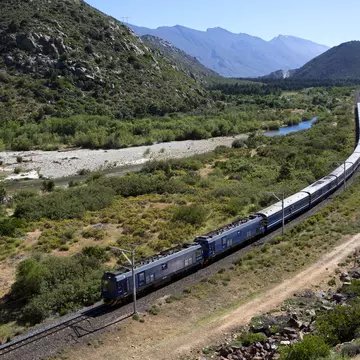
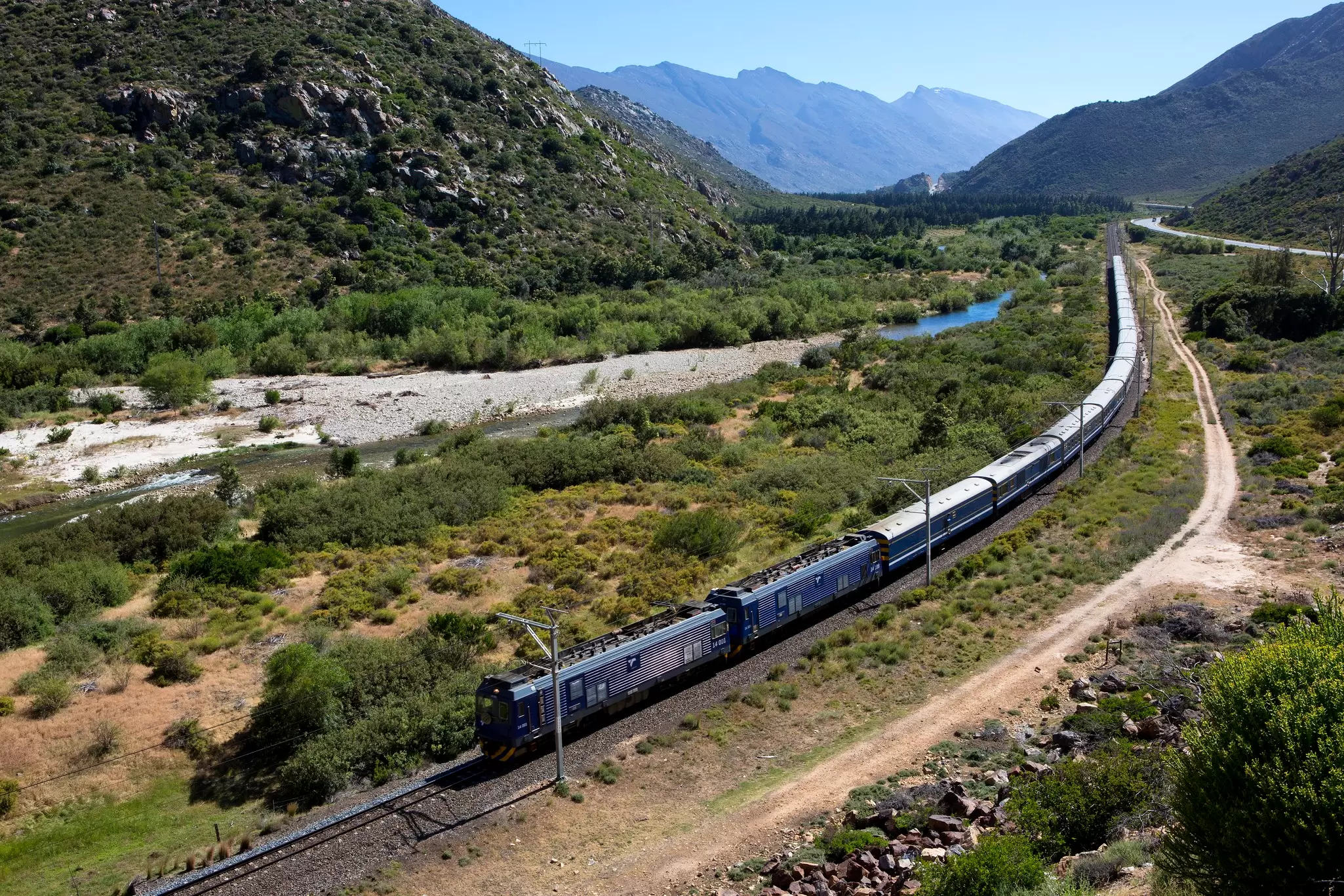
The Blue Train traveling from Cape Town to Pretoria, South Africa. Michael Heffernan/Lonely Planet
Writer
Lonely Planet may earn a commission from affiliate links on our site. All recommendations and reviews reflect our own independent opinions.
The magic of train travel is alive and well across Africa, where historic tracks dating back to the 1850s sit alongside new lines still being laid today. First introduced to the continent via Egypt to link the Mediterranean and Red Seas, railways quickly became a vital artery for travel and trade across the continent and remain a powerful way to experience its vast, unique, sprawling landscapes.
From safaris and deserts to epic cityscapes, train journeys across Africa offer a front-row seat to some of the continent’s most dramatic scenery. Travelers can settle into everything from functional commuter cars to retro, wood-paneled, butler-attended luxury cabins, discovering a slower, more immersive way to move between destinations. And where distances between key tourism hubs can be long by road and costly by air, trains offer a practical and uniquely memorable alternative. Here's our guide to Africa's best rail journeys.

Route: Between Nairobi and Mombasa, Kenya
Distance: About 484km
Duration: 5–6 hours, depending on whether you select the express, night or intercountry option
Best bit: The route cuts through Tsavo East and Tsavo West national parks, allowing for some prime wildlife spotting.
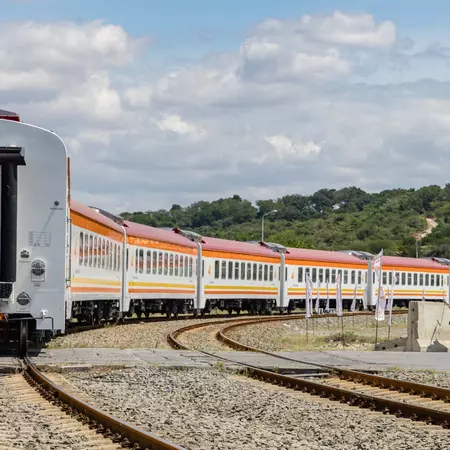
This epic train ride, connecting the bustling Kenyan capital of Nairobi with Mombasa on the Swahili coastline, is a one-of-a-kind way to see a southern stretch of the country. Venturing through Tsavo East and Tsavo West national parks, the train passes right by the Tsavo Railway Bridge, made famous by the 1996 movie The Ghost and the Darkness. The tracks were originally commissioned in 1898 by British colonizers, and during the construction of the bridge, a pair of lions began hunting down rail workers, killing dozens of people before being caught. The project was soon dubbed The Lunatic Express in the British press due to its financial and human costs.
The original steam-powered lunacy has since become a key connector of two major cities, and riders will get the chance to see vast swaths of the country from their window. Options include economy, first class and premium.
Make it happen: Book directly on the Kenya Railways website. International visitors should use their passport as identification and ensure that booking names and details exactly match those on their passport. It is also possible to purchase tickets directly at the stations. Express trains cost around US$11 for adult economy spots, while first class is around US$35, and premium costs about US$93.


Route: Several routes available, connecting Tanzania, Angola, Zimbabwe, Namibia, Eswatini, Mozambique and South Africa
Distance: 1400km
Duration: 3–4 nights
Best bit: A journey from Pretoria in northern South Africa up through Zimbabwe to reach the legendary Victoria Falls, passing national parks, granite hills, mighty rivers and World Heritage Sites on the way.
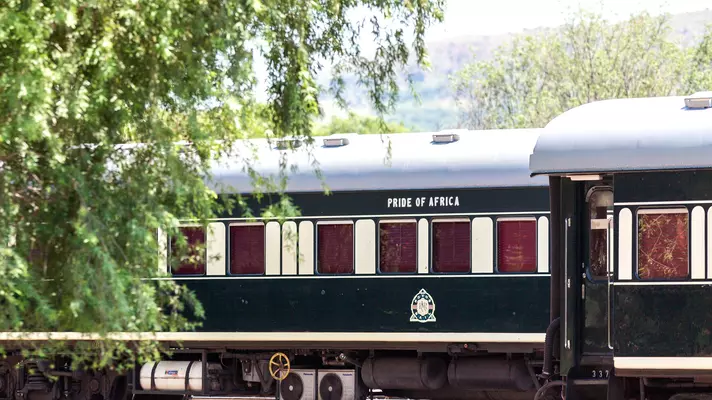
Rovos Rail offers a wide array of train adventures across Southern Africa, with desert adventures and safari options. Perhaps the most unique, though, is the journey from Pretoria to Victoria Falls. The train is pure luxury, offering each traveler their own suite and a constant supply of gourmet food.
The journey goes through Warmbaths (Bela-Bela), known for its hot springs, before crossing the Tropic of Capricorn and entering Zimbabwe. The train then heads through baobab trees and over the Limpopo River before getting a chance to show passengers Matobo National Park, full of bushmen caves, rock art and Cecil John Rhodes’s grave site. And there is still more before reaching the Falls, including a full game drive in Hwange National Park. Upon disembarking at the Falls, riders get to enjoy the drama and beauty of one of the world’s largest waterfalls.
Make it happen: Those wishing to explore this route – as well as the many others Rovos Rail offers – should check the website for set departure dates and reservations. Some routes are season-dependent, and a few dates may book up far in advance. The journey’s cost depends on your train car, with options ranging from Pullman to Royal Suites. These vary in size and bed arrangement, with prices from about US$4170 to US$7770.

Route: Connecting Dar es Salaam, Tanzania and New Kapiri-Mposhi, Zambia
Distance: 1860km
Duration: 40–60 hours: the train makes frequent stops and can get quite off schedule – it is not known for its speed
Best bit: The chance to travel through a chunk of wildlife-dense Selous Game Reserve, as well as explore numerous smaller villages brimming with local life.
This train is for truly adventurous travelers looking for an experience most tourists do not get. It was built by the Chinese in the 1970s to offer landlocked Zambia a new way to reach the ocean, making the country less reliant on South African routes. Today, the railway serves locals and travelers alike. The commercial capital of Tanzania, Dar es Salaam, gives way to the country’s southern highlands before the train reaches the Selous Game Reserve, crossing the border and cutting through several Zambian towns on its way to the heart of Zambia’s copper belt. It is not uncommon to face hefty delays, train issues, and chaos at big stops – this is all part of the adventure.
Onboard, expect a dining cart for meals and a bar cart that has been known to turn into something of a party! Get ready to try a whole host of local beers and meet people from all corners of the world on all kinds of different journeys. Bring extra water, snacks and toilet paper, as the train can run out of supplies.
Make it happen: Make sure to secure your visa before boarding the train, as well as any necessary vaccine documentation (note: yellow fever vaccines are generally not required when going between the two nations, though this is always subject to change). A one-way first-class express ticket costs US$45. Each compartment is arranged by gender, with first-class sleeping four, second-class six, and third-class solely featuring seats – no beds to be had. If you want to have a private area, you will need to buy the tickets for all seats in the cabin.
Booking a ticket can be quite an adventure in itself. You can either go to the station in person (bring cash) or send a message to the contacts listed on the official website. There are also several blog posts online that go into the nitty-gritty details of how to get a ticket, though keep in mind the process could change at any time.

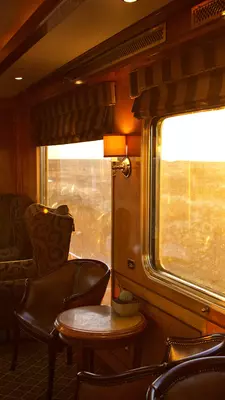
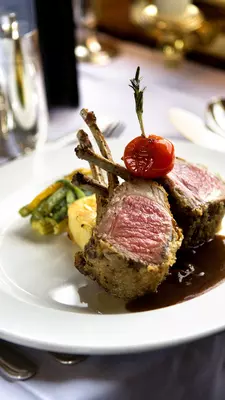
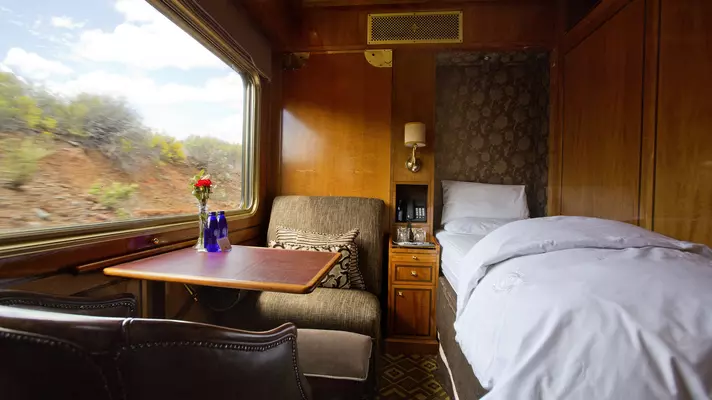
Route: Connecting Pretoria and Cape Town, South Africa
Distance: 1600km
Duration: 30+ hours, or 3 days
Best bit: Passing through the Karoo, a region of desert that spans almost 400,000 sq km.
This route offers a dose of luxury as you chug across the southern tip of the African continent. From start to end, guests will feel utterly pampered, with dedicated butlers for each suite, fine-dining options and local wines. The scenery shifts dramatically, passing through the Western Cape’s vineyards and mountains to the Karoo to the so-called “Big Hole,” a 215m-deep crater used in the 1800s for diamond excavation.
Karoo means “land of thirst” in the native Khoisan language, and the desert area offers some surprising landscapes you might expect to see in the Sahara. There are tons of succulents, low scrub bushes and vast, dramatic plains, and colorful mountain peaks lurk off in the distance. You might even spot the rare Cape Mountain Zebra.
Make it happen: The train departs from Irene Station in Pretoria on selected Mondays and from Cape Town Main Station on selected Thursdays. This is subject to change, so make sure to check the official website. There are two cabin options, De Luxe and Luxury. Prices range from about US$2500 in the low season (January to August and mid-November to December) to US$3950 in the high season (September to mid-November). Rates are all-inclusive.
Add on: The Blue Train also offers trips through Limpopo Province, home to Kruger National Park (and Africa’s Big Five). This return trip is available only during certain months and is notably more expensive than other options, but guests can opt for a “rail safari” that combines the train with stays in safari lodges. Contact the train company directly to book.
Route: Dete Railway Station to Ngamo Siding near Hwange National Park in Zimbabwe
Distance: 70–80km
Duration: 2 hours
Best bit: Turning your journey to a safari into a safari itself, spotting elephants, wildebeests and more as the sun sets over Hwange.
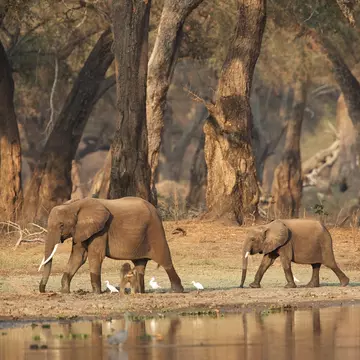
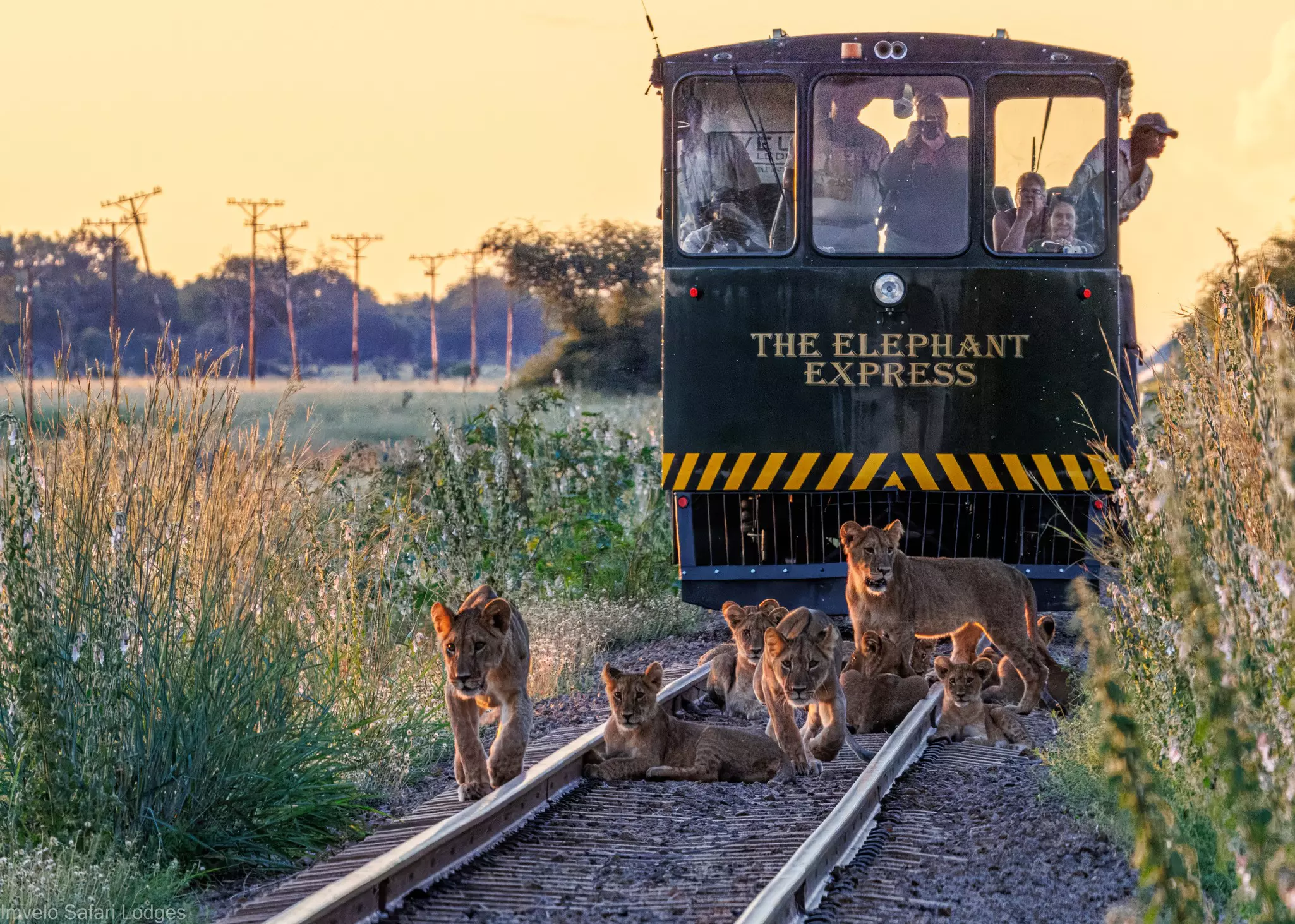
All aboard the Elephant Express for a true safari train experience. Imvelo Safari Lodges runs this train for up to 22 of its lodge guests who want to explore Hwange National Park, Zimbabwe’s most famous, providing a scenic journey on an open-air train through areas densely populated by wildlife to reach camp. The refurbished train car was designed for game viewing and photography, along with plenty of aisle space to let passengers move around to get a better glimpse of the animals passing by. There is also an onboard guide that will share all the details to make the safari an educational, exciting adventure while enjoying drinks, snacks and lunch. Hwange is home to the largest elephant population in the country and the largest population of endangered wild dogs on the continent. Featuring 100 mammal species, including all of the Big 5, the park is teeming with life.
To get there, guests take a road transfer to the departure station in Dete. After arriving at Ngamo Siding, a short 10–15 minute 4WD journey through the southeast corner of the park will deliver you to either Bomani Tented Lodge or Camelthorn Lodge for the next part of a fantastic Hwange National Park experience.
Make it happen: The train only operates from April to October, so make sure to time your visit to Zimbabwe accordingly. While in season, the train departs from Ngamo Siding around 10am and from Ngamo around 2pm – just in time for afternoon game drives and stunning sunset viewing. Pricing for 2026 is US$175 per person, one-way. Contact Imvelo Safari Lodges to book both the train and lodge stays.
Explore related stories