Oct 13, 20266 min read
Dubai vs Abu Dhabi: Which City Should You Visit in the UAE?Sponsored by
This article was paid for and produced with Visit Dubai. Paid content is produced separately from Lonely Planet's editorial coverage. Product availability and terms are subject to change; please verify details directly with service providers.
Dec 2, 2025
8 MIN READ

Writer
Dubai is a great destination for winter sun, and Ramadan brings even more to the experience. Courtesy of Visit Dubai
Writer
Dates for the month of Ramadan shift annually with the Islamic lunar calendar, and in the coming years they will align with Dubai’s mild winter season. It’s an ideal time for travelers to explore the city under clear skies, with comfortable temperatures that invite you outdoors – whether you’re wandering along the coastline, venturing into desert landscapes, or making the most of Dubai’s world-class theme and water parks.
Ramadan also adds a rich cultural layer to any Dubai itinerary. The city takes on a serene, unhurried character, and its iconic attractions, record-breaking landmarks, and vibrant retail destinations continue to welcome visitors. Daylight hours are marked by a calm, reflective atmosphere that reveals a softer side of the city. It’s a chance to connect with the heritage, hospitality, and traditions that shape daily life in Dubai.
When the sun dips below the horizon, the mood transforms. Evenings come alive as shops, restaurants, and entertainment venues extend their hours, creating a lively setting across the city. Visitors can join locals for iftar, served in beautifully designed Ramadan tents across the city. After iftar, bustling night markets, cultural performances, and dazzling fireworks ensure the celebrations continue well into the night.
Here are a few top experiences you can have in Dubai during the month of Ramadan.
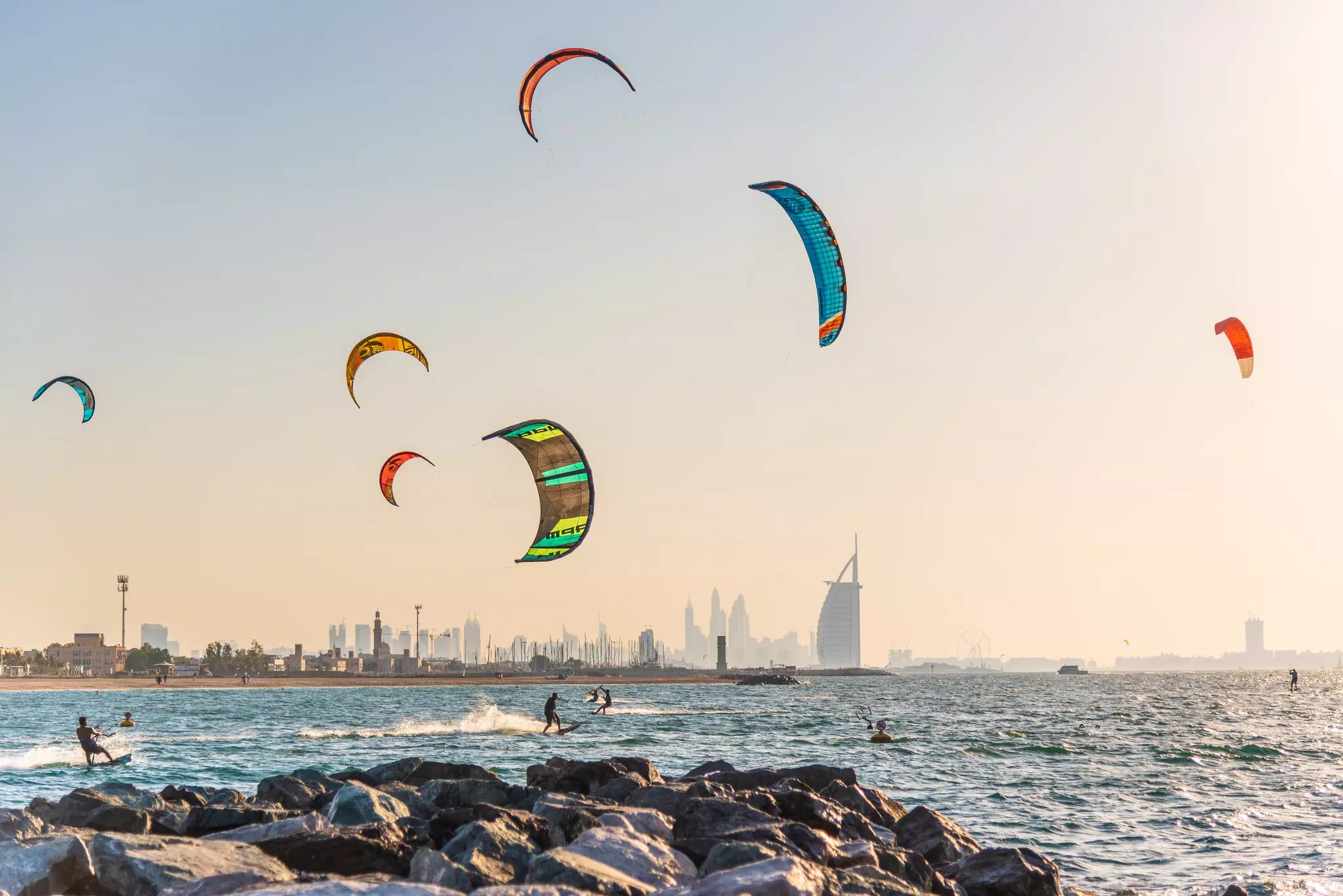
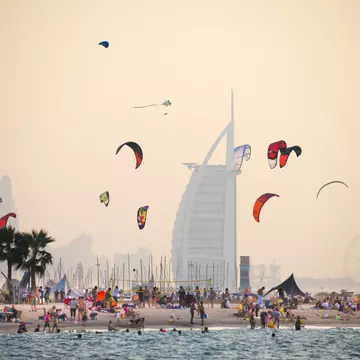
The mild winter weather makes this a fantastic time to take in Dubai’s many family-friendly outdoor attractions. For a laid-back afternoon, head to Kite Beach, where you can swim, cycle along a beachfront track, use the outdoor gym, or try water sports like kitesurfing, kayaking and Jet Ski–ing.
Mushrif National Park is a favorite of nature lovers, bird-watchers and cyclists. Here, a verdant forest of ghaf trees and picnic areas form a beautiful backdrop for 20km of mountain biking trails and a 10km hiking path (with varying difficulty levels). Located within the park’s boundaries, Aventura Parks offers exciting adventures such as zip-lining, a climbing wall and a fun ropes course.
At the foot of the Hajar Mountains, the town of Hatta (a 90-minute drive from Dubai) offers a stunning landscape of trails that wind past craggy peaks, wadis, farms and lakes. Hiking, mountain biking, horse riding and spotting indigenous wildlife are just a few of the adventures that await. At Hatta Kayak, you can rent kayaks, water bikes, pedal boats and donut boats to enjoy the calm, cerulean waters around Hatta Dam. Chase thrills at Hatta Wadi Hub through activities like tube sliding, zorbing (careening downhill in an inflatable sphere), archery, axe throwing, wall climbing and zip-lining.
While you’re there, stop at Hatta Heritage Village, a reconstructed mountain village (in the restored Hatta Fort, dating to 1896) that offers a sense of old village life through exhibitions housed in palm-leaf buildings. Visit Hatta Honeybee Garden to learn about sustainable beekeeping; you can even try your hand at harvesting local honey.
If your family is looking to make a splash in winter, Dubaiʻs theme parks are the perfect solution. The milder months showcase the UAEʻs best themed water park experiences including Wild Wadi Waterpark, Legoland Waterpark, and Aquaventure World. From slides to lazy rivers, thereʻs something for every kid from age 2 to teens. No children? No problem. There are plenty of attractions that will plunge, zoom, hurtle, churn, and catapult adults in cutting-edge, adventurous ways.
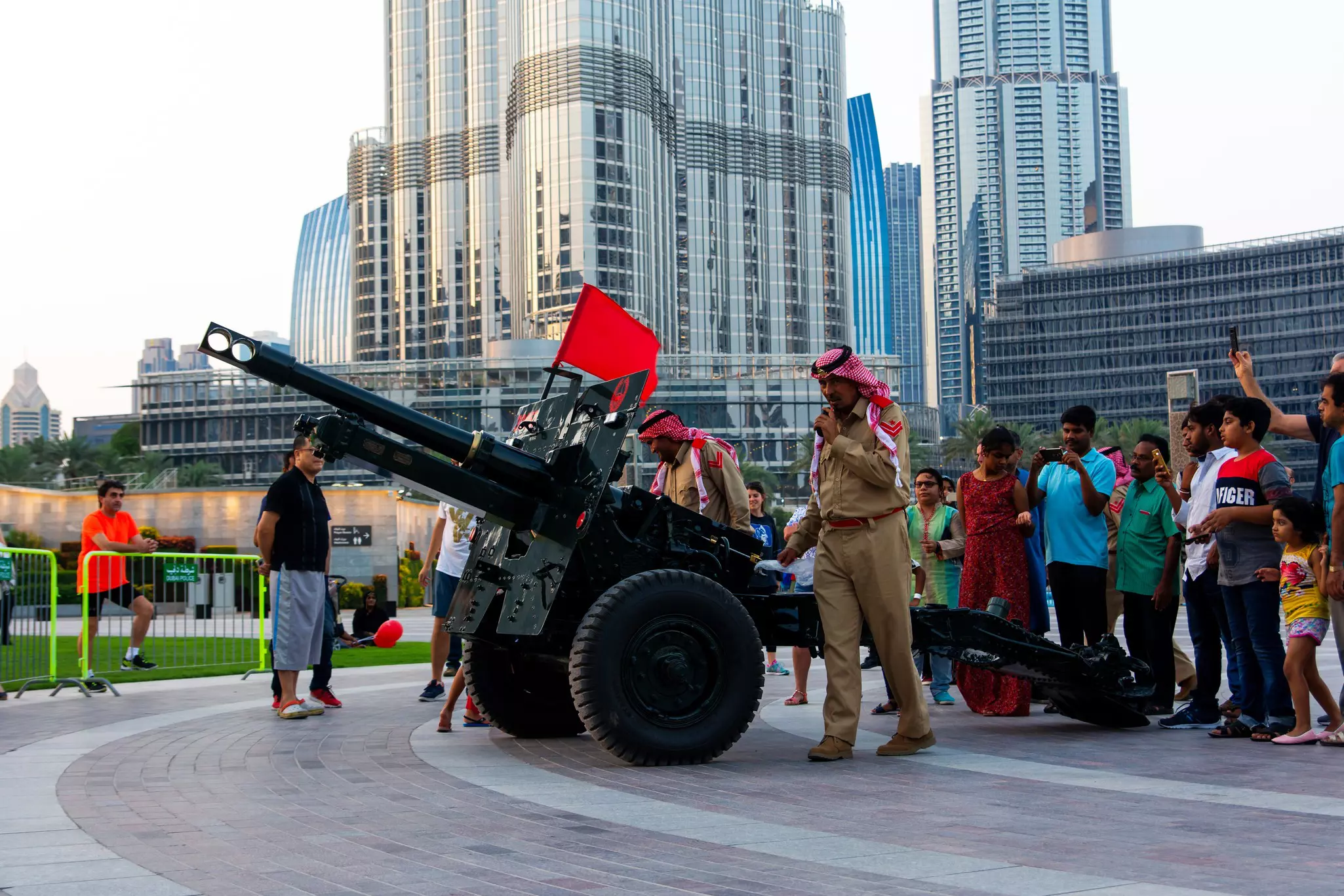
During Ramadan, Muslims fast from dawn to dusk. They rise before sunrise to pray and eat a pre-dawn meal called suhoor. The fast is broken at sunset, when one of the cityʻs oldest Ramadan traditions is impossible to miss. A single shot from several cannons placed around the city signals the start of the iftar meal, which is often shared with family and friends in a merry atmosphere. The cannon tradition has been going strong since the 1960s, when loudspeakers on mosques were less common.
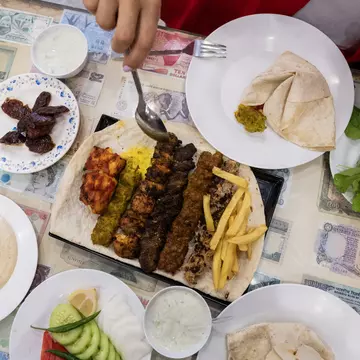
Iftar meals are an enjoyable way to eat your way around this multicultural city. Expect to feast on delicious regional specialities such as Emirati harees (a hearty porridge-like dish of lamb or chicken and cracked wheat), Persian joojeh kebabs (yogurt-and-saffron-marinated skewers), Lucknowi shami kebabs (mutton patties) and Jordanian mansaf (slow-cooked lamb stew with turmeric rice). Taking a cultural food tour of Old Dubai is one of Lonely Planetʻs Best Travel Experiences for 2026.
For a unique perspective on the city, join a communal iftar in one the old Dubai neighborhoods of Deira or Satwa with Frying Pan Adventures. At the Sheikh Mohammed Centre for Cultural Understanding (SMCCU), tucked away among the atmospheric wind towers and restored houses of the Al Fahidi Historical Neighbourhood, you can sit down to a traditional Emirati iftar while learning about local traditions from Emirati guides.
Dubai hosts plenty of extravagant iftars and suhoors at grand Ramadan tents (such as Asateer at Atlantis The Palm), complete with ornate decor, lavish buffets and live classical music. Yet for something different, consider the iftar or suhoor at modern Emirati restaurant Gerbou, located in a renovated 1987 building in an unassuming neighborhood.
An ode to Dubai’s heritage, Gerbou’s stunning interiors feature a magnificent ghaf-tree front desk and a “herbarium” chandelier (you have to see it to understand what that means). Popular with Emirati families, this spot serves comforting home-style favorites such as cheese and honey samosas, macarona (a macaroni and vegetable dish) and chicken machboos (spiced rice topped with chicken).
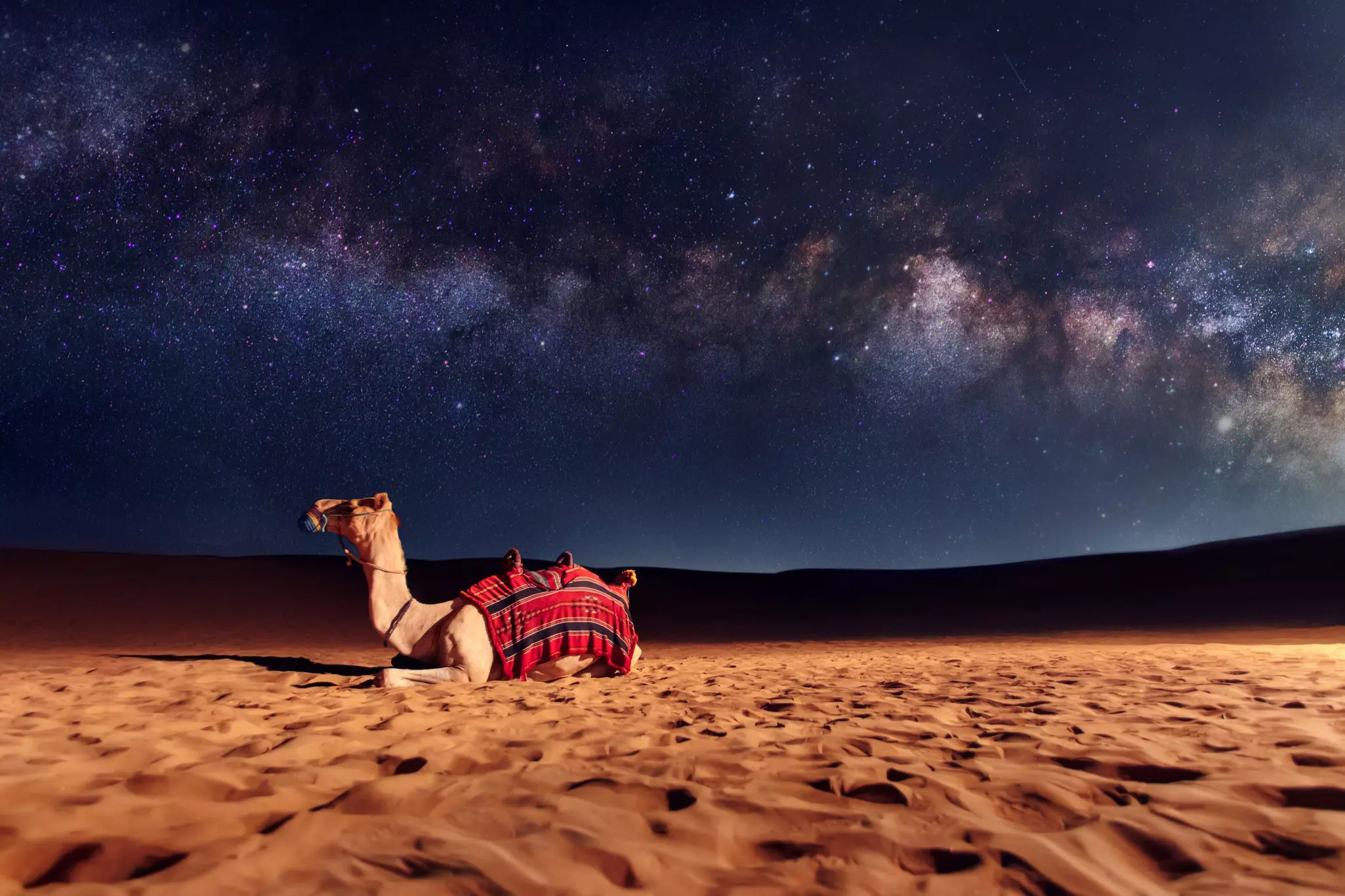
No trip to Dubai is complete without a visit to the desert to witness the magnificence of rippled dunes changing hues under sunset and moonlit skies.
Book a sherpa camp with local operator Sand Sherpa. They’ll drive you into the Dubai Desert Conservation Reserve and to your private camping trailer, all set up with a rooftop tent, outdoor sofa, firepit, cooler and barbecue grill, with access to bathroom facilities and a main camp serving meals. Guided nature walks, cooking workshops and hawk-watching are all part of the experience. It’s a memorable way to get a taste of the serenity of desert life.
A different take on the desert excursion is offered by Platinum Heritage. Its heritage safari experience includes a gentle drive across the dunes with a conservation guide, who shares insights into the Bedouin way of life and the native plants and wildlife that thrive in this harsh landscape. After watching a falconry display and soaking in a striking desert sunset, you’ll settle into a Bedouin-style camp for a traditional Emirati dinner, followed by drumming, dancing and stories under the stars.
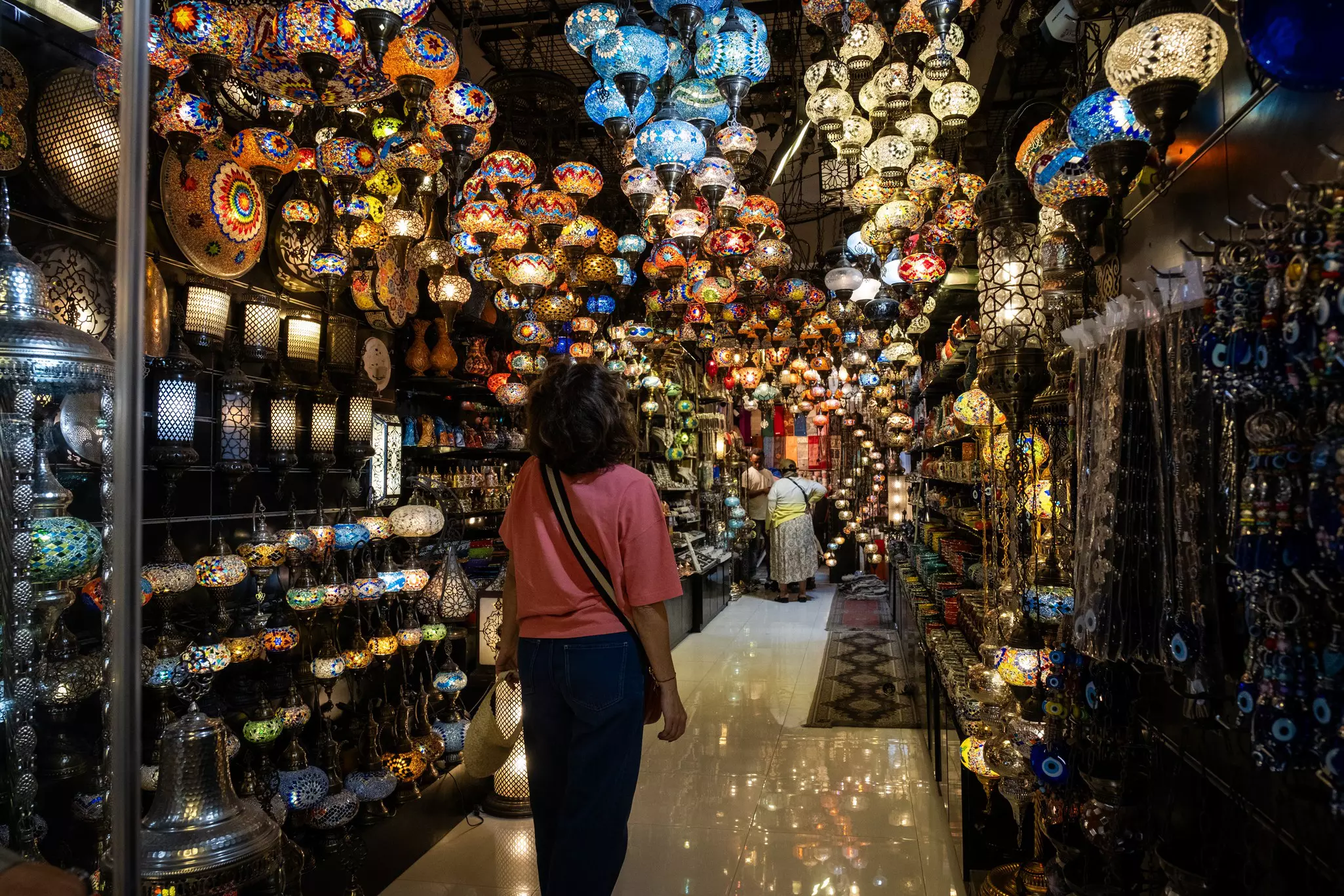
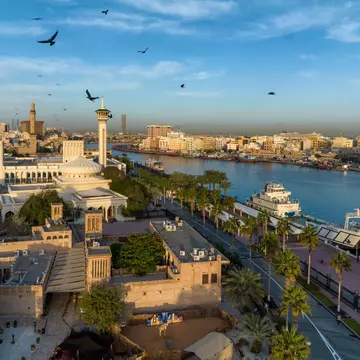
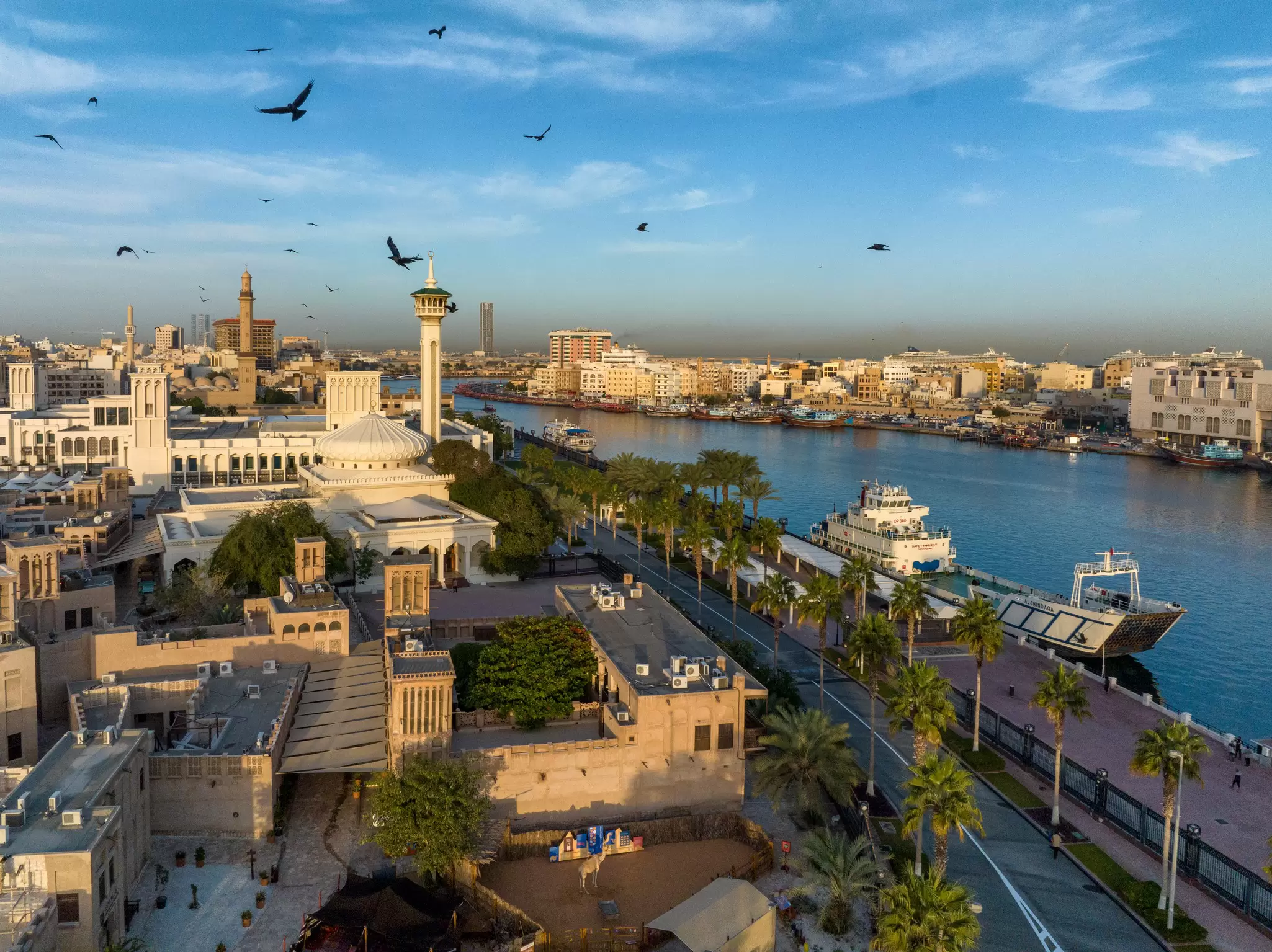
Around sunset, take an abra (traditional ferry boat) ride across Dubai Creek to visit the souks of Deira, whose bustling alleys are home to the city’s longest-standing marketplaces – which, during Ramadan, stay open late into the night. This is where you’ll find fantastic souvenirs, including frankincense, oud (incense), dates, nuts, tea and such spices as saffron and turmeric. A short stroll from the Spice Souk, the Gold Souk glitters with rows of shops selling exquisite gold and diamond pieces. The nearby Perfume Souk tempts with locally crafted oud and well-known fragrances by international brands. Stop at food stalls selling shawarma, falafel and faloodeh (a frozen vermicelli and rose-syrup treat) to fuel up during your shopping spree.
Held at various venues such as City Walk, Ramadan District at Jumeirah Emirates Towers, Festival Bay at Dubai Festival City Mall and Global Village, Dubai’s festive Ramadan night markets (open from sunset until past midnight) are a worthwhile excuse to stay out late and explore the city’s street food scene, shop for one-of-a-kind merchandise by homegrown brands, and enjoy live music and cultural performances.
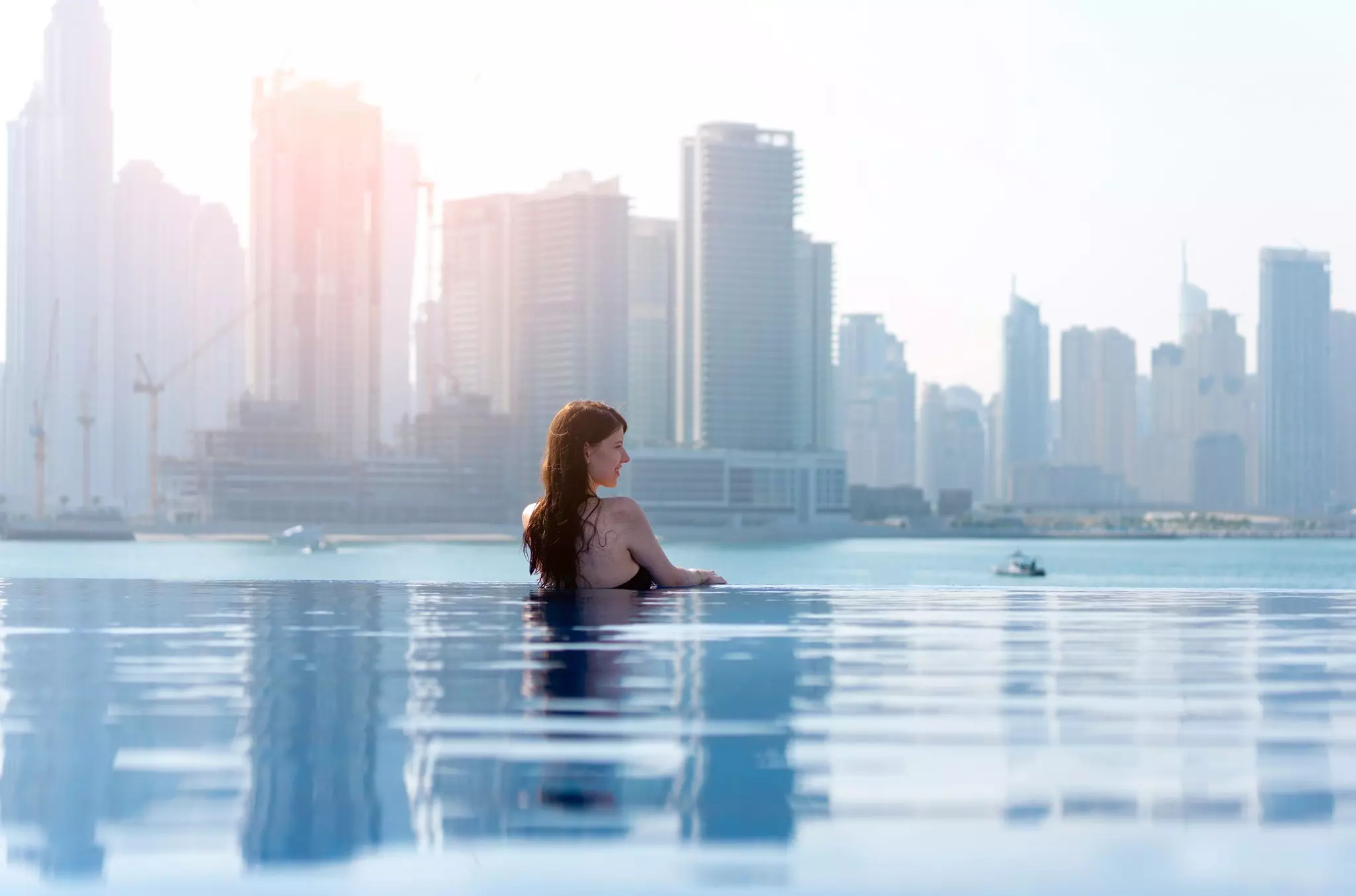
Dubai is internationally known for its spa and wellness scene – which means there’s no shortage of ways to rejuvenate after a day of adventure.
From basic to luxurious, many spas offer treatments built around traditional Middle Eastern aromatic oils and fragrances made with local sources like oud and sandalwood. Other methods, like steam baths and hammam-style exfoliations, are a way to blend modern wellness techniques with centuries of tradition.
Indeed, one hotel in particular has crafted its entire experience around a dedication to fitness and wellness. SIRO - One ZaʻAbeel has a massive 20,000-sq ft gym and wellness center soaring through the skyline above the international business district, state-of-the-art classes and spas, an in-house nutritionist, and many other ways to unwind your mind, body and spirit.
Dubai is also a center for international spa and wellness experiences. On Palm Jumeirah, Anjana Spa at Rixos The Palm houses an opulent Turkish hammam offering a variety of traditional treatments. For a different approach to indulgence, head to one of the several locations of Yinyang Connection Spa for traditional Chinese massage therapies.
Explore related stories