Sep 16, 20265 min read
Best Train Routes in MoroccoJan 7, 2026
9 MIN READ
Writer
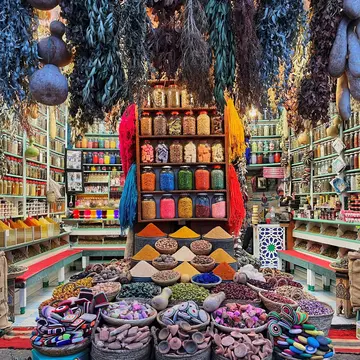
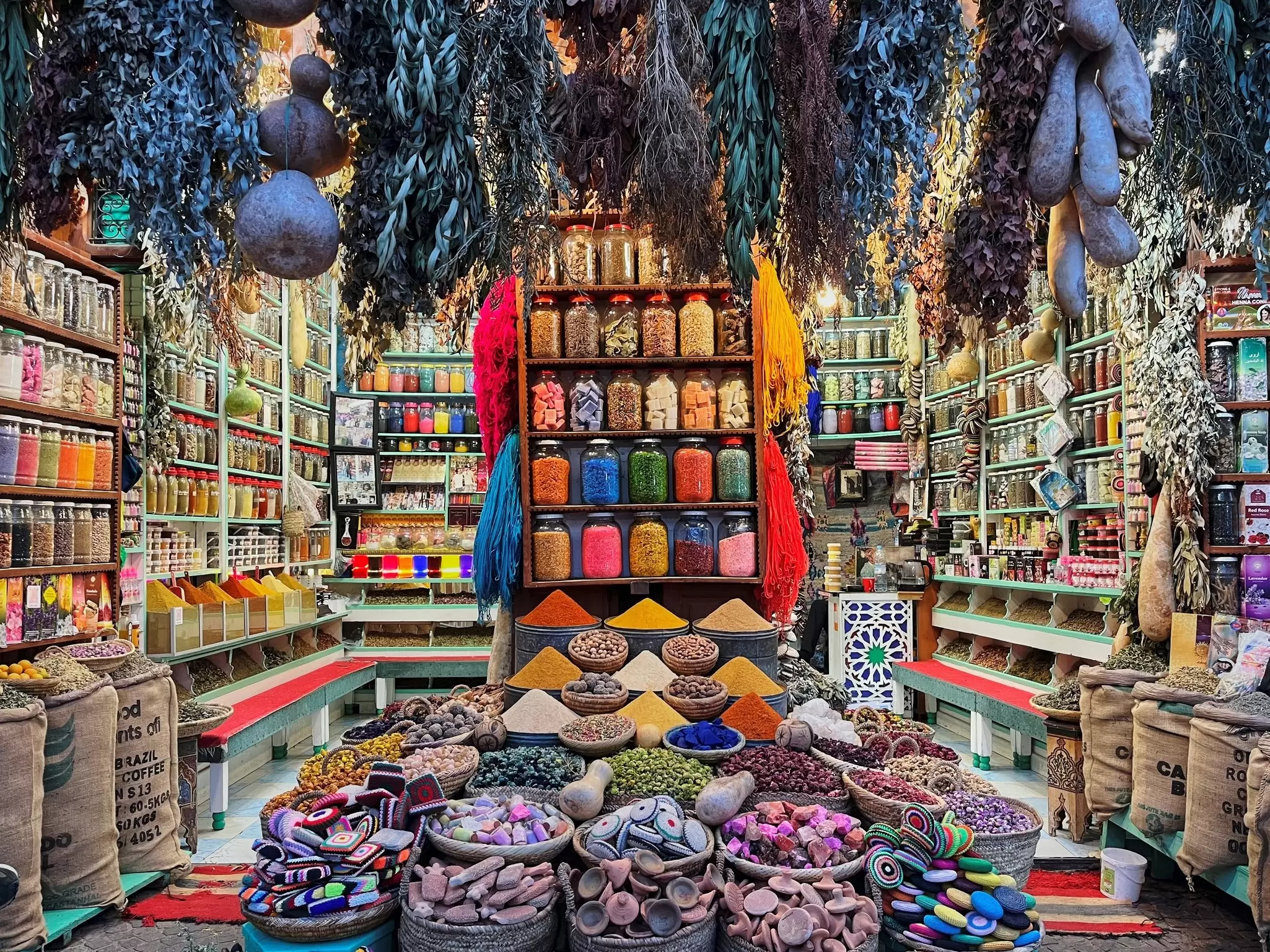
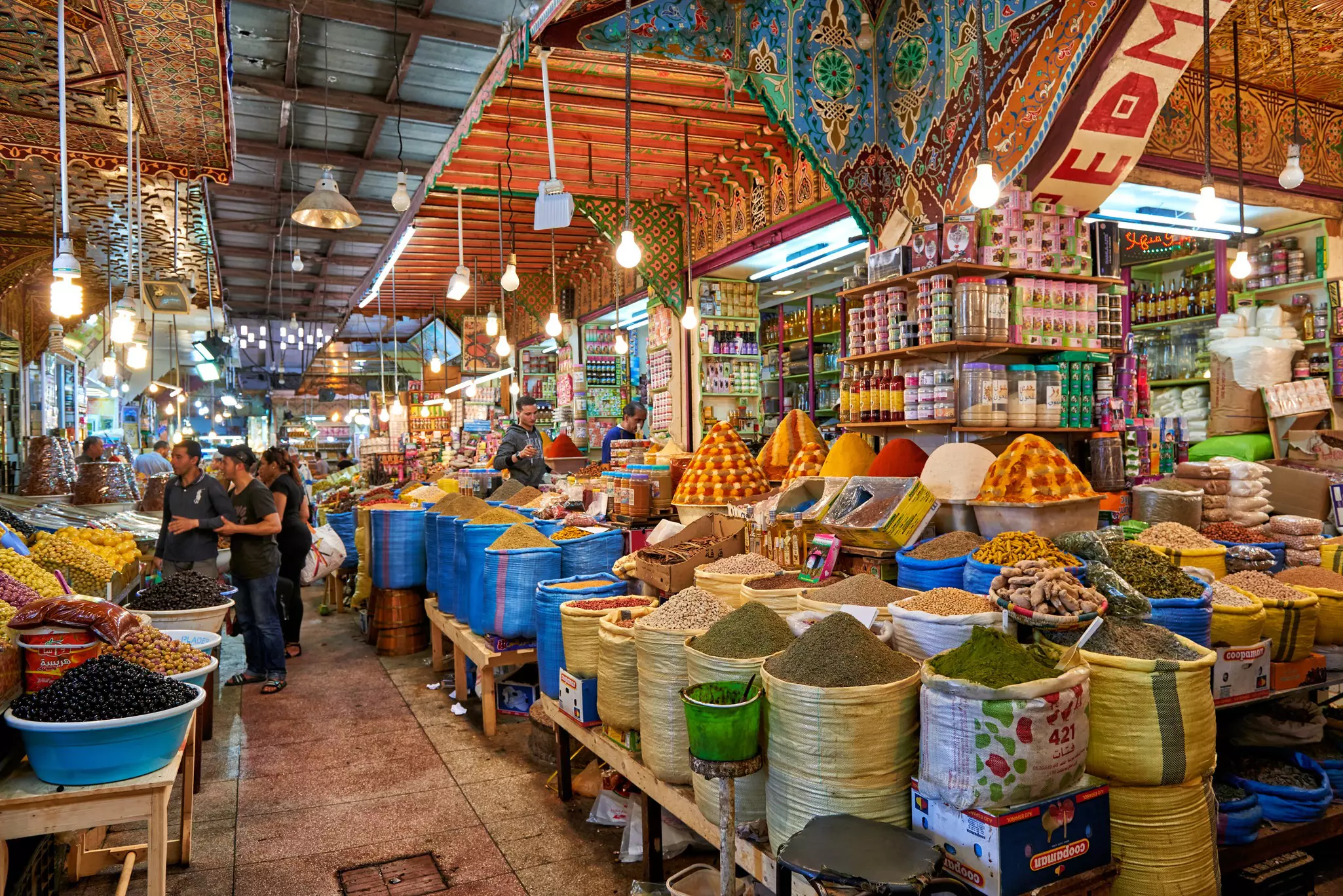
A spice and herbal shop in Marrakesh's souq, Morocco. edography/Shutterstock
Writer
Lonely Planet may earn a commission from affiliate links on our site. All recommendations and reviews reflect our own independent opinions.
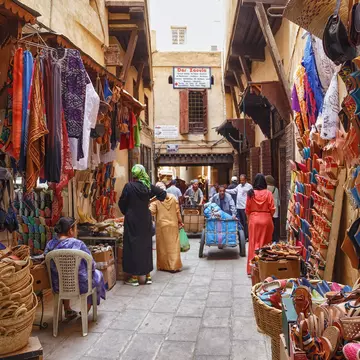
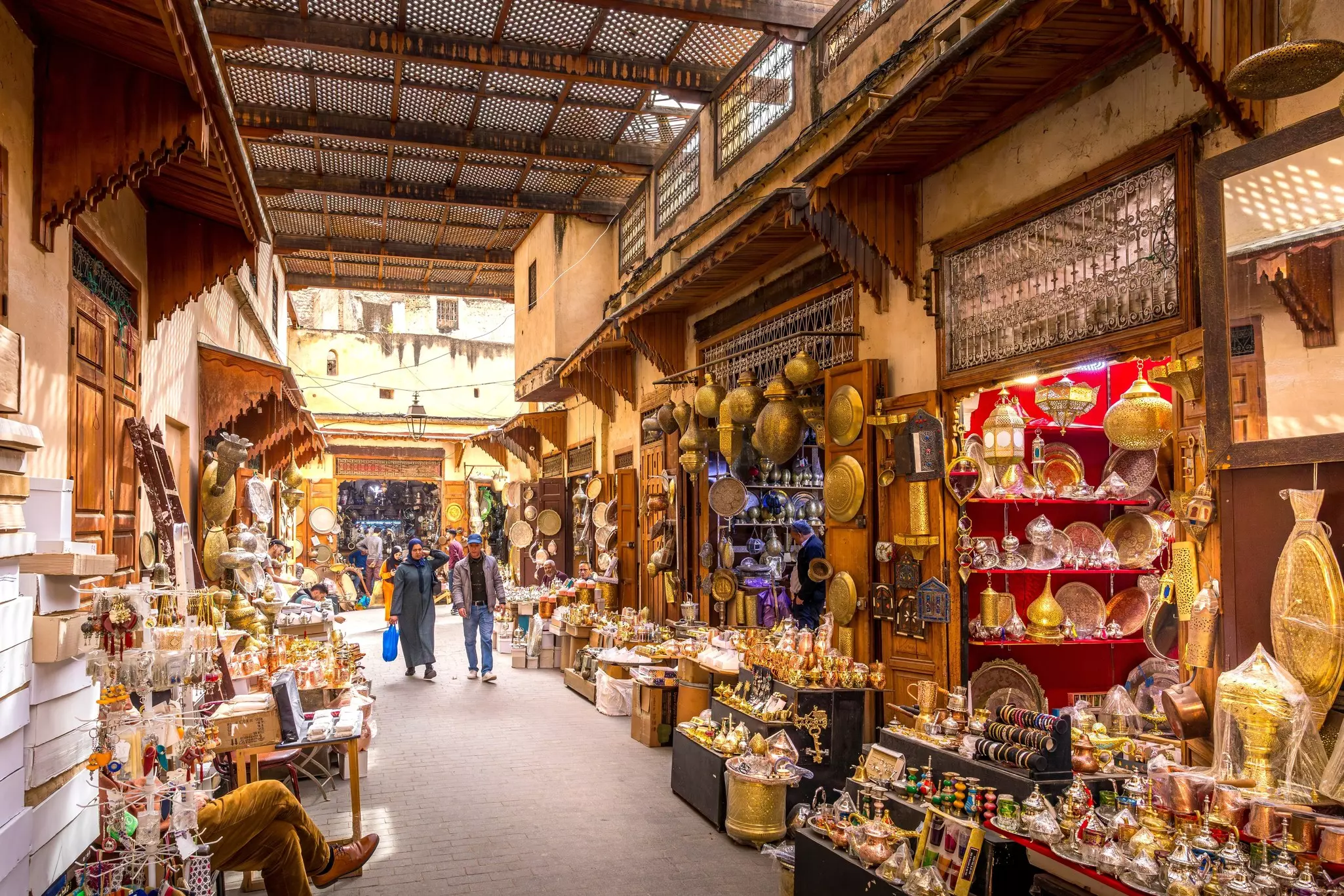
Souqs are marketplaces where you can find stalls and shops selling everything from apples to zellige (tiles). Some souqs are open-air, some are covered. Many of Morocco’s most photographed souqs date back centuries and are located within a city’s ancient medina.
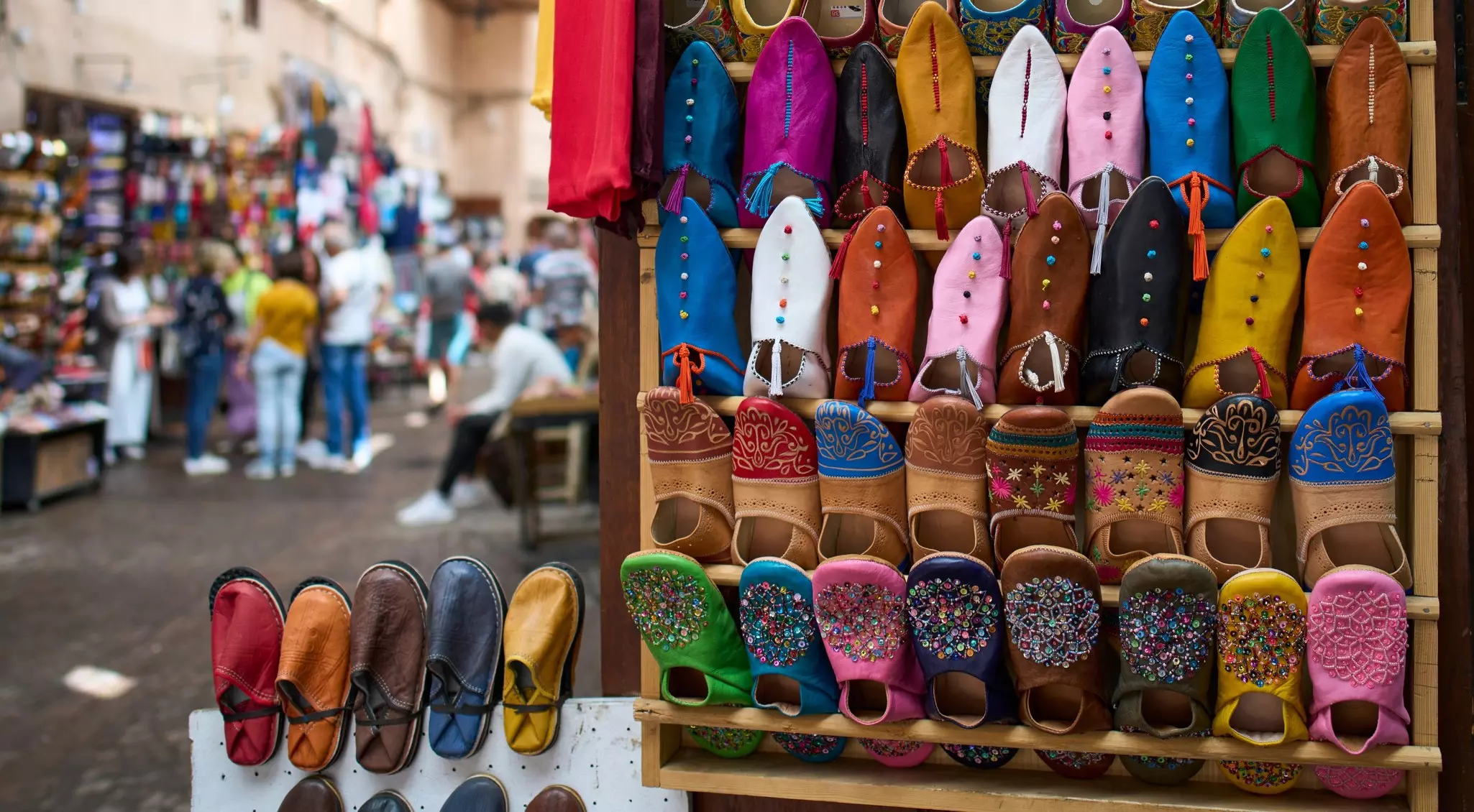
Originally, souqs were divided into sections by specialty, with the more luxurious items in the center. Looking for a leather bag? Head to the leather souq, for babouches (leather slippers), check the shoe souq, and for a gold ring go straight to the jewelry souq. However, this is changing and everything is a bit more mixed these days.
Although some souqs appear medieval, they remain integral to daily life in modern Morocco. Many locals will do their weekly shopping in the souq. It’s considered the place for certain items, such as spices, offering high-quality products due to high turnover, variety and pricing. It’s also a place for community. Whilst it may be entirely unfathomable for new eyes, trust that many of the vendors will have known each other for years, and there’s an unseen social network that bonds stall owners.
Whilst the haggling process puts many off, don’t be; it’s a centuries-old way of trading that’s meant to be fun. Strike up a friendly exchange and you may find you’re a natural. Even if you’re not shopping, souqs offer a rich cultural and sensory experience, with bright colors, diverse aromas, genuine smiles, piles of fresh produce, atmospheric shouting, and surprise dead-end alleyways.
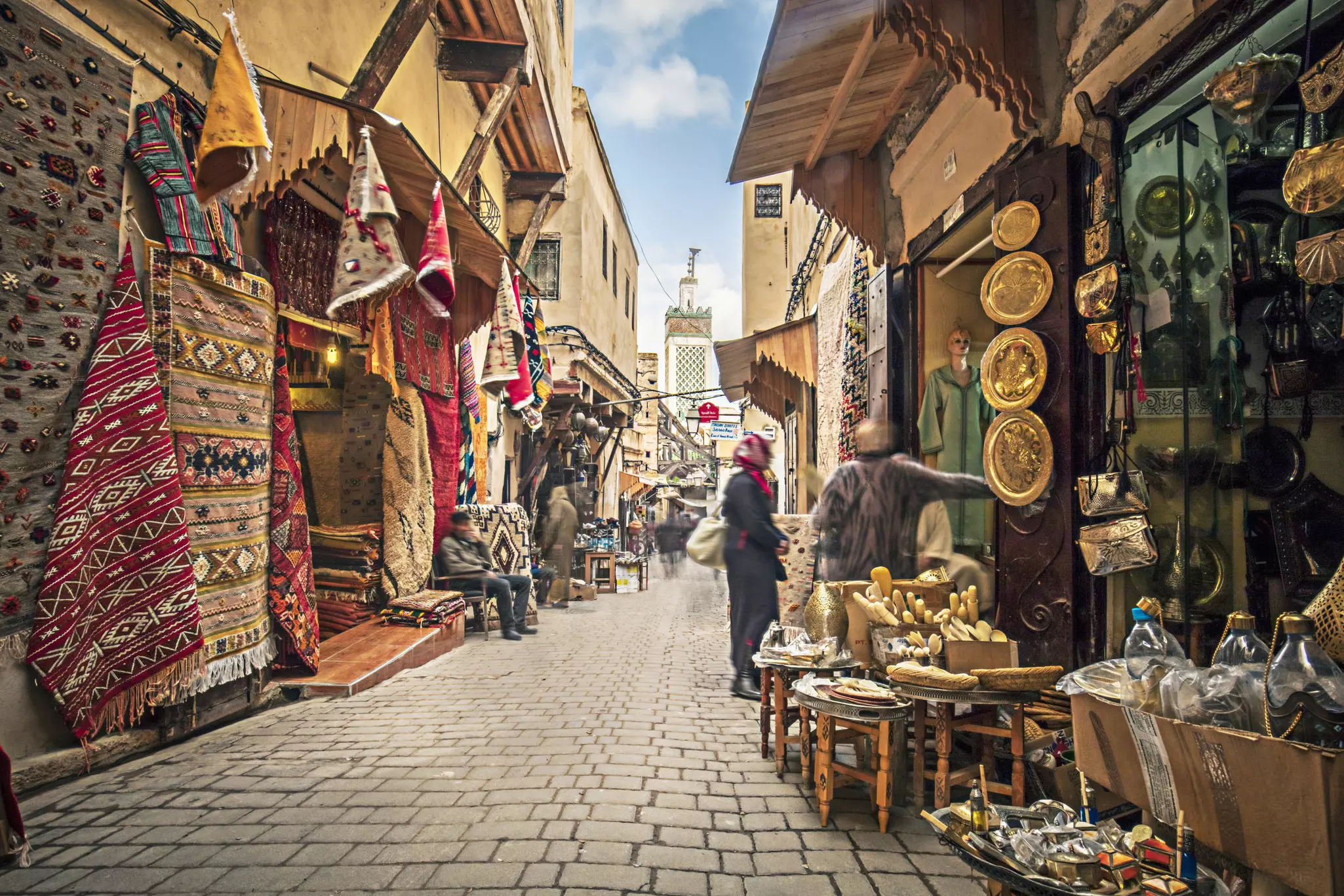
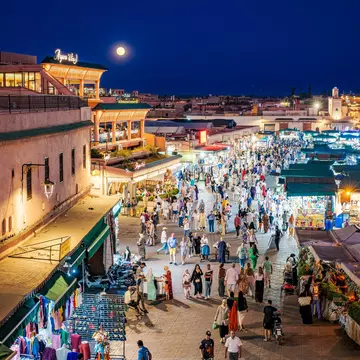
Souqs come in all shapes and sizes and are found all over the country. There are picture-book medieval souqs in Marrakesh and Fez, which has one of the world’s largest souqs with approximately 9000 alleyways and a seemingly endless array of stalls. Well-preserved and surprisingly hilly, you may notice that steep gradient in your aching muscles after a day walking around the Fez Medina. Marrakesh’s souqs are housed within the city’s rose-pink walls, with navigation made slightly easier because all paths eventually lead to the main square, Djemaa El Fna, and the Koutoubia Mosque’s minaret is a handy reference point. Essaouira and Rabat are coastal cities with compact souqs that enjoy an ocean breeze and offer a more laid-back experience. The newly revamped Souq al Had in Agadir is one of the largest covered markets in North Africa. With 12 gates, it’s helpful to take note of which one you entered via so you can find your way back.
In addition to city souqs, there are rural weekly souqs. These are akin to a farmers market, with communities gathering for weekly fruit and vegetable shopping. Produce, depending on the season, is piled high on sackcloth. Whilst it’s not usually necessary to barter, you can shop around the different vendors, asking for a price per kilo, and then choose who to buy from. The best prices are usually offered towards the end of the day if items haven’t sold out. Bear in mind that some prices may be quoted in rials, an old currency; for payment, they will be converted to Moroccan dirhams. Aside from being an essential source of fresh produce, the weekly fruit and vegetable souq is a much-loved community event and a means of sharing news among villagers.
The souqs are usually quietest in the mornings, from 9–11am. The time of year is another factor – in summer, the midday heat can make exploring the souq uncomfortable, whereas in winter, the crisp sunny days make souq shopping easier and more enjoyable. Note that on Friday lunchtimes many souqs close for the weekly mosque prayers and remain closed for the traditional couscous lunch with family and friends afterward. During Ramadan, hours will vary too, closing for the breaking of the fast at sunset. Those that reopen after ftour (breakfast) will stay open well into the night.
This depends on the individual and your experience. On average, allowing 2–3 hours to wander through the larger souqs will suffice. Take a break to recharge and reflect in a cafe after.
The best way to discover souqs is slowly, with a relaxed agenda; some of the best discoveries will be where you least expect them. Trying to make sense of the souq usually leads to frustration. Take a shopping list, but stay open to surprises, meaning the people, produce and stories behind them.
Most souqs are best explored on foot, with some wider streets accessible by car or motorbike. Google Maps can work; however, it can be confused by narrow alleys. Note a few key locations near where you entered the souq or where you’re staying. Download an offline map, and have a paper one too with your hotel or entry gate, bab, marked. If you get lost, ask for help. Usually, ducking into a shop will lead you to someone who will get you back on track. If someone goes to great lengths, offering a tip (Dh10) is a kind gesture.
Bartering is an ancient trading practice dating back centuries. Most items don’t have set prices so you need to negotiate. Haggling in the souq is a cultural pastime, a way of connecting; it’s meant to be fun. Be friendly but firm. Note that the first price offered is usually much higher than the price the seller will ultimately accept. So, if they offer Dh300 for a scarf, you can go back with 50% off (Dh150), and then start to find a place somewhere in the middle. Keep the dialogue playful, polite and respectful. The best scenario is one where both the seller and buyer are happy and feel like they’ve got a fair price. You can get some amazing prices in the souq. If you don’t feel it’s a reasonable price, walk away. Sometimes that’s enough to get the price lowered; if not, maybe it wasn’t meant for you.
Souqs are great places for sampling street food, cafe culture and finding a rooftop with a bird’s-eye view. When hunger strikes, look out for vendors selling sandwiches with different fillings, such as boiled egg, fried fish and roasted vegetables, are a few local favorites. Some of the best food in Marrakesh can be found at Djemaa El Fna.
Getting lost is not for everyone, but with the right mindset, it can be fun. Unless you’re a souq pro, there’s a high chance you’re going to end up losing your way a bit. It’s part of the souq experience, and usually the moment when you don't know where you are is when you discover something amazing!
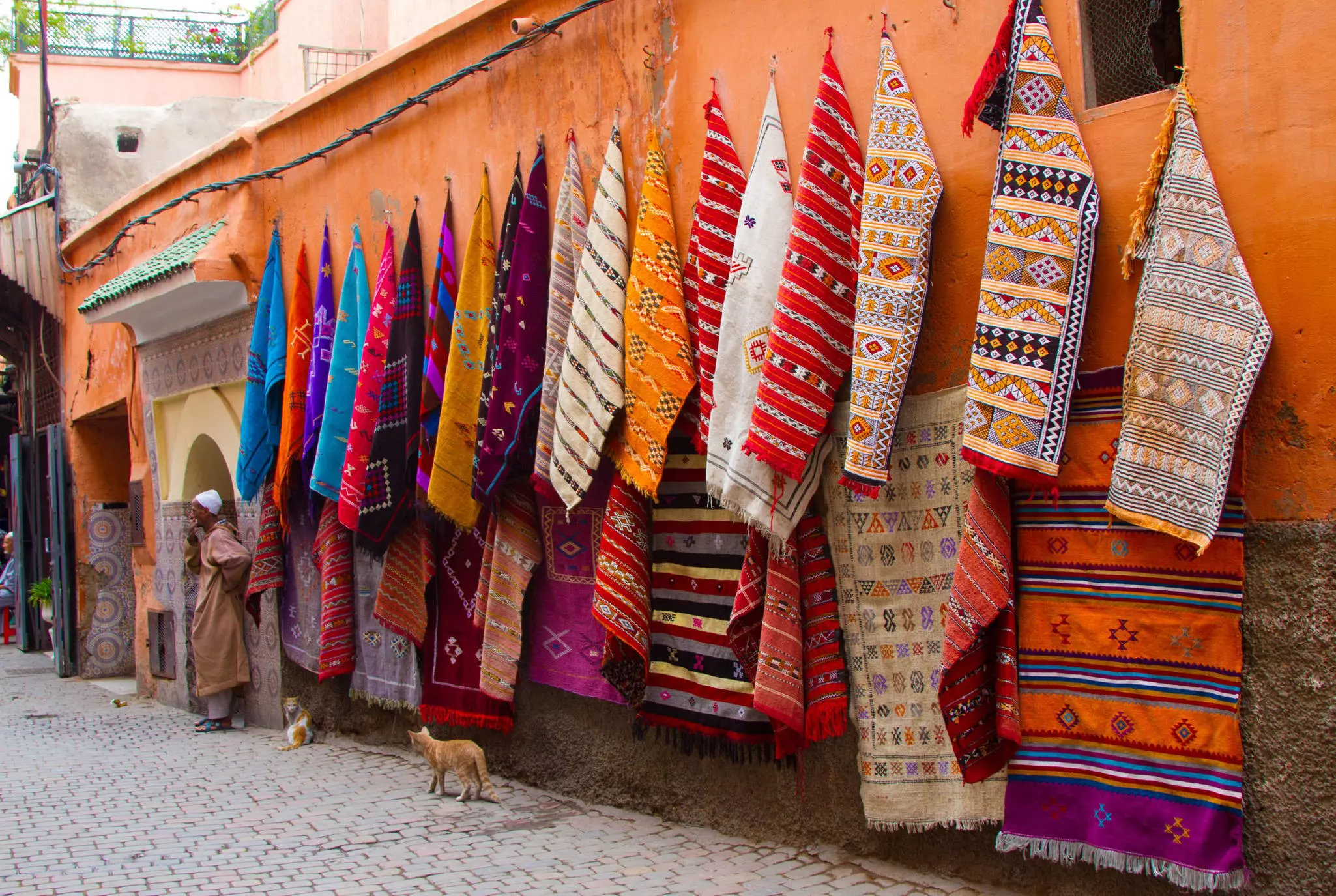
Souqs are photogenic. Everyone sees and captures them differently, whether it’s piles of spices, shards of light, traditional craftspeople at work, stacks of colorful fabrics, sunset pinks, sparkly lanterns, and much more. Always ask before photographing people, and bear in mind that some people do not like you photographing their stall, or will expect a tip (Dh5–10) in exchange if you do.
I love to wander with no set agenda. There is so much color and creativity in the city souqs, and my eyes might be drawn to sparkling-effect lanterns and polished brass. I love watching the artisans at work, using traditional skills to hand-make items such as babouche slippers, or weaving scarves on a loom. And now, with more Arabic words up my sleeve, I love to try bartering like a local – it always sparks up interesting conversations.
Carry cash in a variety of denominations, and have some small change (Dh5 and Dh10 coins) for helpful tips and street food snacks. If you are buying and shipping large purchases, such as rugs or furniture, card payment will be accepted.
To get the best price, shop around until you have a clear idea of the prices. Similar items will be sold in multiple stalls, so you can easily "window shop," asking for rough prices. When you’re clear on what the item is roughly worth, find the best-quality version of the product – they can vary greatly – and then start negotiating.
Night at a 3-star traditional riad: from Dh1000
3–4 hour half-day guided souk tour in Marrakesh: from Dh700
Sandwich from street vendor in the souqs: Dh20
Fresh mint tea in a cafe: Dh15
Fresh olives per kg: Dh20–60
In general, souqs are safe. The main concerns in the souqs are pushy salespeople, unofficial guides, counterfeit items and petty crime. If someone’s going too hard on the sale, be firm with your "la, shukran" (no, thank you) and walk away. Not all items in the souq are authentic. Ask questions, and use your intuition. If something is or appears too cheap, chances are it’s a copy, or a diluted version of something eg argan oil. Pickpocketing can occur, especially in busy areas. Keep your bags closed and hide any valuables from sight.
If you’re easily overwhelmed or fearful of getting lost, having a local guide makes for a more seamless experience. Additionally, if you have specific items you’d like to purchase, a guide can help you find the appropriate area, and if language is a barrier, they’ll do the talking for you. Always agree on the guide's price before you start the tour. Sometimes it can be nice to explore with a guide for a half-day, and then do some independent exploring once you’ve got your bearings.
Minimize attention by wearing modest, loose, lightweight clothing. For women, it’s best to cover shoulders, chest and knees. Comfortable shoes are recommended for cobblestones, uneven streets and potholes along the way.
Book your Morocco trip with Lonely Planet Journeys
See Morocco how it's meant to be seen
Planned by local experts and tailored to you, Lonely Planet Journeys handles the logistics so you can just enjoy the trip. Tell us what you want and we'll build your Morocco itinerary from scratch, or browse our bookable trips to get inspired.

Explore related stories