Aug 5, 20265 min read
A Guide to the Marrakesh-Timbuktu GalleryJan 27, 2026
9 MIN READ
Writer
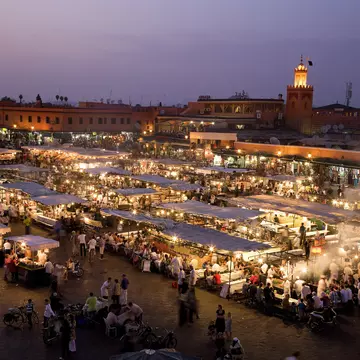
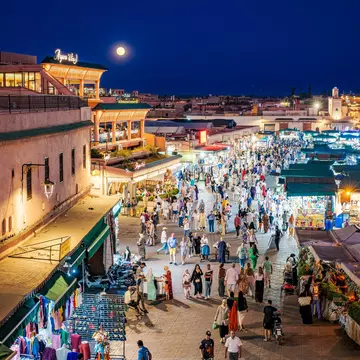
Food stalls in Djemaa El Fna, Marrakesh. Michael Heffernan/Lonely Planet ©Michael Heffernan/Lonely Planet

Writer
Lonely Planet may earn a commission from affiliate links on our site. All recommendations and reviews reflect our own independent opinions.
Blessed with two seas, five mountain ranges, fertile river valleys and swathes of cultivable land, Morocco’s larder is stuffed with good things: the largest haul of sardines in the world; walnuts and chestnuts from the Rif; mint, olives, wine grapes and quinces from Meknes; oranges and lemons from Fez; sea bream, tuna and snapper from Agadir; prized cherries from Sefrou; oysters from Oualidia; argan oil from Essaouira; pomegranates from Marrakesh; barley from the Draa; almonds and lamb from the Souss; dates from Erfoud; camels from Guelmim and so much more.
This abundance supports a sophisticated local cuisine, built on the foundations of tagine and couscous – the legacy of the indigenous Amazigh population – and then elaborated by the international network of expansionary Moroccan empires, the refined palate of successive Imperial courts and interludes of European colonization. Where new ingredients and techniques worked with local tastes and culture they were easily adopted and integrated, expanding the Moroccan repertoire so it is both broad and deep. The same culinary curiosity and love of tradition remains today making eating out in Marrakesh an ever evolving and exciting adventure. Book ahead in busy periods, this is a city that likes to dine out.
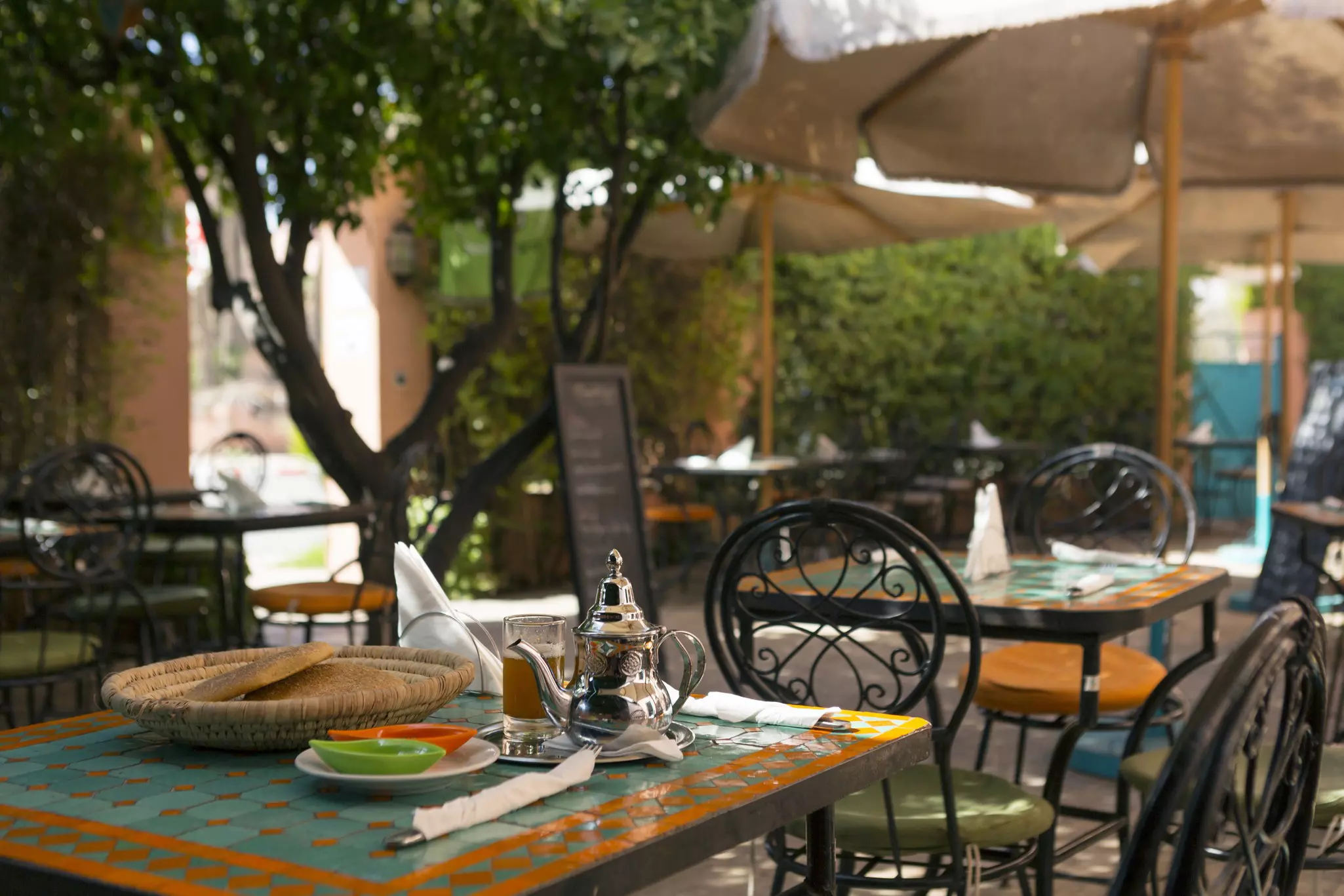
In 1713, Queen Anne of England gifted Sultan Moulay Ismail some Chinese tea. With a centuries-long tradition in herbal infusions, Moroccans quickly adopted tea (atay) as their favorite drink, adding sprigs of mint and a healthy dose of sugar to make it more fragrant and refreshing. A welcoming mint tea is a symbol of generosity and hospitality, and is imbued with a deep sense of ritual. While popular cafes are the haunt of male-only flâneurs, local families prefer the first floor and roof terraces of smarter places like Argana and Café de France overlooking the Djemaa El Fna. Café Atlas is an art deco institution in Gueliz, while cute Atay Café offers a design-forward roof terrace and Café Clock a cultural program. However, for a deep dive into authentic tea culture and different regional teas seek out the historic riad teahouse 1112.
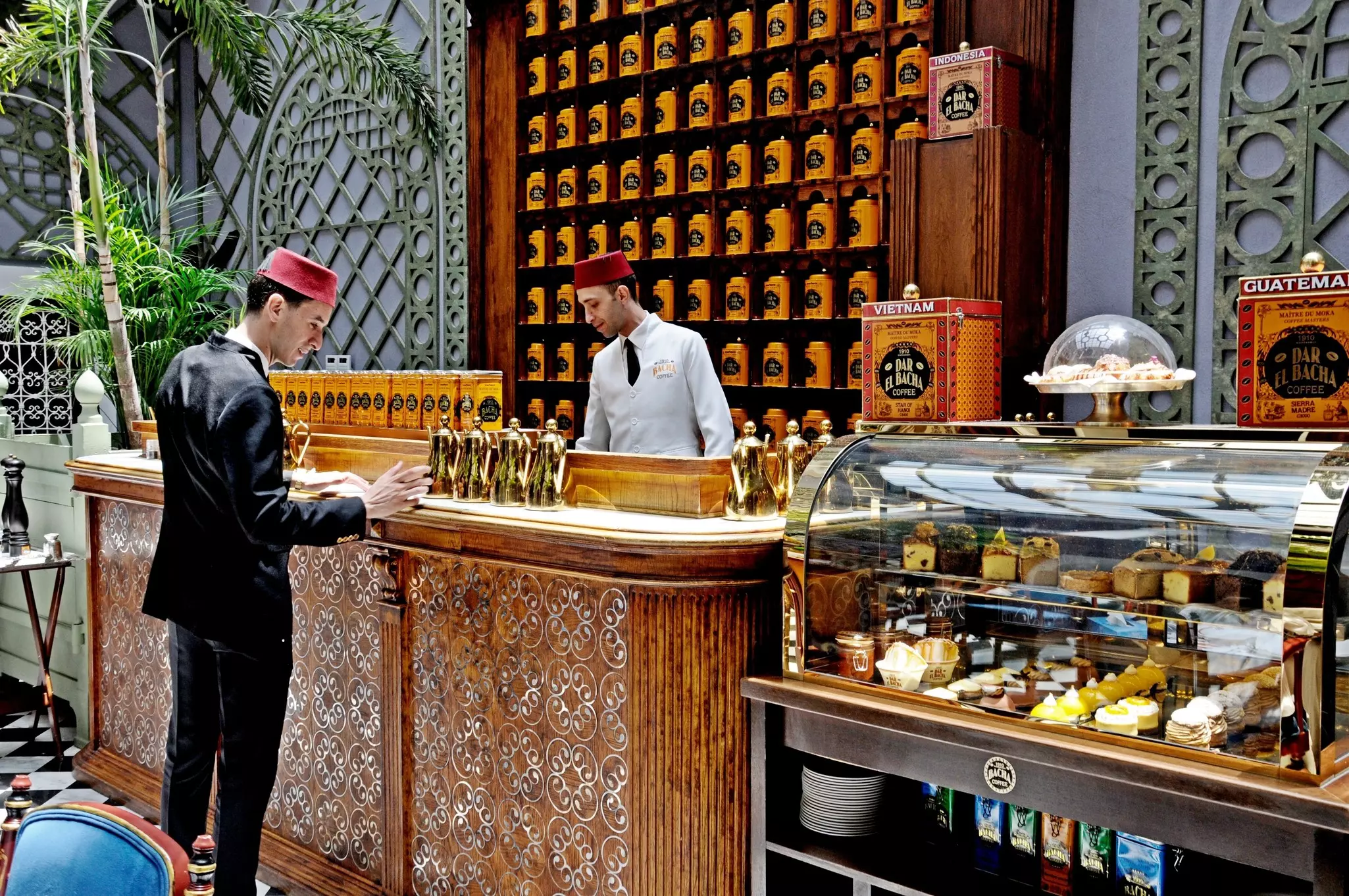
Speciality coffee is a new trend in Marrakesh, kicking off in 2019 with the opening of flamboyant art deco Bacha Coffee, which serves a menu of 200 single origin Arabic bean coffees in a corner of the gorgeous palace of Pasha Glaoui. Since then, a handful of serious coffee crafters have emerged, including bijou Hyuna House Café in the medina and Simo Zbiri’s industrial chic Thirty5ive in Gueliz. The former serves single beans from Ethiopia and Sumatra alongside matcha lattes, and the latter has a brew bar decked with a La Marzocco Linea machine and is manned by Khalid, who was a Moroccan latte art champion. Now, Heibai, the Kartell Kollektiv and The Bloom Room, a flower-shop-come-cafe, have joined them, offering coffee connoisseurs and digital nomads chic spaces to connect with the contemporary scene.
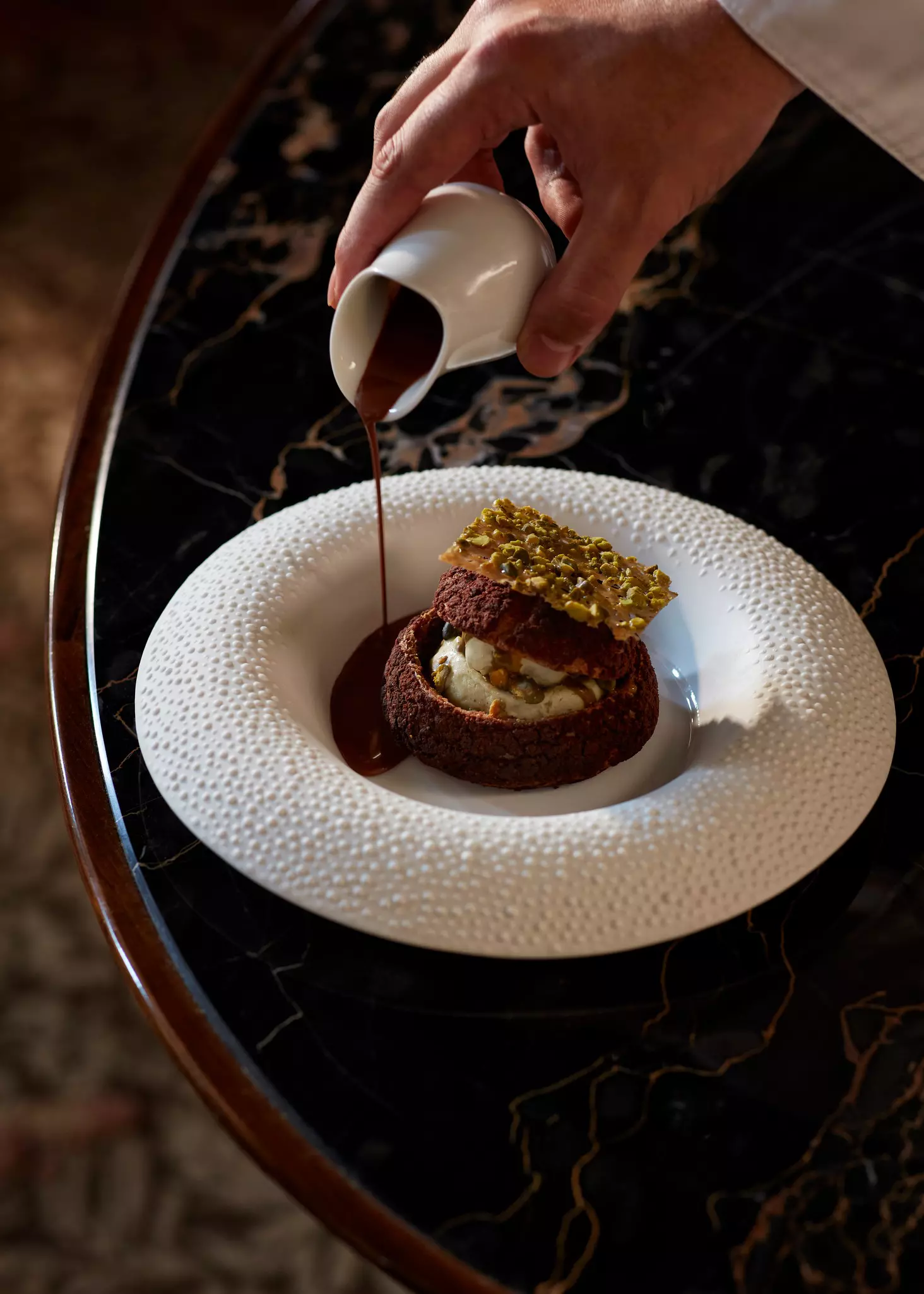
Morocco’s confectionery and pastry-making tradition is intricately linked to the country’s famed culture of hospitality. Welcomes, weddings, births, Ramadan – all are celebrated with particular sweets made from almonds, marzipan, pistachios, toasted sesame and spiced with cinnamon, caraway seeds and saffron before being drenched in honey or orange blossom water. For classics like chebakia, ghriba and corne de gazelle, duck into the institutions of Pâtisserie des Princes. Amandine also serves the classics alongside French macarons, tarts and pastries.
Michelin-starred Pierre Hermé and Hélène Darroze outdo each other with elevated creations at La Mamounia and Royal Mansour respectively. Even more exciting are new ventures by master pastry chefs and returning émigrés Daoud Essadiq and Mounir el Fahsi, who have now opened their own sleek sweet shops at Terramia Café and Maison Amaj.
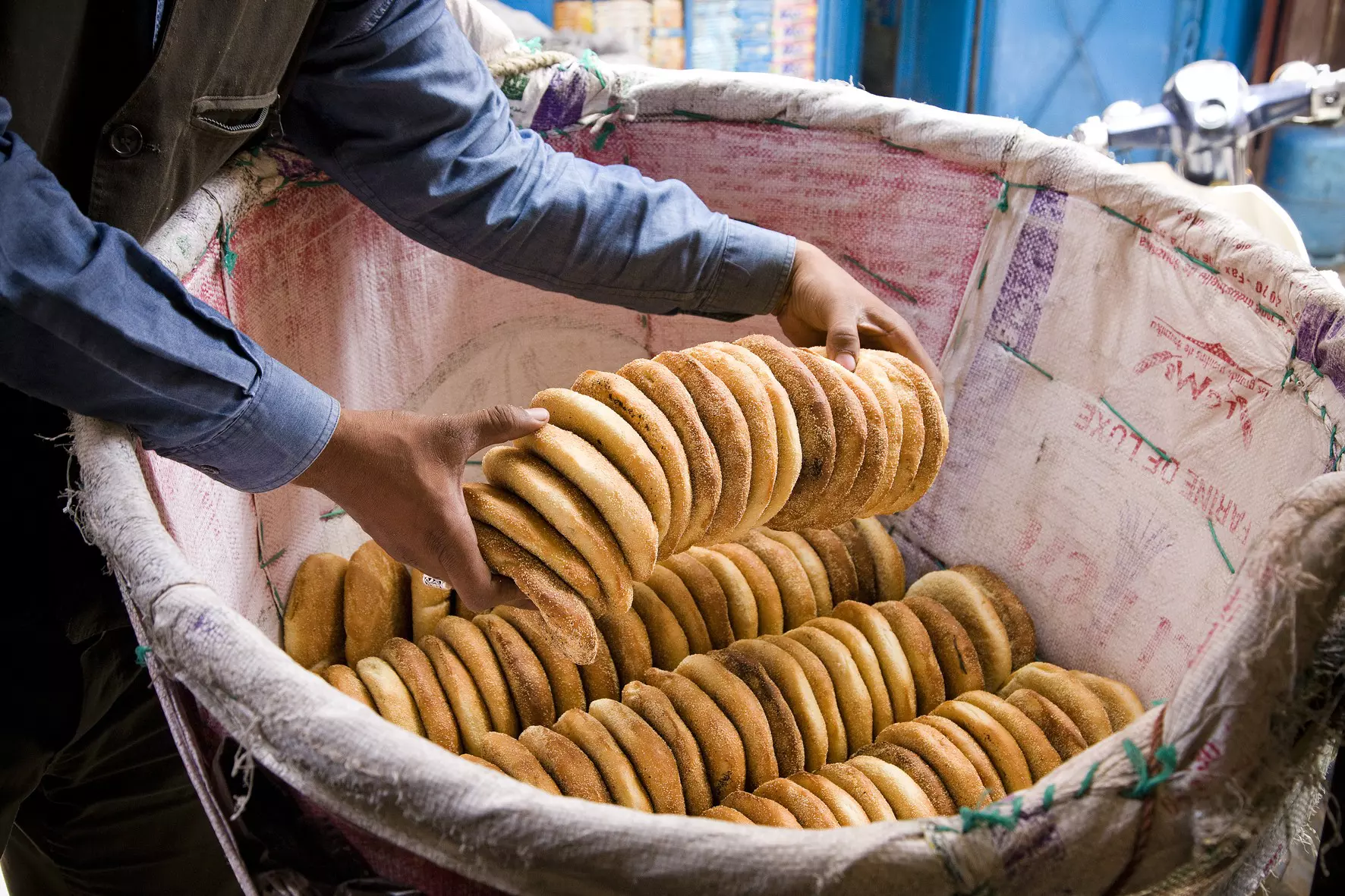
The medina’s street food stalls and cubby-hole restaurants serve up traditional tastes all day long. You can start with a breakfast of amlou and honey-slathered msemen (a folded flatbread) at Dairy Ghita, make a mid-morning pit-stop for a bowl of harira soup at Chez Brahim, then cruise the food stalls along Derb Debbachi. Hardworking locals from the tanneries or metal-working souk head to Chez Lamine Hadj Mustapha for a hearty half kilo of mechoui (slow-cooked lamb), while a hip mix of locals and tourists flock to Foundouk Gargaa for a Moroccan menu with a more vegetable-focused twist. Likewise, Sabich offers fluffy discs of batbout pita-like bread stuffed with sauteed aubergines, shredded beef or falafel, homemade pickles and toppings of labneh or pomegranate molasses. The ultimate street food eatery though is the Djemaa El Fna, where an army of ambulant food sellers sets up an immense outdoor restaurant each night.
Morocco’s most famous dishes are tagine, slow-cooked stews cooked in a conical terracotta pot, and couscous, a native Amazigh dish known as seksu or sikuk. Typical tagines include mqualli (chicken with preserved lemons and olives); mruziya (lamb with raisins or prunes and almonds); hout mqualli (monfish and chermoula); and kefta mqawara (meatballs, tomatoes and eggs). Meanwhile, couscous comes crowned with a stew of meat or vegetables. If you’re staying in a riad, sample the home-cooked version of these dishes. Otherwise, for couscous, seek out Naïma, a simple couscous-only restaurant in the souk. The female-led kitchen at Nakhoul Mzian turns out superior tagines and a Friday couscous, as does Chez Fatima and the non-profit Amal Center, which offers culinary training to vulnerable women and cookery classes for tourists. For something more elevated, book a table at Sahbi Sahbi, which showcases different regional traditions from around the country. For the height of sophistication in Moroccan cooking, look no further than La Grande Table Marocain at the Royal Mansour Marrakech hotel.
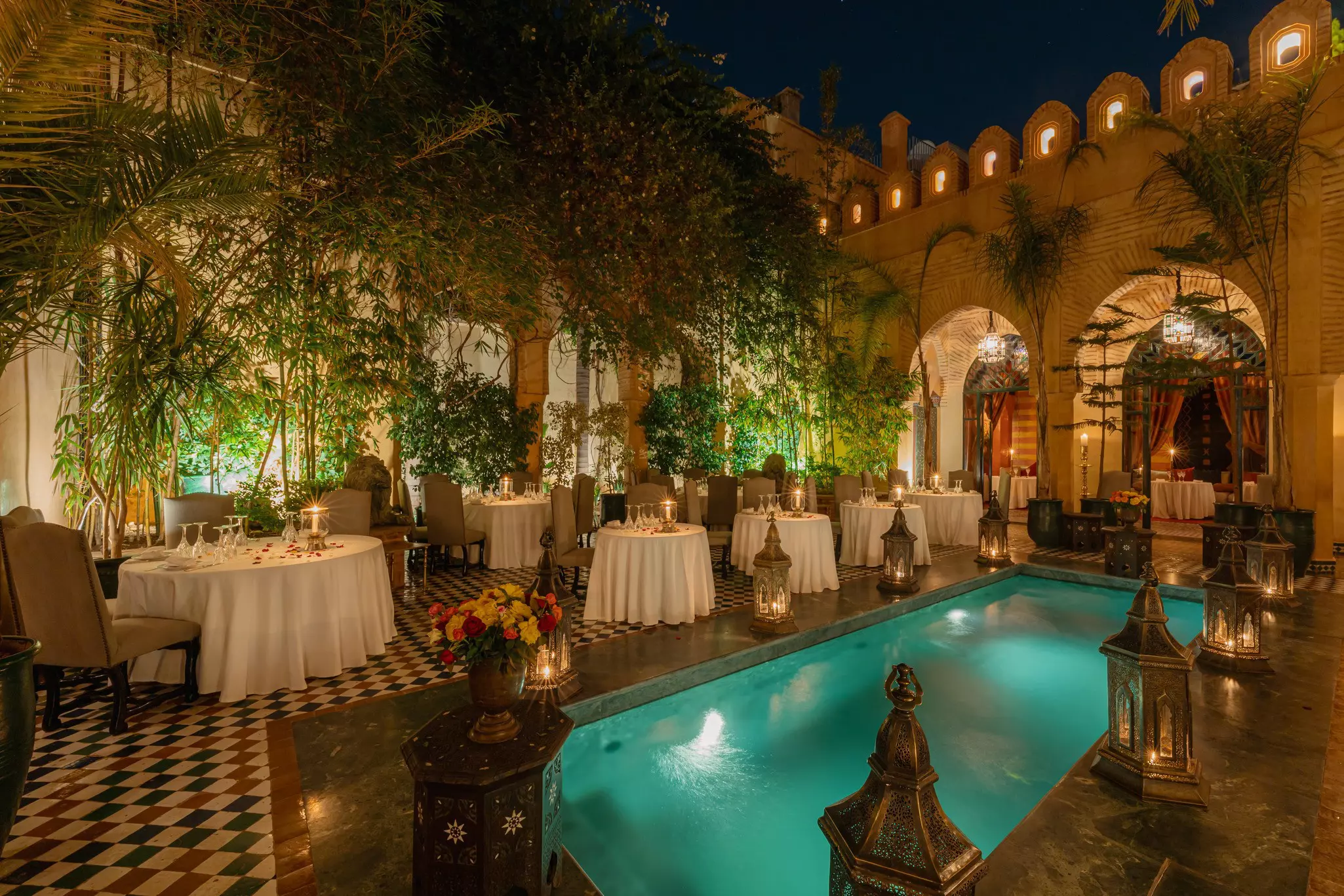
A Moroccan diffa is an elaborate multicourse affair that showcases the flavors of the Abbasid and Andalucian courts, which so influenced Moroccan cooking in the Middle Ages. In Marrakesh, a few grand riad restaurants offer diffas as a fixed-priced menu served in sumptuous textile-draped salons and candlelit courtyards. Three of the best are Dar Yacout, Le Tobsil and Dar Moha, where you’ll be hosted in regal style. Also worth the visit is the exquisite Moroccan restaurant at Amanjena, which is located in an Andalucian courtyard full of alabaster pillars where an ensemble of musicians play elegant oud classics throughout the night.
Marrakesh is the ultimate market town and has always catered to a cosmopolitan crowd with roving tastes. Modern kitchens like +61, Farmers, Azalai and Noujoum (the rooftop restaurant at IZZA) showcase Moroccan produce in creative contemporary menus with subtle Mediterranean, Asian, Antipodean and Middle Eastern influences. In the medina, Moroccan food writer Nargisse Benkabbou brings a modern twist to traditional dishes at L’Mida, while Naranj serves top-notch Lebanese mezze and wraps. The best burgers are found at Mouton Noir, the best fish at L’Endroit and the best pizzas at Petanque Social Club, where you can also play boule. Pretty Dai does classic Italian osso buco and lobster spaghetti; L’Ô à la Bouche and Sabo at the Selman offer refined French dining; and Akira Back prepares excellent sushi and elevated Asian in the The Rooftop in the swanky M Avenue development. Meanwhile, vegetarians should seek out Maison Reine for its flavorful, vegetable-forward menu, La Famille for its barley salads and Blue Ribbon Café, which sources all its ingredients from organic farm Sanctuary Slimane.
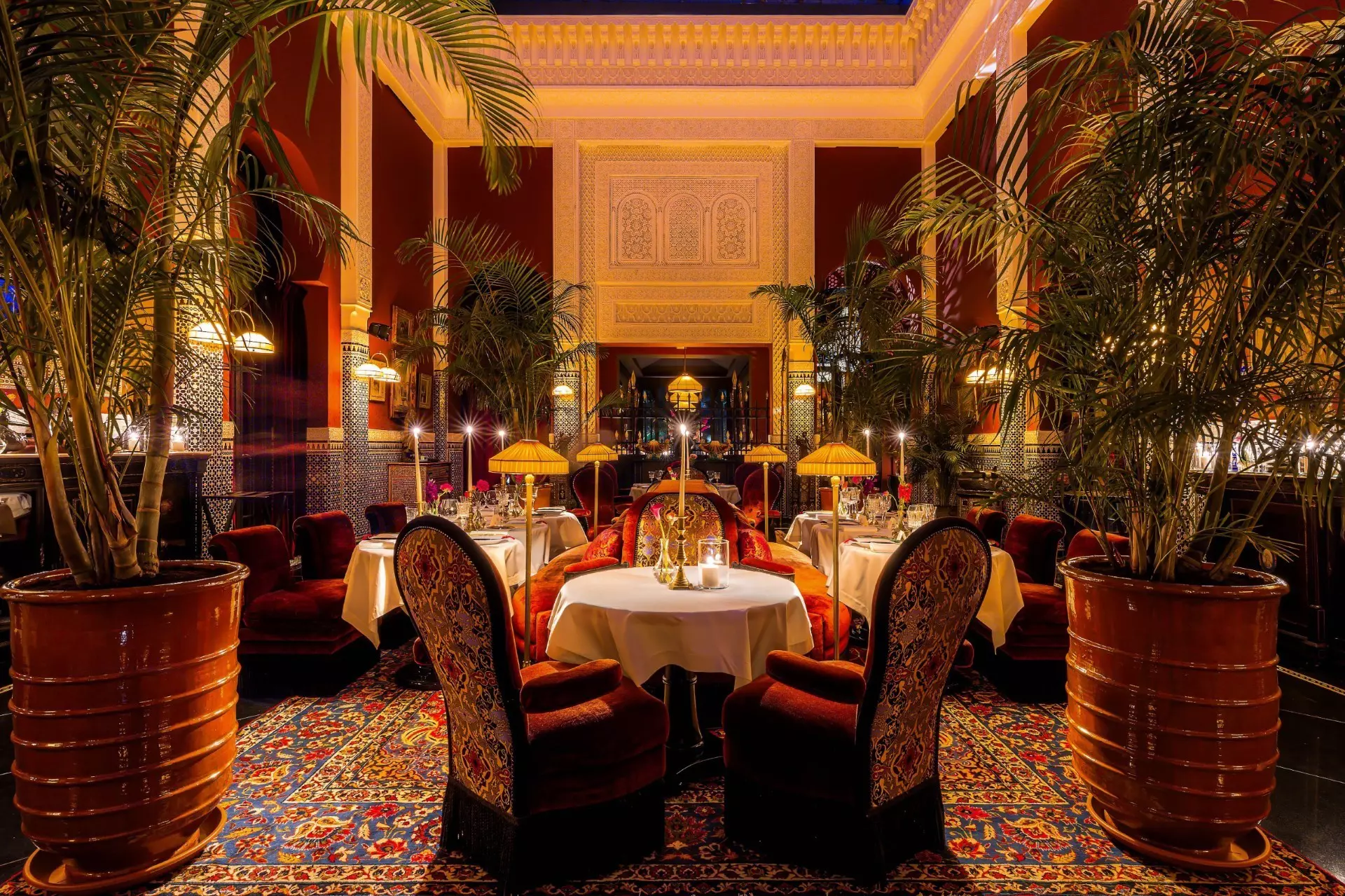
Dining out in Marrakesh isn’t just about the food: for many, the decor is just as inspiring, as the eye-catching restaurant of El Fenn has proved over the years. These days, it has a few Instagrammable rivals. The vintage salons of Villa Aaron have fanciful murals on the wall and Moroccan beef bourguignon on French country crockery. MÖ MÖ is a madcap explosion of pastels, silk lanterns, naive murals and plates of Medi-Moroccan mezze. Mizaan sports rope sculpture around the bar and on the ceiling, and a menu of lamb and liver skewers, fava bean fries, plus chocolate mousse with harissa. Modern Moroccan Sahbi Sahbi was designed by Studio KO, who worked on the Yves St Laurent Museum, and cool Petanque Social Club is the work of Diego and Alexeja Art & Design Studio, known for its "Magic Totalism" style. Morocco meets Milanese cool at Naama, and Rivayat, the fine-dining Indian restaurant of the Oberoi, is set in the most beautiful hand-carved courtyard you’ll ever see.
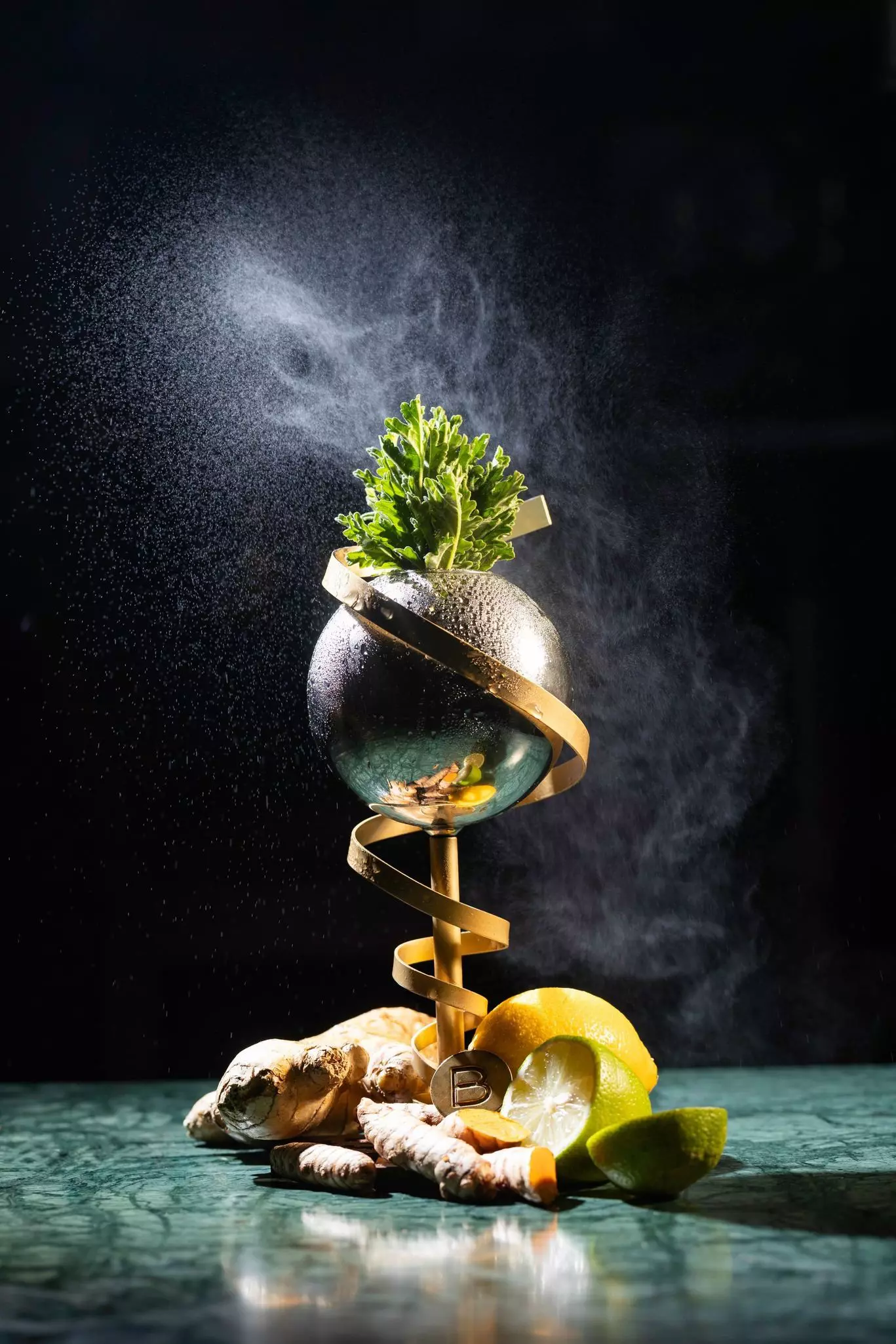
Morocco is a Muslim country, so bars don’t exist per se. Instead you’ll find the cocktail scene evolving on riad rooftops, in experimental modern restaurants, and hotel bars. Two of the most well-known are basement bar and restaurant Baromètre, which crafts ingenious, creative cocktails in elaborate drinking vessels, and the eternally popular roof terrace of Riad El Fenn with its fantastic medina views. Other fashionable rooftop bars are Kabana, Dardar and La Pergola (on the roof of Riad Monceau), where there’s nightly jazz. Petanque Social Club is a nice place for a Saharan spritz, +61 does a mean lychee martini, and Farmers a delicious bourbon-based Cherry Fugazi. The closest thing to a wine bar is Le 68, although locals also love the terrace of Grand Café de la Poste for an early evening glass of rosé. If you want to see and be seen, go to Bô Zin or the Majorelle Bar at La Mamounia. Things crank up even more with belly-dancers at Comptoir Darna and burlesque performances at Babouchka. After midnight head to Theatro, the first music hall in Africa and still going strong with theme nights, big-name guest DJs and glitter storms.
Explore related stories