Oct 15, 20269 min read
Tips For Visiting A South Korean BathhouseApr 7, 2026
10 MIN READ

Writer
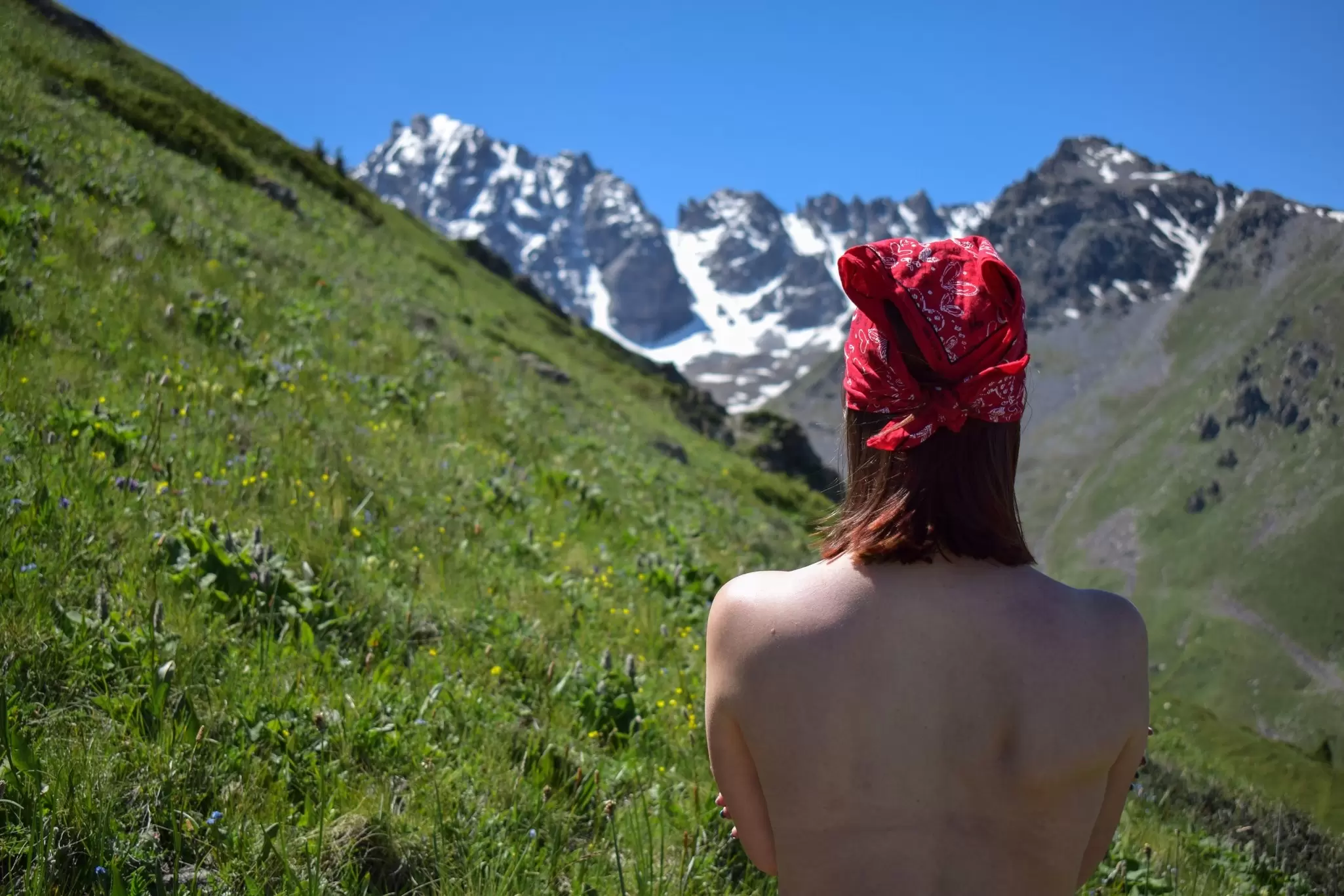
Hiking nearly naked in Kazakhstan. Nik Ryabukhin / Shutterstock
Writer
Lonely Planet may earn a commission from affiliate links on our site. All recommendations and reviews reflect our own independent opinions.
Even the most experienced travelers are guilty of making the odd travel faux pas. It’s impossible to know everything about all of the cultures and customs you’ll encounter on your travels, and inadvertently causing offense – or at least making yourself look foolish – is one of the pitfalls of travel.
Generations of travelers have merrily made their way around Thailand using the wrong polite particle at the end of their sentences (if you’re unsure, women say ka, men say krap), and plenty of visitors have stood on the wrong side of the escalator on the London Underground or left their chopsticks sticking out of their rice like a funeral offering in China.
Traveling often involves passing through the departure gates of your comfort zone and arriving somewhere new, both physically and along life’s learning curve. No one knows how to behave perfectly in every single scenario, and committing an occasional faux pas is an inevitable part of the travel experience – though there are etiquette errors that can land you in more serious trouble.
You don’t, for example, want to show off an irreverent Buddha tattoo in Sri Lanka (travelers have been deported for this), and it would be a bad idea to deface an image of the King of Thailand in Bangkok unless you want to get prosecuted for lèse-majesté. That said, something that’s considered heinously rude in one region or country – like loudly and proudly belching after a meal – can be perfectly acceptable in another.
Luckily, help is at hand. Lonely Planet has published Don’t Hike Naked in Switzerland: And 101 Other Travel Etiquette Tips – a manual for avoiding some of the many travel faux pas waiting to trip up unwary wanderers. Here, we pick out some of the top don’t-dos to watch out for on your way across the globe.
In many countries, greetings are accompanied by a kiss on the cheek (or both cheeks), a gesture said to have started in ancient Rome. Il bacio (the kiss) certainly remains a very strong tradition in Italy, and you’ll also encounter los besos in Spain, la bise in France, and similar traditions in Latin America and some Middle Eastern countries.
Be aware that a kiss can mean different things in different places. In Europe and Latin America, it typically implies friendship and familiarity, but in the Middle East, it can denote deference, respect and honor. But, who do you kiss? Just friends and family, or everyone you meet? How about kissing someone of the opposite gender? And how many pecks do you go in for, and on which cheek? Without some prior knowledge, the risk of making a mortifying mistake or suffering an undignified collision is pretty high.
The correct number of kisses and how much contact you make varies too. In Italy, France and Spain, planting two kisses (one on each cheek) is de rigueur, but in Belgium and the Netherlands, a three-kiss exchange is favored. Most South American countries tend to stick with one kiss, while men greeting each other in Afghanistan may go as high as eight.
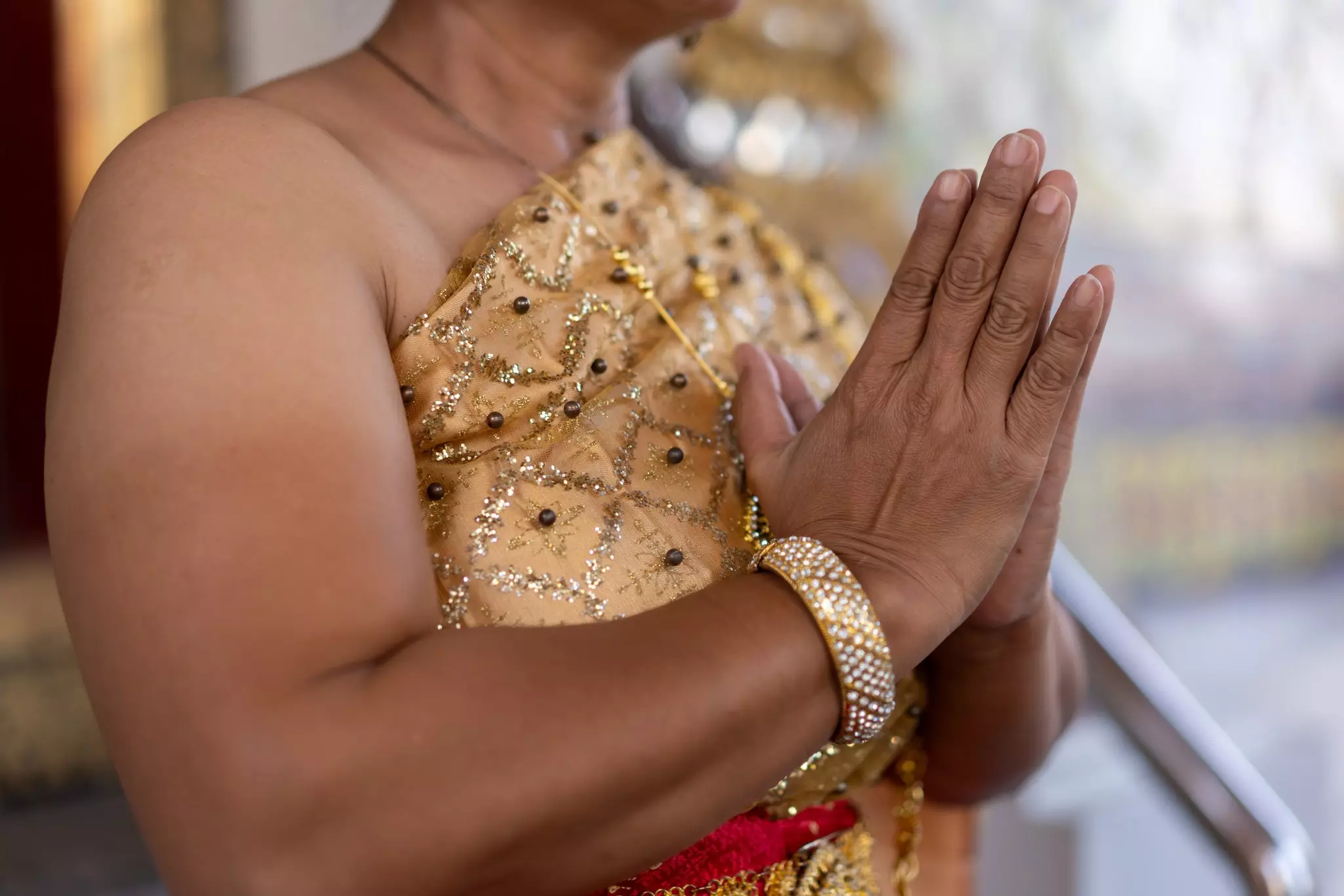
In some cultures – Japan, for example – making physical contact while greeting someone just isn’t done. Asia has a whole range of greetings based on bows and nods that maximize politeness and dignity, from the Thai wai to the Indian namaste – performed with a slight bow and the hands held together at the chest, in the prayer position.
So what is the best approach when you’re new to the local way of greeting? Well, when meeting and greeting local people you’ve just met or don’t know very well, just follow their lead. Kisses or cheek-to-cheek brushes usually start on the right and then swap to the left – except in Italy. Try not to stand there awkwardly with your body as stiff as a plank, but also don’t assume that cheek-kissing should be accompanied by hugging – let locals be your guide.
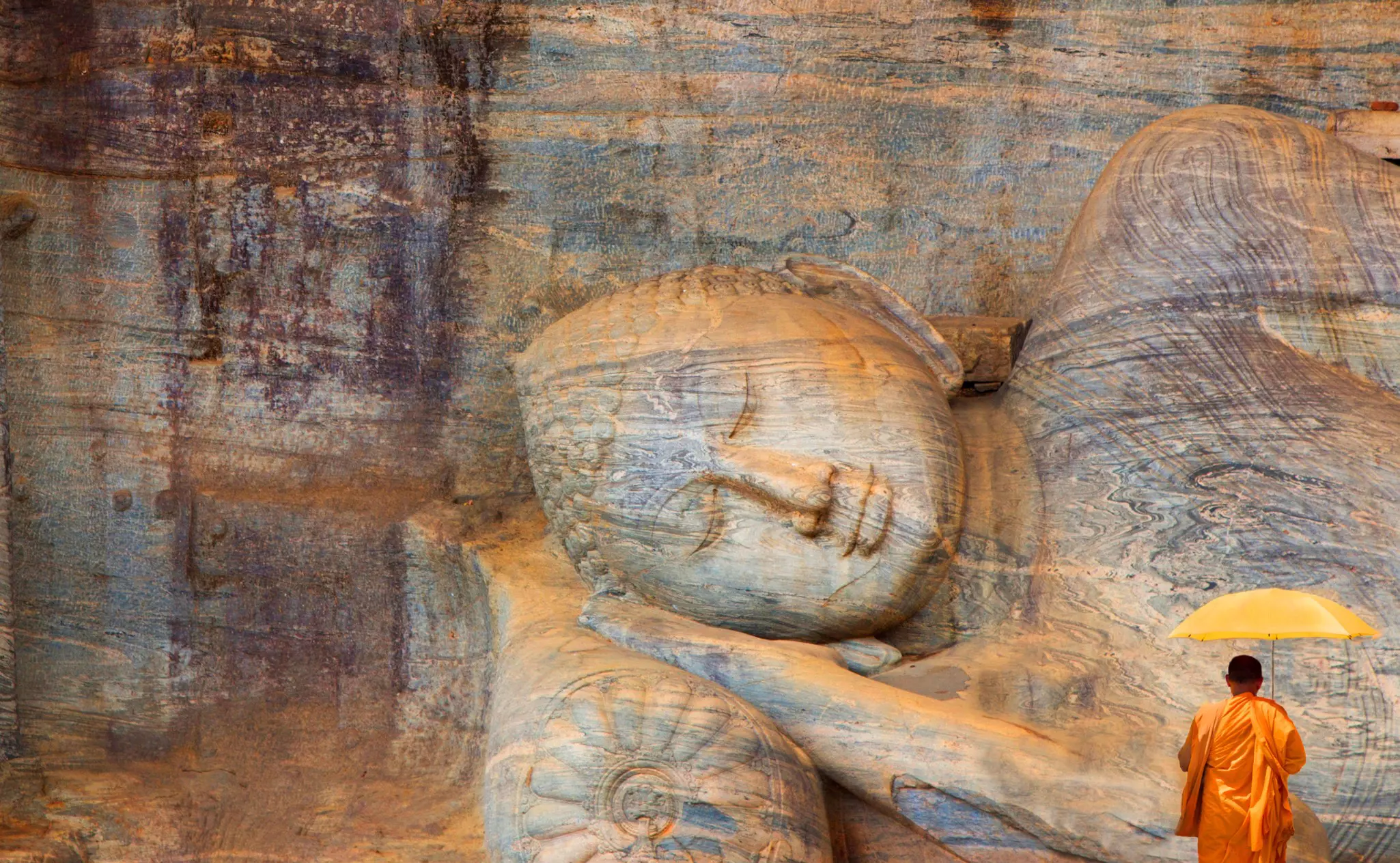
There may be worse crimes than not knowing exactly how to behave in sacred places, but treating religious effigies with presumptuous familiarity should be avoided. Travelers have been deported from Sri Lanka for tattoos and clothing deemed disrespectful to the Buddha, and in 2015, three men were given jail sentences in Myanmar (Burma) for posting a Facebook image of a Buddha statue wearing headphones.
Posing for a selfie in front of a deity at a sacred site ups the ante of disrespect considerably and can also land you in serious trouble. In Sri Lanka, it’s illegal to take selfies with your back turned to Buddha statues, and anyone posting pictures of themselves assuming a yoga pose in front of Buddhist effigies anywhere risks a complete loss of respect.
In Buddhist parts of Southeast Asia, the feet are considered the lowest and most unclean part of the body, and pointing the soles of your feet towards a Buddha image, a monk, or indeed any Buddhist person, is taboo. Conversely, removing your shoes (and sometimes socks) when entering a sacred site is mandatory at Hindu and Jain temples, Buddhist monasteries, Sikh gurdwaras and Islamic mosques.
Don’t assume you can just wander up to any place of worship while you are traveling and pop your head in – very often there are strict rules about entering, and some sites are only open to followers of that faith, or are closed for prayer at certain times. If in doubt, inquire at your accommodation or ask a local or a site attendant whether you are permitted to enter. Also respect the rules on photography – some shrines have a strict no-photos policy.
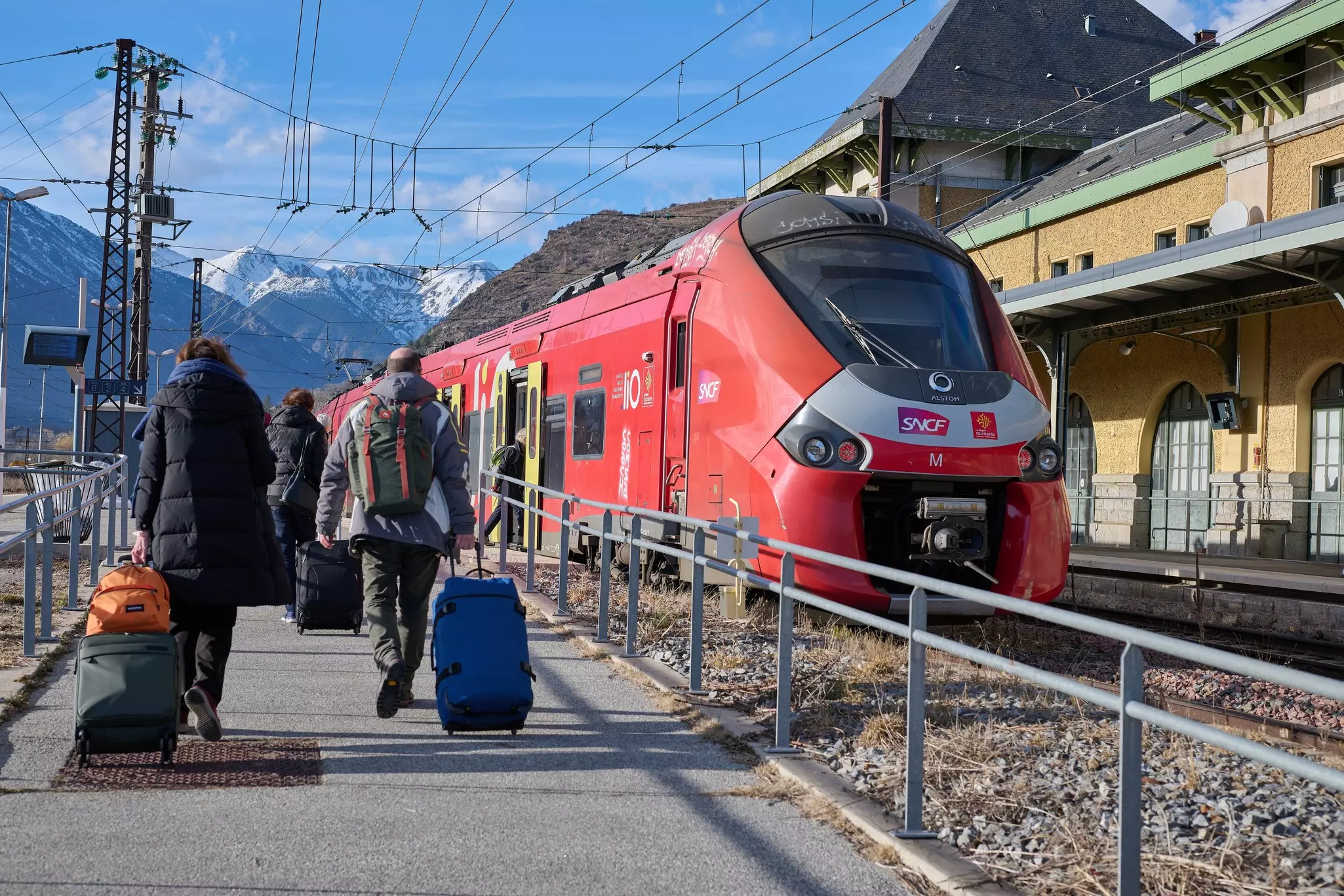
Transport serves up a whole world of potential travel faux pas. In the air, reclining your seat to the full extent the minute the seat-belt light goes off, and staying stubbornly supine even when meals are being served, is a cardinal sin. Just be reasonable and do unto the traveler sat behind you as you would have the person positioned in front do unto you. Pushing the back of the seat in front of you and commandeering both armrests are similarly irredeemable offenses.
When riding the railways, don’t be that person who derails the experience for everyone by treating the train like your personal stretch limo. Regardless of how full-to-bursting your backpack or suitcase is, it doesn’t deserve its own seat; store bags in the overhead luggage racks, between the seats, or in the larger spaces at the end of carriages. And keep your feet on the floor, not on the seats – in the UK, it’s a criminal offence, punishable by a steep fine.
One of the delights of train travel is tucking into a picnic while watching the world whizz past the window, but not all foodstuffs are fantastic for consumption in a shared carriage. No one wants to be sat next to a stranger munching pungent-smelling egg sandwiches, or peeling a piece of fruit that squirts juice all over the place – so be mindful of this when planning your packed snacks.
Stuffing your face on public transport can be a cultural faux pas in Hong Kong and Japan, where eating on local and suburban trains may lead to rumbles of disapproval. In Malaysia, Thailand and Singapore, just carrying a durian fruit on trains (or buses) is strictly prohibited, let alone trying to eat it. In South Korea, it is considered rude to eat in front of people who are not eating themselves, on any form of transport.
When you’re traveling on metro and urban mass transit systems, familiarize yourself with the local customs and find out what is really frowned upon, because this can vary wildly. In a recent poll, Brazilians described the number-one inconsiderate behavior on buses and trains as “sexual activity,” while travelers in Chile, the US, the UK and Canada were far more wound up by playing loud music. It should go without saying that standing still on the left on the escalators on the Tube in London is completely verboten.

Even in countries where tipping isn’t a huge part of the culture, waiters and hotel porters and housekeepers will appreciate a small gratuity for good service, but don’t flash your cash left, right and center, because this can cause confusion or discomfort. A service charge is often included in bills, and if you want to leave a token of appreciation and be sure it ends up in the right pocket, give big coins or small notes directly to the person you want to thank.
Hotel workers in Scandinavia may seem surprised to receive a tip – it’s really not the norm. In the US, however, forgetting to tip hotel staff will likely result in a quick reduction of enthusiasm and helpfulness. And failing to tip restaurant staff and bar tenders might see you chased down the street – remember, American hospitality workers depend on tips to top up their wages!
Tipping in Asia isn’t quite as straightforward. In India and other countries in South Asia, hotel and restaurant staff are often extremely poorly paid and offering even a modest tip can make a big difference (indeed, staff may hover in anticipation of a tip). There’s also a tradition of baksheesh – which covers everything from giving alms to the needy to unofficial payments for services rendered (whether you wanted help or not).
Tips are not generally expected in restaurants and hotels in China and most of Southeast Asia, but giving a small sum directly to staff won’t cause offense. In Japan, however, openly tipping can cause acute embarrassment to the recipient; if you’re staying in a traditional ryokan (inn), and you want to leave a gesture of appreciation for your host, put a modest amount in an envelope and place it somewhere obvious with a thank-you note.
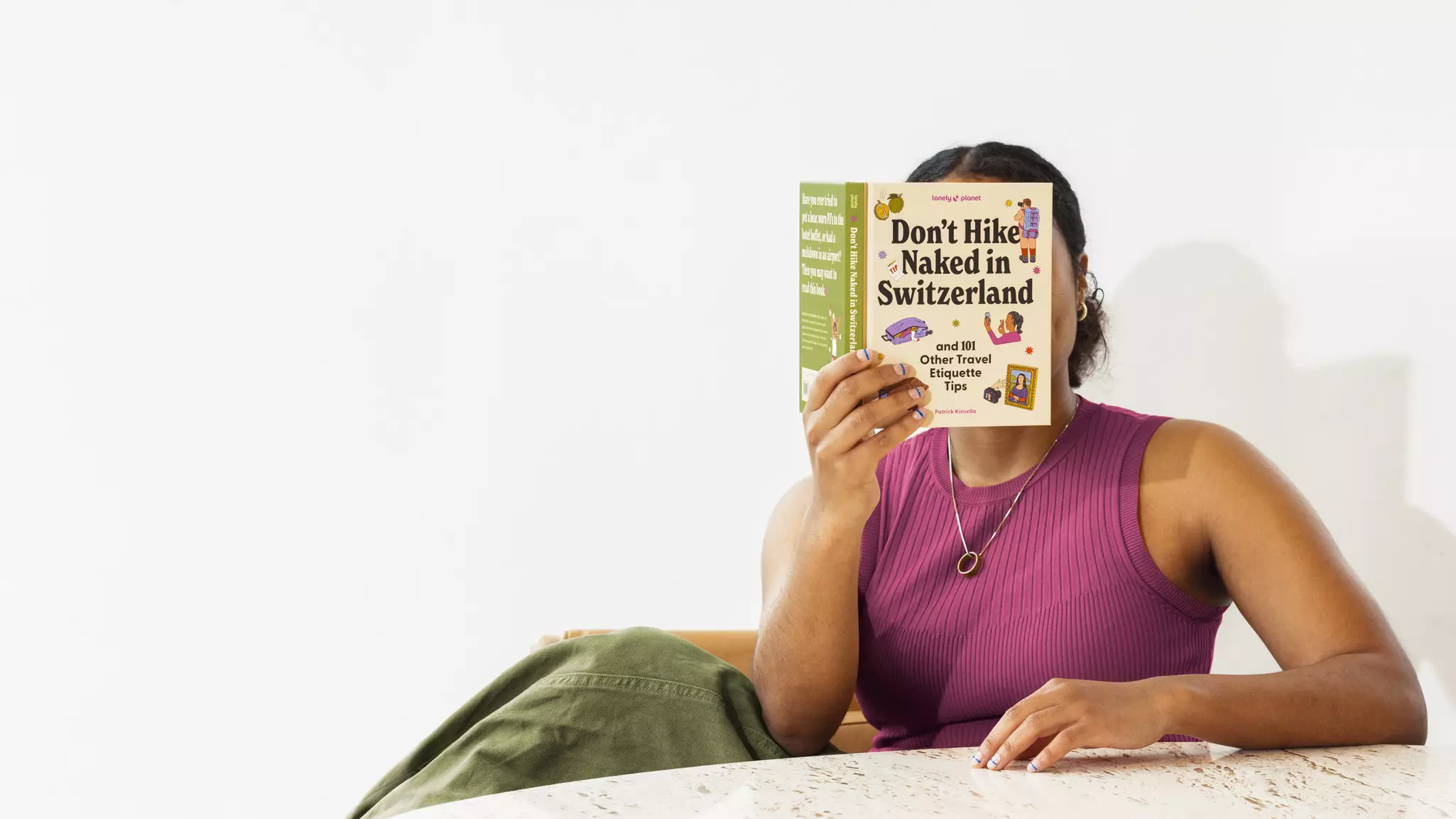
As a rule, people are relatively relaxed about nakedness in Switzerland; there are several nudist beaches around the country’s popular swimming lakes, and sunbathers regularly go topless in public parks. But a furor erupted in one alpine area, Appenzell, when a hiker wandered past a Christian elderly care home wearing just his boots and a backpack. Police fined the risqué rambler and the canton passed a local law banning bare ass hiking forevermore.
However, bumbling along the trails in your birthday suit is not technically illegal elsewhere in Switzerland, and in Germany – where Freikörperkultur (Free Body Culture) is strong – there are no laws against getting your kit off anywhere. Indeed, there are two official naked hiking trails, one in the Harz Mountains and one in Lower Saxony.
In other countries, nudity can be either discouraged, or strongly encouraged. When visiting an onsen (hot spring) in Japan, full nudity is usually required (don’t worry, single-sex baths are usually available), and everyone is required to wash before entering the bathing pools. If you have tattoos, though, you may be out of luck – many onsen ban tattoos because of associations with organized crime.
Adapted from Lonely Planet's Don’t Hike Naked in Switzerland: And 101 Other Travel Etiquette Tips, available to order from the Lonely Planet shop.
Explore related stories