Jul 22, 20269 min read
A Guide to George Town in Penang, MalaysiaApr 28, 2026
8 MIN READ
Writer
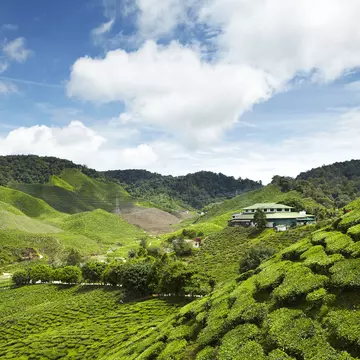
A tea plantation in the Cameron Highlands, Malaysia. Matt Munro/Lonely Planet

Writer
Highlights
Writer Marco Ferrarese shares 17 Malaysia tips on culture, etiquette and safety.
Pack cotton for the heat and a hoodie for frosty AC; dress modestly in villages.
Malaysia's street food – Malay, Chinese and Indian curries mingling – shines at hawker centers.
Use your right hand to eat and your thumb to point; keep your voice low.
Lonely Planet may earn a commission from affiliate links on our site. All recommendations and reviews reflect our own independent opinions.
Dynamic, multicultural and hugely underrated, Malaysia is Southeast Asia's unsung tropical hero. The country's top sights marry tradition, nature and modernity, pairing space-age cityscapes with Islamic minarets and gilded Chinese shrines. It's a place where South Indian temples back onto million-year-old rainforests, and this mishmash can be a lot to process for first-time visitors. From packing the right clothes to navigating the nation's ethnic and religious tapestry, here are practical and planning tips for travelers setting out to explore the best spots in Malaysia – an experience that can often feel like being in several countries at once.
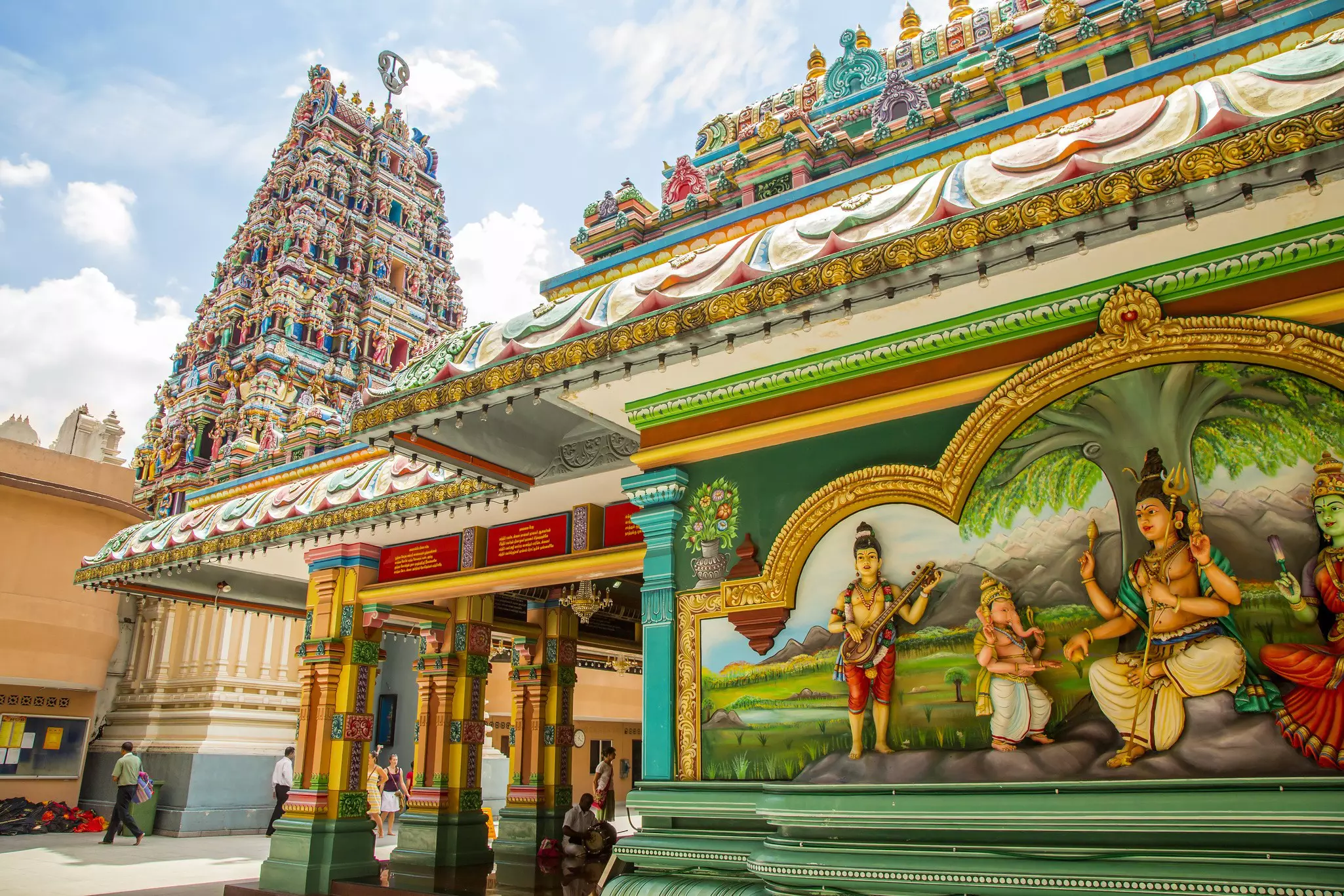
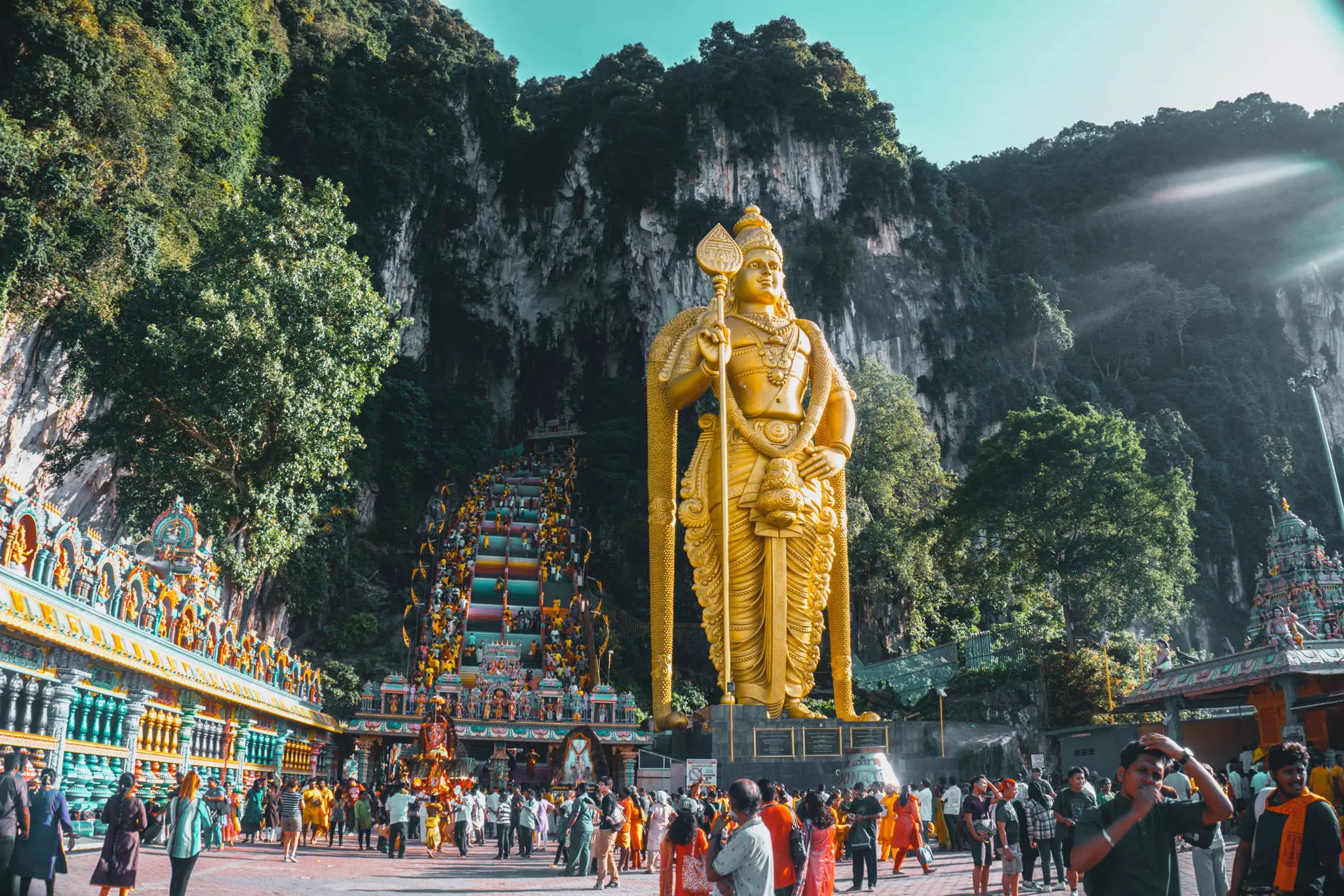
Be prepared for many types of culture shock. In multiethnic yet predominantly Islamic Peninsular Malaysia, a 69.8% majority of Malay Muslims share the land with ethnic Chinese, Tamil Indians and a dozen Indigenous groups categorized as Orang Asli (original peoples). This means that a red lantern-studded Chinese temple may sit next to a Hindu gopuram (tower) and the onion-shaped domes of intricate, modern mosques. Prayers go up to the sky in three main languages – Bahasa Malaysia, Mandarin and Tamil – from three main religions: Islam, Chinese Taoism and Hinduism.
Take a short flight across the South China Sea and the states of Sarawak and Sabah in Borneo feel like another planet. The former has some 26 ethnic groups, mostly Christian, while in Sabah, people in 33 groups communicate in over 50 languages and 80 dialects.
Kuala Lumpur must be one of the world's most futuristic cities, with ever-expanding highways, towers and skyscrapers eternally contending for space. Beyond the capital, there's excellent mobile network coverage and fast wi-fi at most hotels and guesthouses across the nation. Celcom is the best operator when traveling the peninsula's jungly interior and Borneo.
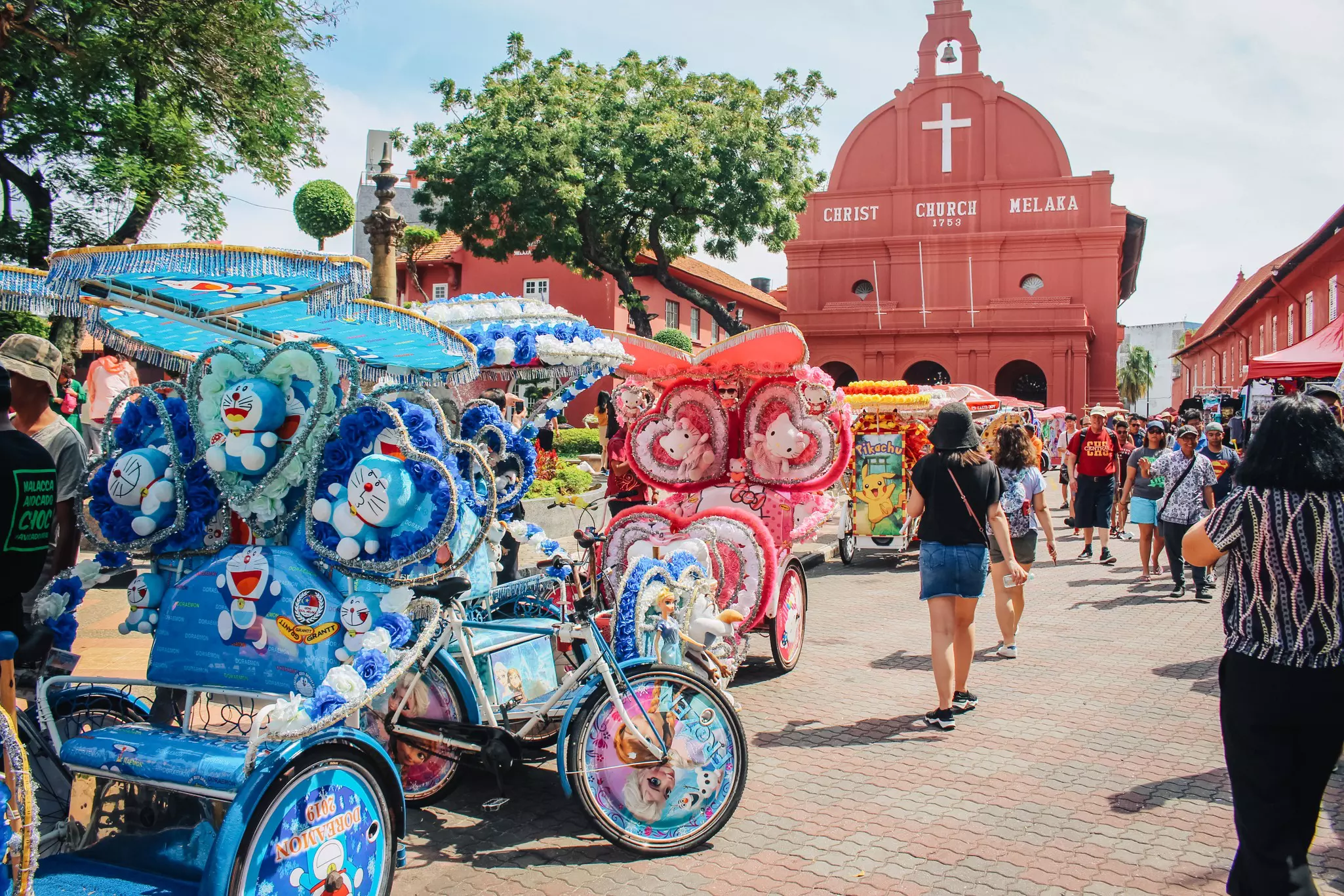
Tropical Malaysia enjoys steamy temperatures, hovering around 30°C (86°F) year-round. Pack light, loose-fitting cotton clothes to best cope with heat and humidity, and a pair of sneakers and flip-flops. If you forget anything, you can pick it up while you are there. Also bring a hoodie or light jacket to prepare for the Malaysian habit of keeping the air-conditioning to frosty levels, especially inside shopping malls, buses and trains.
Due to the constant heat, Malaysia's dress code is very casual. Wearing short pants, sandals, flip-flops and T-shirts is the accepted norm everywhere but is considered rude when visiting public offices, where long slacks, close-toed shoes and collared shirts are expected. In Malaysia's many kampung (villages), avoid revealing outfits to comply with local religious sensibilities. Some religious sites require visitors to cover up before entering. Headscarves will be provided for women at mosques.
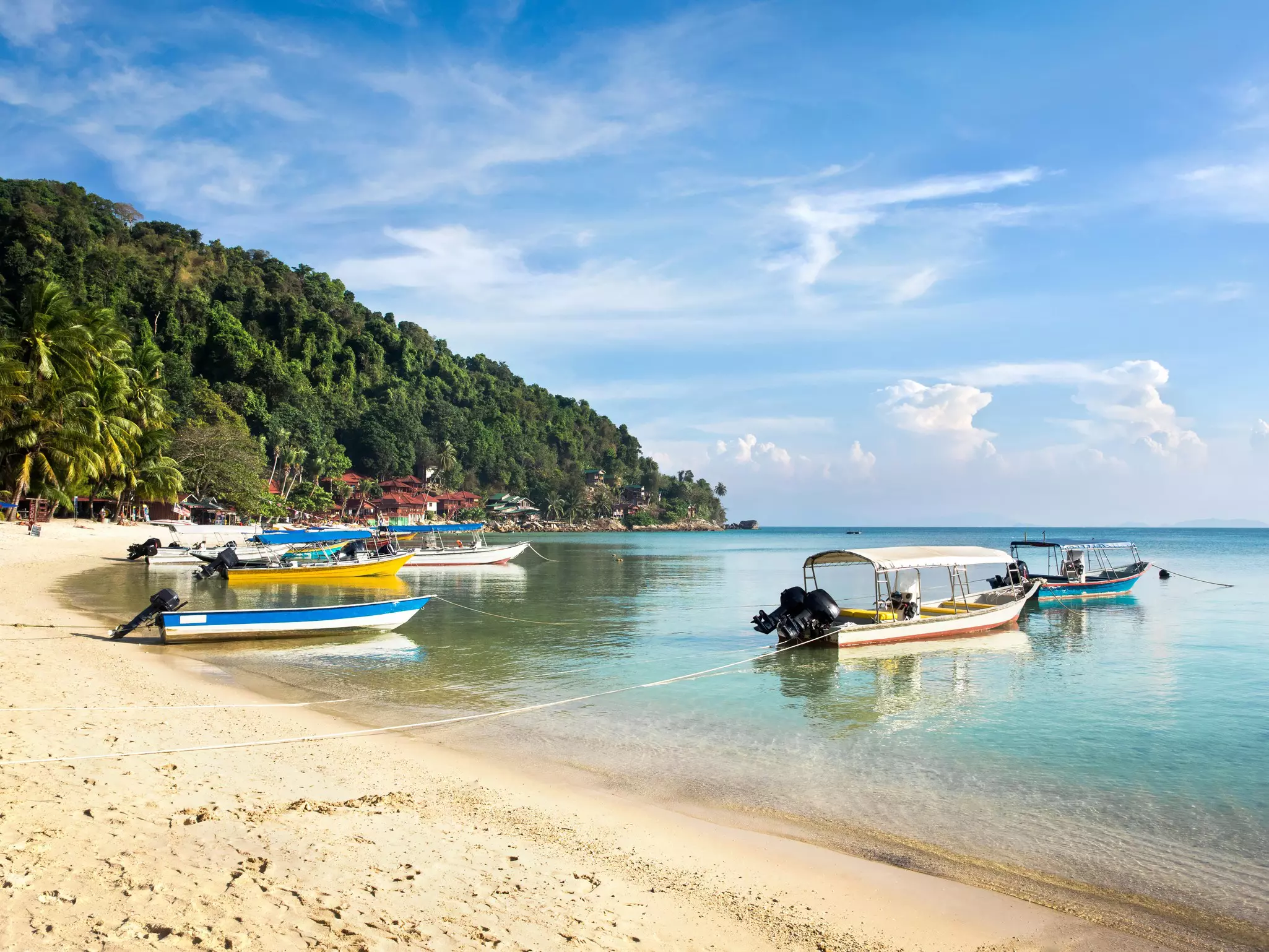
Modesty is also essential when choosing your beachwear. Bikinis and swim briefs are fine at big hotels, resorts and the tourist islands off the eastern coast, such as Pulau Perhentian and Pulau Redang. But it's best to wear one-piece bathing suits and knee-length swimming trunks on any other beach, where the locals dip fully clothed.
Mastercard and Visa are the most widely accepted credit cards. ATMs are easy to find, but thin out in the countryside, and they are often hard to find outside of Borneo's main cities. Stock up on the local currency, the Malaysian ringgit, if you are planning to go off the grid.
Lonely planet’s trusted travel insurance provider
Travel with confidence. Protect your trip and your wallet.
We don’t represent World Nomads, we receive a fee from quotes using this link. This is not a recommendation to buy travel insurance.
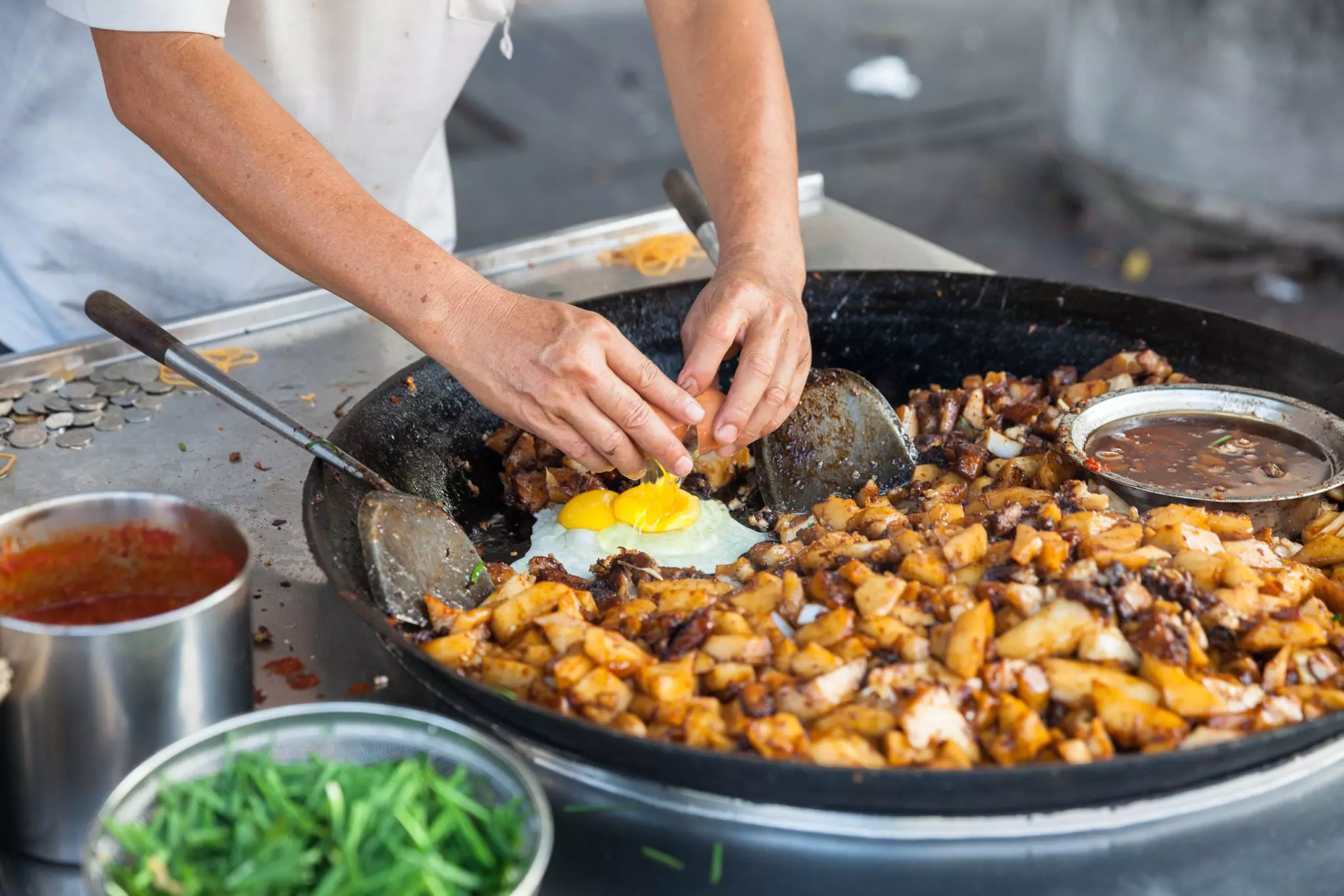
The delightfully spicy intricacy of Malaysian food – a concoction of curries, southern Chinese cuisines and pan-Indian dishes that never stops mingling – is best consumed fresh off the street, served without embellishments by an "uncle" (slang for older person) on a plastic plate.
The alternative is to sit and rub elbows with locals at a food court, often called a hawker center. These large open areas, usually covered by a rooftop, are packed with simple food stalls squeezed one against the other.
Compared to its backpacker-centric Southeast Asian neighbors Thailand, Cambodia and Vietnam, Malaysia is a more expensive party destination because of heavy taxes on alcohol, which is forbidden to Muslims. The rest of the population is free to drink but forced to pay a higher price
Alcohol is widely available in major tourist cities like Kuala Lumpur, George Town, Ipoh, Melaka and Johor Bahru, while in smaller towns, beer is most often available at Chinese-run businesses. The best antidote to steep drink and cigarette prices is a visit to the tax-free islands of Langkawi and Tioman.
Picking up some survival Bahasa Malaysia (the Malay language) is pretty straightforward – with its Roman alphabet and absence of tones, it's one of the easier Asian languages to learn. But it's fine to speak English, especially with Malaysian Chinese and Indian residents, whose native tongues are not Malay. Practically everyone can communicate in English, and most prefer to do so when talking to foreigners.
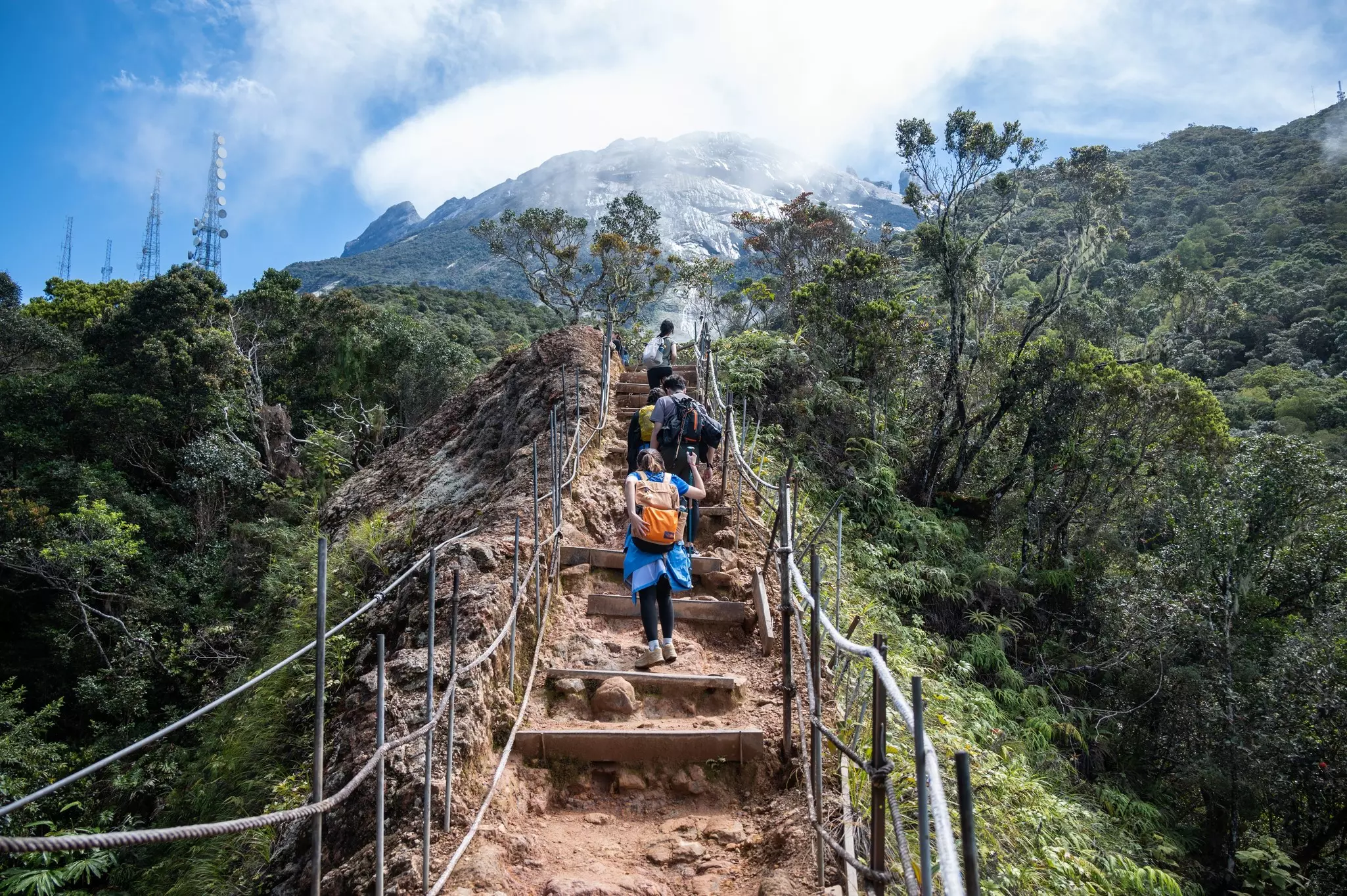
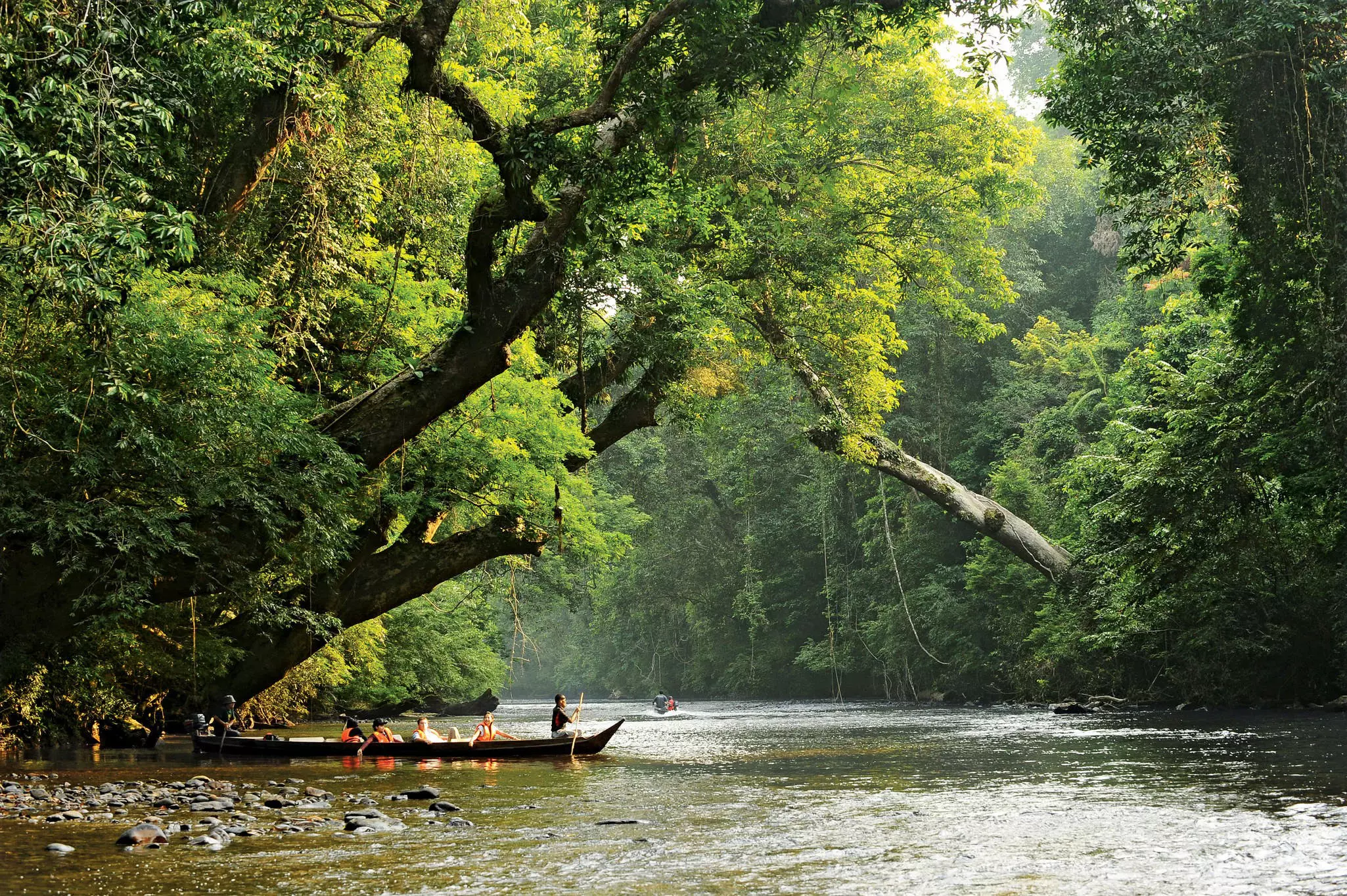
The animist beliefs that predate the arrival of Islam to the Malay Peninsula have helped foster a highly regarded supernatural world in which nature plays a crucial role. For example, it's common to ask for permission before urinating in the jungle, from which locals never bring anything back, to avoid piggybacking a curse into their own homes.
Whenever a group enters a forest, it's best to give out nicknames or not call out to each other at all – spirits are always listening. The orang bunian (invisible forest-dwelling creatures comparable to elves) can trick hikers and campers into following them deep into the jungle, never to be seen again.
When pointing at someone or something, use your thumb, not index finger, which is considered rude in Malaysia. Always keep your voice down, and raising the tone is an absolute no-no. Asking for help can sometimes be tricky, as many Malaysians take such questions as losing face or an invasion of their personal space.
When shaking hands, always remember to use your right hand. The left hand is associated with cleaning oneself after using the bathroom in Islamic cultures. The only dining etiquette that matters in Malaysia is to never use the left hand when trying to eat with your fingers like many locals do.
Kuala Lumpur’s public transport system is efficient and diverse. The LRT (Light Rail Transit), MRT (Mass Rapid Transit) and Monorail connect key areas, providing quick and affordable travel. Buses cover extensive routes, offering flexibility. Taxis and ride-sharing services, Grab being the most popular, are also readily available.
Much of your travel in Peninsular Malaysia will be via bus, which is economical and generally comfortable. Additionally, two train lines, the west-coast line and east line (jungle train), are also a good way to travel. There are no boat services connecting Peninsular Malaysia with Malaysian Borneo. Air travel will be required for certain destinations.
Because of increasing pollution of water sources and aging buildings fitted with rusting pipes, it's always best to boil tap water before drinking or to buy mineral water. Most hotels allow guests to refill their water containers. Carrying a water filtration system or purifying tablets can come in handy when striking out on multiday hikes.
Vaccines recommended before traveling to Southeast Asia include hepatitis A, hepatitus B, tetanus, diphtheria and typhoid, among others – check with your doctor well in advance of your trip. Malaria is generally not an issue in cities and most forested areas, so a prophylaxis is not strictly necessary. Dengue fever occurs sporadically in cities, but as there is no vaccine, the best strategy is to not get bitten by mosquitoes – use heavy-duty insect repellent (10–20% DEET).
Malaysia is one of Asia's top medical tourism destinations, and its private hospitals are equipped with excellent facilities. Make sure to have proper health insurance coverage or be ready to pay for the premium.
Traveling in Malaysia is generally pretty safe for all travelers, whether solo or in groups. Female travelers should pay attention when walking along the busiest streets in Kuala Lumpur and keep their bags away from the roadside; thieves on motorbikes are known to target women, and some attacks have resulted in the victim's death.
Same-sex relationships are not only taboo in Malaysia, they're banned by federal law. For the LGBTQ+ communities here, the golden rule is to avoid publicizing relationships. In fact, public displays of affection are frowned upon in Malaysia in general, no matter your sexual orientation.
Stay away from drugs in Malaysia, where possession of 200g of cannabis, 15g of morphine or heroin, or 40g of cocaine means a death sentence. Offenders are shaken down extremely hard or even jailed for carrying much less.
A single three-digit number, 999, connects to the police, fire department, ministry of health, maritime enforcement agency and civil defense force. Dial 999 112 if calling from a cell phone.
Explore related stories