Oct 5, 202610 min read
16 Festive Hotels That Go All Out for the HolidaysOct 5, 2026
7 MIN READ

Writer
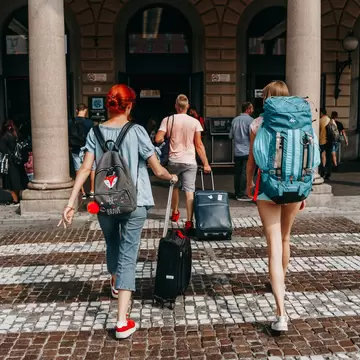
Tourists crossing the road in Italy with backpacks and suitcases. Ruslan Sekachev/Shutterstock

Writer
Highlights
Lonely Planet's editors break down predeparture prep, packing light and the essential items checklist.
Check passport expiry dates and visa conditions before every trip – rules can shift between visits.
A personal packing list keeps bags light – coordinate your colors to give you lots of choice.
Lonely Planet may earn a commission from affiliate links on our site. All recommendations and reviews reflect our own independent opinions.
Plane tickets, check. Lodging reservations, check. After your major arrangements have been made, there’s only one thing standing between you and the world: packing.
For some, planning their wardrobe and necessities and squeezing them into a single bag – or a few – is one of the more confounding parts of trip preparations. But it doesn’t have to be.
First, consider your destination and the type of traveler you are. If you are headed out for a specific occasion, like a backpacking trip or a music festival, you'll have different needs than a city break in Paris or a jaunt through Ireland, Spain or Italy.
Then pull up this checklist to tick off everything you need to consider before it is time to stow those bags away.
To explore destinations and start planning your trip, download the Lonely Planet App
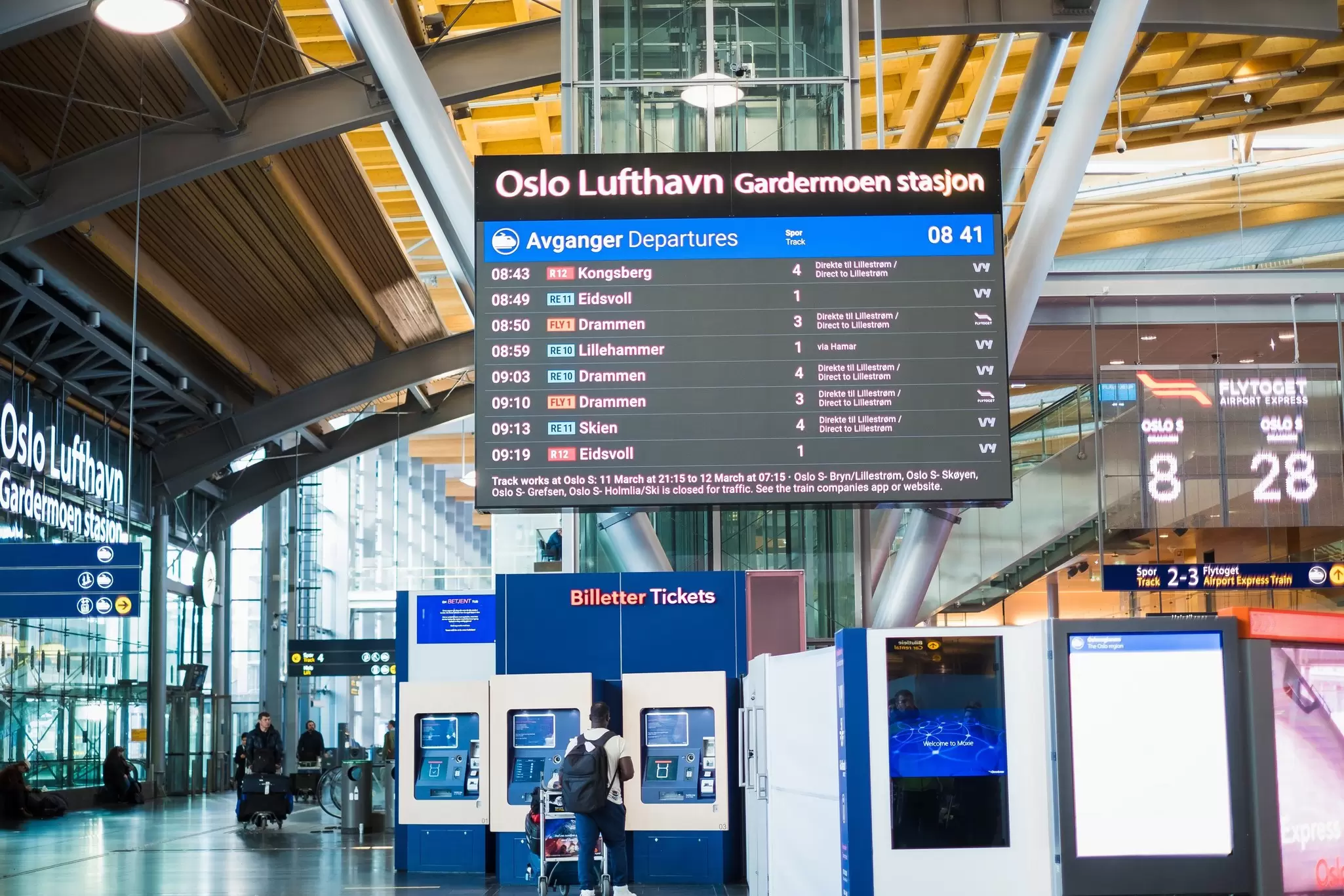
Don’t leave home without getting the essentials in check. Here are some of the things that should be on your predeparture checklist.
You probably thought of this one already, but have you checked the expiration date? Some countries require passports to be valid at least 6 months from the date of arrival. If you have to renew, make sure you leave plenty of time, especially during peak vacation periods.
Entry requirements are subject to change, so don’t assume the conditions are the same as your last trip if returning somewhere familiar. You can check if a visa is required at IATA Travel Centre. You may need to apply in advance for an ESTA to enter the USA, an ETA to enter the UK, or follow the EU's Entry/Exit System and ETIAS.
Booking in advance can often save you money – and that includes things like airport parking. Even if you do it on the morning of your trip, you may still save. While at many destinations you can rely on ATMs or card payments, there are some where it's better – and more cost-effective – to order currency in advance.
Follow the news in your destination for up-to-the-minute issues that might affect your plans. National agencies like the US Bureau of Consular Affairs, Australian Department of Foreign Affairs and Trade, and UK Foreign, Commonwealth & Development Office are the best places to start.

Lonely planet’s trusted travel insurance provider
Travel with confidence. Protect your trip and your wallet.
We don’t represent World Nomads, we receive a fee from quotes using this link. This is not a recommendation to buy travel insurance.
Travel insurance is an important part of your pretrip routine. Provisions for trip interruption, baggage delay or trip cancellation can help protect your travel investment if your trip is disrupted.
A major part of travel insurance is health insurance. Don't assume that your coverage in your home country will apply when you are traveling abroad. As for cost, expect it to increase as you approach retirement age. For the policy to be effective, every preexisting condition must be declared, otherwise your policy could be worthless and you could end up with a very large bill. Also check that any activity you’re planning on undertaking will be included in the price.
Start with a checkup by your doctor and dentist – it’s far easier to deal with potential issues before you hit the road. Try to go as far in advance as you can, in case you need to take full courses of immunizations before you travel. You can usually get necessary vaccinations at a local health clinic, though specialist travel health clinics can also be found in major cities around the world.
If you’re eligible, obtaining an International Student Identity Card or International Youth Travel Card before you go will save you money all over the place. Travelers of any age will benefit from Hostelling International membership. Older travelers qualify for discounts with some airlines and with ground transportation in many countries. Sometimes flashing an ID is enough; sometimes you need to use the local method.
Going on a longer trip? Here are our expert tips on how to pack for 2 weeks with just 1 bag
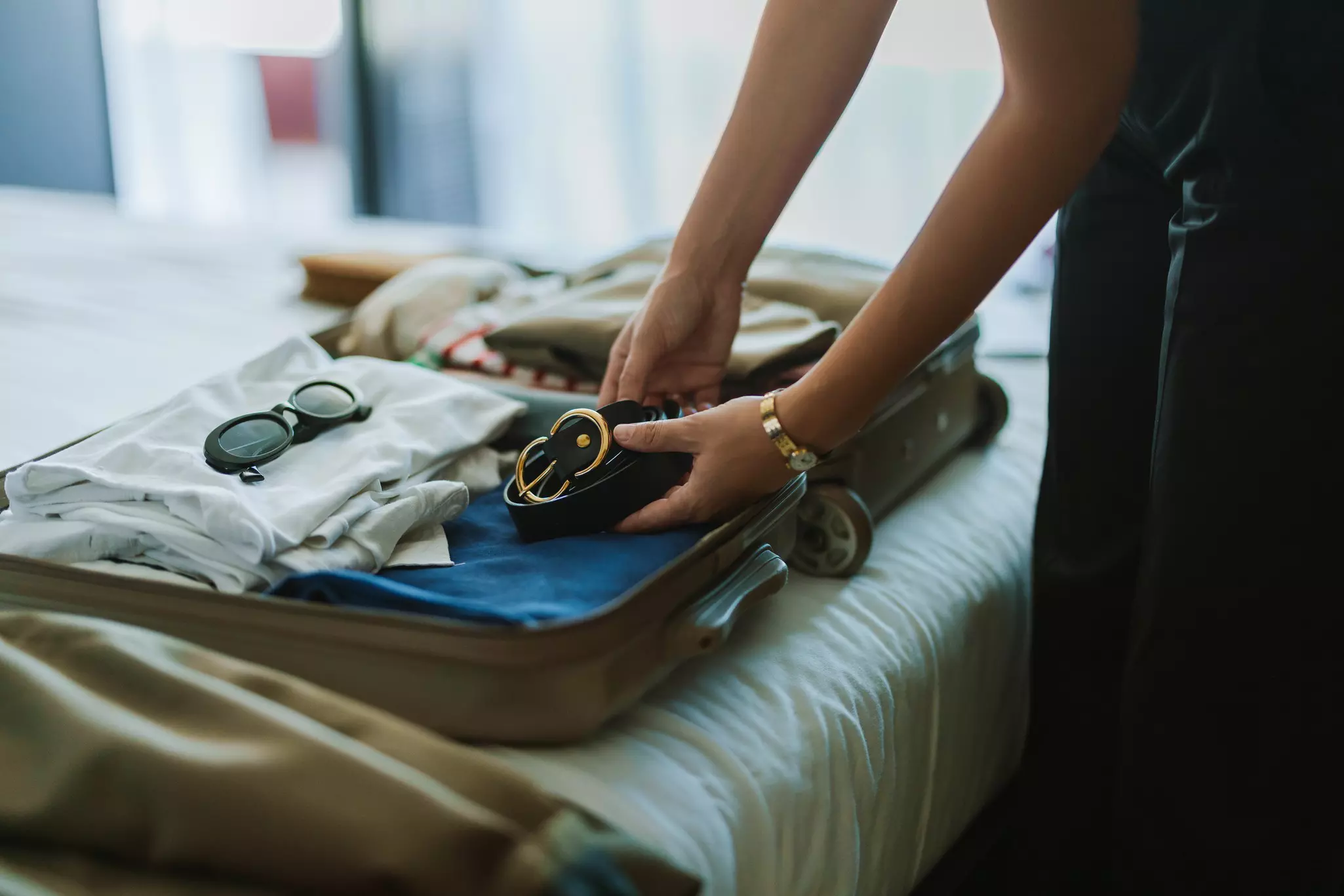
Doug Dyment, author of OneBag.com, gives his advice for reducing baggage bulge.
There’s only one real secret to traveling light: a proper personal packing list. It’s a contract you make with yourself, a pledge that you will never pack anything that isn’t on your list. For most people, such a list needn’t include more items than will fit in a single carry-on bag and accommodates multiple destinations, ranging from India to Inuvik.
Learn about luggage. Most bags on the market are designed to sell easily, rather than facilitate lightweight travel. Study up on design (shapes, configurations) and construction (fabrics, zippers). You may even discover that the primary function of a wheeled bag is to support itself, not efficiently transport your belongings.
Avoid liquids and gels; they are the bane of the light traveler. They are heavy, bulky, prone to leakage (particularly on planes) and can cause delays at security. Did I mention heavy?
Plan to do some laundry. This needn’t be onerous: done properly, and regularly, it should be more like brushing your teeth. With the right gear (travel clothesline, powder detergent, universal sink stopper), three pairs of underwear will take you anywhere.
Coordinate your colors. An excellent way to derive maximum use from a modest amount of clothing is to ensure that every item goes with every other one.
Determined to pack light? Here are more tips on how to do just that

Ensure that nothing gets left behind with our handy checklist.
Passport
Boarding passes, either printed or saved on your phone
Foreign cash and/or credit and debit cards
Maps, directions and itinerary (digital or hard copy)
Travel insurance documents (digital or hard copy)
Prescription and over-the-counter medications
Guidebook
Basic first aid items including painkillers
Cell phone
A USB-C charger with cables
An eSIM or roaming plan
Headphones (download music, podcasts, audiobooks etc in advance)
A power bank (check airline rules for carry-on)
Plug adapters (more on this below)
Item trackers such as AirTags
Other tech, such as a camera or tablet and their relevant chargers
Tailor this list to fit with the type of destination you're visiting, what you plan to do, and how long you will be away:
An outer layer – maybe a light jacket or waterproof coat
Hoodie/sweater
Casual T-shirts/shirts/tops
Comfortable pants/leggings
Shorts/skirts
Dresses
Sandals/flip-flops
Comfortable walking shoes
Socks
Underwear
Sleepwear
Sun hat or cap
Swimsuit
Sarong or shawl
A smart outfit and shoes for an event/night out
Sunscreen and after-sun lotion
Body lotion or moisturizer
Insect repellent
Deodorant
Perfume/aftershave
SPF lip balm
Razor and shaving cream
Shampoo and conditioner
Soap or body wash
Toothbrush
Toothpaste
Dental floss
Makeup and remover
Hairbrush/comb
Hair products
Disposable wipes
Sanitary products
Nail file and clippers
Tweezers
Hand sanitizer
Tissues
Sunglasses
Glasses and/or contact lenses and solution
Books or e-reader
Earplugs
Beach towel or quick-dry towel
Travel neck pillow
Depending on the type of trip you're on, you may need some additional equipment:
Laundry kit: travel detergent, braided clothesline, sink stopper
Money belt
Flashlight and batteries
Small combination lock
Playing cards
Pocket sewing kit
Sleeping bag
Portable stove
Cutlery
Bowl and cup
Travel journal and pen
Waterproof bag
Water-purifying bottle
Sleep sack
Here's a rundown of some of the world's plug sockets and fittings. Along with a converter, you can also get individual plugs. For instance, instead of using a converter to charge your iPhone, buy the country-specific plug. These are available through online retailers or in a store at your destination. You might also check with your device manufacturer.
Here's a breakdown of countries and plug types.
Australia: I
Brazil: M
Canada: A, B
China: I
Europe: C, E, F (except Switzerland and Liechtenstein, type J, which is compatible with C; Denmark, type K, which is compatible with C; Italy, type L, which is compatible with C if the socket is 10A)
Ireland: G
India: D
Japan: A, B
Malaysia: G
New Zealand: I
Singapore: G
South Africa: M
Thailand: O
UK: G
United States: A, B
This information is repurposed from Lonely Planet’s Best Ever Travel Tips, and was last reviewed in September 2026.
Explore related stories