May 22, 20265 min read
When Should You Visit Anchorage?May 22, 2026
5 MIN READ

Writer
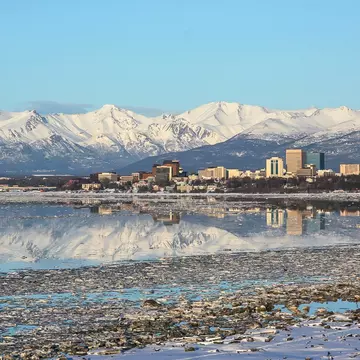
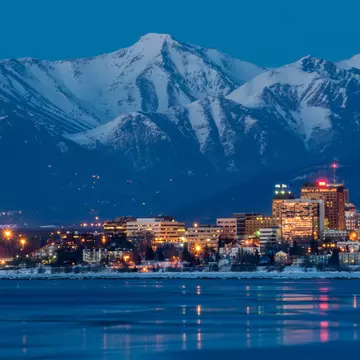
A winter evening in Anchorage, Alaska. Jeff Ehlers/500px

Writer
Lonely Planet may earn a commission from affiliate links on our site. All recommendations and reviews reflect our own independent opinions.
Alaska’s largest city, Anchorage comes alive in summer, when an annual influx of visitors enjoy long days primed for hiking, wildlife watching and festival fun. In winter, locals embrace the snow and ice by making the most of short days with skiing, snowshoeing, mushing and even snow sculpture.
When should you visit Anchorage? The question really comes down to how many layers you’re willing to wear, how much you want to pay for a hotel room, and whether you’re hoping to catch a glimpse of spawning salmon or the aurora borealis. Ultimately, despite the higher costs and peak crowds, we think the peak summer season is the best time to visit Anchorage.
But summer isn’t the only time you can explore all the city has to offer. Here’s our season-by-season guide on when to visit Anchorage, Alaska.
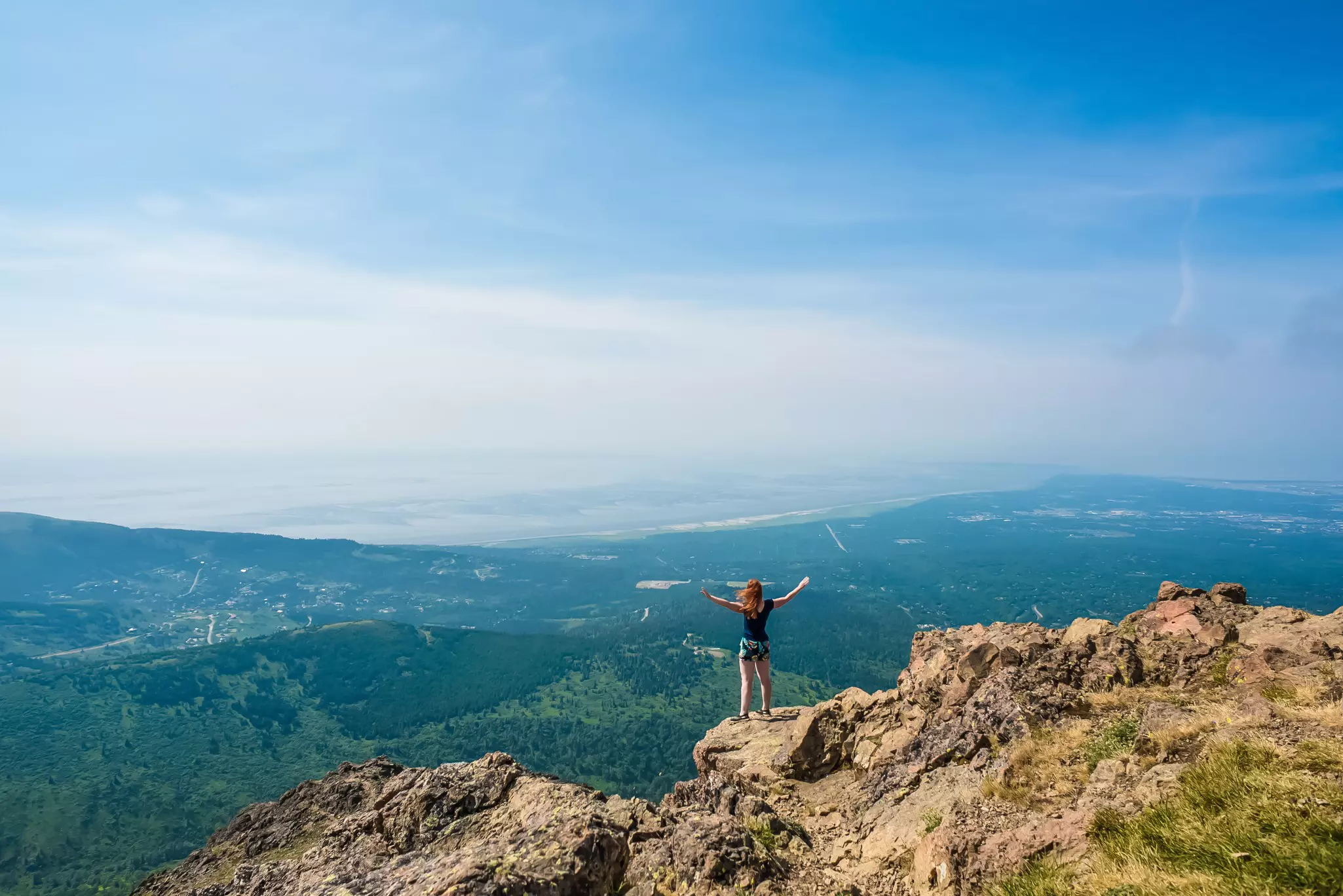
Weather in Anchorage in summer: Summer is a delightful time of year in Anchorage. Temperatures are surprisingly gentle, with highs reaching the mid-70s°F (23°C), and evening lows around 50°F (10°C). What’s more, you can enjoy twilight all night long it never gets truly dark this far north. Cloudy or rainy days aren’t uncommon.
There’s good news and bad news about visiting Anchorage in peak season. The good: long summer days mean you have plenty of daylight for exploring Alaska’s bountiful natural wonders. The bad: high season in Anchorage is synonymous with cruise lines disgorging thousands of passengers, spiking hotel occupancy and rates.
The summer season kicks off in early June with the Spenard Jazz Fest, 3 days of jazz concerts and workshops all over the city. (One event includes a hike up to the top of Flattop, where a live band plays on the summit.) Anchorage’s weeklong Pridefest in mid-June includes Drag Bingo, a parade through downtown and a party at Delaney Park. The festivities spill over to local such LGBTQ hot spots as Mad Myrna’s, Bernie’s Bungalow Lounge and the Raven.
July is the best month to see or catch salmon in the area. From mid-to late summer, king, coho and pink salmon spawn up Ship Creek, the historical site of Indigenous Tanaina fish camps. Concluding the summer season is the Alaska State Fair, a rollicking 12-day event that ends on Labor Day. Expect live music, displays of prized local livestock, horse shows, a rodeo, a carnival and the famous giant cabbage weigh-off (in 2012 a world record was set: 138lb).
Weather in Anchorage in spring and autumn: Spring sets in fast in Anchorage – with long, freezing nights in March giving way to long days of bright sunshine by May, and daily highs in the low 60s°F (17°C). While little precipitation falls in April, you should expect plenty of mud and slush as the snow melts. The reverse happens in fall, with mild September conditions quickly giving way to harsh winter weather. In October, the average daily high only reaches 42°F (5.5°C) – and by November, the temperature doesn’t inch above freezing. September tends to be Anchorage’s wettest month.
Spring and fall feel almost balmy to Alaskans – but the temperatures are in the range considered wintry in the Lower 48. That said, you can certainly still get outside, without the heavy crowds present during the summer months. Fall is rainier than spring, but the latter still comes with ample, wet mud from the annual “breakup” of snow and ice.
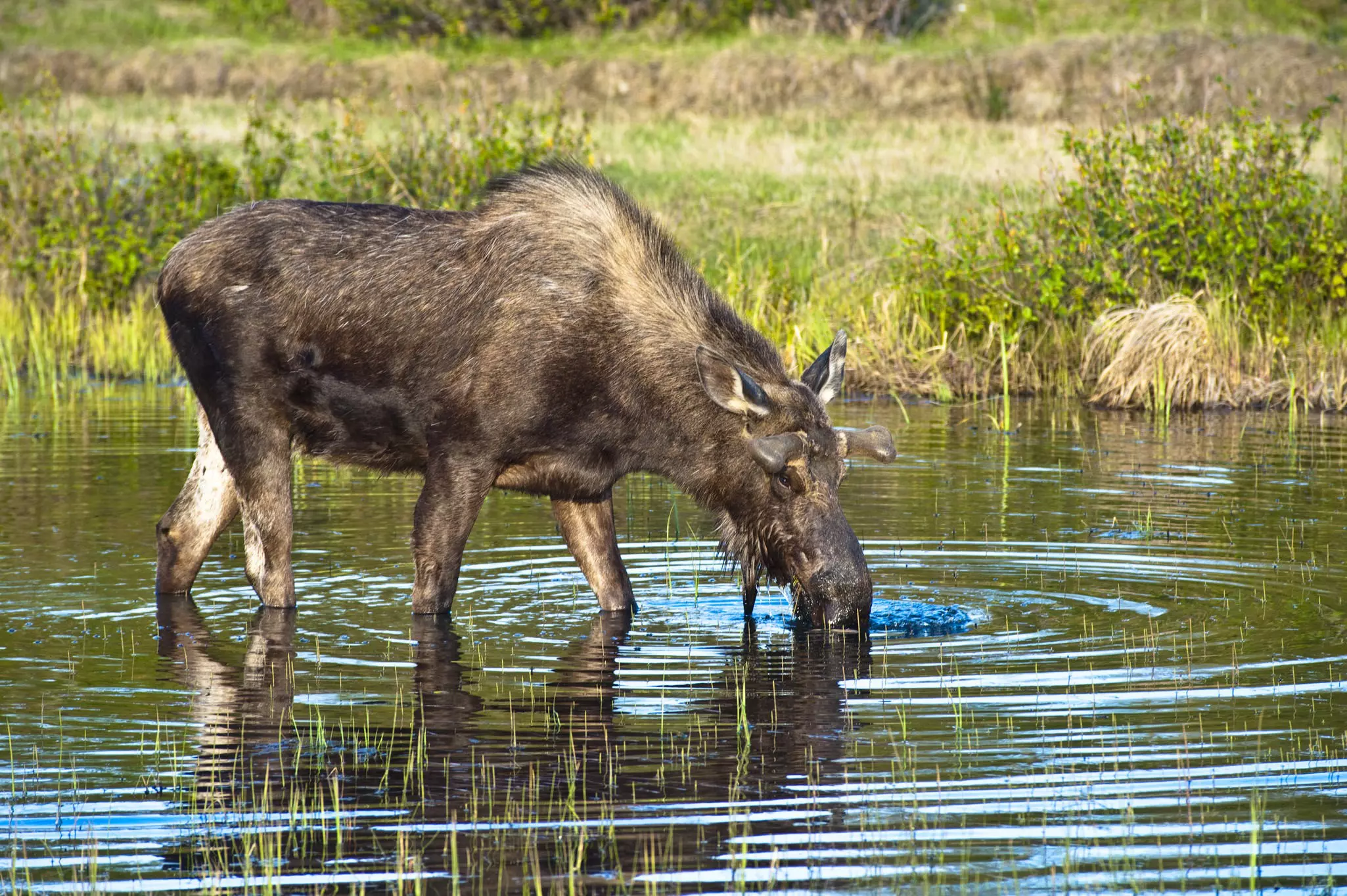
On nice days, consider an outdoors experience within the city limits (which, admittedly, are as big as the entire state of Delaware). Far North Bicentennial Park is composed of 4000 acres of forest and muskeg with 20 miles of trails – not to mention a 700-acre wildlife preserve where it’s possible to see moose and bears in the spring. Since there’s an active grizzly population here, it’s wise to steer clear of salmon streams during the twilight hours.
Weather in Anchorage in winter: While coastal Anchorage has milder winters than the rest of Alaska, that is...relative. Expect extreme cold – temperatures almost never crack 30°F (-1°C), and fall to around 5°F (-15°C) at night – and darkness, since the sun only stays out for 5 hours or so. With 75in of annual snowfall, winter sports enthusiasts will be in heaven.
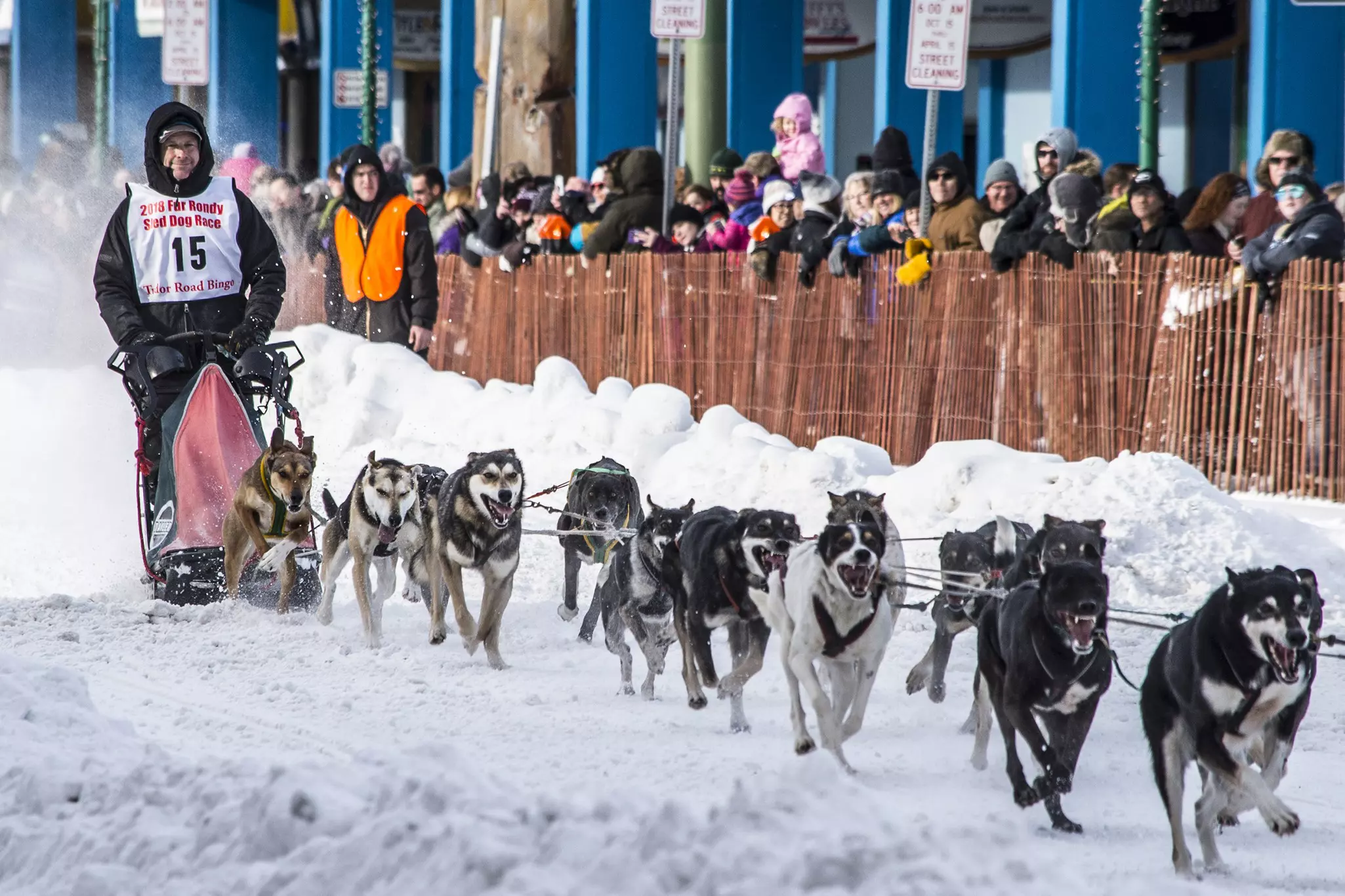
Those who brave winter in Anchorage will be rewarded with some of the most magical experiences you can find in the north: dog-sled races, snowmobiling, ice carving, skiing and the northern lights. Occupancy rates are low, with late fall and early winter usually the cheapest times to visit Anchorage – leaving a little extra in your pocket for a parka or lift tickets.
In February, the world-famous Fur Rendezvous (known by locals as the Fur Rondy) takes over the city, with everything from parades (including the “running of the reindeer”), snow carving, dog-sled competitions and outhouse races. Think of it as Alaska’s version of Mardi Gras. The first Saturday in March brings the Iditarod Sled Dog Race, whose 1100-mile course through the Alaskan wilderness to Nome begins in the city. Waving the mushers and their huskies off from the ceremonial starting line is an only-in-Alaska experience not to be missed. Also falling in late February and early March, the Alaska State Snow Sculpture Championship, when artists treat 8ft x 8ft x 8ft blocks of compressed snow as Michelangelo treated hunks of marble.
Explore related stories