Oct 24, 20268 min read
Everything You Need to Know About Visiting an Onsen in JapanSep 14, 2026
20 MIN READ
Contributors
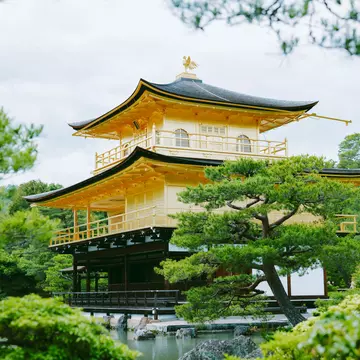
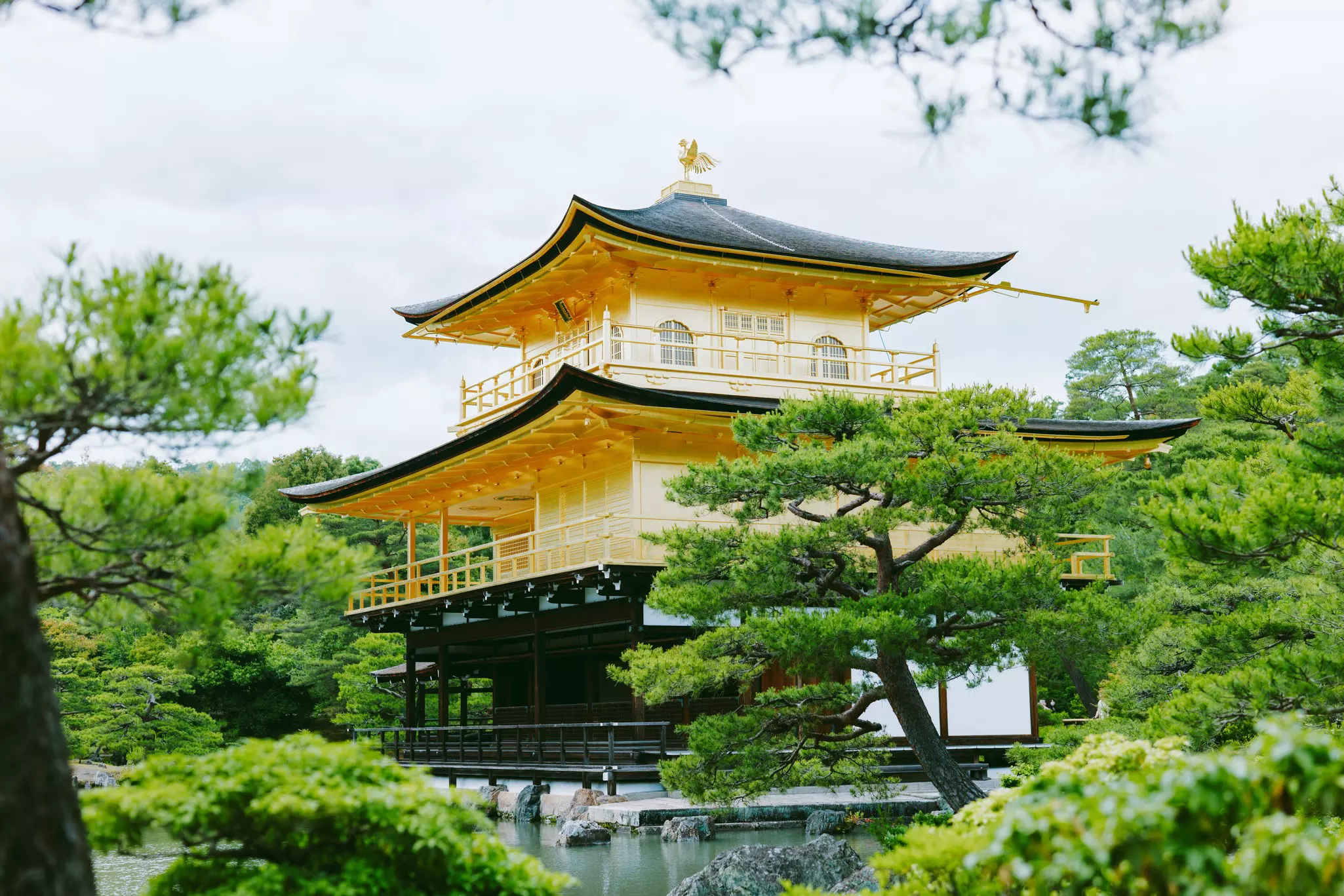
The Kinkaku-ji temple in Kyoto, Japan. Rintaro Kanemoto for Lonely Planet
Contributors


Rebecca Milner, Lonely Planet Editors
Highlights
Tokyo-based writer Rebecca Milner shares 30 tips for Japan on planning, etiquette, transportation, health and safety and food culture.
Check if you can travel visa-free and register to use Japan's online immigration portal.
Pack the right clothes for the season you are visiting in, and be alert for typhoons in late summer and fall.
Carry cash, and grab a local SIM or eSIM to use navigation apps and pay by phone.
Pay for transportation using IC cards, avoid bulky luggage and check timings for the last trains.
Book accommodation well ahead – rooms fill up fast during "Golden Week" and the cherry blossom season.
Take your trash with you, wash before entering onsen bathhouses, and greet people respectfully.
Know the safety protocols for earthquakes and note the local emergency phone numbers.
Tipping at restaurants isn't expected; avoid eating while walking, but munching bentō on the shinkansen is fine.
Lonely Planet may earn a commission from affiliate links on our site. All recommendations and reviews reflect our own independent opinions.
From temple trips to onsen bathing, Japan offers epic experiences by the bucket-load, but there can be a lot to take in if you are unfamiliar with the Japanese way of doing things. First-time visitors often worry about inadvertently causing offense, or the logistics of travel in a country where English is not that widely spoken.
But you can breathe easy – any regular visitor will tell you that the traditions in Japan are no more formal or constricting than in many other destinations around the world, and using technology can break down many of the language barriers. Moreover, locals are happy to help out, and often willing to give foreign travelers a pass for any perceived social blunders.
That said, there are definitely some things to know before visiting Japan that will make your trip easier. Get a head start on the learning curve with these top tips for travel planning, transportation, etiquette, culture, dining and safety.
A bit of forward planning can help ensure your trip to Japan goes without any hiccups. From choosing the right time for your trip to booking accommodation ahead, here are some key travel planning tips.
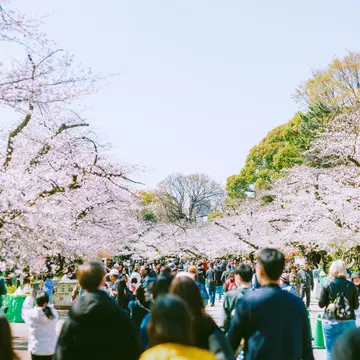
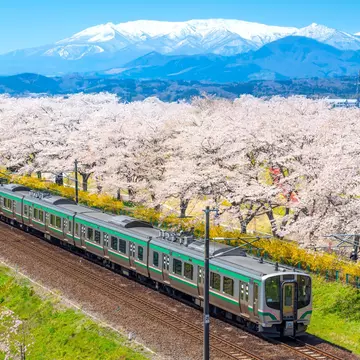
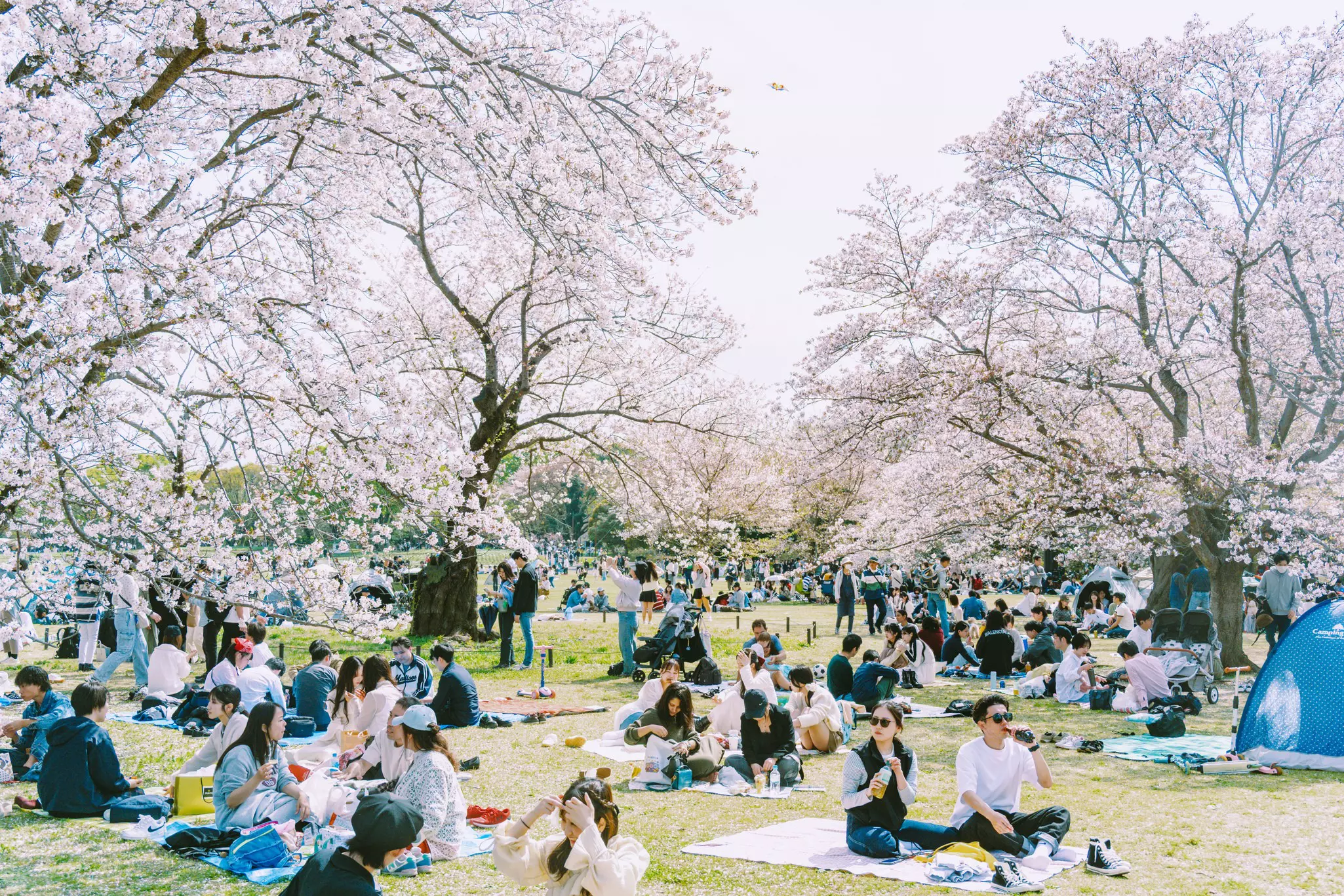
You can have the trip of a lifetime in Japan at any time of year, but certain seasons bring extra magic. Cherry blossoms bring travelers from across the globe in spring – typically in late March or early April – while hikers hit the trails of Mt Fuji in summer. Then there's beautiful golden foliage and the harvest moon in fall, and world-class skiing in the mountains in winter.
But keep in mind that prices shoot up in this already expensive destination at peak times such as during the sakura (cherry blossom) season. The least expensive time to visit Japan is after the winter peak, from mid-January to February, and during the hot, humid summer from June to July.
Traveling to Japan for a week will allow you to see the highlights of big cities such as Tokyo, Kyoto and Osaka. Stay at least 10 days to also see Himeji-jō, one of Japan's most magnificent castles, and detour to Kōbe and Hiroshima. Allow much longer if you plan to visit Japan’s northernmost island, Hokkaidō, explore the Seto Inland Sea or go south to Okinawa and the Southwest Islands.
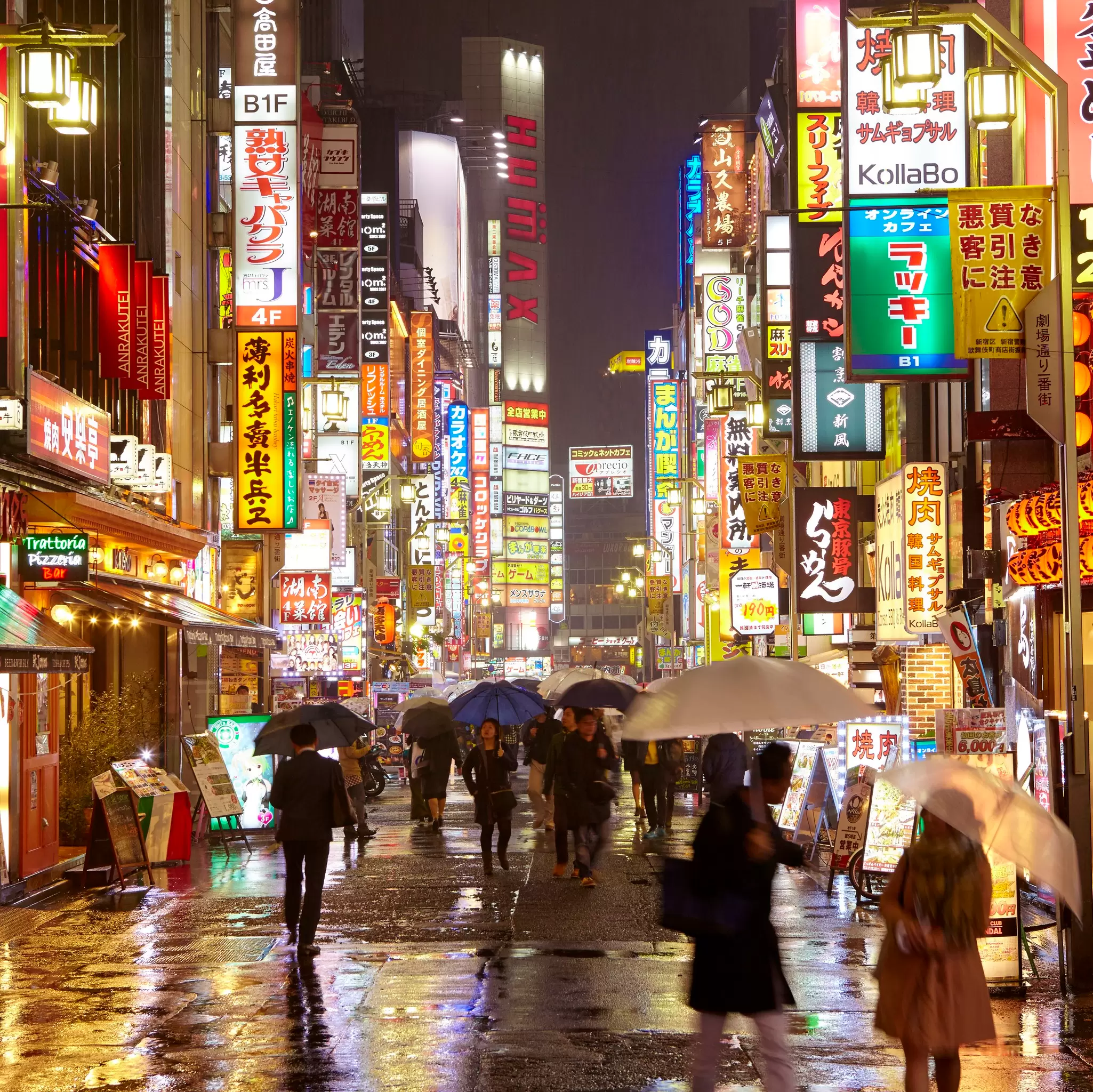
With Japan's excellent rail network, the chances are you'll be on the move and exploring places across the nation. But some places should appear on every travel list. Stay in Tokyo for contemporary culture, arts and entertainment, Kyoto for traditional Japanese experiences, Okinawa for the best beaches and Osaka for street food and nightlife.
The visa requirements for Japan vary depending on your nationality, but citizens of more than 70 countries can enter Japan visa-free. You'll need a blank page in your passport for a stamp when you arrive – tourists are typically granted a stay of up to 90 days. If your home country is not on the list for visa-free travel, check the website of Japan's Ministry of Foreign Affairs for the latest information on applying for a visa in advance.
Save yourself time on arrival by registering to use the Japan Web portal. You can pre-register your passport, flight number and customs details to generate a QR code that you can show on arrival to speed up the process of entering Japan once your flight lands.

In theory, you could probably still get a room at a basic business hotel in Japan if you turn up without a reservation, but why risk it? Popular accommodations – including budget options such as Japan's famous capsule hotels – can be booked out weeks or even months in advance, so it’s best to plan (and book) well ahead.
Particularly busy travel periods include the first week of January, the spring cherry blossom season (late March through April, depending on where you are in the country), the “Golden Week” holidays (April 29 to May 5) and the month of August, during the O-Bon (Festival of the Dead) celebrations.
Hotel rooms in Japan tend to be small, especially in the big cities, so there isn't much room for large suitcases. These can also be a pain to carry on public transport; trains and buses have limited baggage space and some shinkansen (high-speed trains) even require you to reserve space for oversized luggage. This is free to do in advance, but you’ll have to pay a penalty aboard the train if you don’t.
Packing light is always a good idea, but it's especially advisable for Japan. The good news is that you don't need to bring outfits for every occasion. Religious sites such as Buddhist temples and Shintō shrines don't have dress codes, and while some high-end restaurants, bars and clubs do, that usually just means no sleeveless shirts or sandals for men.
Keep in mind that you might find yourself sitting on the floor when dining out, which can be uncomfortable in short (or tight) clothing. Loose-fitting, comfortable clothing that covers the upper arms and legs will suffice for most situations.
And remember – while it won't always be cheap, everything you need can easily be purchased on arrival in Japan. Give yourself a head start by bringing a power socket adaptor so you can charge your tech as soon as you arrive.

Comfortable walking shoes are a must for any visit to Japan. Since you’ll also likely have to take your shoes off frequently when entering religious sites, ryokan (traditional inns), tatami rooms (lined with grass mats), and some restaurants, you’ll thank yourself later if you pack shoes that are easy to slip on and off. Removing your shoes is the norm when entering Japanese homes and many guesthouses and ryokan.
When you take your own shoes off, you’ll often switch to a pair of shared slippers, so many visitors prefer to wear socks when they travel. Note that these slippers can be a bit small for people with larger feet – if you wear a larger size back home, consider bringing some lightweight slippers from home.
The street-address system in Japan is notoriously complicated, and it can be difficult to navigate even for locals, so smartphones with navigation apps have been a real boon for travelers. These apps tend to use a lot of data, so make sure your phone has plenty of data to play with when you arrive. You'll also be able to pay by phone at many convenience stores and department stores and on public transportation using apps such as PayPay, or by making digital payments using an IC card.
Fortunately, you don't have to rely on expensive roaming packages – getting connected to a local network in Japan is easy. You can buy a data-loaded SIM card at most major airports and at many shops in cities and towns. Alternatively, if your phone allows it, arrange an eSIM so you can find your way around and communicate from the moment you land.

Summers in Japan tend to be hot and humid, which can be tiring and can bring a risk of heatstroke; always carry water with you during the warmest months. A folding umbrella with UV blocking is also useful – and does double duty in case of a sudden shower. Late June is the start of the annual rainy season, when it can rain without end for days; this can last a few weeks or through most of July, so expect rain if you visit in summer.
Winters can get chilly, and Tōhoku and Hokkaidō up north can get huge dumps of snow, so pack proper cold-weather gear for a winter trip. Conversely, you'll want lightweight, breathable clothes and a raincoat or umbrella if you visit Yakushima, Okinawa and other islands in the southwest during the rainy season, when temperatures can reach 30ºC (86ºF) while the humidity soars to 80%.
Japan’s ubiquitous convenience stores are handy for weather-related necessities such as umbrellas, hats, disposable ponchos, cooling wipes and pocket warmers.
Heavy rain, as well as punishing winds, can also be a problem during the typhoon season, which runs from September through October (or earlier in Okinawa and the southwest). While most places in Japan are well prepared for storms, flooding can be unpredictable, and it sometimes causes serious travel disruption, so monitor any emerging storms via the weather warnings issued by the Japan Meteorological Agency, which are available in English as well as Japanese.
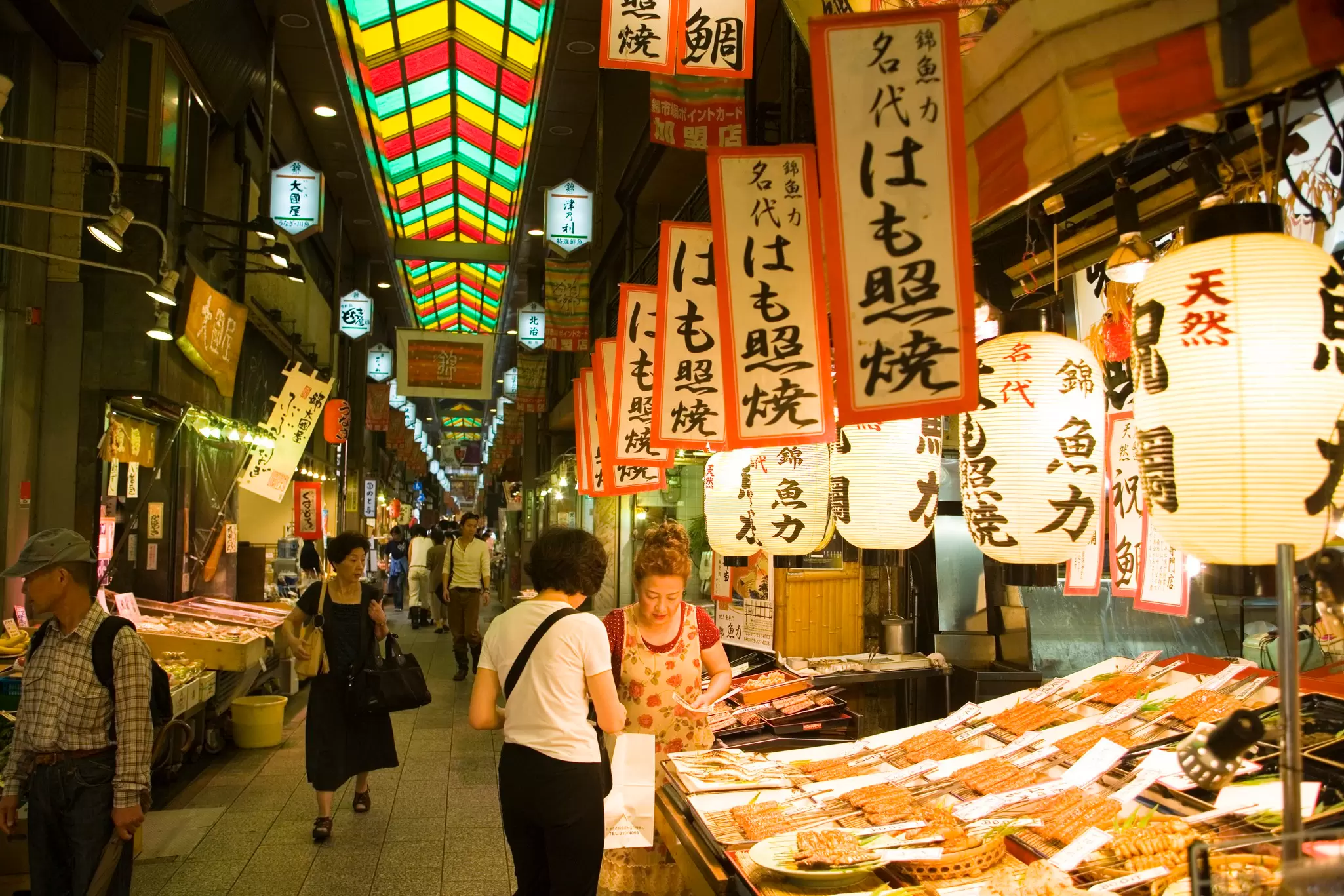
This is what many first-time visitors to Japan worry about, but a little knowledge of Japanese culture can help you avoid making too many faux pas.
English is spoken quite widely in larger cities and around major tourist attractions in Japan, but in rural areas, it can be hit or miss. It’s never a bad idea to learn a few Japanese words and phrases that will come in handy, particularly relating to dining out (proprietors of hotels and inns are more likely to speak some English).
When dining out, follow up any orders or meal requests by saying onegai shimasu (please). For example, if you want tea, say, “O-cha onegai shimasu." When you receive your order, say arigatō gozaimasu (thank you). It’s tempting to shorten this to simply arigatō, but think of the difference between “thank you” and “thanks,” and opt for the more polite arigatō gozaimasu.
Here are some other useful phrases.
sumimasen (excuse me)
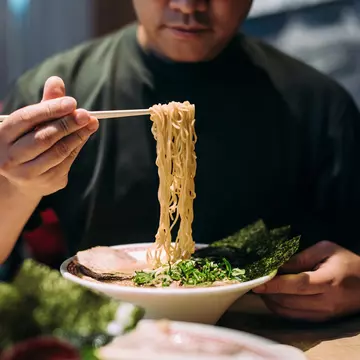
ōmori (large portion, often available as a free upgrade at ramen stalls)
okawari (refill)
mochikaeri (takeaway)
tennai de (eat-in)
toire (toilet; pronounced “to-ee-rey”)
Any visitor to Japan from Europe or North America will quickly notice how few public garbage cans are present on the streets in Japan. This reflects a culture of respect for others and public spaces: people generally refrain from littering and tend to take their garbage back to their home or workplace. On any trip to Japan, expect to carry any on-the-go trash (such as wrappers and empty bottles) with you until you return to your accommodation, or to dispose of it at the point of purchase.

In rural Japan and at some family-run businesses even in the cities, credit cards may not be accepted – or vendors may only accept Japanese cards such as JCB, alongside prepaid IC cards. It’s wise to assume you’ll need to pay cash at country ryokan (traditional inns) and locals-oriented restaurants and neighborhood shops.
These days, branches of the big convenience-store chains such as 7-Eleven have ATMs that accept international cards, as do many post offices, but ATMs at banks may not accept foreign cards. To pay as the Japanese do, place your cash or card in the small tray at the register rather than handing either to the cashier.
You may quickly notice that the Japanese are less inclined to make physical contact with others than people from Europe or the Americas. Couples holding hands in public is common, but more effusive displays of physical affection are frowned upon. When greeting people in Japan, the normal etiquette is to bow slightly, rather than offering a hug or handshake (which tends to be reserved for business settings). The word konnichiwa is the most common way to say hello or good afternoon.

The Japanese are big on queuing, forming neat lines everywhere from store checkout counters to train platforms. However, once the train doors open, it’s everyone for themselves when it comes to securing a seat. It's a good policy to do as locals do and politely take your turn to be served, without cutting in on people who are already waiting.
Many of Japan's sometimes complicated social rules are founded on the concept of omoiyari (consideration for others). You'll rarely encounter people playing loud music in public, or eating on public transportation or while walking in the street, so follow their example.
Age and status are also important factors in social interactions. The elderly are granted special respect and courtesy – for example, older people tend to be served first when dining and are referred to with special honorific suffixes in conversation. Giving up your seat for older people on public transportation is the normal etiquette.
Similar rules apply around social status, but as a visitor to Japan, it is unlikely that you will be expected to know the ins and outs of these traditions. Treat everyone politely and with respect and you'll get along just fine.

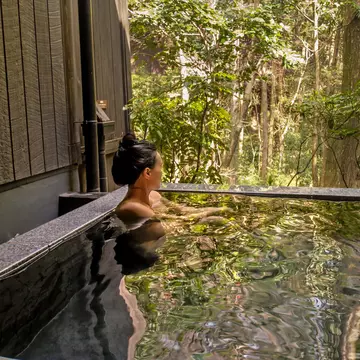
Visiting an onsen (public bathhouse) is an essential Japanese experience, but there are a few rules to be aware of. Firstly, it's mandatory to wash thoroughly using soap and the water bucket and ladle provided before you enter the communal pools. Pools are frequently single-sex, and entering the water completely naked is the norm.
Also note that many onsen do not allow entry to visitors with tattoos due to historical associations with organized crime. If you have any body art, seek out onsen that allow tattooed bathers, or will let you cover up your tats with skin-colored tape.
Smaller hotels and ryokan often have fixed check-in times. Outside of these times, staff won’t be present to let you into your room, and rooms likely won’t be made up. Always contact staff ahead of your arrival to let them know what time you will be arriving, so you don't find a closed door when you arrive.
Known locally as “washlets,” Japan’s high-tech, electronic bidet-style toilets will wash and dry your delicate parts with the touch of a button. Don’t worry about any language barrier; the pictograms on the buttons are easy to understand – just familiarize yourself with which button does what before you relieve yourself!
Other toilet customs in Japan might catch you by surprise. Motion-sensor-activated sound machines are intended to conceal, um, sensitive noises. Also expect dedicated toilet slippers in shoes-off establishments. Note that since towels and hand dryers are often not provided, follow local protocol and carry a small cloth with you when on the go.

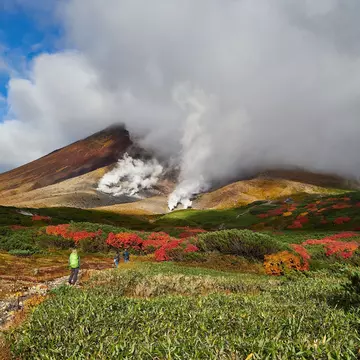
Japan sits in a seismically active part of the Pacific Ring of Fire, and earthquakes and volcanic eruptions are something locals have had to learn to live alongside, but there's no need to be overly anxious. Knowing the normal safety protocols can help put your mind at ease.
While strong earthquakes are rare, minor tremors happen all the time, and buildings in Japan are constructed to be able to withstand the movement associated with smaller earthquakes. A second challenge comes from earthquakes at sea, which can trigger deadly tsunamis, such as the one that hit Tōhoku in 2011. However, Japan has a well-organized system of public alerts to warn people when there is a danger.
If an earthquake strikes during your time in Japan, stay calm and take your cue from those around you. If you are indoors, duck down and cover your head, ideally taking shelter under a table, in a doorway, or under something that can protect you from falling objects (such as your backpack). If you are outdoors, duck down in the open, away from trees and buildings; if you are driving, pull over away from structures that could collapse onto you.
If you are by the coast, don't wait for a tsunami warning – move to higher ground as soon as you can. For peace of mind, you might want to download the Japan National Tourism Organization's Safety Tips app, which provides advice and real-time alerts.
Forget what you might have seen in Japanese yakuza (gangster) movies – Japan is a very law-abiding society and crimes affecting tourists are rare, though petty theft is a minor risk. Keep an eye on your valuables in crowded tourist areas and on public transport. Don't get involved with drugs in Japan - the penalties can be severe.
If you get into trouble in Japan, it pays to know the emergency numbers to call. In the event of crime or a motor accident, call the police on 110; for fire or to request an ambulance, dial 119. For the coastguard, it's 118. The Japan National Tourism Organization runs a special information and assistance line for tourists on 050-3816-2787, staffed 24-hours per day.

Signage is increasingly in both Japanese and English, but public transportation in Japan can still throw up some challenges for new arrivals. Here are some tips to make things easier when using buses, trains and metro lines.
Passengers always stand to one side on escalators – though which side depends on just where you are in Japan. In Kanto and points eastward, it’s to the left; in Kansai and points westward, it’s to the right. The dividing line between the two falls somewhere just west of Nagoya. Incidentally, train operators have stated that they prefer passengers to stand on both sides of escalators and to refrain from walking up altogether – even if commuters have so far shrugged at these guidelines.
Getting around on public transportation in Japan is much simpler if you have an IC card – the umbrella term for the rechargeable cards used to pay for rides on trains and buses (and sometimes for making payments in shops). The cards produced by Suica, Pasmo and Icoca can be used nationwide to pay for transport – just tap on the card readers when you board buses, and when you enter and leave train stations. You can buy IC cards at airports or train stations, or download digital versions for your smartphone.
While it isn't quite the fantastic deal it once was, the Japan Rail Pass is well worth investing in if you plan to make lots of journeys by rail. We have an entire article on getting the best from the Japan Rail Pass, but as a quick summary, the pass allows unlimited train rides during the period of validity, offering significant savings compared to buying tickets for individual journeys.
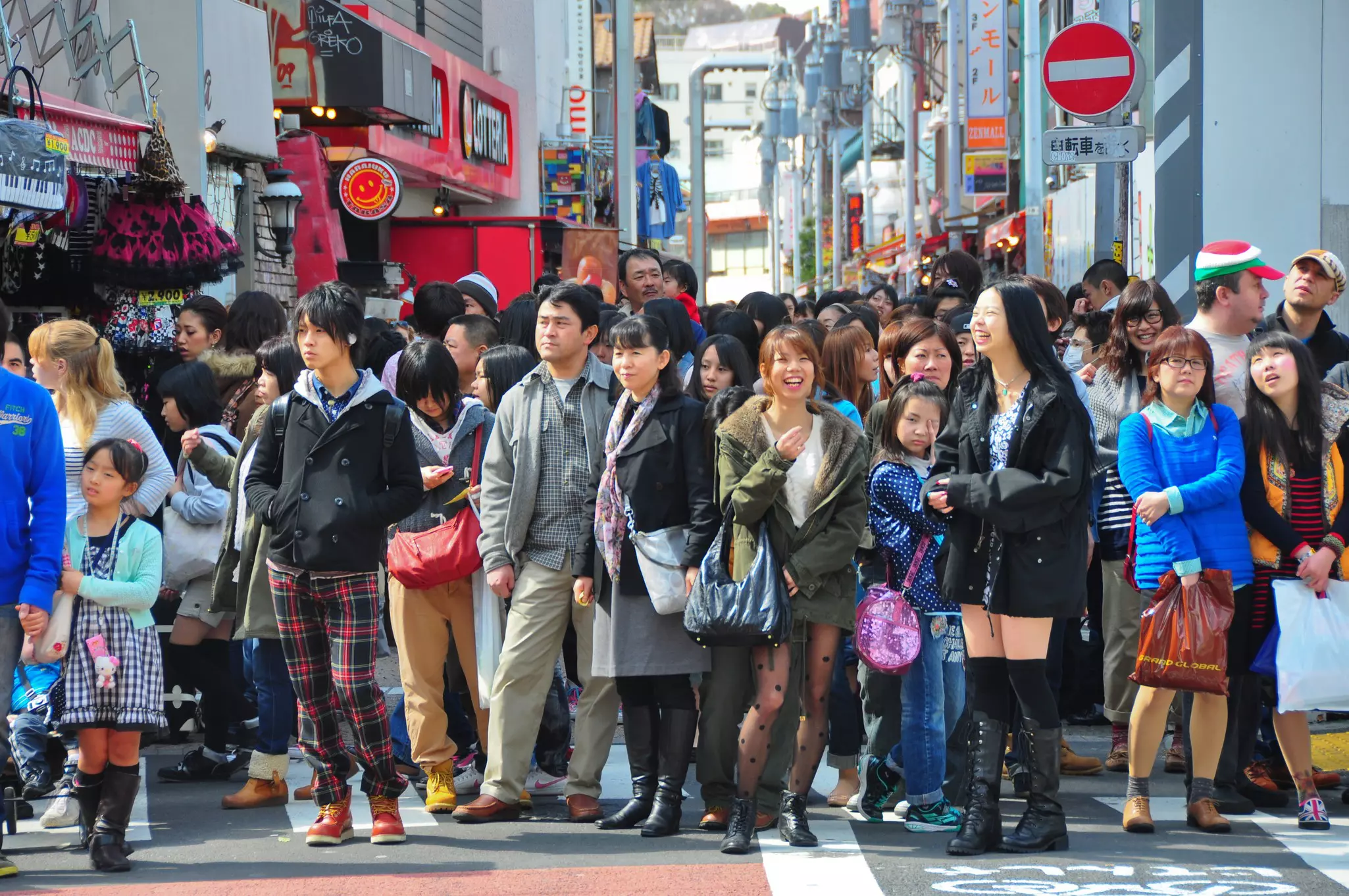
For Tokyo residents, the morning commute is a contact sport. On weekdays from 7:30am to 9am, millions of people squeeze into trains across the city, sometimes helped along by station staff who make sure everyone’s packed in. Shinjuku Station, the busiest in the world, sees an average of more than 3.5 million commuters daily, and there are more than 200 entrances and exits to the complex.
If you can avoid it, don't travel during the morning rush hour. You'll have a much more enjoyable time sightseeing if you don't have to squeeze in like a sardine in a busy train carriage. The evening rush hour, from 5pm to 7:30pm, isn't quite so hectic, but major stations still get busy. If you'd rather have a quieter ride, find a nearby izakaya (pub-eatery) to pass the time in until the crowds thin out.
Japan's cities may be impressively high tech, but don't expect everything to be open all hours. Many businesses that used to open 24-hours before the pandemic now keep shorter hours, and city subways run until 1am at the very latest. If you miss the last train for the night, the alternative is to catch a taxi, which can be expensive, so plan your nights out carefully.
The same goes for getting to or from the airport if you have an early morning flight. Unless you are happy to pay for a pricey taxi, you may need to travel to the airport early, or wait until the morning trains start running to get into town.
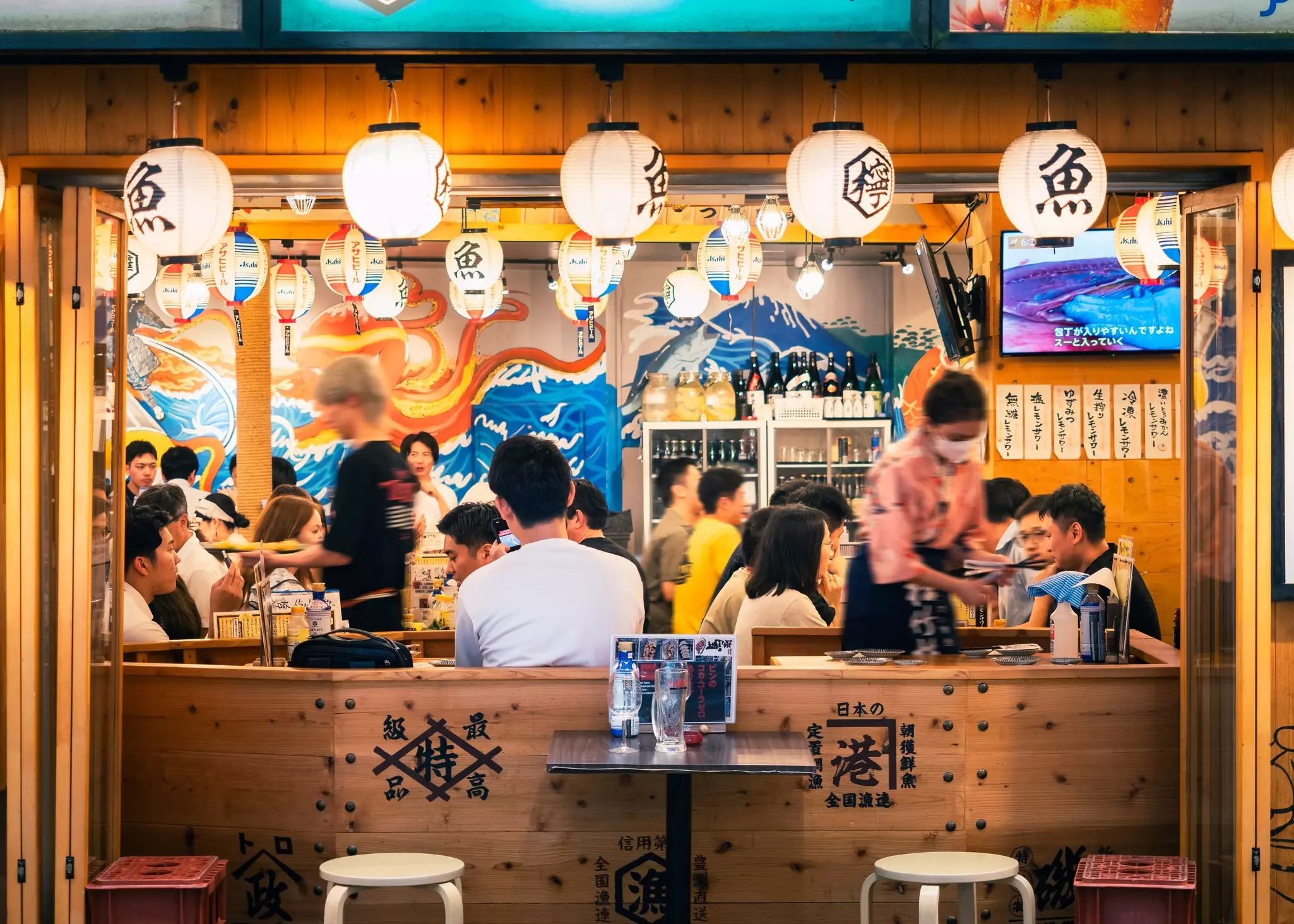
Japan's amazing food and drink are a whole world unto themselves, but you are guaranteed some memorable dining experiences. Here are some tips.
Though tour guides who regularly take foreign tourists around might expect a bit extra, Japan has no tradition of tipping in restaurants and bars, and an attempt to add extra money to your bill will more often than not fluster or embarrass staff.
In lieu of tipping, some bars and restaurants will charge a flat service fee of around 300 yen (¥) or a little more per person. Japan's izakaya often send out a small, unrequested appetizer called an otoshi, tacking a small fee onto the bill for the privilege. Other establishments, typically fancy ones, will automatically add a 10% service charge to the bill.
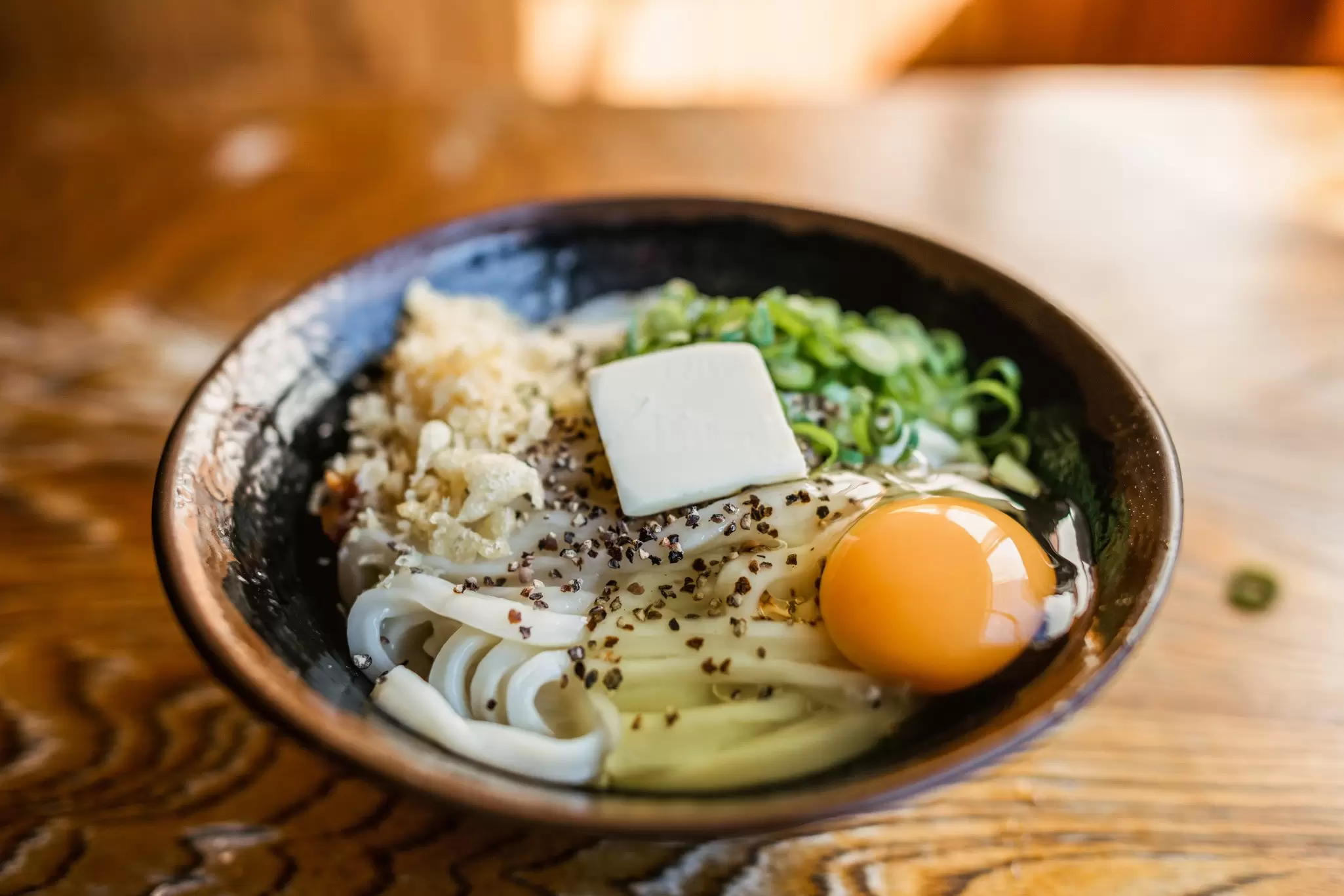
When dining in restaurants, oshibori (wet towels) are typically provided so you can clean your hands before you start eating. It's good etiquette to wait till everyone's food has arrived before you start eating; many Japanese people will start the meal with the phrase itadakimasu, meaning "I humbly receive," and finish with the phrase gochisōsama deshita ("thank you for the feast").
When serving others or moving food from a communal plate, use the reverse end of your chopsticks. Bring small bowls of rice and soup close to your mouth while eating. Japanese meals often arrive in many small pots and dishes, so tidy up your place at the end of the meal, putting lids back on bowls and chopsticks back on their rest.
When drinking alcohol, it is normal to pour drinks for others and let them pour drinks for you. People tend not to start drinking until everyone's glass is full; the favored toast in Japan is kampai, meaning literally "drain your glass."
In Japan, it’s considered bad form to eat in public, especially while walking. Exceptions include on board shinkansen trains and other reserved-seat limited-express trains, where it is quite normal to eat a bentō (a pre-packaged box meal) at your seat. It's also fine to eat in the street at festivals or market streets with food vendors, when picnicking in parks, and (of course) when eating ice cream.
It’s also okay to take sips from a resealable beverage container, like a water bottle, but the Japanese rarely drink coffee or other hot drinks while on the move or on public transport.
To continue planning your trip, check out Lonely Planet's Japan guidebook.
Book your Japan trip with Lonely Planet Journeys
See Japan how it's meant to be seen
Accommodations, activities and ground transportation all taken care of, so you can focus on the fun part. Tell us what your dream trip to Japan looks like, and our local experts will build it from scratch. Or start with one of our itineraries and make it your own.

Explore related stories