Oct 24, 20268 min read
Everything You Need to Know About Visiting an Onsen in JapanMar 5, 2026
11 MIN READ

Writer
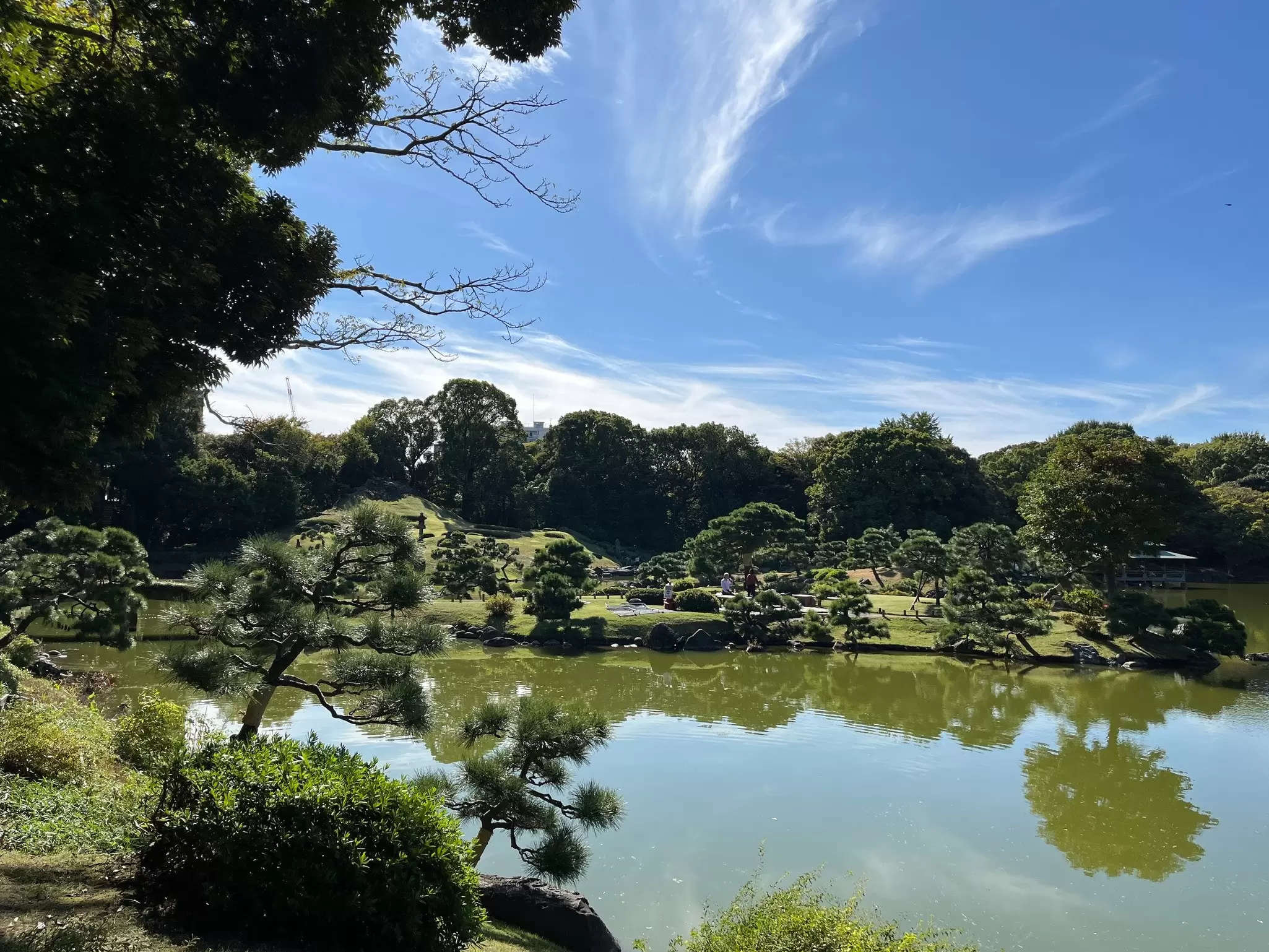
Kiyosumi Gardens in Tokyo, Japan. Akanksha Singh/Lonely Planet
Writer
Lonely Planet may earn a commission from affiliate links on our site. All recommendations and reviews reflect our own independent opinions.
"The mountain is always somewhere there," goes a little-known poem by Prentiss Moore, "beneath an eave hung with a lantern, beyond a gate, under the crest of a giant wave, reflected in a still lake, or struck by a bolt of lightning." In my case, the mountain – Mt Fuji – was in my bathroom, reflected cleanly on the black granite walls at the Four Seasons Tokyo. It was also visible from my room, of course, but one expects a room with a view to have a view. One does not, however, expect to be brushing their teeth, only to squint at the bathroom wall and realize they’re looking at an iconic snow-capped volcano against a cloudless blue sky.
This was my second time in Tokyo, and I’ve since come home convinced that Tokyo is what megacities ought to be. It’s a city that’s culturally vibrant, electric and so sprawling it is intimate. It’s also the perfect launching pad for a “golden route” across the country, onwards to Kyoto and Osaka. This one-week itinerary is a compilation of memorable moments from my trip.
When to arrive: There’s never a bad time to visit Japan, but if you’re looking for something new, aim for early- to mid-November to catch the changing foliage.
How to get from the airport: If you’re flying into Narita, Tokyo city center is about an hour away by bus or train.
Getting around: It would be a shame to come to Japan and not use the country’s subway and train networks. The shinkansen (bullet train) connects Tokyo, Kyoto and Osaka, and Google Maps works exceptionally well for in-city navigation, including subways.
Where to stay: There’s no end of accommodation options in Japan. Tokyo, in particular, has options for every budget and preference. I stayed at Four Seasons’ properties on this trip but especially loved the novelty of the ryokan-style tatami room in the Osaka one.
What to pack: November evenings can be chilly and you might encounter a spot of rain, so pack warm, versatile layers in addition to waterproof walking shoes.
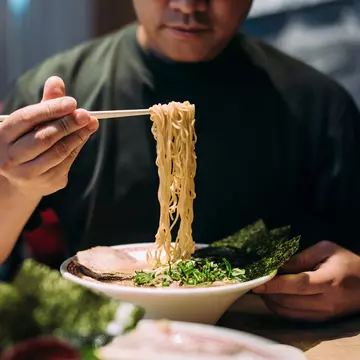
It’s impossible to spend enough time in Tokyo, so drop your bags at your hotel and walk off the jet lag. If you’re one for architecture, check out the boat-shaped Tokyo International Forum (which also hosts a number of impressive artworks). There’s an endless number of ramen options in Tokyo, but once you’ve worked up an appetite, head straight to Tokyo Ramen Street – a collection of the city’s best ramen shops in Tokyo Station - and prepare to queue. I ate at Hirugao and ordered the “spicy” ramen for 1330 Japanese yen (¥1330). Customizations, allergies and dietary restrictions are hard to accommodate (but not impossible) so ask your hotel to write out your needs so you may convey them, or better yet, bring along a local guide (Tokyo Station can be hard to maneuver at the best of times). If you’re traveling with kids (or are especially into multi-sensory immersive art), teamLab Planets is a fun way to spend at least a couple of hours, though you may want to cater for longer. Among other things, expect to wade barefoot through shin-high water and crouch through hundreds of suspended orchids. Although wheelchair access is available, many artworks aren’t geared towards those with restricted mobility, and those with light sensitivity may want to make their conditions known to staff at the facility.
Aim for an early dinner. I dined at Pigneto (at the Four Seasons Tokyo at Otemachi), where I got a diavola pizza (were it not for the jet lag, I probably would have had a second).
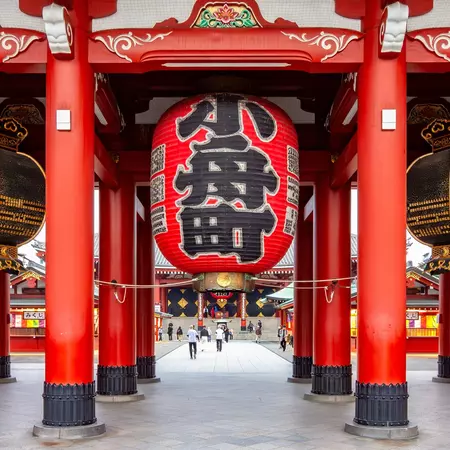
After breakfast, start your day with a visit to Asakusa, an area that’s home to Sensō-ji, one of Tokyo’s oldest and most recognizable Buddhist temples. If time allows, before visiting the temple, head up to the observation deck at the Asakusa Culture Tourist Information Center for views of the skyline, including the Tokyo Sky Tree and the Asahi Flame, locally-dubbed the “golden poo.”
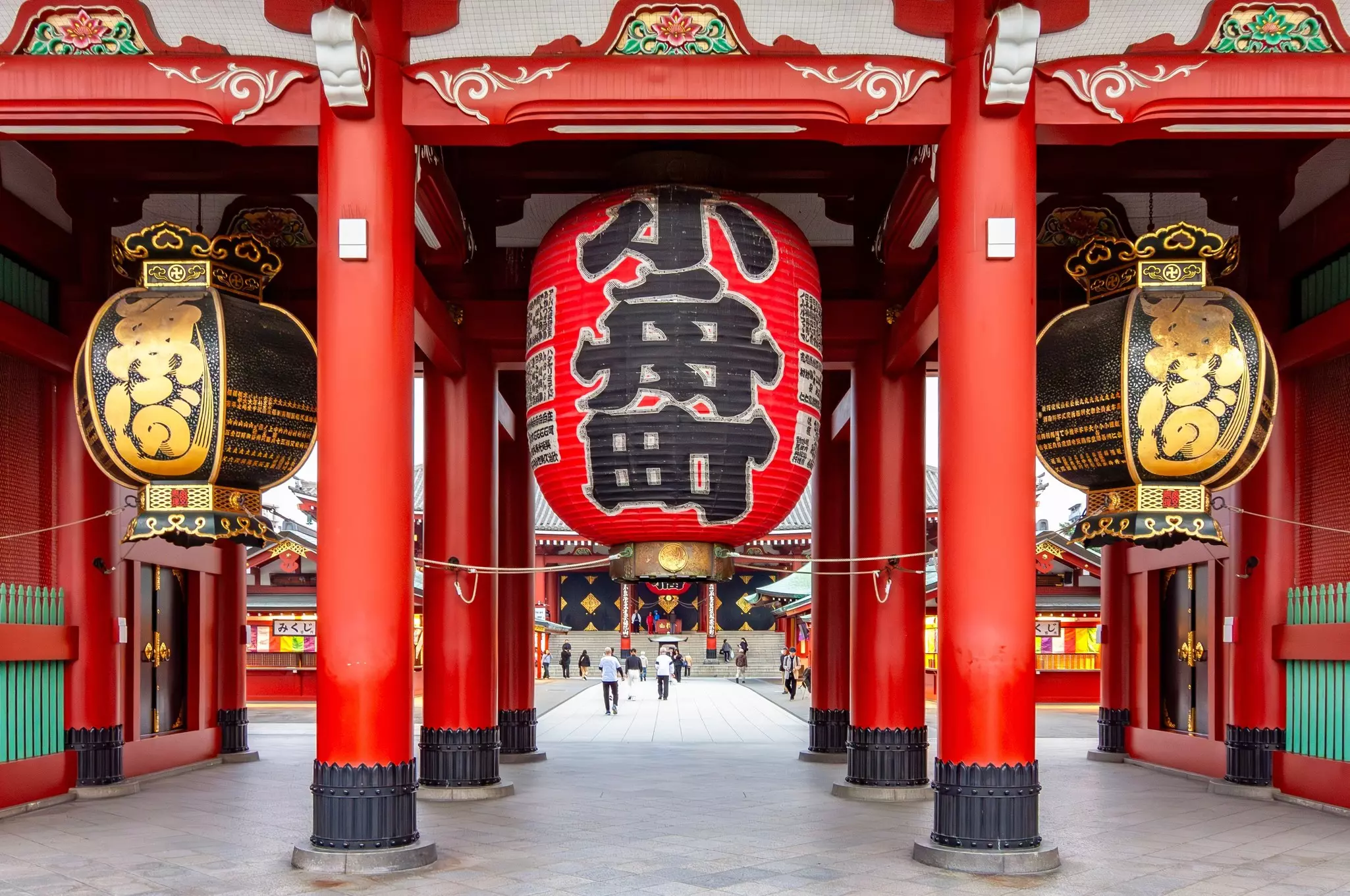
Nakamise-dōri, the street leading up to Sensō-ji, is one of the country’s oldest shopping streets, dating back to the 1600s - and while it is swarming with tourists, it’s worth a gander. You’ll find food and souvenir stalls. While I maintain I am not a shopper, I stopped by Sakai Kokodo Yamafuji for ukiyo-e, or wood prints (and if your budget allows, they also have original ukiyo-e from the Edo period). The temple complex itself is the piece de resistance. Once you step through the Kaminari-mon, a gateway flanked by statues of the gods of thunder and wind, you’ll smell the incense. The crowds thin out here, so take your time soaking in the richness of the temple atmosphere before you get to your next stop.
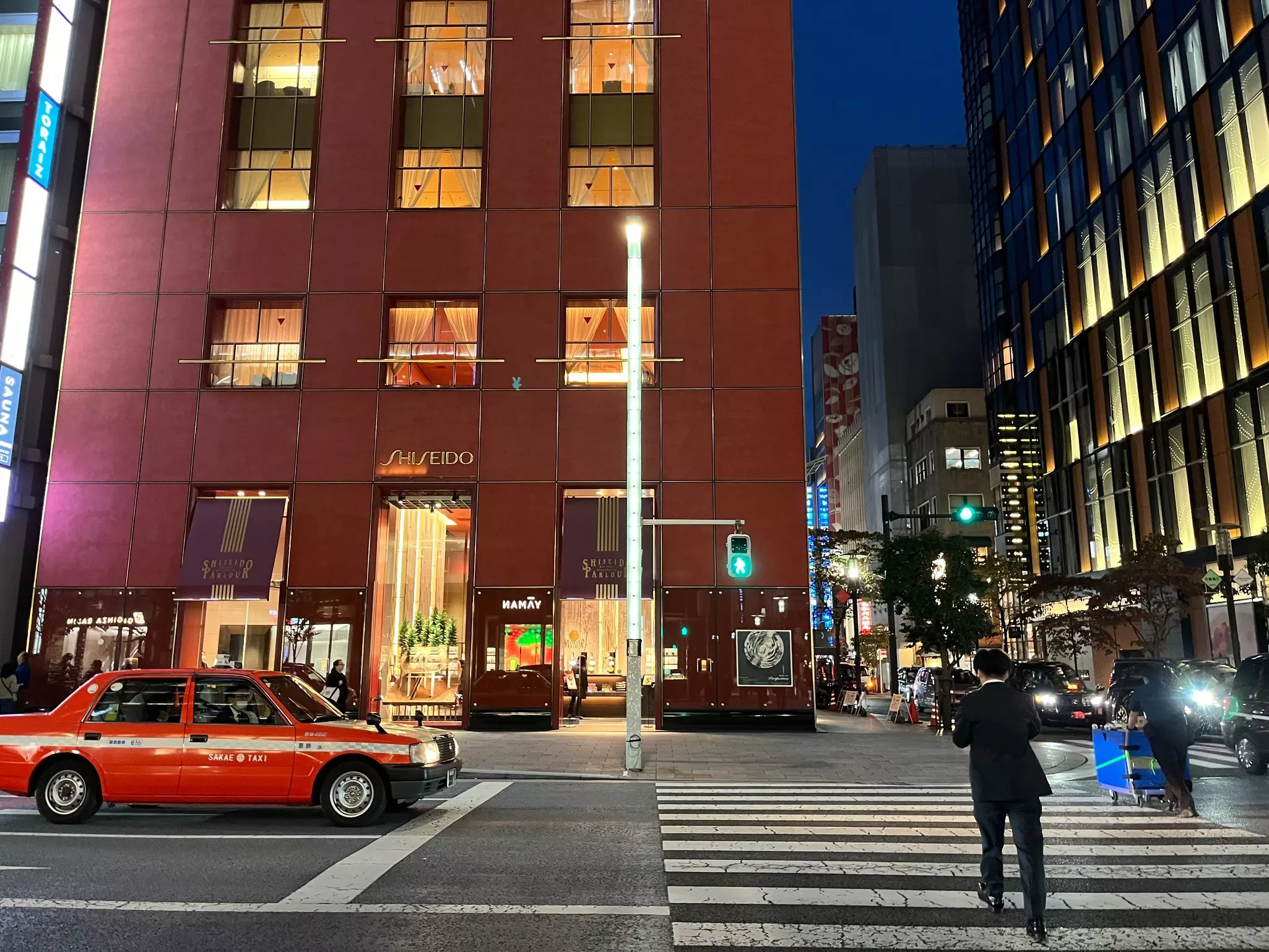
There’s an abundance of memorable gardens in Tokyo, and while the Imperial Palace Gardens is definitely worth a visit, head to the Kiyosumi Gardens for a quiet stroll. As you meander along (and across) the mirror-like central pond, take note of the rocks deliberately brought here from across Japan, the turtles and ducks bathing in the sun, and the odd unbothered egret. There’s also a demarcated path for visitors with restricted mobility (including those in wheelchairs). Spend the reminder of your day in Ginza, a swish neighborhood known for its luxury stores, sleek cafés and plentiful art galleries. Almost everything is upscale here, so even local brands (like Uniqlo) are priced a smidge higher than elsewhere. Start at the Nissan crossing – a more modest alternative to the Shibuya crossing – and zigzag through the bylanes. I stopped at the burgundy Shiseido Gallery to take in an exhibit by Akiko and Masako Takada, and then headed to the dimly-lit Café de L’Ambre for coffee made from aged beans (wonderfully smooth).
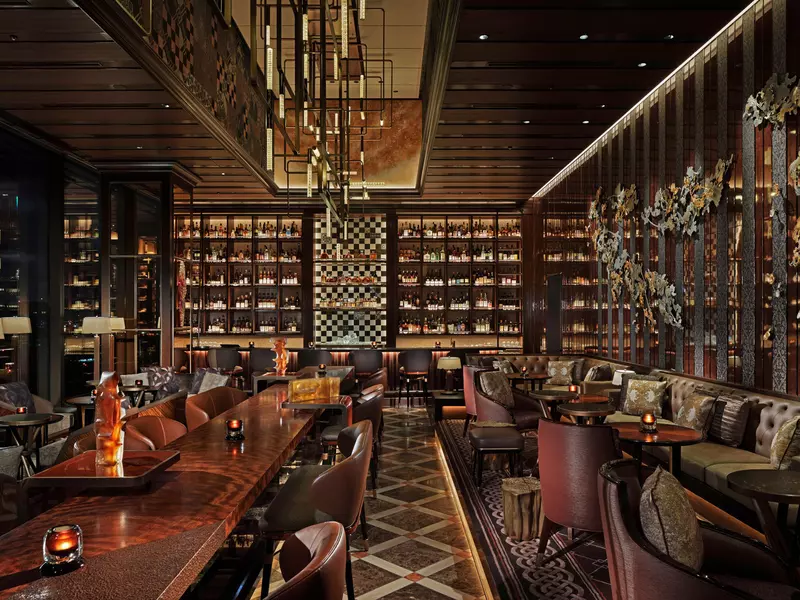
Tokyo’s drinking scene offers endless options for every taste (Bar Lupin, which was closed on my visit to Ginza, and is on my list for next time). However, for cocktails, cognac and - most importantly - sweeping views of Tokyo’s neon skyline, head to VIRTÙ.
After breakfast, take the shinkansen (bullet train) from Tokyo to Kyoto. The 2-hour journey offers countryside views, with Mt Fuji draped in the background if you plan ahead.
Local tip: Lonely Planet's Tokyo-based Destination Editor Selena Hoy suggests that D or E seats will get you the best views of Mt Fuji, but sell out fast; plan accordingly.
Kyoto is the sort of small town where you’re best served walking around without a map. Start at Gion, Kyoto’s geisha district. Souvenir shops are aplenty here for anyone who is so inclined, and if you’ve got kids, the Miffy store has everything from jellies to plushies. If time allows, stop at the charming Nōen Coffee, Gion for coffee and a strawberry sponge, before heading to unfussy Tempura Eisyun for a late lunch (reserve ahead; vegetarians are accommodated on request). Chef Masaki Nagai has been frying tempura for well more than a decade, and his love of his craft is evident as he explains (in Japanese) how hard it is nowadays to get small fish (they’re expensive and overfished) and how substitutions take time to become menu items. If you’re squeamish, it’s worth noting that raw ingredients are prepared from scratch on-site in the open kitchen, but everything I ate here was fantastic. The tile fish tempura was sonnet-worthy and the house-made lemon sorbet was the perfect end to the meal.
Bar Alchemist comes heavily recommended, but a Kyoto local pointed us to a hole-in-the-wall jazz bar called Hello, Dolly! right off the river. Good cocktails, low lights and old school jazz on record - what’s not to love?
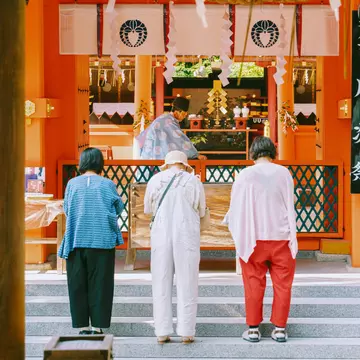
Start the day early with a scenic walk to Fushimi Inari (take the side way up through the bamboo groves and past the moss-covered fox shrines to avoid crowds), where you’ll see thousands of vermillion torii gates. (Etiquette tip: bow before entering the first gate, and never walk in the middle of the gates - this is where the deities are believed to walk.) Along the way, look out for omokaru-ishi - “light-heavy stones” – used in fortunetelling (the fortunetelling ritual asks that an individual guess the weight of the stone after making a wish; if the stone feels lighter on lifting, the wish will come true) and shops selling everything from postcards and paintings to maneki-neko (cat figurines with fortunes).
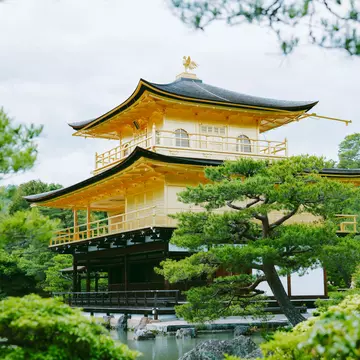
There are an endless number of shrines and temples to see in Kyoto (along with the Imperial Palace), but if I had to pick two based on my two trips here, I’d suggest a visit to the Heian shrine or Kinkaku-ji (Temple of the Golden Pavilion). If time allows, head to gin tasting. We went to House of Ki No Bi for a self-guided one, but your options are endless: Kyoto has a burgeoning gin scene, which celebrates local ingredients such as yuzu and green tea.
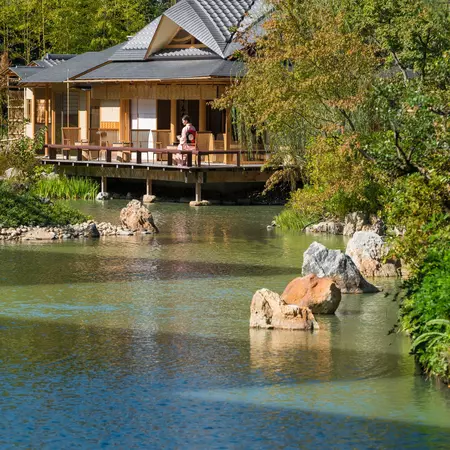
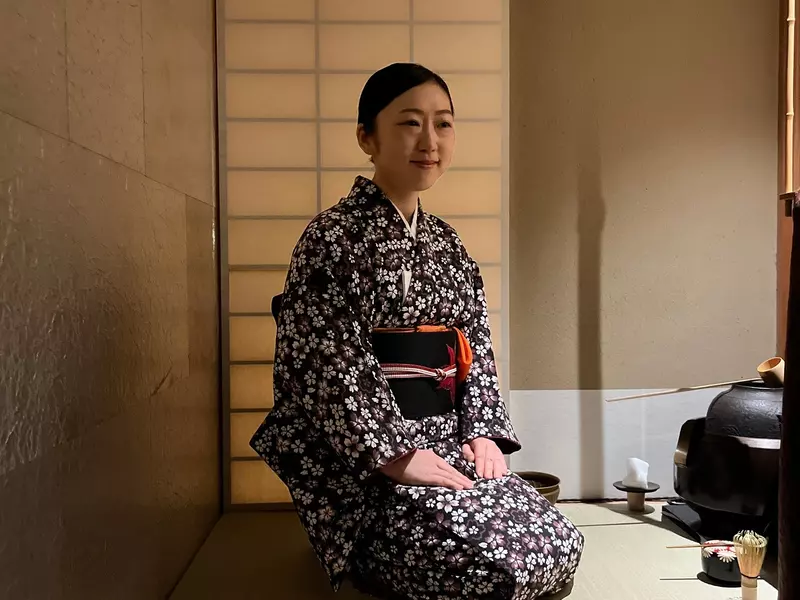
For non-drinkers and drinkers alike, a Kyoto tea ceremony is a must-do. We did ours at Shakusui-tei, a tea ceremony room along the Shakusui-en, an 800-year-old heritage pond garden (within the hotel grounds). However, there are tens of tea ceremony experiences dotted around the city.
Wind down the day with dinner at Sushi Ginza Onodera. Of all the sushi we ate on this trip, this was by far the most memorable: the chefs were boisterous and the courses were each memorable (though if I had to pick a favorite, the sea urchin nigiri was both succulent and sweet).
Start the day no later than 8am with a walk to Kiyomizu-dera Temple to beat the crowds (you will encounter the crowds who thought they were beating the crowds, though). It’s a sprawling site (one of 17 UNESCO World Heritage Sites in Kyoto) but a stunning example of Edo-era architecture, complete with legends of leaping samurais and a freshwater spring that grants wishes.
If you’re a shopper (or if you have loved ones you like), head to Takashimaya for to shop for souvenirs before making your way to Nishiki market, Kyoto’s famed eat street. Once you’ve gorged your way through the length of the street, make your way to Osaka (the shinkansen is your quickest option)
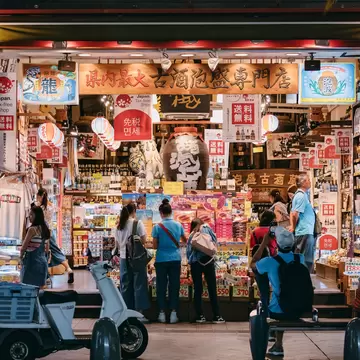
I can’t explain it, but Osaka’s streets thrum in a way that feels instantly different than Tokyo. Head out for a stroll without an agenda to soak in the city’s energy. If you’re feeling particularly adventurous, head into a Don Quijote (“Donki”) - a quintessentially chaotic Japanese megastore.
Easily one of Osaka’s best-known neighborhoods, Dōtombori conjures a cartoon-heavy, arcade-esque vibe. Walk from the Ebisu bridge along the canal to check out the ferris wheel at Ebisu Tower before heading to Shinsaibashi for more cafés and shops (expect everything from Daiso to Onitsuka Tiger).
To take in all of Osaka’s top attractions - including the Osaka castle - in one fell swoop, book a boat ride along the Dojima river. (The Four Seasons has a private one that’s suited to a large group, but there are a handful of other options, too.) Afterwards, head to Shinsekai for more wonderfully chaotic streets, stopping to admire the Hitachi tower and taking in the numerous representations of Billiken, the city’s golden mascot. Lunch at Shinsekai Kushikatsu to confirm your suspicions that there’s really no bad way to prepare crumbed, deep-fried skewered food. If you’ve got a sweet tooth (and room after lunch), Candy Apple makes great candied strawberries.
Spend the rest of the day admiring Osaka’s arts district. Here, you’ll find the red-bricked City Hall, Museum of Oriental Ceramics and the Osaka Prefectural Nakanoshima Library. Further along the river (and a very pleasant walk) is the Nakanoshima Museum of Art and the Science Museum, too - both of which I’ve got bookmarked for my next trip.
Some people don’t sightsee on travel days. I’m not one of them. Head to Osaka Castle – with its glorious moat and sprawling gardens - first thing in the morning. Lines are long but the 360 views from the main tower are well worth the wait. The tower is a reconstruction, but contains a good museum.
Once you’ve worked up an appetite, grab a brunch-time snack from a konbini (convenience store). I sampled the much-talked-about FamilyMart "spicy" Famichiki, a succulent, crisply crusted chicken nugget (the key is to eat it freshly fried), and, finally, head to the airport.
Akanksha Singh traveled to Japan on the invitation of Four Seasons. Lonely Planet staff do not accept freebies in exchange for positive coverage.
Book your Japan trip with Lonely Planet Journeys
See Japan how it's meant to be seen
Accommodations, activities and ground transportation all taken care of, so you can focus on the fun part. Tell us what your dream trip to Japan looks like, and our local experts will build it from scratch. Or start with one of our itineraries and make it your own.

Explore related stories