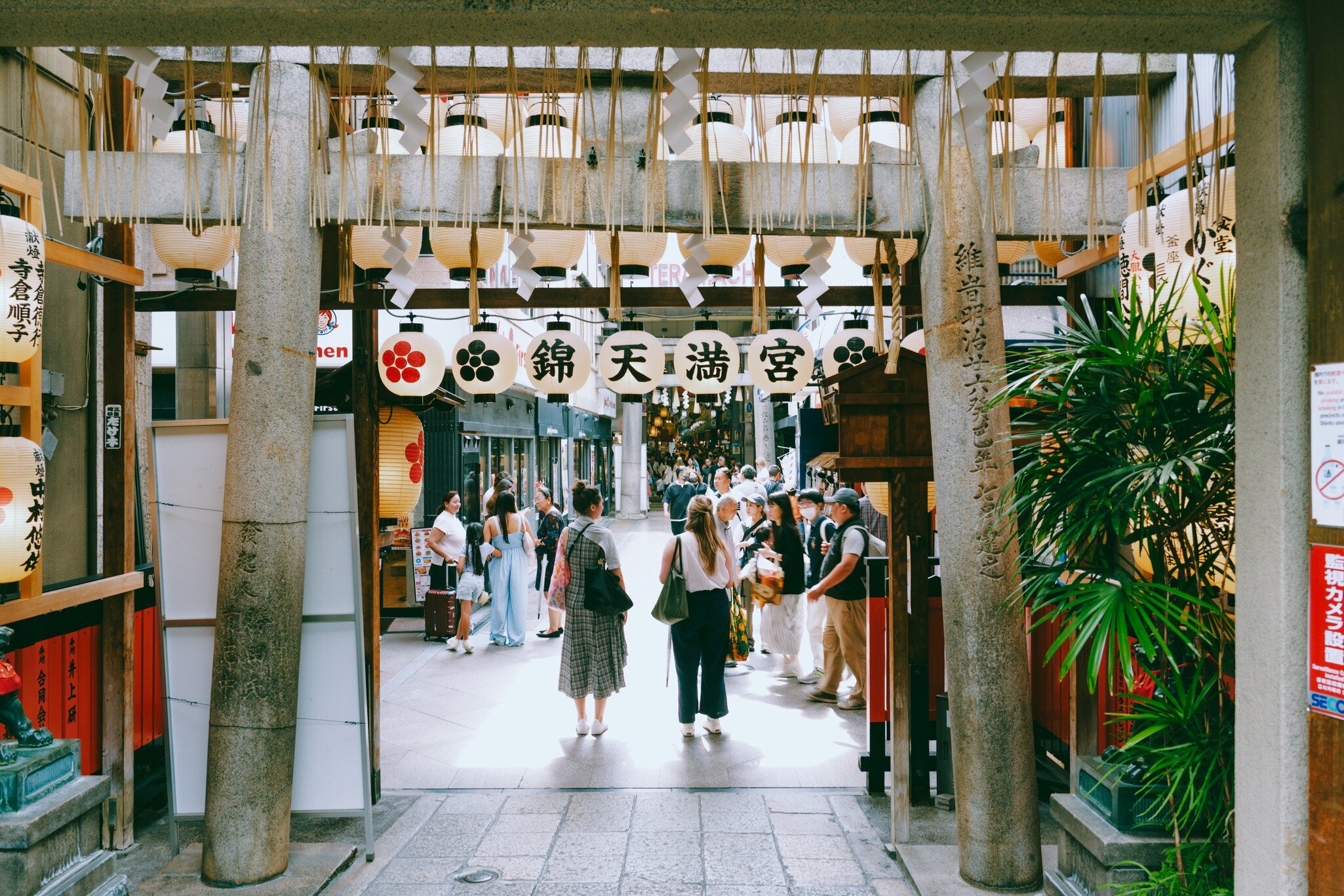
Nishiki Market is called “Kyoto’s Kitchen” for a reason. This 400m-long street arcade in the heart of Kyoto is home to more than 100 shops and stalls selling everything from kitchenware and matcha powder to pufferfish sashimi, alongside an ocean floor’s worth of seaweed. While the market has been around in one form or another for nearly a millennium, in the modern age, Nishiki has become an essential stop for Kyoto gourmands and visitors seeking authentic Japanese flavors.
As at many markets in tourist hot spots, some vendors have adapted their offerings to appeal to the influx of fresh faces, swapping loose-leaf tea for tea-infused ice cream or fresh fruit for fruit-stuffed sandwiches. You’ll have to judge for yourself how successful these fusions have been.
During the peak season, which is most of the year now in Kyoto, you’ll get a sense that the market was simply not designed to accommodate the sheer number of daily visitors. But if you are OK with crowds, an afternoon of strolling and eating here remains one of Japan’s best food experiences.
What Is the History of Nishiki Market?
While some historians claim that a market existed here as far back as the Heian period (794–1185 CE), Nishiki Market was officially recognized by the Tokugawa shogunate in the early 1600s, primarily as a hub for fish wholesalers.
In the centuries since, Kyoto’s famously discerning eaters have come to Nishiki Market for fresh shellfish and filleted tilefish, a riot of citrus fruit and vegetables for making tsukemono (pickles), silky tofu and azuki beans, beautifully crafted chopsticks and tea bowls painted to reflect the changing seasons, and kelp and dried shiitake mushrooms for flavoring miso soup.
How Do I Navigate Nishiki Market?
For travelers who like to draw up an itinerary before visiting the sights, the Nishiki Market website has a map with information on the many vendors, their products and their hours of operation. However, part of the fun is the sense of discovery that comes with going in blind and seeing what you stumble across.
Note that the market is crowded, and it gets even more crowded on weekends and national holidays. Visit in the morning on a weekday for a calmer experience.
How Do I Get to Nishiki Market?
Within walking distance of most hotels in central and eastern Kyoto, Nishiki Market sits between the Kyoto Imperial Palace and the train station. The easiest way to get here by public transportation is to ride the Karasuma subway line to Shijo Station, or the Hankyu line to Karasuma Station or Kyoto-Kawaramachi Station. From any of these stops, the market is about a 5-minute walk.
You can also get to Nishiki Market on the buses that run along Karasuma-dōri and Shijo-dōri, two of the city’s main arteries. However, the number of tourists clogging up commuter buses in recent years has caused discontent among Kyoto locals; you’ll be doing everyone a favor if you visit on foot or use another mode of transport.
Also, consider cycling – Kyoto has lots of bike rental stores, and the central part of the city is flat and set out in a navigable grid system. Just be sure to check the city’s bicycle parking regulations beforehand.
When Should I Go to Nishiki Market?
Japanese cities tend to wake up late and stay up late, and Kyoto is no different. Most stalls and stores in Nishiki Market open at around 10am, so if you want to beat the crowds and can handle raw fish, beef skewers, tempura, sweet bean paste and bean curd skin for breakfast, then get down here for opening time.
From lunchtime through to late afternoon, the market is thronged with visitors. The market officially closes at 6pm, but selected stalls stay open as late as 10pm for nighttime grazing and shopping. Everything is freshest in the morning, when the stalls are well stocked with snacks and produce.
How Much Time Should I Spend at Nishiki Market?
This will be largely dictated by your appetite and ability to deal with crowds. Voracious eaters will find ways to spend hours in Nishiki Market, where every morsel of food is another dopamine hit in waiting. A good way to make the most of your time is to walk the market from stem to stern once or twice, taking note of the places you want to eat, rather than stuffing your face at the first few stalls you encounter.
Stop at the market’s food court for a beer or cup of sake whenever you need to recharge your appetite or get a break from the conveyor belt of visitors.
What Should I Look Out for at Nishiki Market?
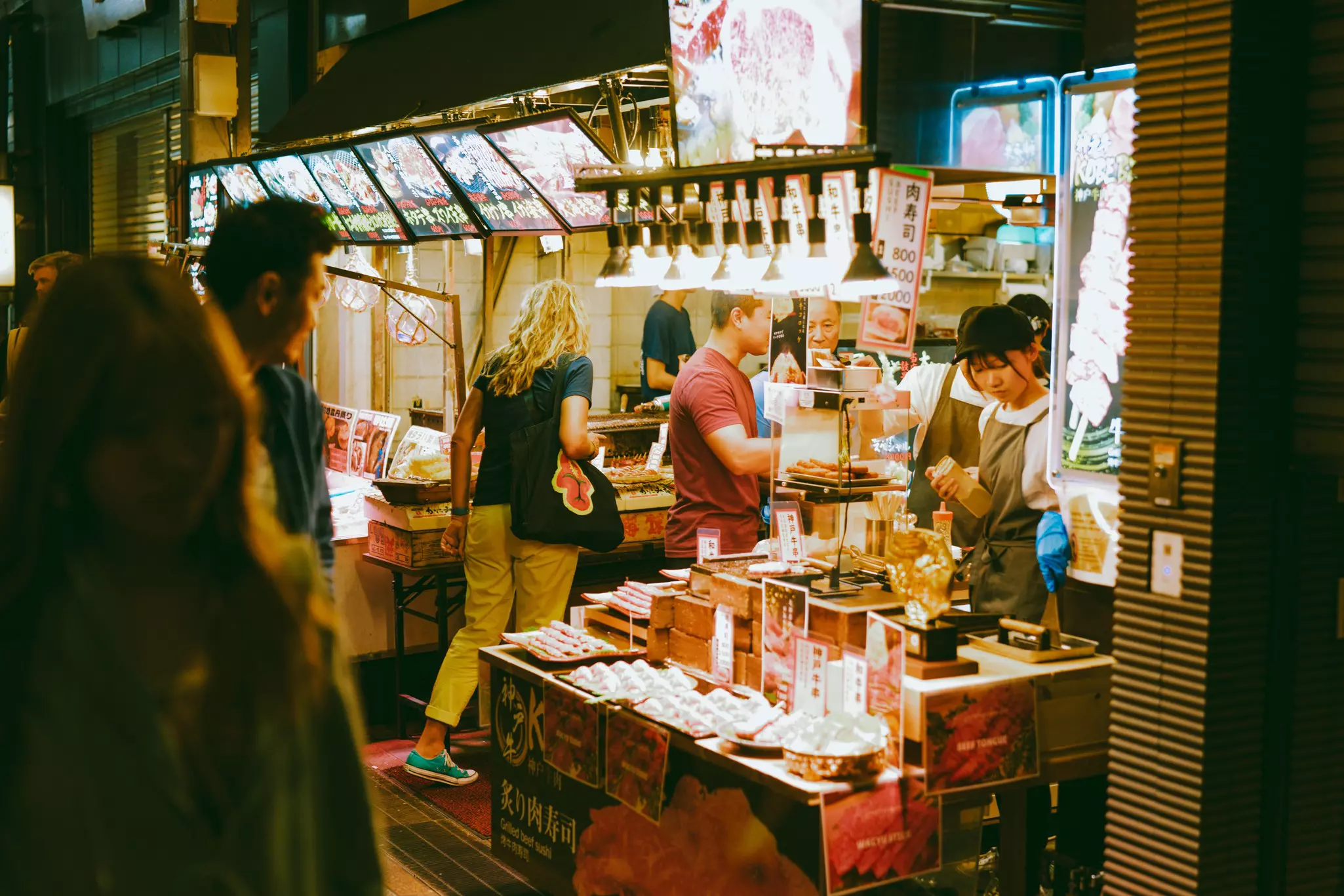
All sorts of foodstuffs and food-related items are available at Nishiki Market, but a few things warrant special attention.
Fresh Produce
If you’re a food fanatic, the market will have you swooning from the outset. Even Kyoto’s top chefs stock their Michelin-starred kitchens with Nishiki produce. Locals are often found shopping for freshwater fish from nearby Lake Biwa and wheat gluten cakes called fu,used in simmered dishes such as soups and hot pots.
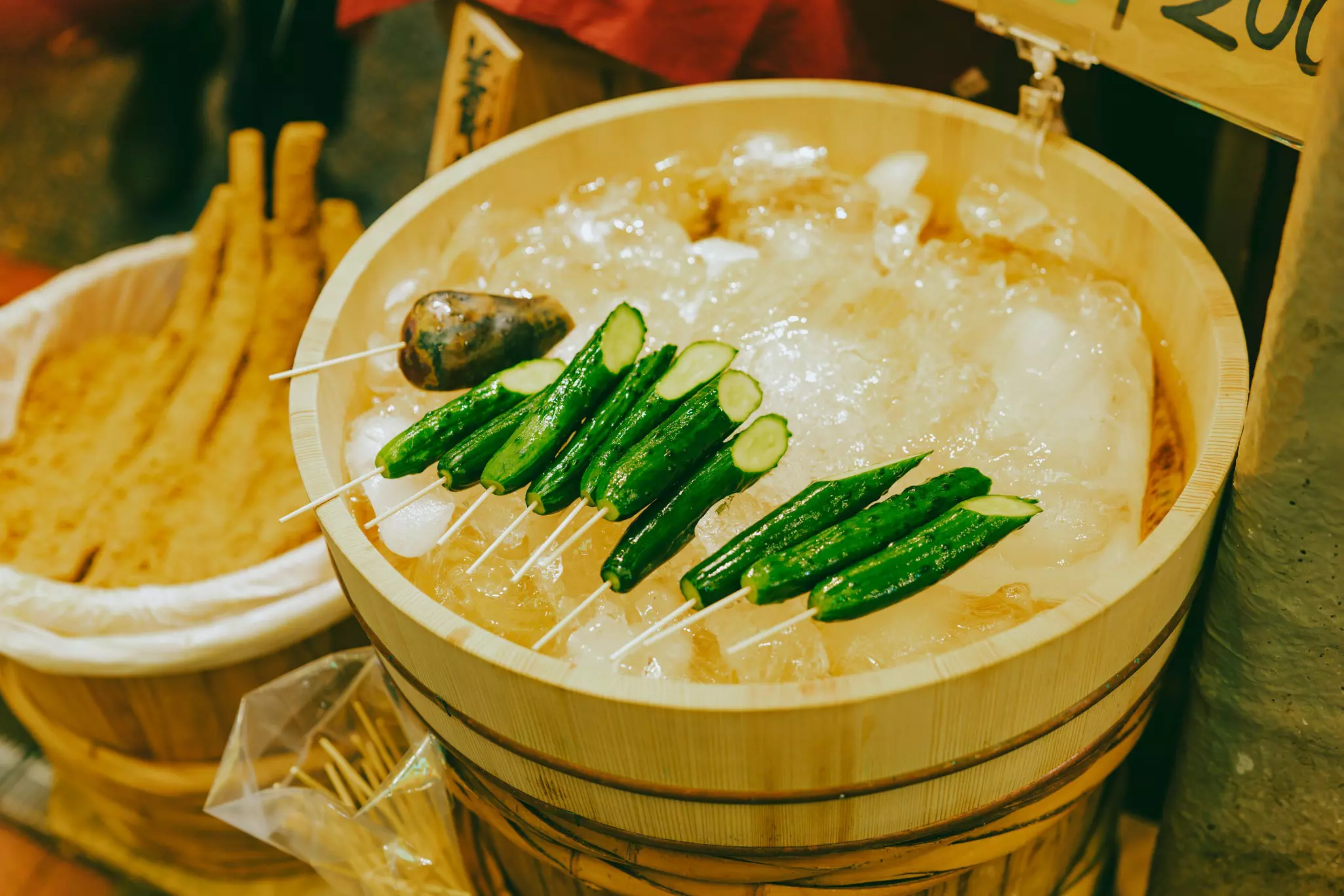
Also popular are heirloom vegetables used in obanzai (home-style cooking), including daikon radishes, ginger, shiso (perilla), yamaimo (Japanese mountain yam), konjac, edamame, kabu (Japanese turnips), and shungiku (chrysanthemum greens).
Though few travelers stock up on fruit and veg, the market’s stalls are a reflection of the Japanese concept of shun (produce at peak ripeness) and the timeworn concept of ko, the 72 microseasons that shape which items are ripe for picking. These stalls are an education in Japan’s approach to food.
Snacks
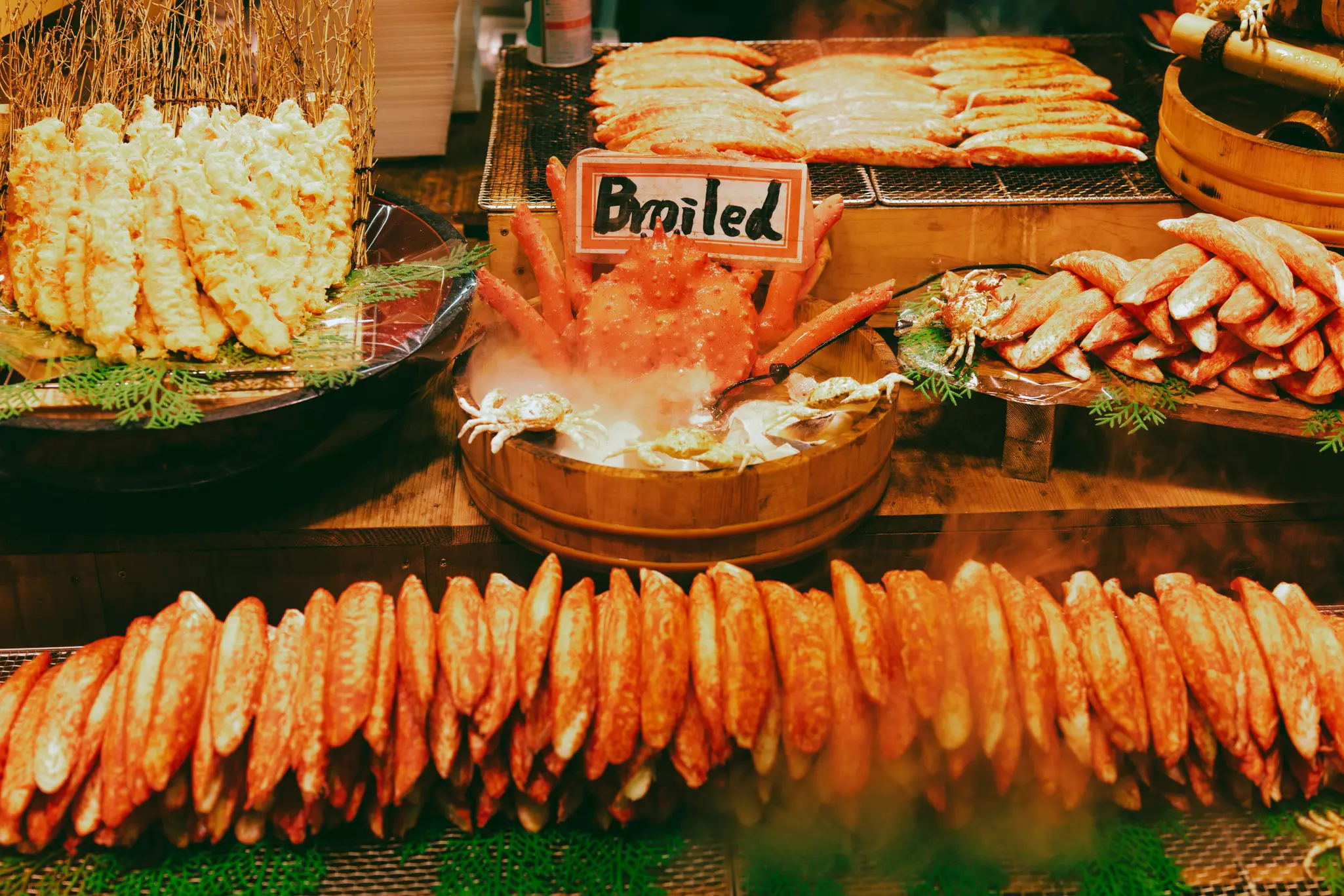
For food to eat on the go, you’ll be similarly spoiled for choice. The best option is to start at the western end of the market. Worthwhile stops include the chic City Bakery (Japanese bakers could give French pâtissiers a run for their money); Hamohide, an izakaya (pub-eatery)specializing in prawns and shellfish; and the Nishiki Gyoza dumpling and fried chicken shop.
As you eat your way toward the eastern end of the market, look out for high-grade, farm-to-table wagyū (Japanese beef) at Nandaimon, dashimaki tamago (rolled omelets) made to a 90-year-old recipe at Tanaka Keiran, sushi sets at Sushi Shi, and sweets flavored with Uji green tea at the Sawawa shop.
Bear in mind that walking and eating is a faux pas in Japanese culture – though it must be said that not all young people observe this etiquette as fastidiously as their elders. Concomitantly, vendors find it frustrating when tourists clog up their storefronts by standing and eating, so if there’s nowhere in the shop to sit, find an alcove or enjoy your food on one of the side streets crossing the market.
Food Court
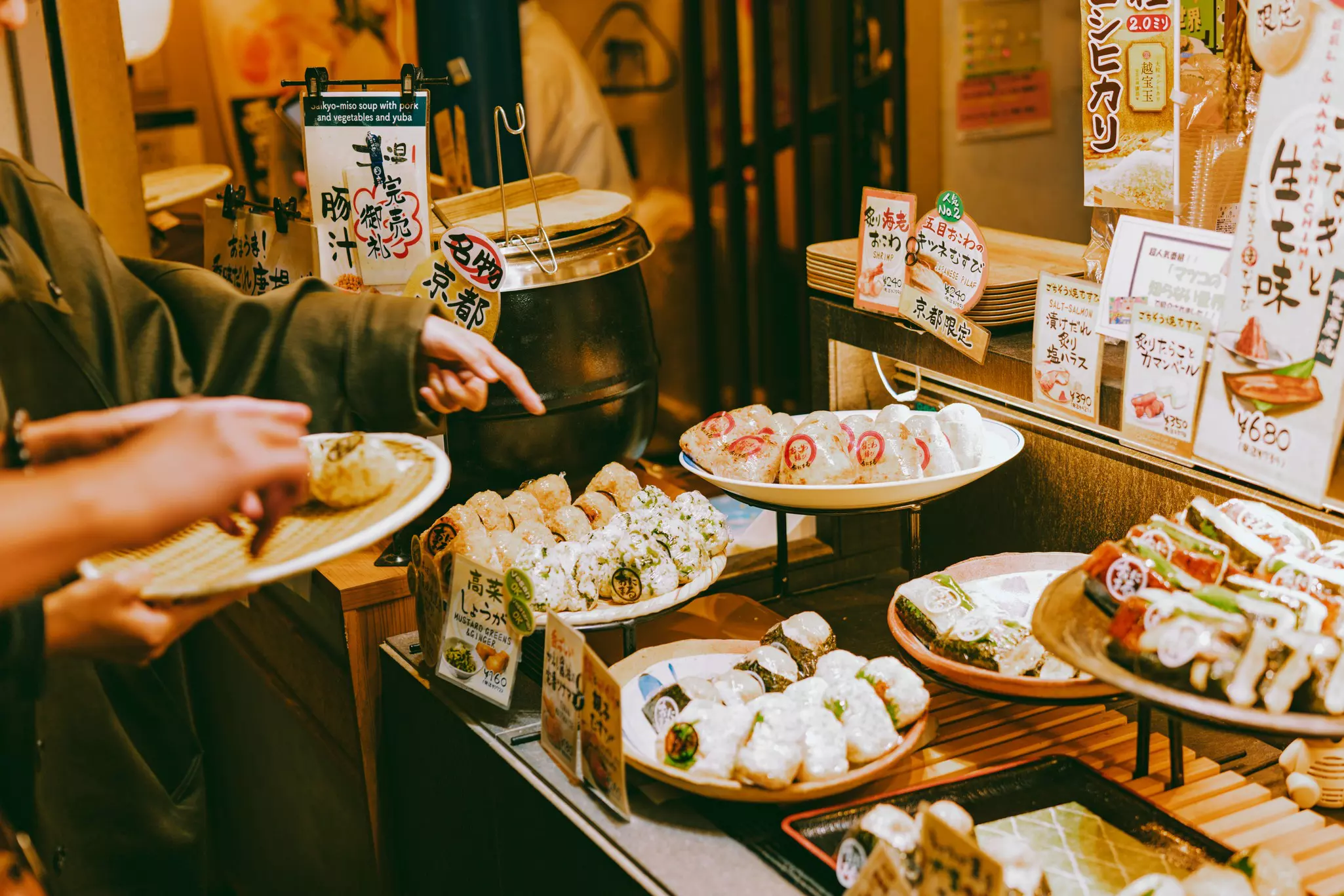
One of the best additions to the market is the food court, built to lure eaters away from the crowded main drag. This long, rectangular room, filled with colorful paper lanterns and the jaunty music of yesteryear, is surrounded by stalls serving the most popular foodstuffs in the market.
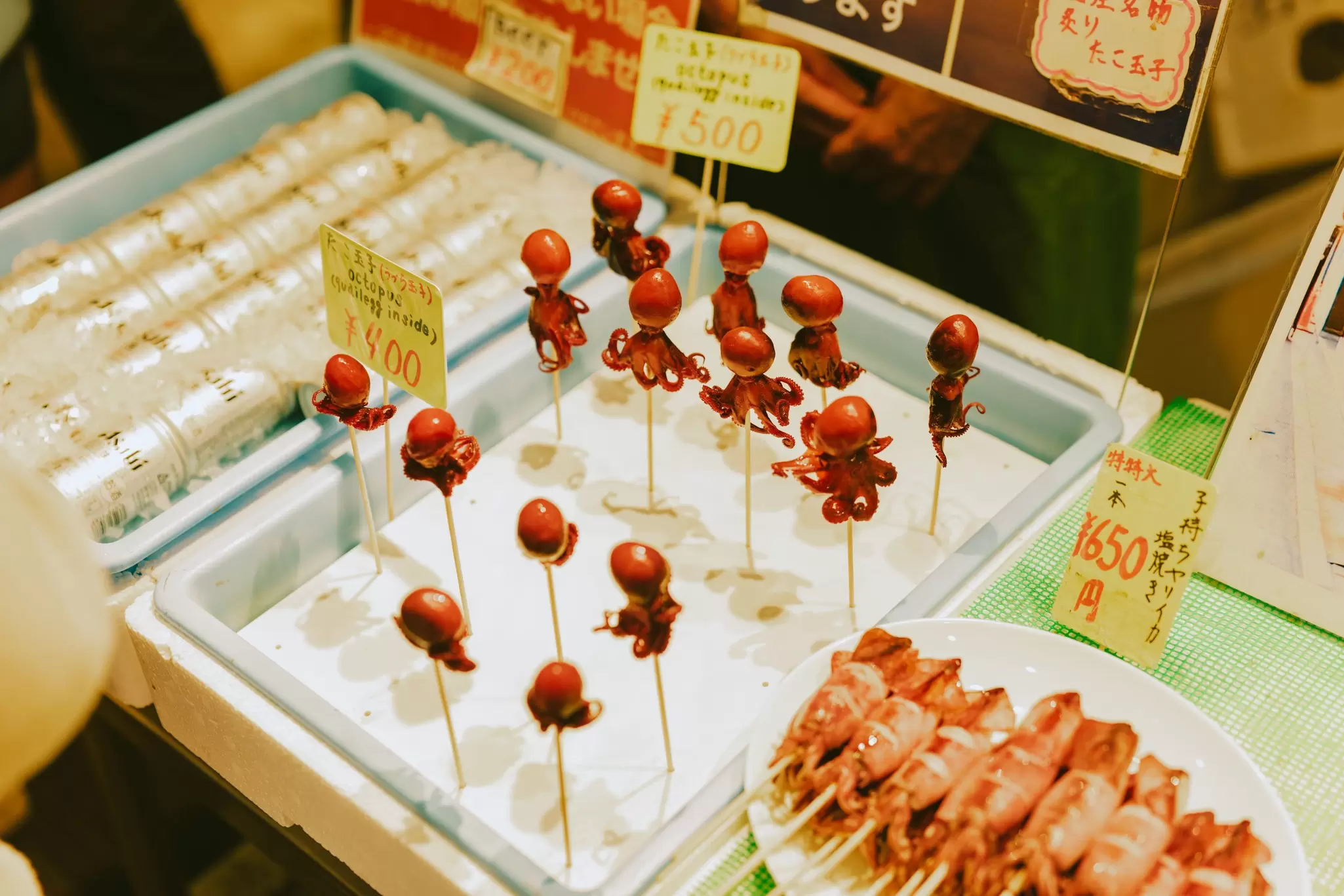
Treats to look out for include beef sushi and steak cuts, tako-yaki (grilled octopus dumplings), grilled ayu (sweetfish), karaage (deep-fried chicken thighs) and shucked and seasoned oysters. Wash your food down with Asahi beer or Japanese rice wine – sold for as little as 100 Japanese yen a glass.
While it's a popular lunch stop, the food court is also worth considering for an early-evening bite. After the market’s workaday vendors close up shop, the food court stays lively for another couple of hours, until around 8pm.
Kitchenware and Gifts
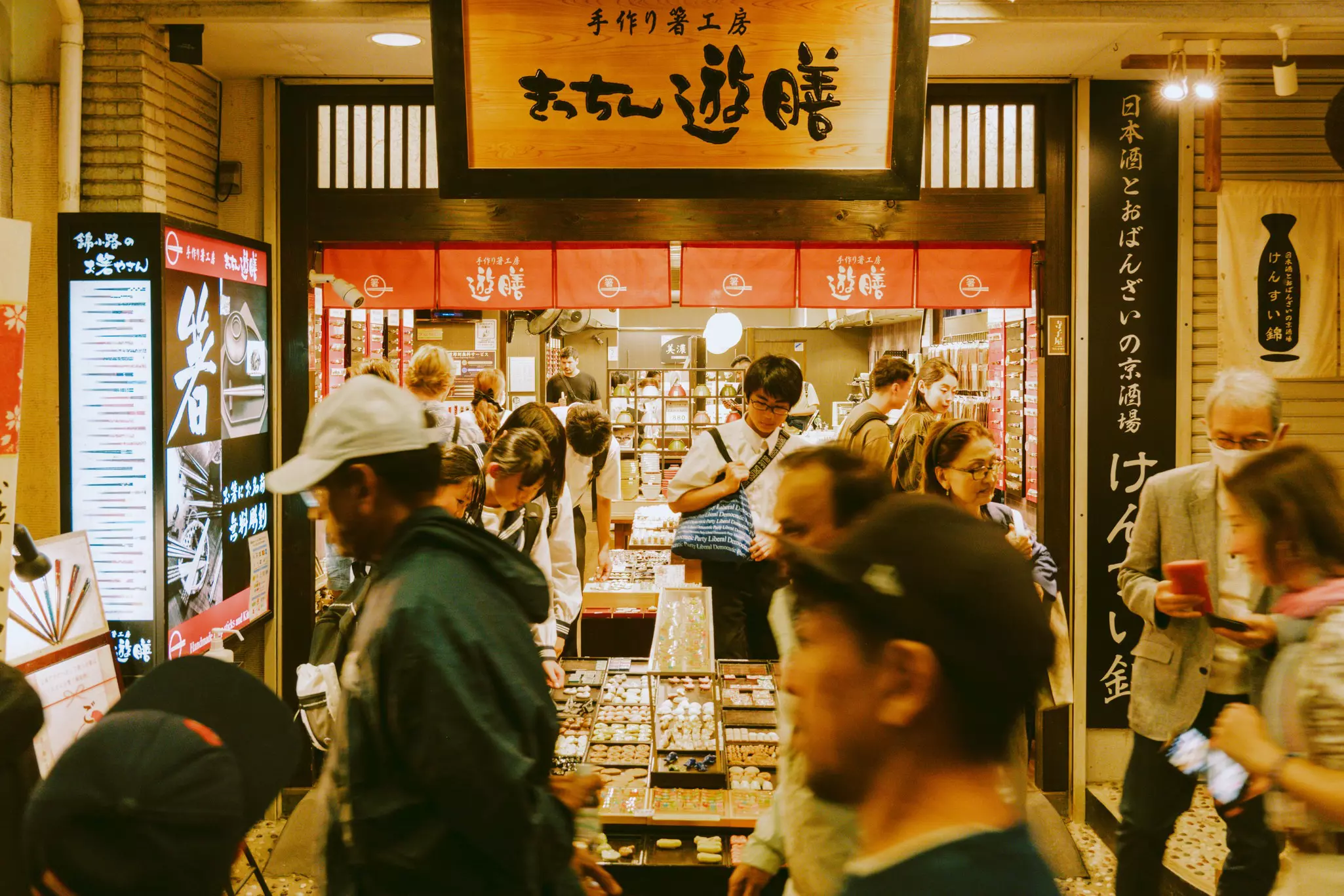
Souvenir shoppers should consider browsing the wares at Aritsugu, founded in 1560 as a sword maker and now selling bespoke knives and cooking utensils, or Touan for glazed tableware and ceramics. For something more ornamental, Maisendo sells handcrafted bamboo-and-washi-paper fans, while husband-and-wife-run ceramic store Kidoairaku specializes in kyoyaki (Kyoto-style pottery). The craftsmanship on display in these stores is museum worthy – as you might expect, considering Kyoto's status as the cultural capital of Japan.
Can I Haggle?
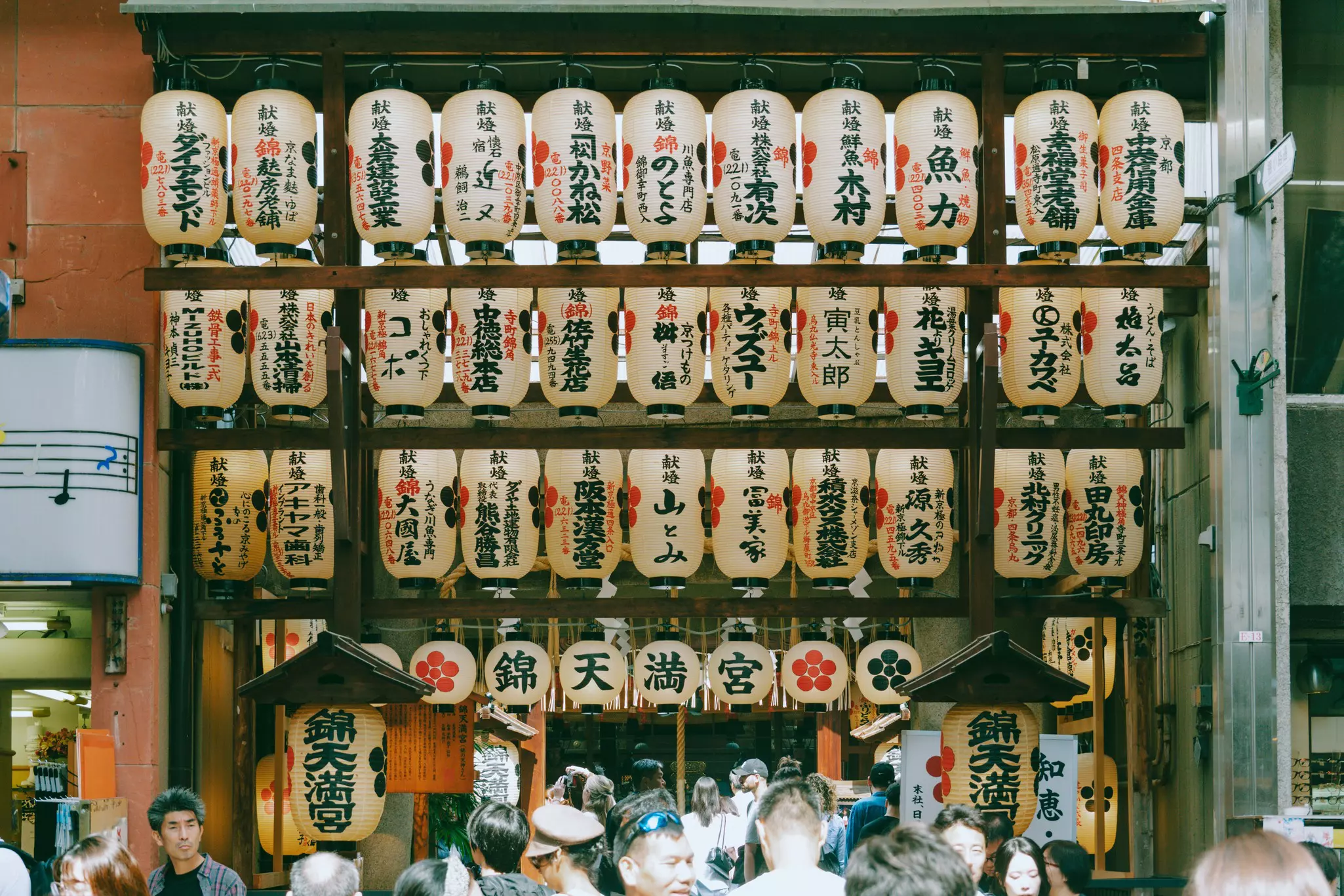
No. Haggling is rare in Japan, even in markets. However, some stalls have used travelers’ increased purchasing power as an excuse to hike up their prices, so it’s worth doing some cost comparisons while you’re here, buying from the most competitive vendors.
Can I Pay by Credit Card?
Despite its high-tech image, Japan is still a cash-based society. While a postpandemic push for digitization means that you will find shops in Nishiki Market that take various kinds of electronic payments, a general rule in Japan is to always have cash, especially if visiting markets or independent mom-and-pop shops.