Sep 21, 20268 min read
A Guide to Okinawa, JapanMar 25, 2026
10 MIN READ
Contributors
The Todai-ji Daibutsu-den in Nara, Japan. Nicolas D'Hoedt for Lonely Planet

Contributors

Lonely Planet Editors, Wendy Yanagihara
Lonely Planet may earn a commission from affiliate links on our site. All recommendations and reviews reflect our own independent opinions.
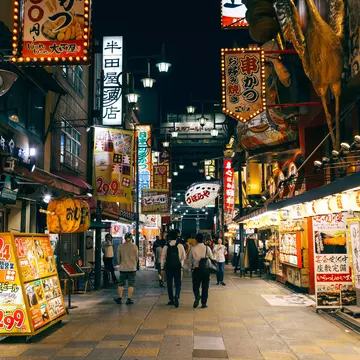
With its pulsing, futuristic cities, vibrant culture, beautiful rural landscapes and world-renowned cuisine, Japan comes top of the must-visit list for many travelers seeking an immersive experience of Asia. But do you need a visa to visit this legendary destination? Well, that all depends on where you come from.
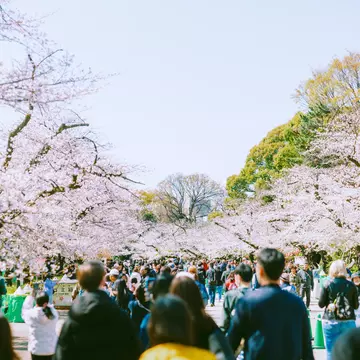
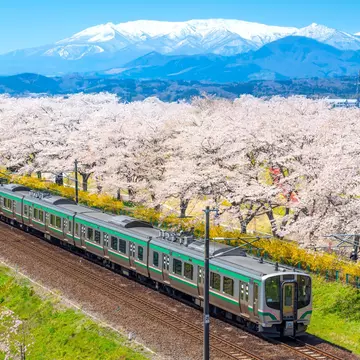
The great news is that most travelers won't have to deal with a lengthy, complex visa process to visit Japan. Visas are granted on arrival to tourists from more than 70 countries, so the only obstacle standing between you and a view of cherry blossom framing Mt Fuji could be a flight and a quick introduction to the logistics of getting around in Japan.
While visa requirements are subject to change – consult the website of Japan's Ministry of Foreign Affairs for any changes ahead of your travels – most visitors find that getting permission to visit is easy. Whether you plan to visit Japan for tourism, seeing friends, employment or a working holiday, start planning your trip now with this guide to the latest entry requirements for Japan.
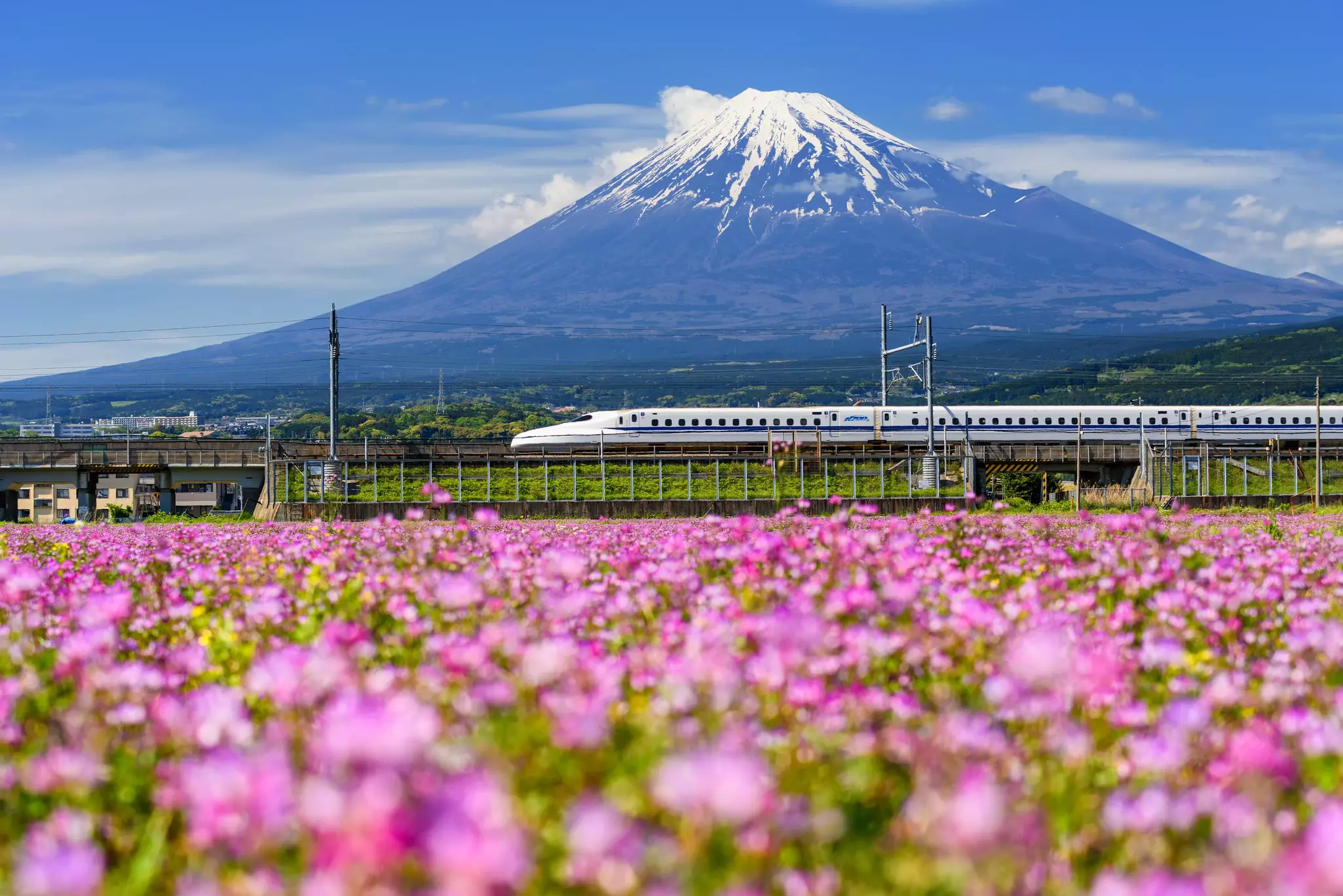
Based on the most recent guidance, released in October 2025, residents of 74 countries can enter Japan for up to 90 days for tourism with a free Temporary Visitor permit, granted upon arrival with a valid passport. Officially, this is considered a visa exemption; there's no fee but you'll need one blank page spare in your passport, which must be valid for the length of your stay.
The list of approved countries includes the UK, USA, Canada, Australia, New Zealand, much of Central America and South America, many countries in Asia, and most nations in Europe. However, note that some nationalities are granted shorter or longer stays, depending on bilateral agreements between Japan and their home countries – check the country-by-country list online.
On entering Japan, all holders of foreign passports are photographed and fingerprinted. Immigration officials can ask you to provide proof of onward travel or sufficient means to purchase an air or ferry ticket out of Japan, though in practice, this is rarely requested, as most people visit with a return plane ticket.
Whether you need a visa or not, it makes sense to carry hard copies of important documents such as your flight bookings and hotel reservations in case you are unable to show these on your devices at check-in or on arrival in Japan.
Travelers who aren't citizens of a visa-exempt country will need to apply for a visa via the nearest Japanese diplomatic mission in their home nation, or make arrangements through an accredited travel agent approved by the diplomatic mission.
The list of nationalities who require a Short-Term Stay visa to enter Japan as a tourist includes citizens of the Philippines, Vietnam, China and CIS countries such as Russia, Uzbekistan and Kazakhstan – the Japanese government publishes a full list online. Short-Term Stay visas are typically valid for 90 days.
Travelers who require a visa but reside outside their home nation in Australia, Canada, the UK, the USA and several other countries are eligible to apply for an e-Visa online. The permitted length of stay varies from 15 days to 90 days, depending on your nationality. You'll need to apply via the official e-Visa website, and present proof that you have a "visa issuance notice" when you check in to travel to Japan (for example, on your smartphone).
For citizens of Hong Kong, visas are not required for those who hold either a Special Administrative Region (SAR) passport issued by the Hong Kong SAR of the People’s Republic of China, or a British National Overseas (BNO) passport (providing you have the right of residence in Hong Kong).
To apply for a visa at a Japanese diplomatic mission, you’ll need to provide a valid passport, a visa application form, travel details and a clear passport-size photograph, along with additional documents. These vary country by country – some nationalities require a guarantor or a letter of invitation from a contact in Japan. Check the Ministry of Foreign Affairs of Japan guidelines for the most up-to-date requirements.
The cost of a visa is approximately 3000 Japanese yen (¥) for a single-entry visa and ¥6000 for a double- or multiple-entry visa. Fees are collected in the currency of the country in which the embassy is located. The processing period for visas is 5 business days from the day after the acceptance of the application, but give yourself extra time to apply for travel during busy periods such as the spring cherry blossom season and Golden Week.

If you enter Japan with a Temporary Visitor permit granted on arrival, extending your stay is possible for citizens of Mexico, Austria, Germany, Liechtenstein, Switzerland, Ireland and the UK. Travelers from these countries may be able to extend their visitor visa once, for another 90 days.
Visitors wishing to do this will need to apply in person at a regional immigration bureau in Japan before their initial visa expires. If approved, the extension fee is ¥4000, typically payable in cash; bring your passport so the extension can be added to your existing permit. Immigration Bureau offices are located in major cities such as Tokyo and Osaka.
When you apply, you'll have to fill in various forms explaining where you have been in Japan, why you want to extend your trip, and the places you plan to visit. Visa extensions are granted at the discretion of the immigration officers, but many travelers are able to extend their trips without problems.
For other nationalities, extending a temporary visa is difficult unless you have family or a business contact in Japan who can act as a guarantor on your behalf. Options should be discussed at the nearest regional immigration bureau.
In a genuine emergency, such as your flight being cancelled or a hospital stay, a temporary extension may be granted for visitors of any nationality, but this is only intended to cover you until you can leave the country, rather than being an opportunity to continue your travels.
For longer stays and employment in Japan, there are several types of work visas and Long-Term Stay visas, but the eligibility criteria for these visas vary widely depending on the purpose of your trip. The main categories are General, Highly Skilled Professional, working, Specified, Start-up, Diplomatic and Official visas.
Applying for a Work Visa or Long-Term Stay visa can be complicated, but the Ministry of Foreign Affairs website has extensive information on each of these visa classes. Here are a few things to consider:
Long-term visas typically grant entry for 3 months, 6 months, 1 year or 3 years, depending on your circumstances and the nature of the activities you plan to engage in during your trip.
Applicants must make a visa application via the nearest Japanese diplomatic mission in their home nation or through an accredited travel agent that the Japanese diplomatic mission has approved.
The documents needed for the visa application will depend on the purpose of your trip. In some cases, you may need a letter of introduction from a Japanese contact, sponsorship from a Japanese company or education provider, or a local guarantor in Japan.
Apply for these kinds of visas well in advance. While the processing time can be as little as 5 days, if anything needs further approval, the application will be sent to the Ministry of Foreign Affairs in Tokyo for further examination, meaning approval could take more than a month.
General Visas are divided into four categories, covering cultural activities, courses for students, training, and family stays for dependents of someone with a working visa for Japan. Cultural activities visas are intended for purposes such as unpaid internships and studying Japanese art forms such as painting, pottery and Japanese floral arrangements.
Student visas are for people enroling on approved courses of study, while training visas are often used by people training with Japanese government departments. If you plan to travel for training provided by a private Japanese company or do a paid internship, you'll likely need to apply for a Working Visa instead.
Japan's Highly Skilled Foreign Professional visa is a possible pathway for travelers with specific skills in business, industry or technical fields, but it's intended for high earners who will benefit the Japanese economy, and it's not usually relevant to people visiting on holiday.
Long-term Work Visas are available to some visitors to Japan, allowing people to work or undertake training with a Japanese company. These visas must be applied for in advance of travel, via a diplomatic mission in your country of origin, and you'll need the assistance of the company providing the work or training to complete the application paperwork.
These kinds of visas are used by businesspeople, teachers, journalists, medics, and other skilled workers, and there are lots of conditions attached to which professions and trades are allowed to apply and the kinds of work permitted. Importantly, these visas do not allow you to travel to Japan and work for any company you choose once you arrive.
Obtaining permission to undertake casual or unskilled work in Japan is more difficult, but there is a special Specified Skilled Worker (SSW) program for workers in industries where Japan has a shortage of local workers, such as nursing, agriculture and construction.
If you want to work remotely for an extended period in Japan, the Designated Activities visa may be an option; this 6-month visa is sometimes used by digital nomads, but there is a high minimum earnings threshold and it does not allow you to work for Japanese companies. There are also special Start-Up visas but these are intended for entrepreneurs opening up businesses in Japan.
If you are under 30 and want to do casual work while visiting Japan, the Working Holiday Visa scheme allows visitors from around 30 nations to take on short-term employment while visiting the country for tourism purposes. The program is open to people between the ages of 18 to 30 (25 in some cases) from 31 countries, including Australia, New Zealand, Canada, South Korea, the UK, Ireland and many European and South American nations.
The number of hours that can be worked and the types of work permitted are restricted under this visa, but joining the program will allow you to visit Japan and take on paid work to help cover your travel costs for up to a year. There's an annual cap on the number of visas issued for many nationalities, so browse the specific rules for your nationality on the Ministry of Foreign Affairs website.
Book your Japan trip with Lonely Planet Journeys
See Japan how it's meant to be seen
Planned by local experts and tailored to you, Lonely Planet Journeys handles the logistics so you can just enjoy the trip. Tell us what you want and we'll build your Japan itinerary from scratch, or browse our bookable trips to get inspired.


Explore related stories